
Unlocking the Quirky World of Pomegranates: Nature’s Jewel Box
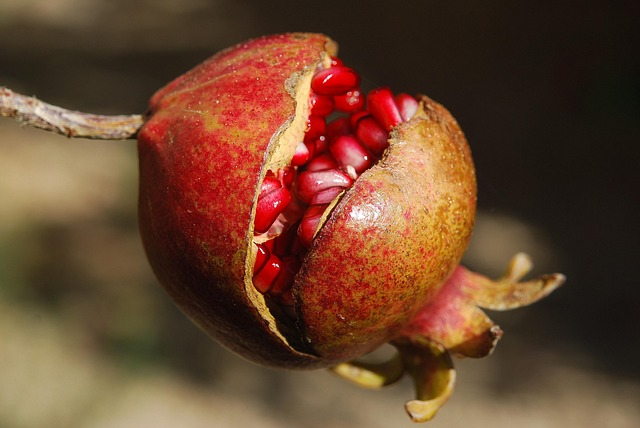
Ah, the pomegranate—nature’s treasure chest filled with sparkling jewels known as arils. This intriguing fruit, scientifically called Punica granatum, is more than just a pretty face in the fruit aisle. Let’s delve into some of the most curious and captivating aspects of this ancient plant that has enchanted cultures across the globe for millennia.
A Botanical Marvel with a Colorful Past
Pomegranates are not newcomers to the botanical scene. For over 4,000 years, they have been cultivated from southeastern Europe to the Himalayas, thriving in the warm, sun-soaked climates they adore. But did you know that their genus name, Punica, harks back to the Roman name for Carthage? The Romans mistakenly thought pomegranates hailed from Africa, when in reality, their roots trace back to Iran and northern India.
The Art of Growth: More Than Meets the Eye
Growth Habits and Leafy Transformations
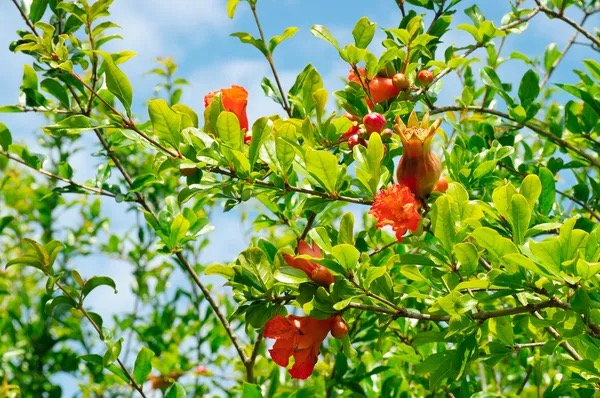
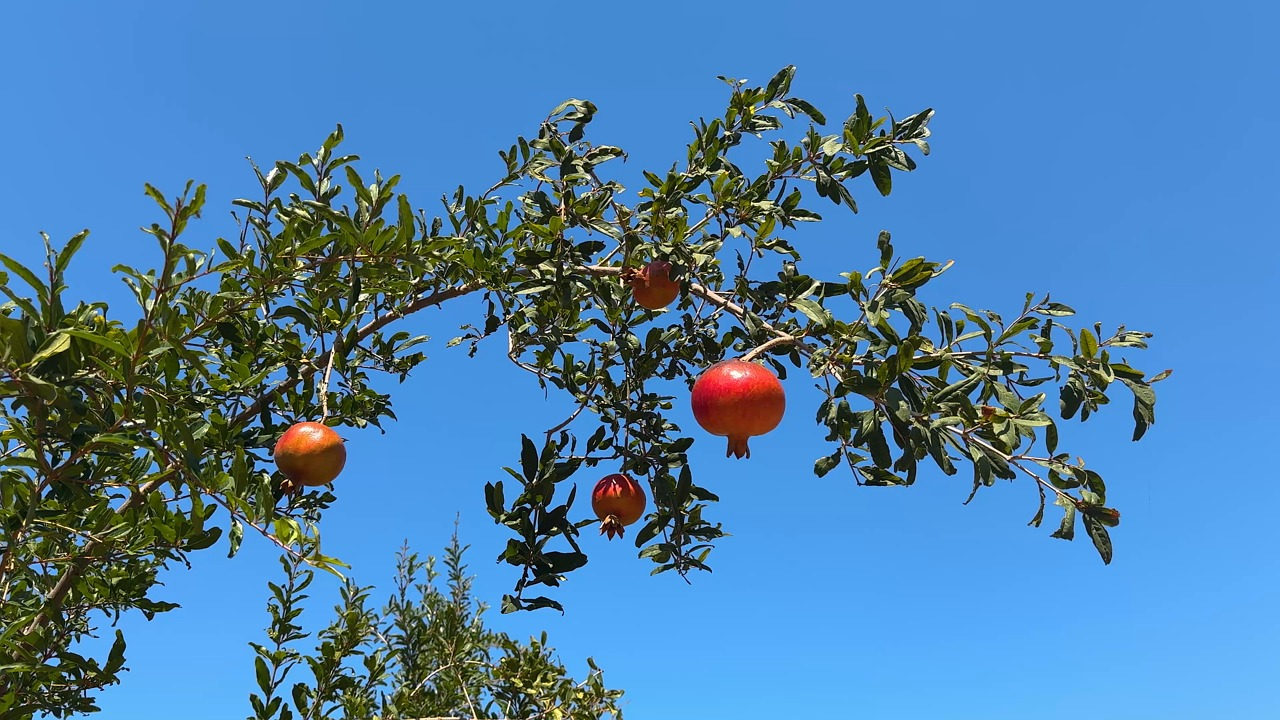
This shrub or small tree is a sun-loving, drought-tolerant wonder that can reach about 2 meters in height and width. Its glossy, narrow-oval leaves often emerge with a bronze tint before turning green, adding a splash of color even before the flamboyant orange-red blooms burst forth. In the right hands, pomegranates can be shaped into anything from a standard tree to a bonsai masterpiece, showcasing their versatility and adaptability.
A Love for the Sun
Pomegranates are true sun worshippers. They crave at least six hours of direct sunlight to flower abundantly and set those jewel-like fruits. So if you’re nurturing one indoors, a bright south-facing window is your best bet.
The Mythical and Magical: Stories of Symbolism
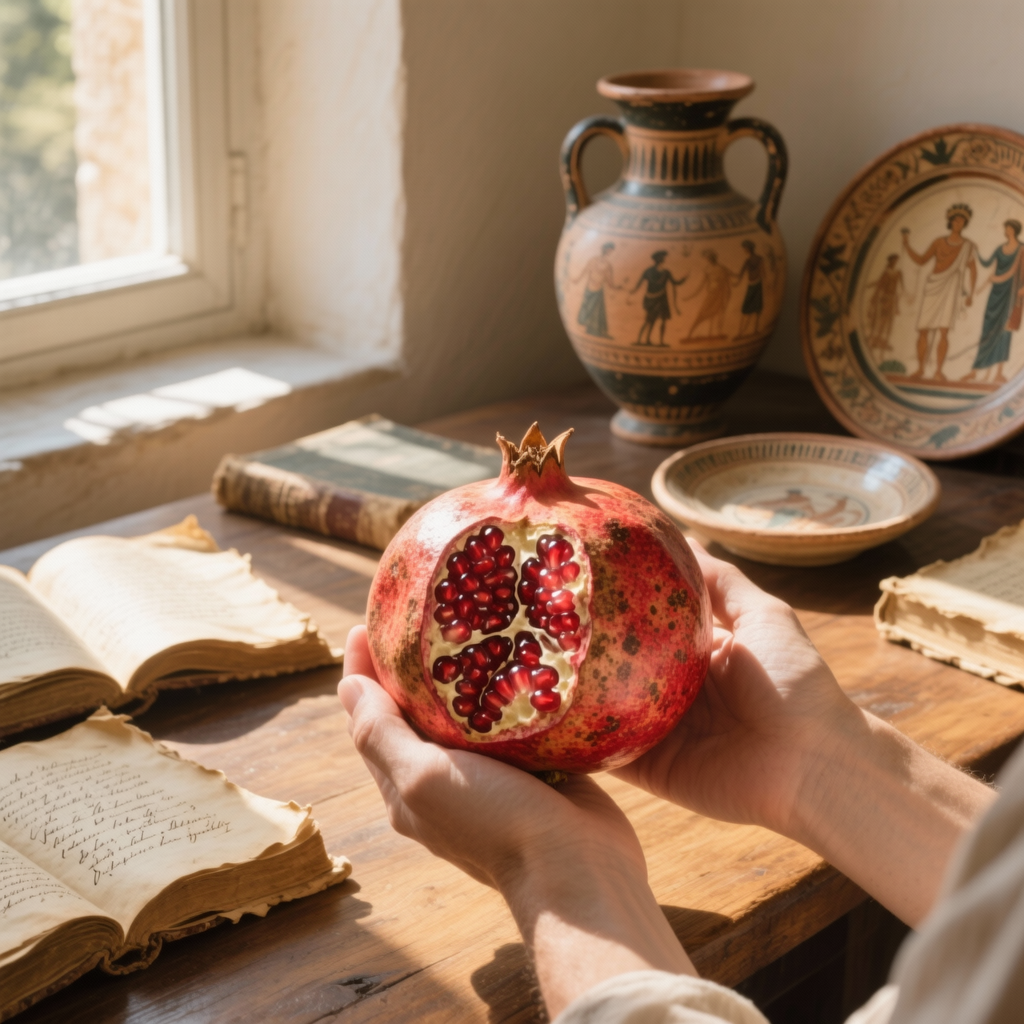
In Greek mythology, the pomegranate is not just a fruit but a symbol of life, death, and rebirth. It plays a starring role in the tale of Persephone, who was bound to return to the underworld each year after consuming a few of its seeds, thus explaining the changing seasons. This association with life and fertility spans cultures and centuries, making the pomegranate a favored symbol in art and legend.
A Bounty of Benefits
Besides its storied past, the pomegranate is packed with health benefits. It boasts a high concentration of antioxidants, vitamin C, and potassium. These nutrients have been linked to heart health, anti-inflammatory effects, and even anti-aging benefits. Ancient healers prized the pomegranate for its medicinal properties, using different parts of the plant to treat conditions from digestive to skin disorders.
Quirks and Queries: Fun Facts About Pomegranates
- True Berries: Surprisingly, pomegranates are classified as berries. Their leathery rind encases numerous seeds, each wrapped in a juicy aril, making them a unique member of the berry family.
- A Cultural Symbol: Known as the “fruit of the dead” in Greek mythology, pomegranates also symbolize abundance and prosperity. They’re often exchanged as gifts of good luck, especially in weddings and new homes.
- A Global Taste Sensation: From Mediterranean dishes to Indian curries and trendy health juices, pomegranates have found their way into kitchens worldwide, celebrated for their tart-sweet flavor.
- Natural Dye Master: Historically, the rind of the pomegranate was used to dye textiles, thanks to its tannin-rich content, which produces beautiful shades of yellow and black.
Nurturing Your Own Pomegranate
Whether you’re an aspiring gardener or a seasoned horticulturist, pomegranates offer an exciting challenge. They thrive in well-drained sandy soil and can tolerate a range of temperatures, making them suitable for USDA Zones 7–11. Just remember: they despise soggy soil! Overwatering, especially during fruit ripening, can lead to the dreaded fruit splitting.
Conclusion
The pomegranate is much more than a fruit; it’s a living piece of history, a botanical marvel, and a symbol of life’s abundance. Whether you’re savoring its arils, marveling at its resilience, or weaving it into your garden tapestry, this plant invites you into a world brimming with ancient tales and modern-day wonders. So next time you crack open a pomegranate, take a moment to appreciate the centuries of history and culture encapsulated in each juicy seed.