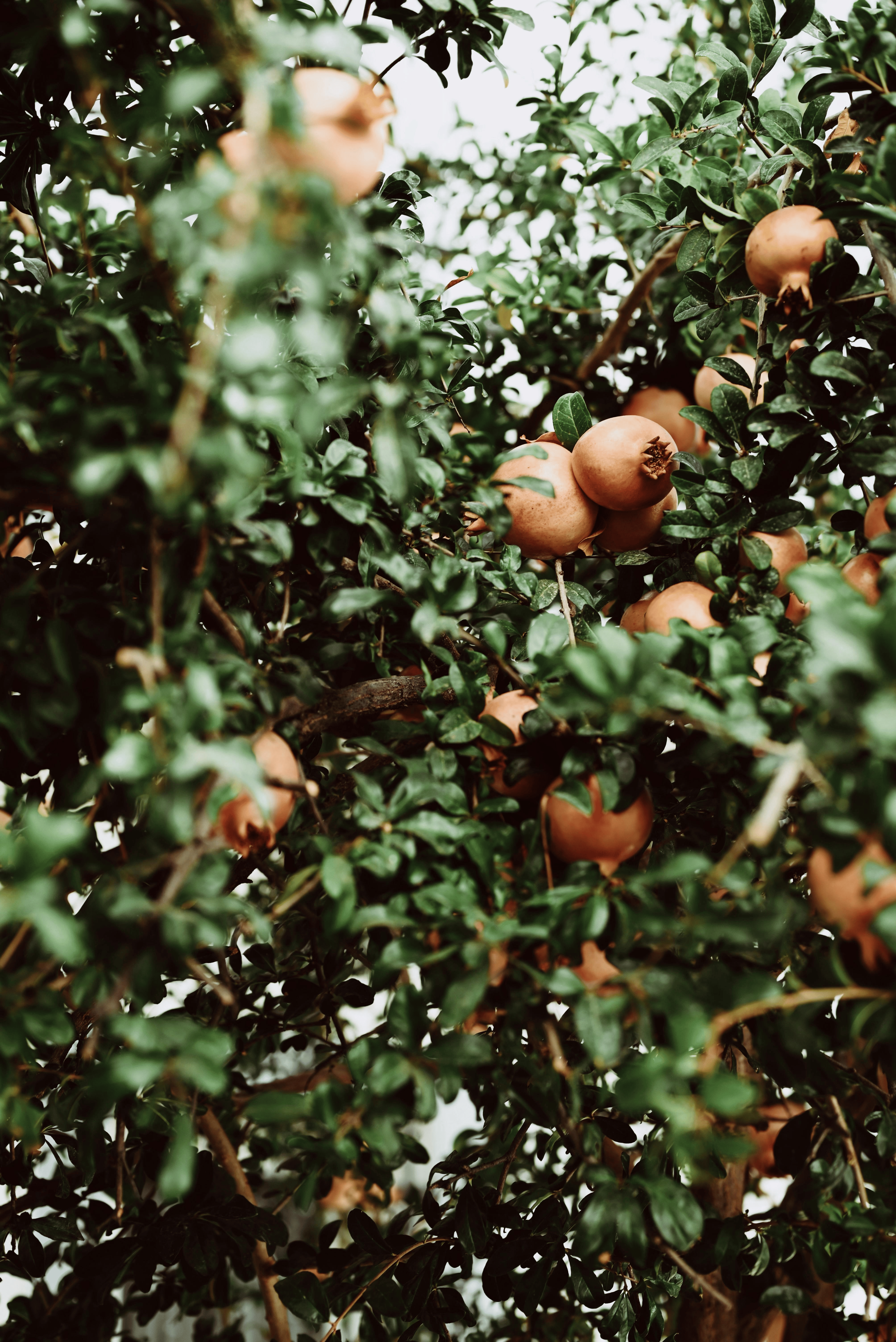
Ah, the pomegranate—an ancient symbol of abundance and prosperity, a jewel of the garden, and a delight for the senses. But like any precious gem, your pomegranate plant can sometimes face challenges. Fear not! This guide will help you navigate the common issues that can affect your Punica granatum and provide practical solutions to keep this exotic beauty thriving.
Common Pomegranate Problems and Their Solutions
Pest Infestations
Aphids
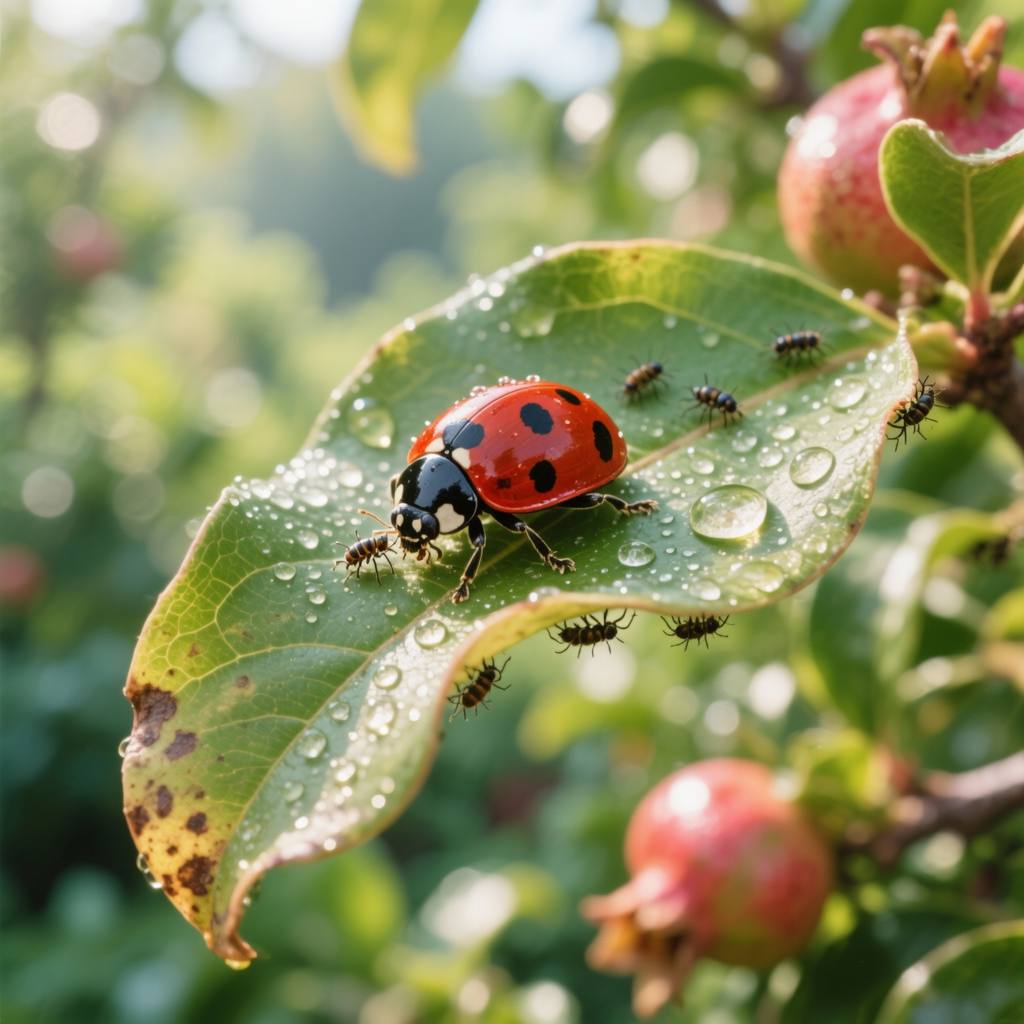
Aphids are tiny, sap-sucking insects that love to feast on your pomegranate’s tender new growth, leading to stunted growth and distorted leaves. Think of them as the unwelcome party crashers at your garden soirée.
Solution:
- A strong spray of water can dislodge these pests, and insecticidal soap acts like a gentle but effective bouncer.
- Encourage ladybugs and other natural predators to patrol your garden—nature’s own security team!
Whiteflies
These tiny white insects are notorious for congregating on the undersides of leaves, leaving behind a sticky trail of honeydew.
Solution:
- Yellow sticky traps can catch them in their tracks, and neem oil works wonders in keeping them at bay.
Thrips
Thrips are the sneaky saboteurs that curl up your leaves as they feed.
Solution:
- Regular spraying with neem oil can eliminate thrips and keep your foliage looking fresh and vibrant.
Diseases
Fungal Diseases
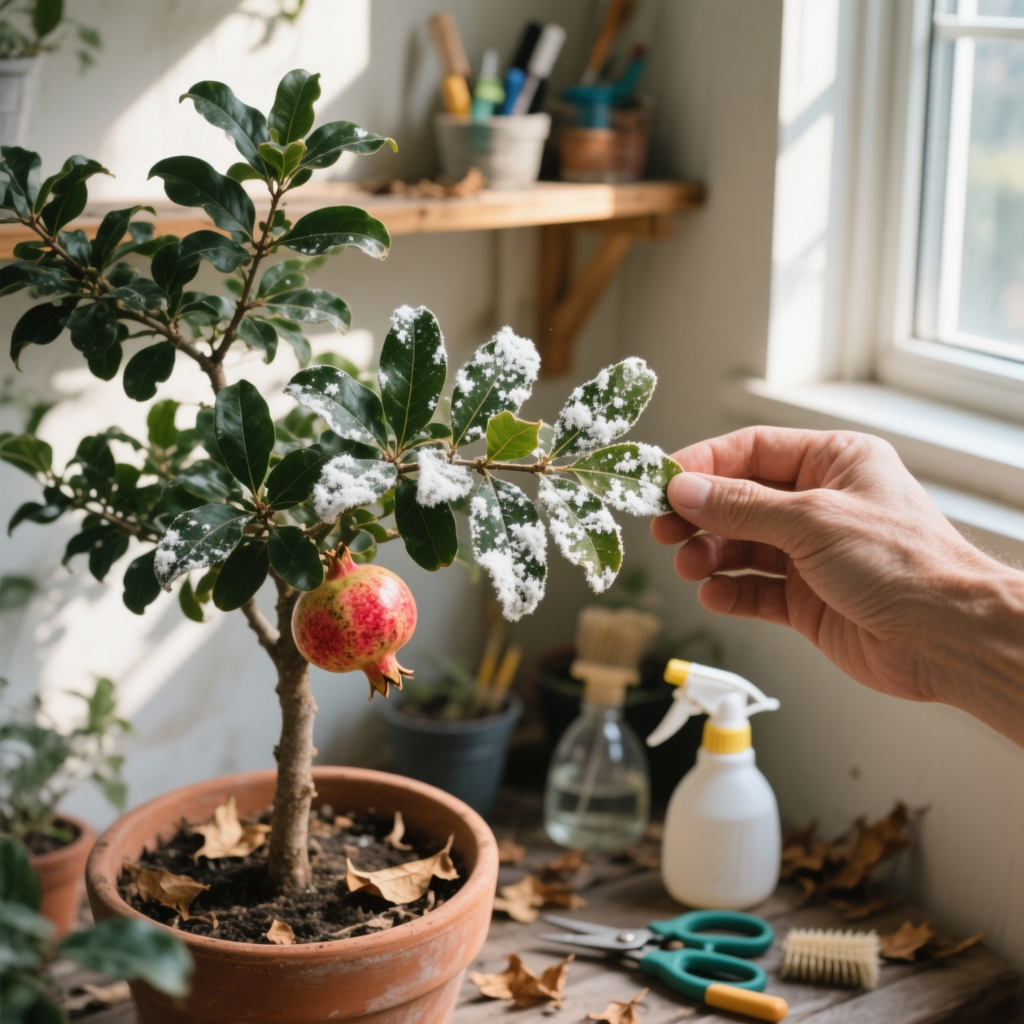
Pomegranate trees can occasionally fall victim to fungal diseases like powdery mildew and root rot, especially if the conditions are too damp.
Solution:
- Ensure good air circulation and avoid over-watering. Use organic fungicides as an extra layer of protection if needed.
Bacterial Blight
This disease can cause dark, sunken lesions on branches and fruit, making them look like they’ve been through a rough patch.
Solution:
- Prune away infected branches and apply copper-based sprays during dormancy to keep this blight at bay.
Environmental Challenges
Fruit Splitting
Imagine your pomegranate fruits getting too excited and bursting with joy! This often happens due to uneven watering or moisture fluctuations.
Solution:
- Keep your watering consistent and consider mulching to maintain even soil moisture. Shelter your pots from heavy rain near harvest.
Sunburn
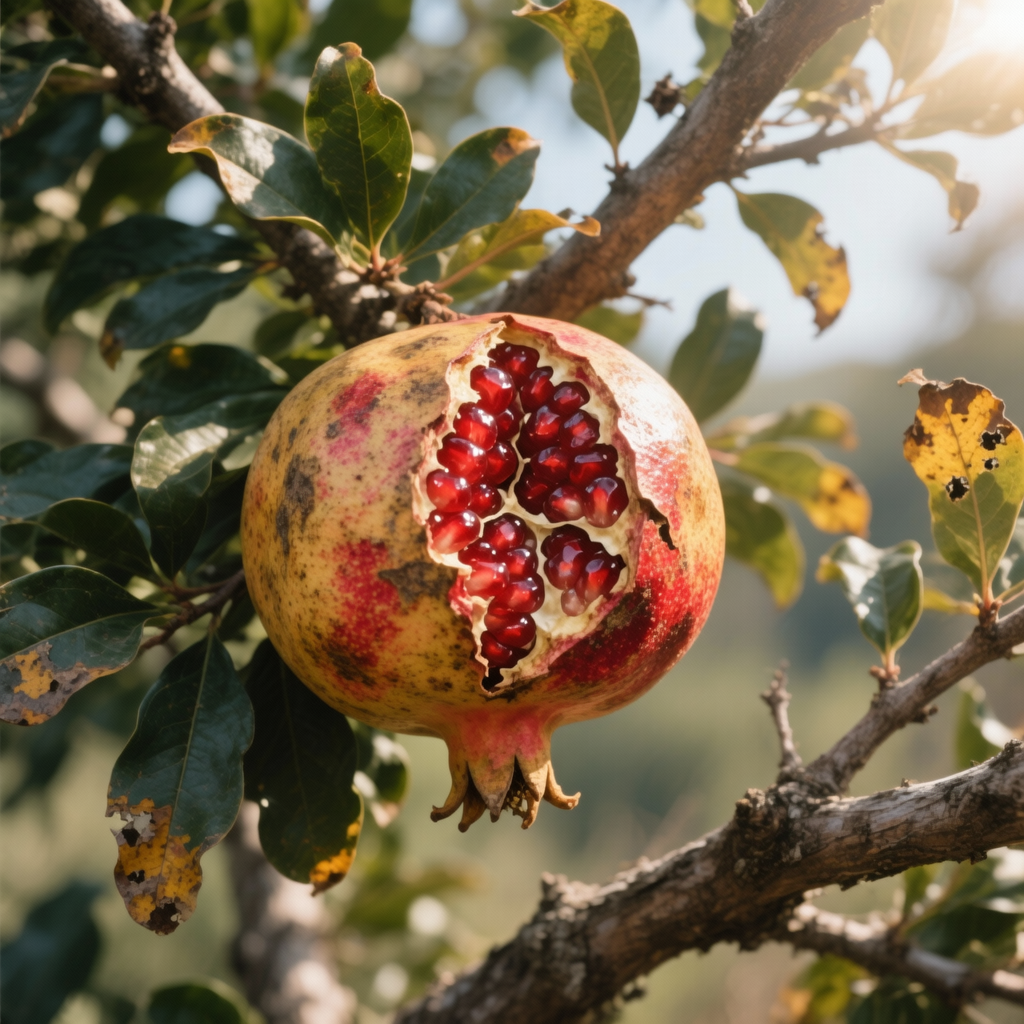
Pomegranate fruits are sun lovers, but even they can get a bit too much of a good thing.
Solution:
- Provide some light shade during the hottest part of the day, especially in scorching climates.
Prevention Tips for a Thriving Pomegranate
- Optimal Location: Plant in a sunny spot with well-drained soil. This allows your pomegranate to bask in the sun like a sunbather on a Mediterranean beach.
- Watering Wisdom: Water deeply but infrequently. Let the top layer dry slightly between waterings, and remember, your pomegranate has a deep taproot that can find moisture even in dry conditions.
- Regular Pruning: Thin out dense growth to improve light penetration and airflow. This not only keeps the plant healthy but also makes it look neat and tidy.
- Monitor and React: Regularly check for signs of pests or diseases. Early detection and quick action can prevent small issues from becoming big headaches.
Embrace the Pomegranate’s Charm
Beyond its challenges, the pomegranate is a joy to grow, offering not just its ornamental blooms and luscious fruits, but also a connection to a rich history. Cultivated since ancient times, it has been celebrated in art and folklore as a symbol of fertility and wealth—no wonder it’s often given as a good-luck gift!
So, arm yourself with these tips, and let your pomegranate flourish as a vibrant testament to nature’s resilience and beauty. Whether you’re enjoying its jewel-like arils or admiring its fiery flowers, your pomegranate is sure to be a rewarding part of your garden landscape.