Plant Features
- Size: Typically 6–10 m (20–33 ft) tall; mature crown spread often about 4–8 m (13–26 ft), depending on cultivar and pruning.
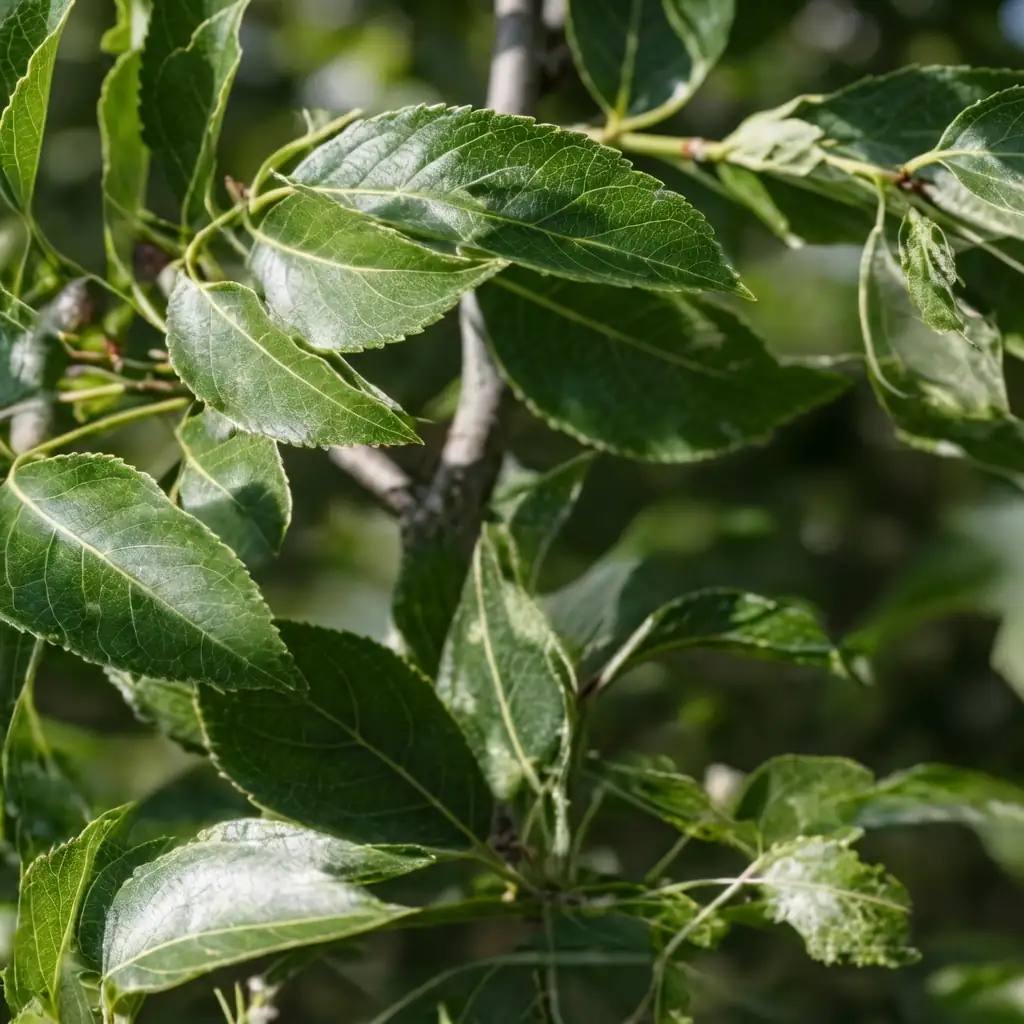
- Foliage: Leaves are obovate to elliptic, about 6–15 cm (2.4–5.9 in) long, with a short pointed tip and wedge-shaped base. The underside can be slightly hairy, and leaves typically show about 7–9 pairs of lateral veins.
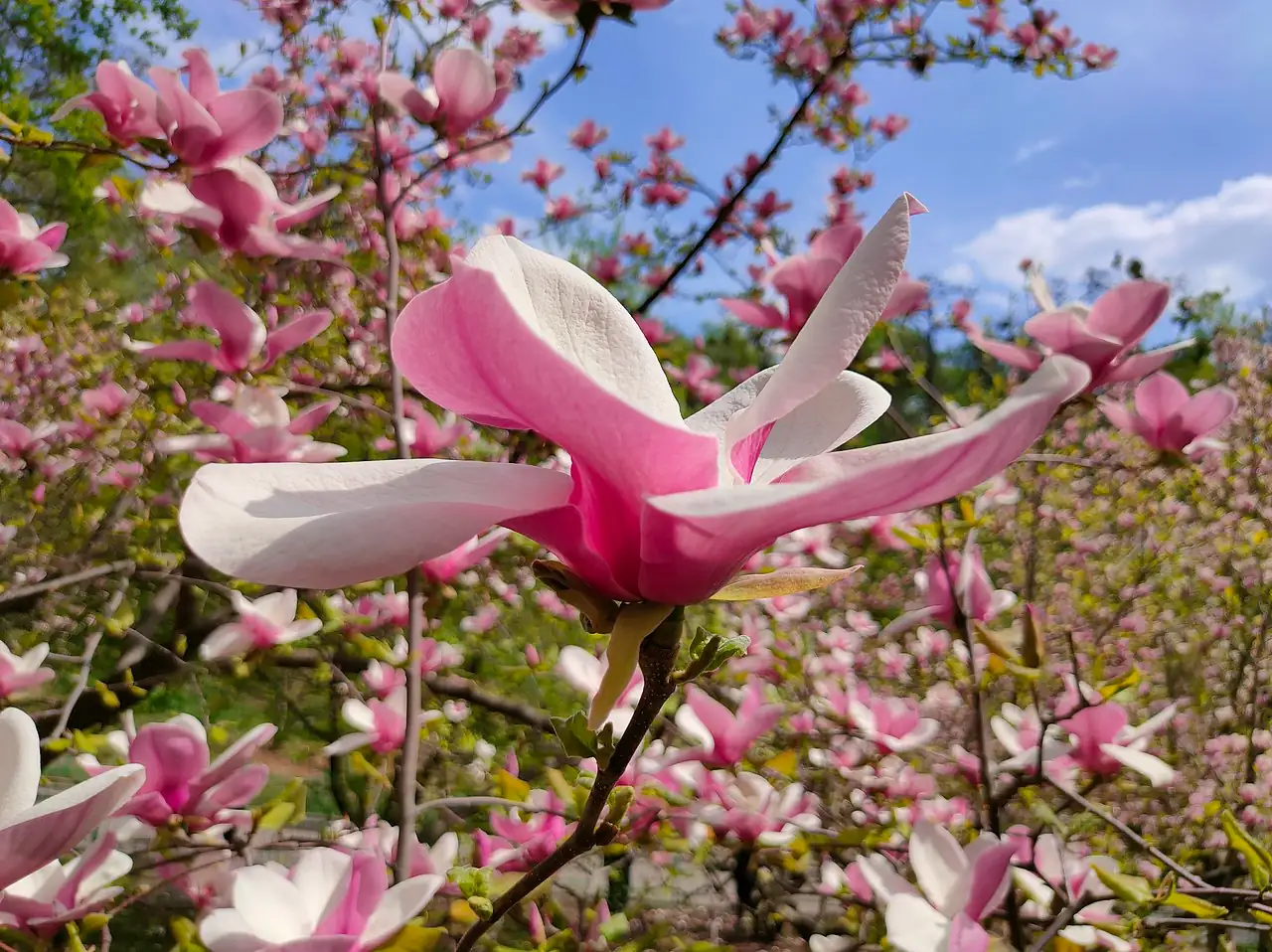
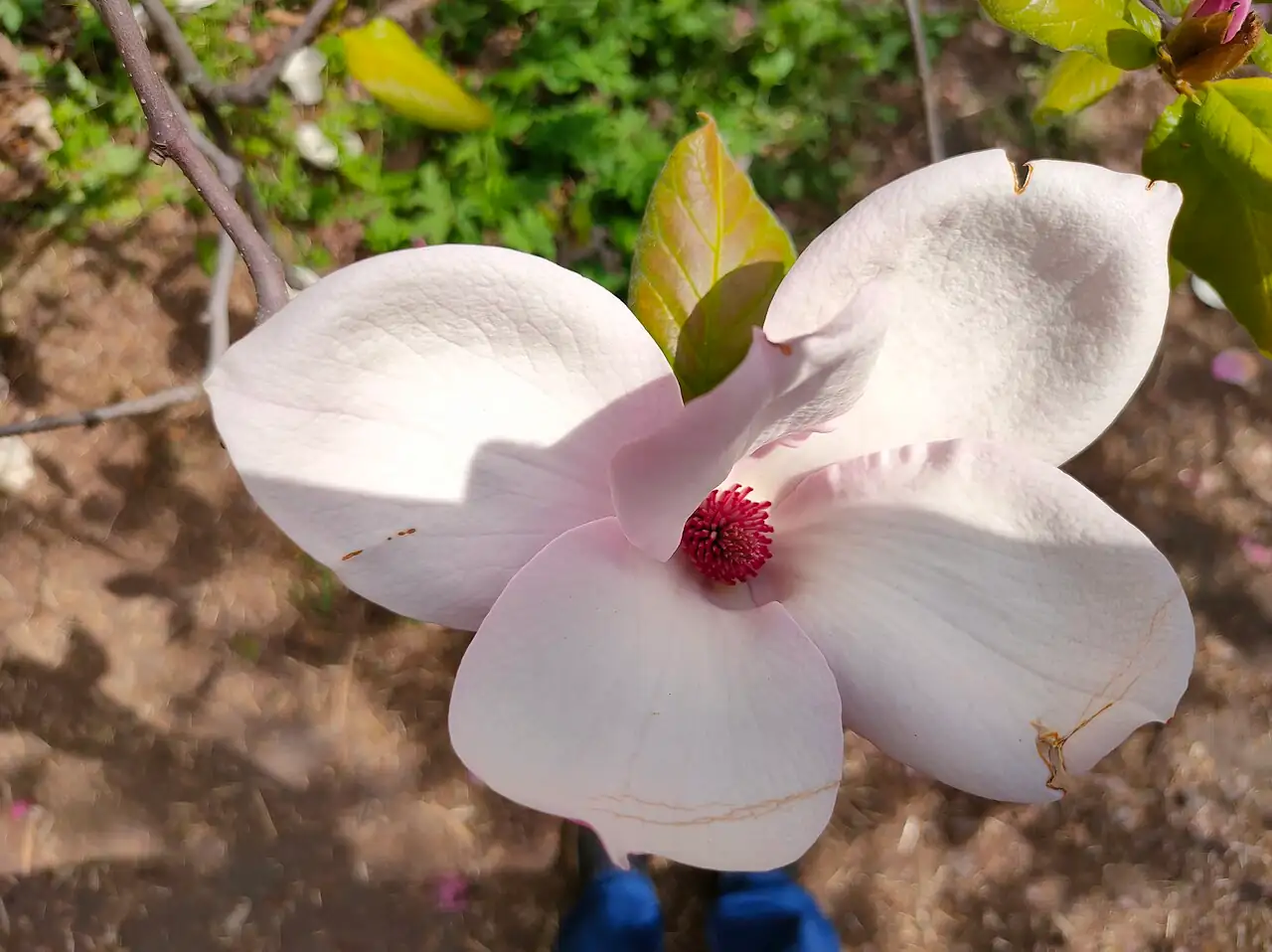
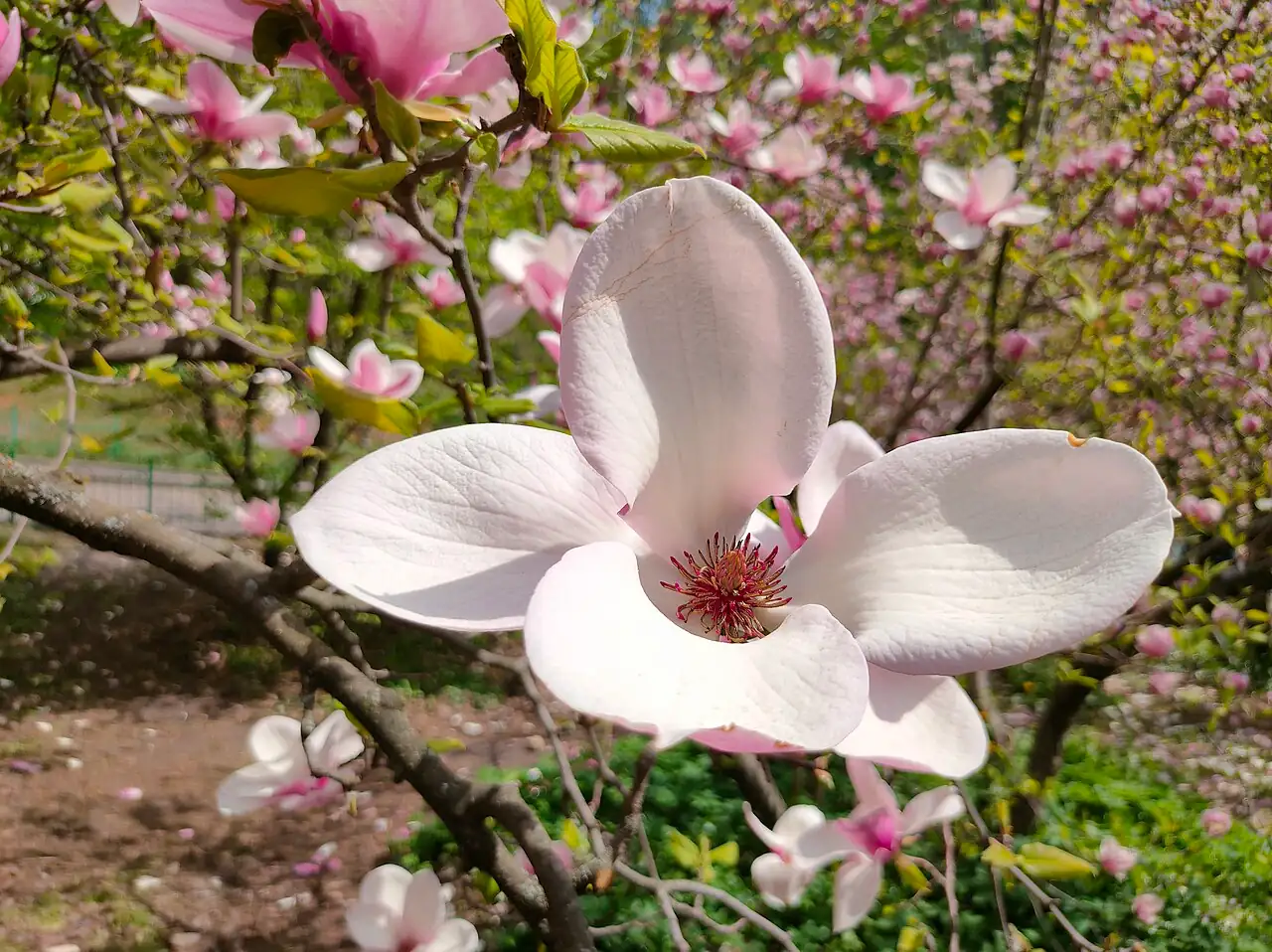
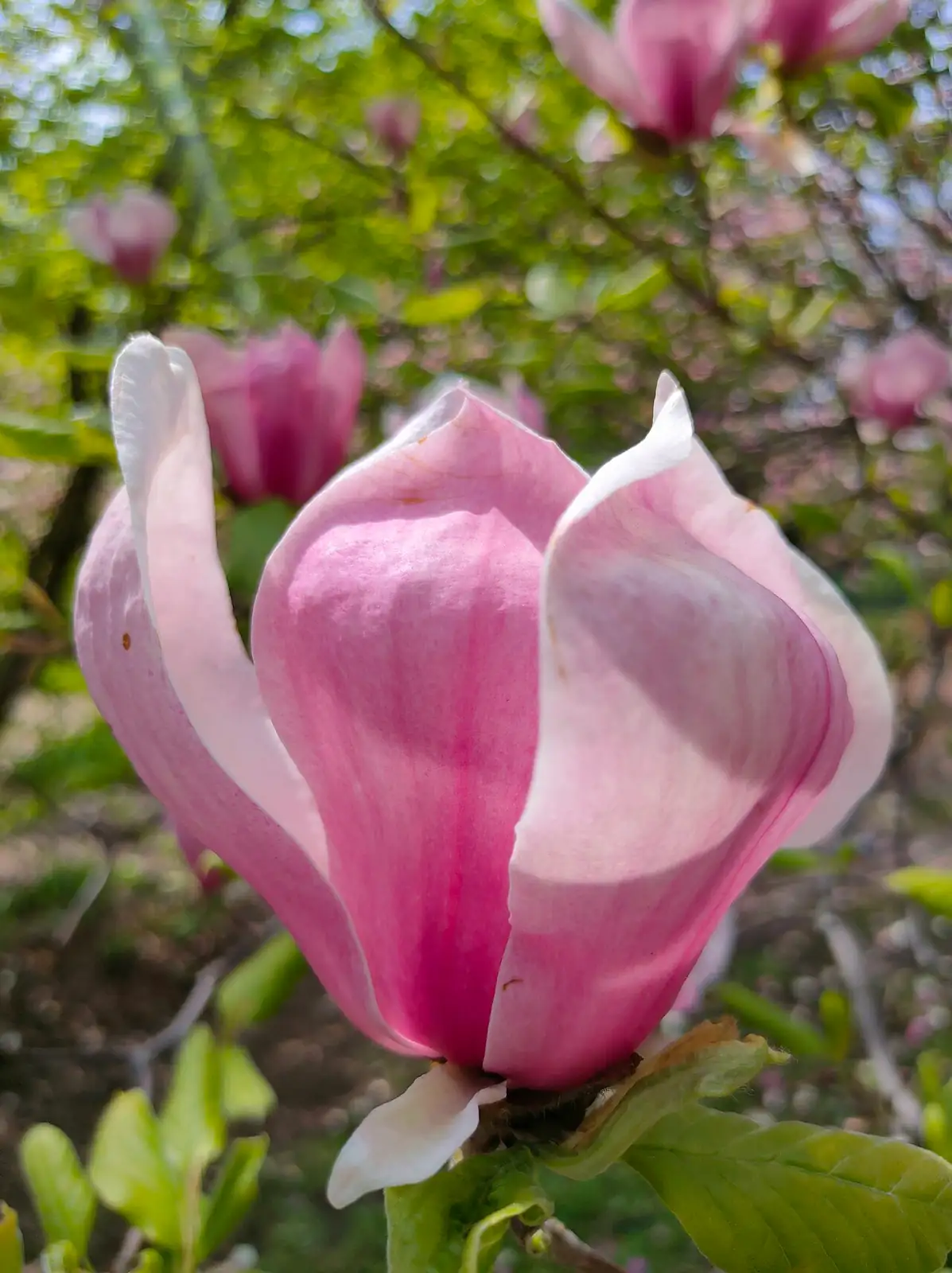
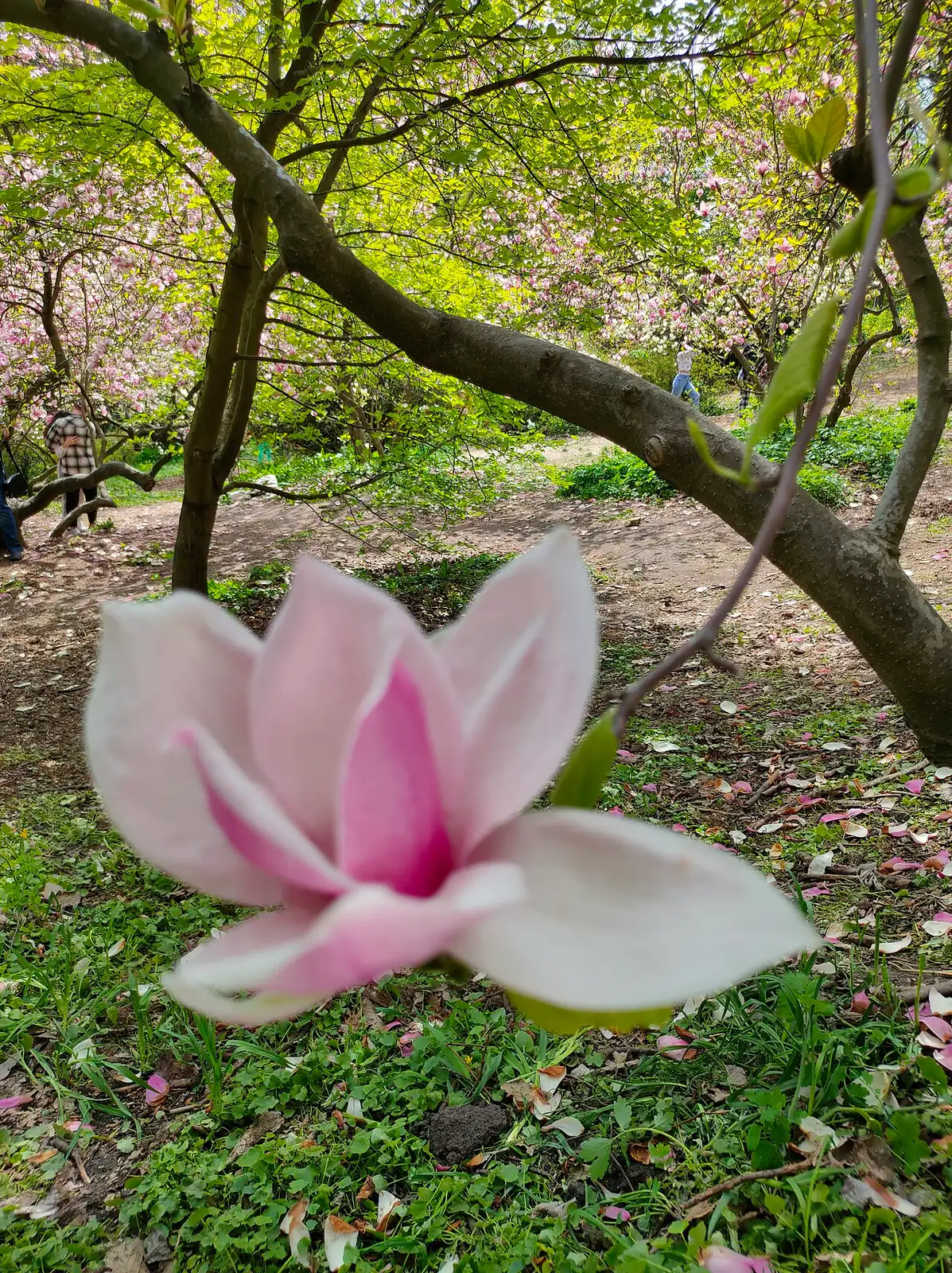
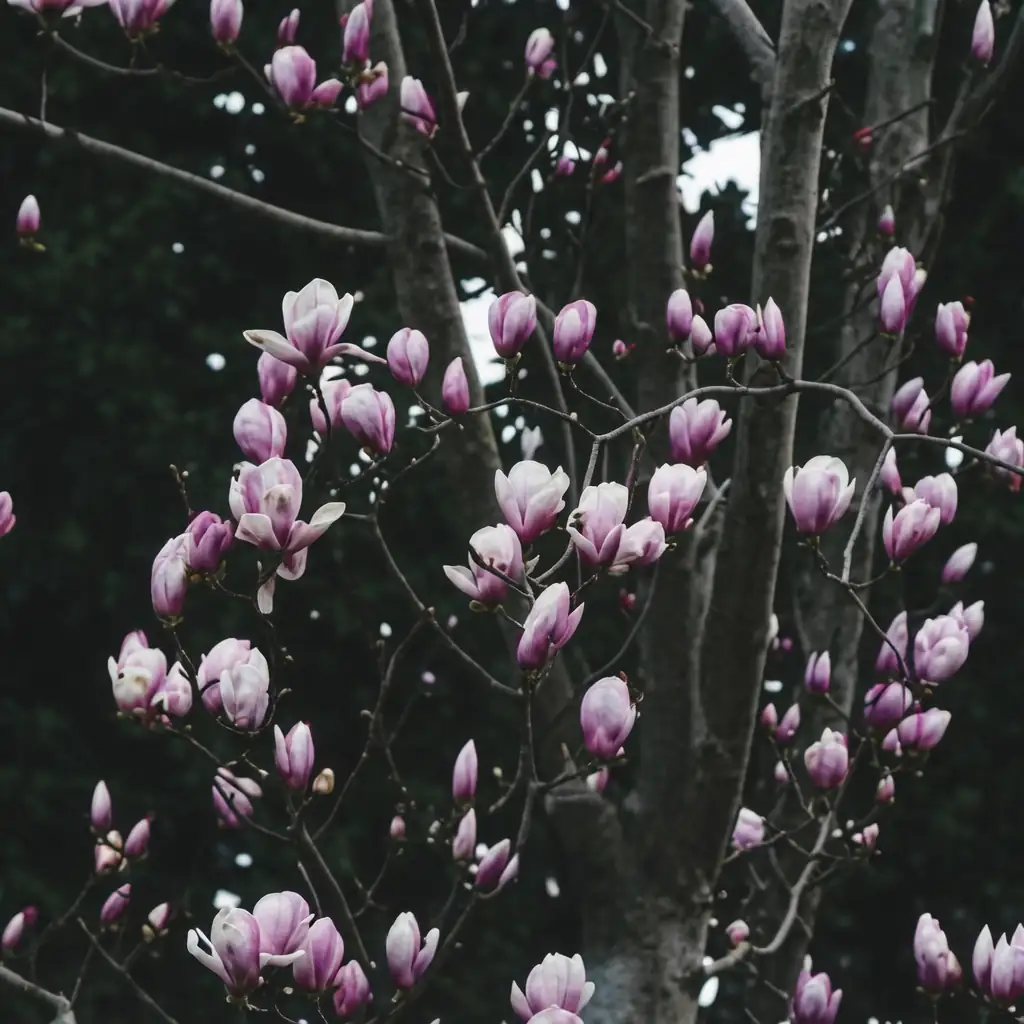
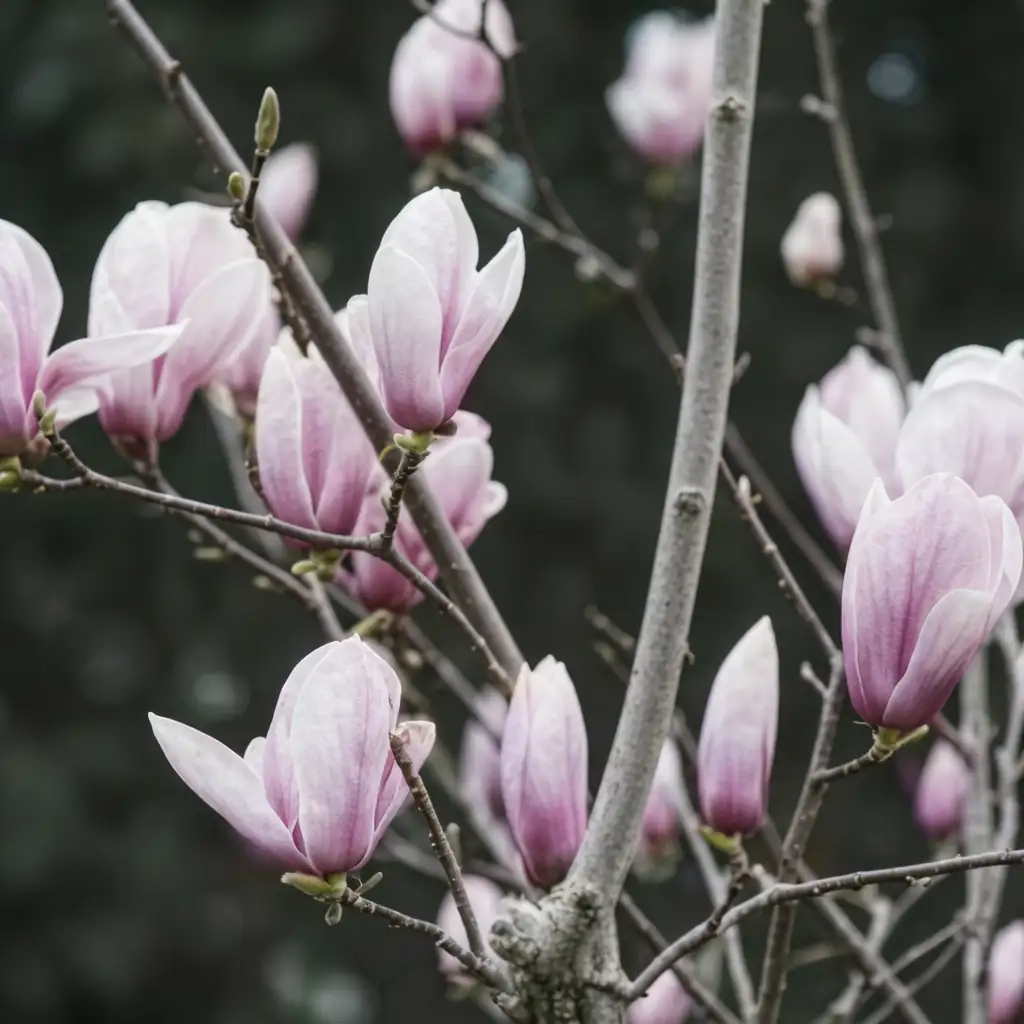
- Flower: Large, showy flowers with 6 petal-like tepals, usually cup- to saucer-shaped. Outer surfaces are pale purplish-pink to purple, while the inner surfaces are white; blooms can be lightly fragrant and are especially striking because they open on mostly bare branches.
- Flowering Season: March–April (early spring)
- Growth Habit: Deciduous small tree with an upright to broadly rounded habit.
Environment
Sunlight
Full sun to light shade; for the heaviest flowering and strongest growth, aim for full sun.
Temperature
Best in temperate climates. Established plants can tolerate brief drops to about -20°C (-4°F), but late frosts may damage swelling or opening flower buds.
Humidity
Prefers moderate, steady moisture. Avoid both waterlogged conditions and prolonged drought—either extreme can reduce vigor and flowering.
Soil
Loose, fertile, humus-rich, well-drained sandy loam is ideal. Generally happy in slightly acidic to neutral soil and can tolerate mildly alkaline conditions (about pH 5.5–7.5) as long as drainage is good.
Placement
A classic focal-point tree for parks, lawns, and courtyards; also works along streets and riversides where drainage is reliable and roots won’t sit in standing water. In frost-prone areas, a sheltered spot (out of harsh wind) helps protect spring buds.
Hardiness
Commonly grown in USDA Zone 5–9 (approx.); cold hardy to around -20°C (-4°F) for short periods, though bud hardiness is less than wood hardiness.
Care Guide
Difficulty
Moderate. It’s sturdy once established, but it really shines with full sun and consistently well-drained soil. The main pitfalls are soggy roots and long dry spells.
Buying Guide
Look for a plant with a strong structure (a sound central leader or well-spaced scaffold branches), plump healthy buds, and bark free of wounds. Avoid pot-bound plants and any with blackened, mushy roots (often a sign of chronic poor drainage). If buying in bloom, remember that flower color and shape vary a lot by cultivar—pick the one you love.
Watering
Water deeply after planting and keep the soil evenly moist during establishment. Once settled, water during extended dry periods, but don’t keep the root zone constantly wet. Excellent drainage is key—standing water can lead to root stress, dieback, and weak flowering.
Fertilization
Light feeding is usually enough in good soil. Apply a balanced, slow-release fertilizer in early spring, or top-dress with compost/leaf mold. Avoid heavy nitrogen, which can encourage leafy growth at the expense of flowers.
Pruning
Keep pruning minimal. Remove dead, damaged, or crossing branches, ideally right after flowering. Avoid hard pruning in winter, since many magnolias set flower buds in advance and you can accidentally remove next spring’s show.
Propagation
Most commonly propagated by grafting or budding onto magnolia rootstock to preserve cultivar traits. Seeds can be grown, but seedlings may not come true to type because it’s a hybrid.
Repotting
Most often grown in the ground. For container plants, repot in late winter to early spring before active growth, moving up one pot size and using a well-drained, loam-based mix. Avoid frequent root disturbance—magnolias prefer to be left alone once happy.
📅 Seasonal Care Calendar
Early spring (Mar–Apr): peak flowering; protect opening buds from late frosts if possible. Growing season: water during drought, keep mulch in place to conserve moisture, and maintain good drainage. Autumn (Sep–Oct): fruiting may occur. Year-round: prioritize a well-drained site and avoid waterlogging.
Pests, Diseases & Safety
Common Pests & Diseases
Usually quite trouble-free. Possible pests include scale insects and aphids; occasional leaf spot can occur. Poor drainage is the biggest health risk—waterlogged soil can stress roots and cause dieback. Support plant health with good airflow, avoid late-day overhead watering, and keep soil well drained.
Toxicity
Not commonly listed as toxic to people or pets, though chewing or ingesting ornamental plant parts may still cause mild stomach upset. It’s sensible to discourage pets from nibbling.
Culture & Symbolism
Symbolism: Often linked with spring renewal, elegance, and refined beauty—perfectly matching its early, dramatic bloom display.
History & Legends: This magnolia is a famous 19th-century horticultural hybrid first raised in France and named after Étienne Soulange-Bodin. Over time it became one of the most widely planted magnolias in gardens around the world.
Uses: Primarily an ornamental tree for early-spring color and fragrance. Widely used as a specimen focal point in parks and home gardens, and in urban greening projects such as street plantings and well-drained roadside or waterside landscapes.
FAQ
Why does my saucer magnolia bloom poorly?
Common reasons include too much shade, late frost damage to buds, drought stress during bud formation, or pruning that removed flower buds. Improve sun exposure, avoid winter pruning, and keep soil evenly moist (but never soggy).
Can it handle very cold winters?
The tree can tolerate brief lows around -20°C (-4°F), but the flower buds are more sensitive—late frosts can ruin the display. Choose a sheltered location and consider later-flowering cultivars in colder regions.
Fun Facts
- It’s a cultivated hybrid of Yulan magnolia (Magnolia denudata) and lily magnolia (Magnolia liliiflora).
- Even when the wood is cold-hardy, the early-opening buds can be the weak link—spring frosts are the usual reason for a “missed” bloom year.
- Its huge early-spring flowers make it a signature tree for parks, lawns, and classic garden landscapes.