
Plant Features
- Size:2–8 m (6.6–26.2 ft) tall
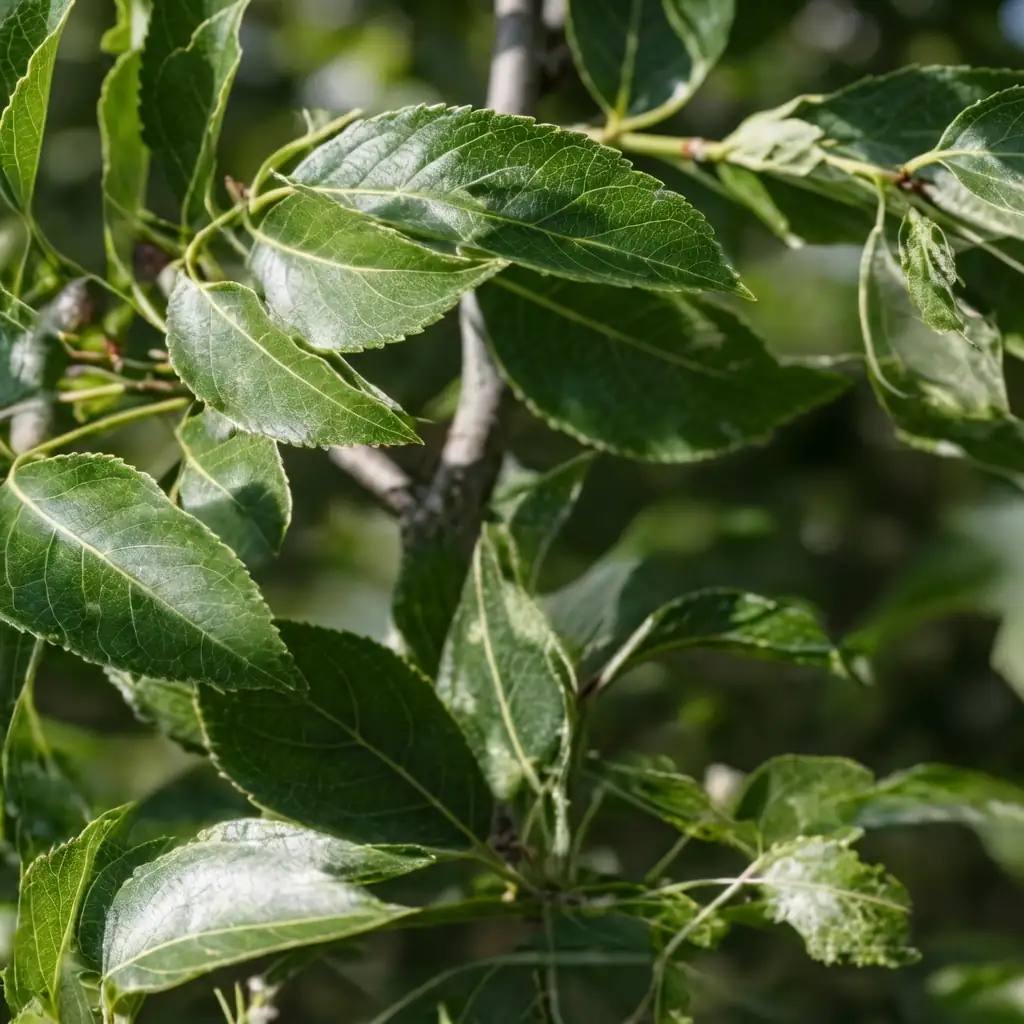
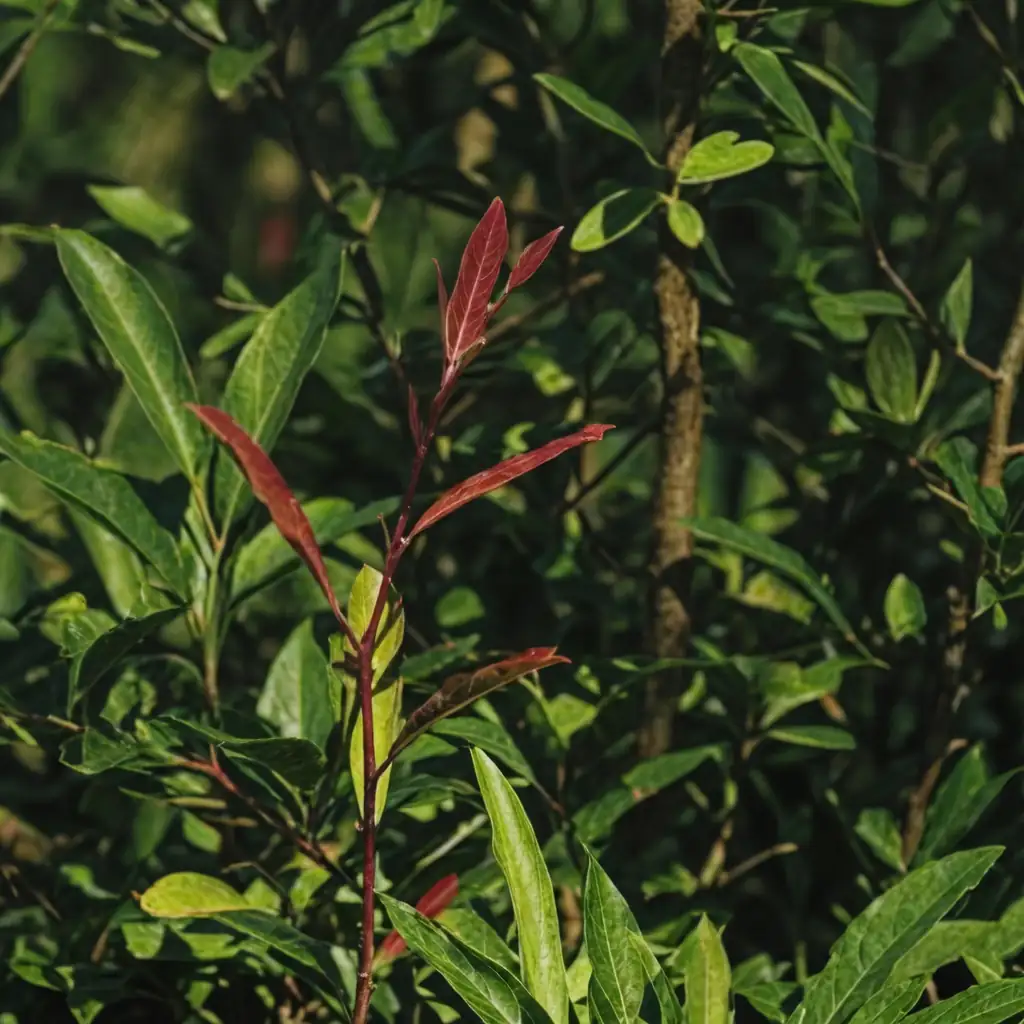
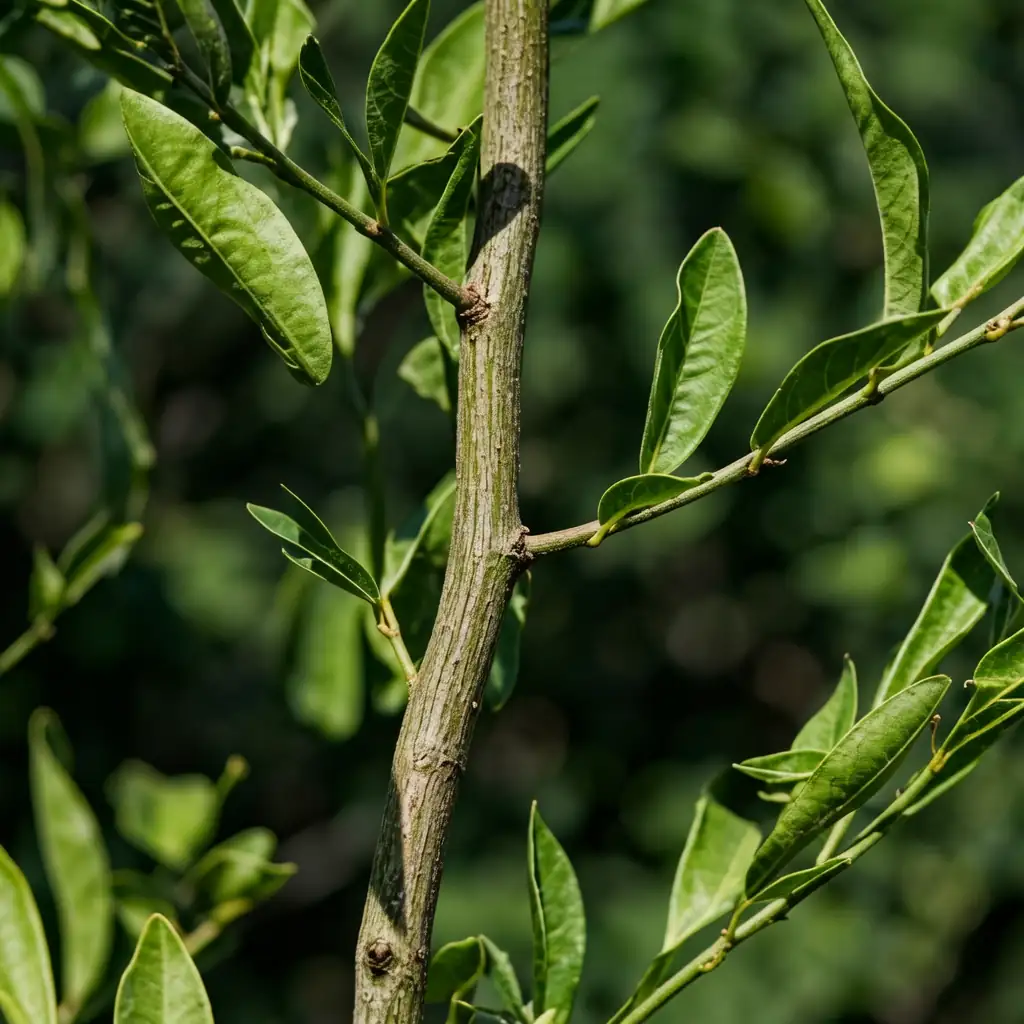
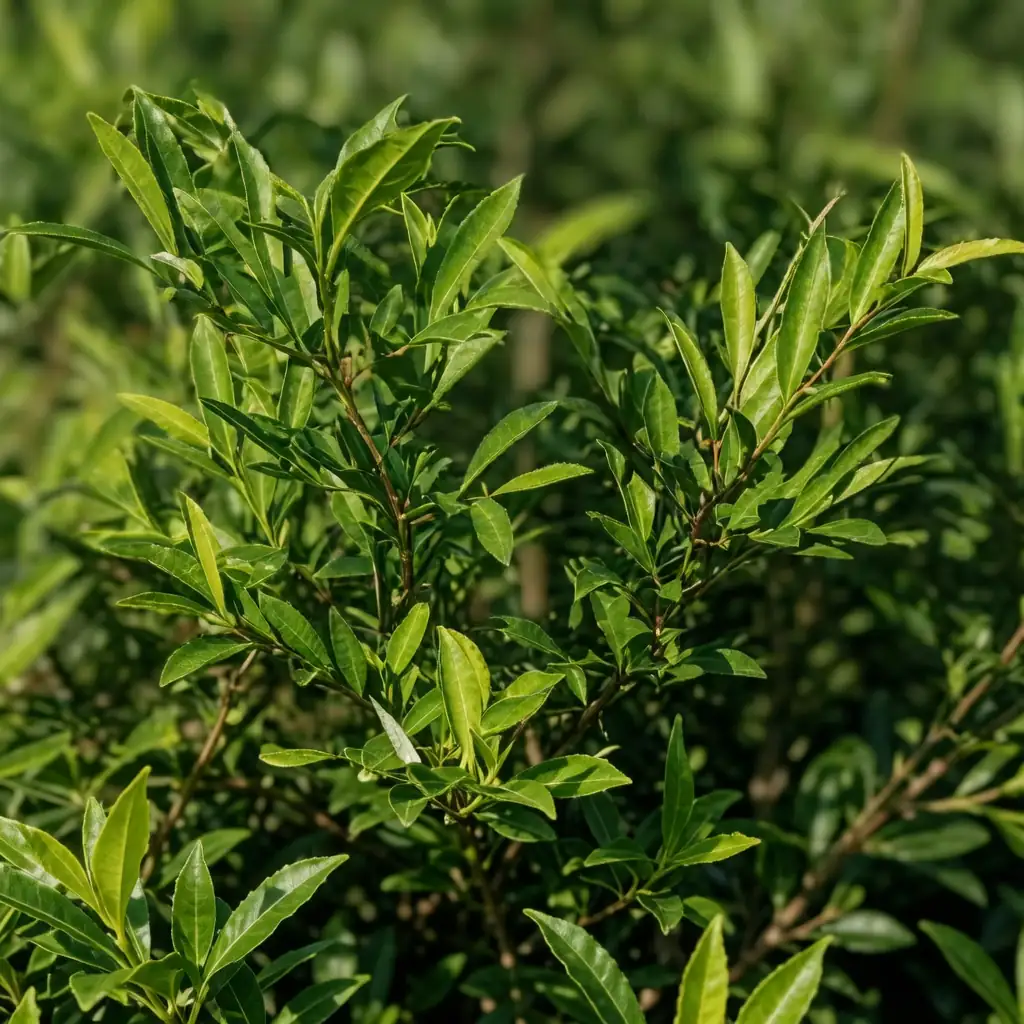
- Foliage: Leaves are alternate, narrowly elliptic to elliptic-lanceolate with a tapered tip and wedge-shaped base; texture is nearly leathery. The upper surface is green and hairless, while the underside is paler with sparse soft hairs mainly along the veins. Venation is pinnate with about 8–10 pairs of lateral veins. Young twigs are yellow-green and hairless. Winter buds are egg-shaped and purplish-brown, with distinctly ridged bud scales.
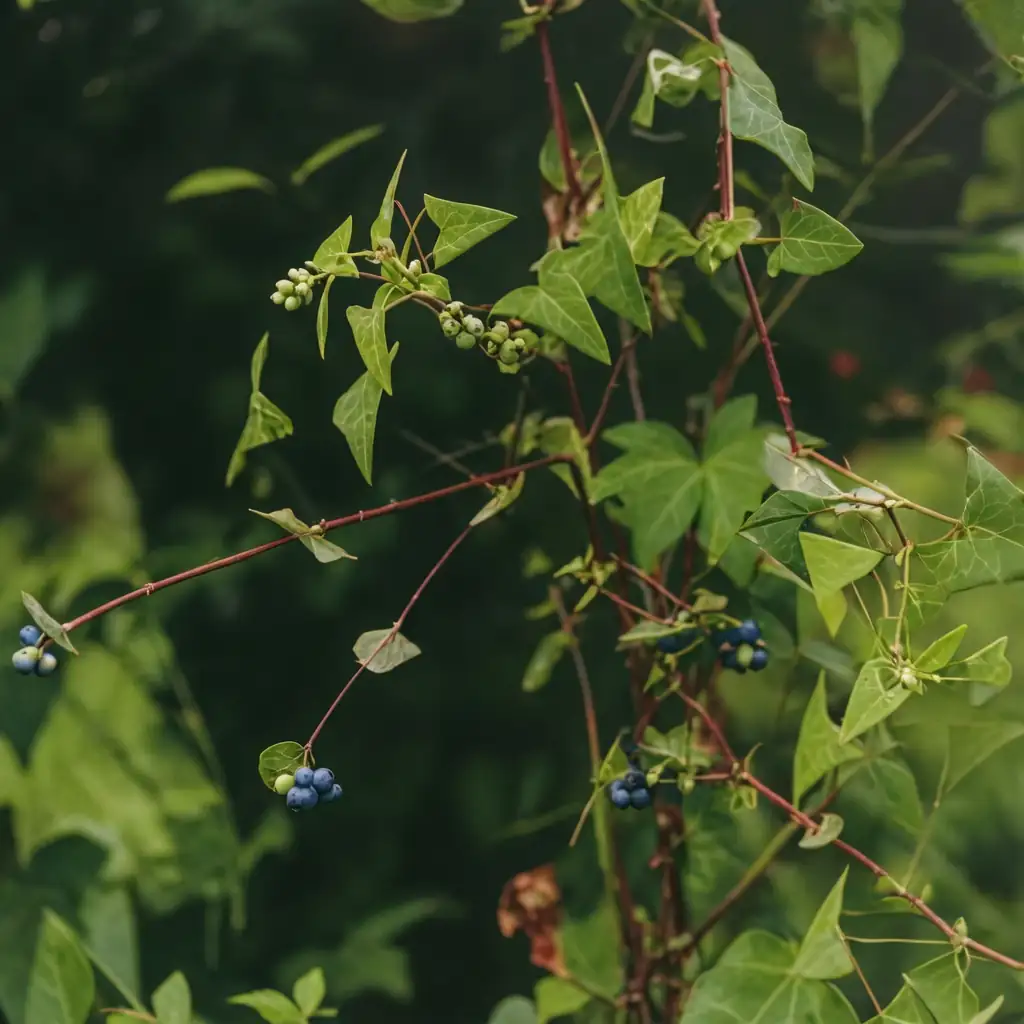
- Flower: Small yellow flowers appear in umbels in early spring. Fruits are round and mature to black; fruit stalks may be slightly hairy or hairless.
- Flowering Season: March–April
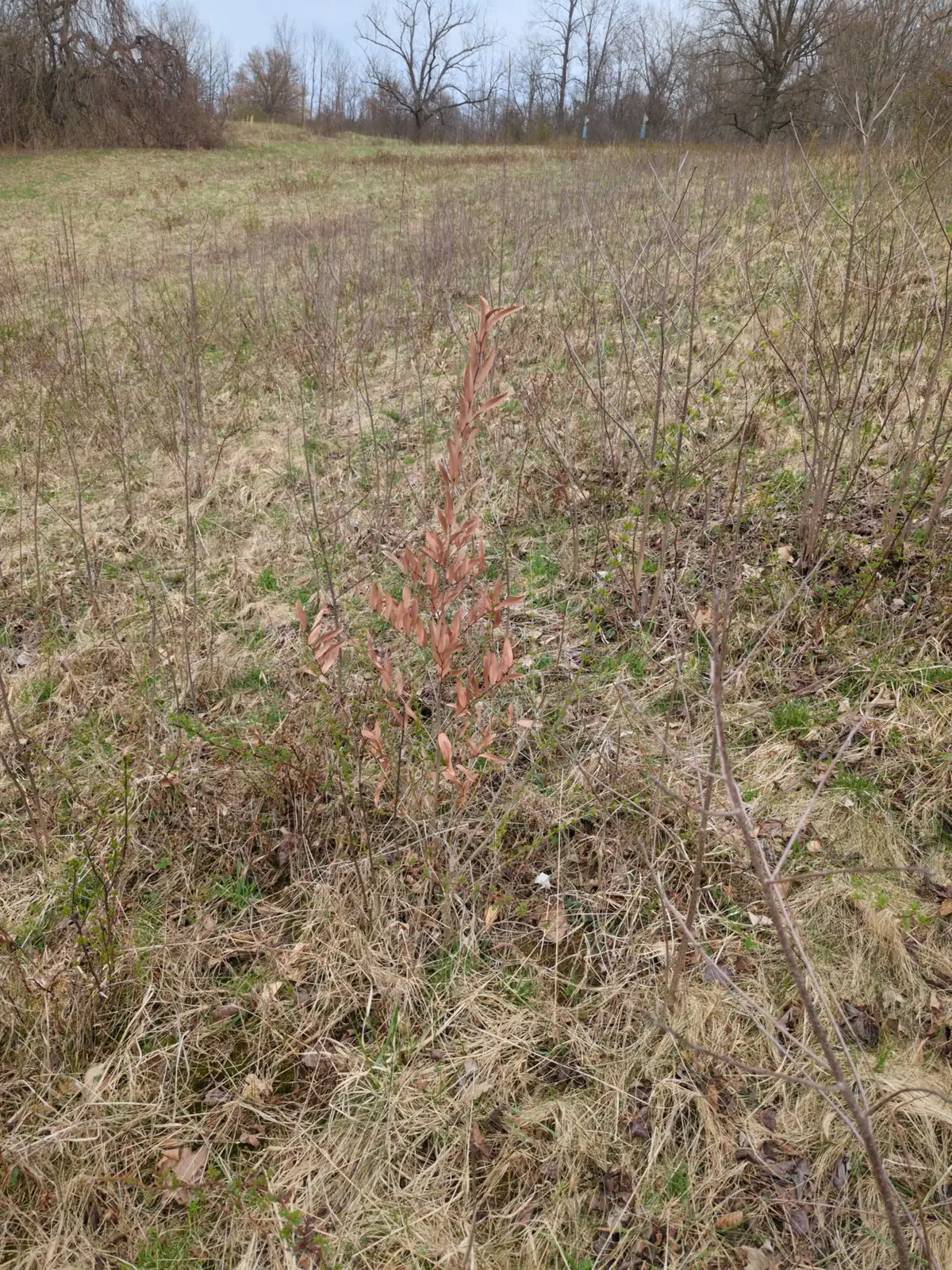
- Growth Habit: Deciduous shrub or small tree with an upright, woody habit.
Environment
Sunlight
Full sun to partial shade. It tolerates light shade, but flowers and fall color are typically best with more sun.
Temperature
Cold tolerant; performs best where winters are cool to cold (minimum temperature varies by local provenance).
Humidity
Average outdoor humidity; generally adaptable once established.
Soil
Well-drained loam or sandy loam. Likes evenly moist soil, especially while establishing, but dislikes waterlogging.
Placement
Outdoors in a garden border, woodland edge, or on a sunny/bright slope; works well as a seasonal accent shrub or a small specimen tree.
Hardiness
Cold hardy, but not consistently standardized to a single USDA zone; protect young plants from severe frost and drying winter winds.
Care Guide
Difficulty
Moderate outdoors: typically resilient once established, especially in well-drained soil with adequate light.
Buying Guide
Choose plants with firm buds and twigs and no signs of dieback. Avoid severely pot-bound plants. If buying in leaf, look for clean foliage without spotting, scale insects, or sticky honeydew.
Watering
Water regularly during establishment (first 1–2 growing seasons). After establishment, water during prolonged dry spells. Aim for evenly moist soil—never soggy.
Fertilization
In spring, apply compost or a balanced slow-release fertilizer. Avoid heavy nitrogen, which may reduce flowering and cause soft, weak growth.
Pruning
Prune lightly after flowering or in late winter to remove dead, crossing, or weak stems. For a shrub form, thin congested growth to improve airflow.
Propagation
Most commonly grown from seed; sow fresh seed when possible. Semi-hardwood cuttings can be taken in summer with humidity and rooting hormone, though success may be variable.
Repotting
If container-grown, repot every 2–3 years in early spring into a slightly larger pot using a free-draining mix; refresh the top layer of soil annually.
📅 Seasonal Care Calendar
Spring: enjoy flowering; feed lightly and keep evenly moist. Summer: water during drought; monitor for pests. Autumn: enjoy leaf color; reduce feeding. Winter: minimal watering; protect young plants from harsh, drying winds.
Pests, Diseases & Safety
Common Pests & Diseases
Can attract scale insects and aphids; occasional leaf spot may appear with poor airflow. Improve circulation, avoid frequent overhead watering, and treat early with horticultural oil or insecticidal soap when appropriate.
Toxicity
Household toxicity is not consistently documented for this species. As a precaution, treat as potentially irritating if ingested and keep away from pets and small children.
Culture & Symbolism
Symbolism: A natural symbol of seasonal turning—spring renewal through its yellow bloom and autumn change through its fiery leaf color.
History & Legends: As a member of the laurel family (Lauraceae), it belongs to a plant group long valued in East Asia for aromatic and traditional uses. Locally, it’s appreciated both for ornamental beauty and folk medicinal associations.
Uses: Ornamental planting for early-spring yellow flowers, black fruit, and orange-red fall foliage; the possibility of dried leaves persisting into winter adds extra seasonal texture. Also associated with traditional medicinal use in parts of its native range.
Fun Facts
- Young twigs are characteristically yellow-green and hairless.
- Its winter buds are purplish-brown, egg-shaped, and neatly ridged—pretty distinctive up close.
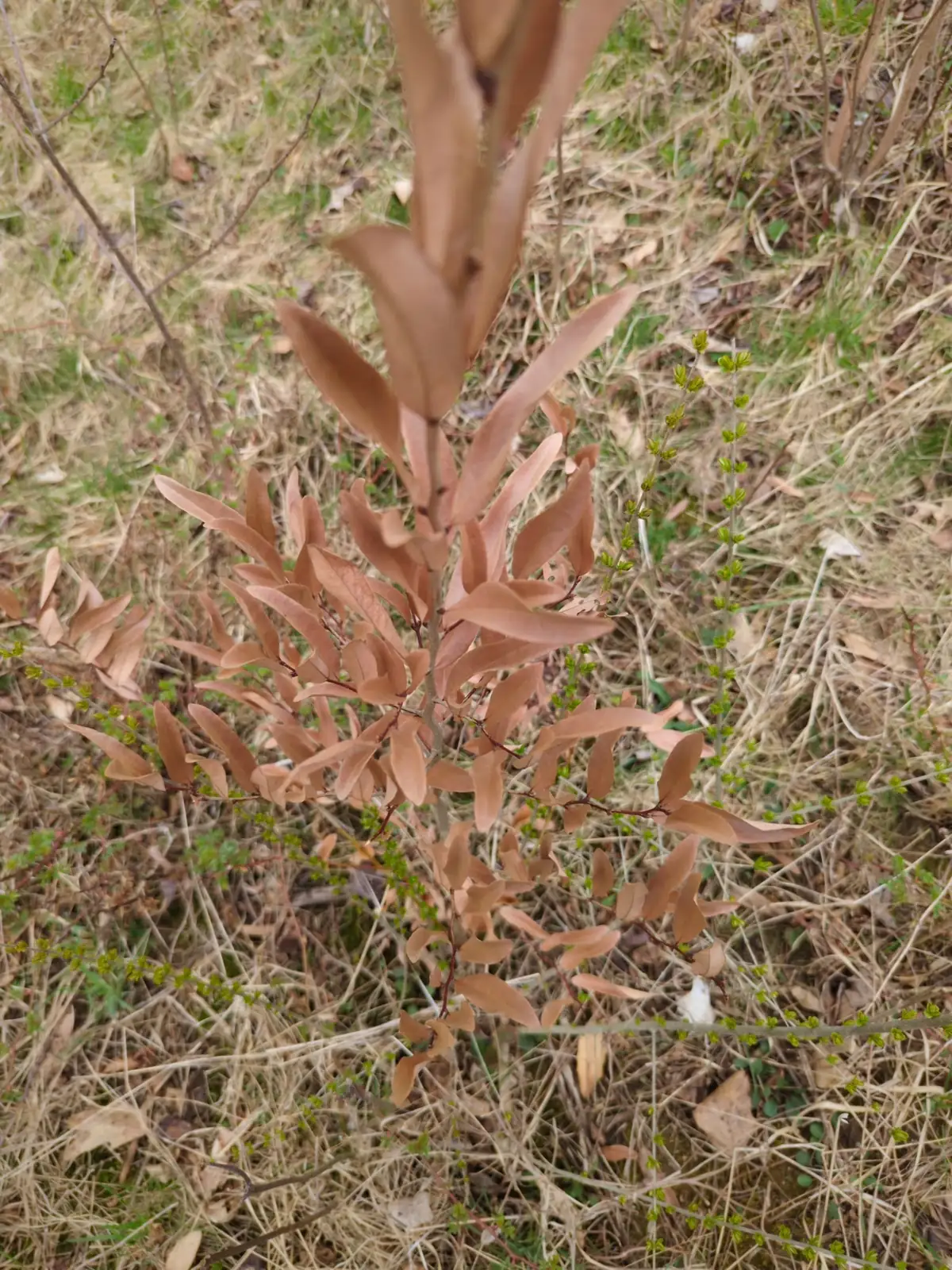
- Leaves can turn bright orange-red in autumn and may persist as dry leaves into winter before new leaves emerge.
- The round fruits ripen to black, and even the fruit stalks can vary—sometimes slightly hairy, sometimes smooth.
- It’s native across many Chinese provinces and often grows on hillsides in shrubland or open woodland.