

Plant Features
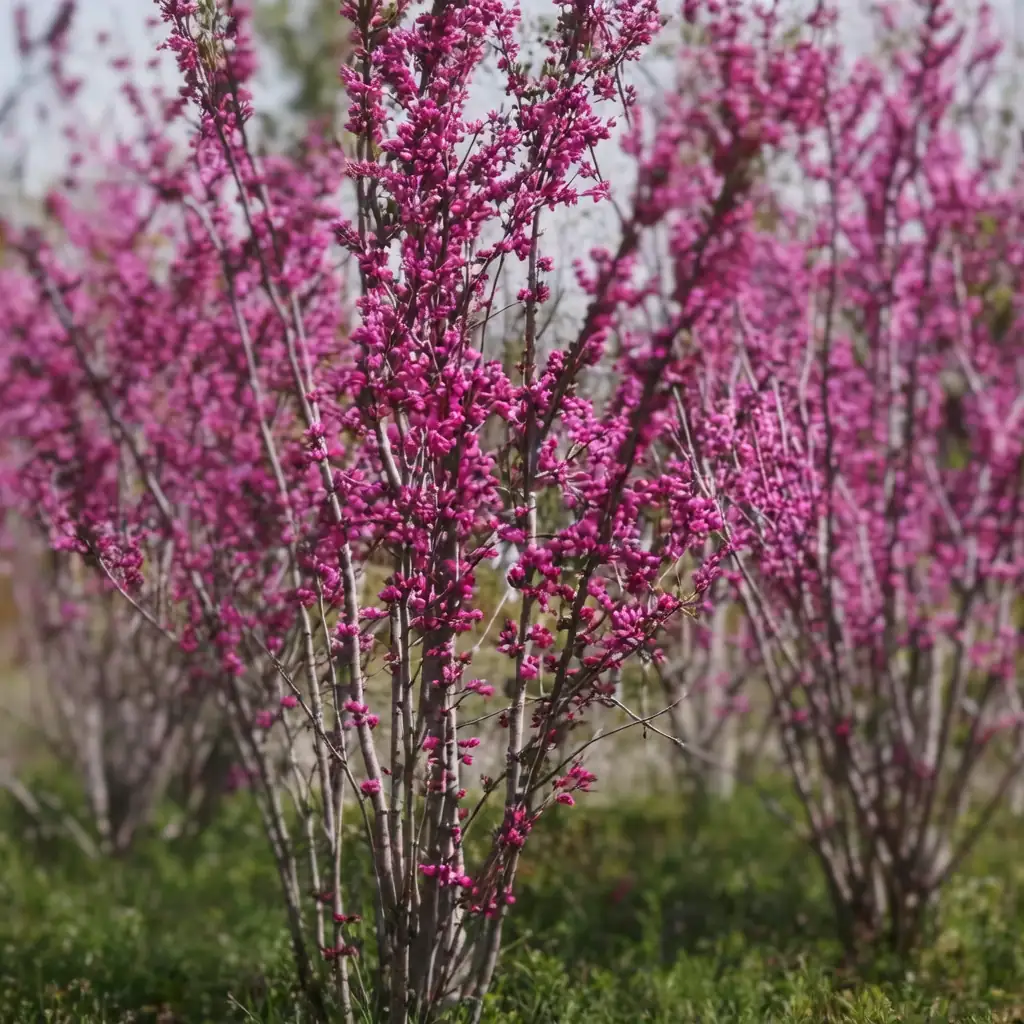
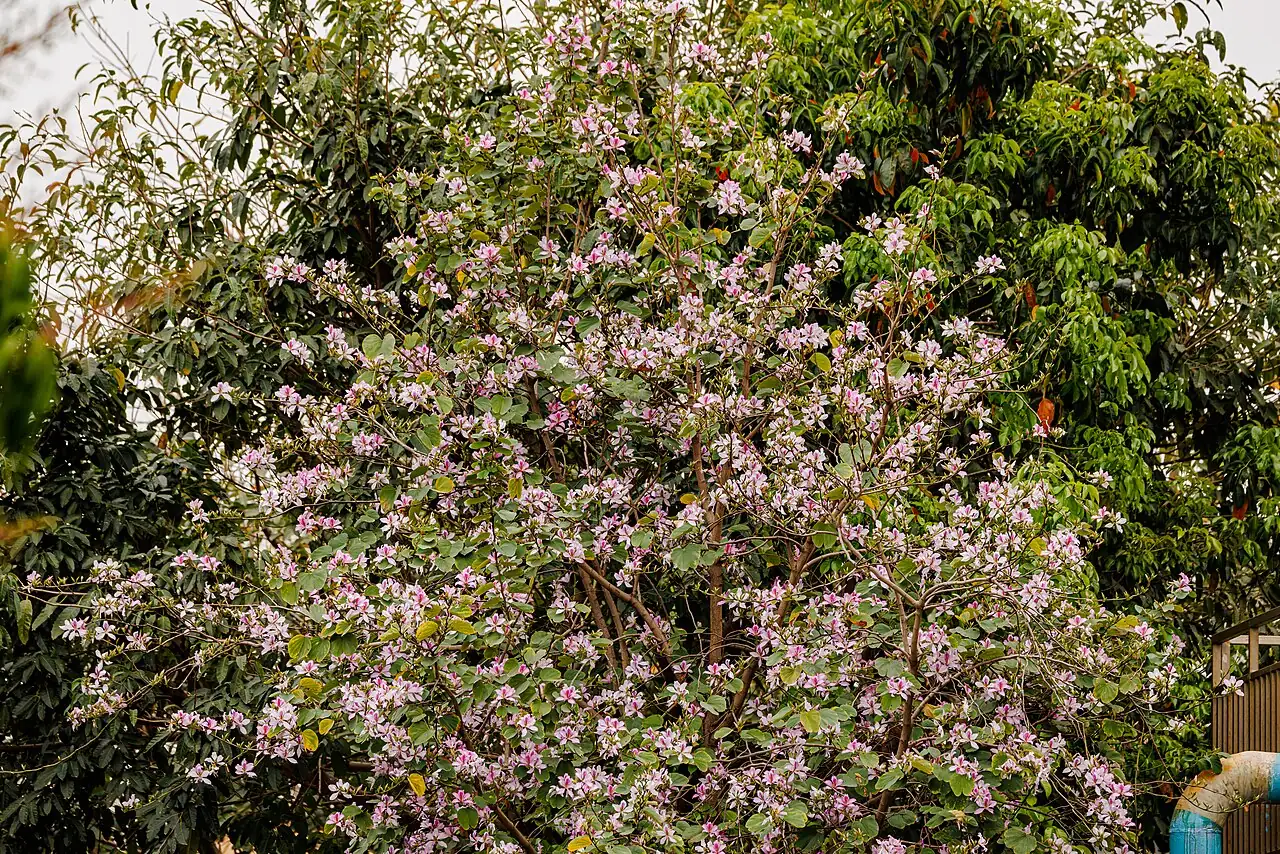
- Size: Typically 2–5 m (6.6–16.4 ft) tall, often with a similar spread at maturity depending on pruning and site conditions.
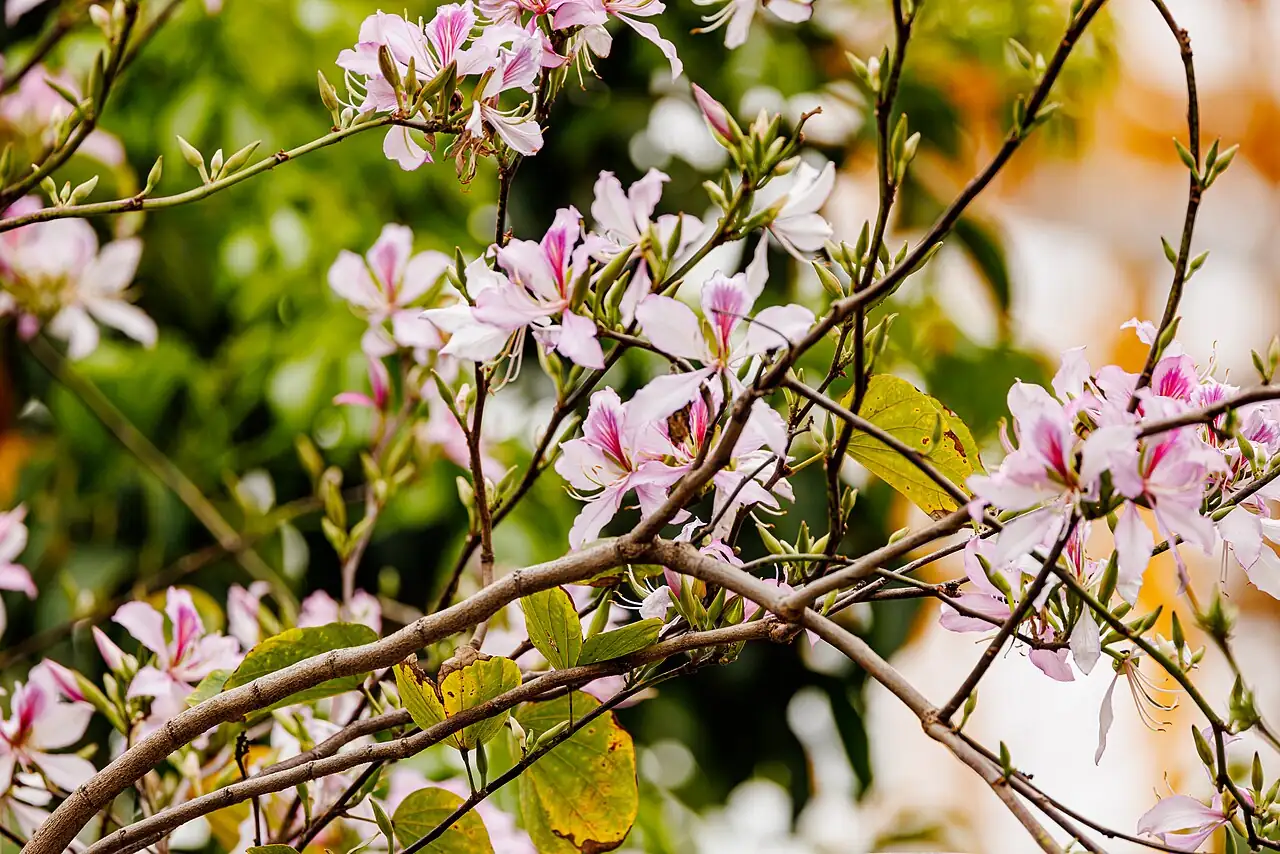
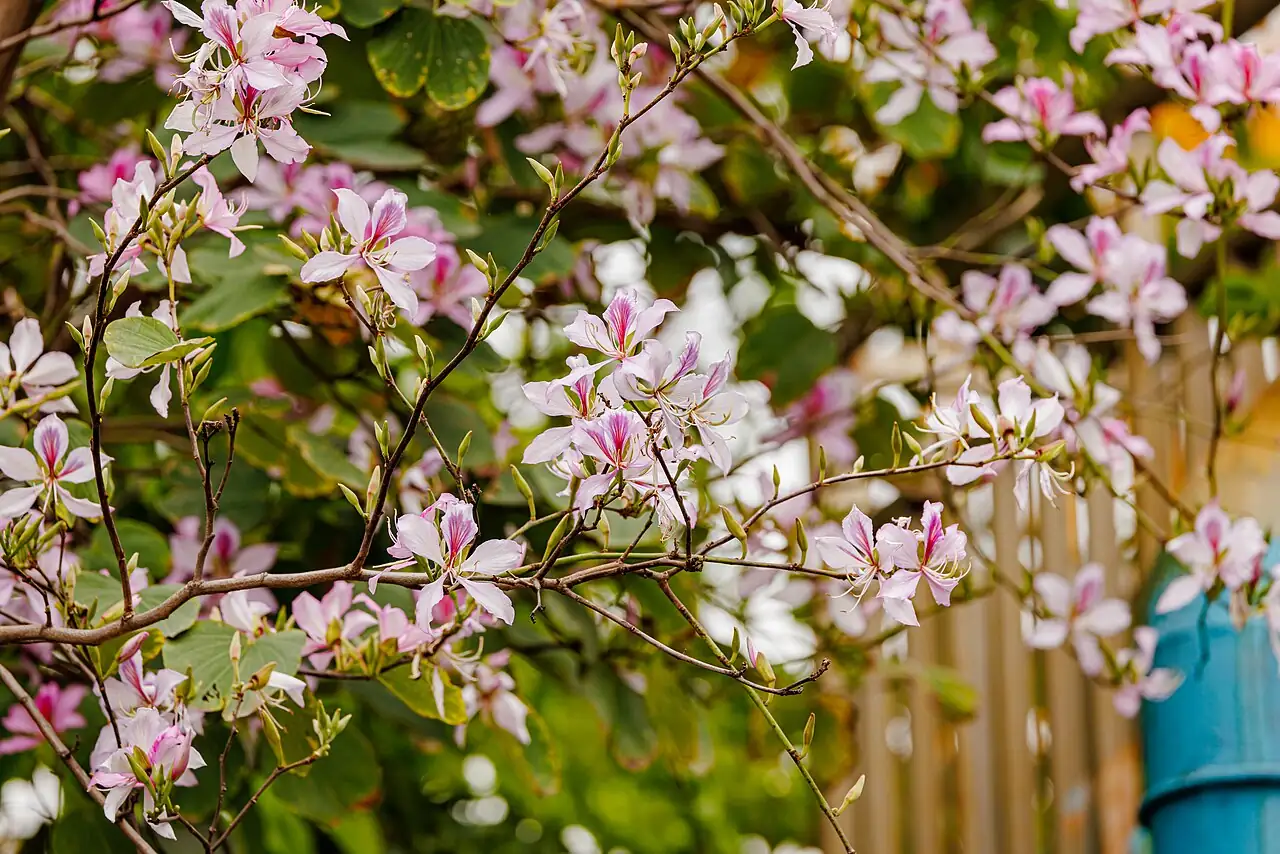
- Foliage: Bark and young twigs are grayish-white. Leaves are papery and broadly rounded to rounded-triangular, creating a soft, heart-like canopy effect once leafed out.
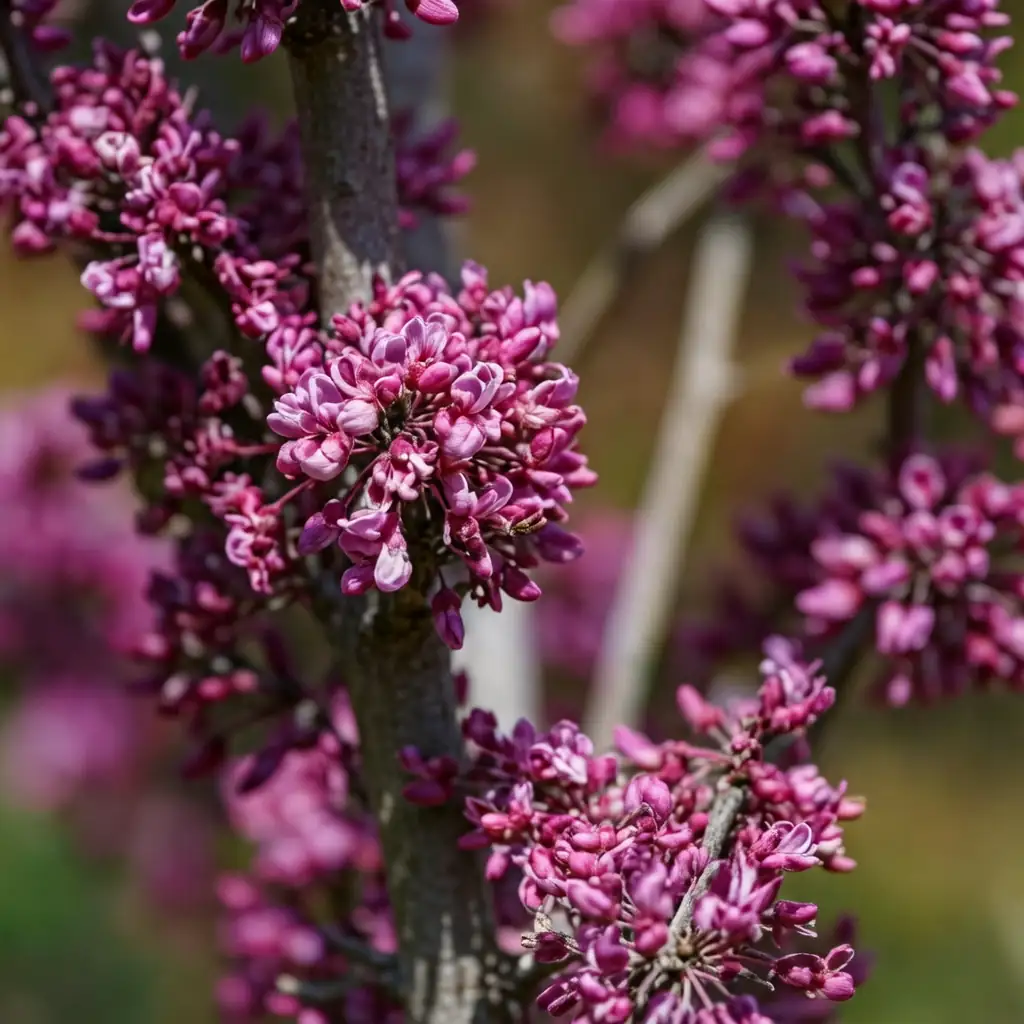
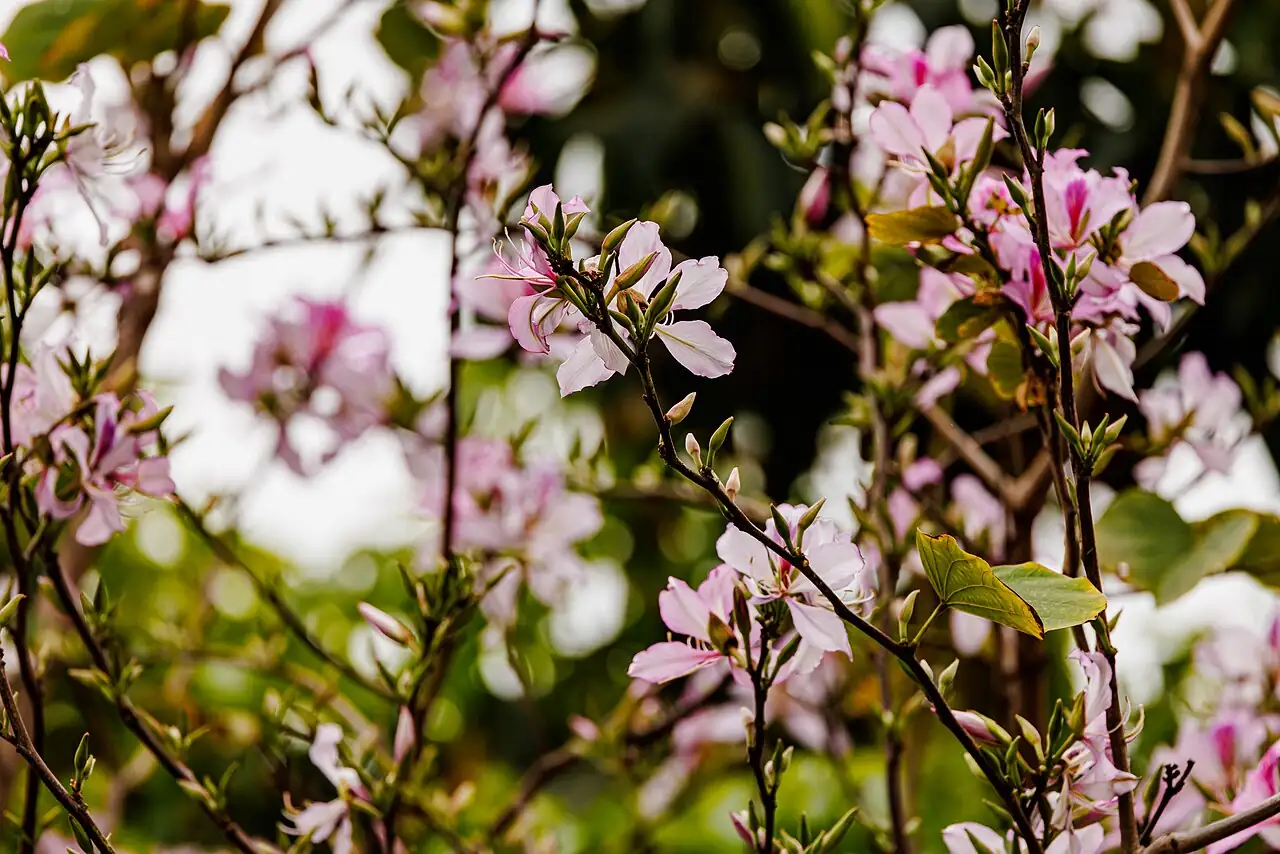
- Flower: Flowers are purplish-red to rosy pink, borne in clusters of about 2–10 and often appearing on bare branches before the leaves. After flowering, flattened, narrow-oblong green pods develop; seeds are usually 2–6 per pod, flattened, dark brown, and glossy.
- Flowering Season: March–April (early spring)
- Growth Habit: Deciduous shrub/small tree; can be multi-stemmed or trained to a single trunk. It is a vigorous sprouter and responds very well to shaping and thinning after bloom.
Environment
Sunlight
Full sun to part shade; flowering is usually best with brighter light.
Temperature
Temperate ornamental with good cold tolerance; generally thrives with cool winters and warm summers. During active growth, roughly 10–30°C (50–86°F) suits it well.
Humidity
Prefers moderate humidity and good airflow; dislikes persistently wet, stagnant conditions.
Soil
Fertile, well-drained soil is ideal. Avoid heavy, poorly drained clay and waterlogged sites; it tolerates many soil types as long as drainage is good.
Placement
Best as a garden specimen or small street/courtyard/temple tree where spring flowers can be enjoyed up close; choose a spot with reliable drainage.
Hardiness
USDA Zone 6–9 (approximately down to -23°C (-10°F) in colder parts of its range and up to warm-temperate conditions), depending on local conditions and plant provenance.
Care Guide
Difficulty
Easy to moderate: generally hardy and forgiving, especially with pruning, but it is sensitive to poor drainage and prolonged wet soil.
Buying Guide
Select plants with healthy buds and smooth, undamaged bark. Avoid pot-bound specimens and any stock sitting in soggy media. If buying while in bloom, choose a plant with plenty of unopened buds for a longer spring display.
Watering
After planting, water deeply and keep the soil evenly moist (not wet) during establishment. Once established, water during dry spells rather than frequent light watering. In heavier soils, let the top layer dry slightly between waterings, and always avoid waterlogging.
Fertilization
In spring, feed lightly with compost or a balanced slow-release fertilizer. Avoid heavy nitrogen, which can push leafy growth at the expense of flowers.
Pruning
Prune soon after flowering to shape the plant and remove crossing, weak, or crowded stems. Because it sprouts strongly, it can be maintained as a multi-stem shrub or trained into a small, single-trunk tree.
Propagation
Propagated from seed (often improved by scarification and/or cold stratification) or from semi-ripe cuttings. Named ornamental forms may be grafted in commercial production.
Repotting
For container plants, move up one pot size when roots begin circling heavily. Use a free-draining mix and ensure strong drainage holes; for best long-term performance, plant in the ground when possible.
📅 Seasonal Care Calendar
Bloom: March–April. Pods/fruiting: August–October. Prune shortly after flowering; avoid heavy late-winter pruning if you want the fullest spring bloom.
Pests, Diseases & Safety
Common Pests & Diseases
Possible issues include aphids, scale insects, and caterpillars; fungal leaf spots may appear in humid, poorly ventilated sites. Help prevent problems by improving airflow with selective thinning, avoiding overhead watering, and keeping soil drainage strong.
Toxicity
No well-established toxicity concerns for typical garden use. As a general precaution, do not ingest plant parts and discourage pets from chewing ornamental plants.
Culture & Symbolism
Symbolism: Often linked with spring renewal and abundance—thanks to its heavy bloom on otherwise bare branches.
History & Legends: Long cultivated in China as a beloved ornamental, especially in courtyards and around temples, prized for bringing early-season color when many plants are still waking up.
Uses: Primarily used as an ornamental flowering shrub/small tree for courtyards, streets, and temple gardens. Its fine-textured, straight-grained wood has also been used locally for small-scale furniture and building needs.
FAQ
When does Chinese redbud flower?
Most often in March–April (early spring), though timing shifts with local climate.
When do the seed pods mature?
Typically from August to October.
How big does it get?
Commonly about 2–5 m (6.6–16.4 ft) tall in cultivation, often with a similar spread, depending on pruning and site conditions.
Where is it native, and where is it commonly planted?
It is native to southeastern China and is widely planted in courtyards, beside homes, in temples, and along streets; it can also occur in woodland and limestone habitats.
Fun Facts
- Its flowers can open directly on older wood and sometimes the trunk, creating a dramatic spring display before the leaves expand.
- Flower clusters often hold about 2–10 blossoms, giving the branches a “bouquet” effect.
- If you remember one rule: prioritize drainage—this plant resents soggy soil more than it resents cold.
- It tolerates pruning exceptionally well, so you can keep it compact or train it into a small tree form.


