
Plant Features
- Size:50–120 cm (20–47 in) tall
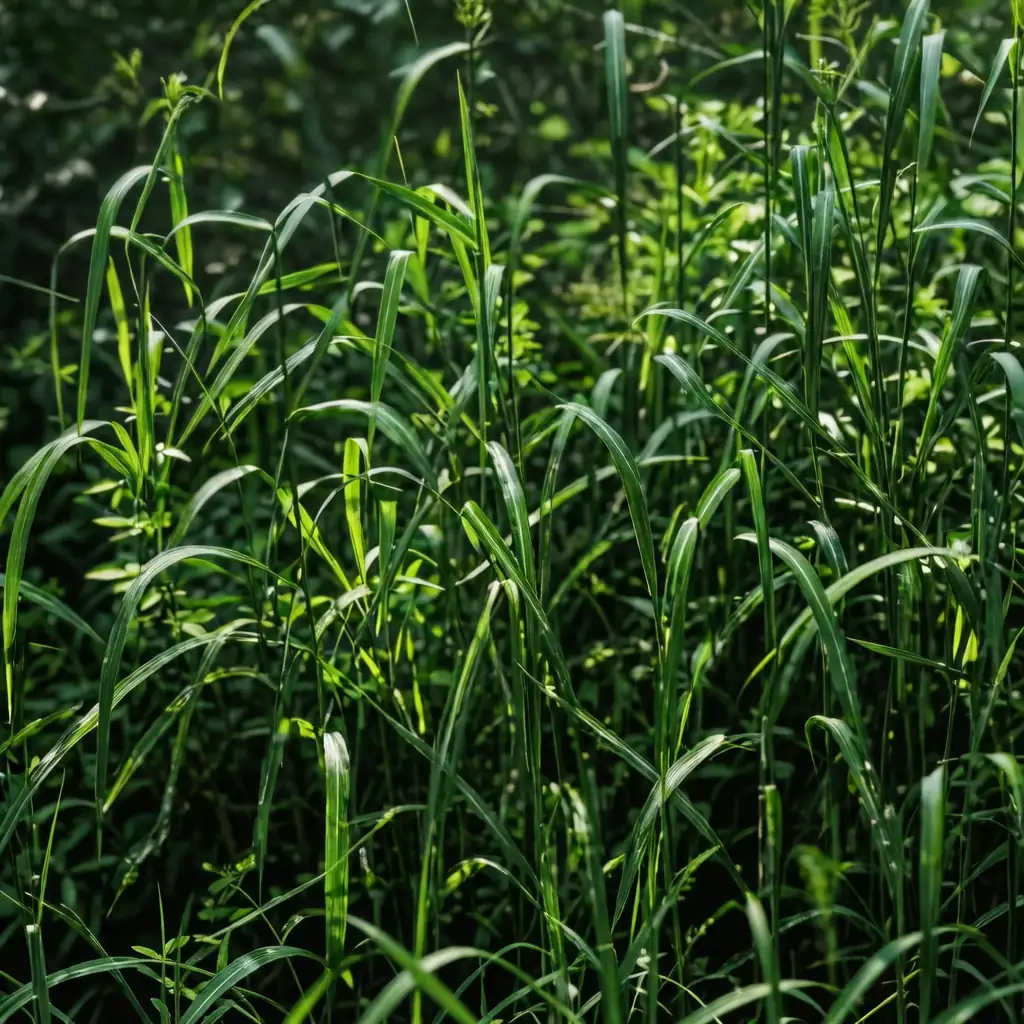
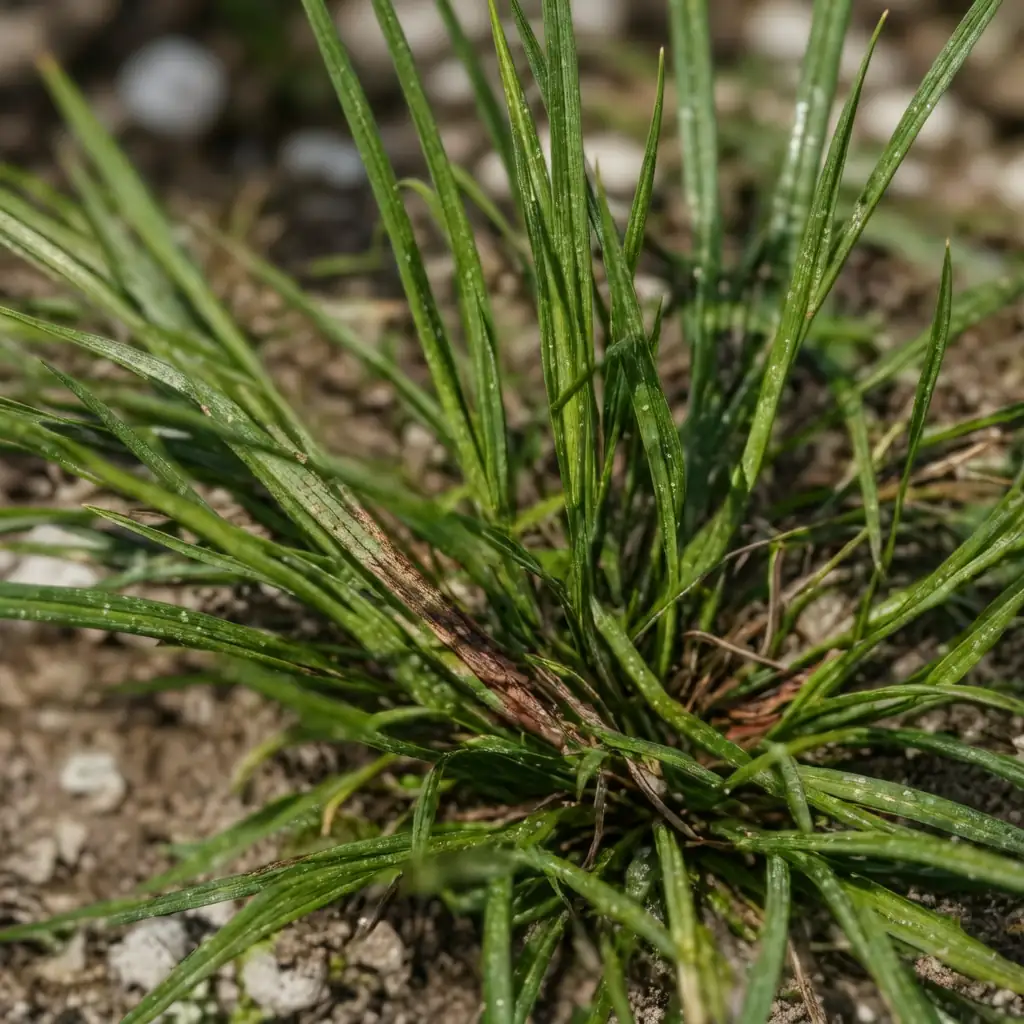
- Foliage: Robust, upright stems (culms) with leaf sheaths that loosely clasp the stem; the sheaths are smooth and hairless, giving the plant a clean, sleek look for a grass.
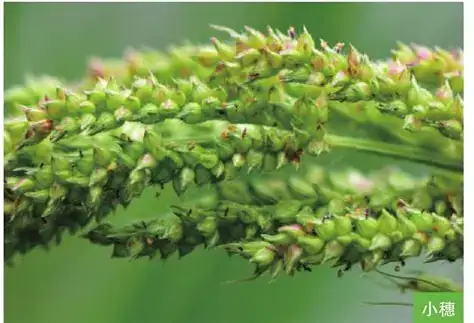
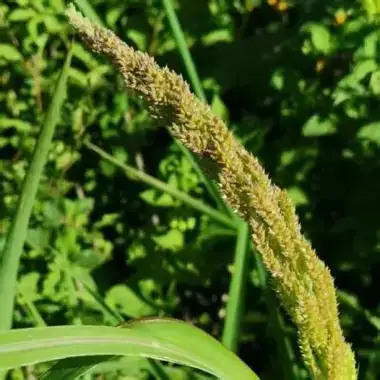
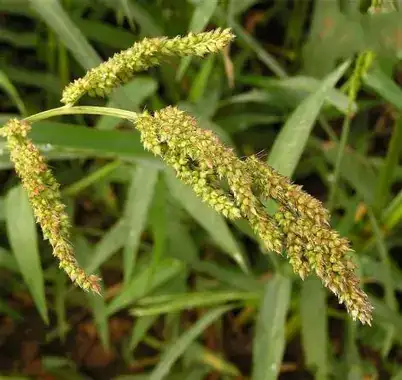
- Flower: Produces upright, spire- to pyramid-shaped panicles. Individual flowers are inconspicuous; the decorative value comes from the overall seedhead structure as it develops and matures.
- Flowering Season: June–July
- Growth Habit: Warm-season annual; upright, clump-forming grass that completes its life cycle in one season and readily sets seed.
Environment
Sunlight
Full sun to bright open conditions; best seedhead display in full sun.
Temperature
Warm-season growth; best around 20–35°C (68–95°F). Not frost-hardy—growth slows and stops with cold weather.
Humidity
Prefers consistently moist conditions; tolerates short dry spells once established.
Soil
Adaptable, but strongest in fertile, loose, well-aerated soil; tolerates periodically wet ground.
Placement
Naturalistic or meadow-style plantings, moist field edges, and summer-to-autumn groundcover effects—only where self-seeding spread is acceptable (or can be managed).
Hardiness
Not frost-hardy; behaves as a warm-season annual. More vigorous with consistent moisture, though it can handle brief dryness after establishment.
Care Guide
Difficulty
Easy to grow in warm, sunny sites, but potentially hard to manage because it self-seeds readily and can become weedy.
Buying Guide
Not commonly sold as an ornamental. If sourcing seed, confirm the identity as Echinochloa crus-galli var. mitis and check local rules—barnyard grass is regulated or strongly discouraged in many agricultural regions.
Watering
Keep evenly moist while establishing. Afterward, it can cope with some drought, but water during extended dry periods for lusher growth and fuller seedheads.
Fertilization
Usually unnecessary in typical garden soil. In very poor soil, use a light, balanced feed sparingly—too much fertility can push excessive, weed-like growth.
Pruning
Not required for health. For control, cut off seedheads before they fully mature to reduce self-seeding; remove unwanted seedlings/plants promptly.
Propagation
By seed; readily self-seeds.
Repotting
Not typically grown in containers. If grown in pots, use a fertile yet free-draining mix and refresh the substrate each season.
📅 Seasonal Care Calendar
Panicles appear and flower mainly June–July; seeds ripen July–August. Best visual “meadow” effect is summer into autumn. Remove seedheads before ripening if you want to limit spread.
Pests, Diseases & Safety
Common Pests & Diseases
Generally trouble-free. In persistently wet, stagnant conditions, minor fungal spotting may appear. In agricultural contexts it may act as a host for pests/diseases associated with grasses.
Toxicity
Not widely cited as toxic to people or pets. Like many grasses, mature seedheads can cause mechanical irritation. If livestock grazing is a concern, follow local veterinary/agricultural guidance.
Culture & Symbolism
Symbolism: Not strongly tied to traditional flower symbolism; more often associated with toughness, wildness, and resilience because of its weedy reputation.
History & Legends: Not especially prominent in horticultural folklore; it’s best known worldwide as a common warm-season grass and a major weed of cultivated fields.
Uses: Sometimes used to create a naturalistic, wild-meadow look or seasonal summer–autumn groundcover texture. Ecologically, the seeds can feed some birds—but plant with caution due to its aggressive self-seeding.
Fun Facts
- This plant is a variety of barnyard grass (Echinochloa crus-galli).
- It’s especially common in warm regions where soil stays moist and disturbed—fields, gardens, and roadsides are classic spots.
- It can look charmingly “wild” in a meadow planting, yet it’s also considered one of the most notorious weeds in cultivated fields worldwide.