Plant Features
- Size: Up to about 6 m (20 ft) tall, often with a similar spread in open sites.
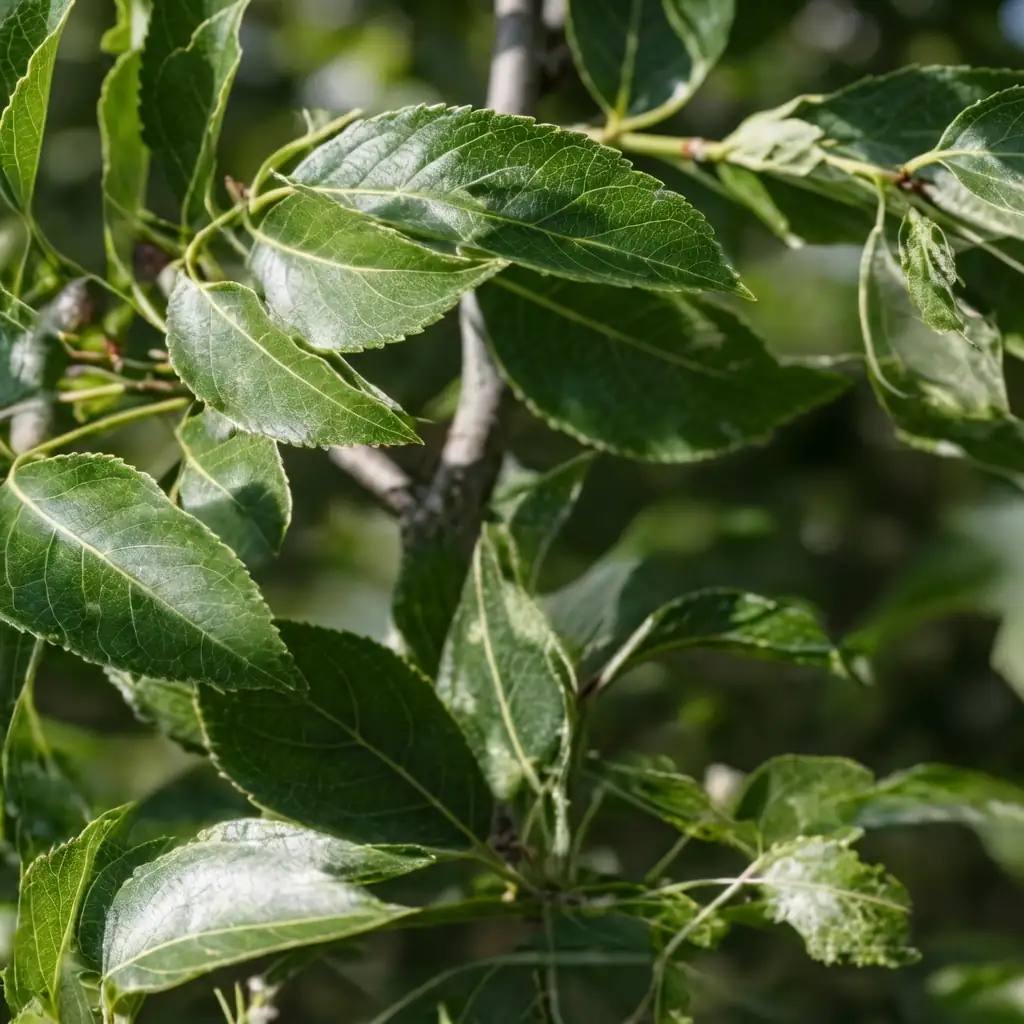
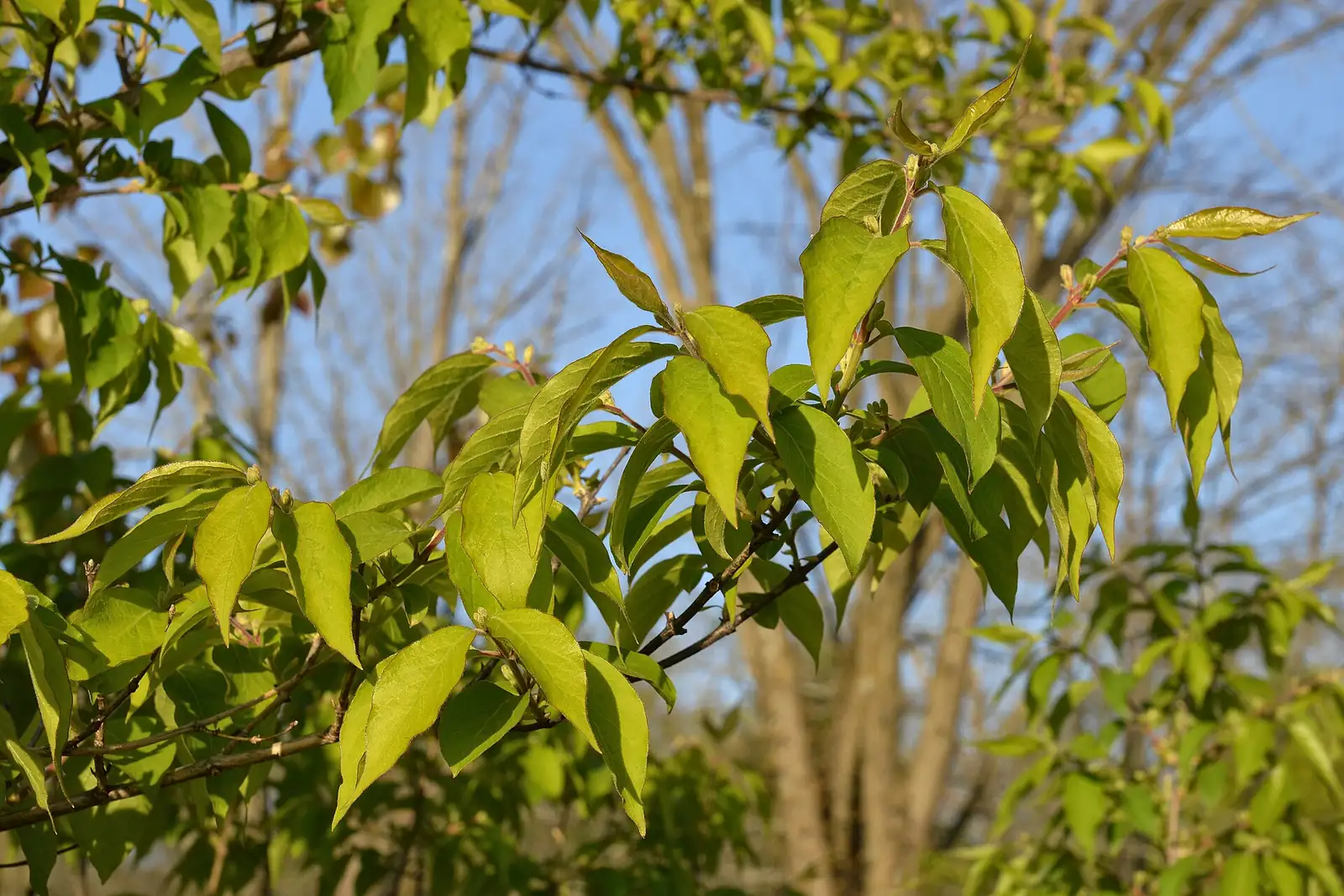
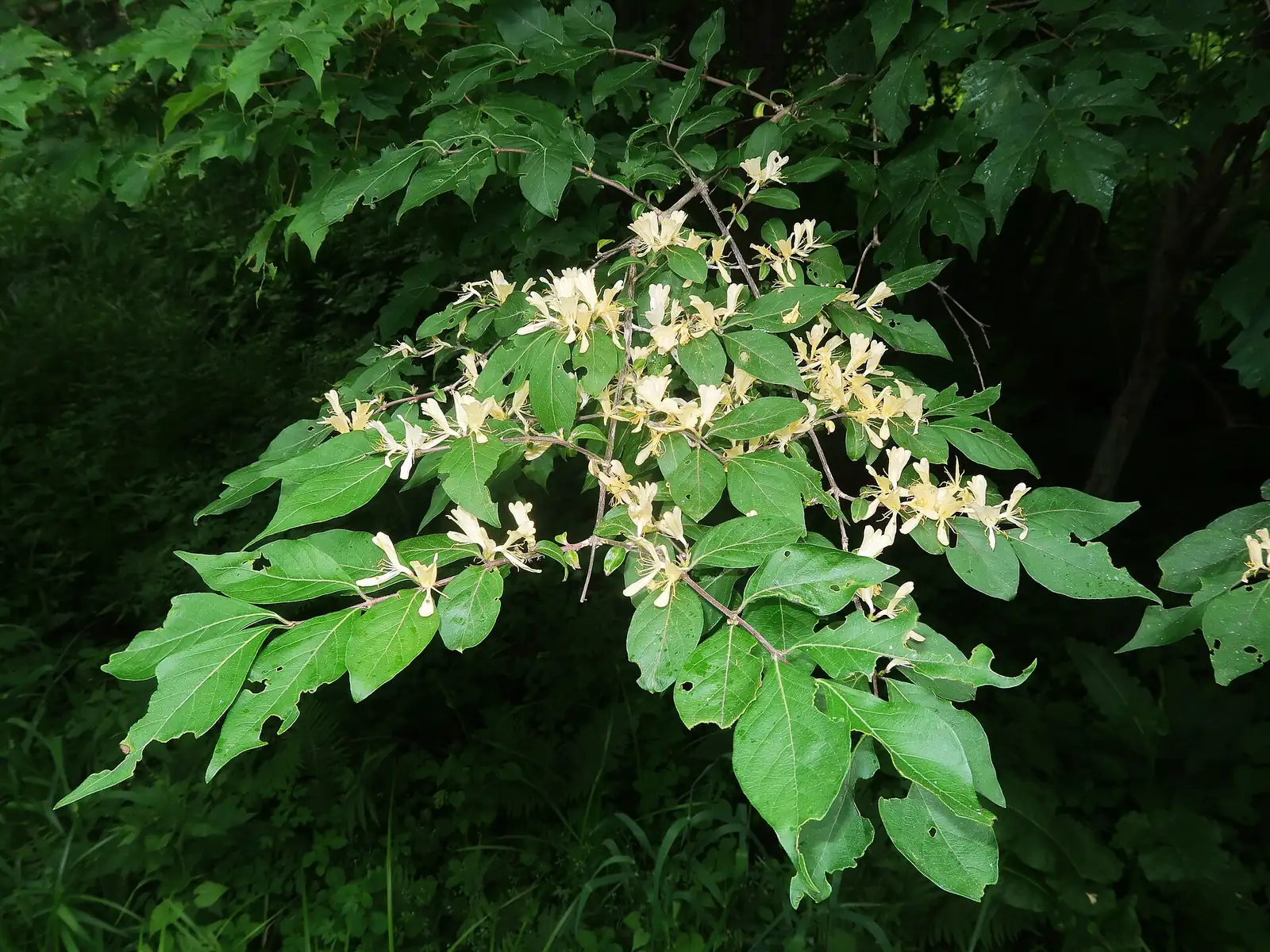
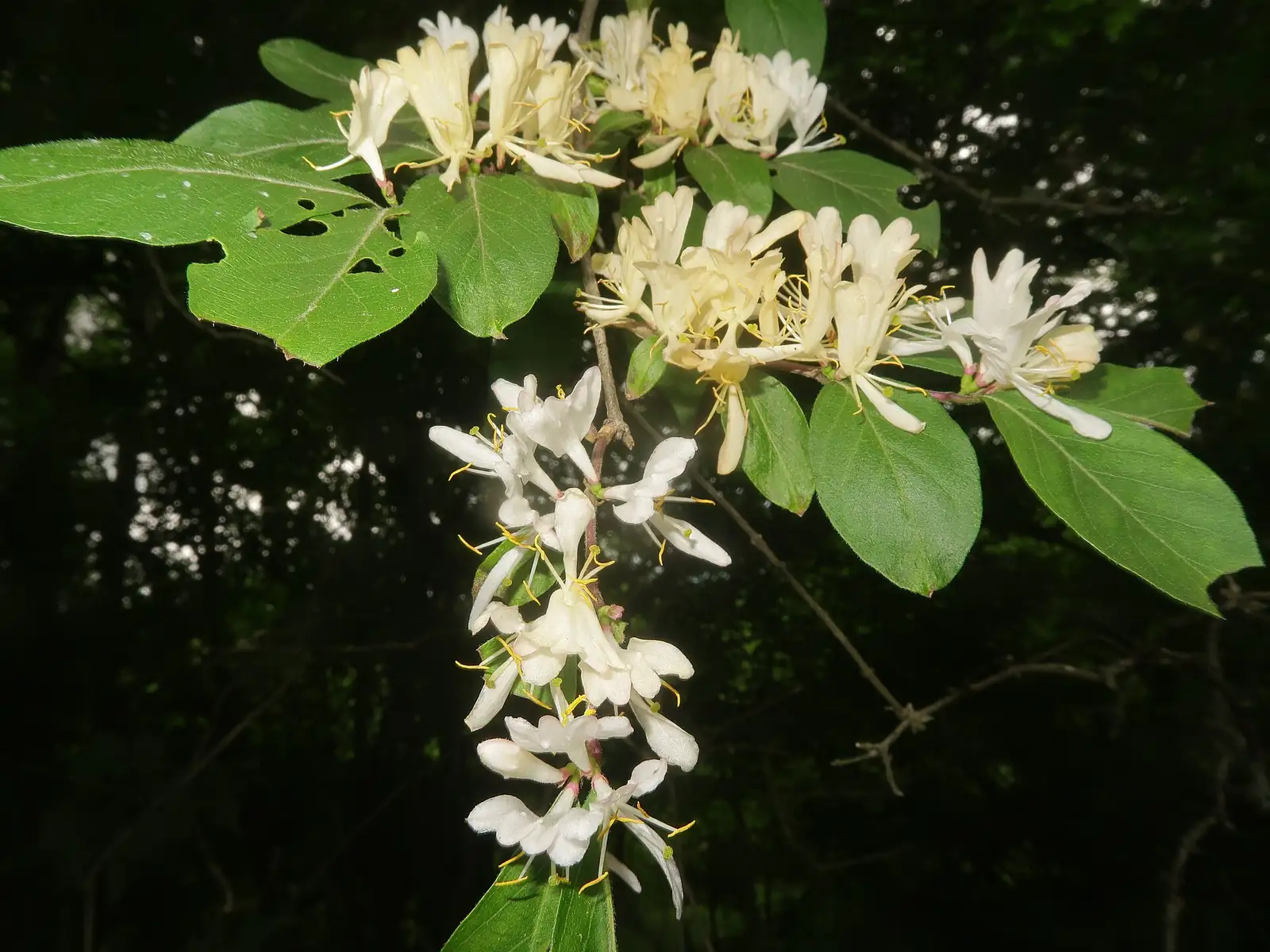
- Foliage: Leaves have a papery texture. Young twigs, petioles, bracts, and the veins on both sides of the leaves are covered in short, soft hairs, giving new growth a slightly fuzzy look and feel.
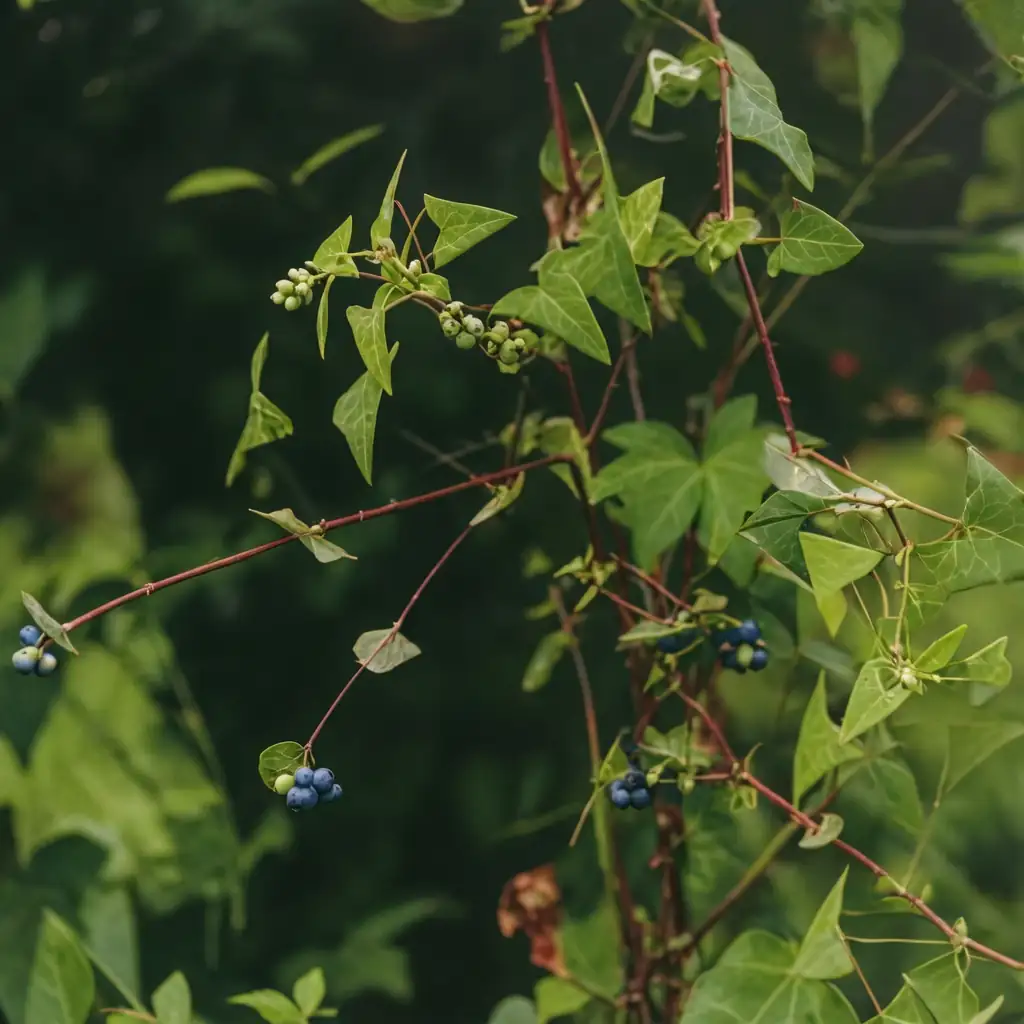
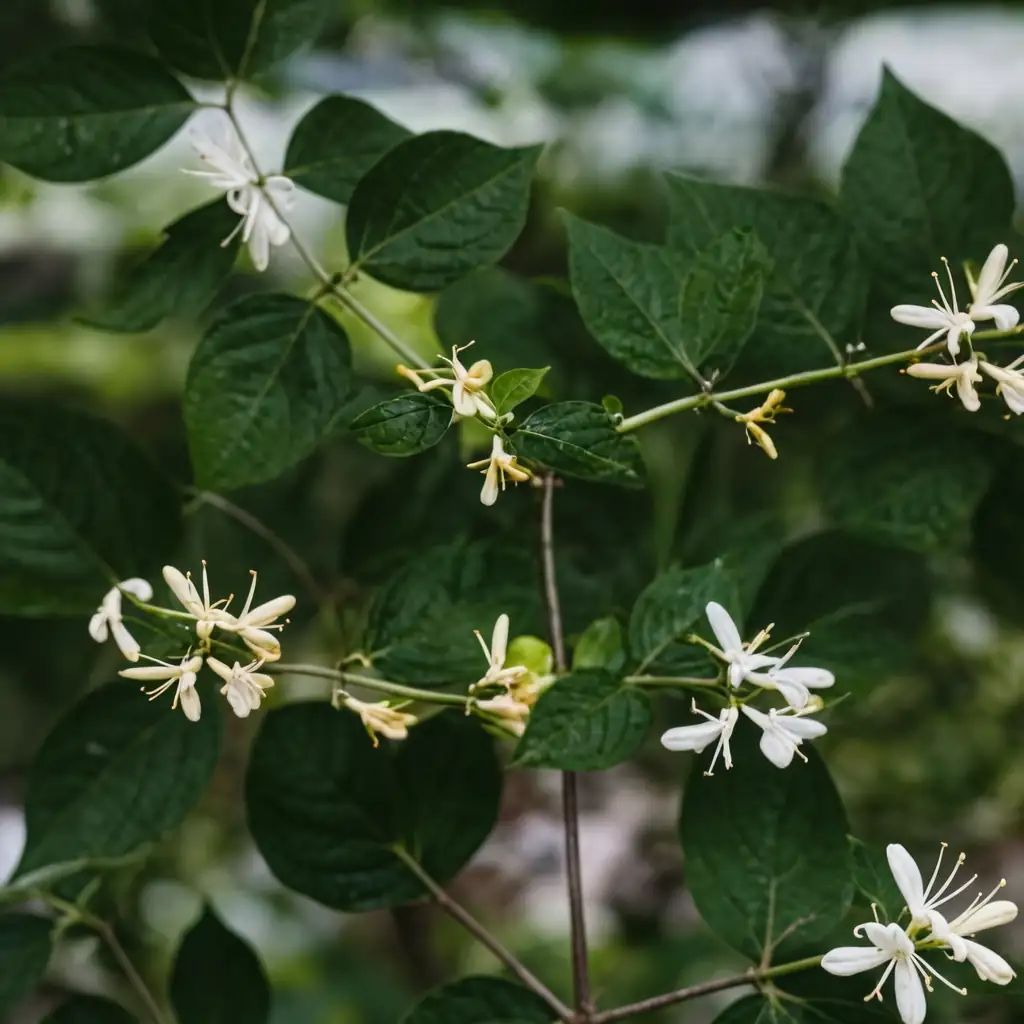
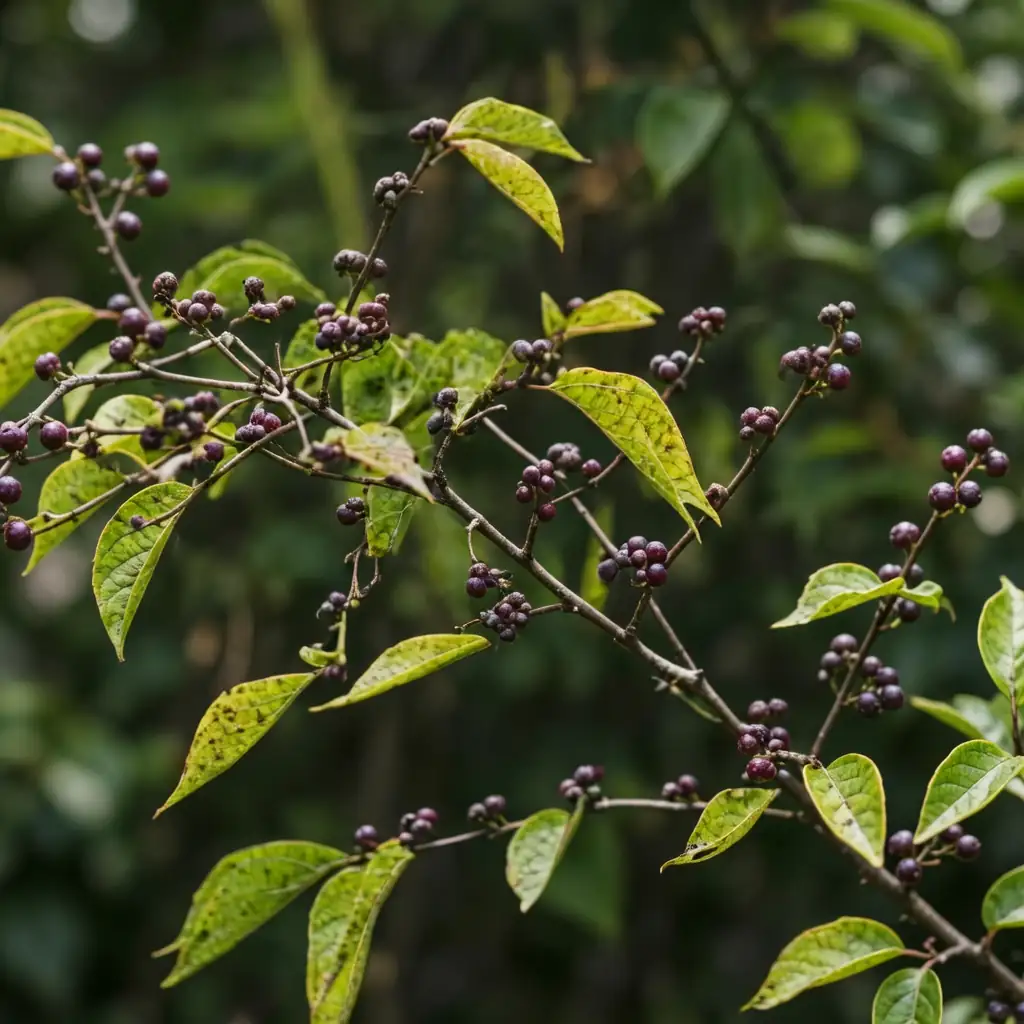
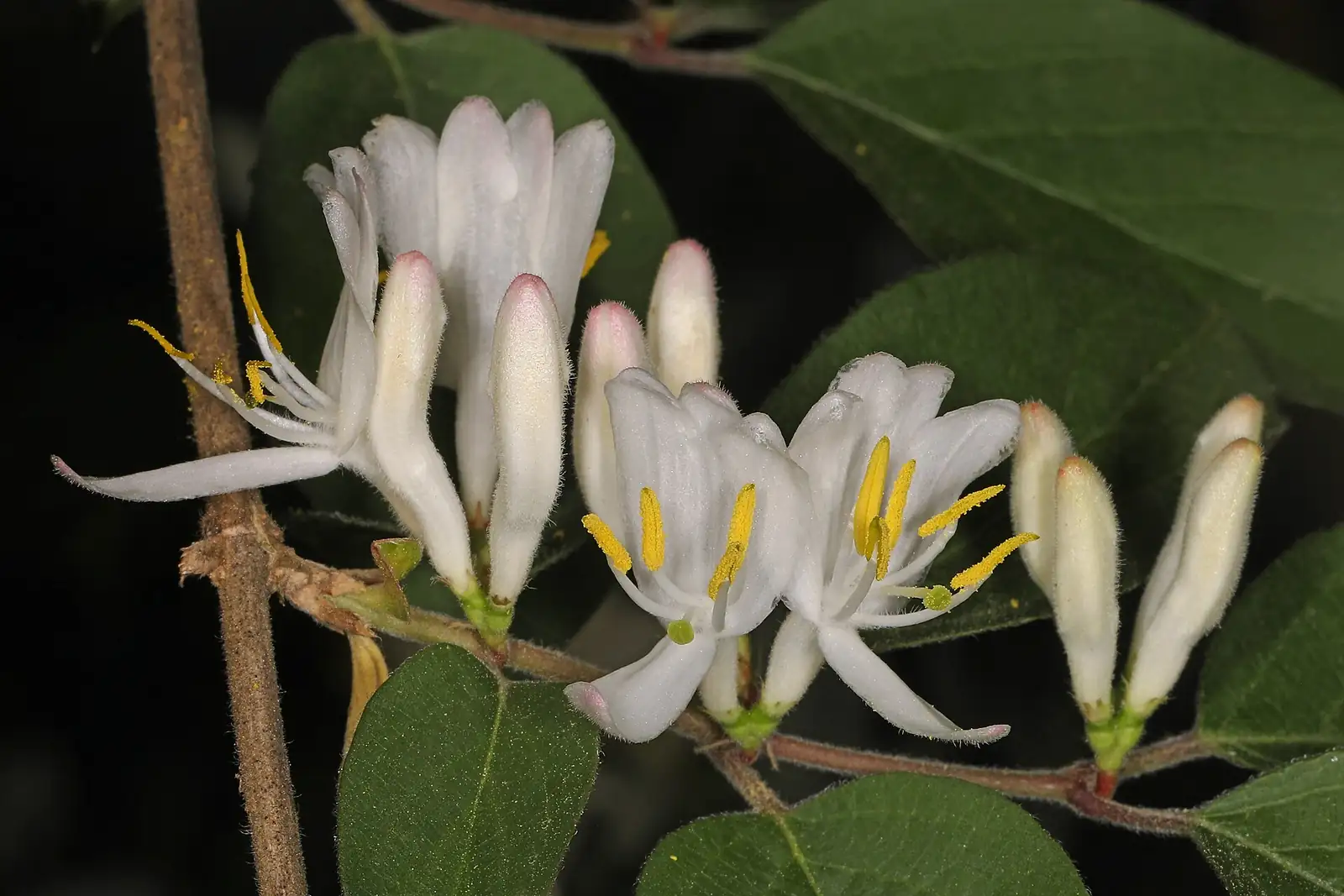
- Flower: Highly fragrant, tubular flowers appear in the leaf axils on young growth. The corolla opens white and turns yellow as it ages. After flowering, the plant produces round, dark red berries; the seeds have fine honeycomb-like pitting.
- Flowering Season: May–June (late spring to early summer)
- Growth Habit: Deciduous shrub; forms dense, branching thickets if not regularly renewed.
Environment
Sunlight
Full sun for the best flowering and berry display; tolerates partial shade.
Temperature
Prefers temperate to warm conditions and is very cold-hardy. Typical active-growth range is about 4–30°C (39–86°F); it can overwinter outdoors in many cold regions.
Humidity
Moderate. Handles average garden humidity and tolerates some dryness once established.
Soil
Adaptable, but happiest in well-drained, moderately fertile soil. Avoid constantly waterlogged ground; good drainage helps prevent stress and leaf issues.
Placement
Best used outdoors with space to mature: lawns, slopes, woodland margins, roadsides, and foundation/entry plantings. Place where fragrance can be enjoyed in spring and berries can be appreciated in late summer/fall.
Hardiness
Approximately USDA Zone 3–8 (occasionally reported to Zone 9).
Care Guide
Difficulty
Easy. A tough, adaptable shrub once established; it performs best in full sun with deep watering during prolonged drought.
Buying Guide
Choose plants with healthy, unbroken stems and a well-branched framework. Avoid root-bound pots with tightly circling roots, and skip plants showing dieback. When in leaf, check for clean foliage without heavy aphid presence or obvious leaf spotting.
Watering
Water regularly through the first growing season to build a strong root system. After establishment, water deeply only when the top 5–8 cm (2–3 in) of soil feels dry. It’s moderately drought-tolerant, but flowering and fruiting improve with occasional deep watering during dry spells.
Fertilization
Usually unnecessary in average garden soil. If growth is weak, apply a balanced slow-release fertilizer in spring according to label directions. Avoid heavy nitrogen, which can push soft leafy growth at the expense of flowers.
Pruning
Prune soon after flowering to shape and to remove crossing, weak, or damaged branches. For long-term vigor, do renewal pruning by removing a few of the oldest stems at the base to encourage fresh, flowering wood.
Propagation
Semi-hardwood cuttings in summer, hardwood cuttings in late fall/winter, or seed (seedlings may vary from the parent plant).
Repotting
Primarily a landscape shrub rather than a long-term container plant. If grown in a pot, upsize when roots fill the container and refresh the mix; use a large container with excellent drainage.
📅 Seasonal Care Calendar
Flowers: May–June. Berries: roughly August–October. Prune shortly after bloom; water more during the first year and during extended summer drought.
Pests, Diseases & Safety
Common Pests & Diseases
Generally resilient. Watch for aphids, scale insects, and spider mites (especially in hot, dry weather), plus occasional powdery mildew or leaf spot. Improve airflow, avoid overhead watering when possible, and use horticultural oil or insecticidal soap if infestations build.
Toxicity
The berries may cause stomach upset if eaten in quantity. Keep fruit out of reach of small children and pets prone to sampling plants.
Culture & Symbolism
Symbolism: Like many honeysuckles, it’s often linked with affection, warmth, and the sweet promise of spring—largely thanks to its memorable fragrance.
History & Legends: The species name honors botanist Richard Maack. It has been widely planted as an ornamental for its scented flowers and berry display.
Uses: Primarily ornamental: valued for fragrant spring blooms and showy red berries from late summer into fall. Commonly used for lawns, slopes, woodland edges, roadsides, and around buildings.
FAQ
Why do the flowers change from white to yellow?
That color change is a normal part of flower aging. Because new and older flowers overlap, the shrub often looks two-toned—an effect that can also help pollinators distinguish fresher blooms.
Will it tolerate dry conditions?
Yes—once established, it can handle moderate drought. For the best bloom and berry show, give it a deep watering during long dry stretches.
Fun Facts
- It commonly appears as dense shrub thickets along woodland edges and near streams.
- The spring flower show often includes both white (new) and yellow (older) blossoms at the same time.
- The rounded dark red berries are typically most noticeable from about August to October.
- Seeds have a fine honeycomb-like pitting, and young stems and leaf veins are softly hairy.