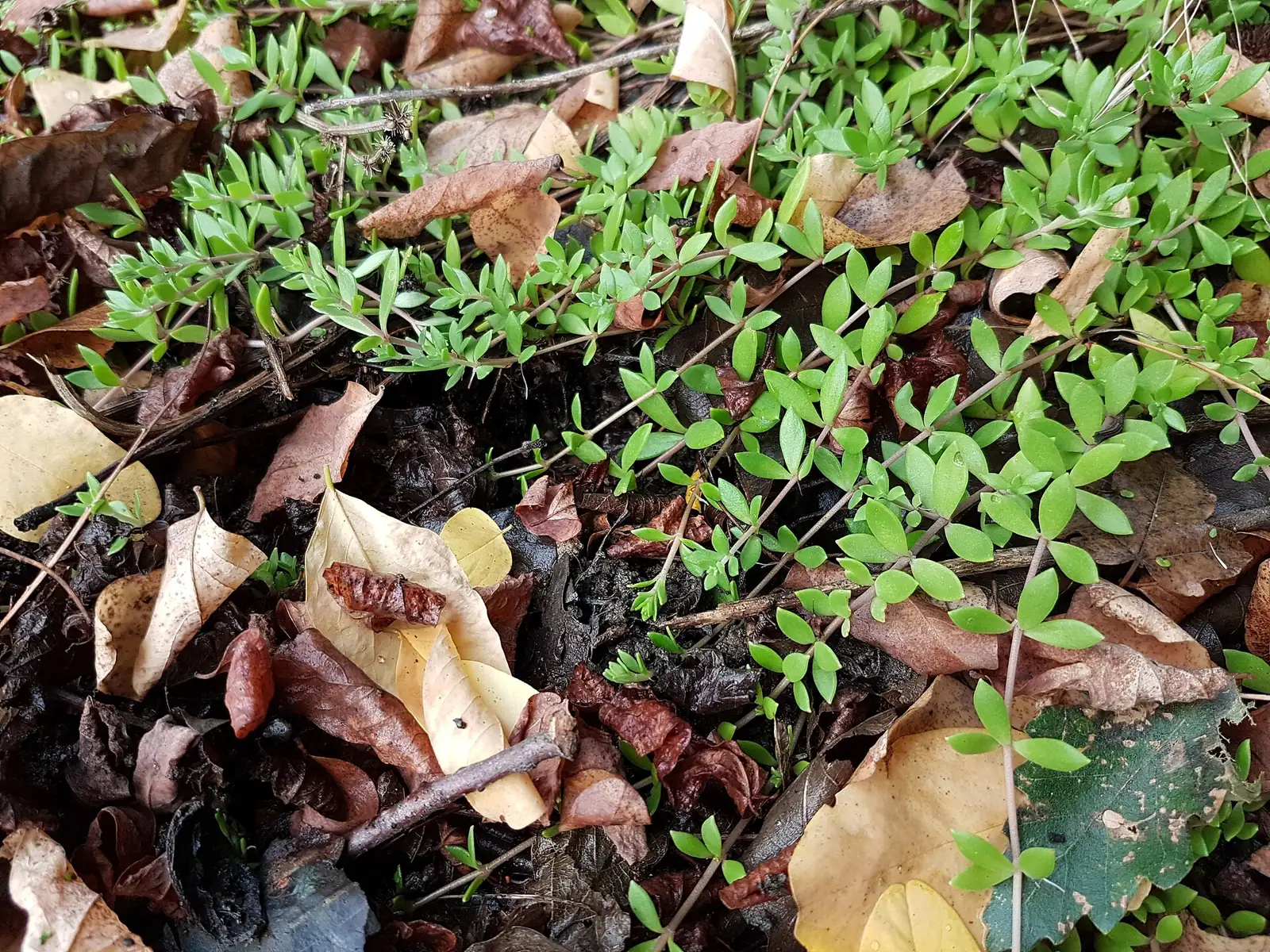
Plant Features
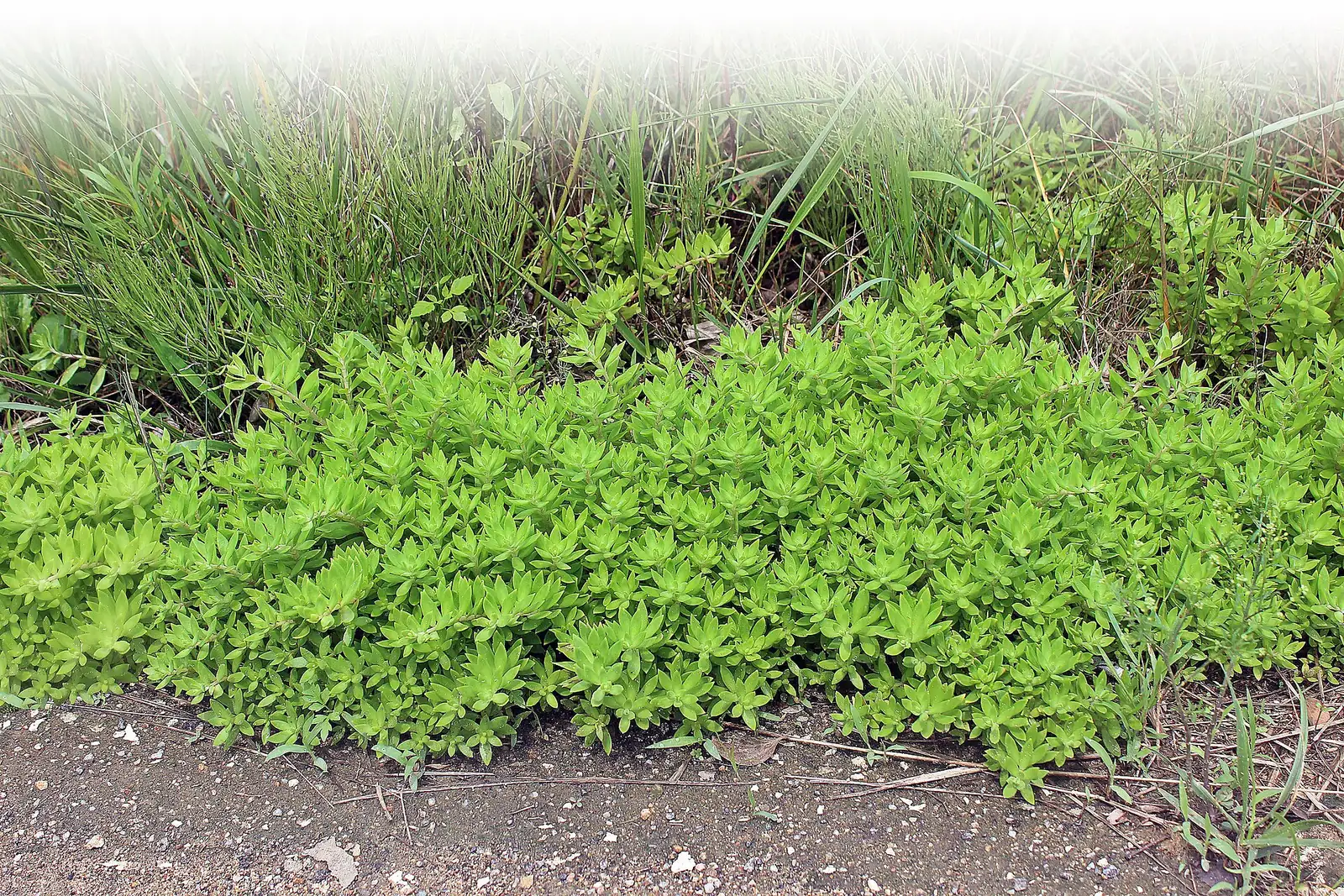
- Size: Typically about 20–50 cm (8–20 in) tall; spreads readily as a creeping groundcover and can trail well beyond its planting area.
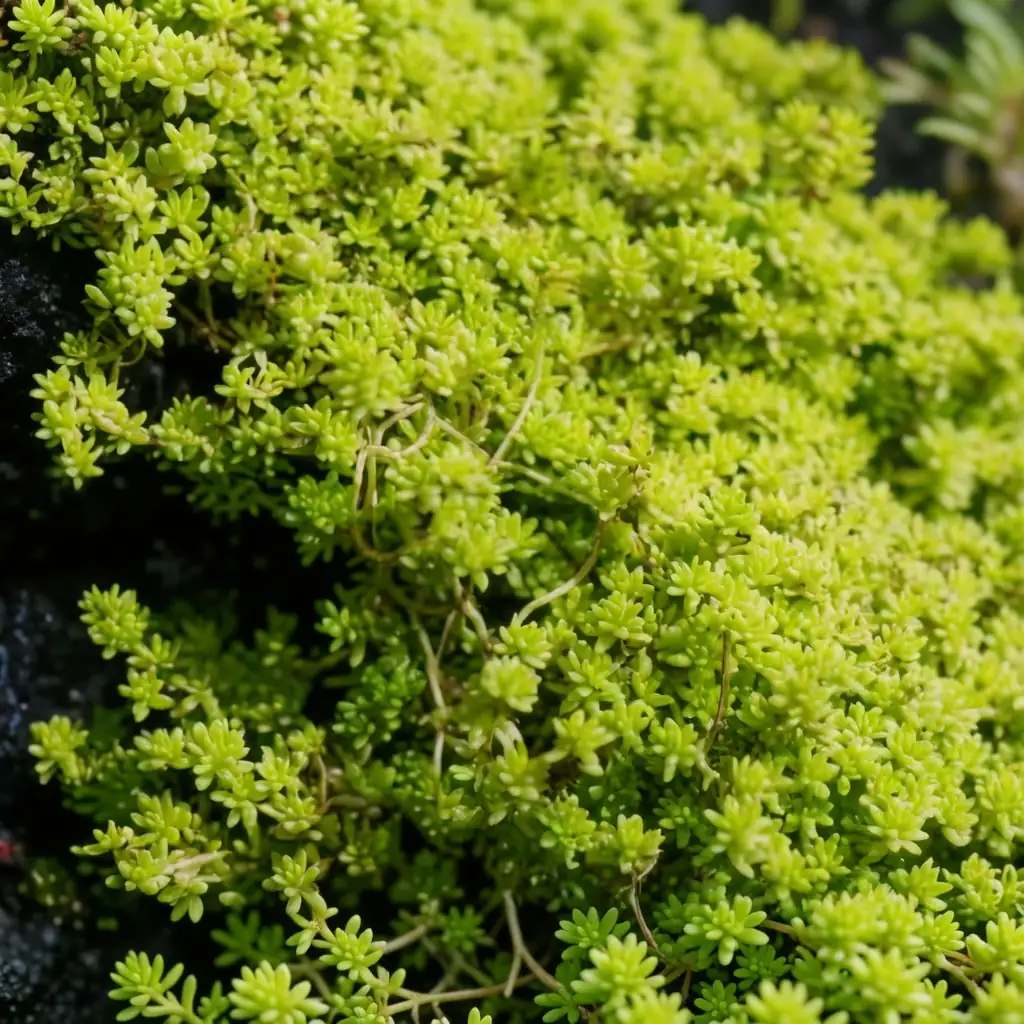
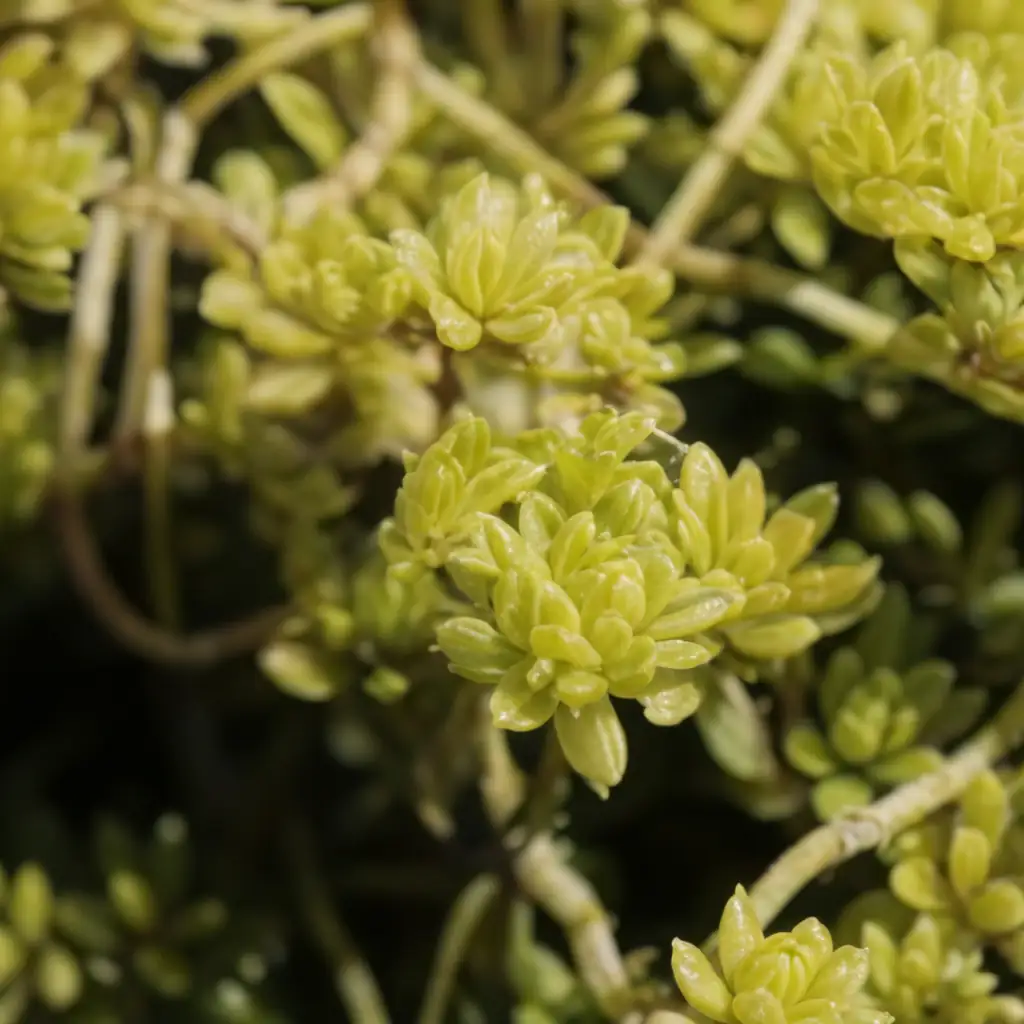
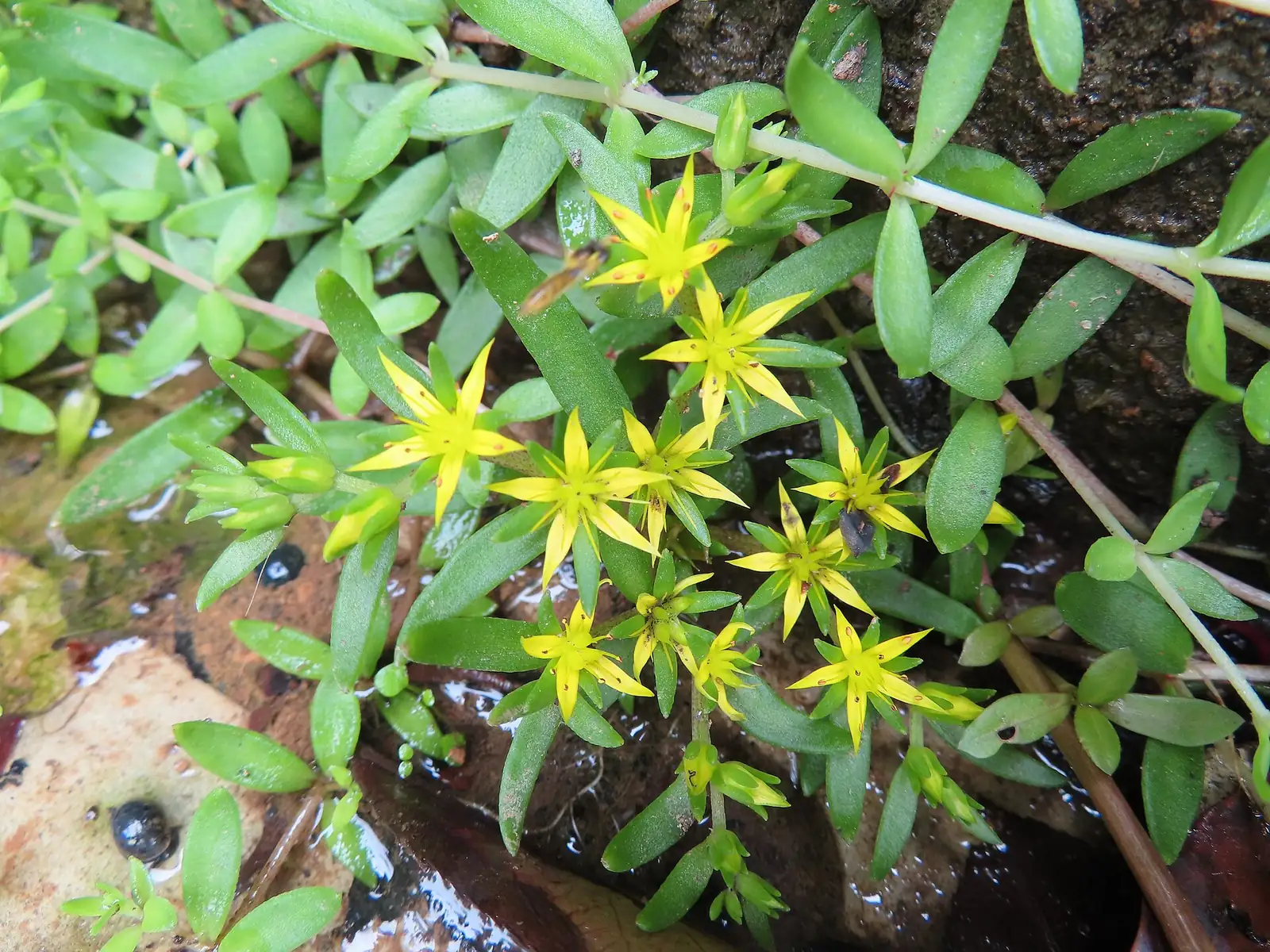
- Foliage: Slender trailing stems that readily root at the nodes. Leaves are narrow spoon-shaped to oblong, succulent, and typically arranged in whorls of three, giving the plant a tidy, bright-green, fresh look.
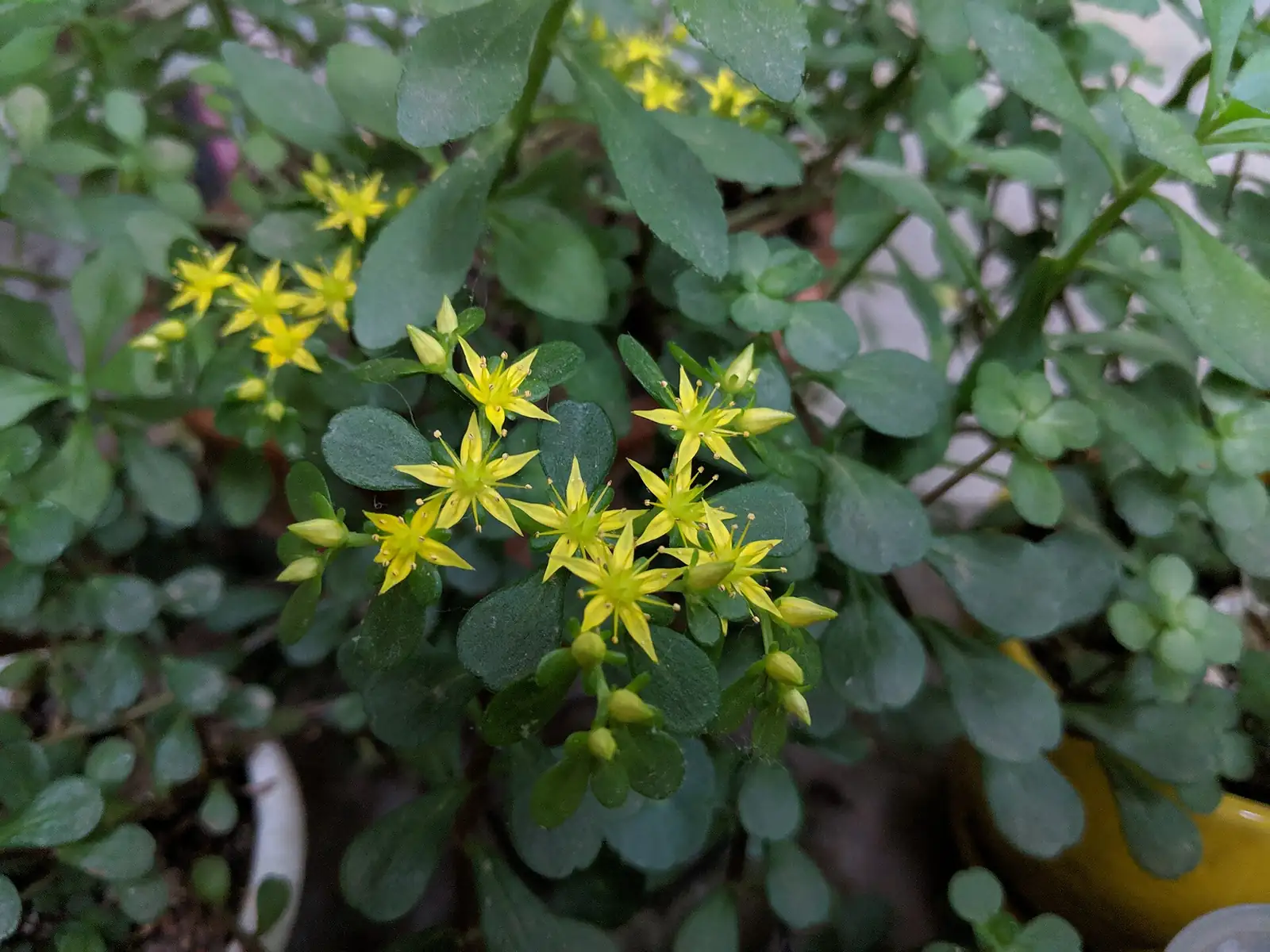
- Flower: Small, yellow, star-shaped flowers borne in branched clusters (often with 3–5 branches). After flowering it can set extremely tiny seeds that are egg-shaped, about 0.5 mm (0.02 in) long.
- Flowering Season: May–July
- Growth Habit: Creeping/trailing, mat-forming groundcover; stems root wherever they touch the soil, helping it spread and fill in quickly.
Environment
Sunlight
Full sun to part shade. It tolerates medium light and even lower light, but the more sun it gets (without extreme scorch), the denser it tends to grow and the better it flowers.
Temperature
Best growth around 15–25°C (59–77°F). Prefers mild to warm conditions but is notably cold-tolerant once established.
Humidity
Adaptable. Enjoys moderate humidity but handles dry air well after it’s rooted in.
Soil
Very adaptable as long as drainage is good. In pots, a gritty/sandy, fast-draining succulent mix is ideal; avoid heavy, water-holding soils that encourage rot.
Placement
Great for green roofs, rock gardens, borders, and as a lawn alternative or slope/erosion-control groundcover. Also excellent in hanging baskets or containers where it can cascade; naturally it’s often found on sunny, rocky sites.
Hardiness
Generally suitable for USDA Zones 4–9 (approx.). Cold- and drought-tolerant once established; container plants are more vulnerable to prolonged hard freezes and soggy winter soil.
Care Guide
Difficulty
Easy. A famously adaptable, low-maintenance plant with strong drought and cold tolerance—ideal for beginners and busy gardeners.
Buying Guide
Choose plants with firm, plump leaves and healthy trailing stems. Avoid pots with blackened, mushy stems (a sign of rot) or obvious heavy pest infestations.
Watering
Once established, water sparingly. Let the top 2–5 cm (1–2 in) of soil dry out before watering again. Reduce watering in cooler seasons. In very hot, dry periods, an occasional deep watering can help it cover ground faster—just don’t keep it constantly wet.
Fertilization
Usually minimal. If container growth seems slow, feed lightly in spring with a balanced fertilizer at 1/4–1/2 strength. Avoid heavy fertilizing (especially high nitrogen), which can lead to soft, floppy growth and fewer flowers.
Pruning
Trim back long or leggy runners to encourage a denser mat and to tidy edges. In early spring, remove any winter-damaged stems to help fresh growth come in cleanly.
Propagation
Very easy by stem cuttings or division. Stems naturally root at nodes—simply pin runners onto soil, or snip sections and replant them into lightly moist, fast-draining mix for quick establishment.
Repotting
Repot every 1–2 years when container-grown, or once crowded. Use a fast-draining succulent mix and a pot with drainage holes to prevent waterlogging.
📅 Seasonal Care Calendar
Spring: clean up, prune, and (if needed) lightly feed; take cuttings. Summer: water a bit more during heat as needed; peak flowering. Autumn: reduce watering and tidy growth. Winter: keep on the dry side and protect container plants from prolonged sogginess and severe freezes.
Pests, Diseases & Safety
Common Pests & Diseases
Generally trouble-free. Occasional issues include mealybugs and aphids on tender tips. The main risk is stem/root rot from poor drainage or overwatering—especially in cool weather.
Toxicity
Generally considered low-toxicity. However, sap or chewing/ingestion may cause mild stomach upset in pets or people. It’s best to keep it out of reach of pets that like to nibble plants.
Culture & Symbolism
Symbolism: Resilience and perseverance—this plant thrives where many others struggle, especially in dry, rocky places.
History & Legends: Long valued in everyday gardening for being almost “unkillable,” it has earned a reputation as a dependable, hardworking groundcover in both home gardens and urban plantings.
Uses: Ornamental and practical: used as a durable groundcover (including lawn substitutes), for green roofs, slope stabilization/erosion control, rock gardens, borders, beds, and hanging baskets—popular for its toughness and low maintenance.
FAQ
Why is my stringy stonecrop not flowering?
The two most common causes are too little light and too much nitrogen. Move it to a sunnier spot and avoid heavy fertilizing; brighter light usually boosts blooming.
Can it grow indoors?
Yes—give it a very bright window (the brightest you have). Indoors it often grows well but may flower less and stretch (get leggy) if light is insufficient.
How do I make it spread faster?
Pin the trailing stems onto the soil so the nodes touch; they’ll root quickly. You can also plant short stem cuttings directly into a lightly moist, fast-draining mix and keep them just barely damp until established.
Fun Facts
- It naturally roots at the nodes, so it can “self-propagate” and knit itself into a dense mat with very little help.
- It’s a classic rock-garden and green-roof plant because it’s happy on sunny, thin, rocky soils where other plants struggle.
- It tolerates a wide range of light levels, but it looks densest and flowers best with more sun.
- Its seeds are incredibly tiny—about 0.5 mm (0.02 in) long.