


Plant Features
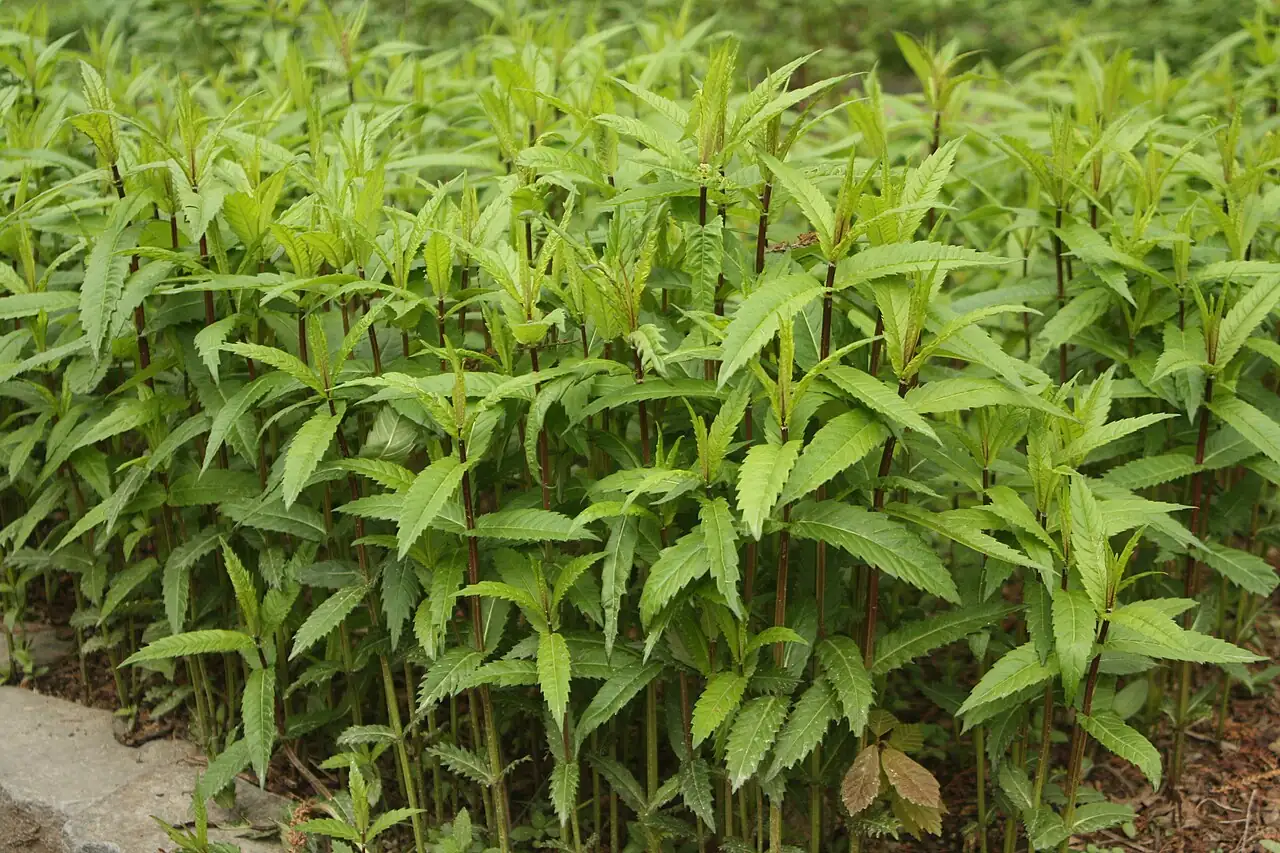
- Size: Typically 60–170 cm (24–67 in) tall; often forms spreading patches via rhizomes when grown in consistently moist ground.
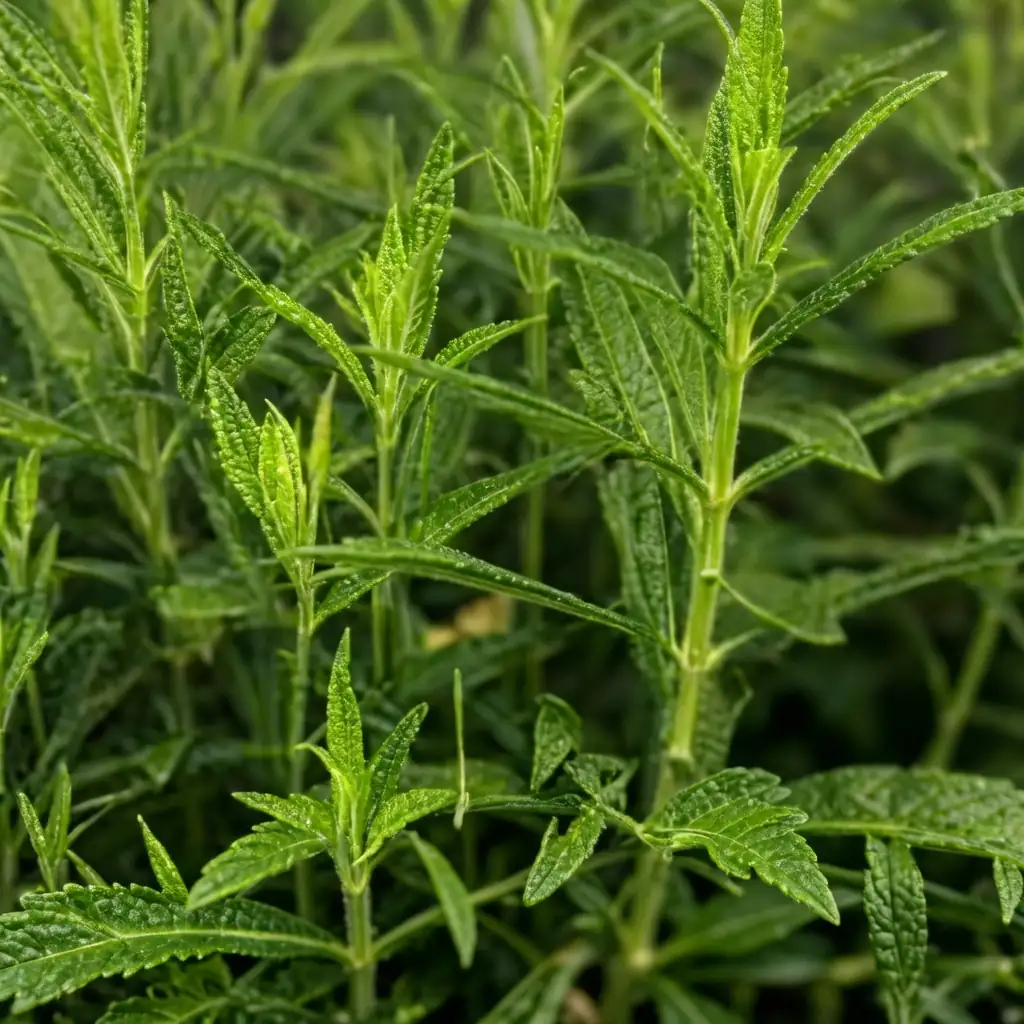
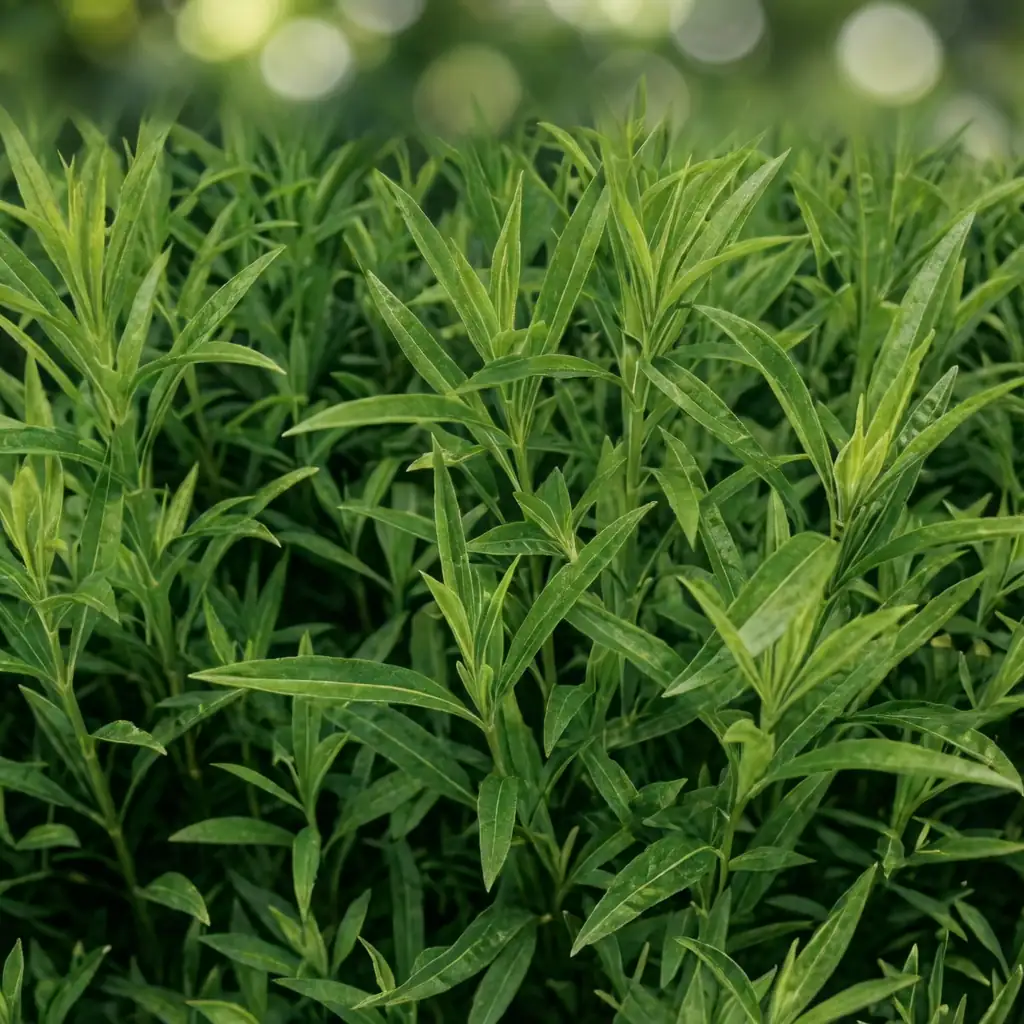
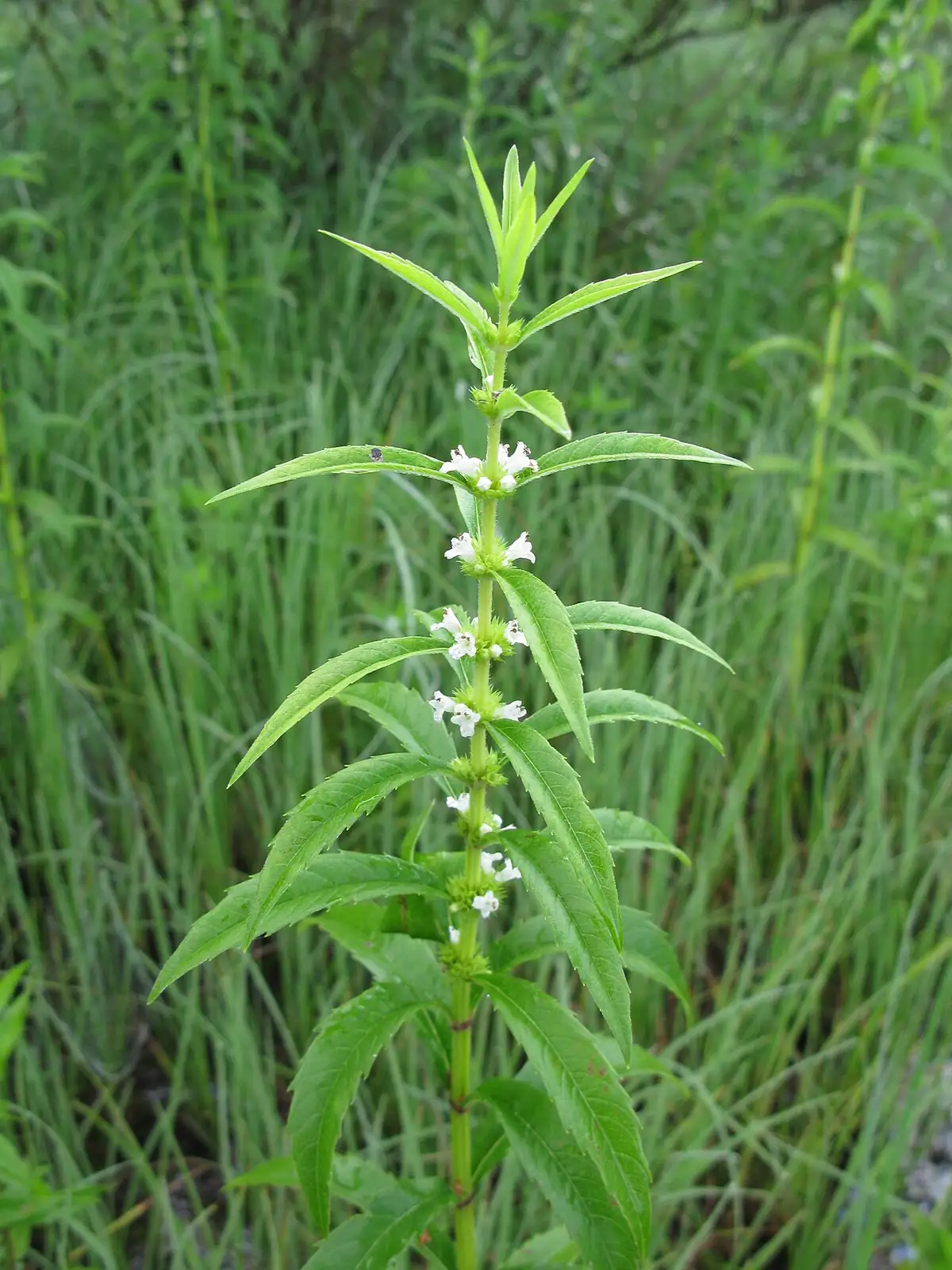
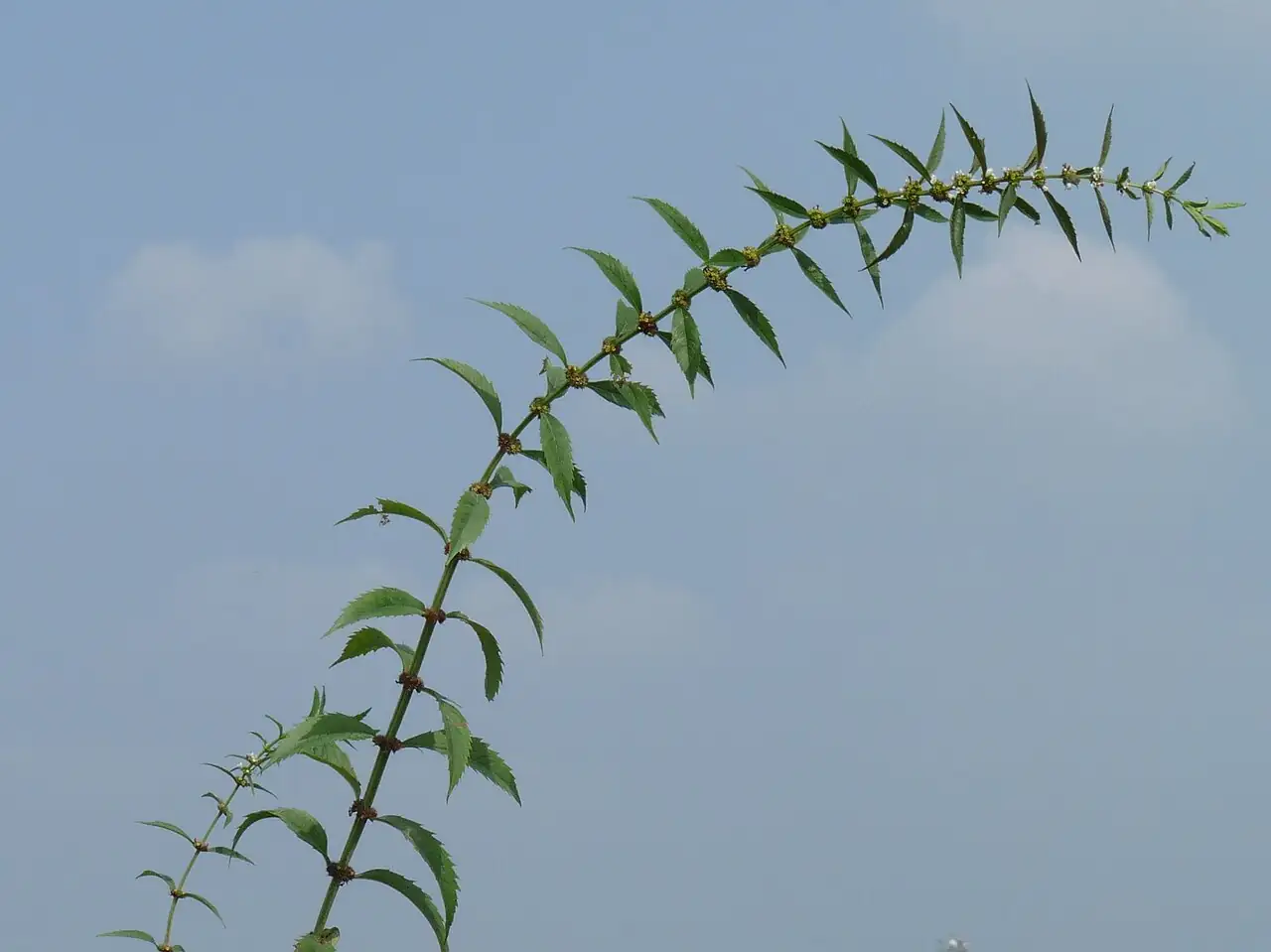
- Foliage: Leaves are nearly sessile (very short-stalked), oblong to lance-shaped, and glossy bright green, giving the plant a fresh, clean look even in soggy soils.
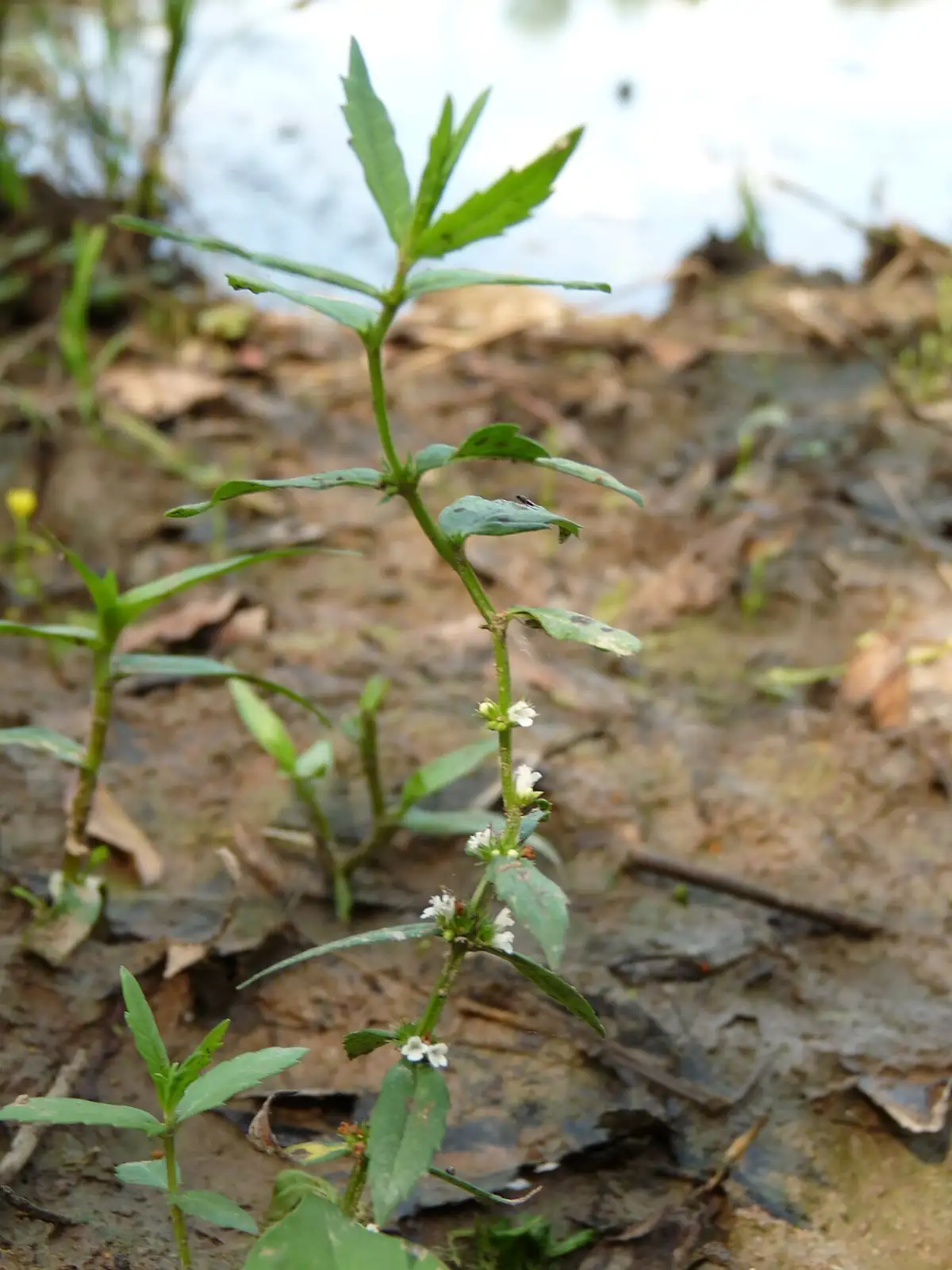
- Flower: Small white, tubular mint-family flowers appear in dense whorls (verticillasters) encircling the stems. After flowering, it can form small brown nutlets marked with glandular dots.
- Flowering Season: June–September
- Growth Habit: Herbaceous perennial that spreads horizontally by creeping rhizomes, gradually forming colonies—especially where the soil stays evenly moist to wet.
Environment
Sunlight
Full sun to partial shade; blooms best with brighter light as long as the soil never dries out.
Temperature
Prefers warm, humid growing seasons, but is cold tolerant in temperate regions. For active growth, about 15–30°C (59–86°F) suits it well.
Humidity
Enjoys humid conditions and consistently moist air/soil; naturally adapted to marshy, waterside habitats.
Soil
Moist to wet, fertile soil. Tolerates heavy soils (including clay-loam) and waterlogging; rich loam or clay-loam is ideal.
Placement
Pond margins, bog gardens, rain gardens, wet ditches, or large containers kept consistently wet (even with occasional standing water).
Hardiness
Cold tolerant and tolerant of flooding/waterlogging; suitable for temperate climates (exact USDA zone can vary by local ecotype).
Care Guide
Difficulty
Easy—so long as you meet its one big demand: constant moisture. It’s forgiving in rich, wet ground but will decline quickly if allowed to dry out.
Buying Guide
Pick plants with firm green stems and clean, unblemished leaves. Avoid pots that look dried out, and favor specimens showing vigorous new shoots (a good sign the rhizomes are healthy).
Watering
Keep soil consistently wet. It tolerates standing water and seasonal flooding, but it should not be allowed to dry out—especially during warm weather or in containers.
Fertilization
Performs best in fertile conditions. Work in compost or apply a slow-release balanced fertilizer in spring; for container plants, feed lightly during active growth.
Pruning
Remove yellowing leaves anytime. Cut stems back after flowering or in late fall for tidiness. If it starts wandering, thin the colony or lift and divide to keep it within bounds.
Propagation
Easiest by dividing rhizomes in spring or early fall. Stem cuttings can also root if kept constantly moist.
Repotting
In containers, repot or divide every 1–2 years to refresh soil and control rhizome spread. Use a rich mix and keep it evenly wet.
📅 Seasonal Care Calendar
Spring: divide/replant, top-dress with compost, and harvest tender shoots. Summer: keep moisture constant; flowering season. Autumn: cut back and divide if needed. Winter: dormant; don’t let the substrate dry out completely.
Pests, Diseases & Safety
Common Pests & Diseases
Usually trouble-free in appropriate wet sites. Occasional aphids may appear, and crowded, overly humid stands can develop leaf spot. In containers, stagnant low-oxygen conditions may cause root issues—improve airflow, remove affected leaves, and refresh water/soil conditions.
Toxicity
Not known to be toxic when used traditionally as an edible wild green (young shoots/leaves). Always confirm identification, eat in moderation, and avoid harvesting from polluted waterways.
Culture & Symbolism
Symbolism: Often linked with wetlands and resilience—an emblem of thriving where other plants struggle, in saturated, mucky ground.
History & Legends: Long used across East Asia as a familiar wild plant for foraging, and also referenced in traditional herbal contexts under various regional names.
Uses: Edible: tender young shoots and leaves collected in spring and summer as a seasonal wild vegetable (commonly cooked). Ornamental/ecological: a useful pond-margin and wetland garden plant that can also provide habitat value in damp landscapes.
FAQ
Can shiny bugleweed grow in standing water?
Yes. It’s highly tolerant of waterlogging and can grow at pond edges or in saturated soils—just don’t let it dry out.
Does it spread aggressively?
It can spread steadily by rhizomes and form patches. If you want a neat look, contain it (for example, in a pot sunk into the ground) and divide it regularly.
Fun Facts
- It’s a mint-family perennial that spreads by creeping rhizomes.
- Its tiny white flowers appear in whorled rings around the stem—classic mint-family architecture.
- After flowering, it produces small brown nutlets with visible glandular dots.
- Tender shoots and leaves are traditionally harvested in spring and summer as a wild green.
- It’s widespread in China and naturally favors marshes, watersides, and ditches.


