Plant Features
- Size: Typically 1–4 m (3.3–13.1 ft) tall; spread varies with pruning style and site conditions.
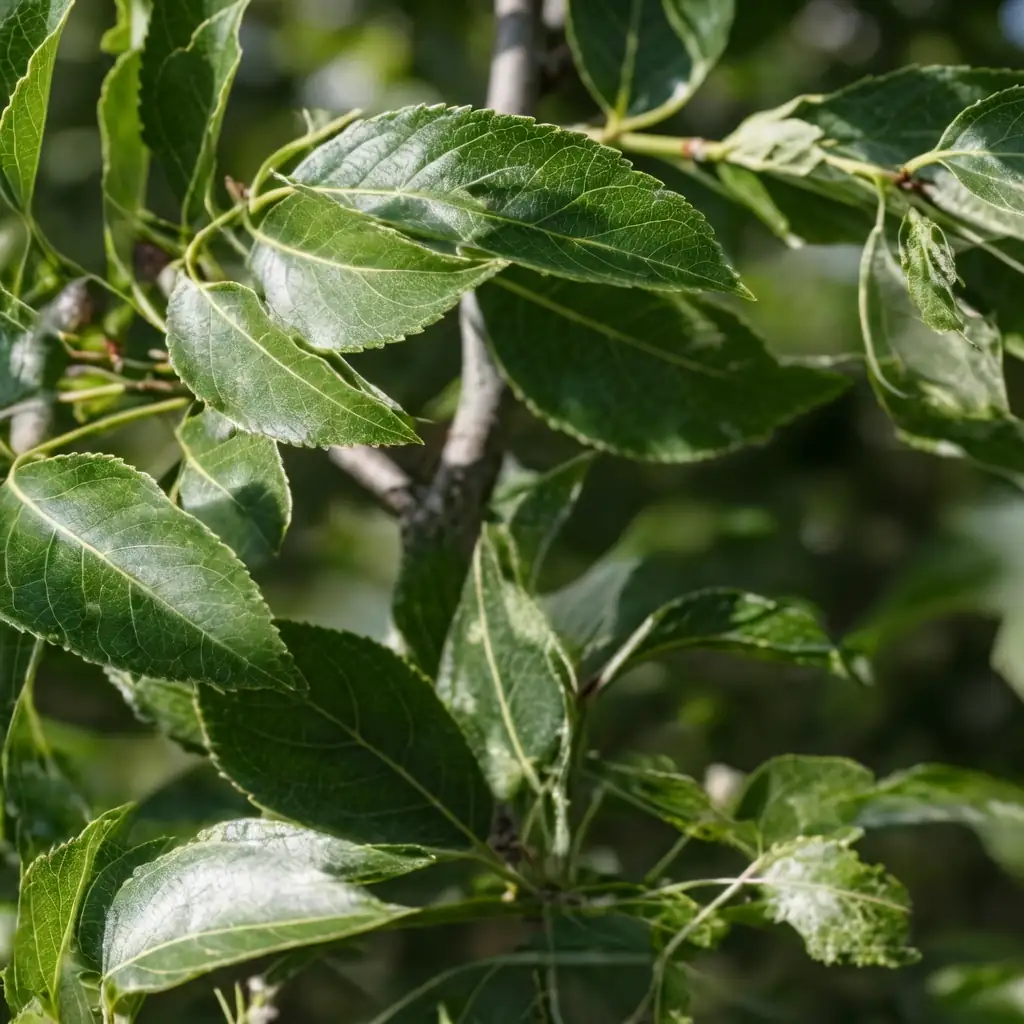
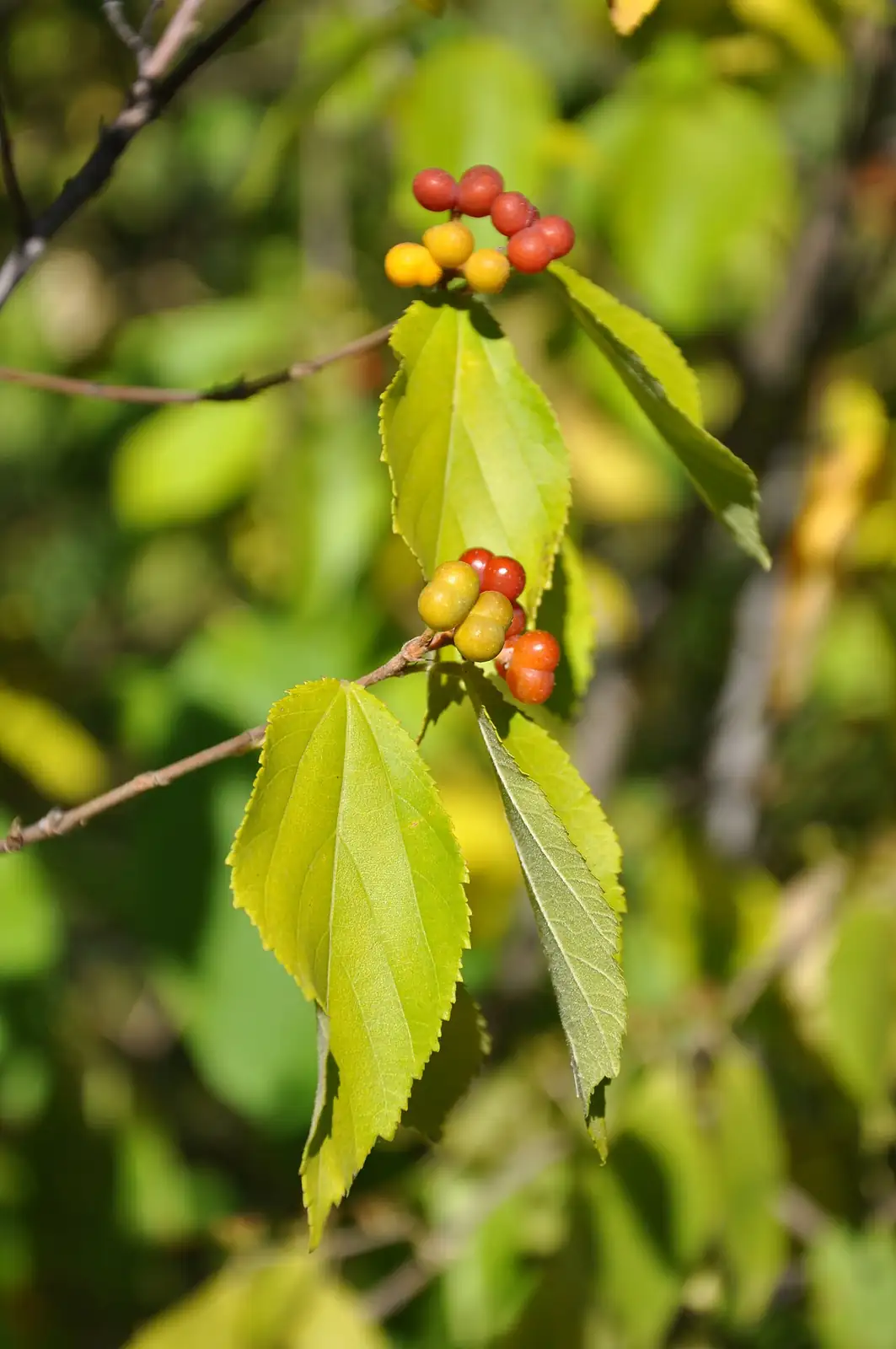
- Foliage: Leaves are thinly leathery, elliptic, and pointed at the tip, with a wedge-shaped to blunt base and finely toothed margins. They often show three prominent veins arising near the leaf base. Both surfaces may carry sparse, star-shaped hairs, and young twigs are noticeably hairy.
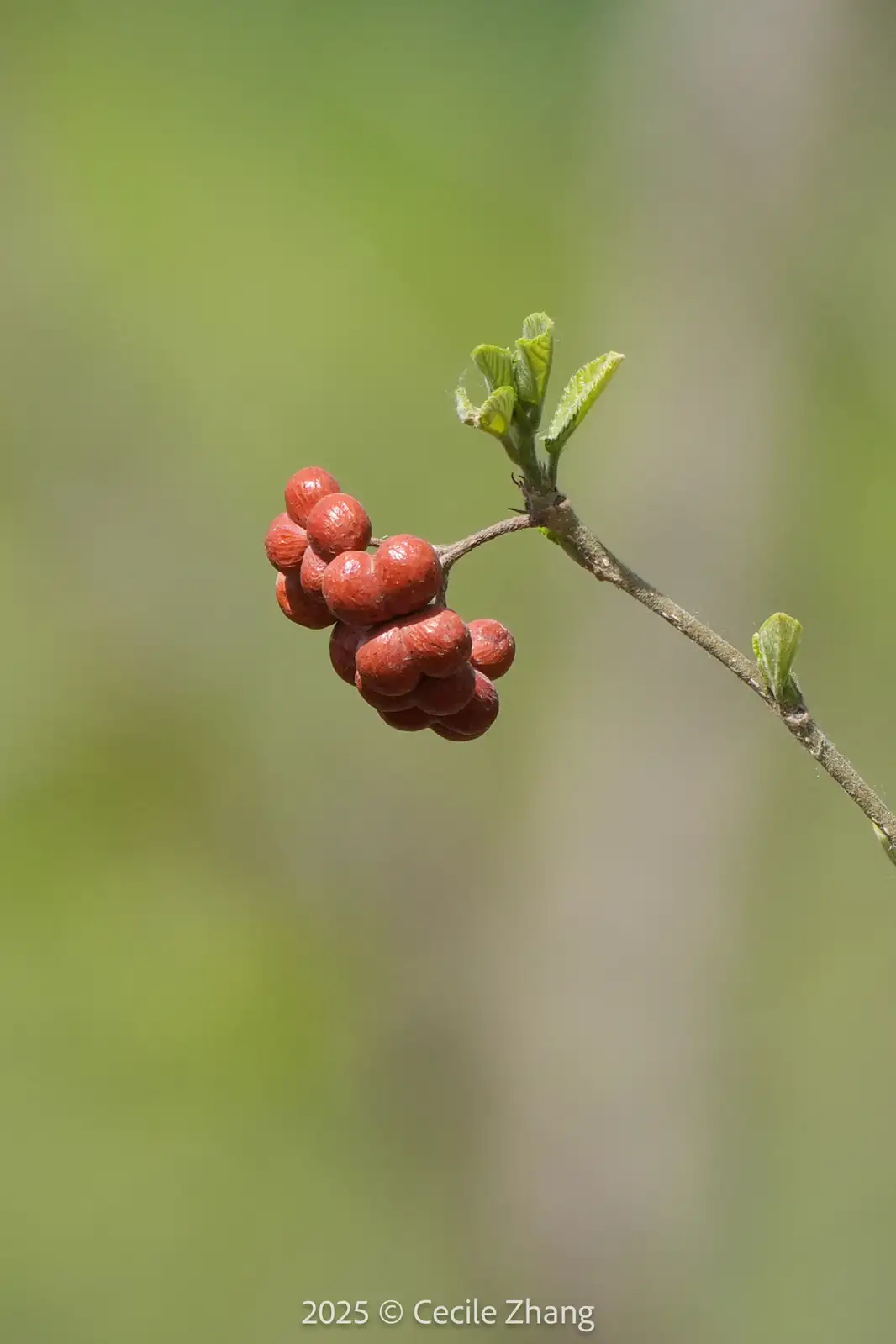
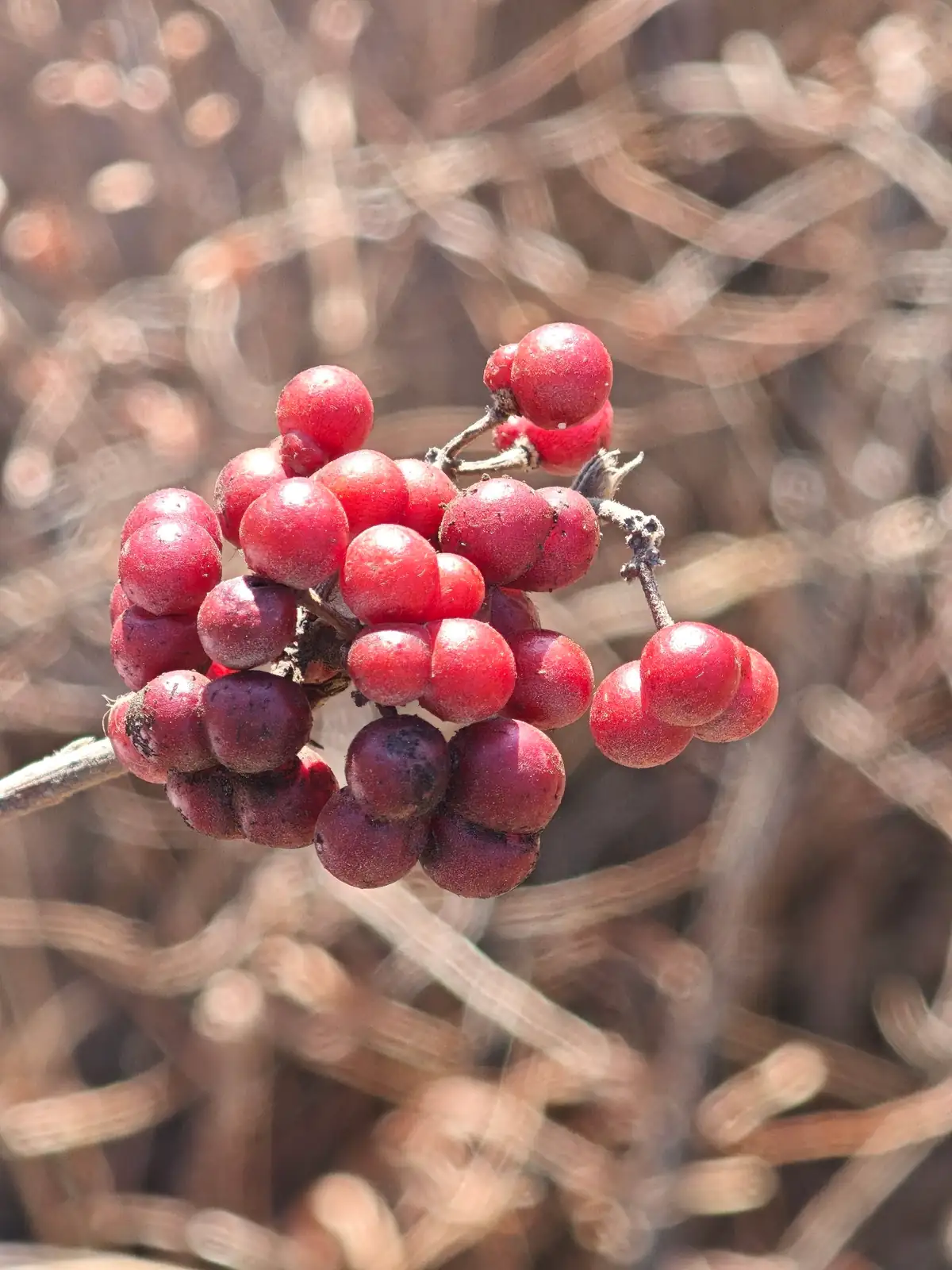
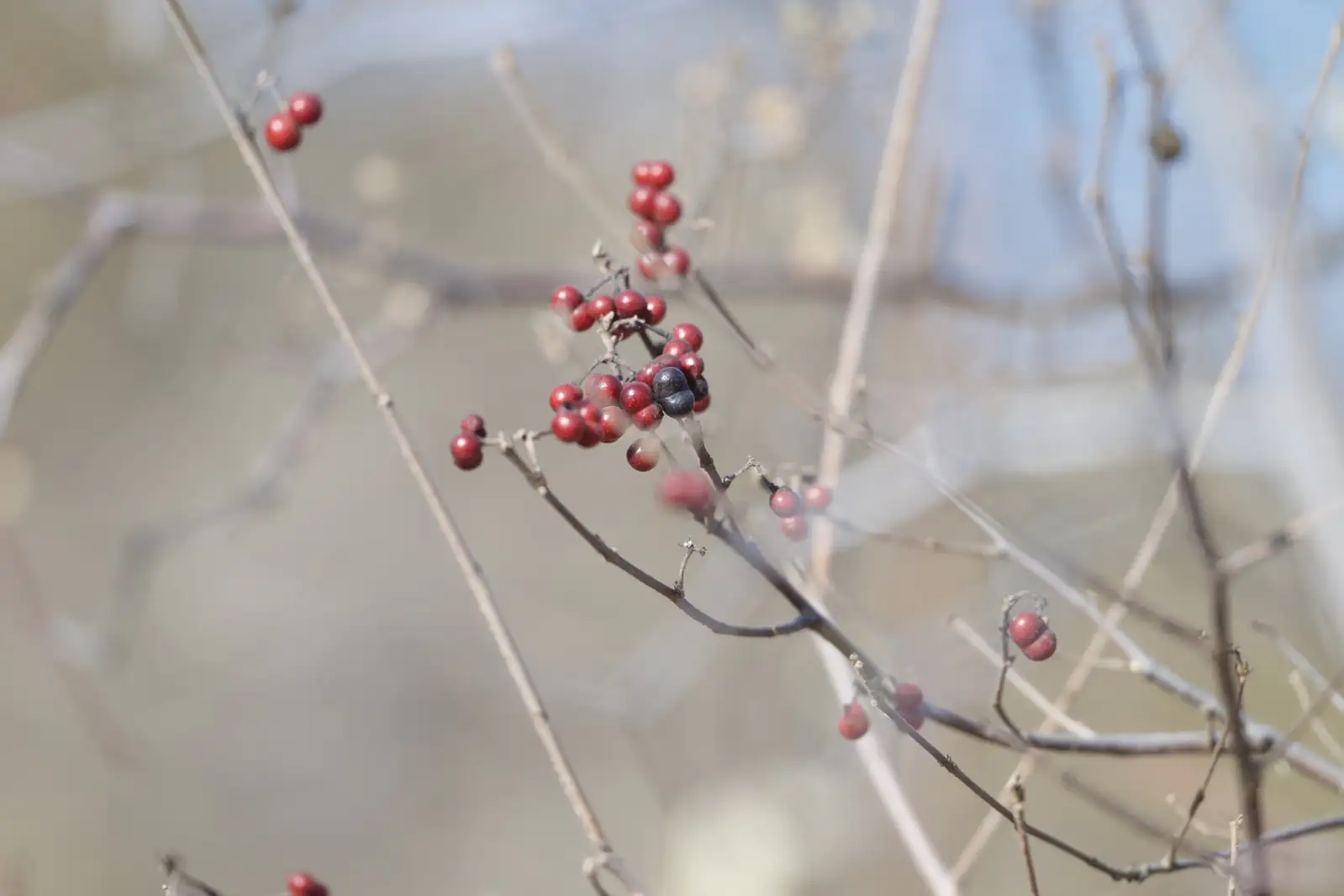
- Flower: Small flowers appear in clustered, umbel-like groups in the leaf axils. After flowering, the plant produces showy red drupes that commonly split into 2–4 lobes (stonelets), creating a distinctive segmented, ornamental look—one of its most eye-catching features.
- Flowering Season: May–July
- Growth Habit: Deciduous shrub or small tree with branching growth; responds well to shaping and clipping.
Environment
Sunlight
Full sun to light shade; brighter light typically improves fruit color and overall display.
Temperature
Best growth around 10–30°C (50–86°F). Generally cold-tolerant, but young plants should be protected from severe, prolonged freezes.
Humidity
Average outdoor humidity suits it well. Once established, it tolerates dry conditions and doesn’t require high humidity.
Soil
Adaptable to many soil types, performing best in fertile, well-drained soil. Avoid waterlogged or constantly soggy ground.
Placement
Outdoors in shrub borders, mass plantings, rock-garden pairings, open-woodland understory settings, roadside/low-maintenance plantings, or trained and clipped as a fruiting hedge.
Hardiness
Cold- and drought-tolerant with good resilience to pruning and relatively poor soils; exact hardiness can vary with local provenance, and it’s most reliable in warm-temperate areas without extreme winter lows.
Care Guide
Difficulty
Easy. A resilient plant that tolerates cold, drought, pruning, and a range of soils; it looks best with good drainage and occasional feeding.
Buying Guide
Pick plants with firm, uninjured stems and a healthy root system (avoid pots with severely circling, rootbound plants). In fruiting season, choose specimens with evenly colored fruit set and foliage that’s clean—free from heavy spotting or visible pests.
Watering
Water regularly during establishment (the first growing season). After that, it becomes drought-tolerant: water deeply only when the top 5–8 cm (2–3 in) of soil has dried and there hasn’t been rain for a while. Avoid keeping soil constantly wet.
Fertilization
In spring, use a balanced slow-release fertilizer or top-dress with compost. In poorer soils, a light mid-summer feed can support fruiting. Avoid heavy nitrogen, which can push soft leafy growth at the expense of sturdiness and fruit display.
Pruning
Very tolerant of pruning. Prune in late winter to early spring to shape the plant and remove weak, crowded, or crossing branches. Light trimming after flowering can keep a hedge neat, but if you want maximum fruit display, avoid cutting off too much developing fruiting wood.
Propagation
Propagate by seed or semi-hardwood cuttings. Cleaned seed may germinate more evenly with warm/cool stratification. Semi-hardwood cuttings typically root best in warm conditions with controlled humidity.
Repotting
For container plants, repot every 2–3 years (or when clearly rootbound) in spring. Move up one pot size and refresh with a free-draining mix.
📅 Seasonal Care Calendar
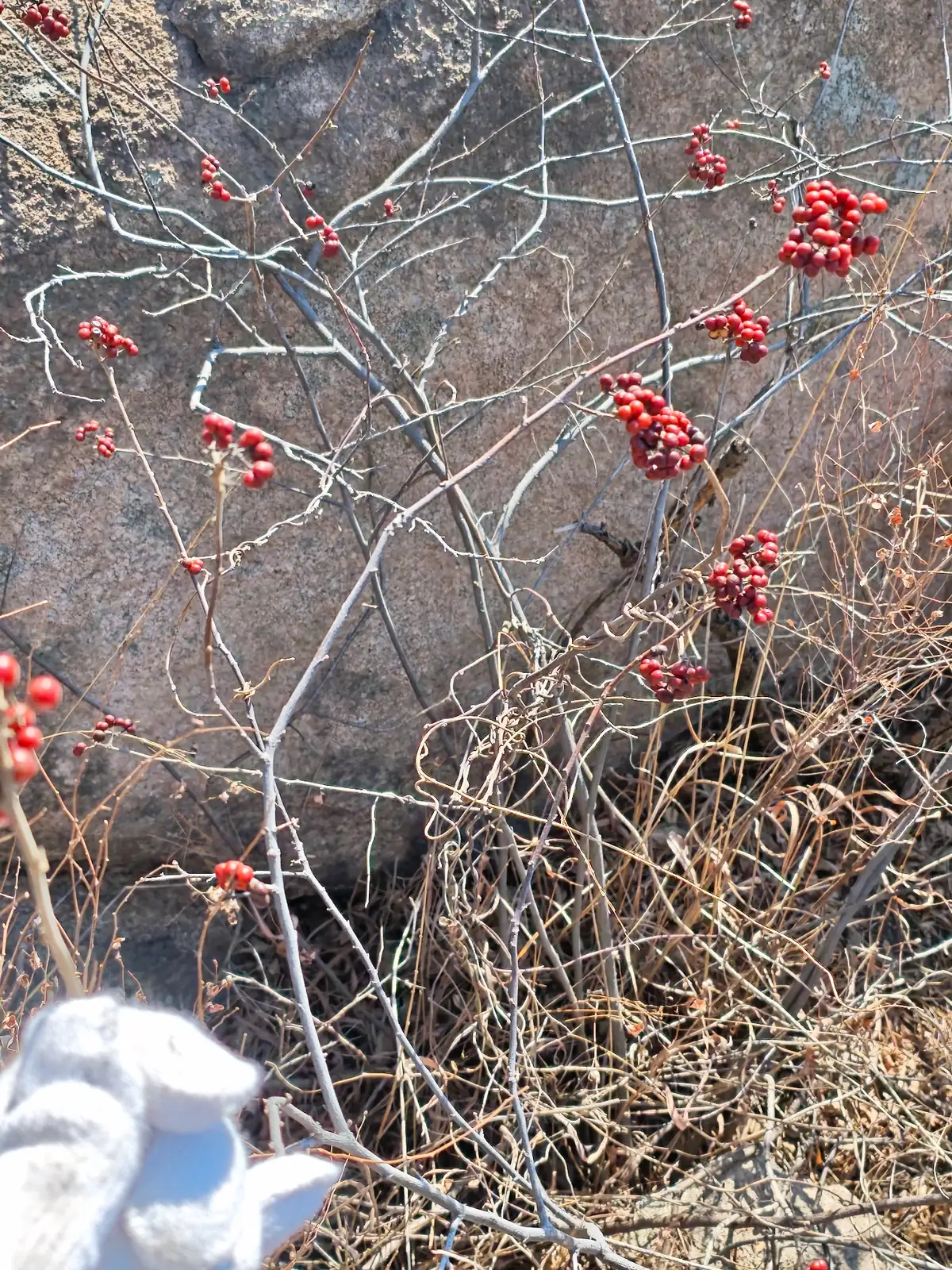
Flowering: May–July. Fruit display: September–October, with fruits often persisting for months in favorable conditions.
Pests, Diseases & Safety
Common Pests & Diseases
Usually trouble-free. Watch for aphids, scale, and spider mites—especially in hot, dry spells. Improve airflow to reduce leaf-spot risk, and treat early infestations with horticultural soap or oil as appropriate.
Toxicity
No widely documented toxicity to people or pets is consistently noted in common horticultural references for this species. Still, unless a fruit is specifically confirmed edible, treat ornamental fruits as non-food—especially around children and pets.
Culture & Symbolism
Symbolism: Often associated with persistence and long-lasting seasonal color, thanks to fruits that can remain decorative on the branches for an extended time.
Uses: Mainly grown as an ornamental fruiting shrub/small tree in gardens and landscapes—used as a specimen, in groups for seasonal color, as an understory shrub in open woodland, paired with rocks in naturalistic designs, or clipped into a tidy fruiting hedge due to its strong pruning tolerance.
Fun Facts
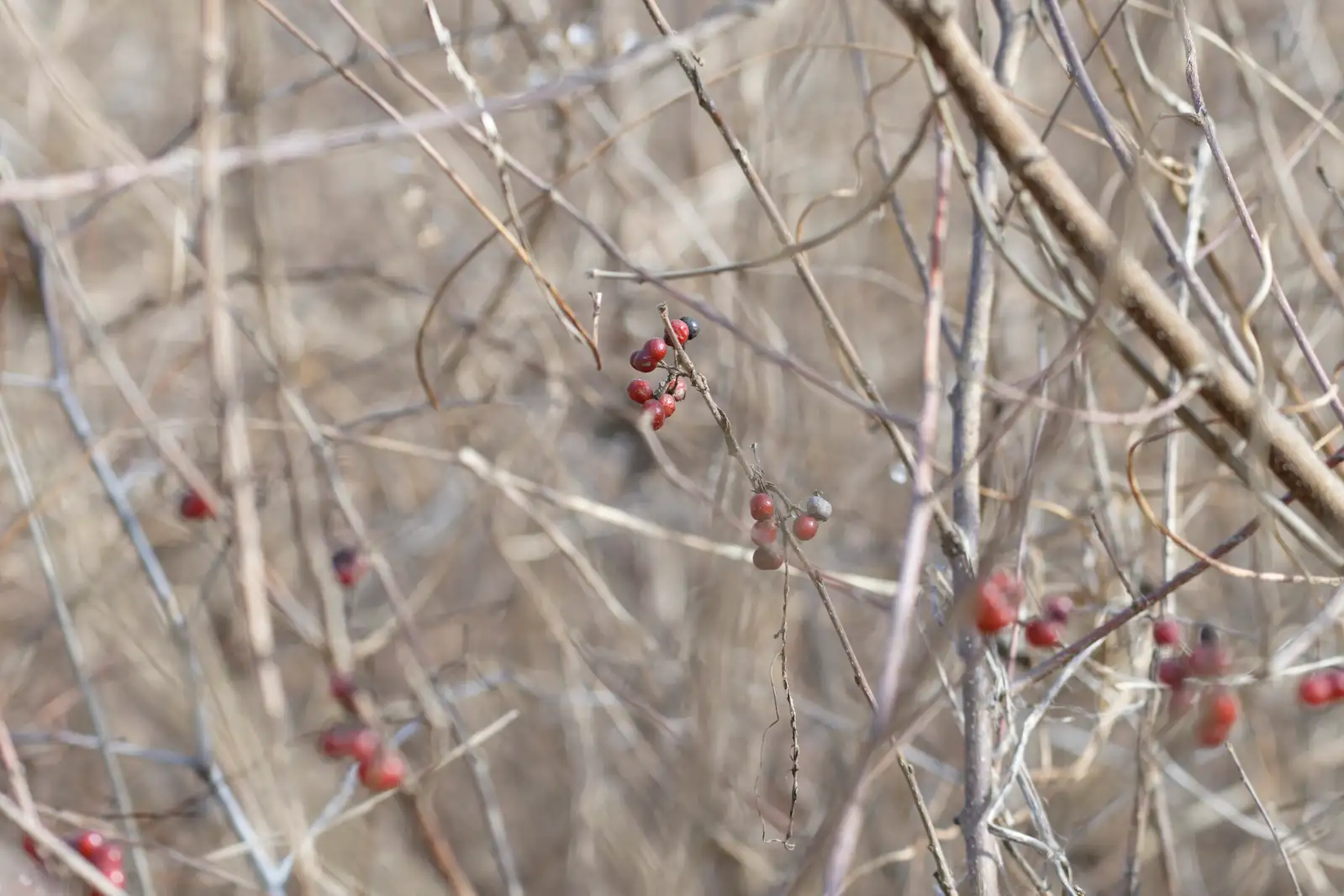
- Its orange-red to red fruits can hang on branch tips for months, extending the plant’s “show season” well beyond flowering.
- It can handle light shade, which makes it a good candidate for open-woodland gardens and bright understory spots.
- The leaves often show star-shaped hairs and three strong veins arising near the base—handy ID clues.
- The fruit commonly splits into 2–4 segments (stonelets), giving it a distinctive lobed, almost pinwheel-like look.