

Plant Features
- Size: Typically 60–150 cm (24–59 in) tall; spread varies by cultivar, often about 30–60 cm (12–24 in).
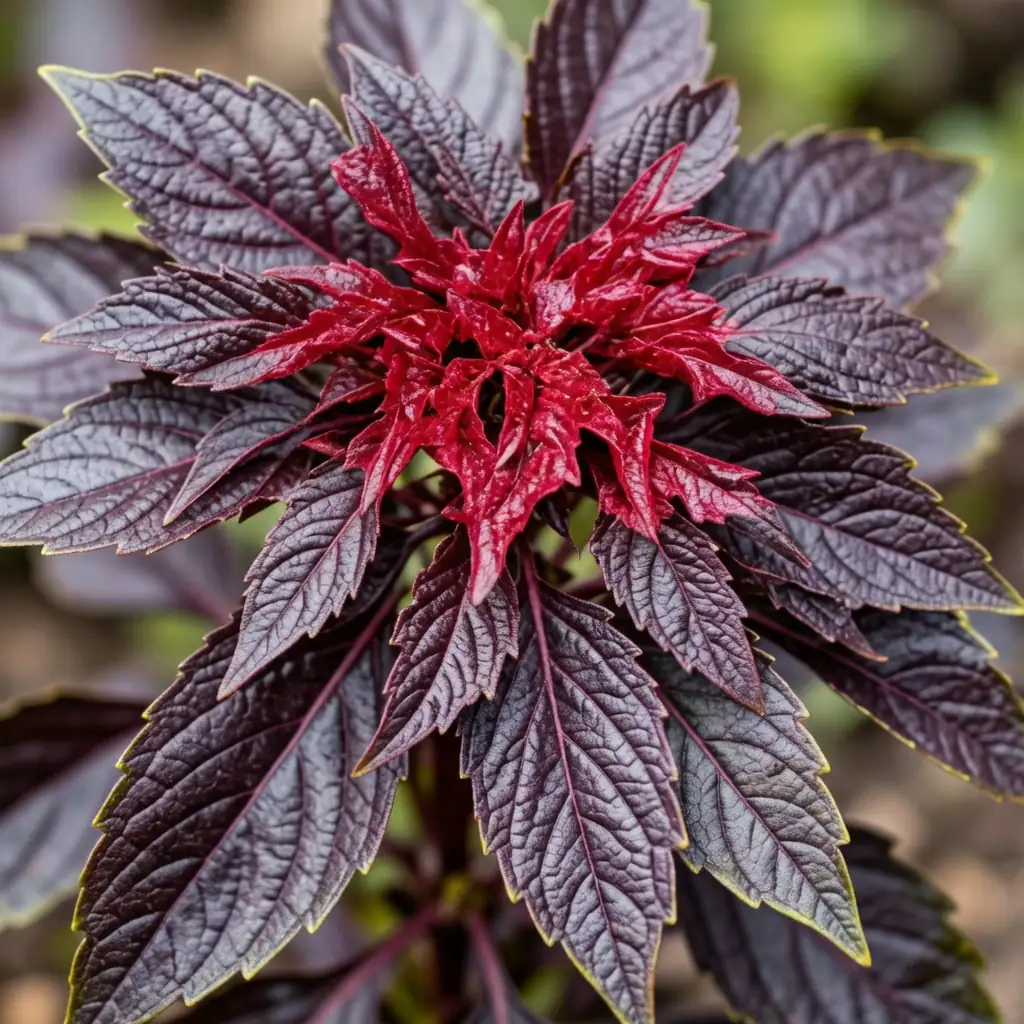
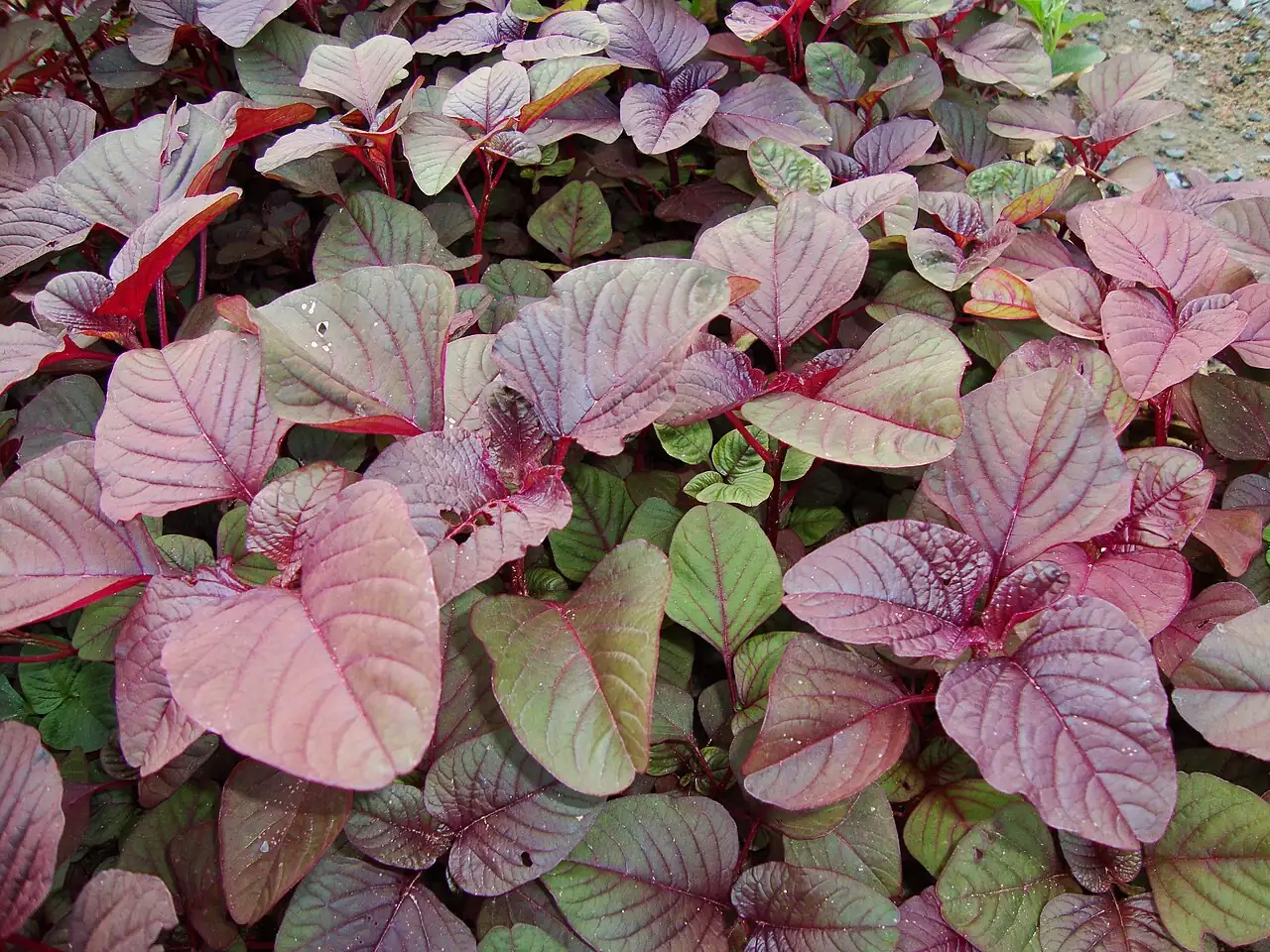
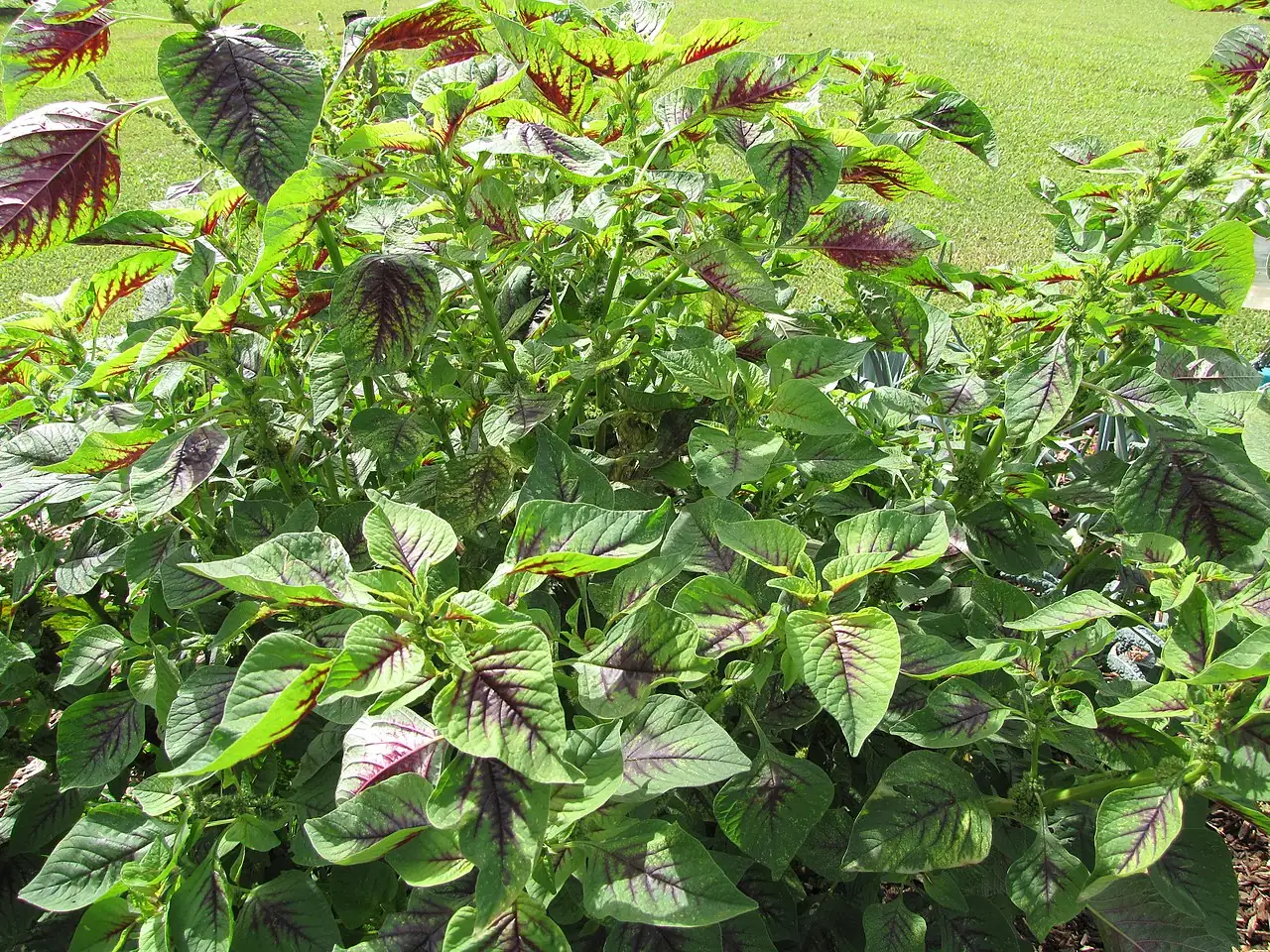
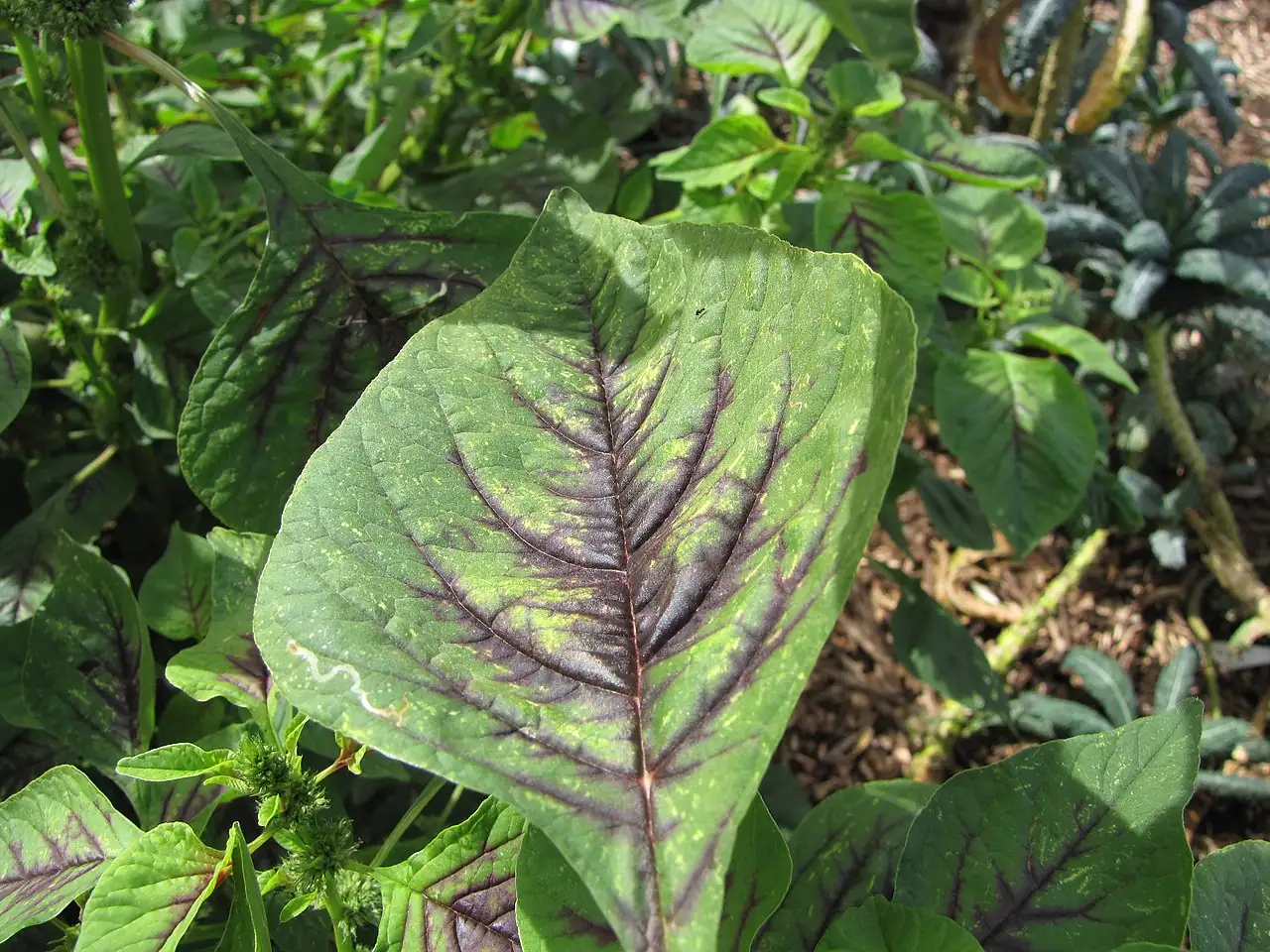
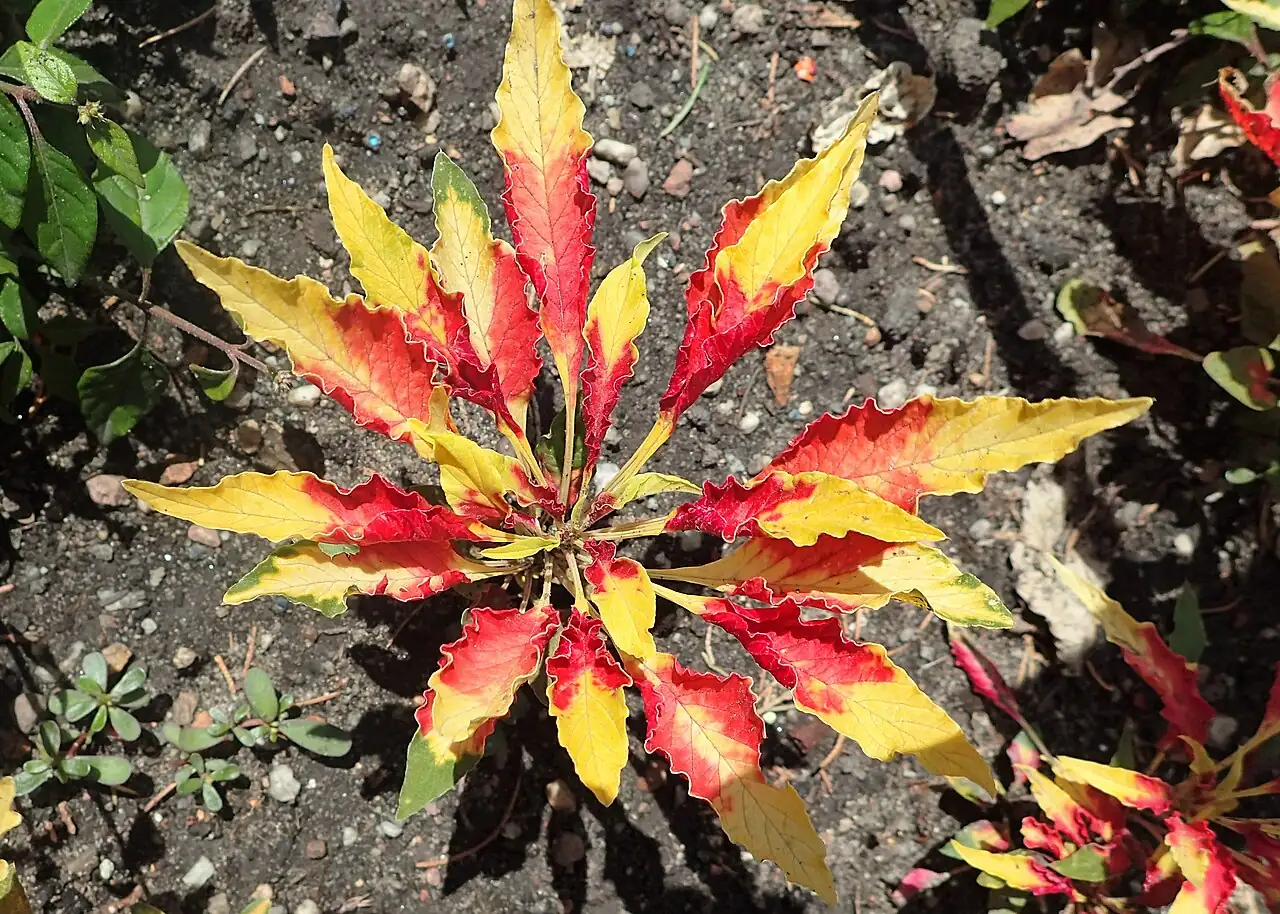
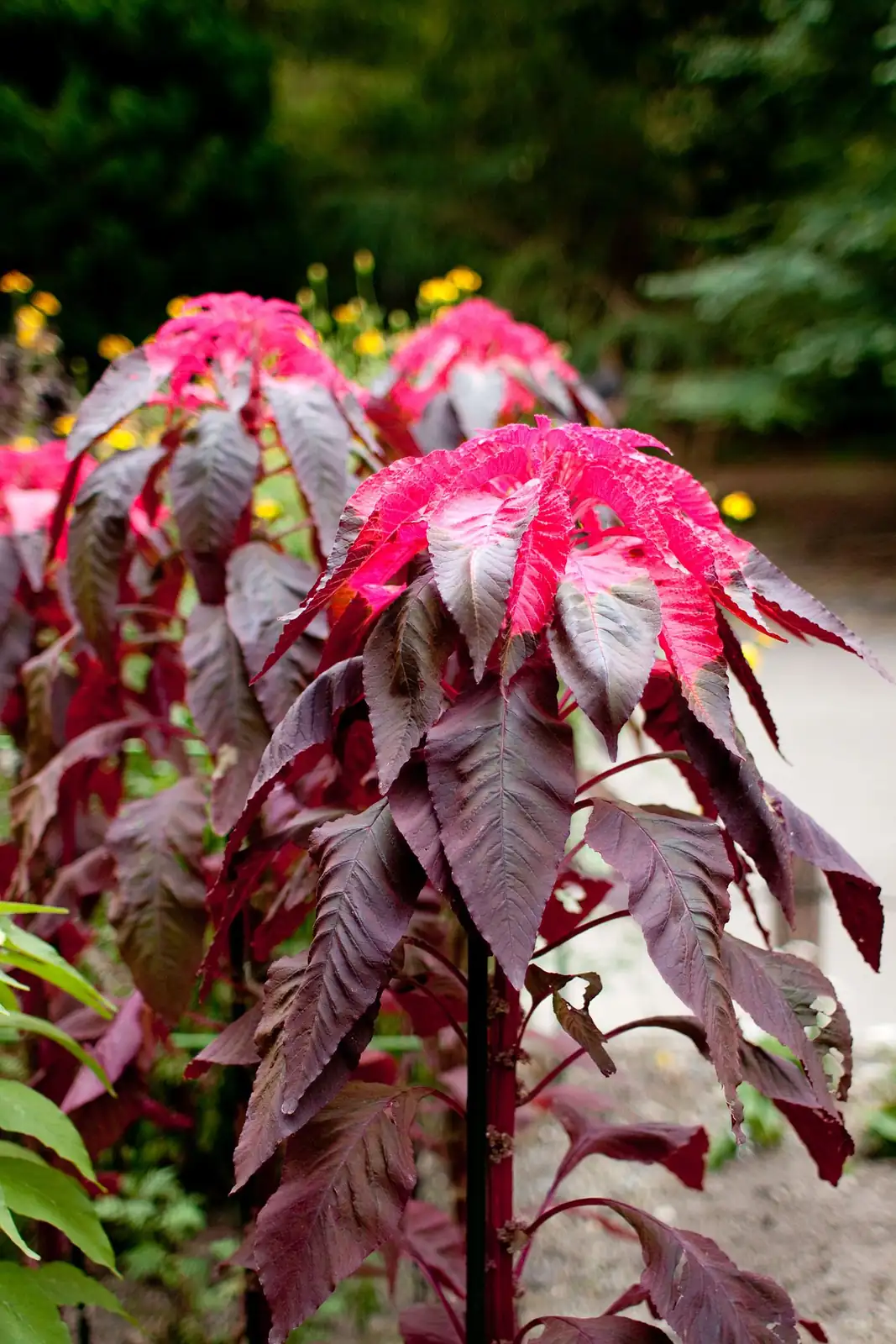
- Foliage: Leaves are alternate and simple, usually ovate to diamond-ovate with clear petioles. Color is the main attraction: upper leaves often intensify in late summer to early autumn, commonly showing red, yellow, and green together, while certain cultivars can turn vivid solid yellow or scarlet. The terminal (top) leaves are often the most intensely colored.
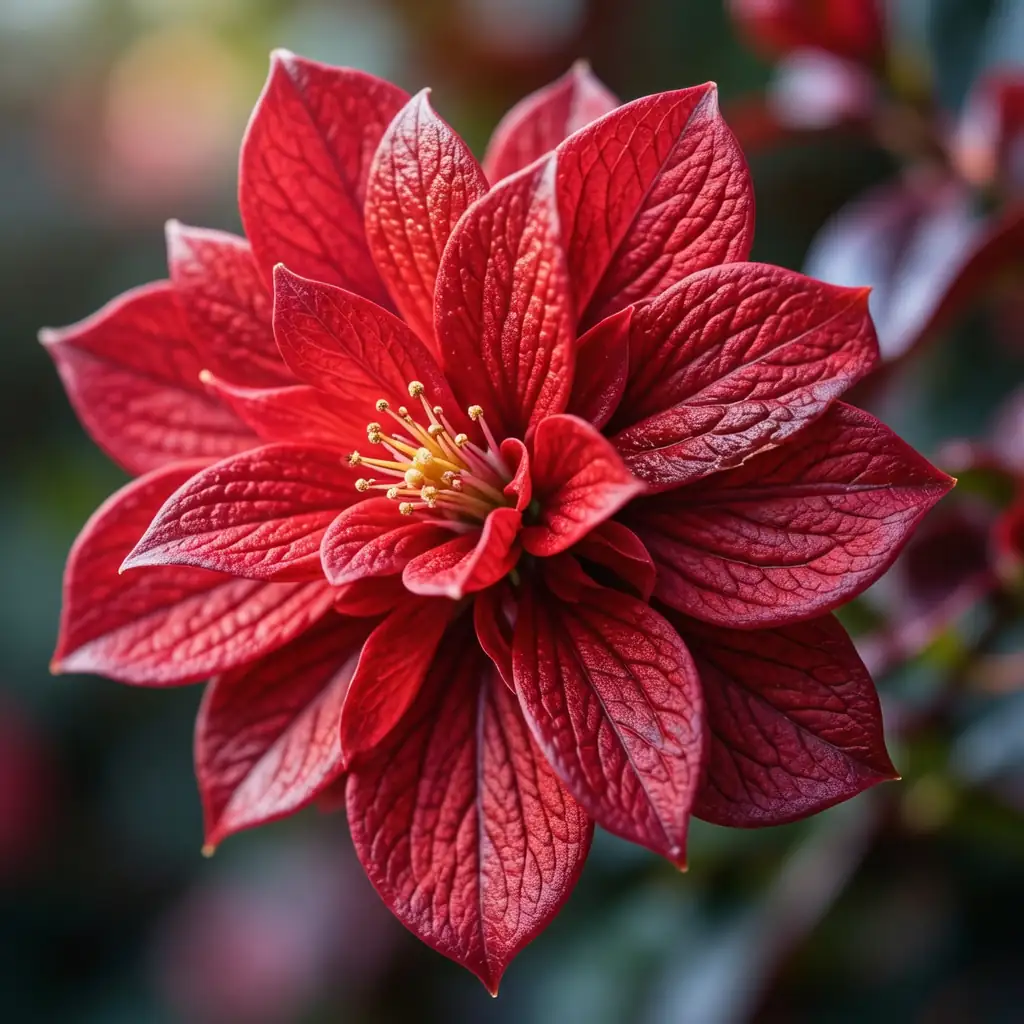
- Flower: Produces tiny, greenish, non-showy flowers in small axillary clusters or terminal, spike-like inflorescences. After flowering it forms small, egg-shaped seed capsules.
- Flowering Season: July–September
- Growth Habit: Upright, stout-stemmed annual with green to reddish stems and relatively sparse branching; can be pinched young to encourage a bushier look.
Environment
Sunlight
Full sun to light shade; best leaf color in full sun. Prefers an open, well-ventilated site.
Temperature
Warm-season plant; grows best around 20–30°C (68–86°F). Not frost tolerant; protect from temperatures below 5°C (41°F).
Humidity
Likes even moisture while establishing, then tolerates short dry spells. Avoid hot, stagnant, overly humid conditions with poor airflow, which can encourage disease.
Soil
Adaptable, but happiest in fertile, well-drained soil. Tolerates mildly alkaline conditions. Avoid waterlogged ground and persistently hot-and-wet (“sultry”) sites.
Placement
Excellent for bold color in beds and borders (often as a background plant), along fences/edges, mass plantings for patterns, or containers. Also used as cut foliage.
Hardiness
Not frost hardy; typically grown as an annual in temperate climates. Roughly perennial only in frost-free climates (about USDA Zone 10–11).
Care Guide
Difficulty
Easy. Fast-growing in warm weather; the biggest problems come from cold snaps and soggy soil.
Buying Guide
Pick plants with sturdy, upright stems and brightly colored, unblemished top leaves. Avoid seedlings that are leggy, wilted, or sitting in waterlogged media.
Watering
Keep soil lightly and evenly moist during establishment. Once rooted in, it’s fairly drought tolerant, but steadier watering gives the best growth and strongest color. Never let pots or beds stay waterlogged; prolonged hot-and-wet conditions can trigger root problems.
Fertilization
In beds, work in compost or a balanced slow-release fertilizer at planting. In containers, feed with a balanced liquid fertilizer at half strength every 2–4 weeks during active growth (spring to early autumn). Avoid overly nitrogen-heavy feeding if you want stronger leaf color.
Pruning
Optional: pinch growing tips when young to promote bushiness. Remove damaged leaves as needed; cut back or remove plants at the end of the season.
Propagation
Mostly grown from seed. Sow outdoors after the last frost once soil is warm, or start indoors 4–6 weeks before the last frost and transplant when nights are reliably warm.
Repotting
For container plants, pot up once when roots fill the starter pot. Use a well-draining mix and a pot with drainage holes; avoid oversized pots that hold excess moisture.
📅 Seasonal Care Calendar
Foliage color typically intensifies in late summer to early autumn. Flowers usually appear July–September; seed set often follows in September–October.
Pests, Diseases & Safety
Common Pests & Diseases
May attract aphids; spider mites can appear in hot, dry weather. Leaf spot and root rot are more likely with poor drainage or overwatering. Improve airflow, water wisely, remove badly affected leaves, and use insecticidal soap for soft-bodied pests if needed.
Toxicity
Generally considered non-toxic and is eaten as amaranth greens in edible forms. Like many leafy vegetables, it can accumulate oxalates/nitrates depending on growing conditions—those sensitive may want to avoid overconsumption, and pets shouldn’t be fed large quantities.
Culture & Symbolism
Symbolism: Often linked with vibrant vitality and celebration—its red-yellow-green foliage reads like living confetti in the garden.
History & Legends: Cultivated for centuries across Asia both as an ornamental and as a leafy vegetable. The name “Joseph’s coat” nods to the biblical “coat of many colors,” a perfect match for the plant’s multicolored leaves.
Uses: Grown for dramatic ornamental foliage in borders, bedding, mass plantings, and pots; also used as cut foliage. Some varieties are cultivated as a leafy vegetable (amaranth greens).
FAQ
Why are my Joseph’s coat leaves staying mostly green?
Low light is the usual culprit—move it to full sun for stronger color. Also go easy on nitrogen-heavy fertilizer, which can push greener growth.
Can it survive winter outdoors?
Not in frosty climates. Joseph’s coat is not frost tolerant and is typically grown as a warm-season annual.
What causes sudden wilting even when the soil is wet?
Soggy soil can suffocate roots and lead to root rot. Improve drainage, let the soil dry slightly between waterings, and ensure good airflow.
Fun Facts
- It’s native to tropical Asia and has long been grown across Asia as both an ornamental and a vegetable (in edible types).
- Good drainage matters more than soil type—this plant can handle mildly alkaline soils if water doesn’t sit around the roots.
- Some cultivars turn such intense yellow or scarlet that the leaves can look hand-painted.
- The classic tricolor effect usually strengthens in late summer to early autumn.
- The topmost leaves often glow the brightest, creating a natural “flame” effect in the garden.


