

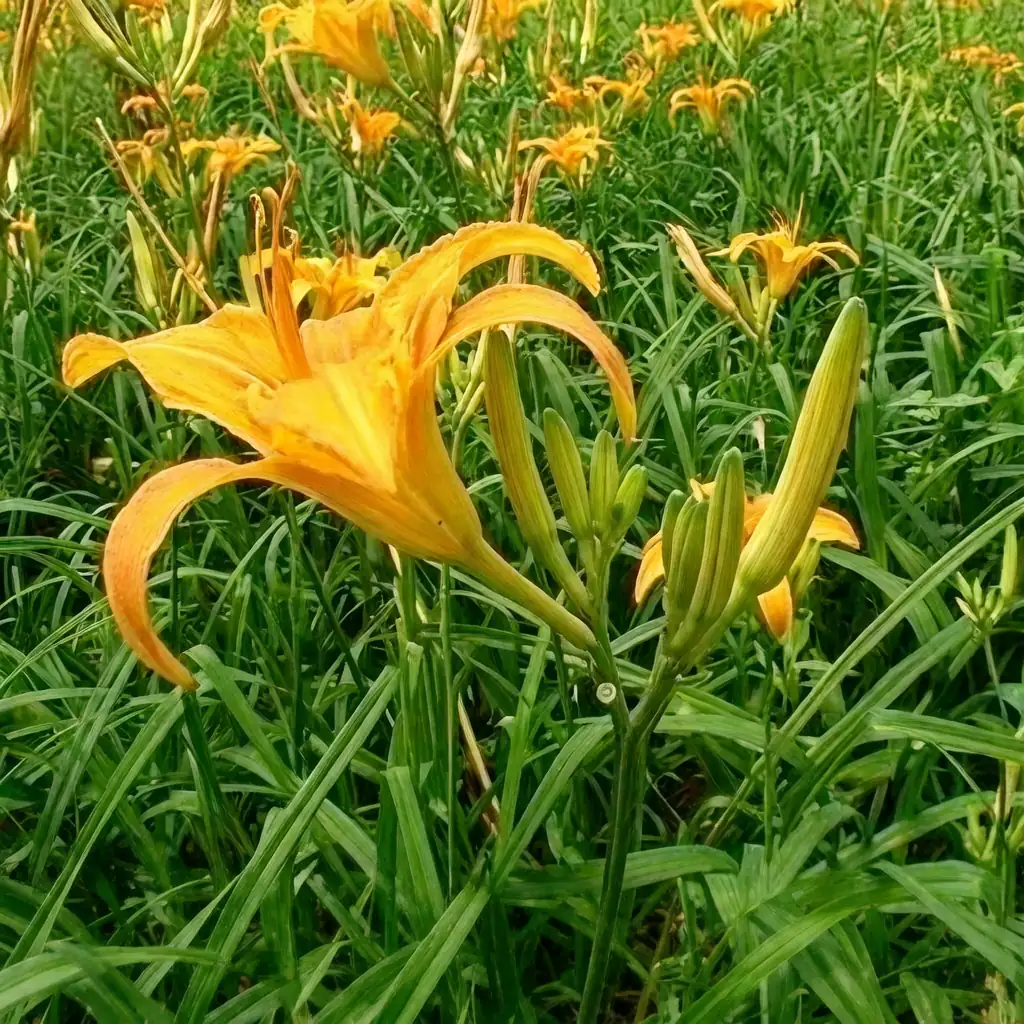
Plant Features
- Size:30–65 cm (12–26 in) tall; forms clumps that gradually expand.
- Foliage: Basal, narrow strap-like leaves that overlap at the base and arch outward. Leaf margins are smooth, and a prominent midrib is noticeable on the underside.
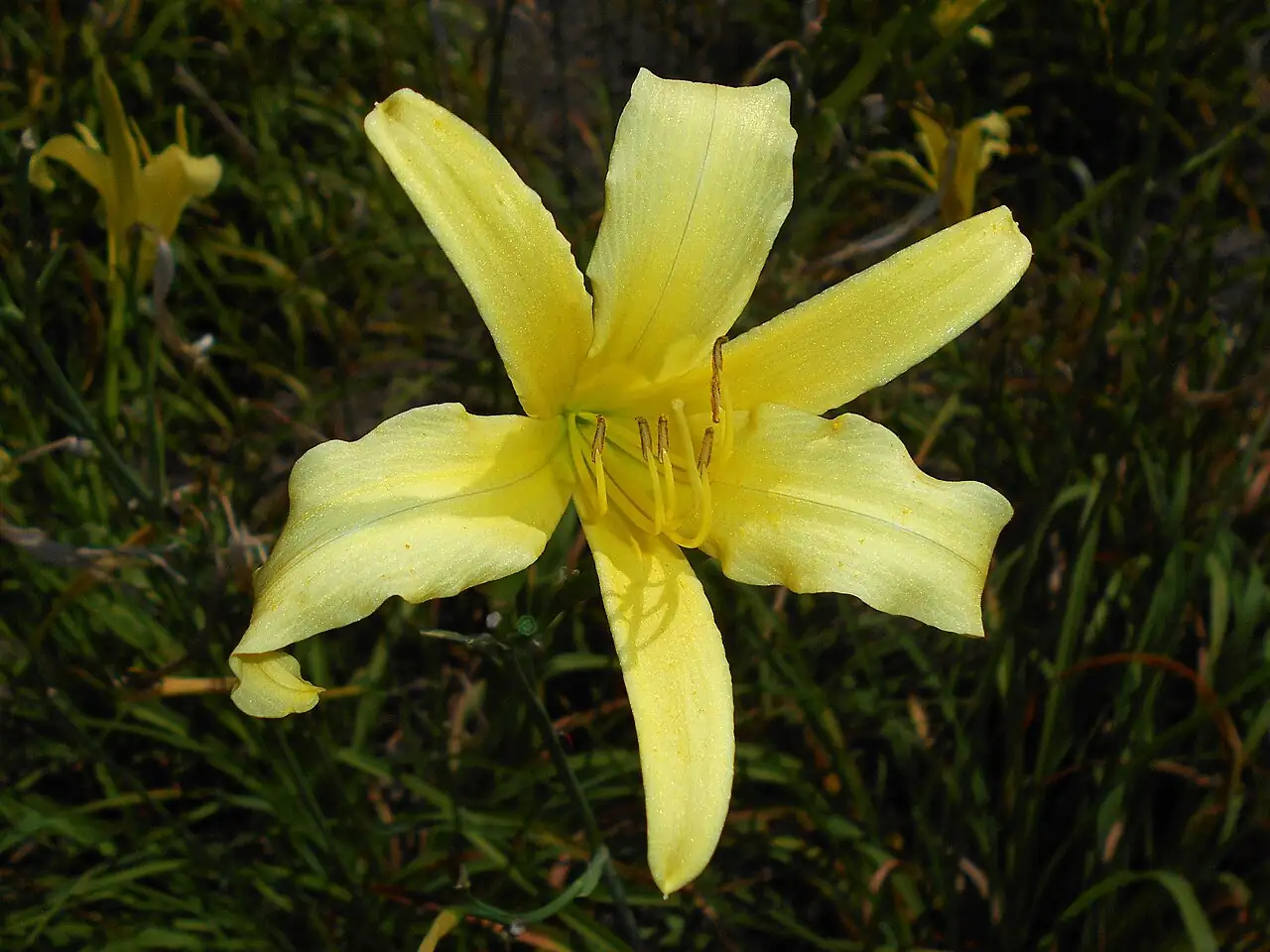
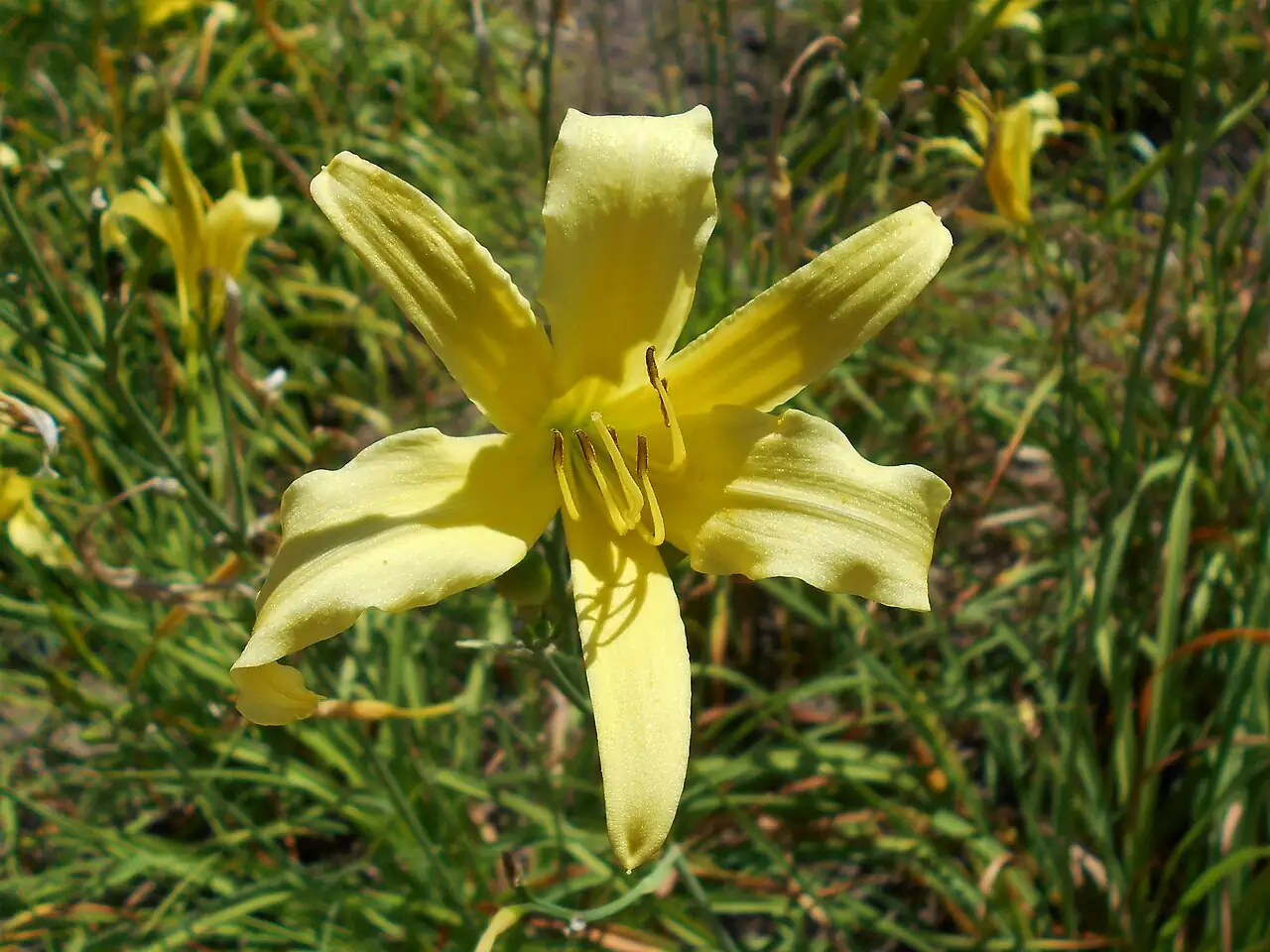
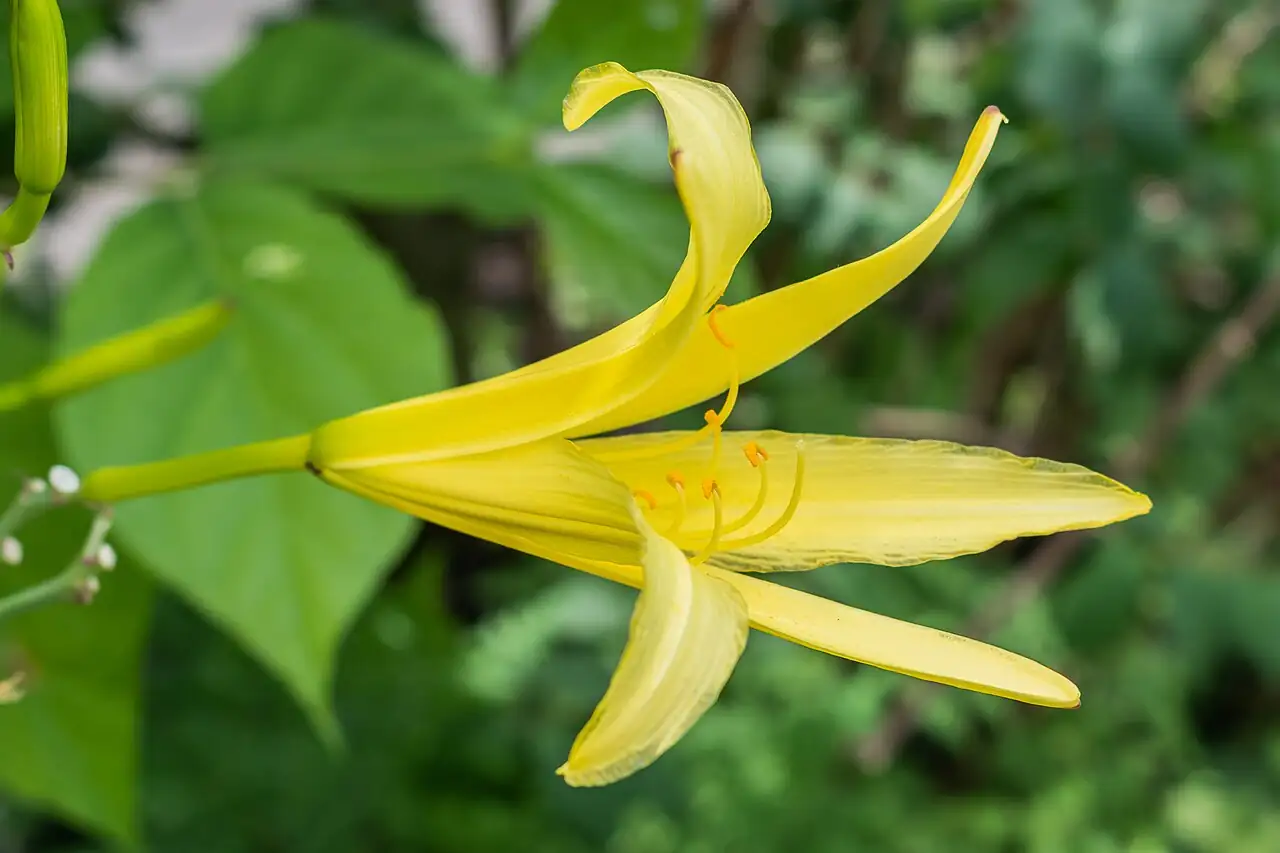
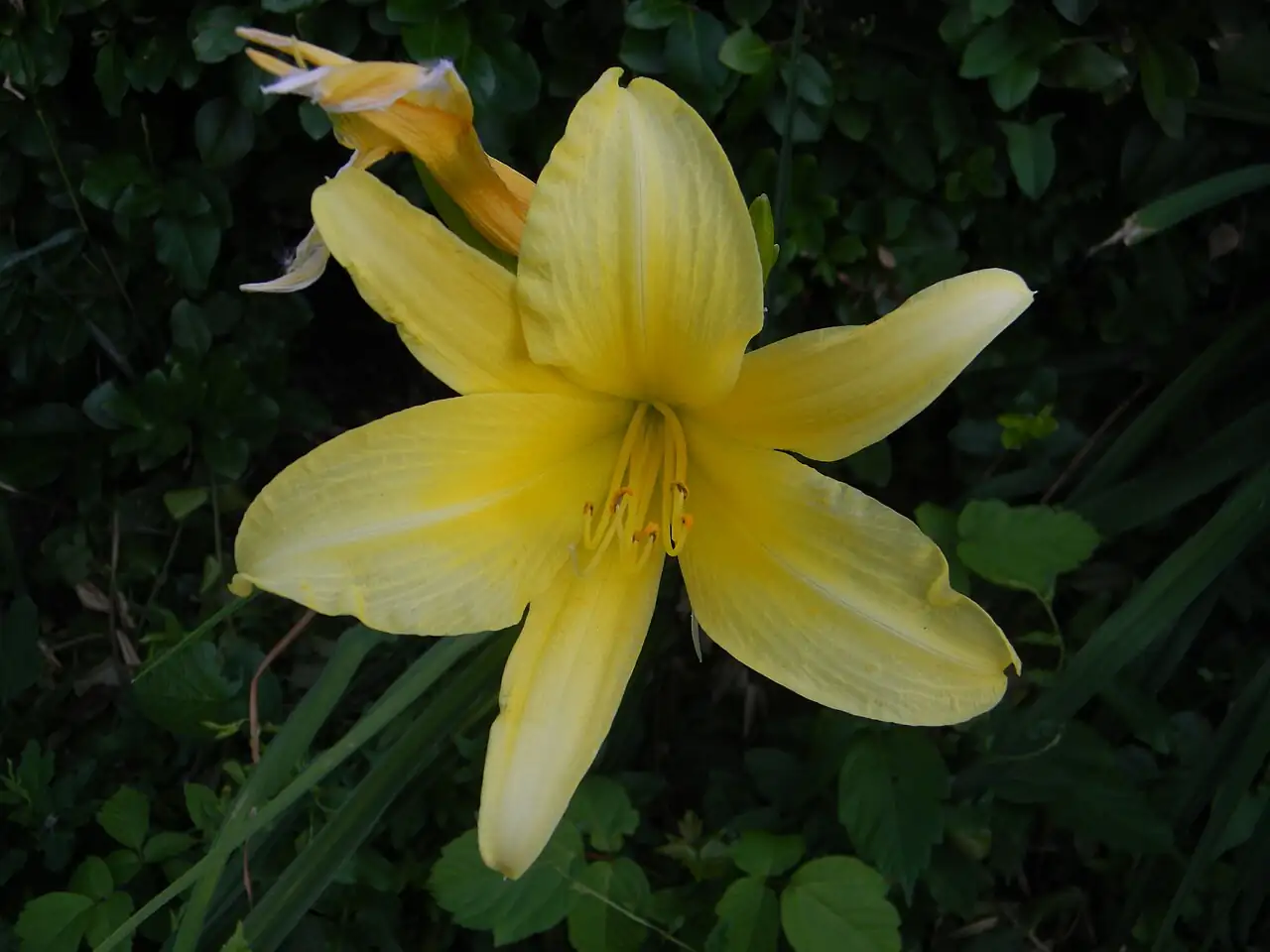
- Flower: Leafless flower scapes rise from the base and branch near the top, carrying multiple fragrant, yellow, funnel-shaped flowers with 6 tepals. After blooming, the plant may produce oval capsules with seeds.
- Flowering Season: May–September
- Growth Habit: Herbaceous, clump-forming perennial with fleshy roots and tuber-like swollen tips that store water and nutrients.
Environment
Sunlight
Full sun for best flowering; tolerates partial shade (often appreciated in hotter summers).
Temperature
Cold-hardy; grows best around 10–25°C (50–77°F).
Humidity
Average outdoor humidity; adaptable and generally not fussy.
Soil
Adaptable, but happiest in fertile, well-drained soil with even moisture. Avoid waterlogging, especially in heavy soils.
Placement
Great for borders, flower beds, and mass plantings; also works as a groundcover under open woodland or light tree canopy.
Hardiness
Generally hardy in USDA Zone 3–9 (approx.).
Care Guide
Difficulty
Easy outdoors; tough and forgiving once established.
Buying Guide
Pick vigorous clumps with firm, healthy roots and fresh green leaves. Skip plants with mushy crowns, sour-smelling roots, or heavy spotting on the foliage.
Watering
Water regularly while establishing and during dry spells. Aim for lightly moist soil rather than soggy conditions; in heavier soils, let the top layer dry slightly between waterings.
Fertilization
Top-dress with compost or use a balanced slow-release fertilizer in spring. A light mid-summer feed can encourage continued blooming. Avoid too much nitrogen, which can push leafy growth at the expense of flowers.
Pruning
Remove spent flower stalks after blooming to keep the clump tidy. Cut back yellowing leaves in late fall or early spring, and trim damaged foliage whenever you notice it.
Propagation
Divide clumps in spring as growth begins or in early fall. Replant divisions at the same depth and water well until re-established.
Repotting
In containers, repot or divide every 2–3 years into fresh potting mix. Use a wider pot to suit its clump-forming habit.
📅 Seasonal Care Calendar
Spring: plant/divide and feed. Summer: deadhead and water during drought. Autumn: divide if needed and ease off watering as growth slows. Winter: leave the crown protected; cut back dead foliage before new growth starts.
Pests, Diseases & Safety
Common Pests & Diseases
Usually trouble-free. Possible pests include aphids, thrips, and slugs/snails. In humid conditions, occasional leaf streak or rust may appear—improve airflow, remove affected leaves, and treat outbreaks with appropriate controls.
Toxicity
Traditionally edible (especially the flower buds, often dried), but only consume when correctly identified and properly prepared. A minority of people may experience digestive upset. As with many ornamentals, discourage pets from chewing the plant.
Culture & Symbolism
Symbolism: Often linked with comfort, resilience, and the warm, easy-going feeling of summer gardens.
History & Legends: Long cultivated in China as both an ornamental and a food plant. The dried buds are a classic ingredient in Chinese cuisine and are popularly known as “golden needles.”
Uses: Ornamental: borders, mass plantings, and light-woodland groundcover. Culinary: edible flower buds (commonly dried for cooking).
FAQ
Does citron daylily need full sun?
It blooms most heavily in full sun, but it still performs well in partial shade—especially in regions with very hot summers.
When is the best time to divide it?
Divide in spring as new growth starts or in early fall so the roots can settle in before extreme heat or hard freezes.
Fun Facts
- Its dried flower buds are widely sold for cooking as “golden needles.”
- Flowering (and often fruiting) commonly runs from May to September.
- Those spindle-like root swellings act like storage organs, helping the clump handle short dry spells.
- It’s a landscape workhorse—equally happy in mixed borders, big drifts, or under lightly shaded trees.


