Plant Features
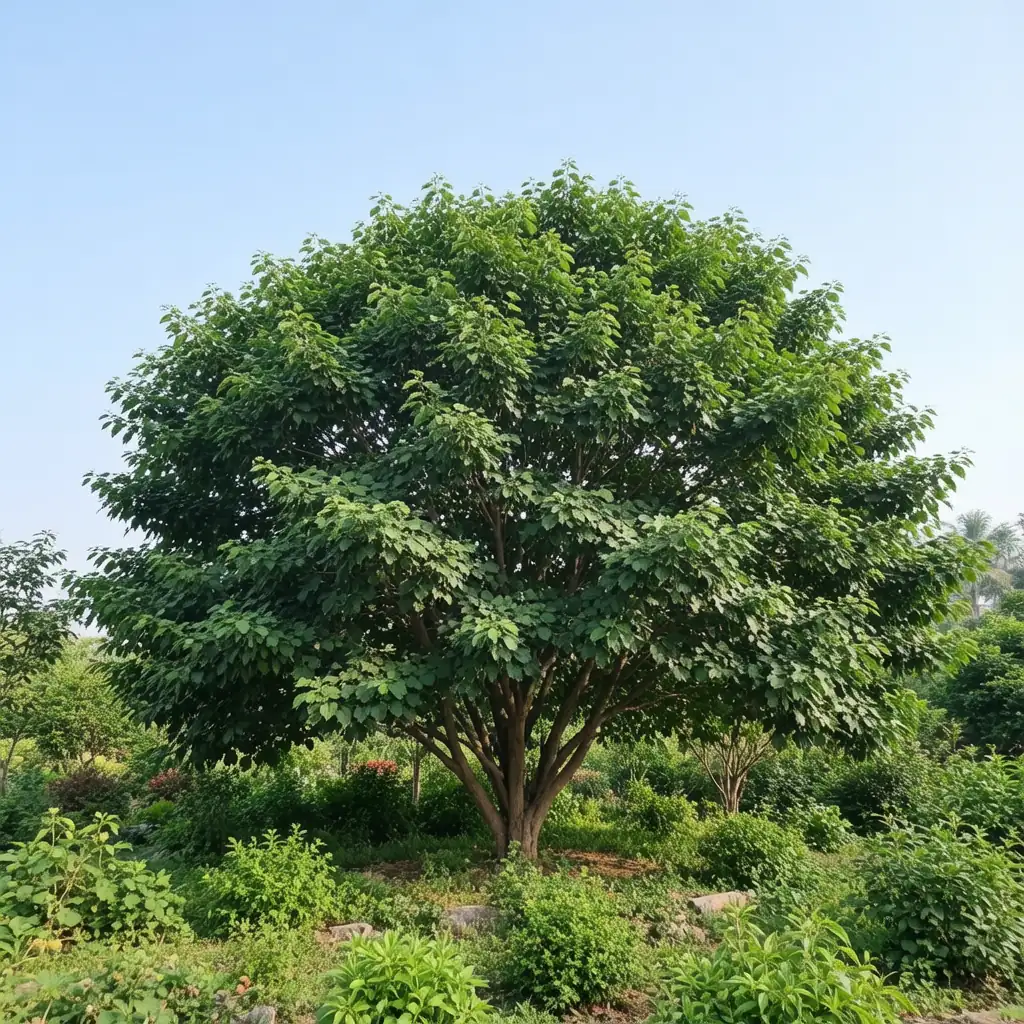
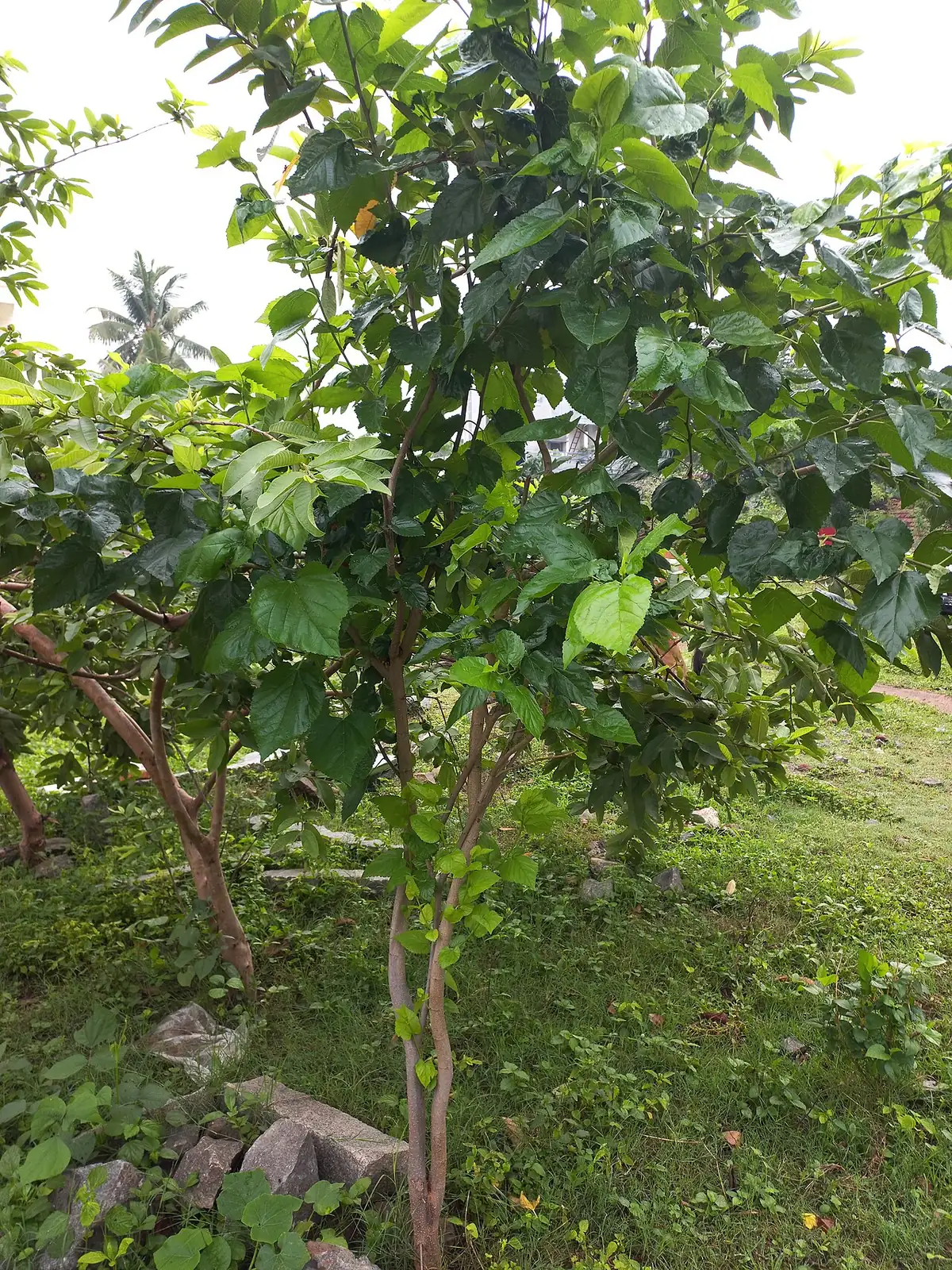
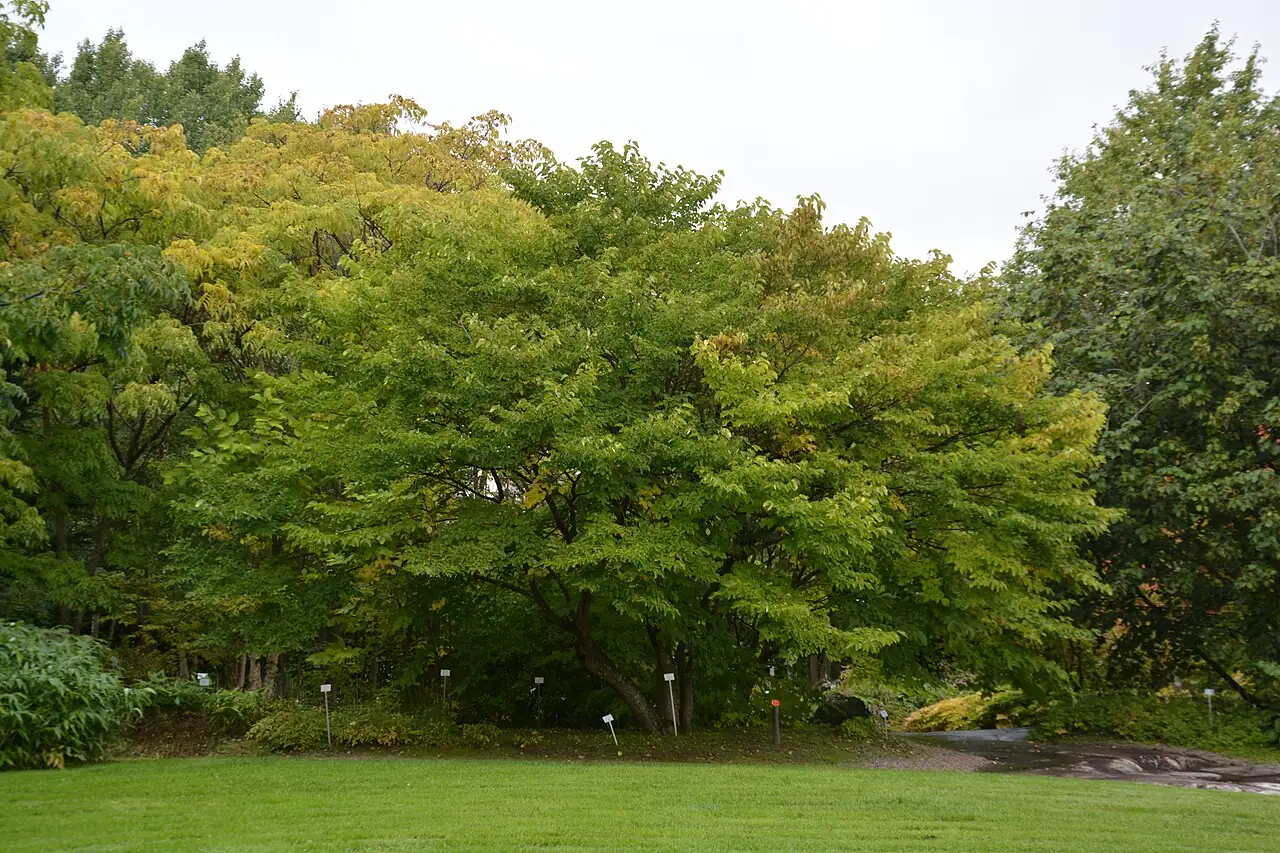
- Size: Typically up to about 15 m (49 ft) tall, though size varies widely with cultivar and with pruning/coppicing.
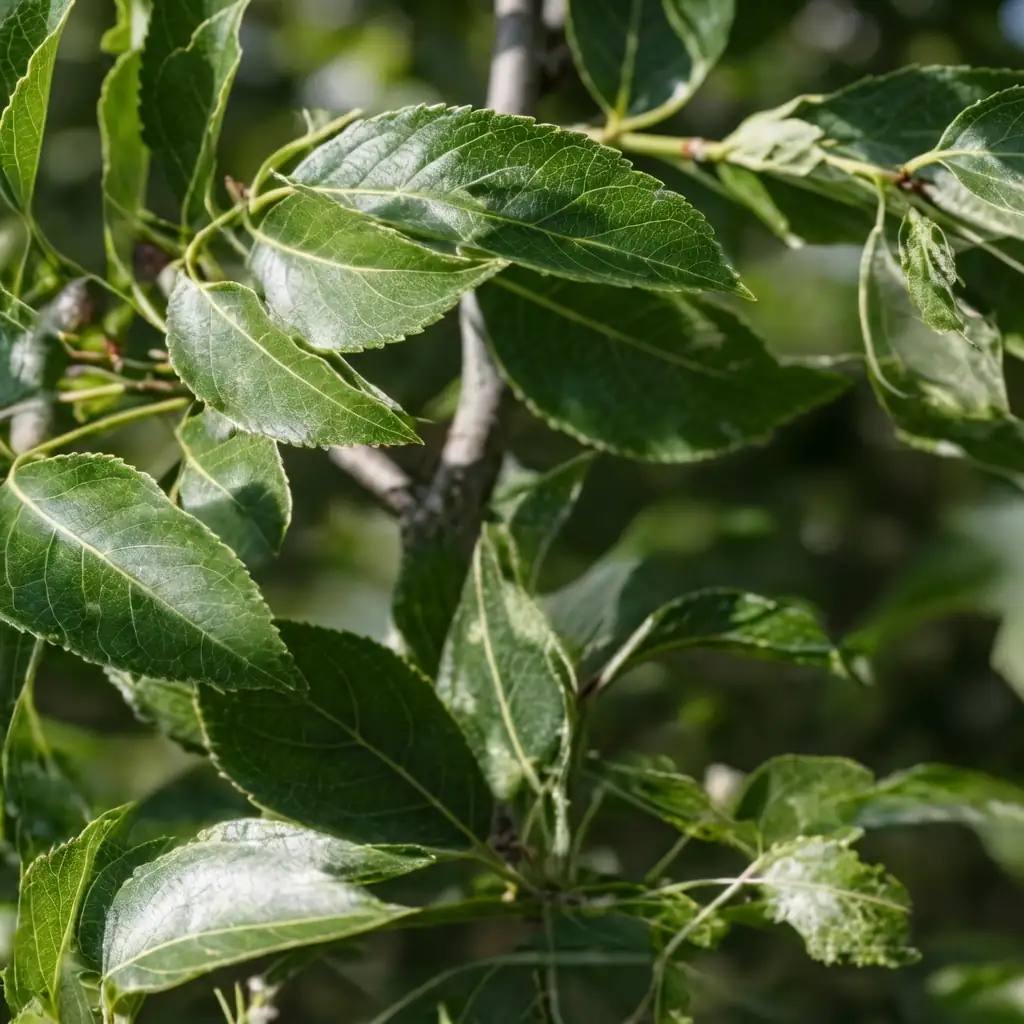
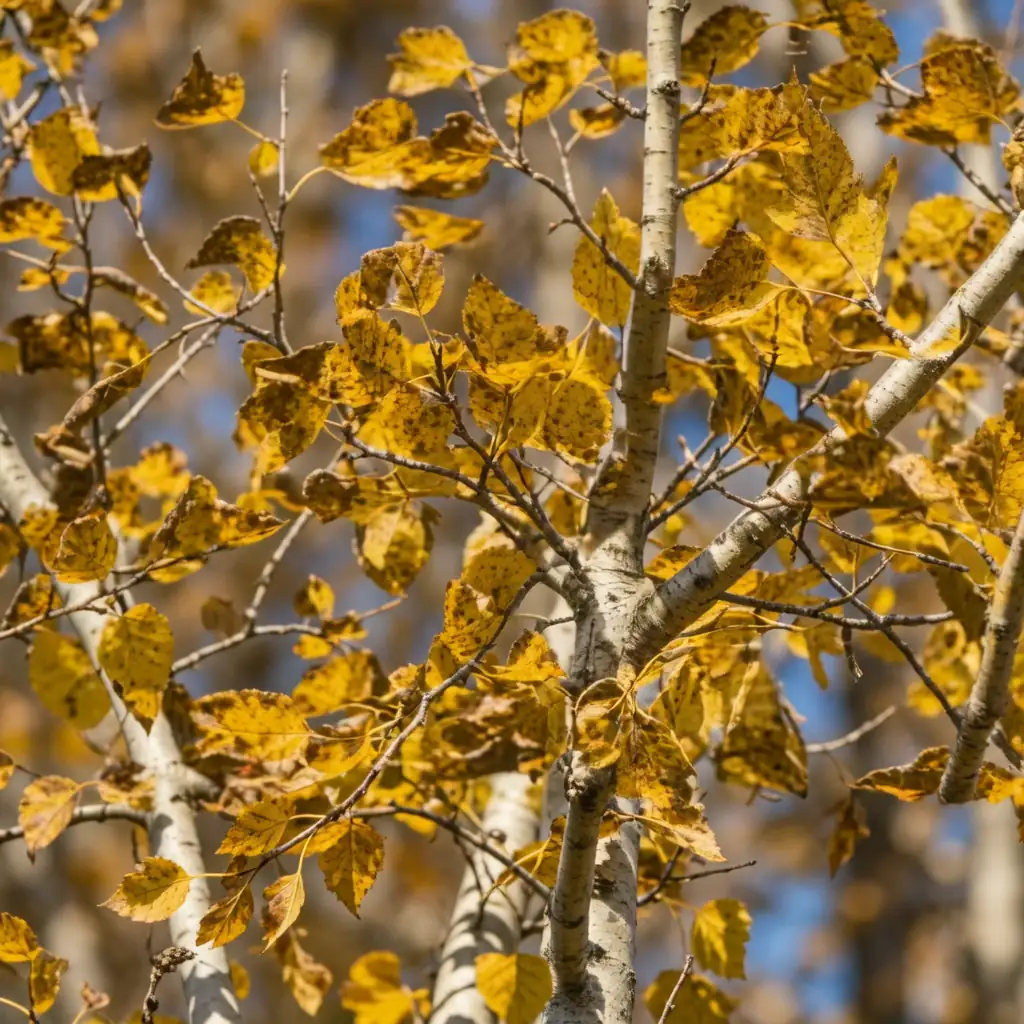
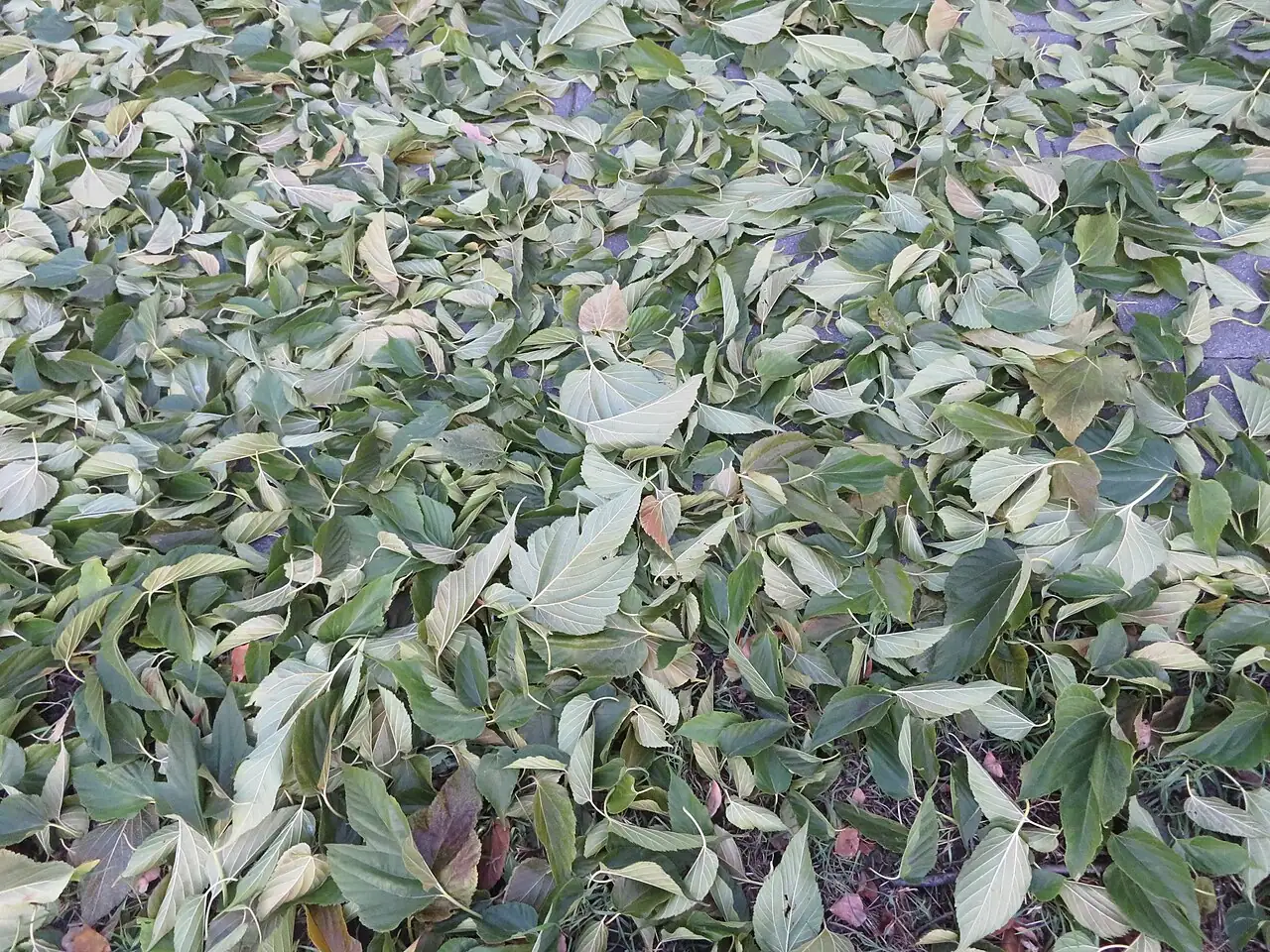
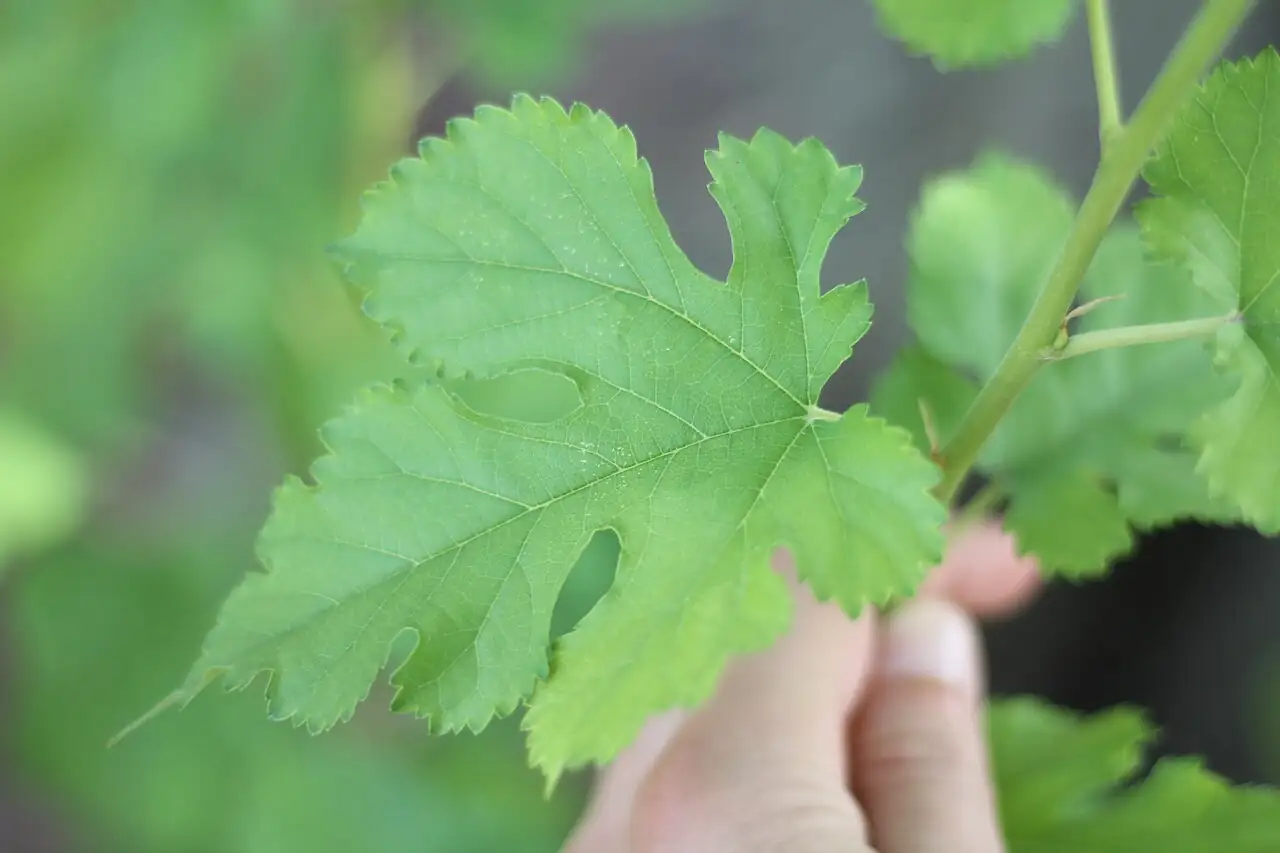
- Foliage: Leaves are broadly ovate with a pointed tip and coarse serrations. They’re often glossy on top, with sparse hairs along the veins beneath. When leaves or twigs are broken, a milky latex may appear. Bark is commonly yellow-brown.
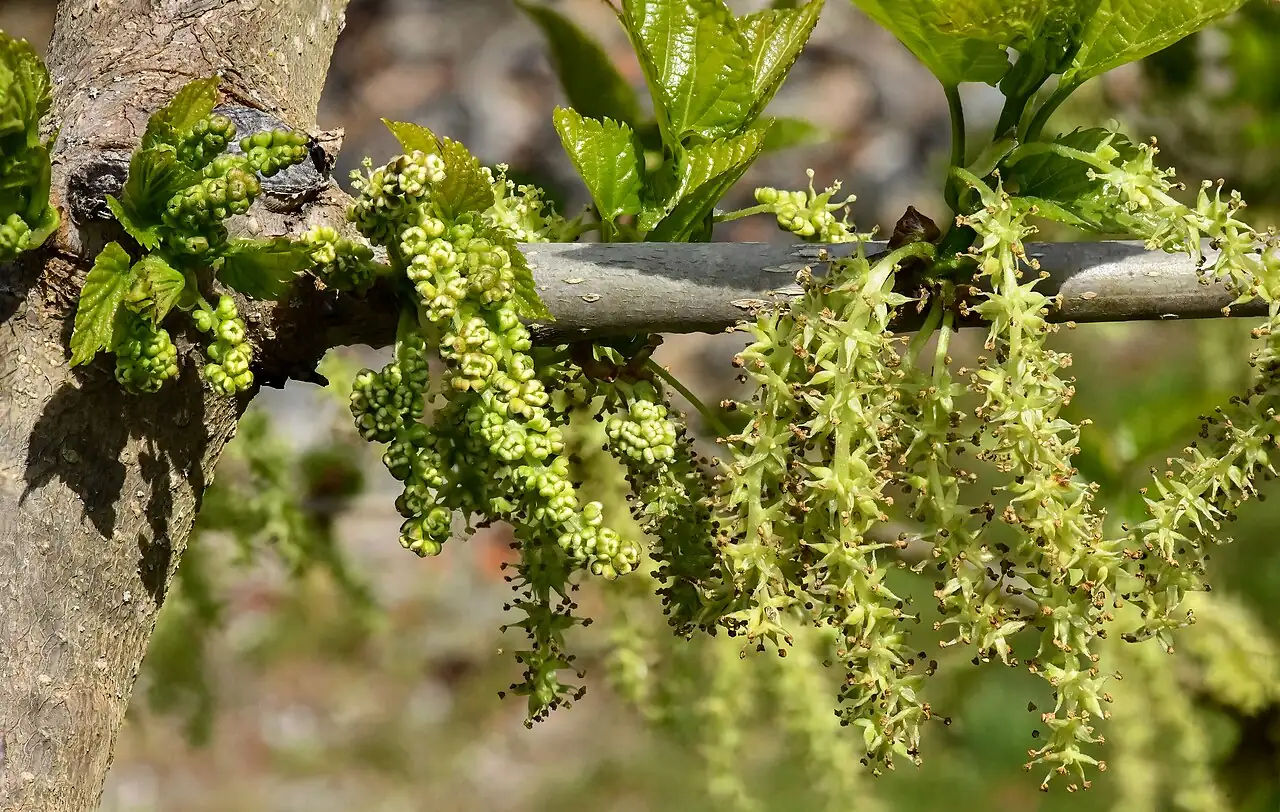
- Flower: Flowers are small and yellowish-green, held in catkin-like clusters. Plants are often dioecious (male and female flowers on separate plants). The fruit is a multiple berry (mulberry), with color varying by variety—often white to pink/red, or dark purple-black when fully ripe.
- Flowering Season: April–May (spring)
- Growth Habit: A vigorous deciduous tree or large shrub with a strong root system and good wind resistance. Responds extremely well to pruning, often producing strong regrowth after cutting back.
Environment
Sunlight
Full sun is ideal for best growth and fruiting; young plants can tolerate light shade.
Temperature
Prefers warm, moderately humid growing conditions but is very tolerant of cold and drought once established. Typical active growing temperatures are around 15–30°C (59–86°F). Avoid persistently waterlogged conditions.
Humidity
Likes moderate humidity yet copes well with dry air once established. The main humidity-related issue is fungal disease in still, damp conditions—good airflow helps.
Soil
Highly adaptable (including relatively poor soils and mildly alkaline soils), but performs best in well-drained loam. Good drainage is essential; it is sensitive to waterlogging.
Placement
Outdoors in full sun—yards, parks, streetscapes, and resilient urban/industrial sites where its dust and pollution tolerance is an advantage.
Hardiness
Cold-hardy and drought-tolerant; generally suitable for USDA Zones 4–8 (approx. minimum -34 to -7°C / -29 to 19°F), with cultivar and local climate influencing performance. Not suited to sites with standing water.
Care Guide
Difficulty
Easy. White mulberry is notably adaptable (cold, drought, poorer soils, and mild alkalinity) and very forgiving of pruning. The biggest “don’t” is poor drainage—avoid wet feet and waterlogged soil.
Buying Guide
Choose plants with healthy, firm buds and branches and no cankers, dieback, or obvious wounds. If you want fruit, buy a known fruiting cultivar and confirm sex where relevant (many mulberries are dioecious). Avoid severely pot-bound stock, and inspect stems for scale insects.
Watering
Water regularly during establishment. Once established, water mainly during prolonged dry spells. Aim for evenly moist soil, but never saturated—standing water can damage roots.
Fertilization
Often needs little feeding. If growth is weak, apply a light, balanced fertilizer in spring (for example, a slow-release formulation). Avoid heavy nitrogen, which can push overly soft, weak growth.
Pruning
Prune in late winter to early spring while dormant to shape and manage size. It tolerates hard pruning and coppicing well; remove crossing, damaged, or crowded branches to maintain a strong structure and good airflow.
Propagation
Propagate by hardwood cuttings during dormancy, softwood cuttings in late spring/summer, or grafting for named cultivars. Seed propagation is possible, but seedlings may not come true to the parent (variable traits).
Repotting
Not ideal as a long-term container tree. If kept potted, repot every 1–2 years into a larger container with a fast-draining mix and excellent drainage holes.
📅 Seasonal Care Calendar
Spring (Apr–May): flowering; light feeding if needed. Summer (Jun–Aug): fruiting; water during heat/drought, and watch pests. Dormant season (late winter–early spring): major pruning and shaping. Rainy periods: prioritize drainage and monitor for fungal leaf problems.
Pests, Diseases & Safety
Common Pests & Diseases
Common issues include scale insects, aphids, spider mites, and caterpillars. In humid or poorly ventilated sites, leaf spots and powdery mildew may appear. Improve airflow, avoid frequent overhead watering, and treat early outbreaks with horticultural oil or insecticidal soap (following label directions).
Toxicity
Generally considered non-toxic to people and pets, and ripe fruits are edible. However, the milky latex can irritate sensitive skin, and unripe fruits may cause mild stomach upset for some people.
Culture & Symbolism
Symbolism: Often linked with industriousness, livelihood, and prosperity due to its deep connection with sericulture (silk production).
History & Legends: Cultivated in China for thousands of years, white mulberry is historically inseparable from the rise of sericulture—its leaves feeding silkworms and supporting generations of silk-related craft and trade.
Uses: Widely planted as a shade and greening tree thanks to its toughness and tolerance of dust and some urban pollution. Leaves are the primary food for silkworms and are also used in traditional herbal practices. Bark fiber and wood have been used for papermaking. Fruits are eaten fresh, dried, made into jams and desserts, or fermented into wine.
FAQ
Why is my white mulberry not fruiting?
Many white mulberries are dioecious, meaning male and female flowers may be on separate plants—so a male tree won’t fruit. Also check sunlight (full sun is best) and pruning timing; heavy pruning can remove fruiting wood depending on the cultivar.
Can white mulberry handle city pollution?
Yes—white mulberry is known for tolerating dust and some air pollution, which is why it’s often used in streetscapes and tough urban planting sites.
Is it okay if sap comes out when I break a twig?
Yes. White mulberry contains a milky latex. Avoid getting it on sensitive skin, and wash hands after handling if you’re prone to irritation.
Fun Facts
- White mulberry produces a milky latex when leaves or twigs are broken.
- It’s the classic leaf food for silkworms—the foundation of traditional silk production.
- Mulberry leaves have a long history in traditional herbal preparations.
- The fruits can be eaten fresh, dried, or turned into jams and wine.
- Its tolerance of dust and some pollution makes it a surprisingly resilient urban tree.