Plant Features
- Size: Typically 15–30 cm (6–12 in) tall; forms small clumps and can spread slowly as a low groundcover.
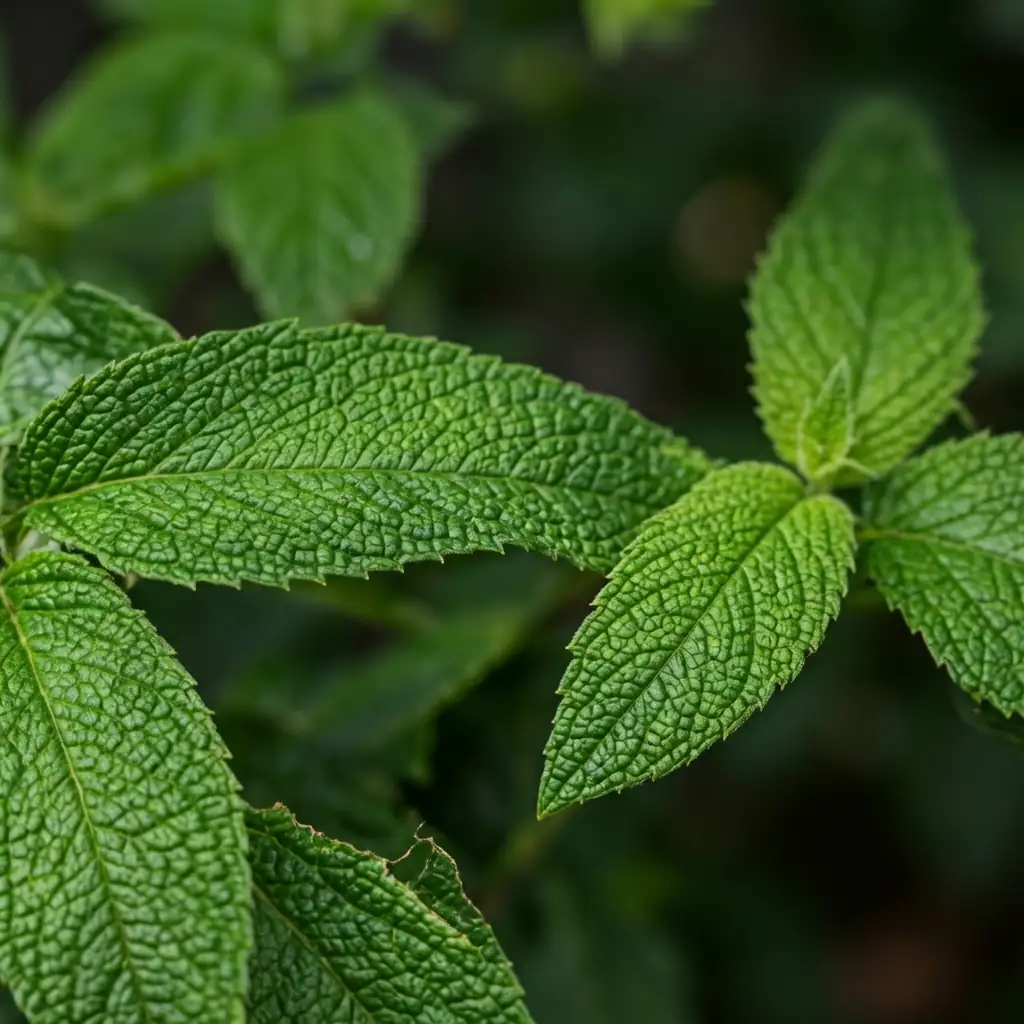
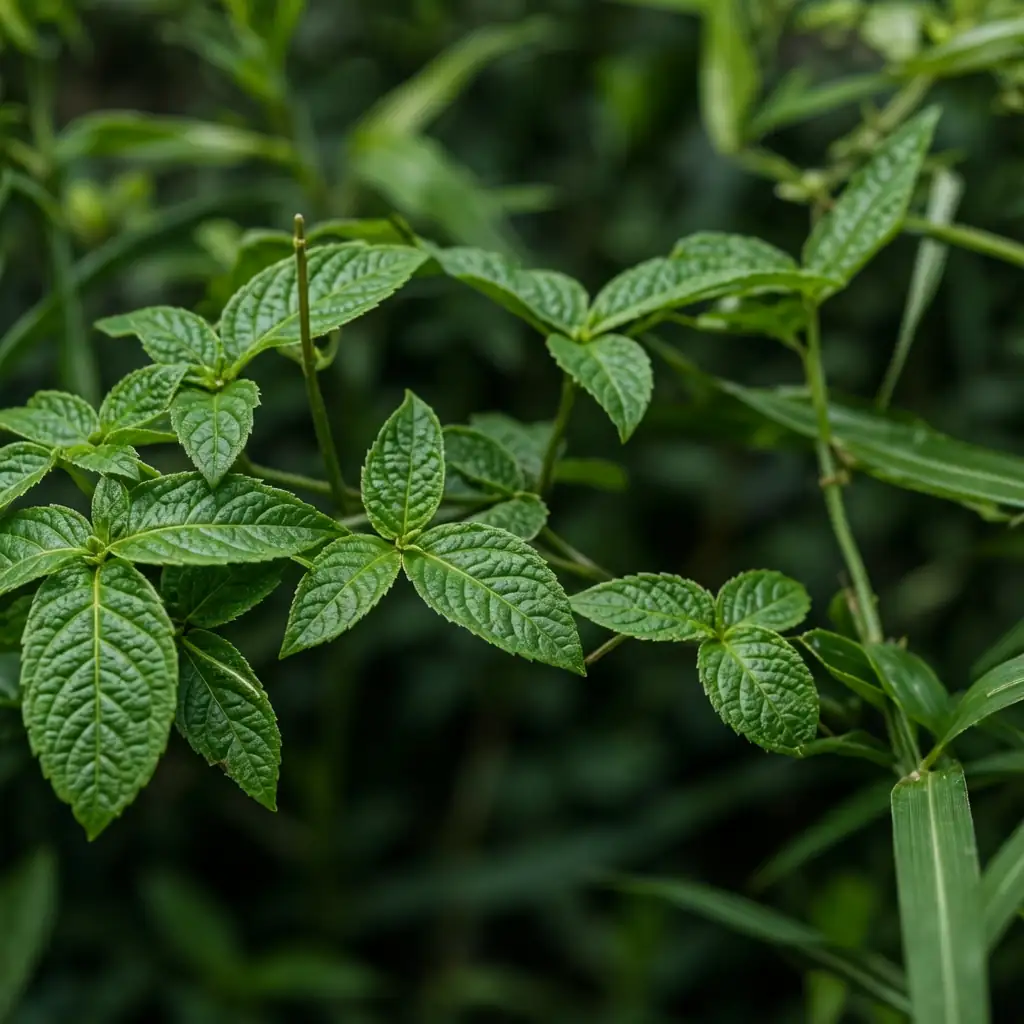
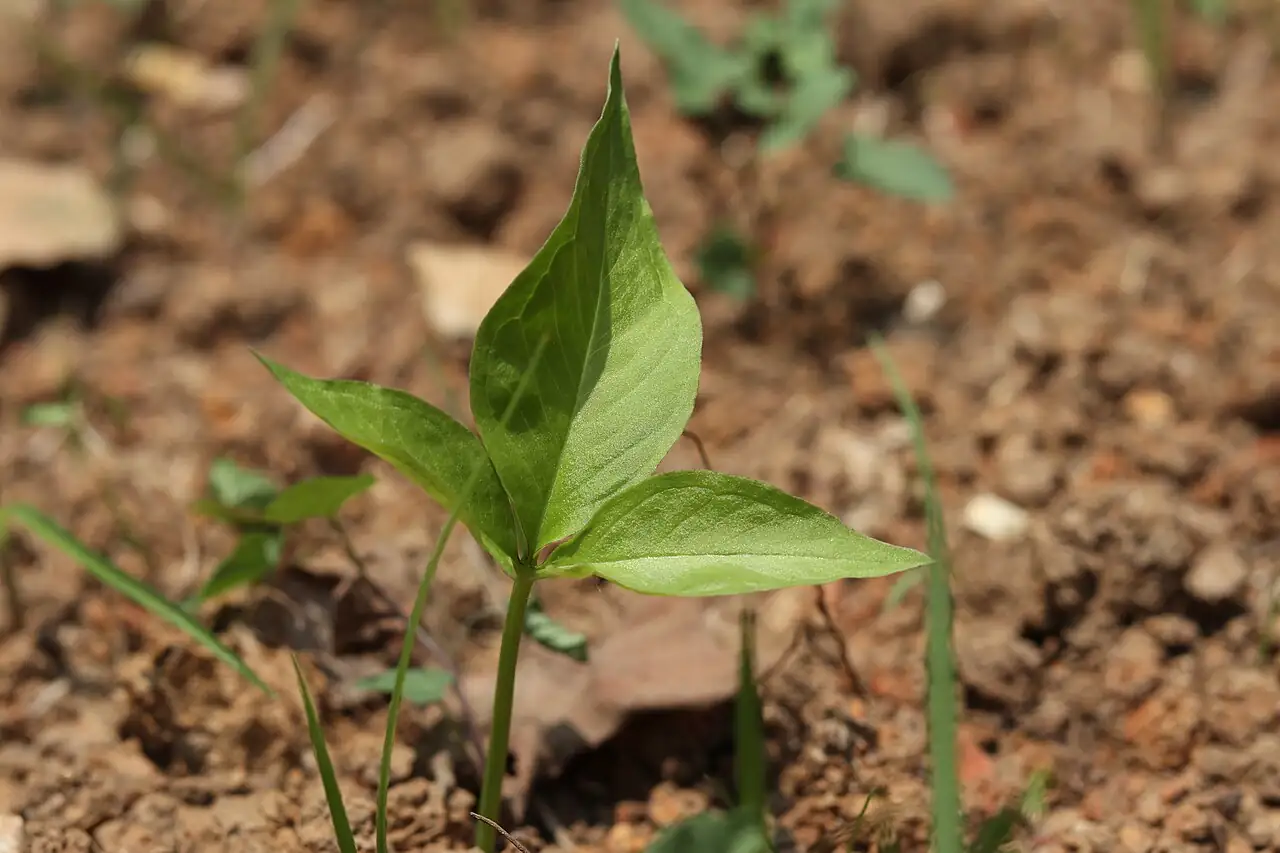
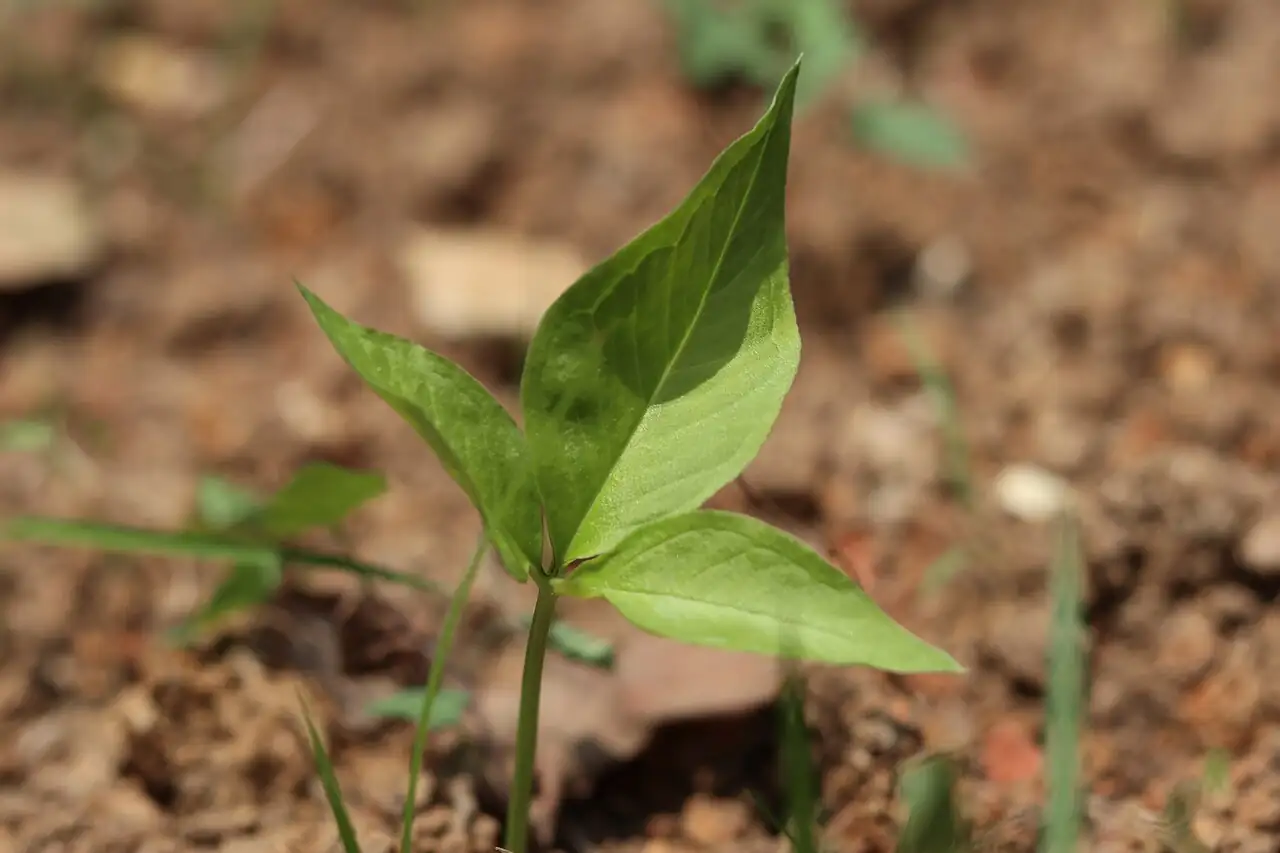
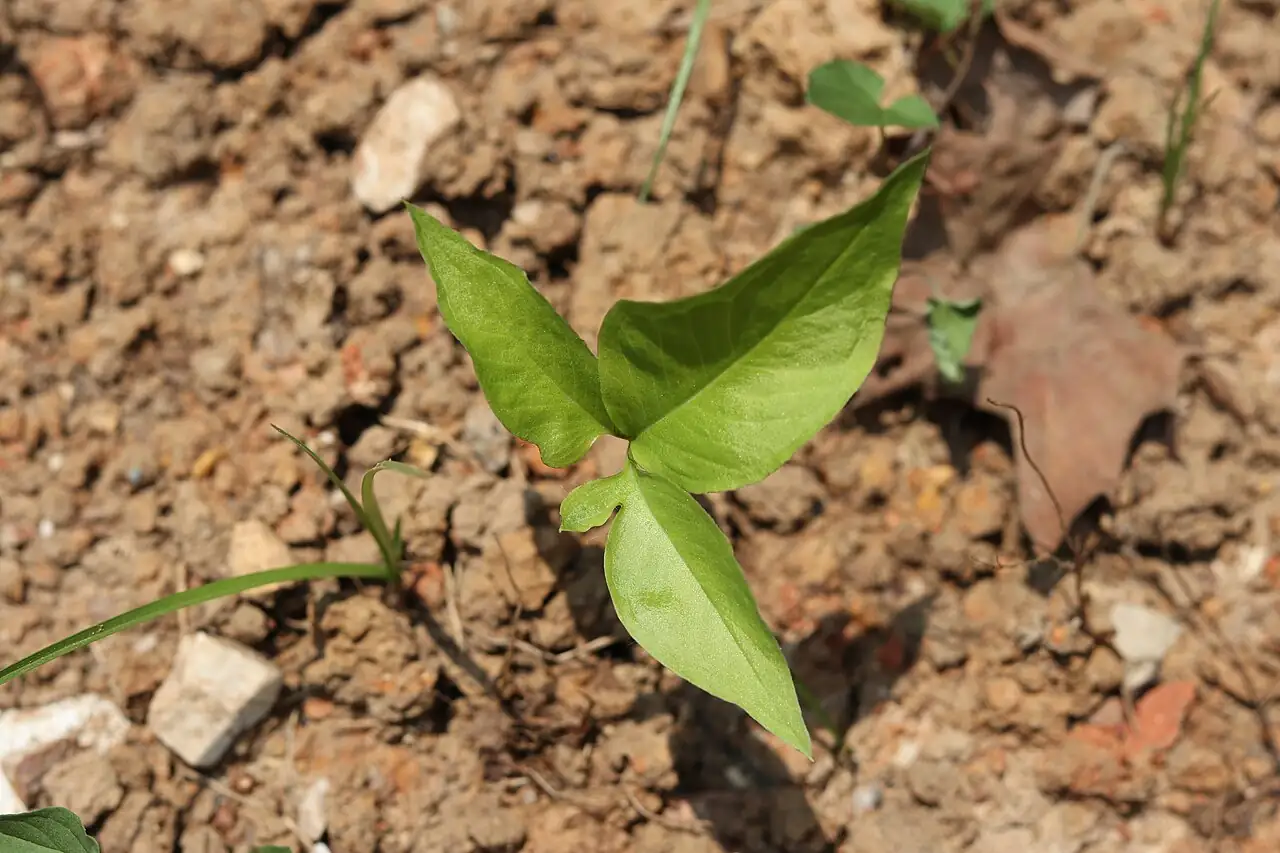
- Foliage: Grows from a small, round underground tuber about 1–2 cm (0.4–0.8 in) across with fibrous roots. Usually bears 2–5 leaves (sometimes only 1). Leaf shape often shifts with age: juvenile leaves tend to be simple and entire, while mature plants commonly develop leaves divided into three lobes/segments.
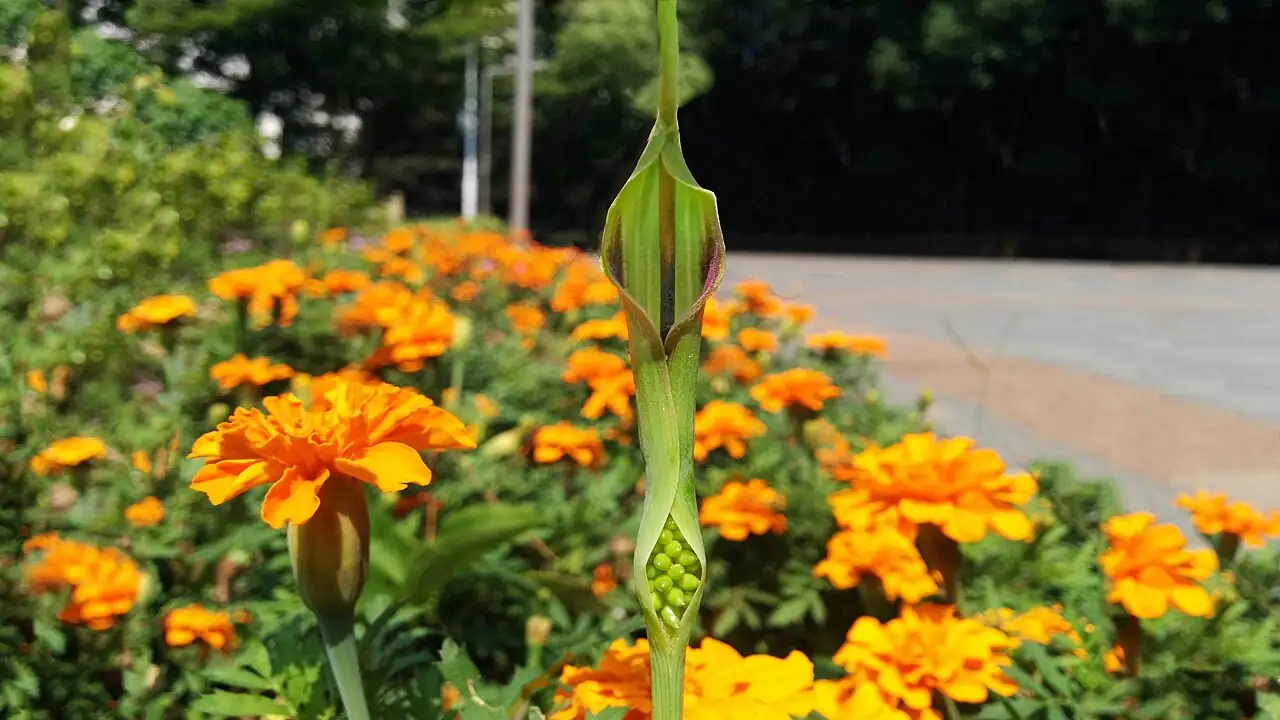
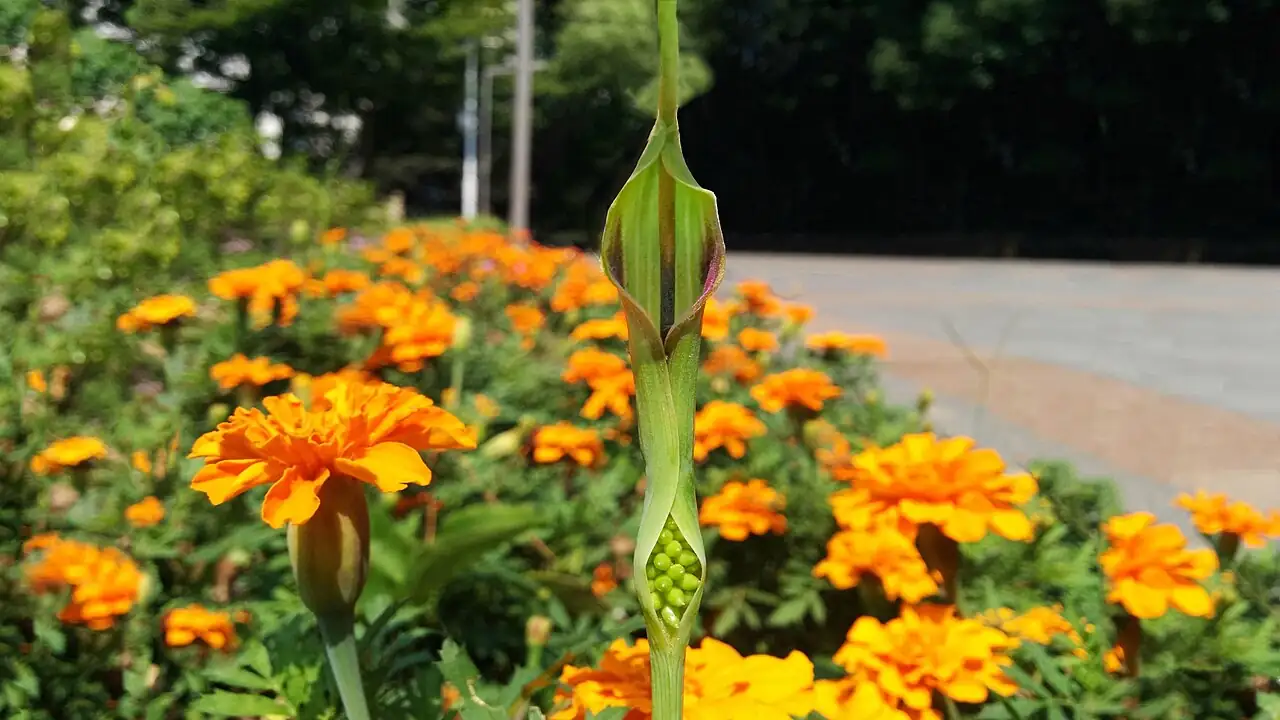
- Flower: Arum-type inflorescence: a green to greenish-white spathe surrounding a spadix. Fruits develop as oval berries that are yellow-green while forming.
- Flowering Season: May–July
- Growth Habit: Low, shallow-rooted, tuberous perennial herb that prefers shaded, damp understory conditions; typically clump-forming and groundcover-like.
Environment
Sunlight
Partial shade to full shade; avoid harsh direct sun, especially midday sun.
Temperature
Prefers mild conditions and dislikes prolonged heat; a practical growing range is about 10–25°C (50–77°F). Generally cold-tolerant across much of its native range, but protect from deep, prolonged freezes and winter wet.
Humidity
Enjoys humid, sheltered conditions; performs best where air and soil stay evenly moist (without being stagnant).
Soil
Moist, humus-rich, well-drained soil—woodland soil with leaf mold/compost is ideal. Keep evenly moist but not waterlogged to prevent tuber rot.
Placement
Woodland gardens, shaded garden beds, cool sheltered corners, and streamside-style plantings; can be container-grown in a shaded spot with excellent drainage.
Hardiness
Cold-tolerant in temperate climates; exact USDA hardiness can vary by provenance and cultivation. Best success comes from protecting tubers from severe freezing and from soggy winter soil.
Care Guide
Difficulty
Moderate: quite straightforward if you can offer reliable shade and steady moisture; struggles with strong sun, heat, drought, and poorly drained soil.
Buying Guide
Choose firm, healthy tubers or vigorous plants with clean, unblemished leaves. Avoid soft or moldy tubers and plants showing rot, severe yellowing, or collapse at the base.
Watering
Keep soil evenly moist during active growth; don’t let it fully dry out. As growth slows or dies back, reduce watering, but don’t allow the tuber to shrivel. Avoid waterlogging at all times—soggy soil is a common trigger for tuber rot.
Fertilization
Light feeder. In spring and early summer, top-dress with compost/leaf mold or use a balanced fertilizer at a diluted rate. Avoid heavy feeding, which can encourage weak growth and rot issues.
Pruning
Remove yellowing or damaged leaves to improve airflow and reduce pest/disease pressure. After seasonal dieback, clear spent foliage from around the plant.
Propagation
Best propagated by dividing tubers/offsets during dormancy or in early spring. Seed propagation is possible but slower and less commonly used in gardens.
Repotting
If grown in containers, repot every 1–2 years in early spring into a fresh, humus-rich but free-draining mix. Ensure excellent drainage and keep the tuber shallowly planted.
📅 Seasonal Care Calendar
Spring: resume watering, top-dress with compost, and divide tubers if needed. Summer (May–July): maintain consistent moisture and shade; protect from heat and strong sun. Autumn: gradually reduce watering as growth slows. Winter: keep cool; protect tubers from severe freezing and avoid soggy soil.
Pests, Diseases & Safety
Common Pests & Diseases
Watch for slugs/snails on tender growth and aphids on leaves. The main serious issue is tuber/root rot caused by waterlogged soil or poor drainage. Improve drainage, water steadily but not excessively, and remove damaged tissue promptly.
Toxicity
Raw tissues can be irritating if eaten due to calcium oxalate crystals (common in the arum family). Keep away from children and pets. Any medicinal use should only involve properly processed material and qualified professional guidance.
Culture & Symbolism
Uses: An understated, naturalistic groundcover for shaded, moist plantings. The tuber is also well known in East Asian herbal practice, where it is traditionally used only after correct processing and under professional supervision.
FAQ
Why do the leaves look different on young vs. mature plants?
This species often changes leaf shape as it matures: young plants commonly have a simple, undivided leaf, while older plants frequently produce leaves divided into three lobes or segments.
What is the most common reason Pinellia fails in gardens?
Two extremes cause most problems: too much sun and drying heat, or soil that stays waterlogged and rots the tuber. Aim for shade plus consistently moist, well-drained, humus-rich soil.
Fun Facts
- It grows from a small, round tuber about 1–2 cm (0.4–0.8 in) across.
- Its flower is a classic Araceae design: a green spathe wrapped around a spadix.
- It’s a true shade-lover, naturally appearing in woodland understory and streamside slopes.
- It’s widely distributed across China, including the Yangtze River basin, North and Northeast China, and recorded from Tibet.
- Although famous in herbal traditions, it should not be eaten raw and must be properly processed for traditional use.