Plant Features
- Size: Typically 50–90 cm (20–35 in) tall; spread varies with site conditions.
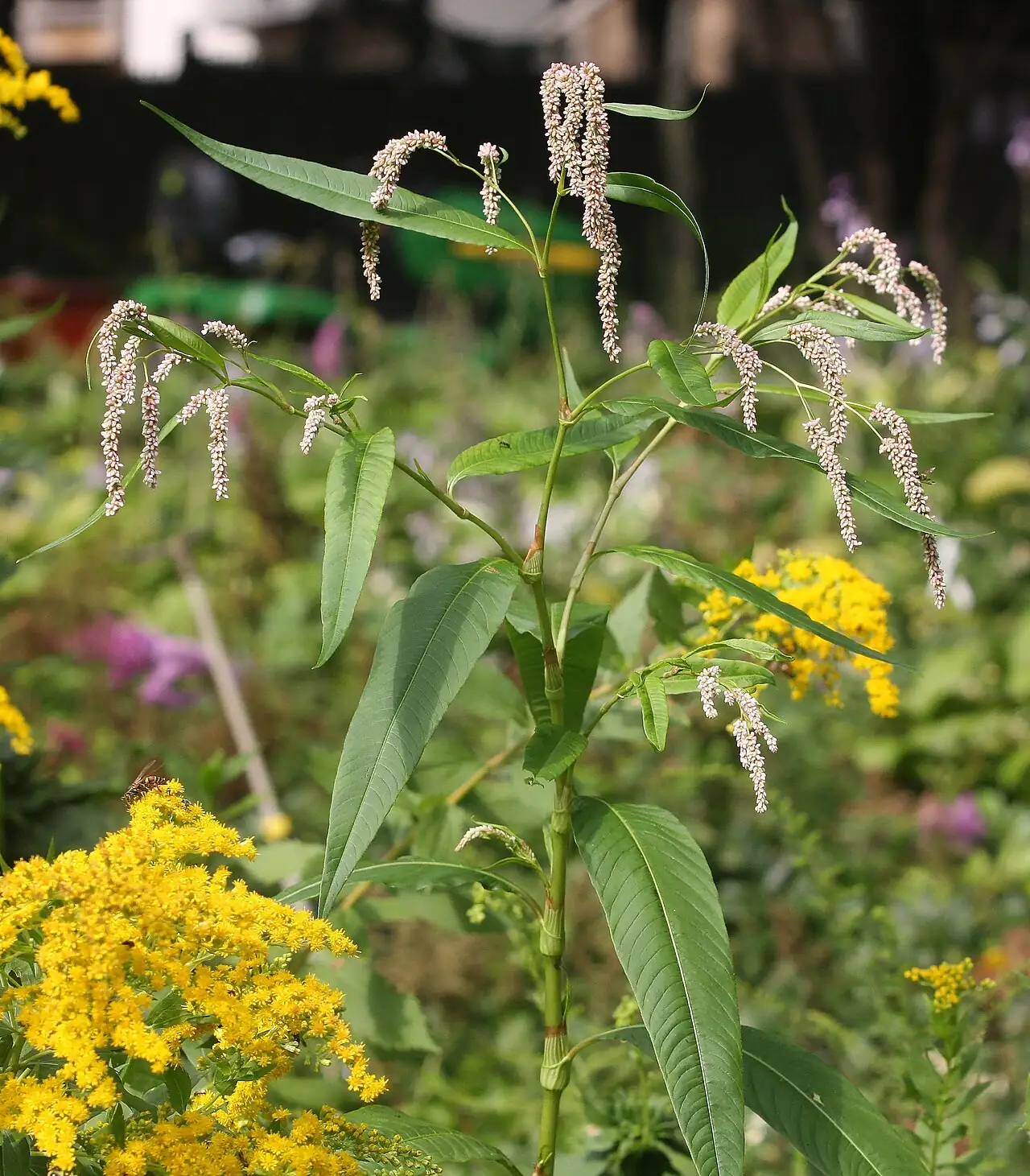
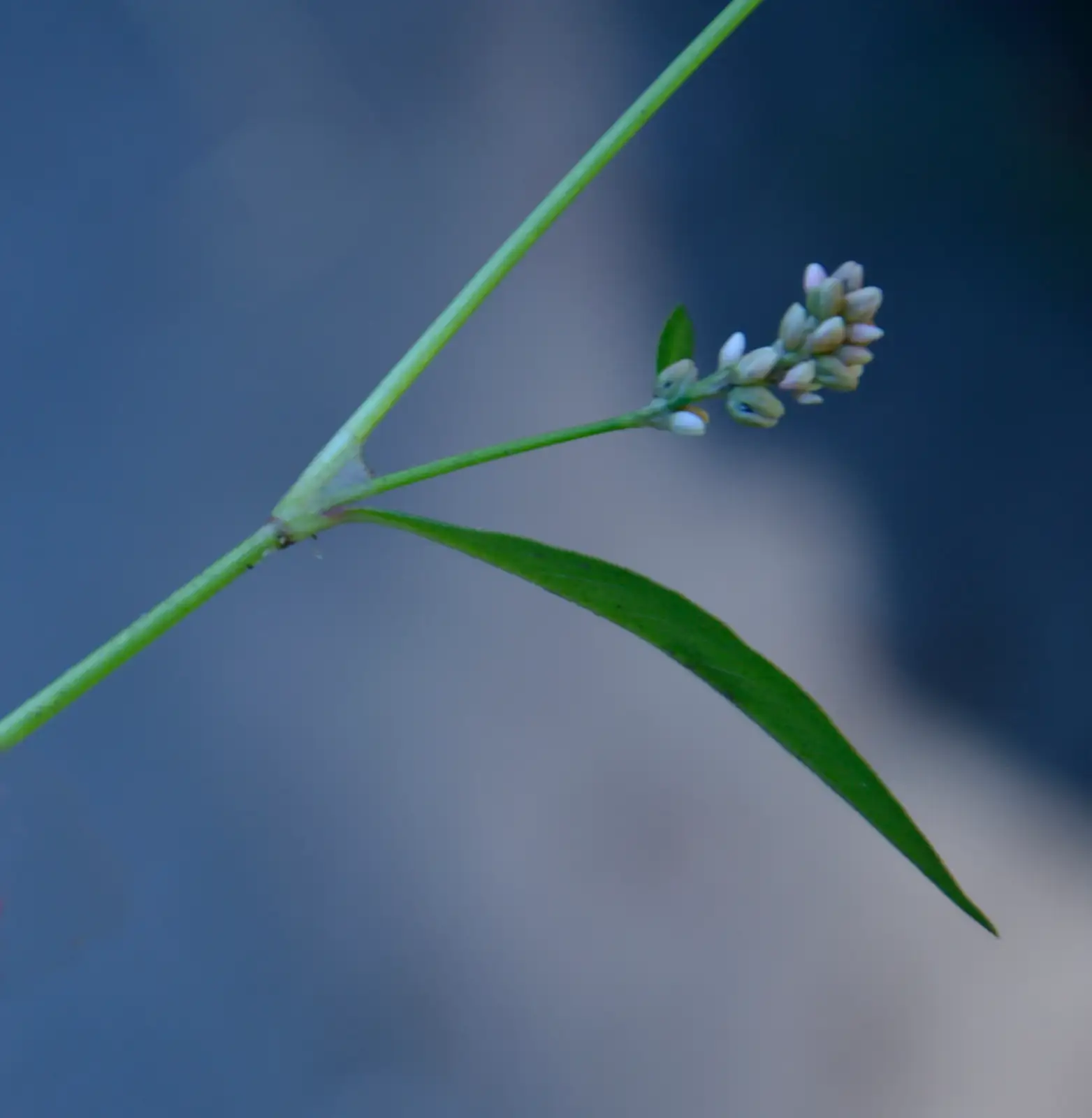
- Foliage: Leaves are lance-shaped with a tapering tip and wedge-shaped base, green above and often marked with a large dark brown to nearly black crescent blotch (though not every leaf shows it). Fine short hairs may appear along the midrib; leaf margins are entire but can carry noticeable bristly hairs. The papery, tubular stipule (ocrea) at the nodes is typically pale brown.
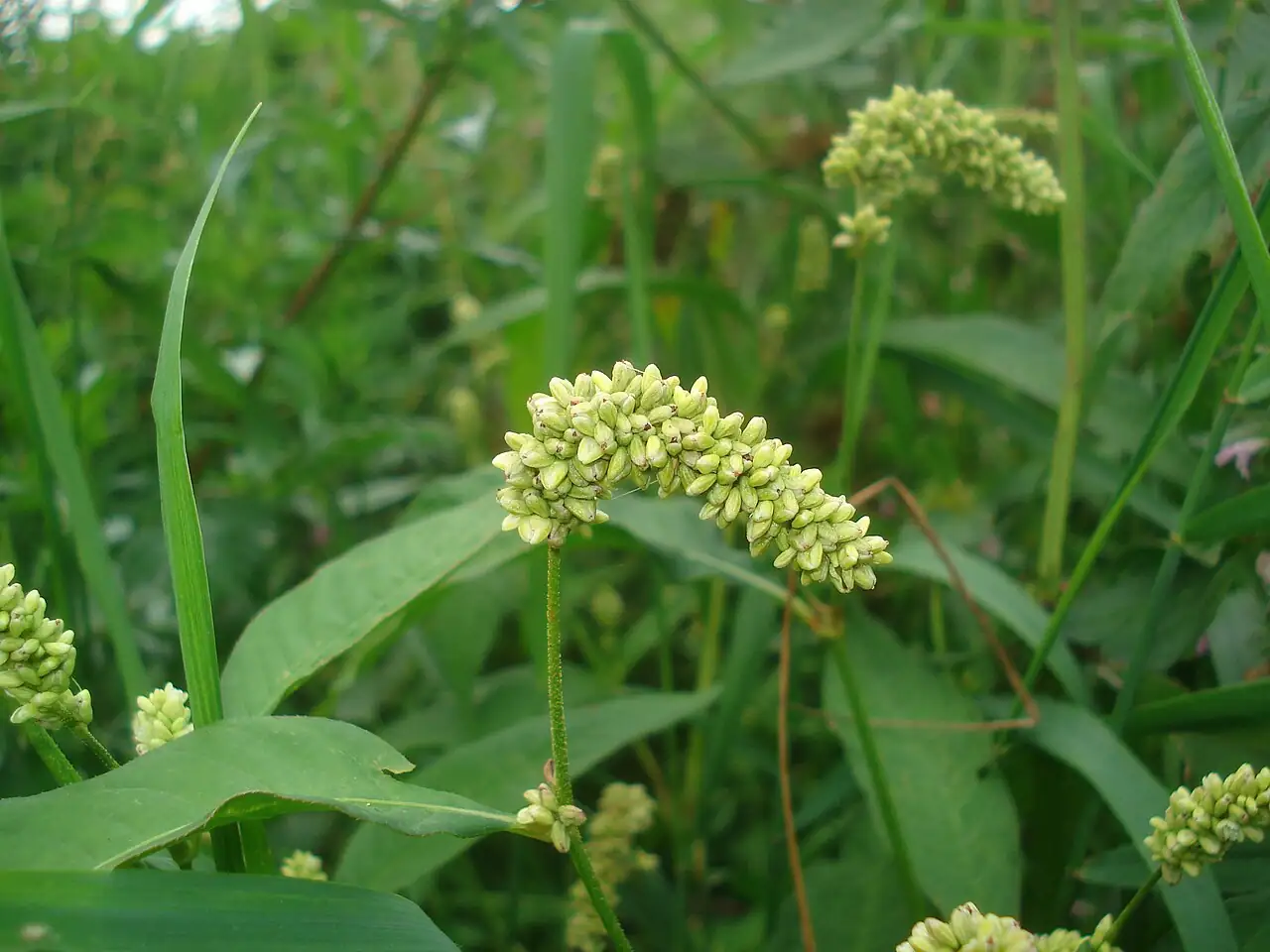
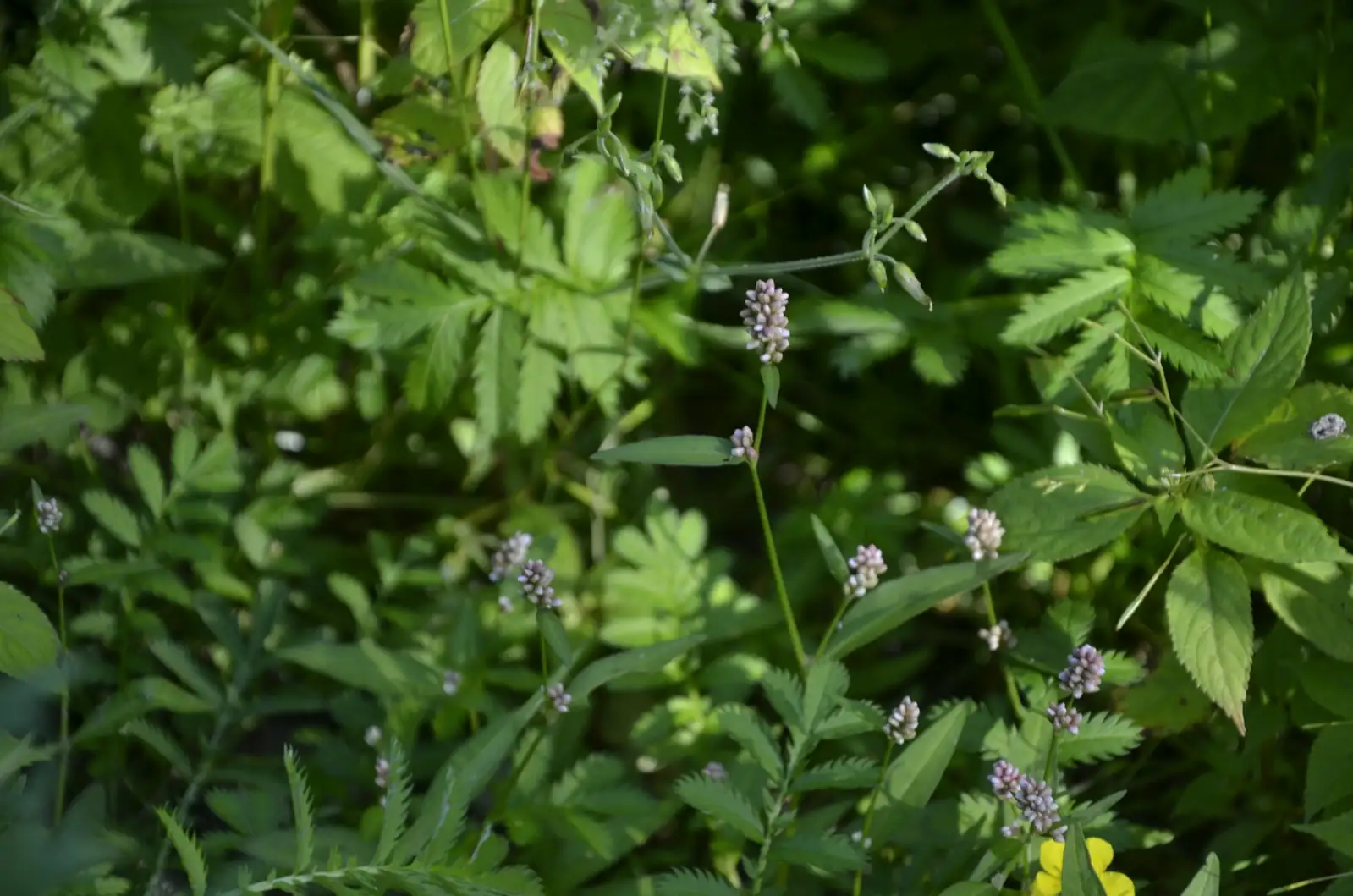
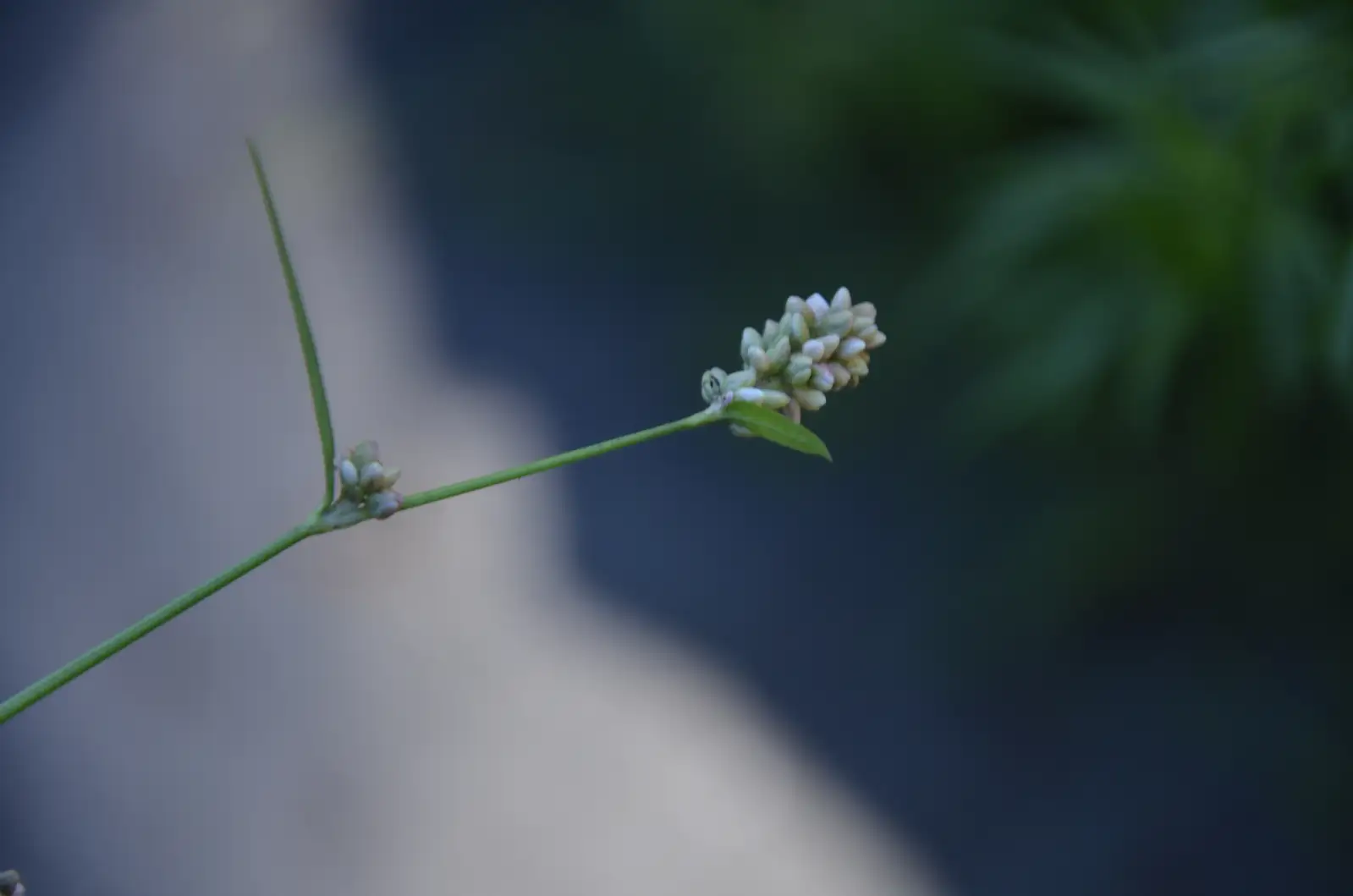
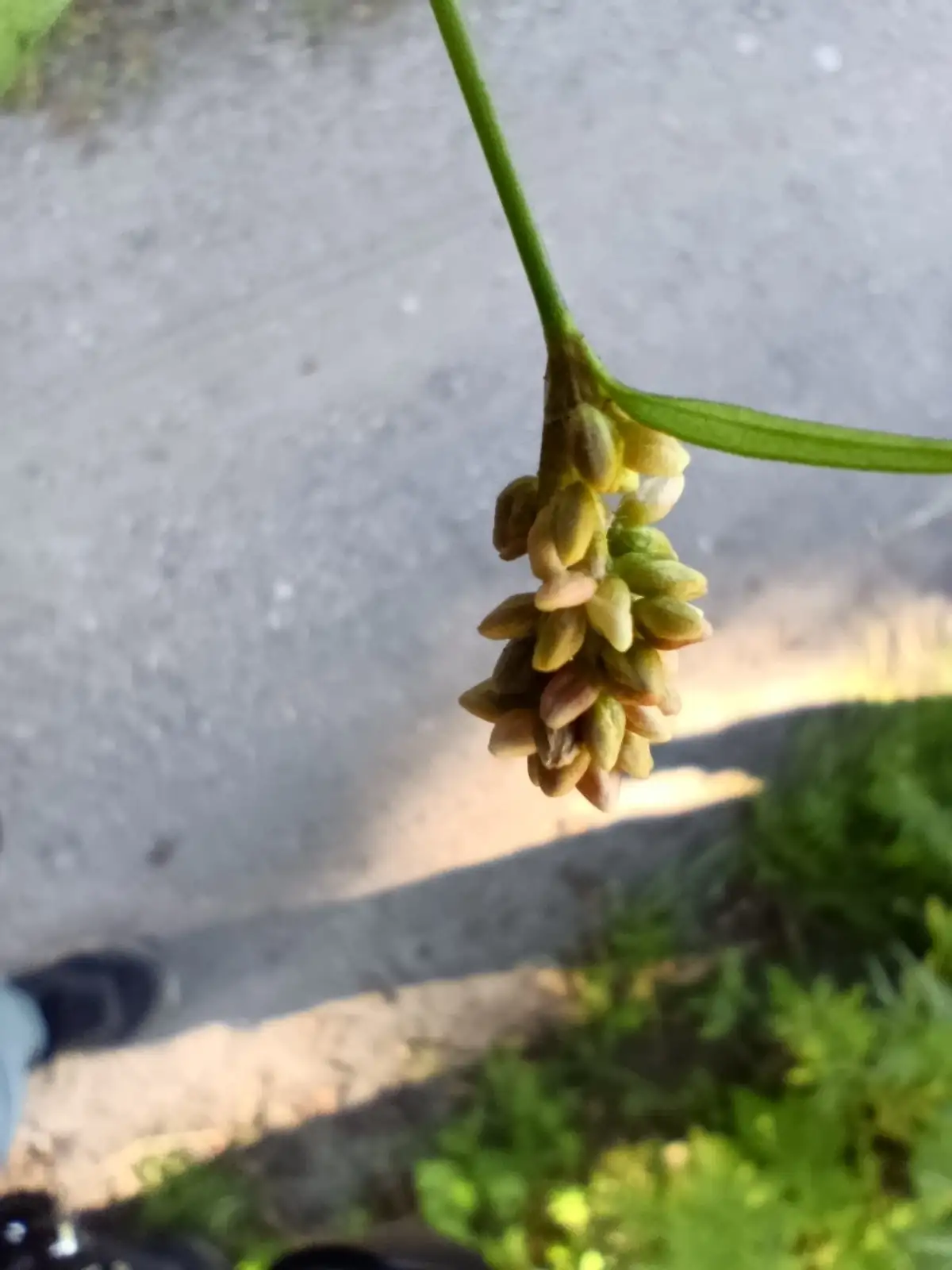
- Flower: Dense, spike-like racemes (at stem tips and/or from leaf axils) held nearly upright. Individual flowers are tiny with a pale pink to whitish perianth. Fruits mature glossy dark brown to black, broadly egg-shaped and slightly concave on two sides.
- Flowering Season: June–August (fruiting often July–September)
- Growth Habit: Annual herb with upright, branching stems; nodes are often swollen.
Environment
Sunlight
Full sun to partial shade; flowering is best in brighter light.
Temperature
Cool- to warm-season annual; grows well around 10–30°C (50–86°F).
Humidity
Very tolerant; handles moderate to high humidity and does well in damp field conditions.
Soil
Highly adaptable—grows in moist to wet loam or clay (including paddy edges) and also in seasonally dry, disturbed soils; prefers reasonably fertile ground.
Placement
Naturalistic gardens, rain-garden edges, wildlife/field-margin plantings, or as a temporary summer groundcover in damp or disturbed spots.
Hardiness
Annual (one-season life cycle). In temperate climates it behaves as a summer annual; broadly possible across USDA Zones 3–10 depending on local conditions.
Care Guide
Difficulty
Easy. Adaptable and usually self-sufficient once established; may self-seed freely where conditions suit it.
Buying Guide
Rarely sold as an ornamental and more often encountered wild. If buying seed, confirm the scientific name and check local rules—this species (or similar smartweeds) can be treated as a weed in some regions.
Watering
Water to establish, then rainfall is often enough. Keep evenly moist in very sandy soils; tolerates periodically wet ground and also short dry spells once rooted.
Fertilization
Usually not needed in average soil. If plants look weak, use a light application of balanced fertilizer once in spring/early summer; too much nitrogen can make stems floppy.
Pruning
Not required. For a neater look or to limit spread, remove flower/seed spikes before seeds mature; cut plants back after fruiting.
Propagation
Primarily by seed. It readily self-sows; collect ripe, dark fruits and sow on the soil surface or cover very lightly.
Repotting
Not applicable when grown in the ground. In containers, refresh the mix each season and use a pot about 20–30 cm (8–12 in) deep.
📅 Seasonal Care Calendar
Spring: seedlings emerge. Early–mid summer (June–August): flowering. Mid–late summer to early autumn (July–September): fruiting and seed set; deadhead to reduce self-seeding or leave seed to naturalize.
Pests, Diseases & Safety
Common Pests & Diseases
Usually trouble-free. In crowded, damp situations it can develop leaf spots or mildew—improve airflow and avoid overhead watering if problems appear. Aphids may show up on tender growth.
Toxicity
No well-established toxicity notes for typical home gardening use. As with many wild plants, avoid eating it unless identification is certain and local food-safety guidance supports it; discourage pets from chewing unfamiliar plants.
Culture & Symbolism
Symbolism: No widely recognized flower symbolism in mainstream English horticulture.
History & Legends: Not strongly tied to popular legends; it’s best known as a common, adaptable smartweed/knotweed of field margins and disturbed ground.
Uses: Mostly valued (when valued at all) for naturalistic planting: a quick, temporary summer groundcover and a wildlife-friendly “edge” plant. The dark leaf blotch can add subtle foliage interest, and it commonly inhabits dry fields, rice paddies, and other disturbed margins.
FAQ
How can I recognize pale persicaria quickly?
Check the leaves for a dark, crescent-shaped blotch and look for dense, upright spikes of tiny pale pink to white flowers in summer.
Will it spread aggressively?
It can self-seed readily, especially in disturbed soil. Deadhead before seeds ripen if you want to keep it in bounds.
Fun Facts
- The dark crescent-shaped leaf blotch is a classic ID clue, but some leaves may lack it.
- Its flower clusters look like tight little spikes packed with tiny pale pink-to-white blooms.
- The fruits turn glossy and dark, and each is broadly egg-shaped with slight concavities.
- It typically flowers June–August and often fruits July–September.
- It’s comfortable in both dry-field conditions and along the wetter edges of paddies—one reason it’s so widespread.