

Plant Features
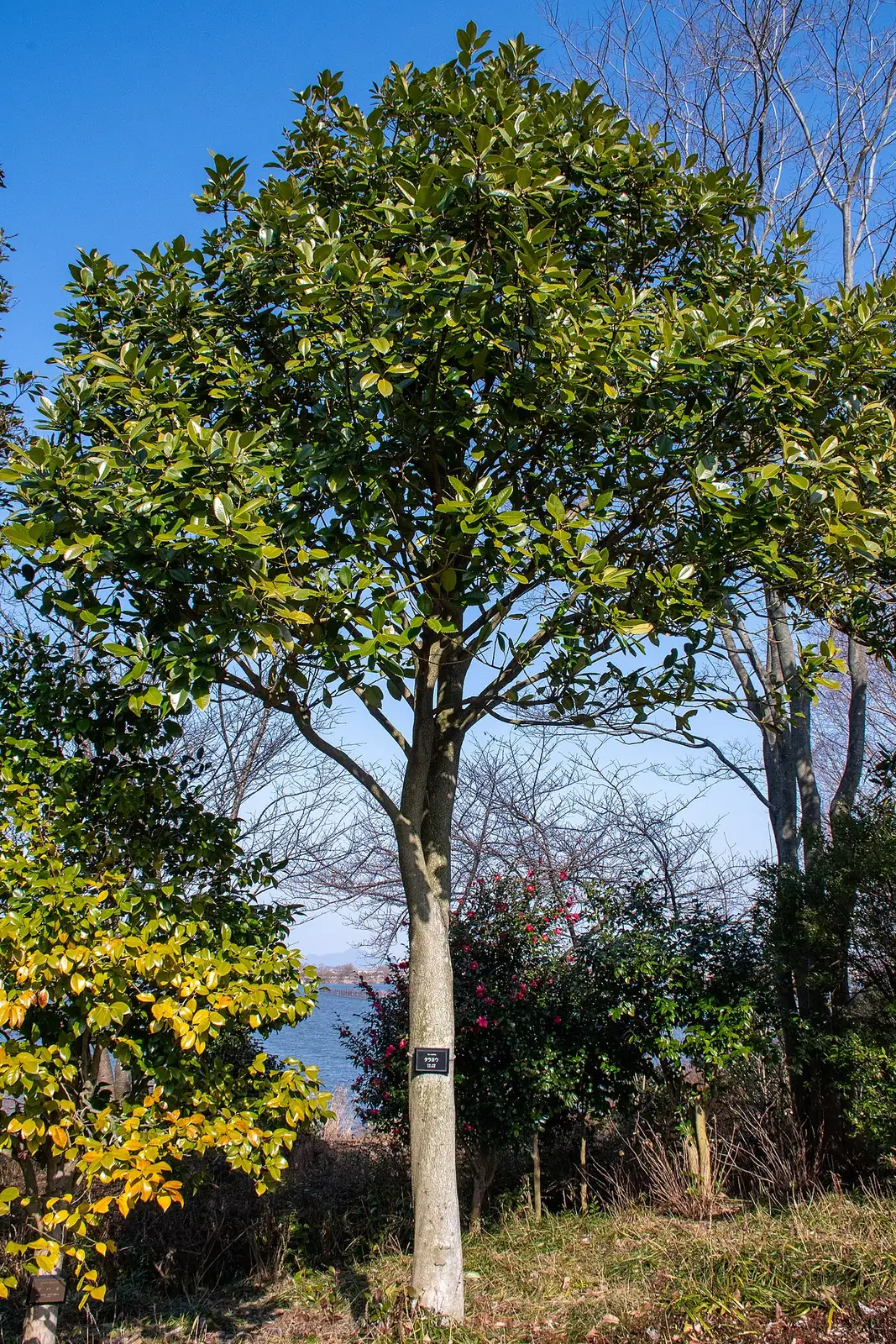
- Size: Up to about 20 m (66 ft) tall; typically a large, upright evergreen tree with a broad canopy when mature.
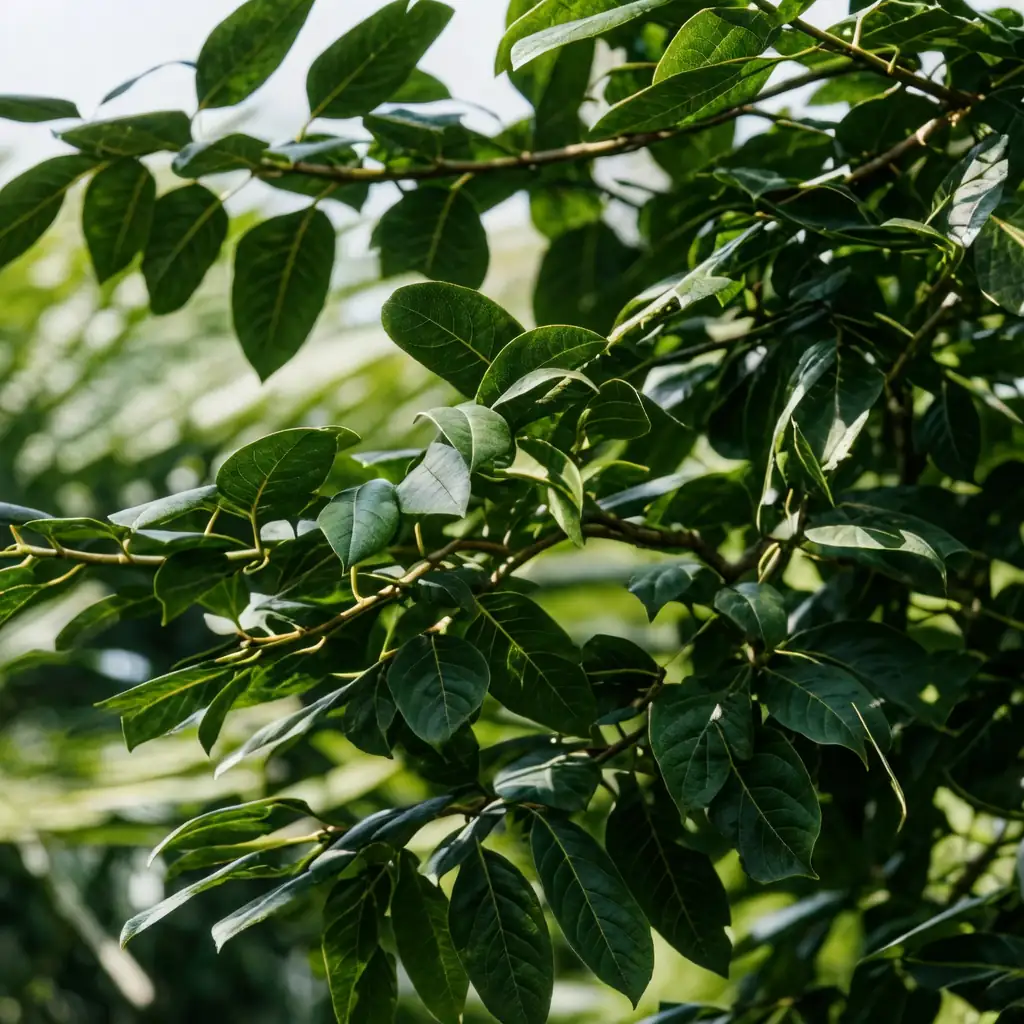
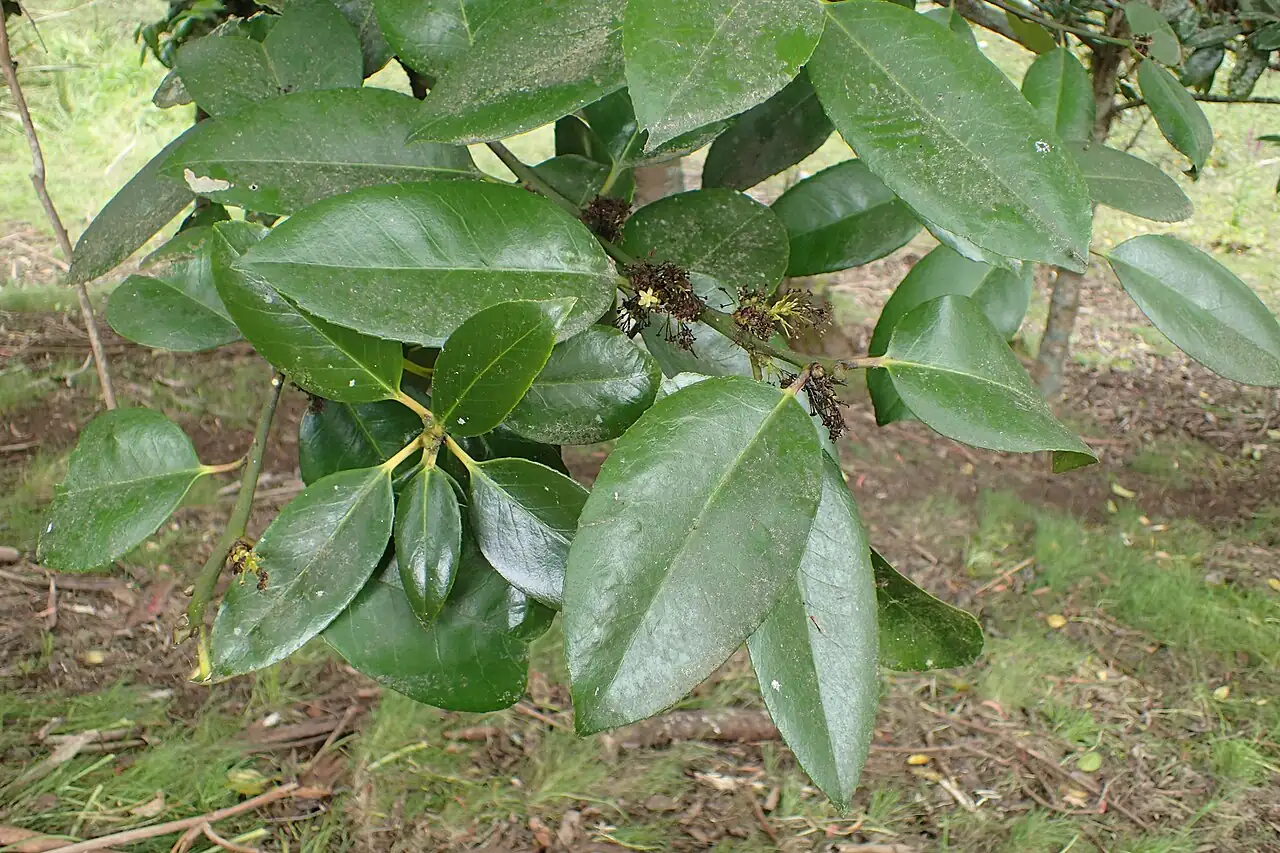
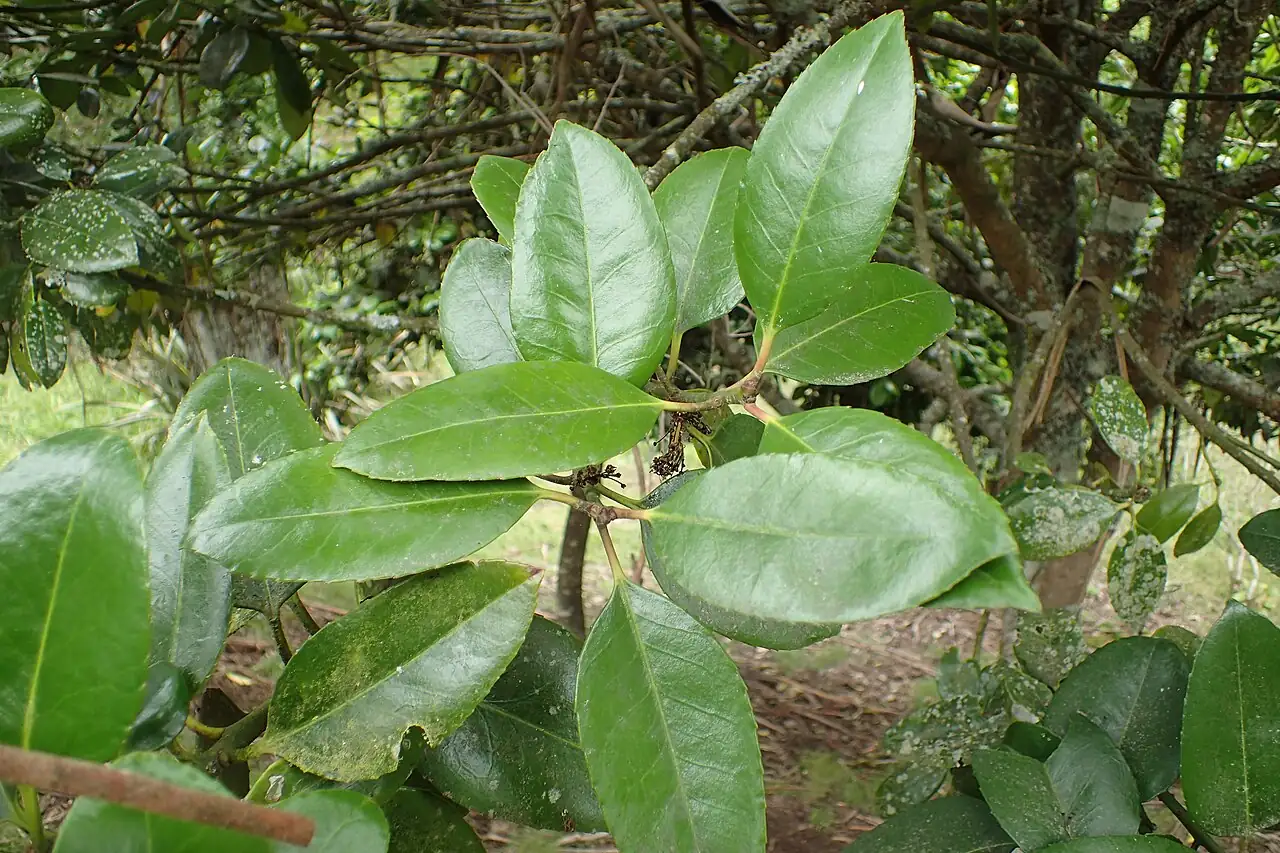
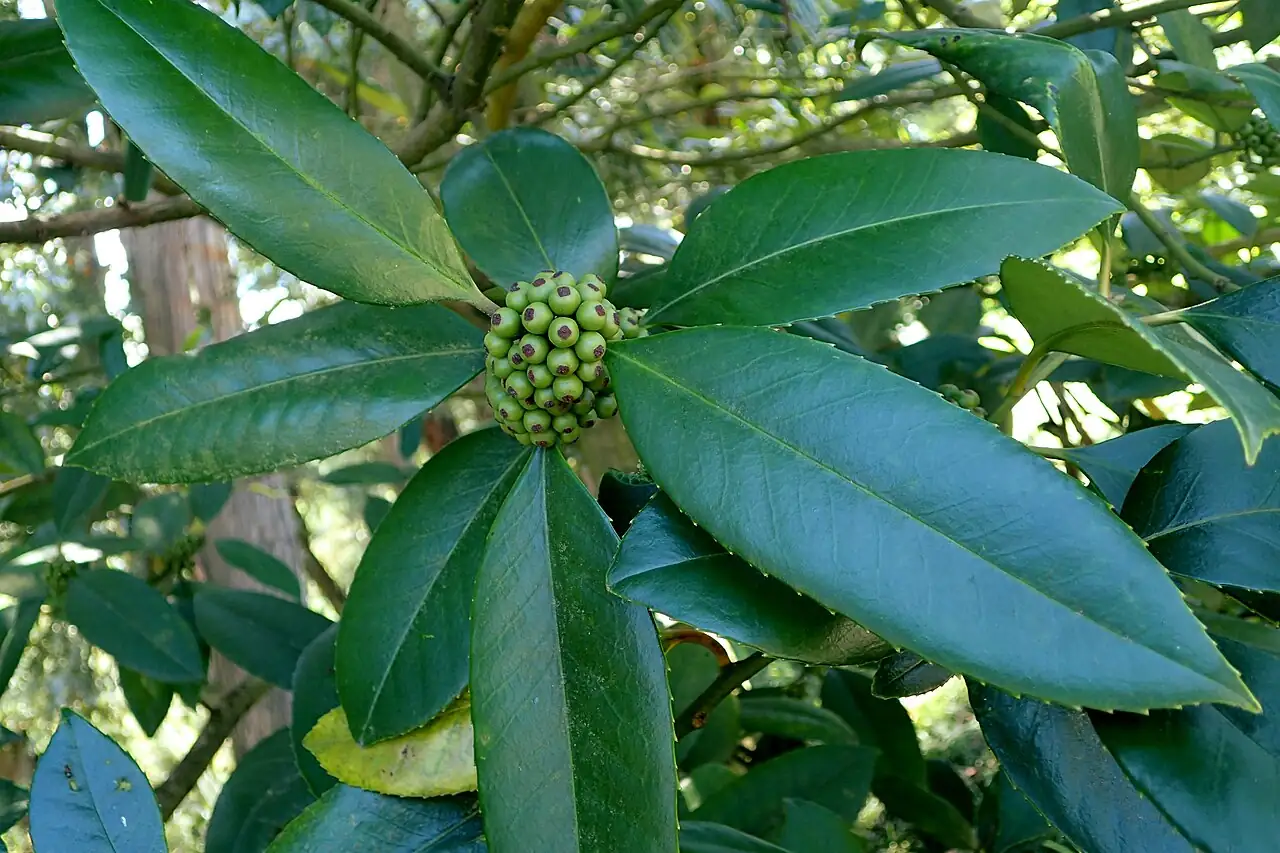
- Foliage: Leaves are thick and leathery, usually oblong to elliptic-ovate, giving the plant a bold, substantial texture and a classic “evergreen” look.
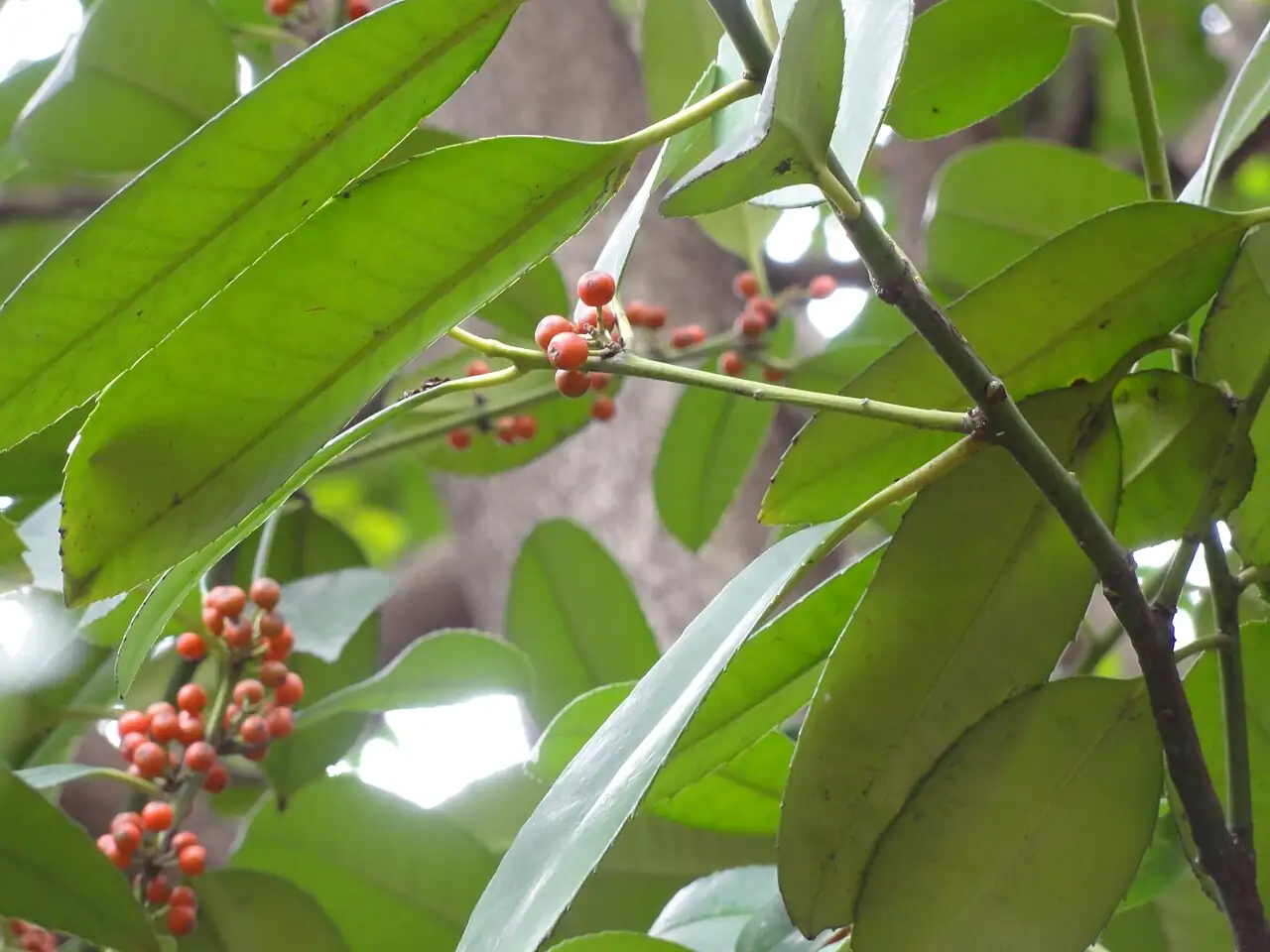
- Flower: Small, pale yellow‑green flowers appear in clusters from the leaf axils; after flowering, spherical berries develop and turn red when ripe, providing showy seasonal color.
- Flowering Season: April
- Growth Habit: Evergreen, upright tree; adaptable and relatively cold-hardy for a holly, notably shade-tolerant, and capable of resprouting strongly from shoots after pruning or damage.
Environment
Sunlight
Part shade to shade; handles lower light better than many hollies, though bright filtered light outdoors typically gives the best growth and density.
Temperature
Best growth in cool to warm temperate conditions around 10–28°C (50–82°F). Protect young plants from extreme freezes, drying winter winds, and sudden cold snaps.
Humidity
Average outdoor humidity is usually sufficient; prefers moderate humidity with good air movement, especially to reduce leaf-spot risk.
Soil
Moist but well-drained, fertile soil. Adaptable to many garden soils; slightly acidic to neutral is ideal (about pH 5.5–7.0). Avoid persistently waterlogged sites.
Placement
Outdoors: courtyard or garden specimen, woodland edge, mixed evergreen plantings, and lightly shaded hillsides. A good choice where you want an evergreen structure plant that tolerates some shade.
Hardiness
Approximately USDA Zone 7–10 (local performance can vary with provenance and microclimate).
Care Guide
Difficulty
Easy to moderate outdoors once established; adaptable, shade-tolerant, and generally resilient after pruning.
Buying Guide
Pick plants with glossy, unblemished foliage and no twig dieback. Avoid pot-bound stock with blackened roots or sour-smelling media (signs of rot). If you want berries, confirm the plant’s sex (female plants fruit) and ensure a compatible pollinator is nearby.
Watering
Water deeply right after planting and keep evenly moist through the first growing season. After establishment, water during prolonged dry spells; don’t let the root zone sit soggy. Mulch about 5–8 cm (2–3 in) to conserve moisture and buffer temperature swings.
Fertilization
Feed in spring with a balanced slow-release fertilizer for trees/shrubs; in alkaline soils, an acid-loving formulation can help. Avoid heavy feeding late in the season to prevent tender growth going into winter.
Pruning
Prune in late winter to early spring before vigorous new growth, or do light shaping just after flowering. Remove dead, crossing, or crowded branches; it tolerates shaping and can be trained into a small tree form.
Propagation
Semi-hardwood cuttings in summer are reliable. Seed is also possible, but seedlings can be variable and typically take longer to reach flowering/fruiting size.
Repotting
Not typically grown as a houseplant. If container-grown, shift up one pot size every 2–3 years in spring, refreshing the mix and prioritizing excellent drainage.
📅 Seasonal Care Calendar
Spring: plant, prune for structure, and feed lightly. Summer: watch moisture in heat/drought; check for mites/scale and keep airflow good. Autumn: enjoy berry color and top up mulch. Winter: protect young trees from wind and severe cold; avoid waterlogged soil.
Pests, Diseases & Safety
Common Pests & Diseases
Common issues include scale insects, aphids on tender new growth, spider mites during hot/dry weather, and occasional leaf spot. Encourage airflow, avoid late-day overhead watering, and use horticultural oil/soap for manageable infestations when needed.
Toxicity
The berries are not considered edible and may cause gastrointestinal upset if eaten; keep fruits away from children and pets. For any tea/herbal use (e.g., “kuding”), only consume correctly identified material prepared according to reputable guidance.
Culture & Symbolism
Symbolism: Like many evergreen hollies, it’s often linked with resilience, steadfastness, and staying green through winter.
History & Legends: Long familiar in parts of China as a landscape evergreen. Its regional use in bitter “kuding” tea has also helped keep it present in everyday plant culture.
Uses: Ornamental: a durable evergreen specimen or courtyard tree with spring flowers and autumn-to-winter red berries. Practical: wood used in fine woodworking; bark as a tannin source. Traditional: leaves (and sometimes fruits in regional practices) have been used in herbal contexts; leaves may be processed into bitter kuding tea.
Fun Facts
- Its thick, leathery leaves give it a bold texture that stands out among many evergreen trees.
- It can provide multi-season interest—spring blooms followed by red berries in autumn and often into winter.
- Historically, its bark has been used as a source of tannins.
- In some regions, its leaves are processed into the famously bitter “kuding” tea.


