Plant Features
- Size: Typically 20–35 m (66–115 ft) tall in cultivation; in ideal conditions it may reach about 40 m (131 ft), developing a broad crown with age.
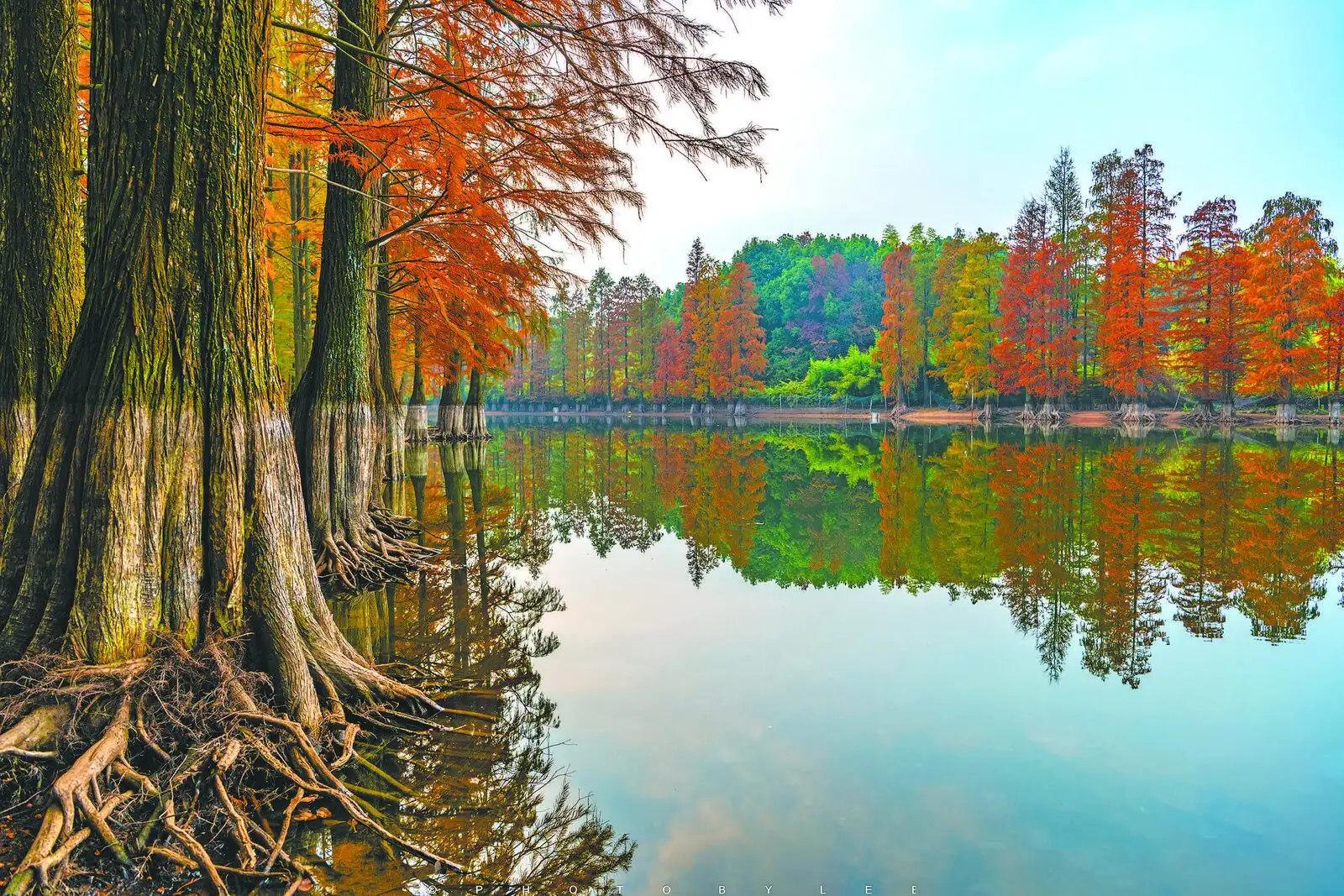
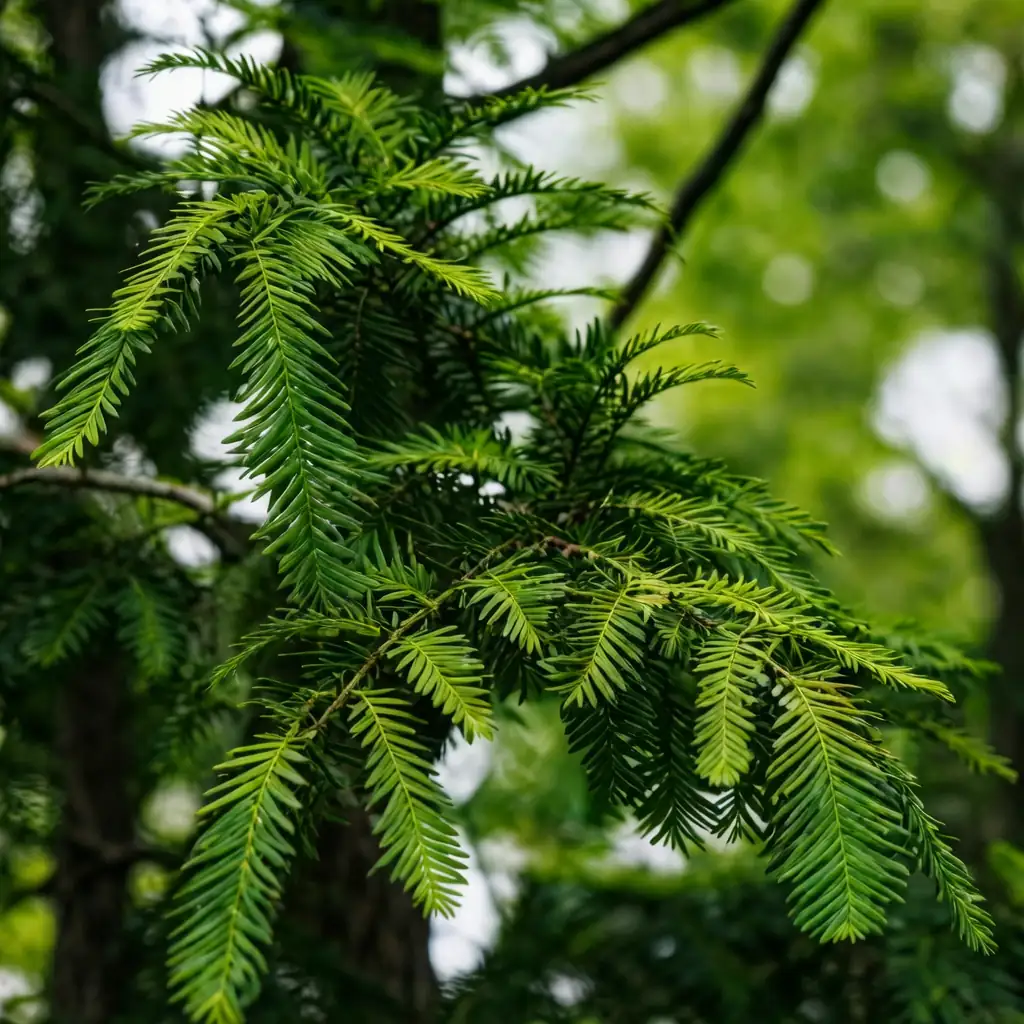
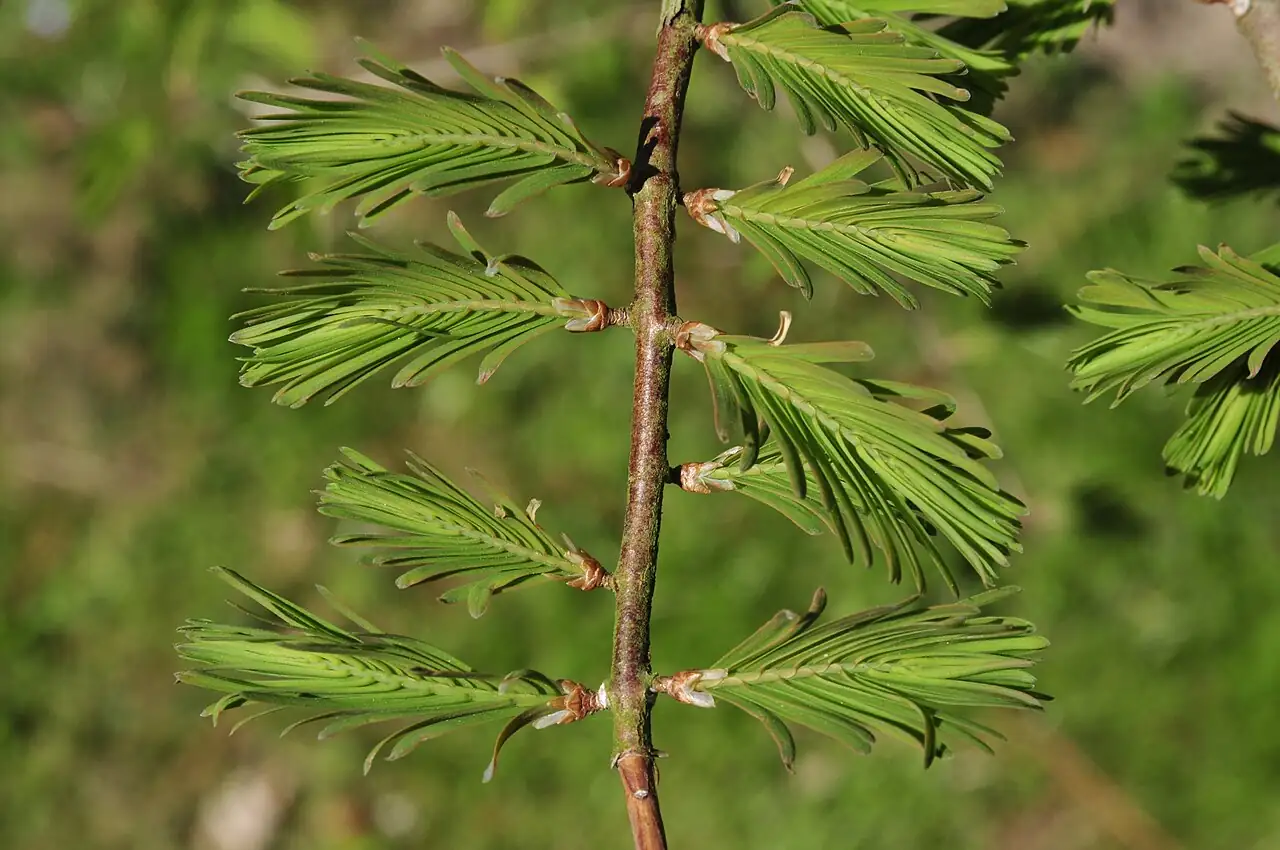
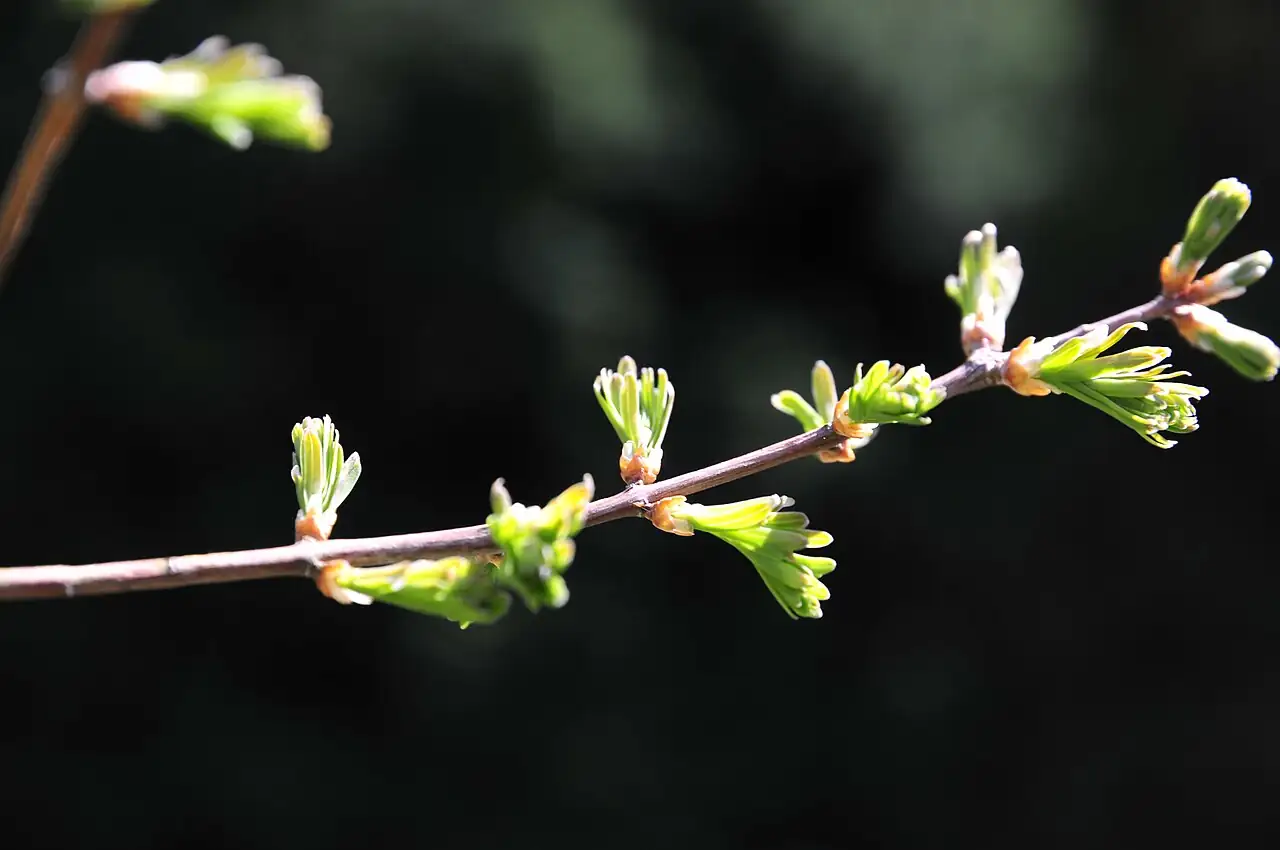
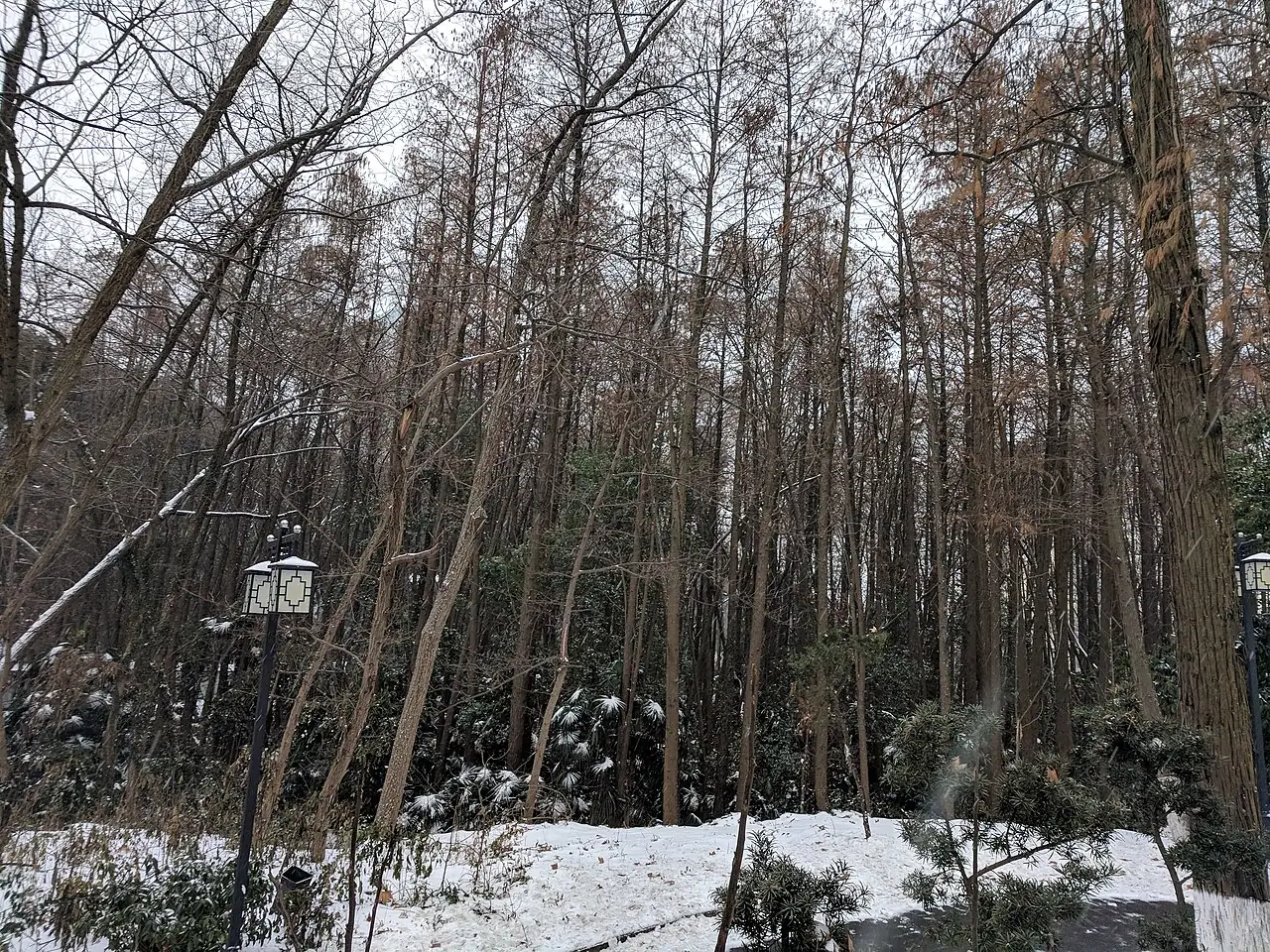
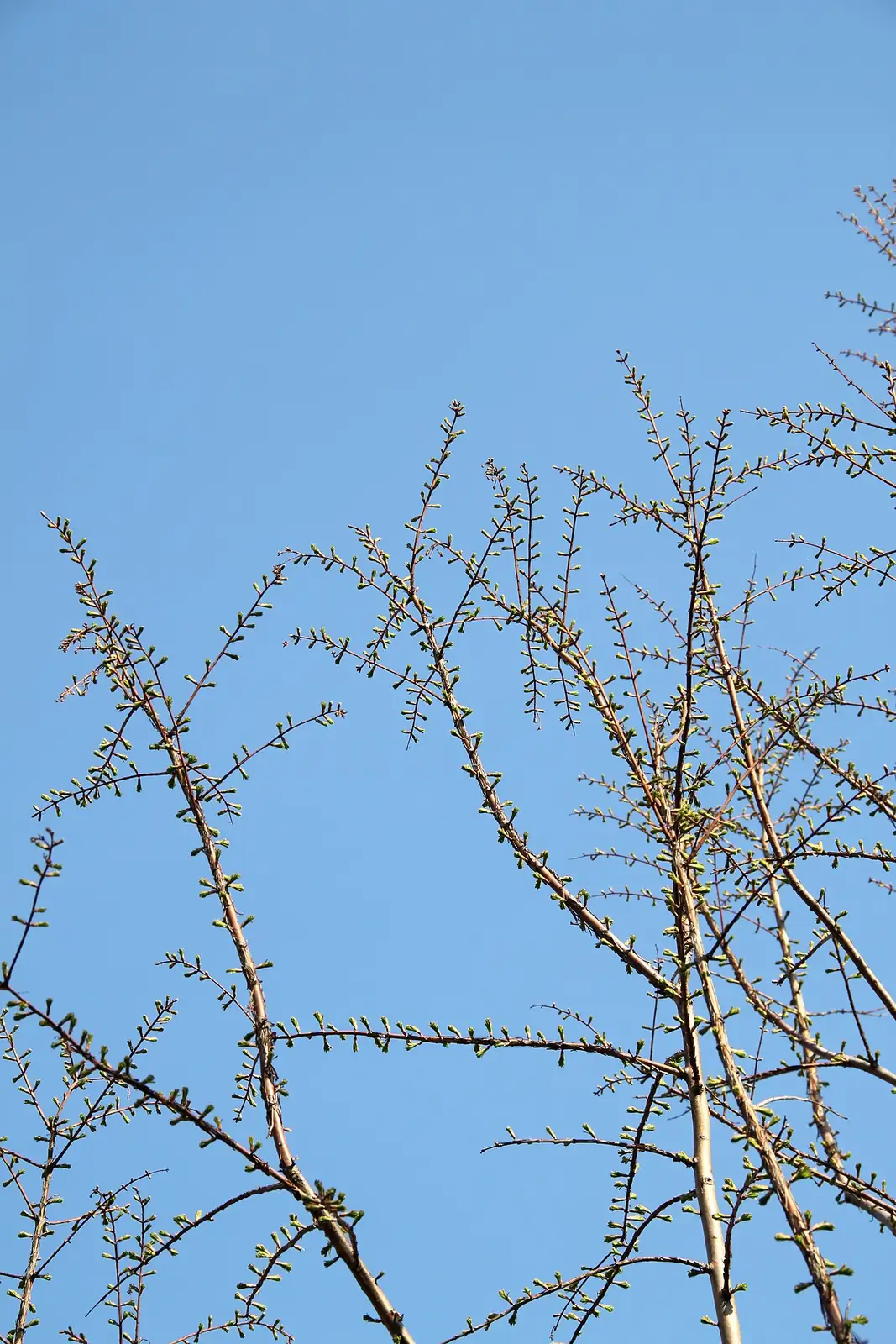
- Foliage: Soft, flat, narrow needles arranged in opposite pairs along deciduous side shoots, giving a fern-like, feathery texture. New growth is bright fresh green in spring, turns deeper green in summer, and shifts to orange-yellow and coppery red in fall before the short shoots drop together.
- Flower: A monoecious conifer (male and female cones on the same tree). Male pollen cones appear in late winter; female seed cones mature into dark brown, nearly round cones held on noticeable stalks.
- Flowering Season: Late winter to early spring (often around February; varies by climate).
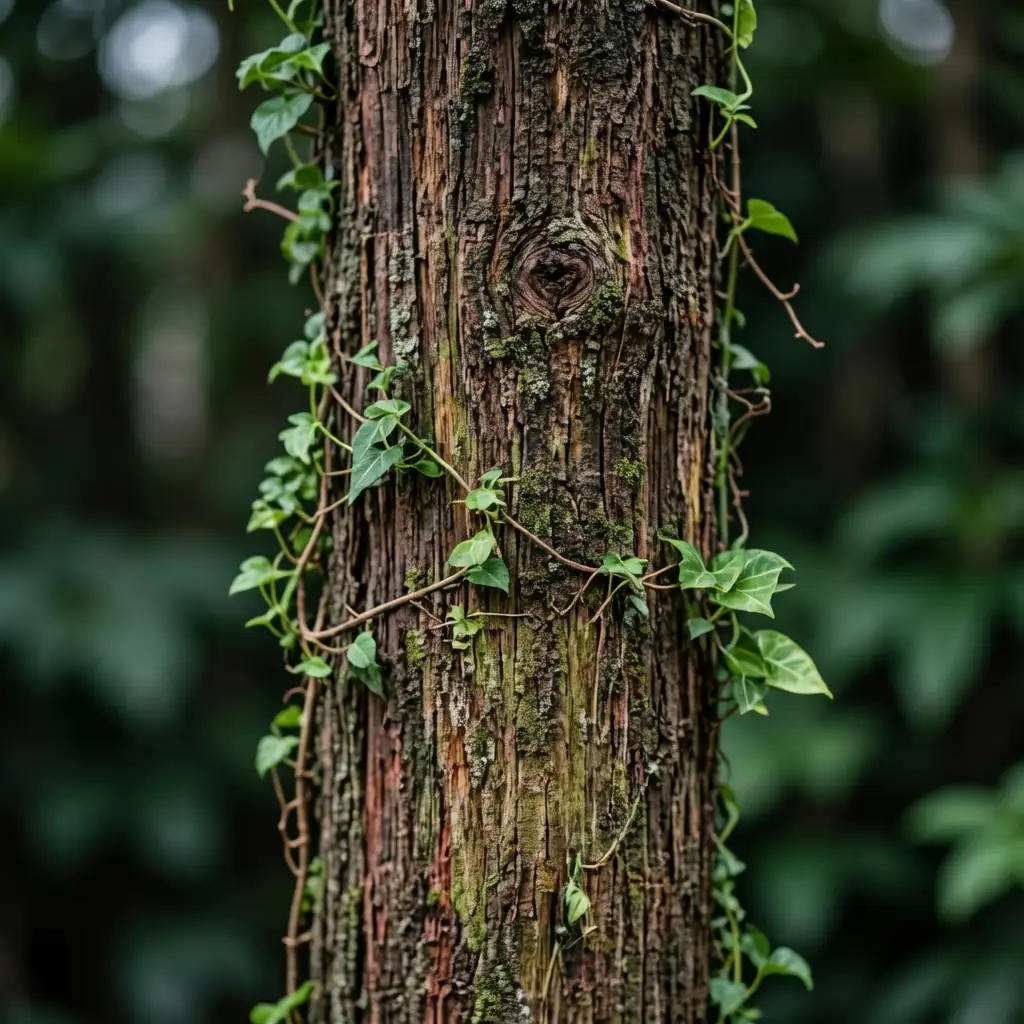
- Growth Habit: Upright, fast-growing deciduous tree. Young trees are narrowly conical; older trees broaden into a rounded crown. The trunk base may look swollen or buttressed; twigs and buds are opposite.
Environment
Sunlight
Full sun for strongest growth and best fall color; tolerates light shade once established.
Temperature
Best in cool-to-warm temperate climates. Once established, it is generally hardy to about -25 to -20°C (-13 to -4°F) and can handle summer warmth if the soil stays reliably moist.
Humidity
Likes evenly moist conditions; adapts to average outdoor humidity but dislikes prolonged drought and dry root zones.
Soil
Thrives in deep, fertile soils that are well-drained yet consistently moist. Prefers slightly acidic to neutral soil, but can tolerate some alkalinity and mild salinity when drainage is good.
Placement
A large landscape tree—best in parks, spacious gardens, avenues, groves, and waterside plantings where it can mature without crowding.
Hardiness
Commonly grown in USDA Zone 5–8. Can be sensitive to certain air pollutants (notably sulfur dioxide) in some environments.
Care Guide
Difficulty
Easy in the ground in suitable climates, as long as it has space and steady moisture. Not a typical indoor plant.
Buying Guide
Pick a young tree with a straight central leader, evenly spaced branches, and uninjured bark. Avoid pot-bound specimens; the root ball should be evenly moist (not soggy). In spring, look for healthy, vigorous new shoots.
Watering
Water deeply and regularly for the first 1–2 years after planting. Keep the soil evenly moist—especially during heat or drought—and avoid letting the root zone dry out completely.
Fertilization
Often needs little feeding in good soil. If growth is weak, apply a balanced slow-release fertilizer in spring at label rates; avoid heavy nitrogen late in the season.
Pruning
Prune in late winter while dormant to remove dead, damaged, or crossing branches. Maintain a single leader if you want a strong upright form; avoid hard, drastic pruning.
Propagation
Propagated by seed, or by softwood/semi-hardwood cuttings taken during the growing season (typically under mist with rooting hormone).
Repotting
Not relevant once planted out. If kept in a container while young, pot up in spring to prevent root binding, then plant into the landscape when size and site allow.
📅 Seasonal Care Calendar
Spring: plant, mulch, and watch moisture closely. Summer: water generously during hot/dry spells. Autumn: enjoy the color; keep watering until leaf drop if conditions are dry. Winter: do light dormant pruning and protect newly planted trees from drying winds.
Pests, Diseases & Safety
Common Pests & Diseases
Usually trouble-free. Stress from drought, compacted soil, or poor drainage can cause decline; depending on region, watch for occasional cankers, root problems, or sap-sucking insects.
Toxicity
Not known to be toxic to people or pets in normal garden settings; as with most plants, discourage chewing or eating large amounts.
Culture & Symbolism
Symbolism: A symbol of resilience, longevity, and survival across time—fitting for a species famous for outlasting ancient eras.
History & Legends: Celebrated worldwide as a “living fossil”: it was first recognized from fossils, then dramatically rediscovered alive in China in the 20th century, becoming one of the most famous relict trees in modern botany.
Uses: Primarily grown as an ornamental for its rapid growth, elegant shape, soft foliage texture, and brilliant autumn color. Popular for specimen planting, avenues, groves, and scenic/waterside landscapes; generally adaptable and low-maintenance when moisture needs are met.
FAQ
Is dawn redwood an evergreen?
No—it’s a deciduous conifer. It keeps a conifer look through summer, then its soft needle-like foliage and short side shoots turn color and drop in autumn.
Can I plant dawn redwood in a small yard?
It’s usually not ideal for small spaces. Mature trees commonly reach 20–35 m (66–115 ft) tall and develop a broad crown, so it’s best where it has plenty of room—like parks, large gardens, or along wide streets.
What’s the biggest mistake people make with dawn redwood?
Letting it dry out. It tolerates many soils, but prolonged drought (especially while young) can stress the tree and lead to poor growth or health issues.
Fun Facts
- It’s a deciduous conifer—rare among conifers—and drops its feathery side shoots each autumn.
- Its foliage puts on a seasonal show: bright green in spring, deeper green in summer, then orange-yellow to coppery red in fall.
- The seed cones are dark brown, nearly round, and often sit on noticeable stalks.
- It became famous worldwide after being known from fossils and then rediscovered alive in China in the 20th century.