

Plant Features
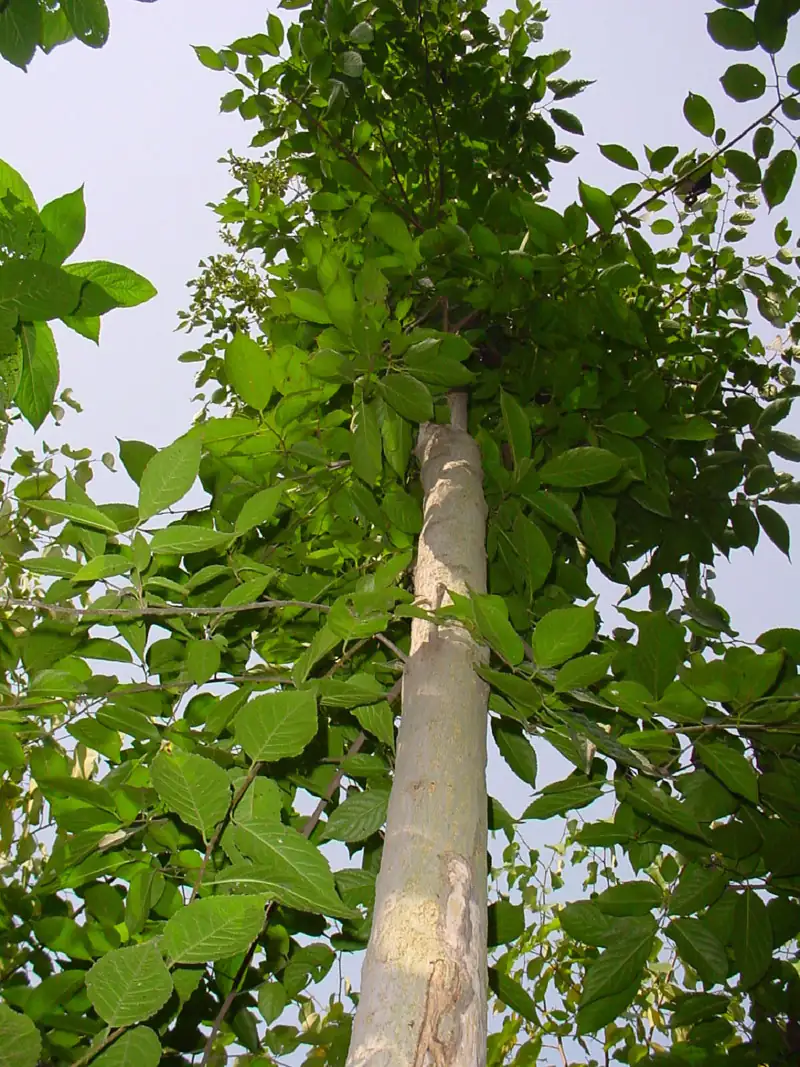
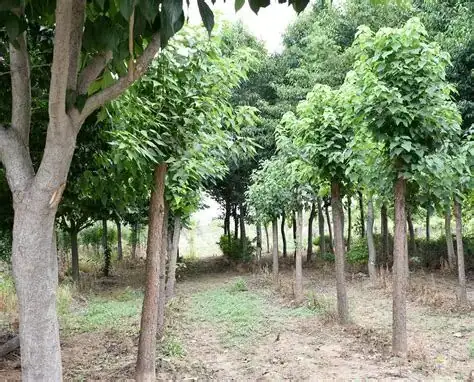
- Size: Up to 20 m (66 ft) tall, developing a broad, rounded crown with age.
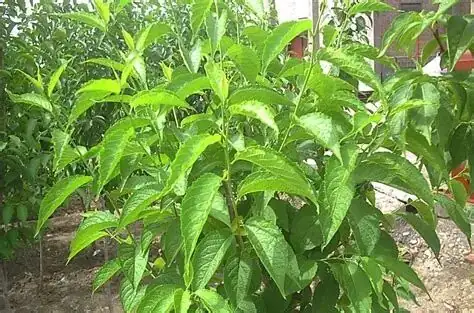
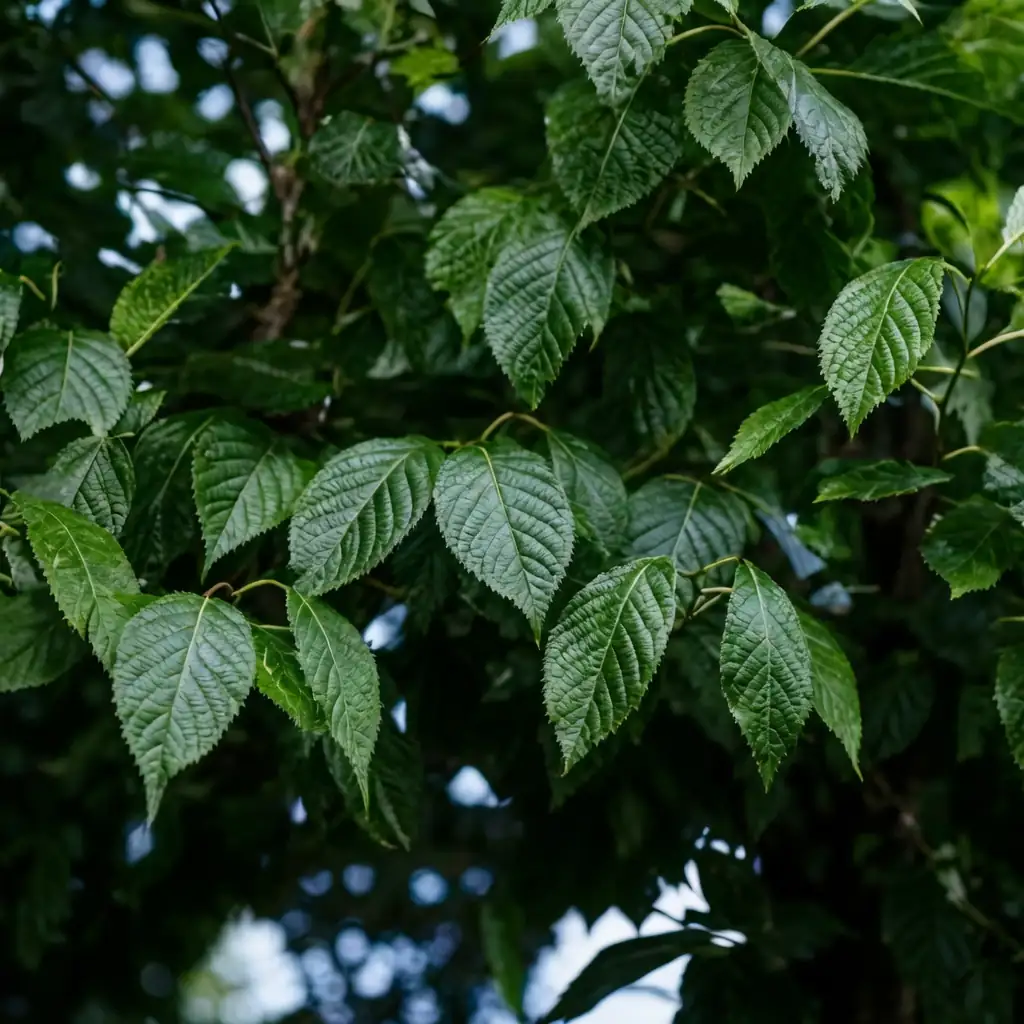
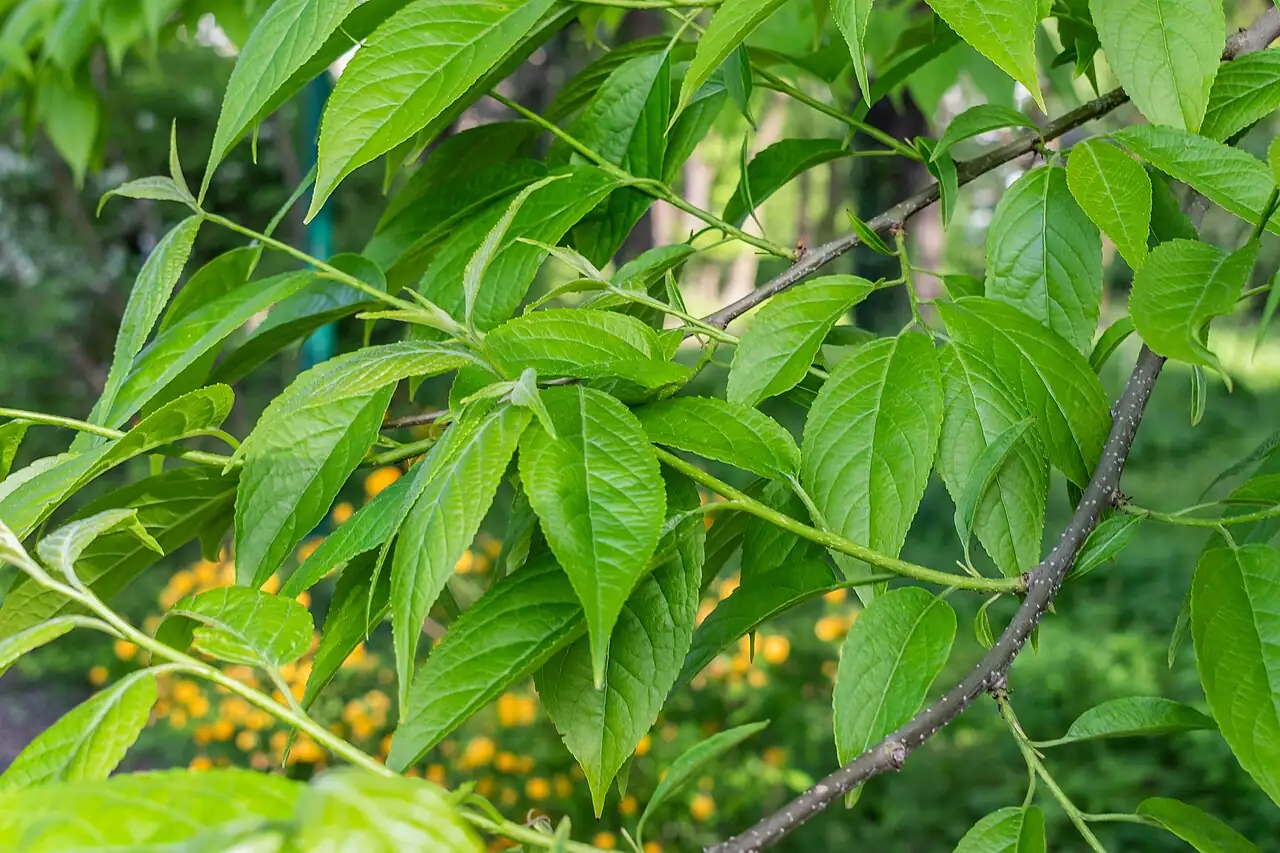
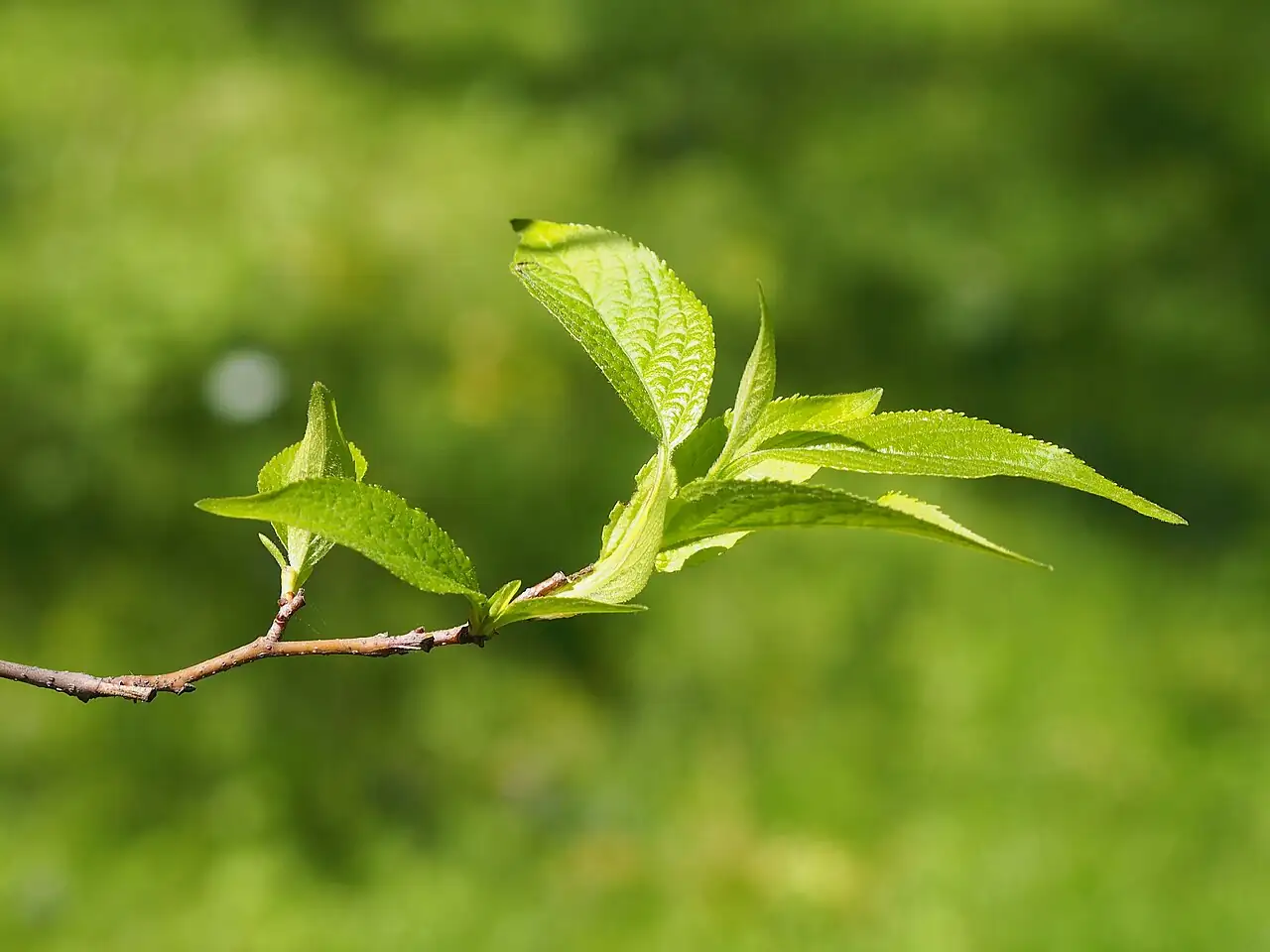
- Foliage: Leaves are alternate and simple with pinnate venation—typically elliptic with a pointed tip and finely serrated edges. A signature feature is the presence of thin, elastic latex threads that may stretch between the torn leaf surfaces. Young twigs may show small scale-like features.
- Flower: Small, inconspicuous flowers that open in early spring, often before the leaves fully expand or as early leaves emerge; not grown for floral show.
- Flowering Season: April (spring).
- Growth Habit: A deciduous, upright tree that matures into a rounded to oval-crowned canopy; produces flat, winged fruits (samaras) that ripen in autumn.
Environment
Sunlight
Full sun to light shade; strongest growth and form usually come from full sun.
Temperature
Enjoys warm, humid growing seasons but is notably cold hardy once established, tolerating about -20 to -25°C (-4 to -13°F).
Humidity
Prefers moderate to high humidity, yet adapts well after establishment.
Soil
Adaptable, but happiest in deep, fertile, moist (not soggy) and well-drained loam. Avoid waterlogged sites to prevent stress and decline.
Placement
Best as an outdoor landscape tree—parks, large gardens, greenbelts, woodland edges, or naturalistic plantings on slopes and in valleys with good drainage.
Hardiness
Cold hardy; roughly USDA Zone 5–8 (approx.).
Care Guide
Difficulty
Easy to moderate: resilient and adaptable once established; best performance comes with sun and evenly moist, well-drained soil.
Buying Guide
Pick a vigorous young tree with a straight central leader, evenly spaced branches, and no signs of cankers, dieback, or stress. Avoid severely pot-bound stock; look for a firm root ball and evidence the container drains well.
Watering
Water regularly for the first 1–2 growing seasons to build a deep root system. After that, water mainly during extended dry periods—deep soakings are better than frequent light sprinkles.
Fertilization
Often unnecessary in reasonably fertile soil. If growth is weak, use a balanced slow-release fertilizer in spring; avoid overdoing nitrogen, which can cause overly soft, weak growth.
Pruning
Prune in late winter to early spring while dormant. Remove dead, damaged, or crossing branches and aim for a strong, well-spaced structure. Usually needs only light, occasional pruning.
Propagation
Usually grown from seed (cold stratification improves germination) or from semi-hardwood cuttings in summer. Selected forms may be grafted to keep traits consistent.
Repotting
Not applicable for trees planted in the ground. If kept container-grown temporarily, step up to a larger pot in spring and plant out before roots become crowded.
📅 Seasonal Care Calendar
Flowers in April (spring). Fruits (winged samaras) ripen around October (autumn).
Pests, Diseases & Safety
Common Pests & Diseases
Generally quite trouble-free. Occasionally affected by aphids, scale insects, or leaf spots, especially in humid conditions. Promote airflow, avoid frequent overhead watering, and remove heavily affected foliage when practical.
Toxicity
No well-established toxicity issues for typical garden handling. As a general precaution, discourage people and pets from chewing or ingesting plant parts in quantity.
Culture & Symbolism
History & Legends: Zhangjiajie is often highlighted as a key region associated with wild Eucommia resources. Outside China, the tree has been planted in botanical gardens across Europe and North America and gained the nickname “Chinese rubber tree” because its leaves contain elastic threads—though it is not related to the commercial rubber tree (Hevea brasiliensis).
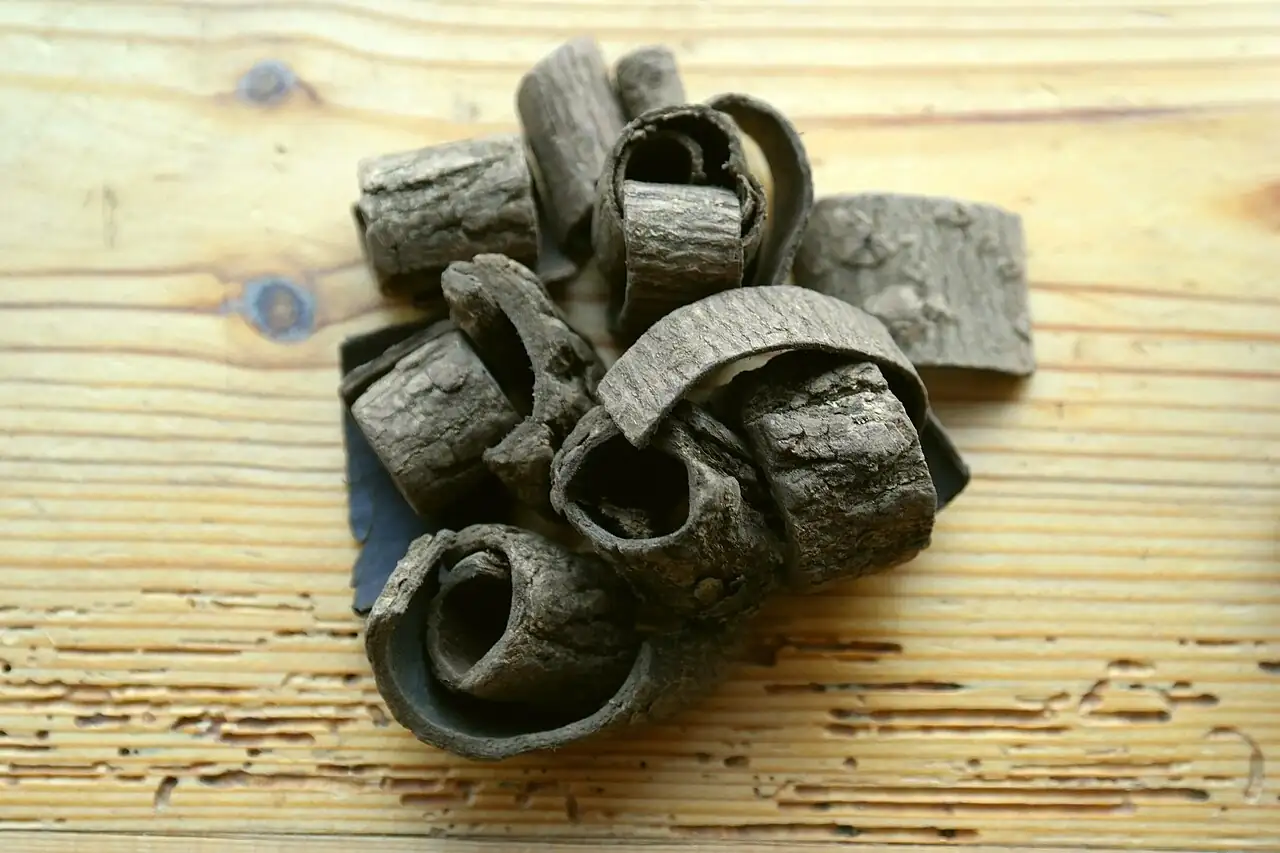
Uses: Primarily used as a hardy ornamental landscape tree. Its bark is also a well-known traditional herbal material, commonly referred to as eucommia bark (杜仲).
FAQ
Why is it called “rubber tree” if it isn’t the real rubber tree?
When a fresh leaf is torn, it can reveal fine, stretchy latex threads, which inspired the nickname “Chinese rubber tree.” Botanically, however, it is not related to Hevea brasiliensis, the main source of commercial rubber.
Is it a good choice for colder climates?
Yes. Once established, Eucommia ulmoides is notably cold hardy—often cited as tolerating roughly -20 to -25°C (-4 to -13°F)—making it a solid option in many temperate regions.
Do I need to prune it regularly?
Not much. Occasional structural pruning in late winter to early spring—mainly removing dead, damaged, or crossing branches—is usually enough.
Fun Facts
- Tear a fresh leaf gently and you may see fine, stretchy latex threads—one of the easiest ID clues.
- It’s often nicknamed the “Chinese rubber tree,” but it isn’t related to the true rubber tree (Hevea brasiliensis).
- It’s valued both as a hardy ornamental and for its historically important bark use in traditional herbal practices.


