Plant Features
- Size: Typically 3–5 m (10–16 ft) tall.
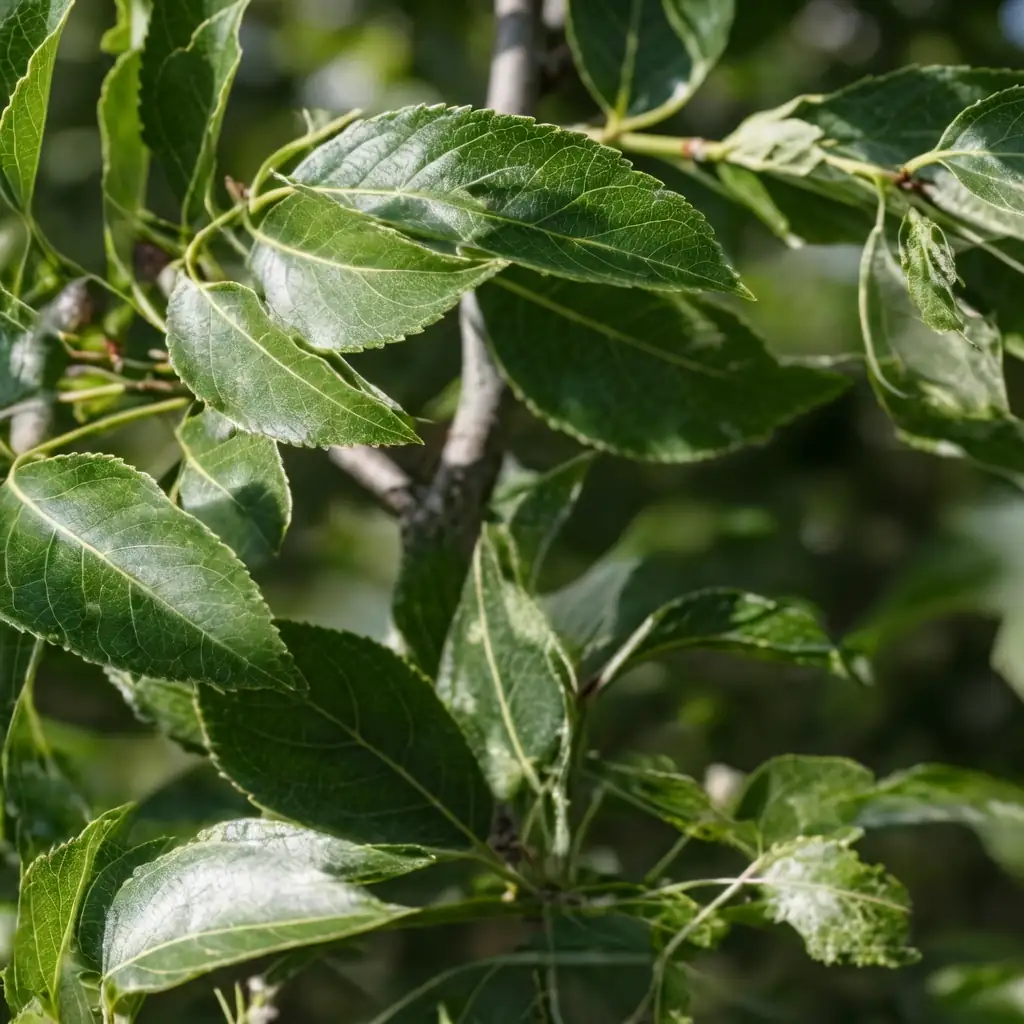
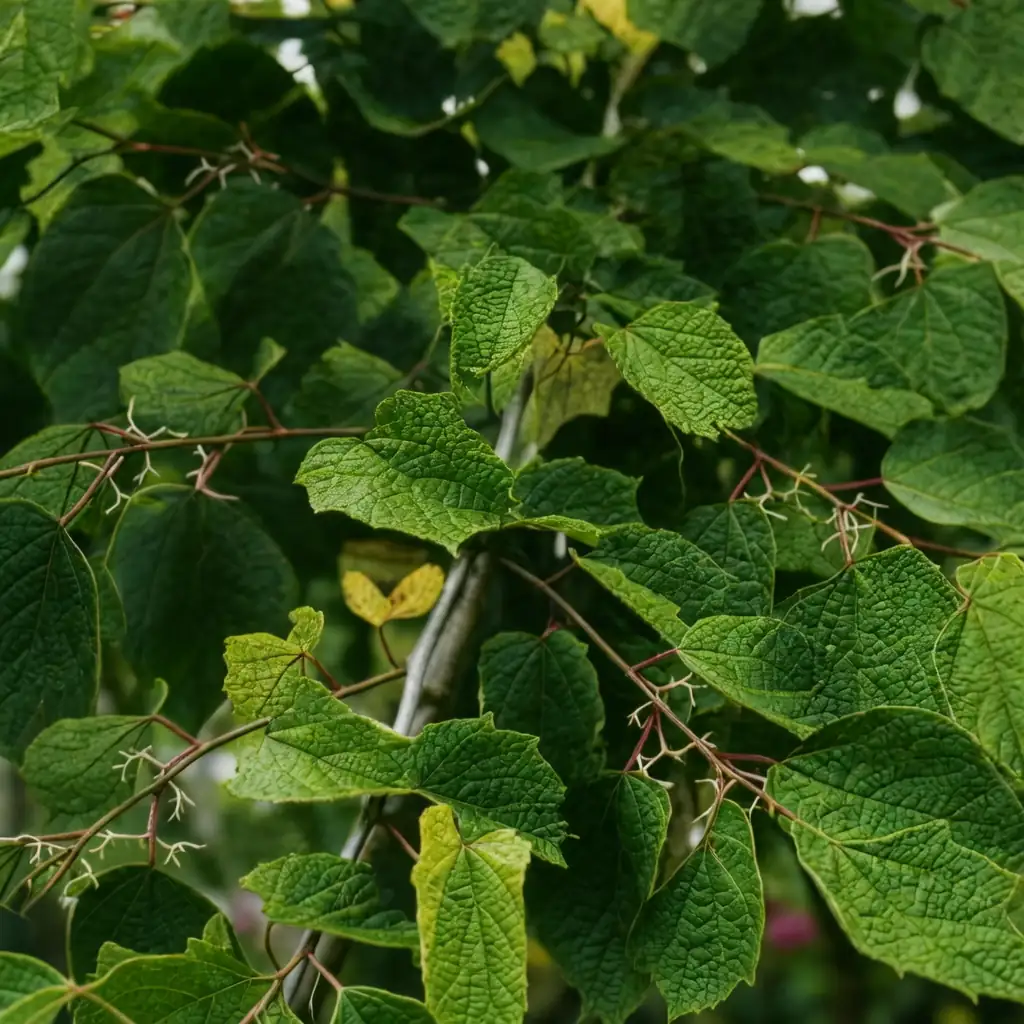
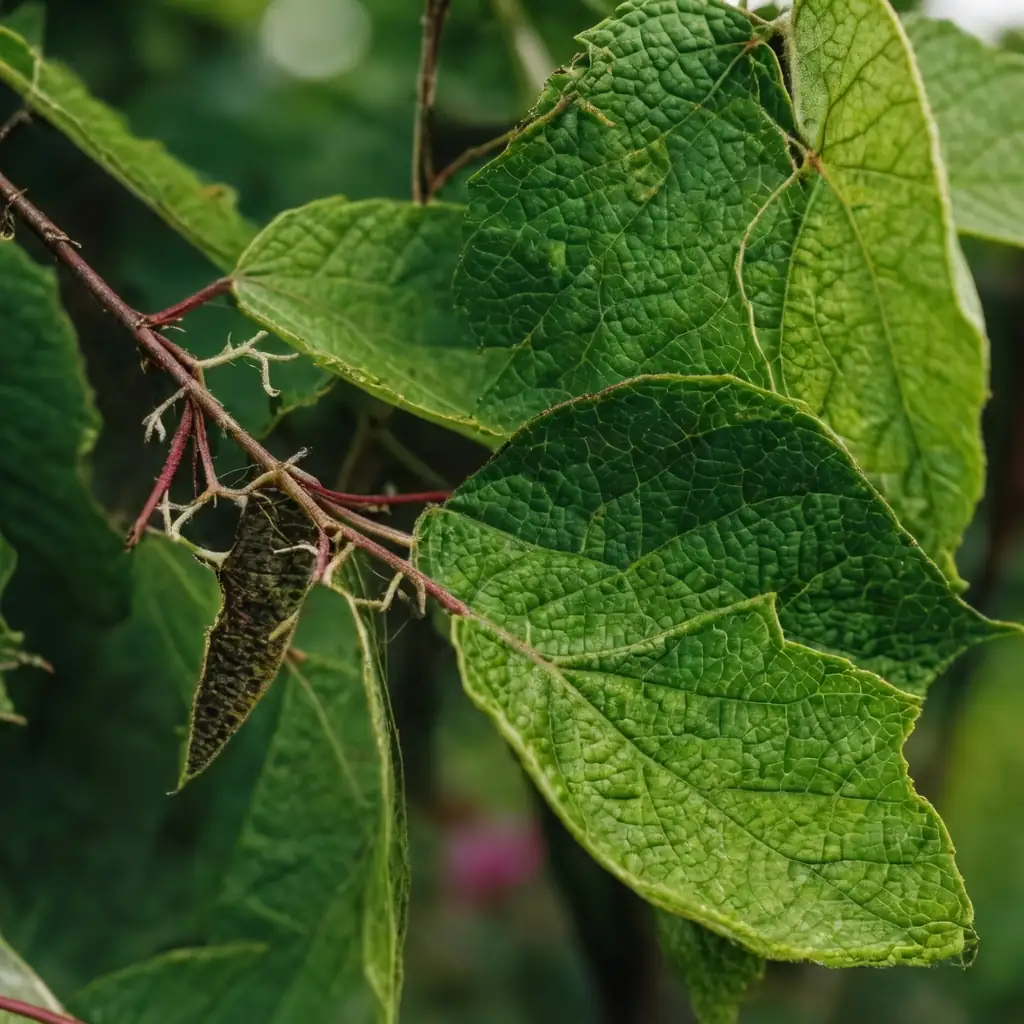
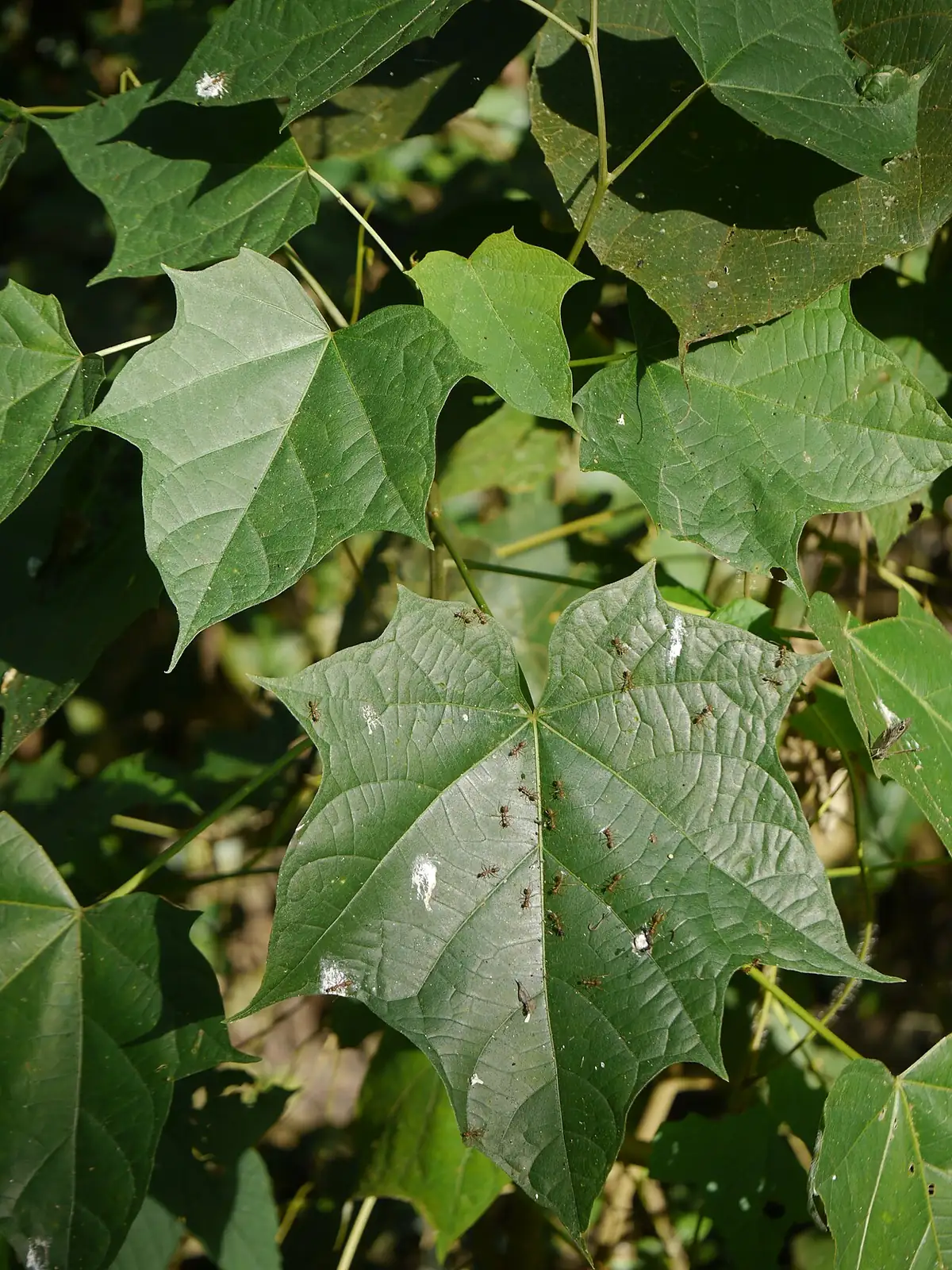
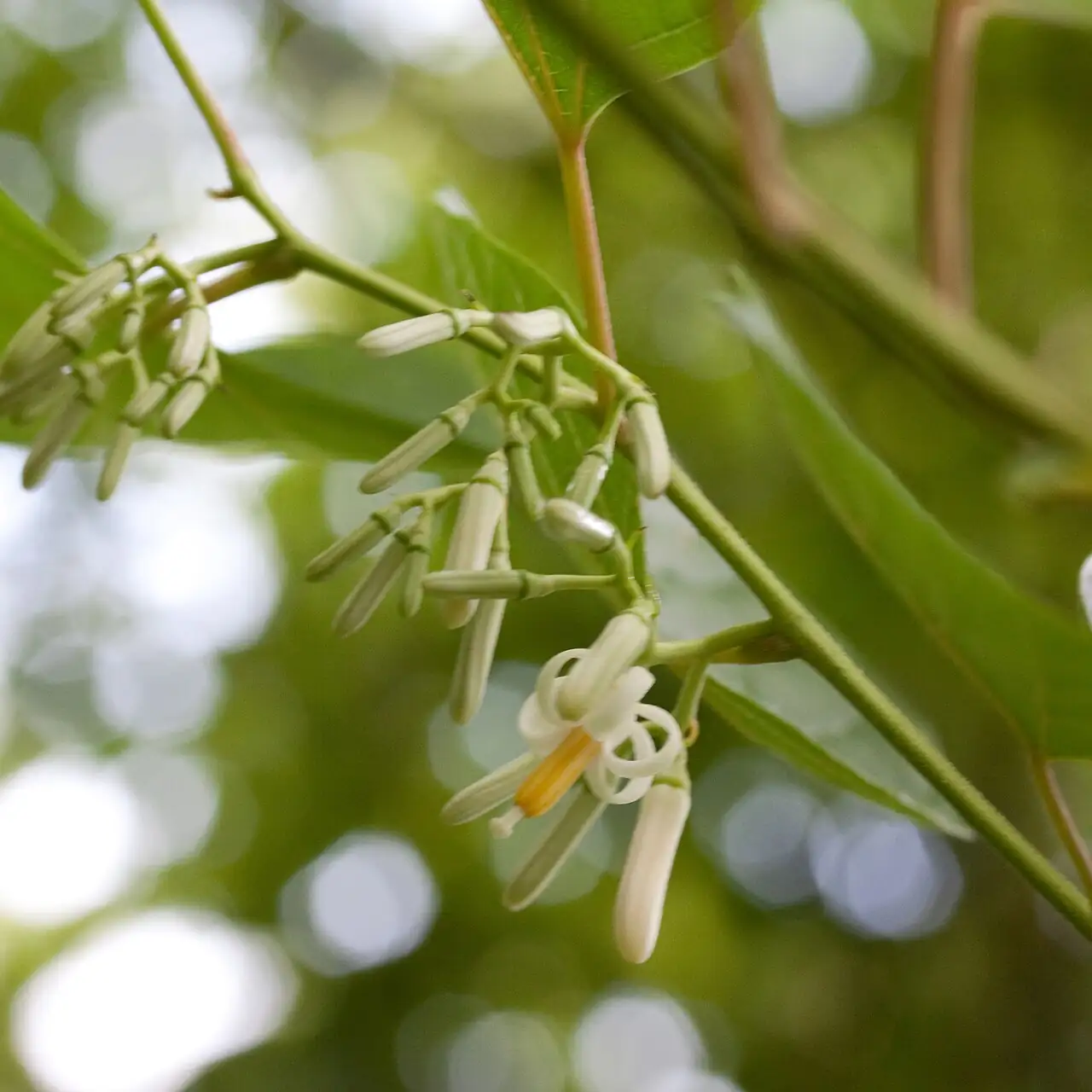
- Foliage: Leaves are papery, nearly round to elliptic or ovate, with a short-pointed to blunt tip. The base is often slightly asymmetrical—one side may extend downward a bit more than the other. Young twigs can look subtly zig-zagged and are often purplish-green when new.
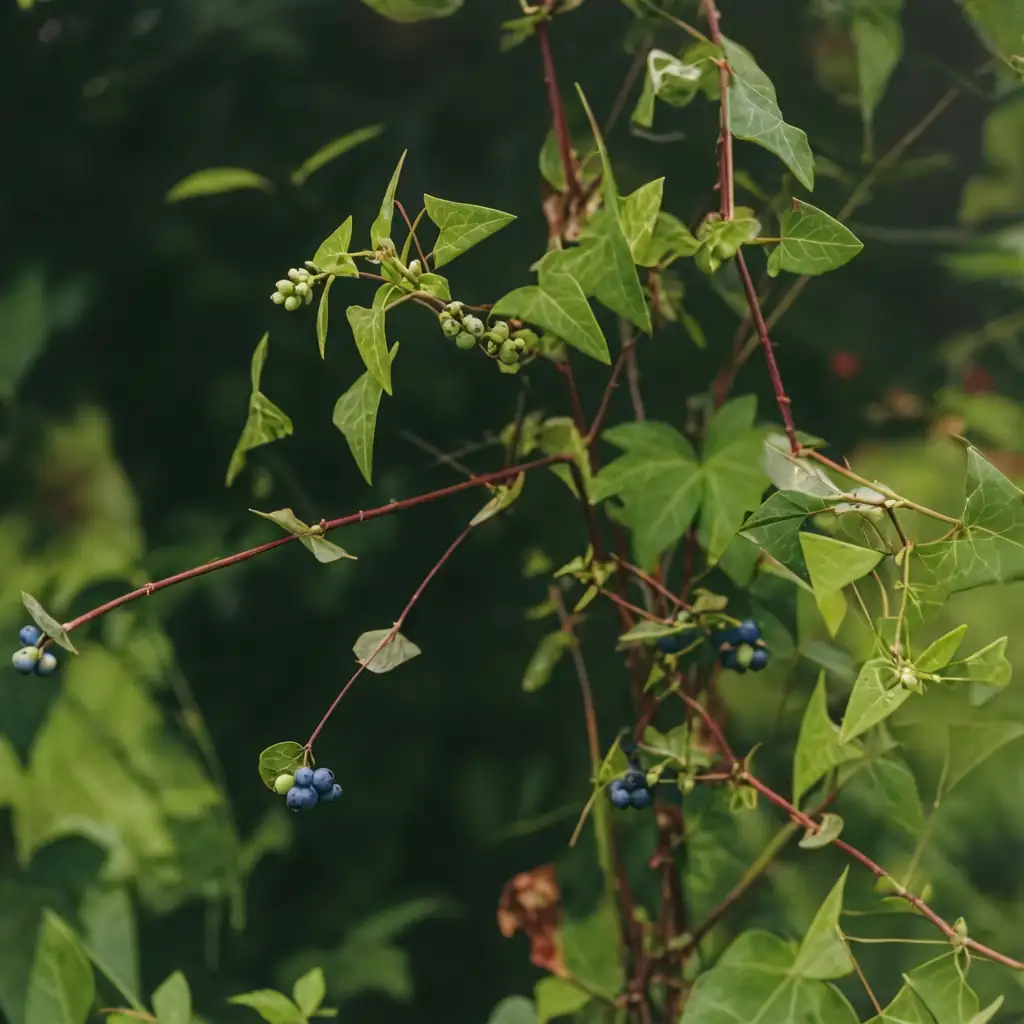
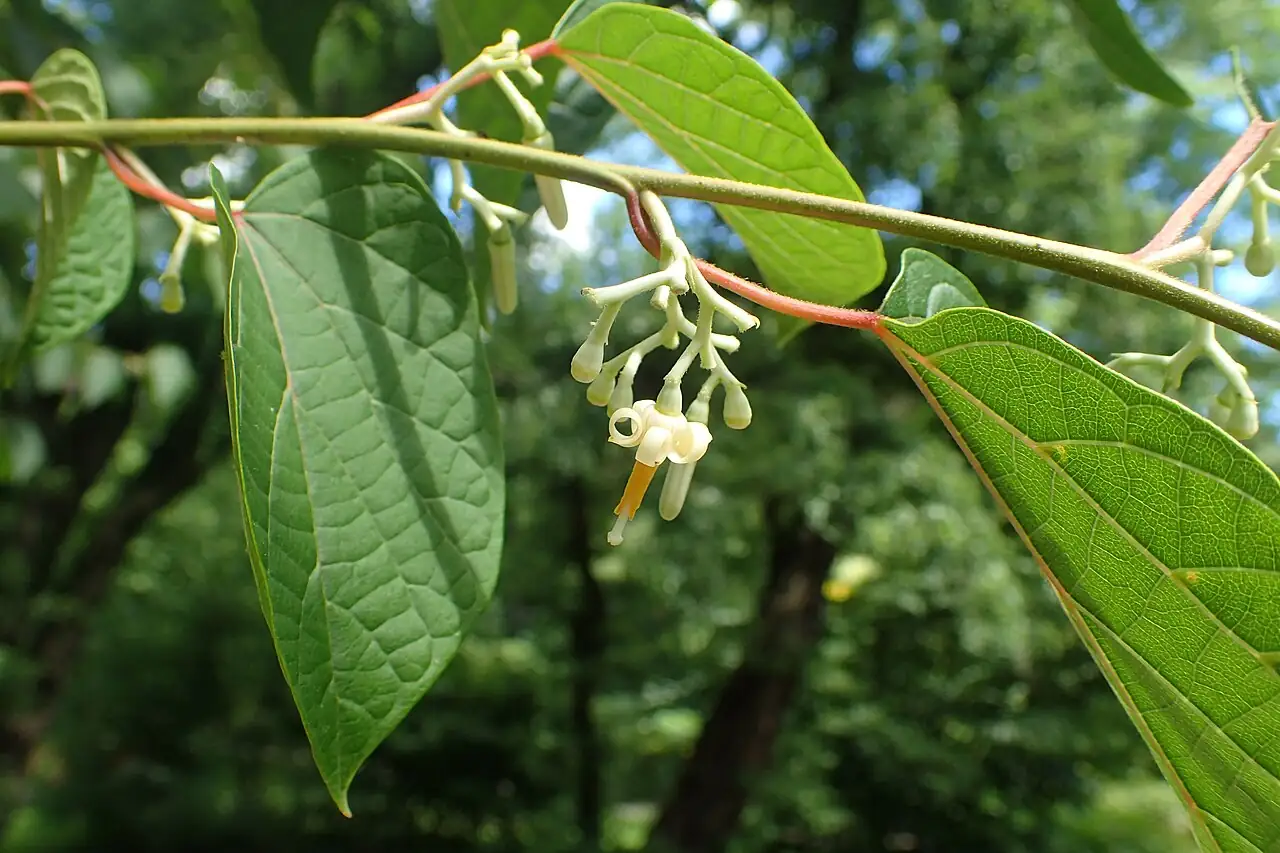
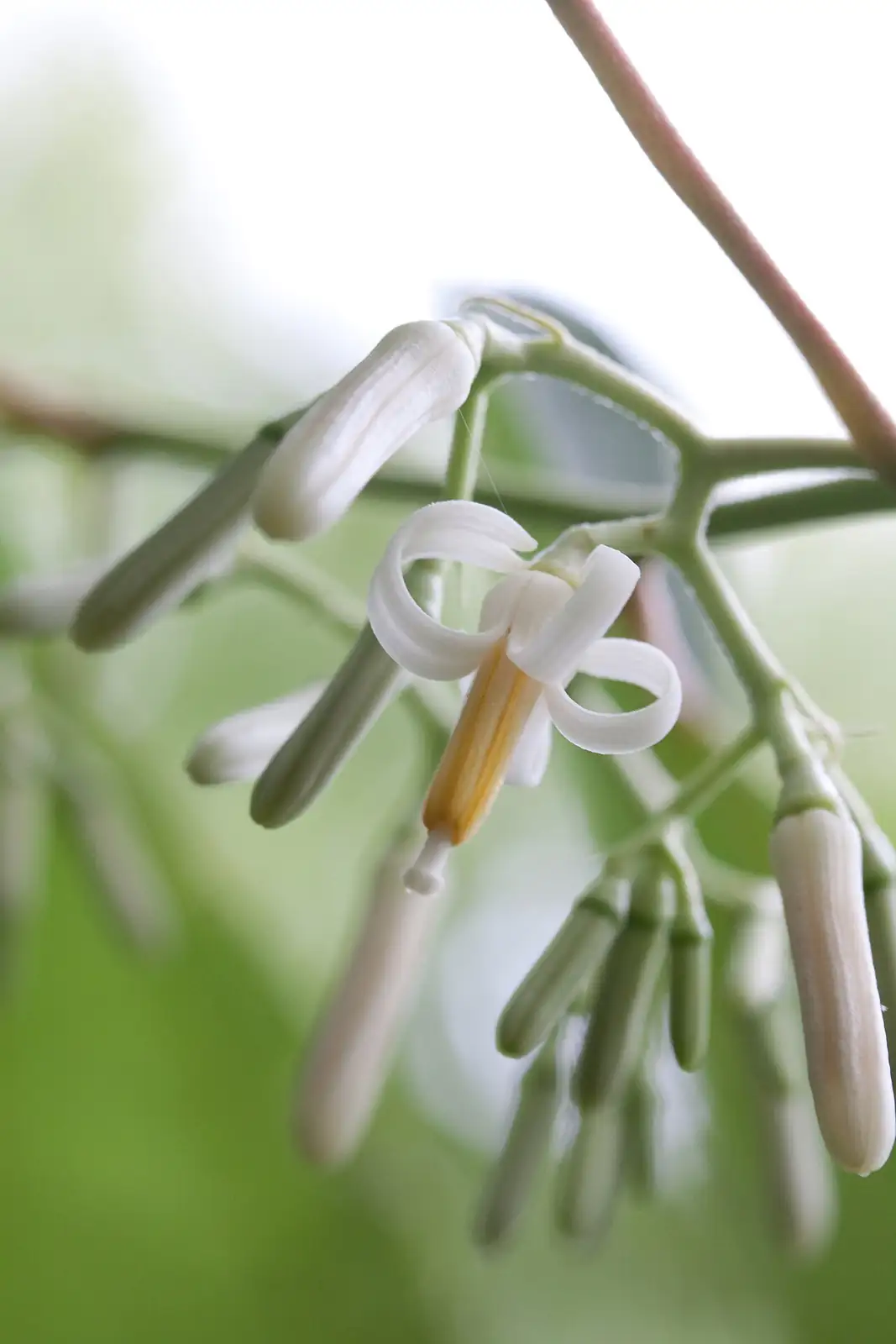
- Flower: Flowers are borne in axillary cymes and typically have 6–8 very narrow, strap-like petals. They open white and slowly age to yellow. The fruit is an oval drupe (stone fruit) containing a single seed.
- Flowering Season: May–July and September–October.
- Growth Habit: Upright woody small tree/large shrub. Prefers sun but tolerates light shade. Vigorous and adaptable, with strong resprouting ability and excellent tolerance of pruning.
Environment
Sunlight
Full sun to light shade.
Temperature
Best growth around 10–30°C (50–86°F). Once established it tolerates cool conditions; protect young plants from hard freezes.
Humidity
Prefers evenly moist conditions; does well in moderate to higher humidity.
Soil
Adaptable, but happiest in fertile, loose, well-aerated soil that stays moist yet drains well.
Placement
Outdoors in gardens, parks, and restoration plantings—especially slopes/embankments for water retention and erosion control; also suitable as a general landscape tree/shrub.
Hardiness
Approximate USDA Zone 7–10; tolerates some frost once established, but severity depends on provenance and site conditions.
Care Guide
Difficulty
Easy to moderate outdoors: adaptable, fast to recover from pruning/cutting, and generally vigorous. The main key is consistent moisture during establishment.
Buying Guide
Pick plants with healthy, unscarred bark and a firm, well-rooted rootball. Avoid blackened roots, persistent wilting, or tip dieback. For slope projects, choose sturdy, well-branched young plants that can establish quickly.
Watering
Water regularly during establishment so the soil stays evenly moist but not waterlogged. After it’s established, water during prolonged dry spells—don’t let the root zone bake completely dry, especially in hot weather.
Fertilization
In spring, top-dress with compost or use a balanced slow-release fertilizer. If soil is poor, a second light feeding in early summer can help; avoid heavy nitrogen late in the season.
Pruning
Very pruning-tolerant. Do main shaping in late winter to early spring while dormant, or do light trims after flowering. Remove crossing, damaged, or weak shoots; renewal pruning works well because it resprouts strongly.
Propagation
Commonly propagated by seed (clean the drupe before sowing). It can also be grown from cuttings, though success depends on timing and conditions. Mature plants also tend to regenerate readily from shoots.
Repotting
Primarily an outdoor woody plant, not typically a long-term container subject. If container-grown, repot every 2–3 years (or when root-bound) into a larger pot with a moisture-retentive but free-draining mix.
📅 Seasonal Care Calendar
Flowering: May–July and September–October. Fruiting: July–November. Keep evenly moist during active growth; mulch in spring to conserve moisture and improve soil; prune mainly in late winter/early spring.
Pests, Diseases & Safety
Common Pests & Diseases
No specific issues were noted in the source. As with many woody shrubs/trees, watch for aphids or scale, and for fungal leaf spots in humid, still air. Improve airflow and avoid frequent overhead watering if problems appear.
Toxicity
Not clearly established from the provided source. Treat as toxicity-unknown: discourage chewing by pets/children and seek local guidance if ingestion occurs.
Culture & Symbolism
Uses: Widely used for slope afforestation and ecological restoration. Its strong roots help retain water and reduce soil erosion; it is also planted as an ornamental greening tree/shrub in landscapes.
FAQ
When does it flower?
Typically May–July and again September–October.
When does it fruit?
Usually July–November.
How tall does it grow?
About 3–5 m (10–16 ft) in typical conditions.
Where does it grow naturally?
Southern China, with a wider range across East and Southeast Asia; commonly in mountain areas and open or sparse woodland.
What soil does it prefer?
It’s adaptable, but grows best in fertile, loose, moist soil with good aeration and drainage.
What is it mainly used for?
Slope planting and reforestation for water conservation and erosion control, plus general ornamental landscaping.
Fun Facts
- Twigs can look subtly zig-zagged, and new growth may show a purplish-green tint.
- The narrow, strap-like petals open white and age to yellow.
- The fruit is an oval drupe (stone fruit) with just one seed.
- It resprouts strongly and tolerates pruning well—perfect for restoration plantings and managed landscapes.