

Plant Features
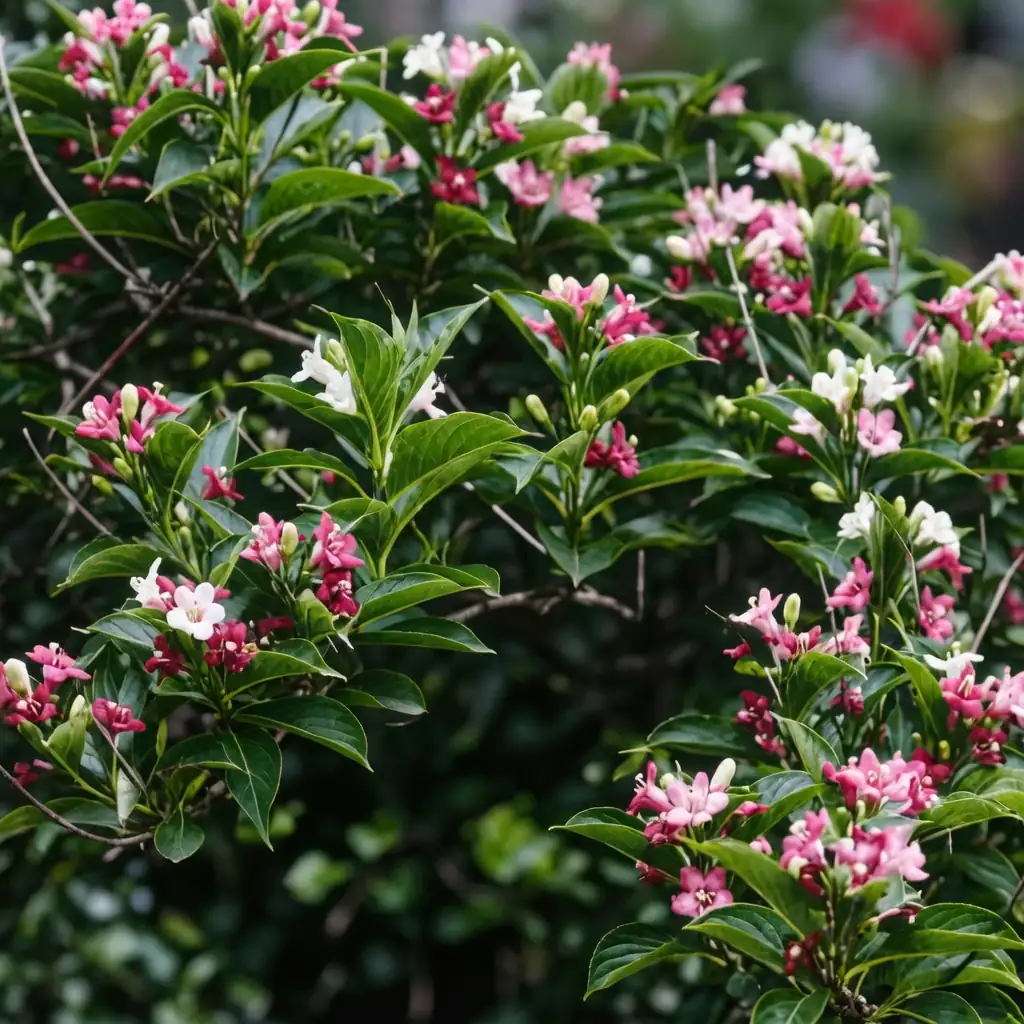
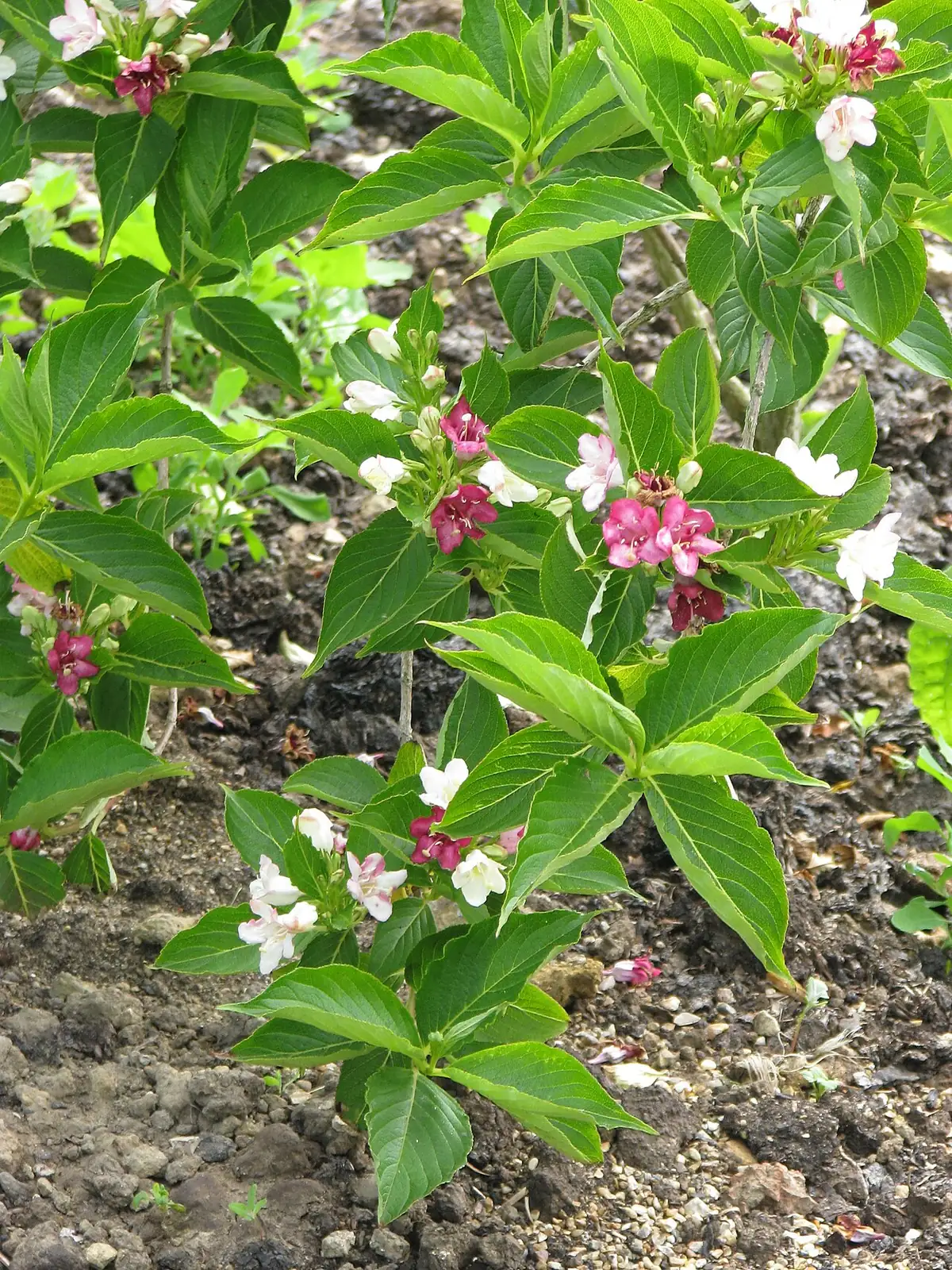
- Size: Typically up to about 5 m (16 ft) tall in favorable conditions; forms a broad, bushy shrub.
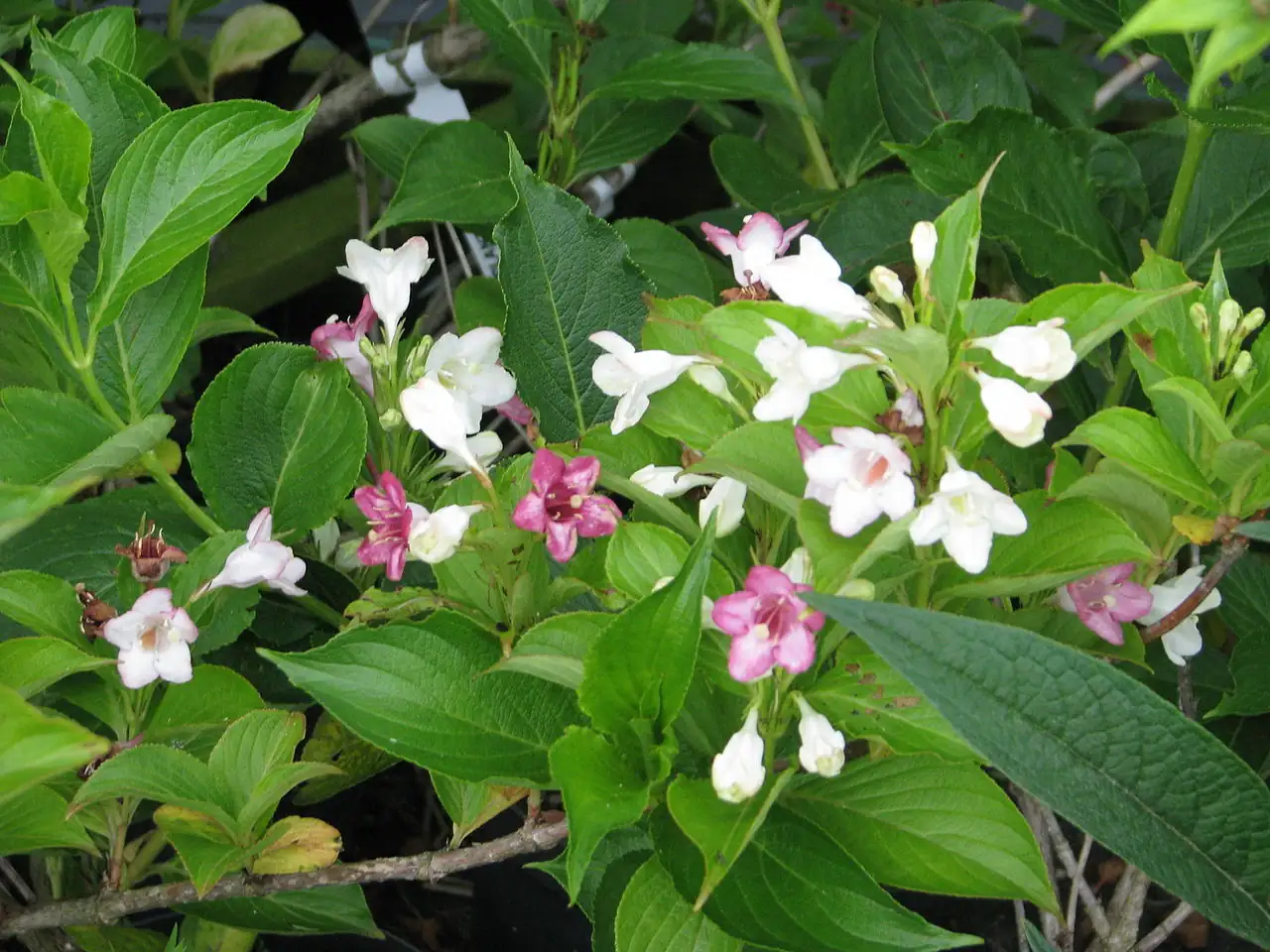
- Foliage: Stout young shoots; leaves are hairy along the midrib and side veins, giving a slightly textured feel.
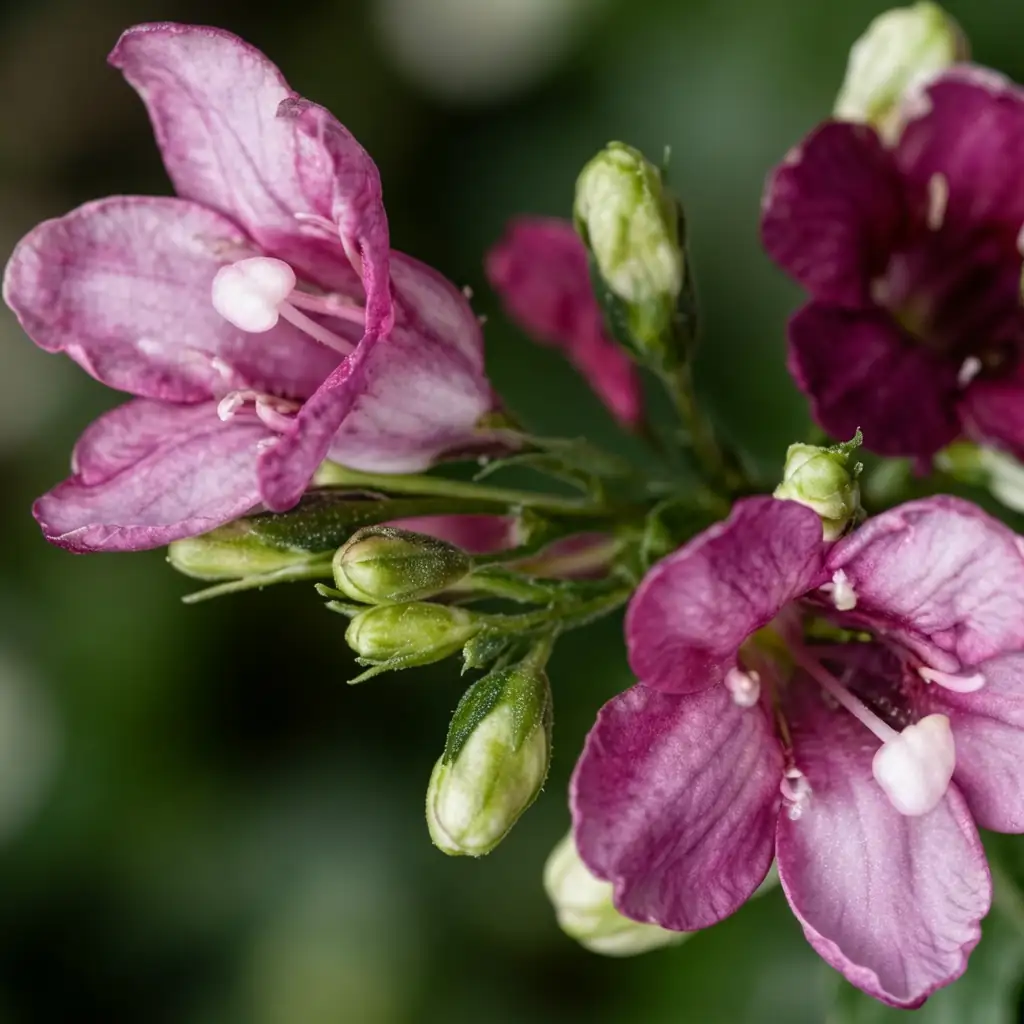
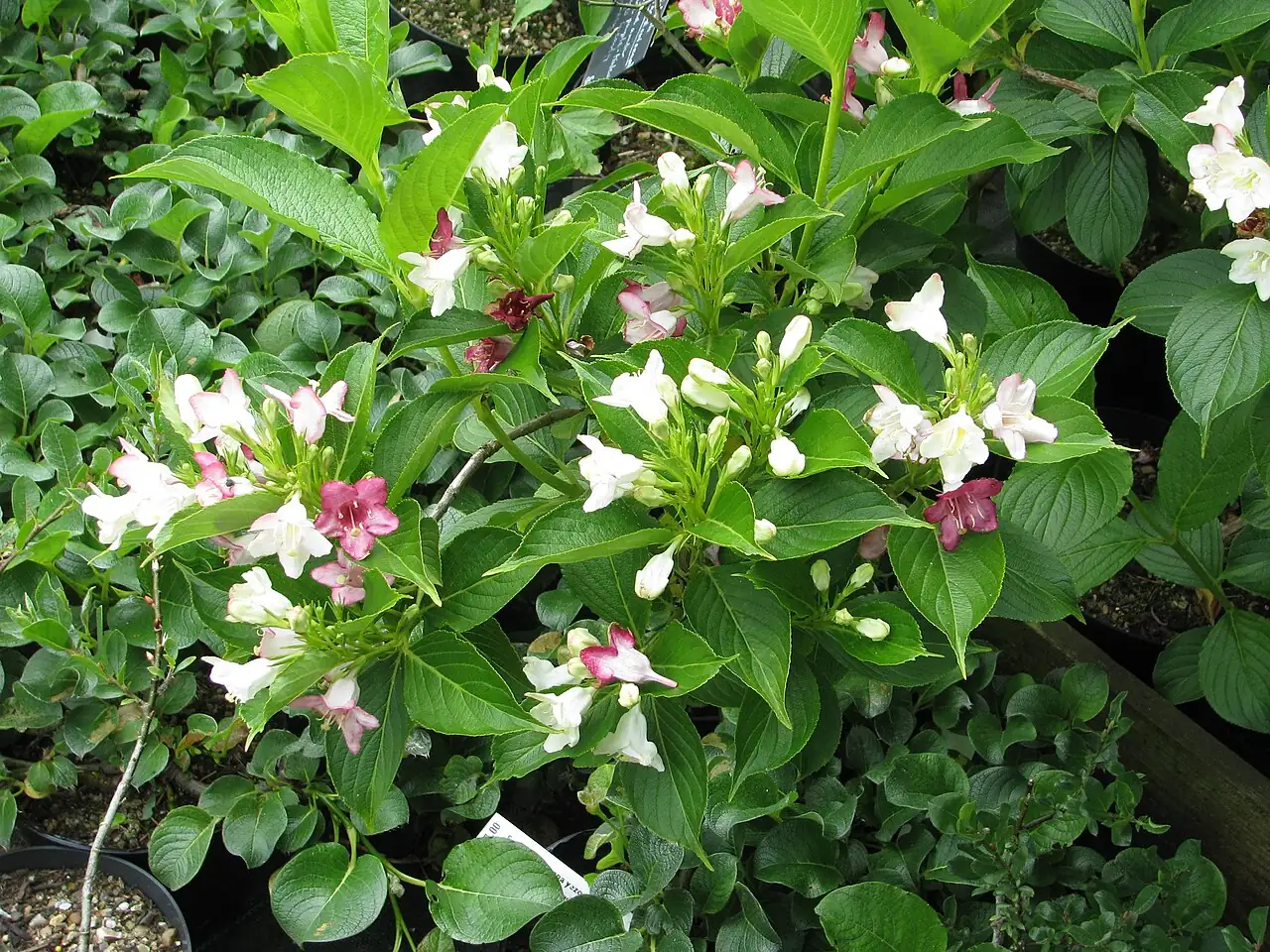
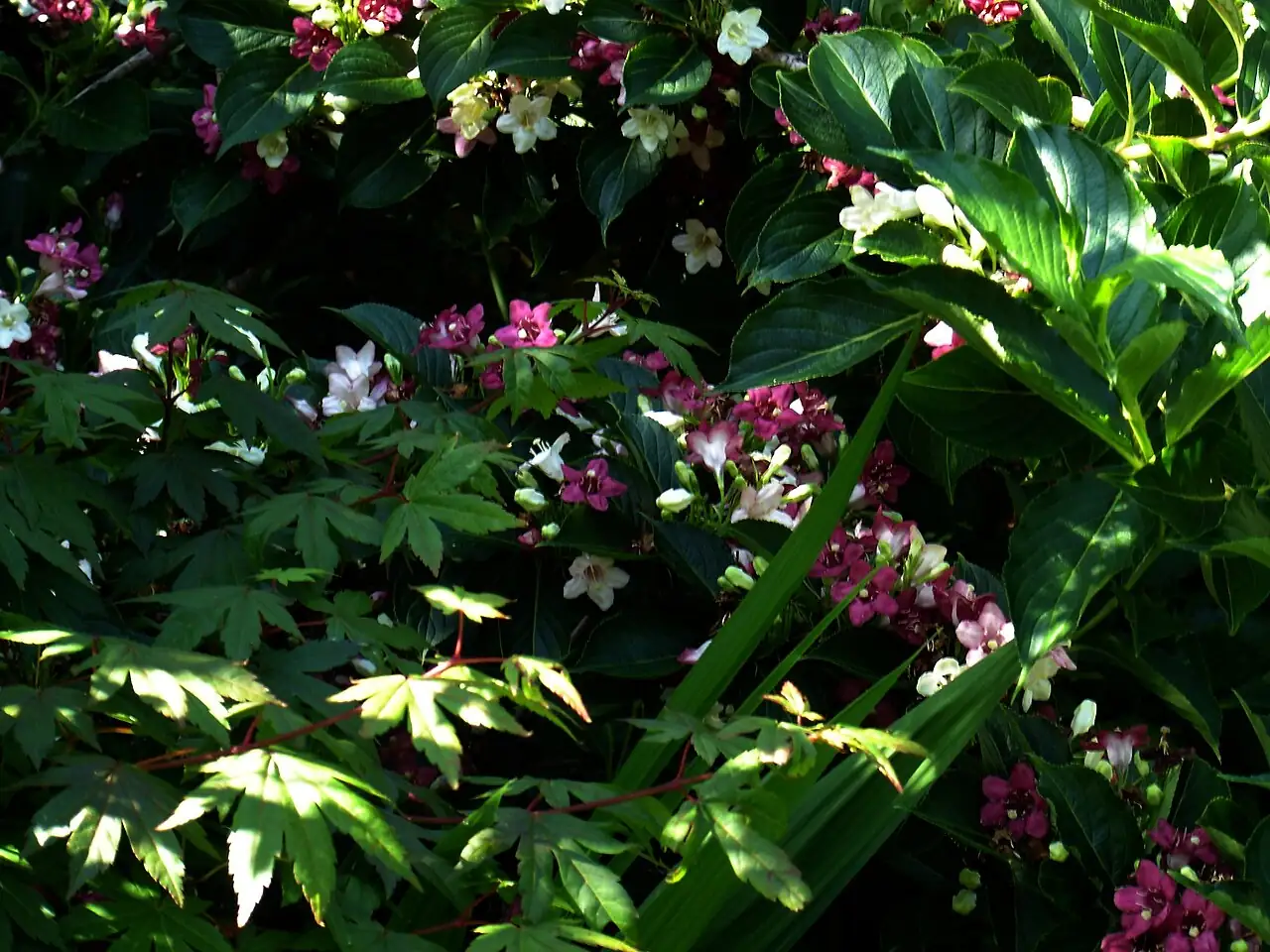
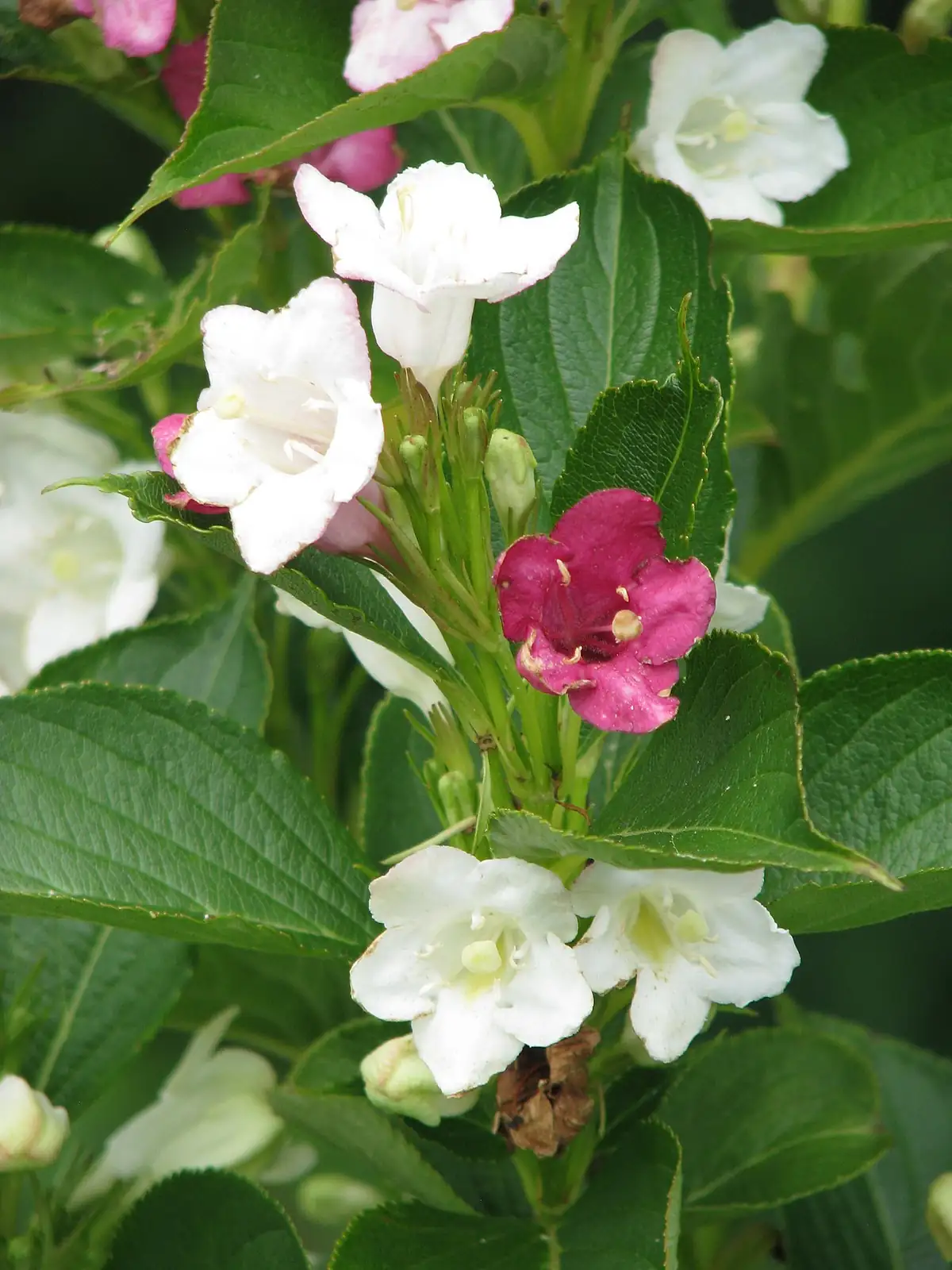
- Flower: Clusters of large, showy, funnel-to-bell-shaped tubular flowers. Color shifts from light pink at first opening to deeper red or purplish-red later. Produces dry seed capsules after flowering.
- Flowering Season: April–May (Apr–May)
- Growth Habit: Deciduous, upright to arching shrub; vigorous growth and strong ability to resprout.
Environment
Sunlight
Full sun to light shade (best flowering in full sun).
Temperature
Cold tolerant but not as hardy as some other Weigela species; protect from severe freezes. Suitable cool-season range roughly -15–30°C (5–86°F) depending on establishment and site.
Humidity
Average outdoor humidity; avoid persistently stagnant, overly damp conditions around the roots.
Soil
Adaptable to many soils and can tolerate poor fertility, but performs best in deep, fertile, evenly moist, well-drained soil. Avoid waterlogged sites.
Placement
Ideal for mass planting or as an accent in mixed shrub borders, flower beds, lawns, rock gardens, slopes, lakesides, courtyards, and parks.
Hardiness
Generally hardy outdoors in temperate regions; suitable for areas comparable to regions south of Beijing. Approx. USDA Zone 5–8 (5–8) depending on provenance and microclimate.
Care Guide
Difficulty
Easy to moderate: vigorous and adaptable once established, but sensitive to poor drainage and prolonged waterlogging.
Buying Guide
Choose plants with multiple healthy shoots, firm buds, and no blackened stems. Avoid pot-bound plants with circling roots or containers that smell sour (a sign of waterlogged media).
Watering
Water to establish, keeping soil evenly moist but never soggy. Once established, water during prolonged dry spells; always let excess water drain freely. Avoid standing water around the root zone to prevent root problems.
Fertilization
In spring, apply a balanced slow-release fertilizer or a layer of compost. Avoid heavy nitrogen feeding, which can reduce flowering and make growth floppy.
Pruning
Prune right after flowering to shape and to encourage new shoots that will carry next year’s blooms. Remove dead, weak, or crossing stems; older shrubs can be rejuvenated by cutting a portion of the oldest stems to the base.
Propagation
Propagate by softwood cuttings in late spring to early summer, or semi-hardwood cuttings in summer. Layering also works well for many weigelas.
Repotting
Primarily grown in the ground. For container plants, repot every 1–2 years into a larger pot with a free-draining mix; ensure drainage holes are unobstructed.
📅 Seasonal Care Calendar
Spring: feed lightly and monitor moisture during new growth. After bloom (late spring): prune to shape. Summer: water during heat/drought; avoid waterlogging. Autumn: reduce feeding; enjoy seed capsules. Winter: mulch the root zone in colder sites and protect from harsh wind.
Pests, Diseases & Safety
Common Pests & Diseases
Generally trouble-free. Possible issues include aphids on soft growth, spider mites in hot dry weather, and leaf spots in humid conditions. Root rot can occur in poorly drained soils—improve drainage and avoid overwatering.
Toxicity
No well-documented serious toxicity; generally considered low risk. Still, discourage pets and children from chewing any ornamental plant parts.
Culture & Symbolism
Symbolism: Often associated with spring renewal and cheerful, optimistic color thanks to its bright seasonal bloom.
History & Legends: A well-loved East Asian ornamental shrub, long appreciated in gardens and parks for its reliable spring flowering and its ability to create a strong massed color effect in the landscape.
Uses: Primarily ornamental—grown for its arching shrub form and vibrant spring flowers. Works beautifully in group plantings, mixed borders, lawns, rock gardens/rockeries, slopes, waterside plantings, courtyards, and public parks.
FAQ
Why is my Korean weigela flowering less each year?
The most common causes are pruning at the wrong time (it should be pruned right after flowering, since it blooms on old wood) and too much nitrogen fertilizer, which pushes leafy growth at the expense of flowers. Also check light—full sun gives the best bloom.
Can Korean weigela handle wet soil?
Not well. It likes evenly moist soil, but it strongly dislikes waterlogged ground. Improve drainage (raised bed, amended soil, or better site selection) to prevent root rot.
Fun Facts
- It typically blooms in April–May (Apr–May) and sets fruit from August–October (Aug–Oct).
- It can form natural colonies in mountain habitats, including the upper areas of Mount Lushan (Jiangxi).
- It can overwinter outdoors in many temperate regions, especially in climates comparable to areas south of Beijing.
- It grows quickly and resprouts strongly after pruning, making it forgiving if it gets leggy over time.
- Its flower color often deepens as blooms age, giving a single shrub a layered, two-tone look in peak season.


