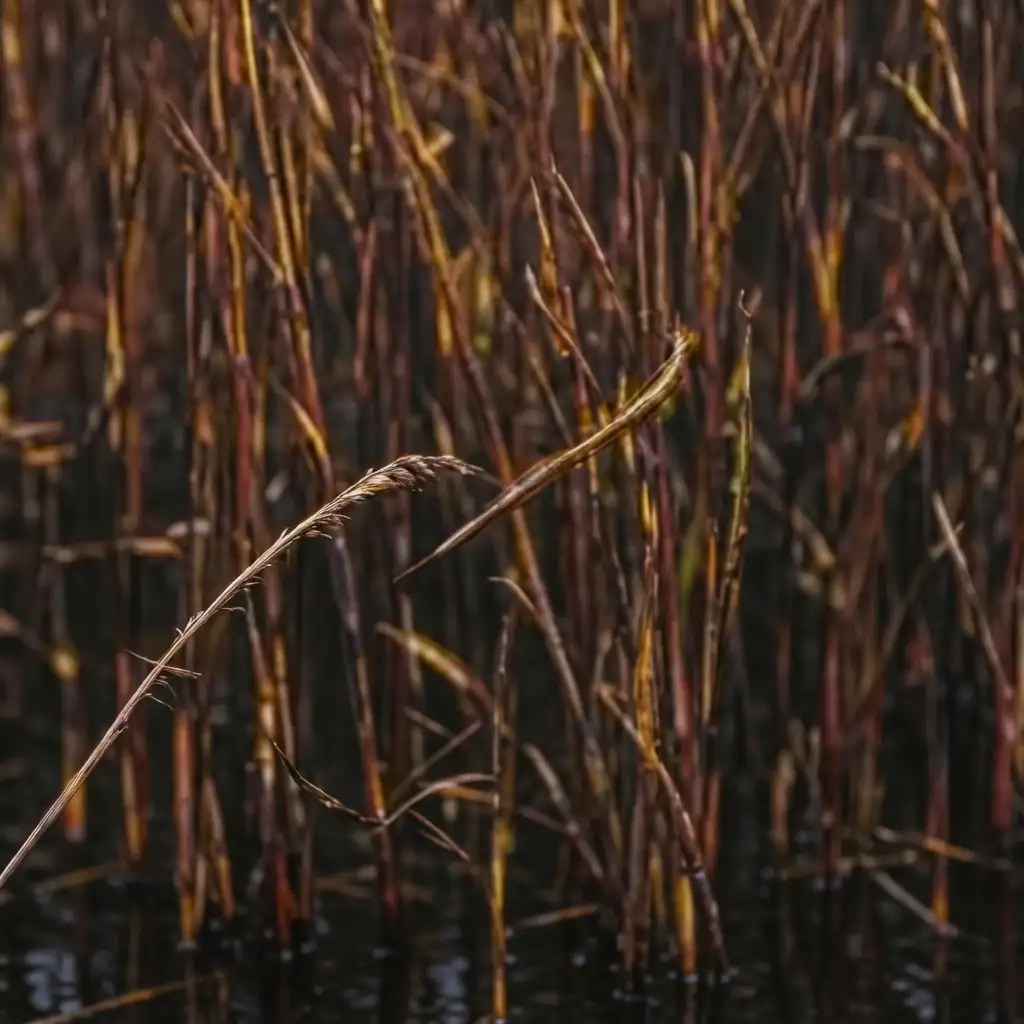
Plant Features
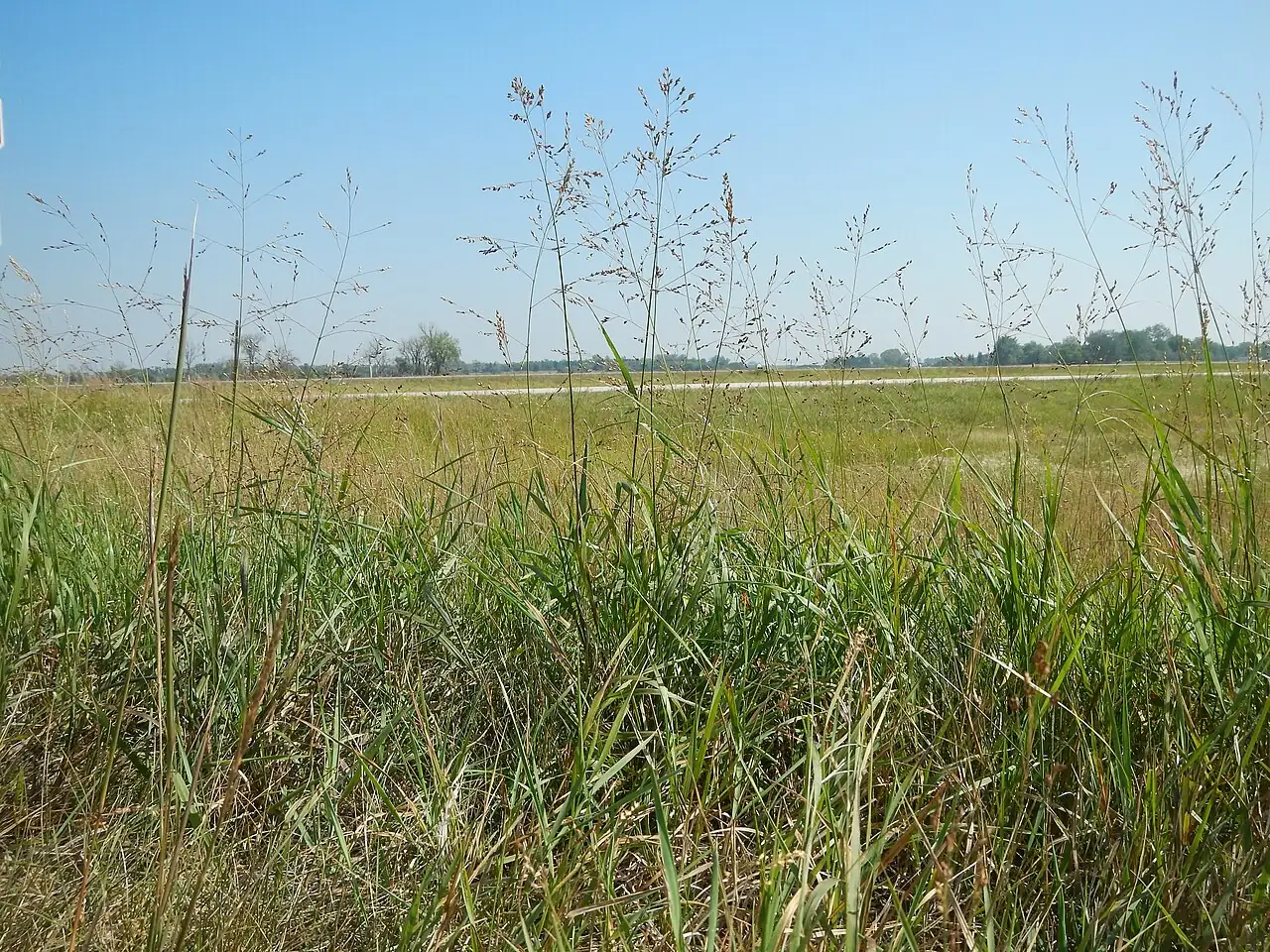
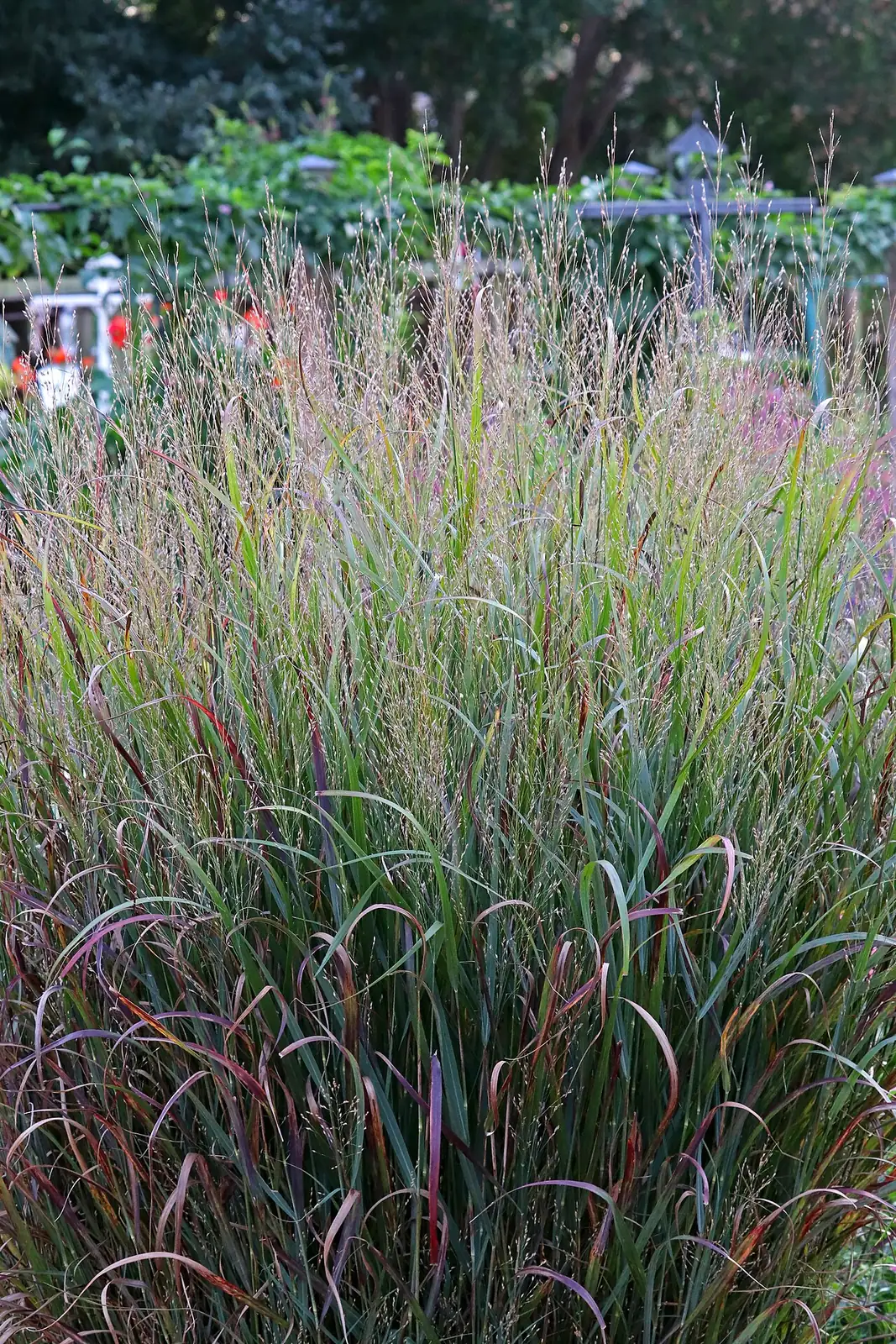
- Size: Typically 1–2 m (3.3–6.6 ft) tall; grows in clumps (bunchgrass) rather than spreading by runners.
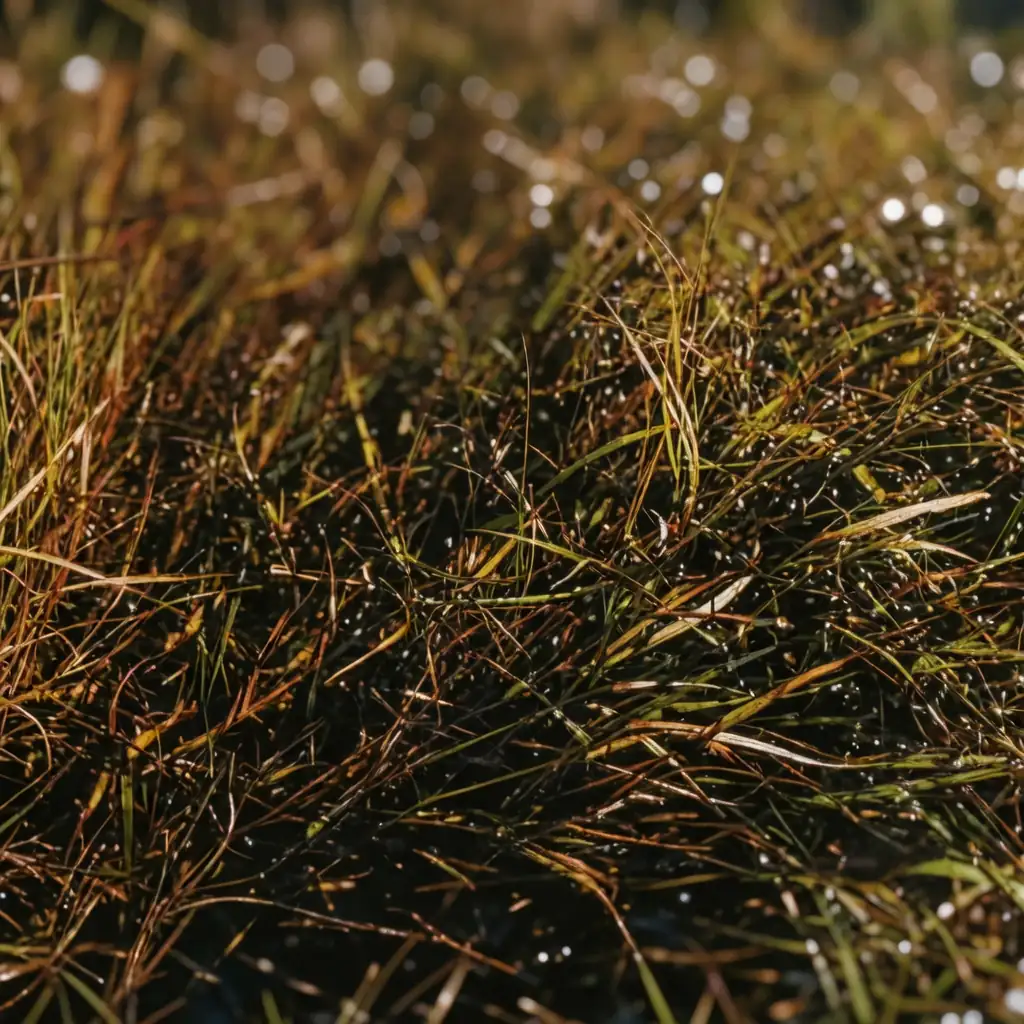
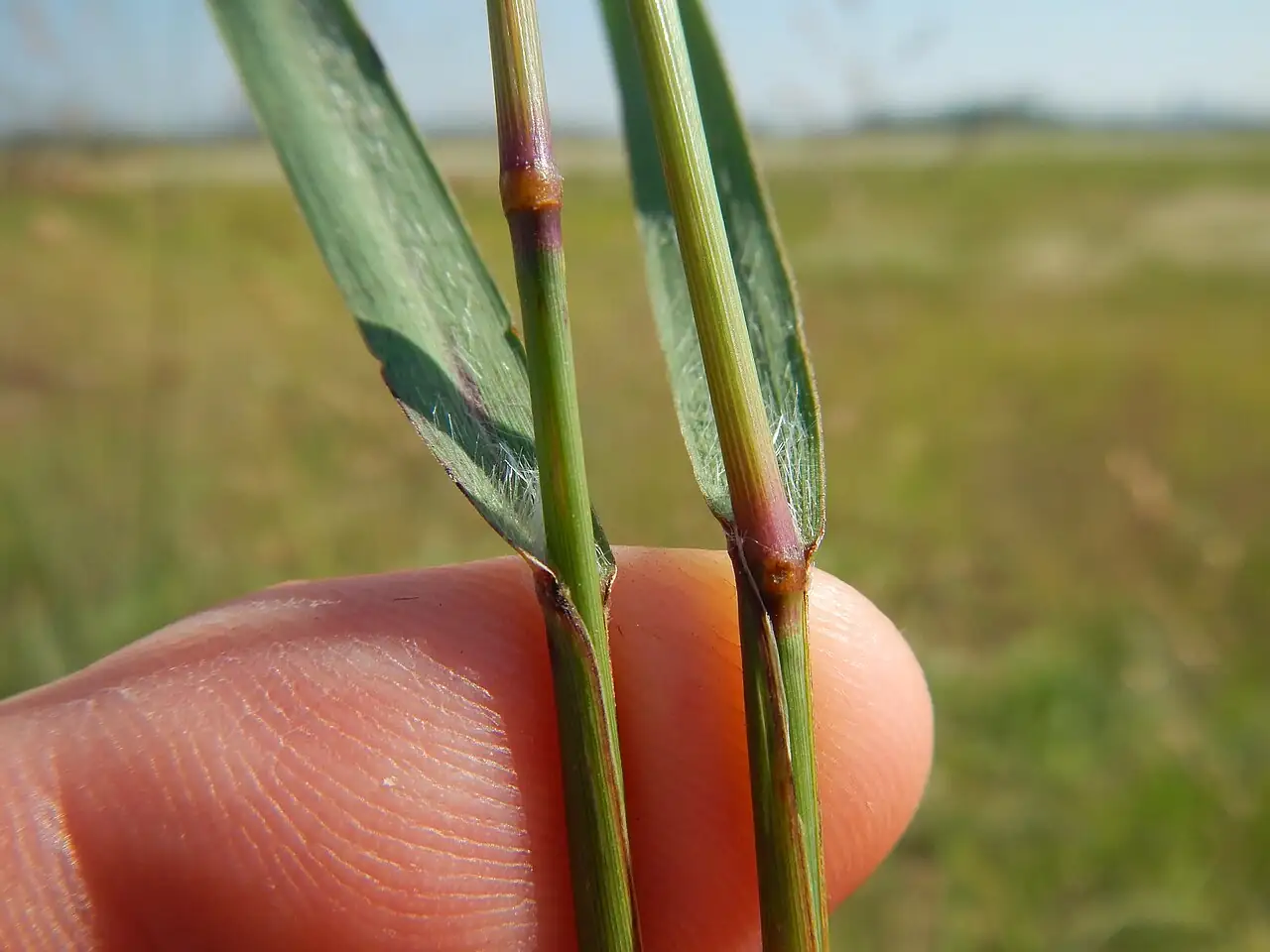
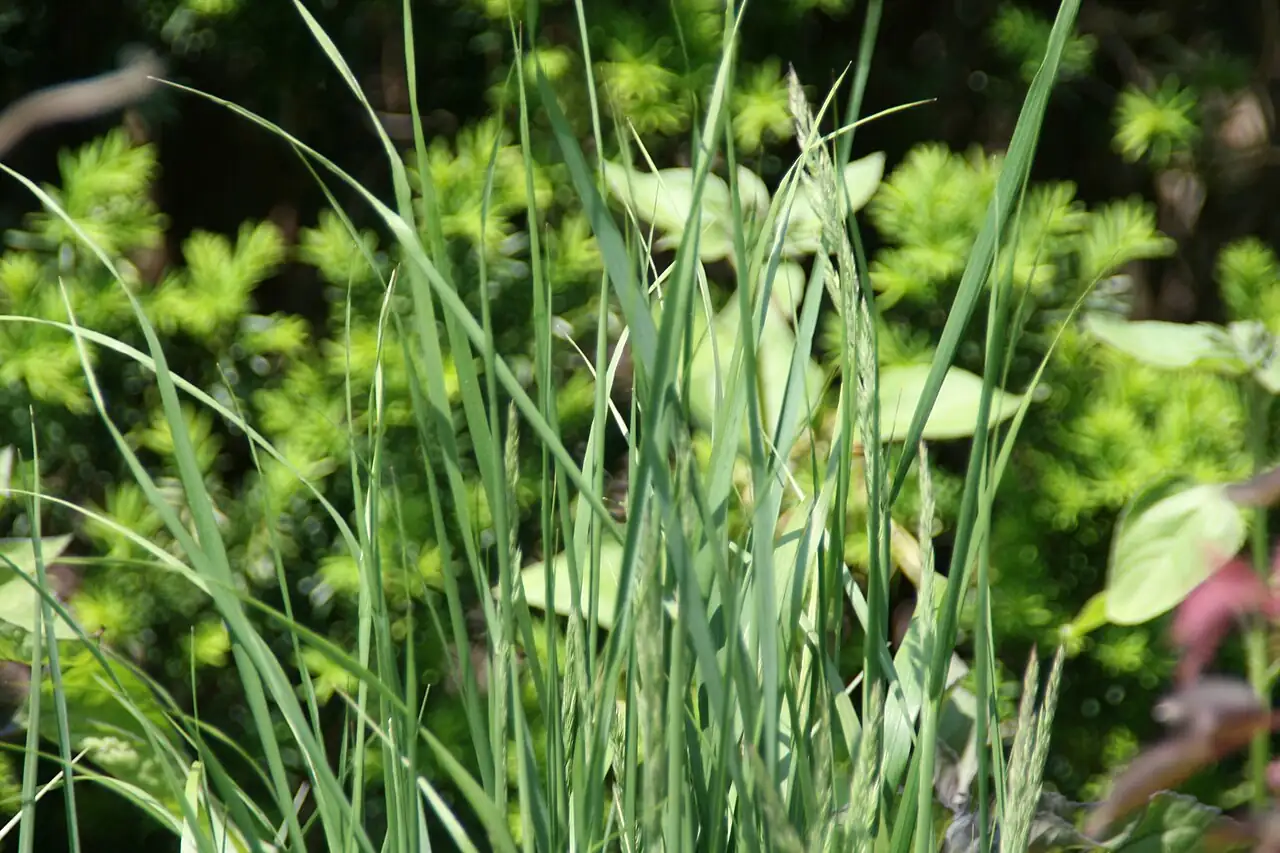
- Foliage: Narrow, linear leaves with generally smooth blades; leaf sheaths are typically hairless. The ligule is short with fine hairs at the tip, and some plants may show longer soft hairs near the upper leaf base.
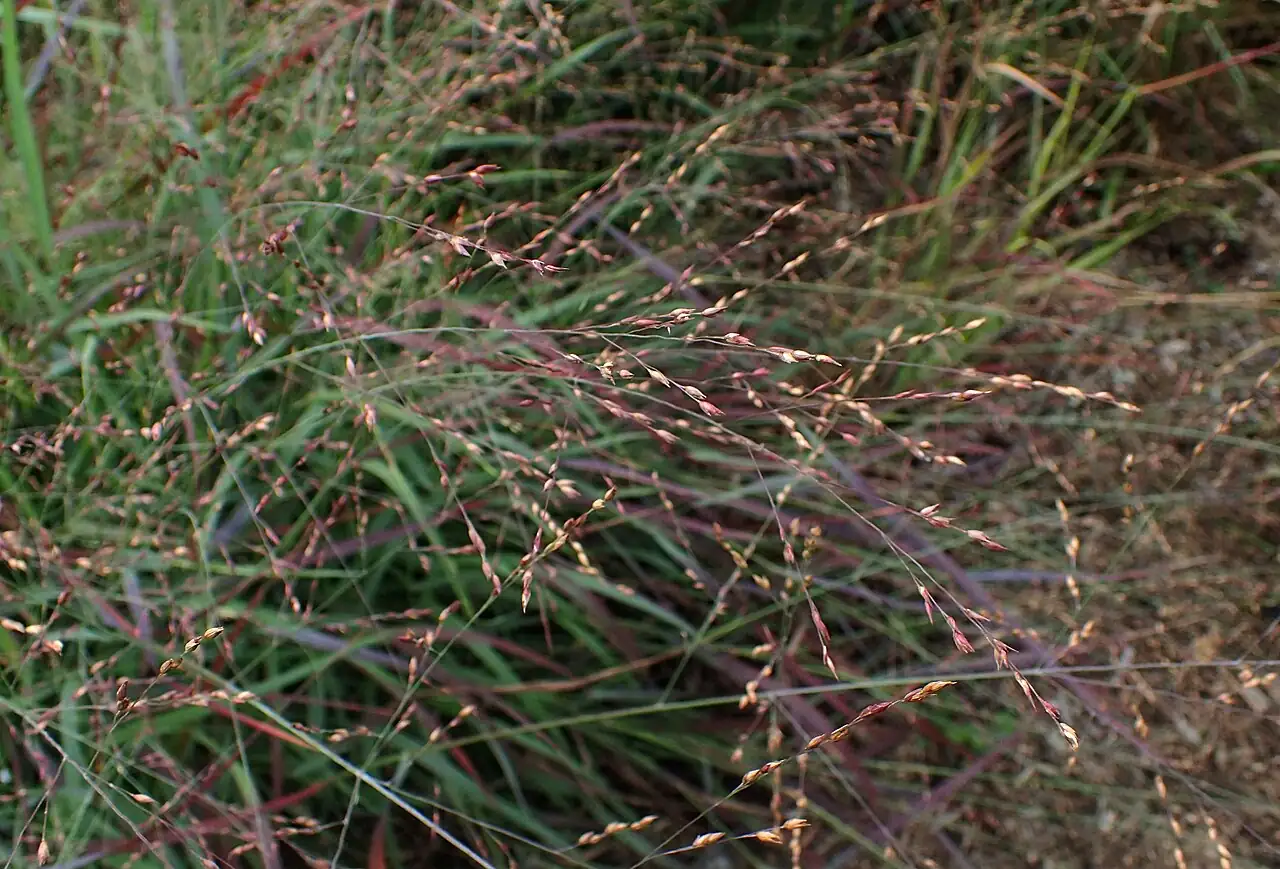
- Flower: Large, open, branching panicles with loosely spaced branches and tiny spikelets, creating a delicate, airy, cloud-like look above the foliage.
- Flowering Season: June–October (Jun–Oct).
- Growth Habit: Warm-season perennial bunchgrass forming upright clumps with erect, relatively stiff culms (stems).
Environment
Sunlight
Full sun is best for strong growth and flowering; tolerates light shade (aim for 6+ hours of direct sun).
Temperature
Grows most actively in warm weather; broadly tolerant. Typical active growth range about 15–30°C (59–86°F).
Humidity
Adaptable; fine in average humidity and can handle short dry spells once established.
Soil
Very adaptable, but happiest in well-drained loam or sandy loam. Tolerates poorer soils; avoid consistently waterlogged ground.
Placement
Full-sun outdoor beds, prairie/meadow plantings, erosion-control slopes, and as a windbreak or screen; can also be grown in large containers in full sun.
Hardiness
USDA Hardiness Zones 4–9 (approximately down to about −34°C (−30°F) in Zone 4; varies by zone/cultivar).
Care Guide
Difficulty
Easy—low-maintenance and highly adaptable once established.
Buying Guide
Pick plants with firm, upright stems and healthy foliage; avoid plants with significant browning at the crown. For landscaping, choose cultivars suited to your climate and desired height. Skip severely pot-bound plants with circling roots.
Watering
Water regularly during the first growing season to establish roots. After establishment, water mainly during prolonged drought, letting the top few centimeters/inches of soil dry between waterings. Avoid persistently soggy soil.
Fertilization
Usually needs little to no feeding. If growth is weak, use a light, balanced fertilizer in spring. Avoid heavy nitrogen, which can make plants flop.
Pruning
Cut back old stems and foliage in late winter to early spring to about 10–20 cm (4–8 in) before new growth starts. Leaving stems standing through winter adds structure and benefits wildlife.
Propagation
Seed or division in spring. Division is the best way to preserve cultivar characteristics.
Repotting
For container plants, repot every 2–3 years in spring into a fresh, well-drained mix; divide if the clump becomes crowded.
📅 Seasonal Care Calendar
Spring: cut back and optionally divide; Summer: water during drought (stake only if necessary); Fall: enjoy panicles/seedheads and reduce watering; Winter: leave standing for interest, then cut back before spring growth.
Pests, Diseases & Safety
Common Pests & Diseases
Generally trouble-free. In humid conditions, occasional rusts or leaf spots may appear—improve airflow and avoid frequent overhead watering. Aphids or spider mites can show up when plants are stressed; a strong water spray or appropriate controls usually manage outbreaks.
Toxicity
Not known to be toxic to people or pets and is widely used as forage. Like many grasses, leaf edges may cause mild skin irritation for sensitive individuals.
Culture & Symbolism
Symbolism: Often linked with resilience, renewal, and the natural beauty of prairie landscapes.
History & Legends: A hallmark species of North America’s tallgrass prairies and a cornerstone plant in restoration ecology; it has also been introduced and cultivated elsewhere (including China) for landscaping and practical land management.
Uses: Ornamental grass for naturalistic plantings; forage; erosion control and soil/water conservation; windbreak/shelterbelt and screening plant; supportive habitat plantings in larger landscapes.
FAQ
Does switchgrass spread aggressively?
Most switchgrass grows as a clumping bunchgrass and isn’t aggressively invasive, though it can self-seed in good conditions. Removing seedheads helps limit volunteer seedlings.
Why is my switchgrass flopping over?
Flopping usually comes from too much shade, overly rich soil, or excess nitrogen. Give it more sun, avoid heavy fertilizing, and consider a naturally upright cultivar.
Fun Facts
- Switchgrass is a signature species of North American tallgrass prairies.
- Its flower panicles create an airy, “misty” look from summer into early fall.
- It typically reaches about 1–2 m (3.3–6.6 ft) tall and grows as a clump rather than running.
- It’s widely valued for erosion control and as a windbreak/screening plant.
- Once established, it tolerates a wide range of soils and short dry periods surprisingly well.