

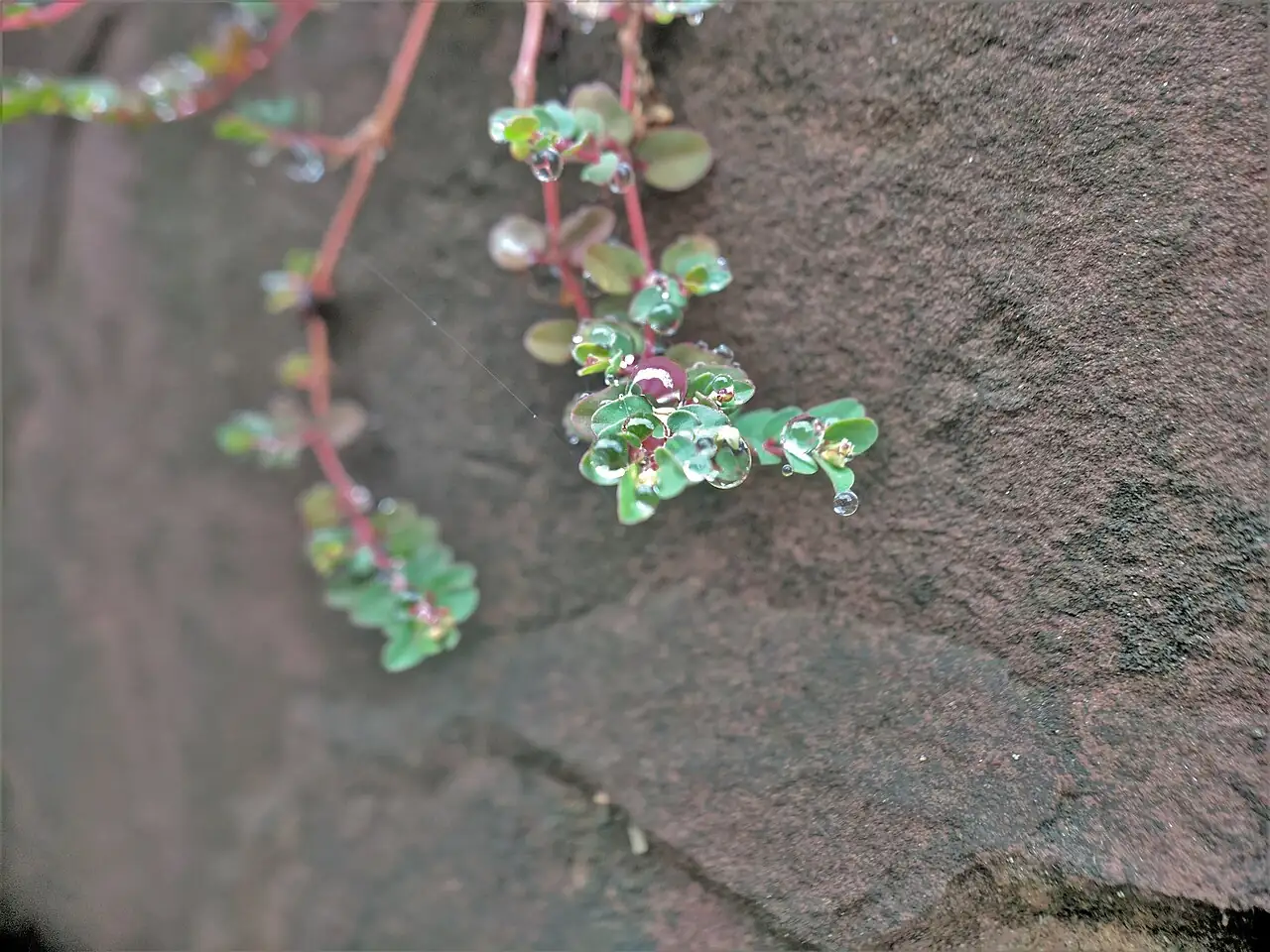
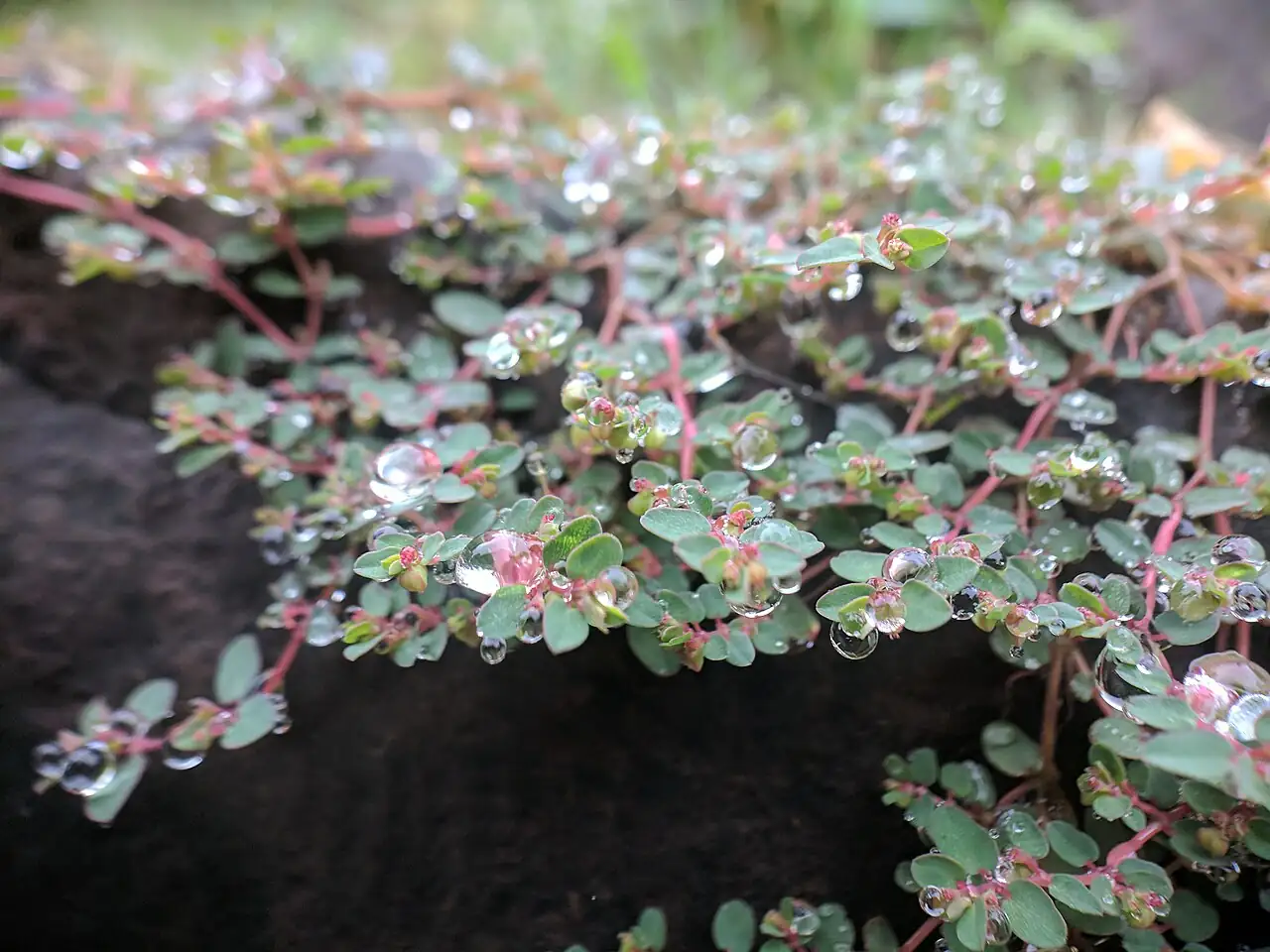
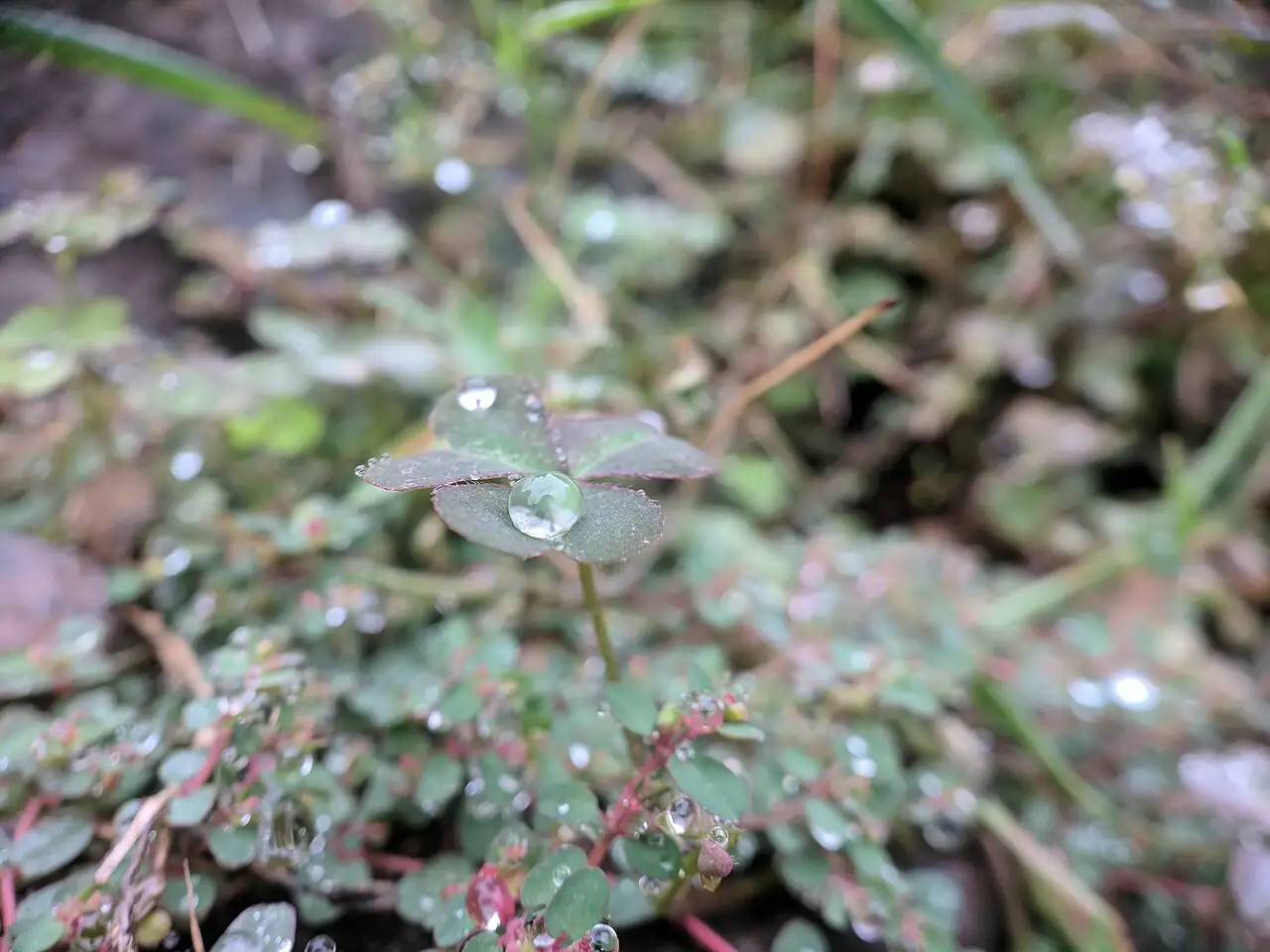
Plant Features
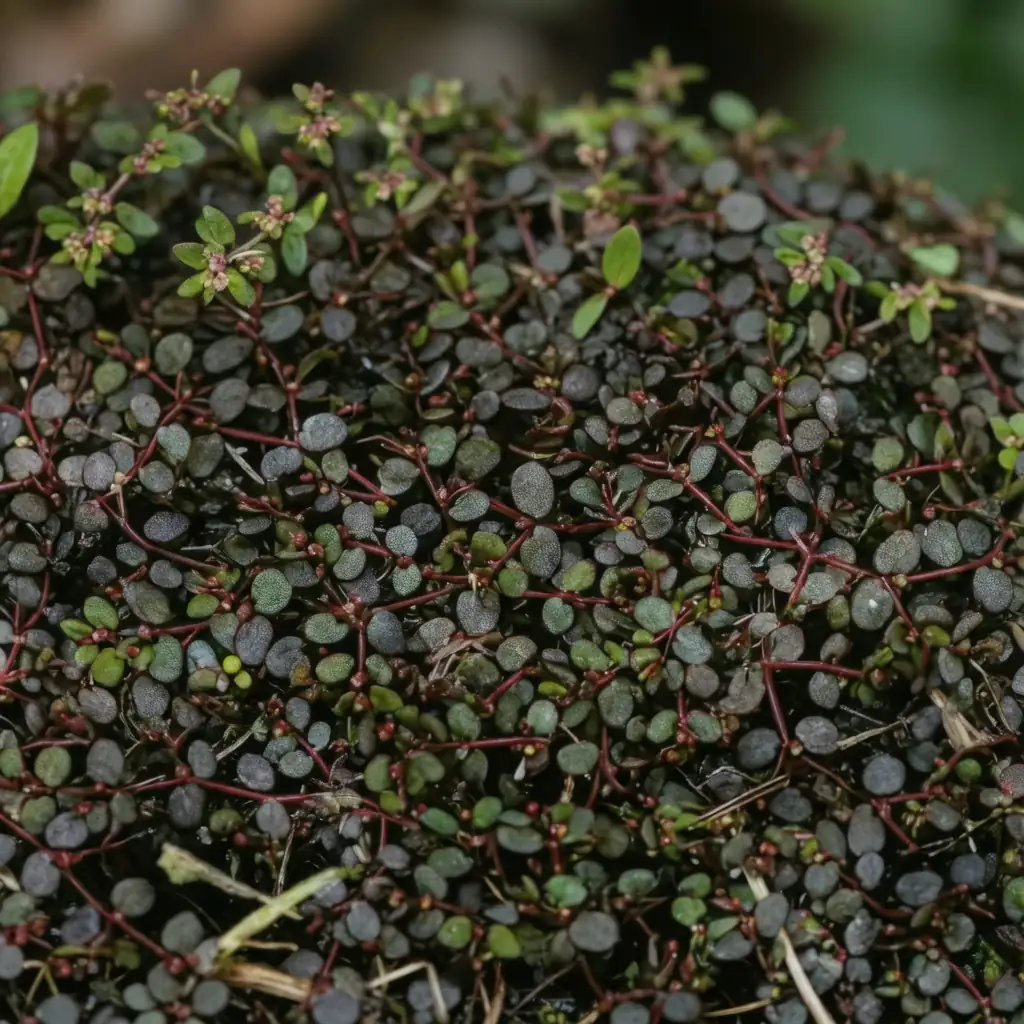
- Size: Low, prostrate annual forming mats; typically about 5–20 cm (2–8 in) tall with a spread of 20–60 cm (8–24 in) in favorable conditions.
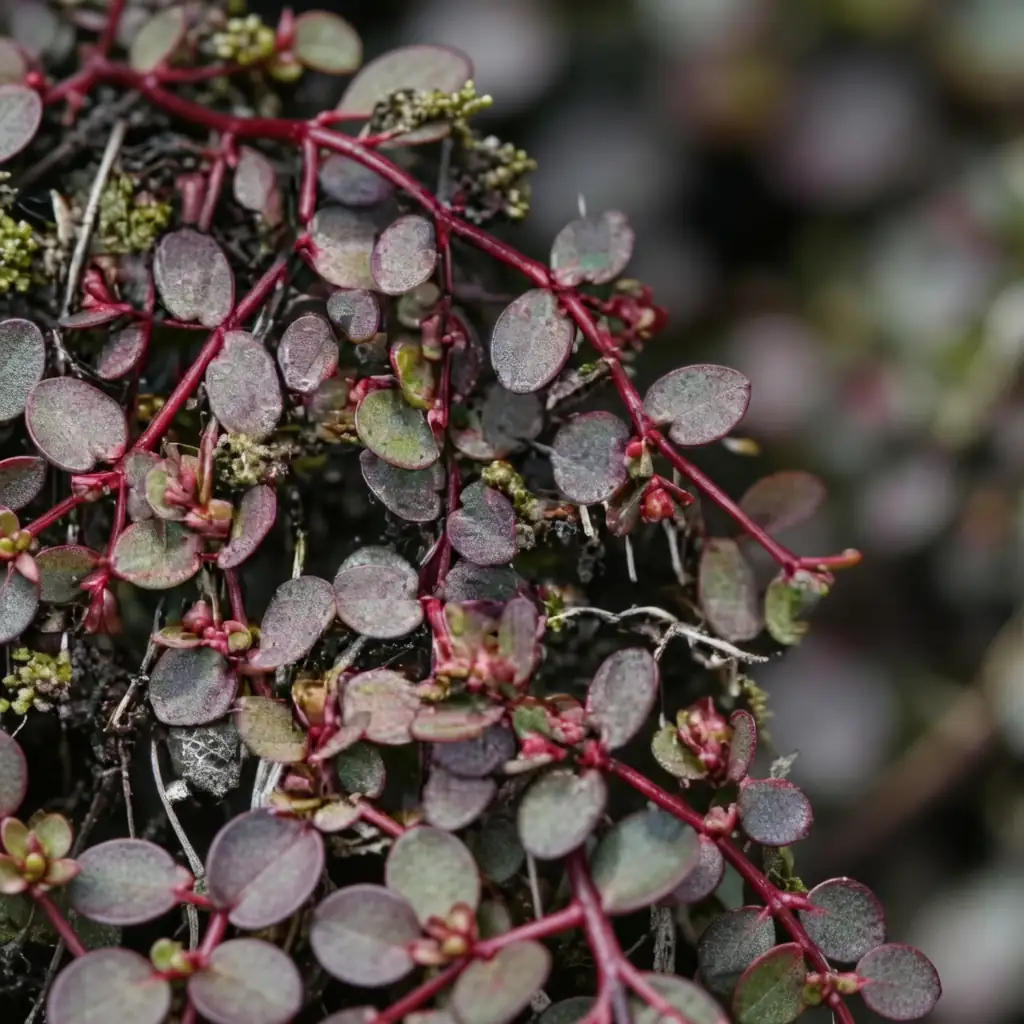
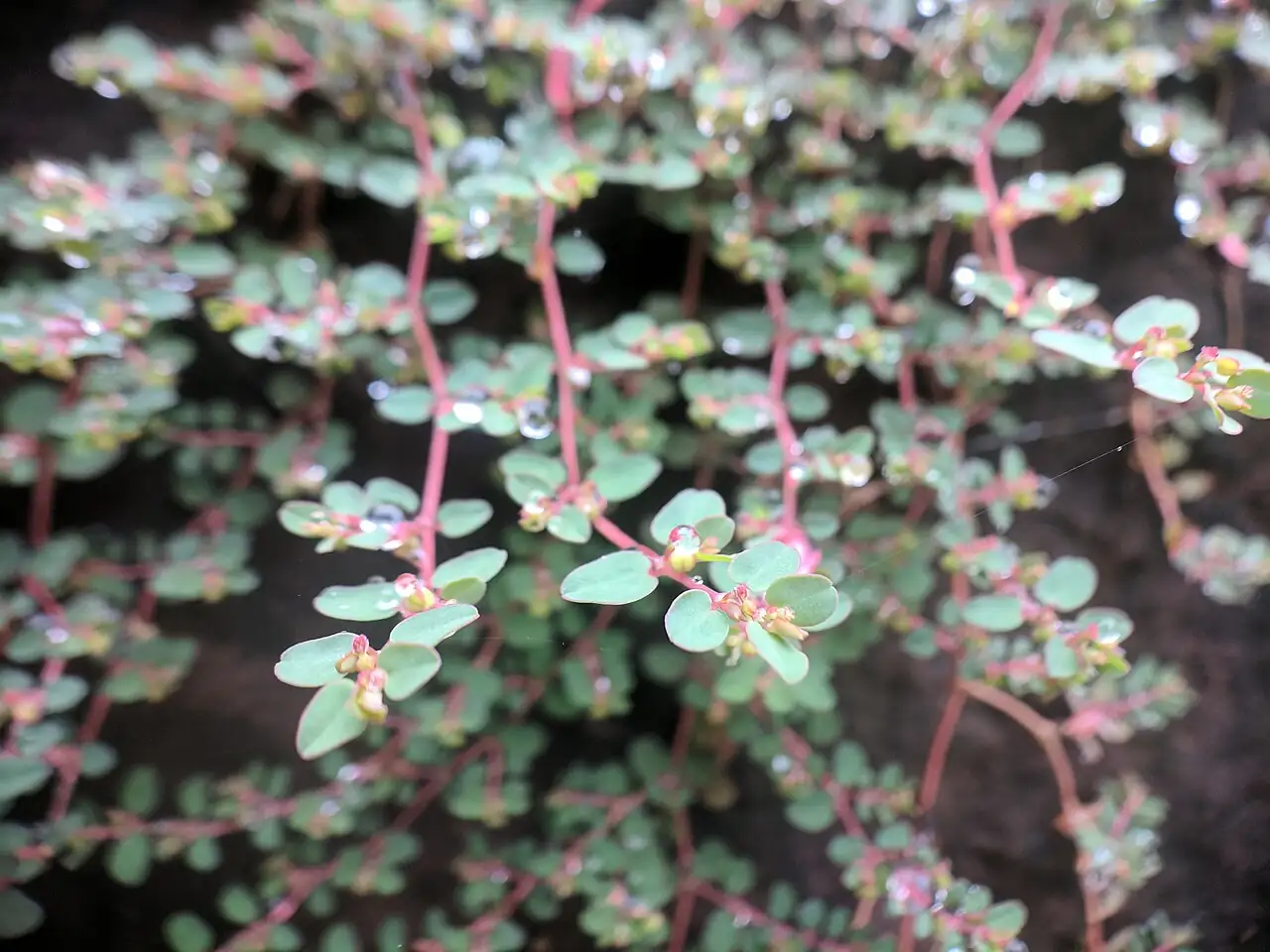
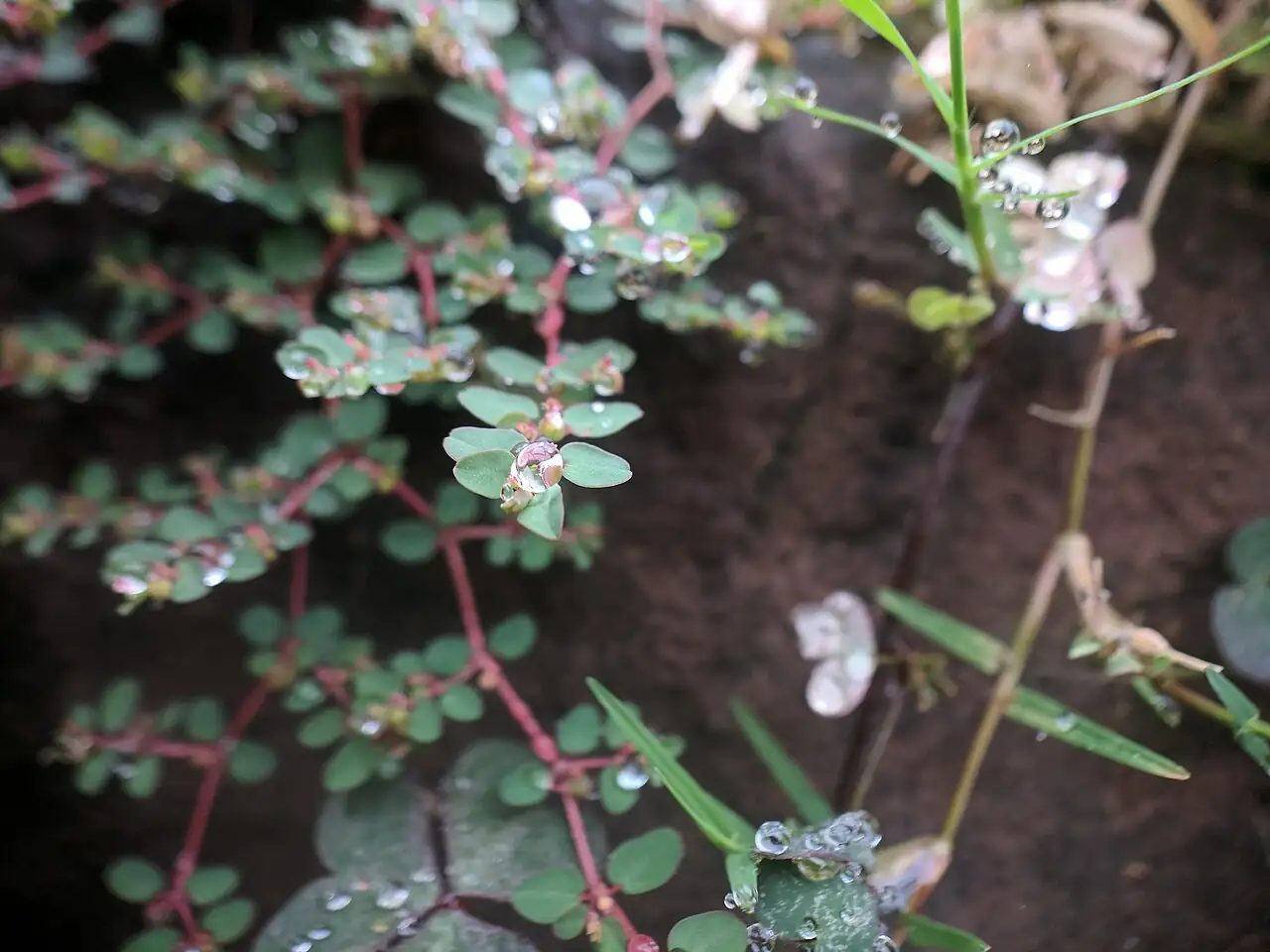
- Foliage: Stems are slender, often purplish-red, hairless, brittle, and may be hollow; they branch in a forked (dichotomous) pattern near the base and creep along the ground. Leaves are opposite, short-stalked to nearly stalkless, oblong with rounded tips and a narrowed base; stipules are narrow and often 3-lobed.
- Flower: Tiny, cup-like Euphorbia flower structures (cyathia) borne singly in the leaf axils. The involucre is inversely cone-shaped with a pale pink to light reddish tone and a 4-lobed rim.
- Flowering Season: May to August
- Growth Habit: Prostrate, mat-forming annual; repeatedly forked stems that creep over soil and may scramble over rocks, walls, or through sparse vegetation.
Environment
Sunlight
Prefers partial shade to dappled light; tolerates full sun once established.
Temperature
Best growth around 15–30°C (59–86°F); generally tolerant of cool weather but not prolonged hard frost.
Humidity
Likes moist, sheltered conditions but is adaptable; tolerates periods of dryness.
Soil
Adaptable and tolerant of poor soils; does best in well-drained soil (including sandy or gritty mixes) and avoids waterlogged conditions.
Placement
Groundcover in beds and edges, rock gardens, cracks in paving, walls, and rocky sites; suitable for naturalistic plantings and low-maintenance areas.
Hardiness
Broadly adaptable; commonly treated as an annual. Where winters are mild, it may persist longer; sensitive to extended freezing (approx. USDA Zone 9–11 / RHS H2–H3 as a rough guide).
Care Guide
Difficulty
Easy. Highly adaptable and tolerant of drought, poor soils, and variable light; avoid persistently waterlogged soil.
Buying Guide
Choose plants or seedlings with firm, unbroken stems and healthy opposite leaves. Avoid pots with sour-smelling, waterlogged media or plants showing sticky sap residue from damage.
Watering
Water to establish, then let the top layer of soil dry slightly between waterings. In containers, water when the top 2–3 cm (1 in) feels dry; reduce watering in cooler weather.
Fertilization
Usually unnecessary in the ground. For containers, feed lightly with a balanced fertilizer at 1/4–1/2 strength every 4–6 weeks during active growth.
Pruning
Pinch or trim back to encourage a denser mat. Remove broken stems (they snap easily). Wear gloves—Euphorbia latex can irritate skin.
Propagation
Primarily by seed. It may also root from nodes where stems contact soil; small stem pieces can sometimes root in warm conditions.
Repotting
If grown in pots, repot in spring into a free-draining mix. Choose a wider container rather than a deep one to suit its creeping habit.
📅 Seasonal Care Calendar
Flowering: May–August. Fruiting: September–October. Trim after flowering if you want to limit self-seeding; allow fruiting if you want natural reseeding.
Pests, Diseases & Safety
Common Pests & Diseases
Generally trouble-free. Overwatering can lead to root/stem rot. Occasionally affected by aphids or spider mites in hot, dry, stressed conditions; improve airflow and use insecticidal soap if needed.
Toxicity
Like many Euphorbia, the milky latex sap can irritate skin and eyes and may be harmful if ingested. Keep away from children and pets; wash hands after handling and avoid touching eyes.
Culture & Symbolism
Symbolism: Often associated with resilience and adaptability thanks to its ability to thrive in hard, neglected little corners where other plants struggle.
History & Legends: Recorded in traditional herbal contexts in parts of East Asia, where it has been used in folk practice; specific regional stories and applications vary.
Uses: A hardy, low-maintenance groundcover for naturalistic plantings, rock gardens, and difficult sites (like cracks and rocky edges). Also referenced in traditional herbal use—only under appropriate professional guidance.
FAQ
When does it flower?
May to August.
When does it set fruit?
September to October.
Where is it commonly found?
It is widely distributed across northern, eastern, south-central, and southwestern China, often in open woodland and on walls and rocky places; it is also cultivated.
What growing conditions does it prefer?
It prefers moist, shaded or dappled conditions but tolerates full sun once established, along with drought spells and nutrient-poor soil—just avoid waterlogged ground.
What is it mainly used for?
Mostly as a tough, mat-forming groundcover and an ornamental filler for hard-to-plant spots; it’s also mentioned in traditional herbal use.
Fun Facts
- Its stems often turn purplish and repeatedly fork near the base, naturally knitting into a low mat.
- What look like “flowers” are actually Euphorbia cyathia—tiny cup-like structures tucked into the leaf axils.
- It’s a master of microhabitats, happily colonizing cracks, walls, and rocky ground.
- The brittle stems snap easily, which can help it spread as pieces contact soil and root.


