

Plant Features
- Size:60–100 cm (24–39 in) tall
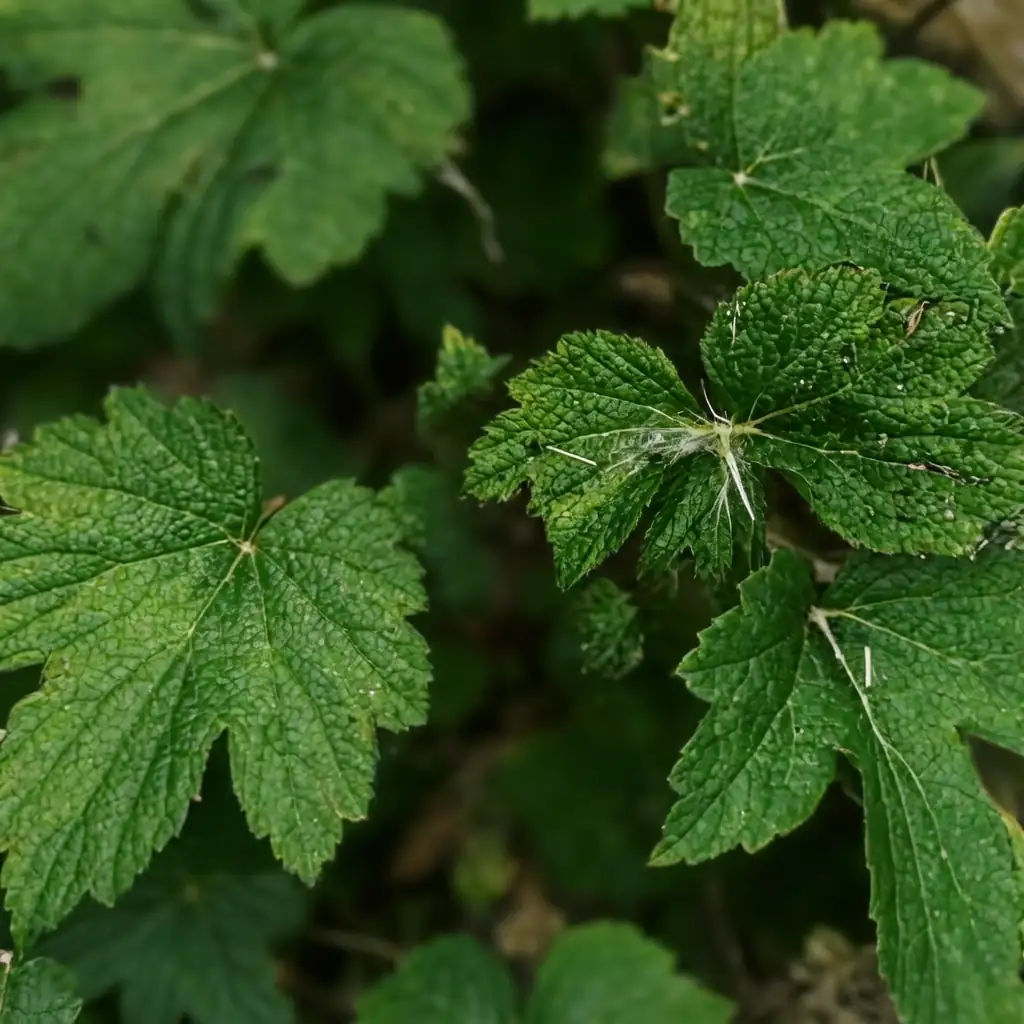
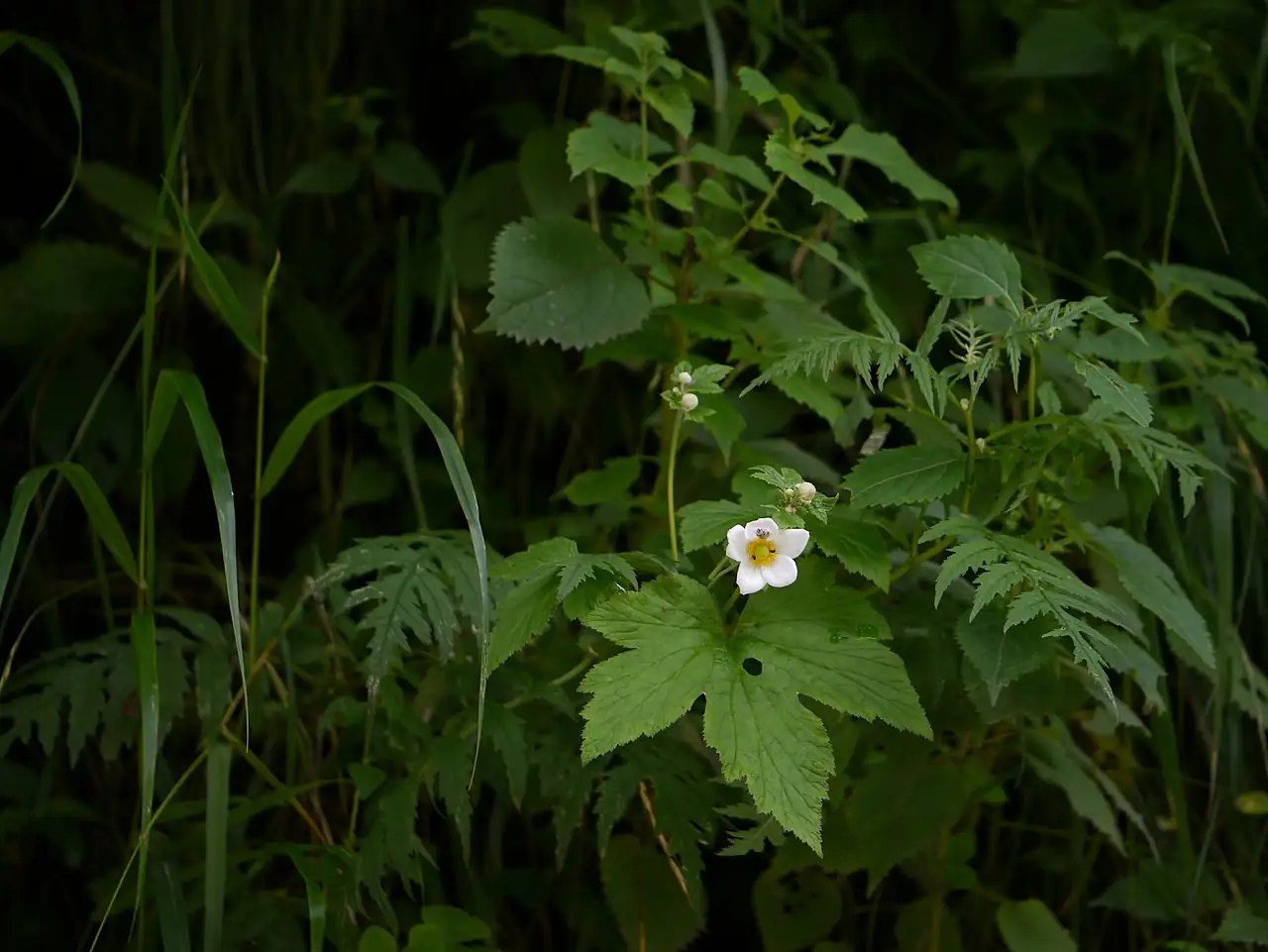
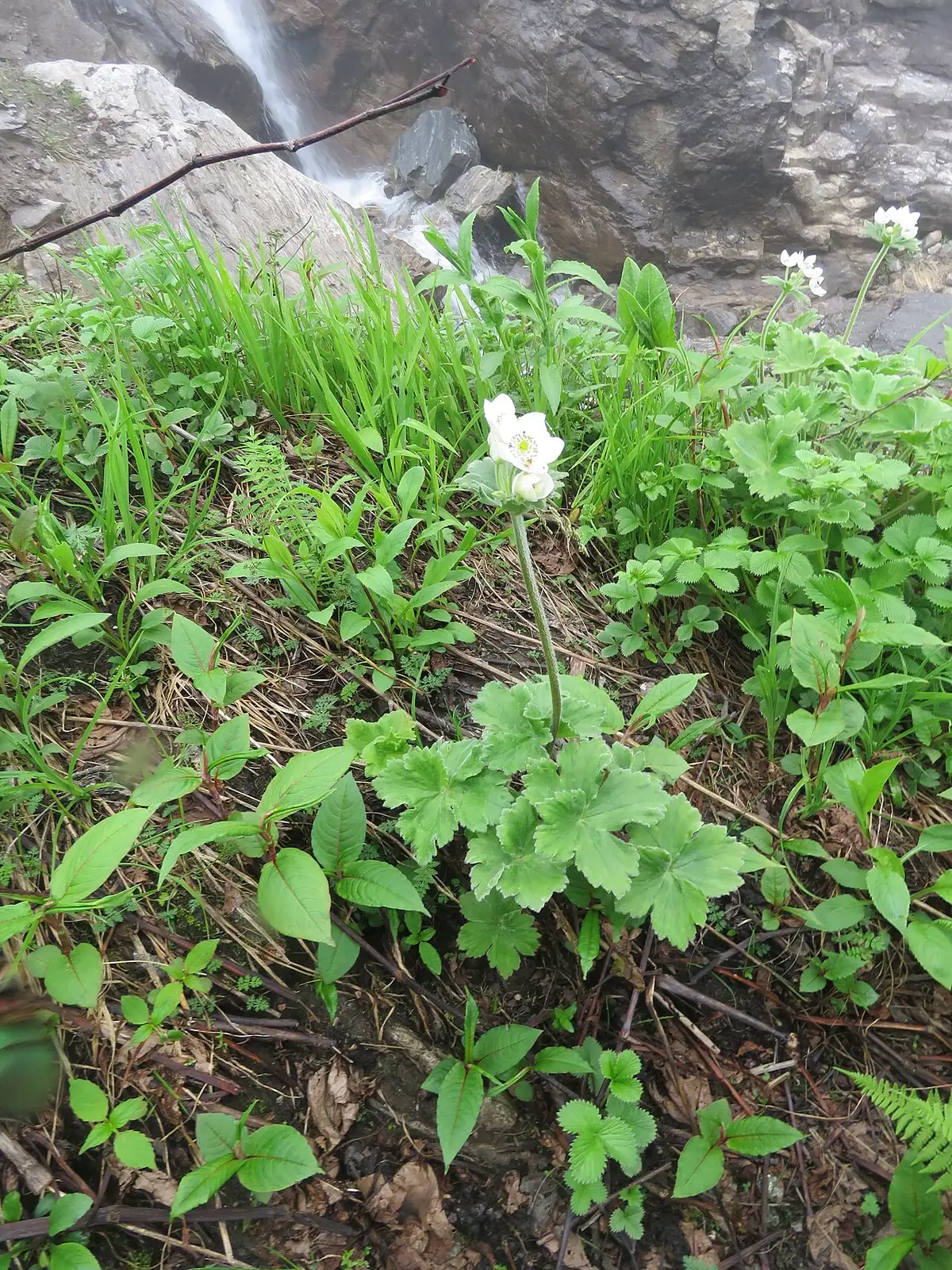
- Foliage: Basal leaves are usually 2–5 and long-stalked, with bold, heart-shaped ovate to broadly heart-shaped blades that give the plant a textured, lush look at ground level.
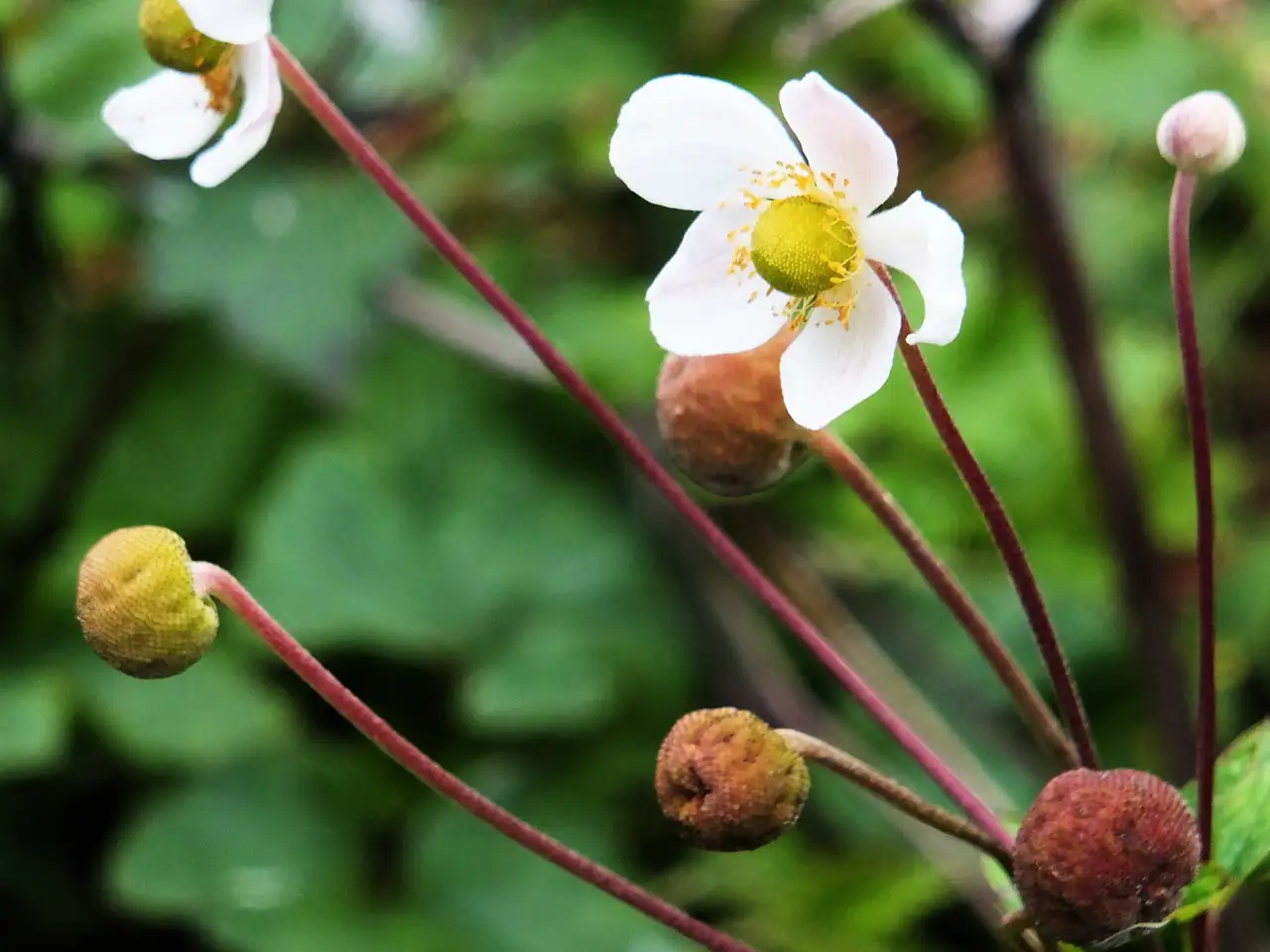
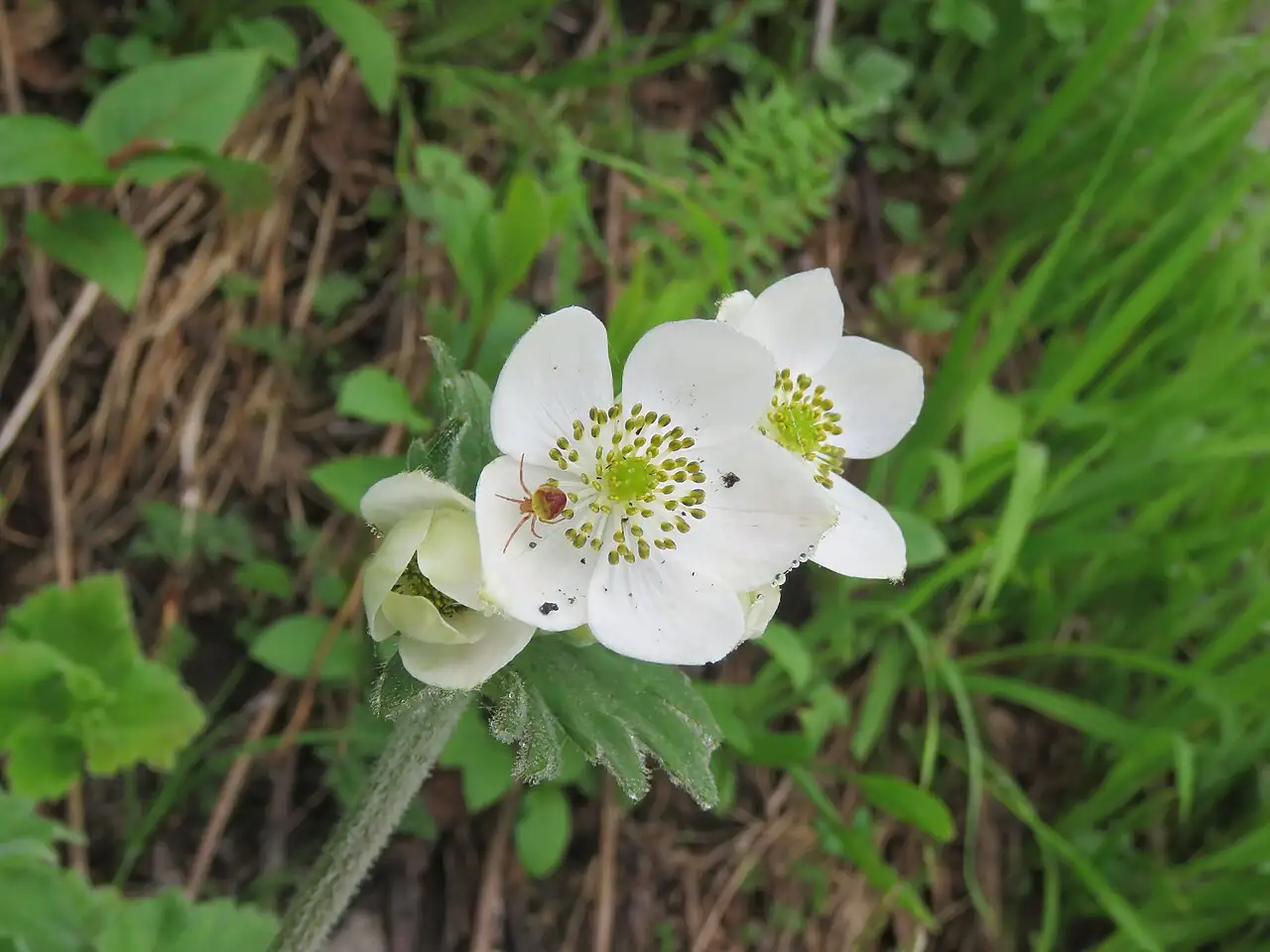
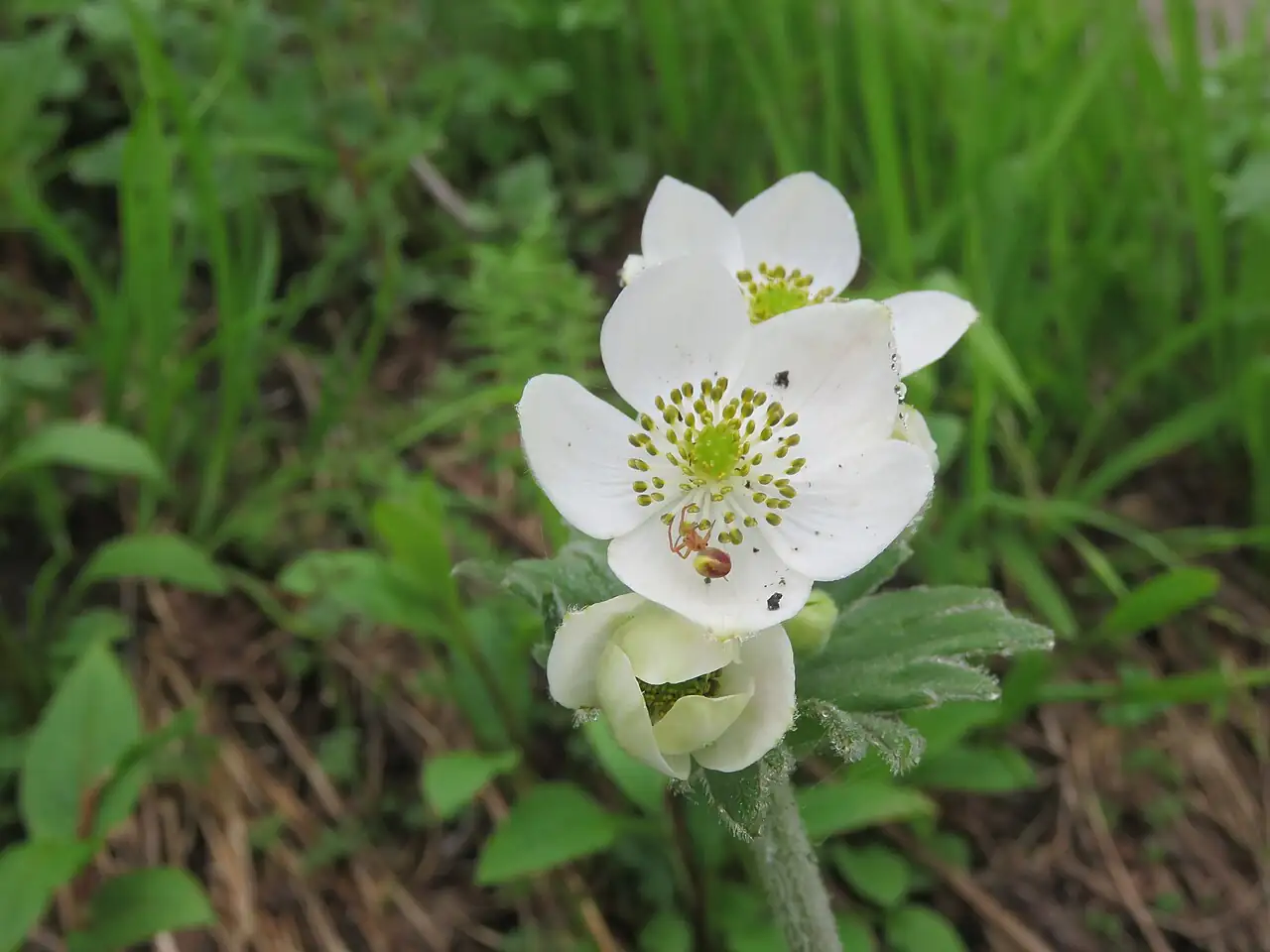
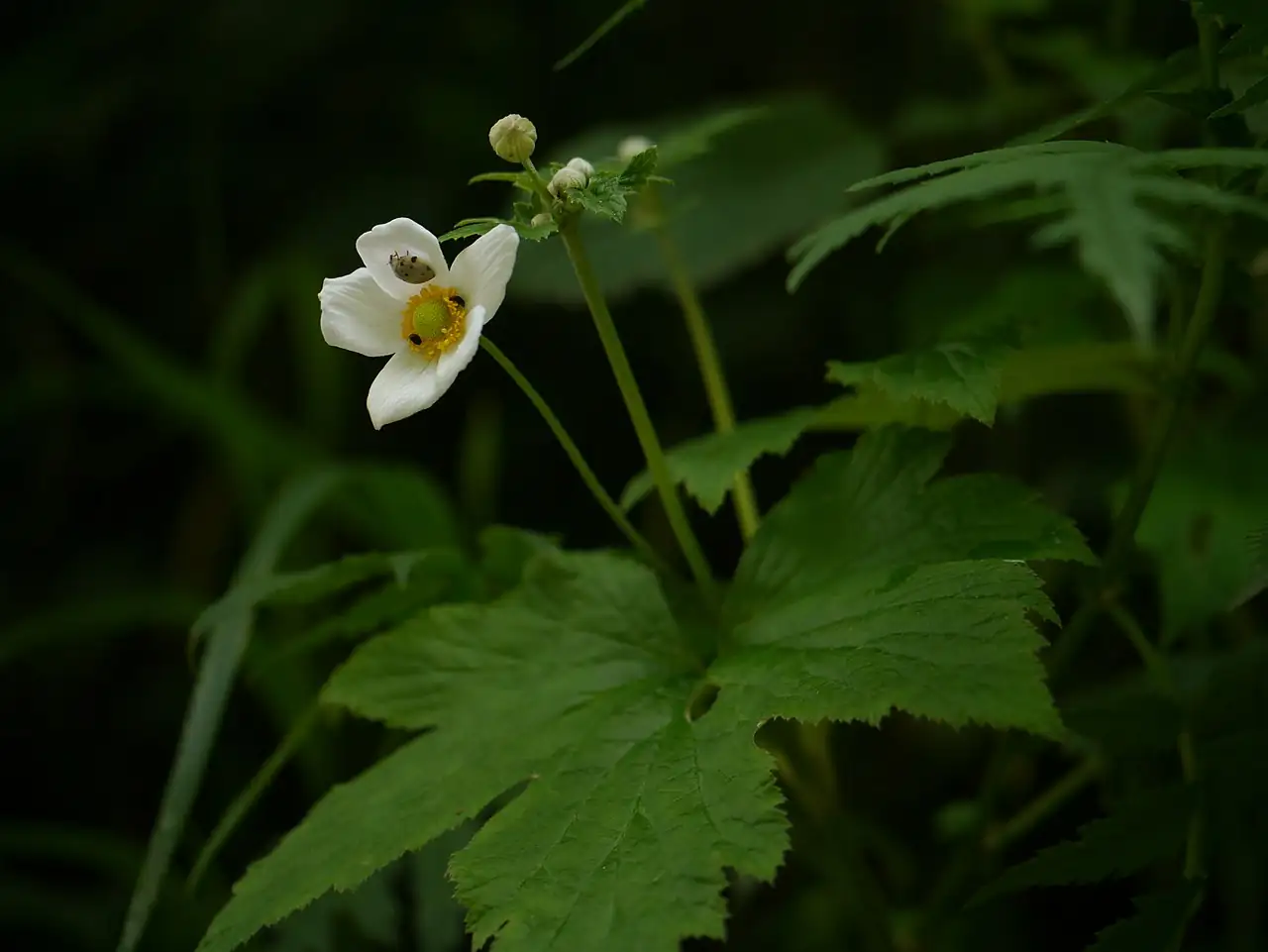
- Flower: Flowering stems are sturdy and softly hairy, carrying branched cymes. Each flower shows 5 petal-like sepals (not true petals) that are white to pale pink and obovate in shape; the stamens are relatively short (about one-quarter the length of the sepals). After flowering, the plant forms a rounded, spherical fruiting head made up of many woolly achenes.
- Flowering Season: May–October
- Growth Habit: Clump-forming herbaceous perennial arising from a slanting, woody rhizome; upright flowering stems.
Environment
Sunlight
Part shade; happiest in dappled light or bright shade outdoors (woodland-edge conditions).
Temperature
Cold tolerant; best growth in cool-to-mild conditions around 10–25°C (50–77°F).
Humidity
Adaptable in typical outdoor humidity; provide good air movement to reduce mildew risk.
Soil
Moisture-retentive yet well-drained, humus-rich soil is ideal; avoid waterlogged ground, especially in winter.
Placement
Outdoors in naturalistic settings: woodland edges, open woodland, mountain-style gardens, grassy slopes, or along ditches/stream banks.
Hardiness
Cold hardy for temperate climates; exact USDA zone can vary by local conditions and provenance.
Care Guide
Difficulty
Easy: robust, reliable growth and generally low-maintenance once established.
Buying Guide
Choose plants with firm crowns/rhizomes and healthy, unblemished foliage. Avoid pots with sour-smelling, waterlogged soil (a sign of poor drainage). If buying in bloom, look for sturdy stems that don’t flop and buds that are still opening for a longer display.
Watering
Keep soil evenly moist during active growth and flowering, especially in dry spells. Water deeply, then let the surface dry slightly; avoid constant sogginess, which can stress the crown and roots.
Fertilization
In spring, top-dress with compost or use a balanced slow-release fertilizer. Rich soil usually means lighter feeding; too much nitrogen can encourage lush leaves at the expense of flowers.
Pruning
Deadhead for tidiness and to extend the show, or leave seedheads for texture. After flowering finishes, cut back spent stems; the plant dies back in winter as a herbaceous perennial.
Propagation
Best propagated by division in early spring or autumn. It can also be grown from seed, though seedlings may take longer to reach flowering size.
Repotting
If container-grown, repot and/or divide every 2–3 years in early spring or autumn to refresh soil and prevent overcrowding.
📅 Seasonal Care Calendar
Flowering: May–October. Fruiting/seed set: typically April–May of the following year. Spring: feed lightly and keep evenly moist. Summer–autumn: water during dry periods and support if exposed to wind. Winter: allow dormancy; protect from waterlogging.
Pests, Diseases & Safety
Common Pests & Diseases
Generally trouble-free, but watch for powdery mildew in still, crowded conditions (improve airflow and avoid overhead watering late in the day). Slugs and snails may chew tender new growth—use barriers, hand-picking, or bait as needed.
Toxicity
Many Anemone species contain irritant sap that can bother sensitive skin and may be unpleasant if chewed. Wear gloves when dividing if you’re sensitive, and discourage pets from nibbling.
Culture & Symbolism
Symbolism: Often appreciated as a symbol of resilience and gentle beauty—soft, fluttery blooms carried on sturdy stems late in the season.
History & Legends: A wildflower native to mountainous regions of China, it has long been admired for its ability to thrive in semi-shaded, moisture-holding habitats like woodland margins and streamside gullies—exactly the kind of places gardeners try to recreate for a natural look.
Uses: Primarily ornamental: excellent for naturalistic planting schemes, woodland edges, and mixed borders. Valued for toughness, long flowering, and its clump-forming habit that helps fill space gracefully.
FAQ
Does grape-leaved anemone need full sun to flower well?
No—this species performs best in part shade or dappled light. In hot, harsh sun it may scorch or wilt unless the soil stays consistently moist.
Why does it disappear in winter?
It’s a herbaceous perennial, so the top growth dies back naturally in cold seasons. The plant rests as a rhizome and returns with fresh shoots in spring.
How do I keep it from getting powdery mildew?
Give it space and airflow, avoid overhead watering late in the day, and keep the plant from being crowded by neighboring growth. Mild cases can be managed by removing affected leaves and improving conditions.
Fun Facts
- It can flower from May to October, with fruits typically maturing the following April to May.
- Plants are usually 60–100 cm (24–39 in) tall and die back in winter as a herbaceous perennial.
- The showy “petals” are actually sepals, often white with a blush-pink tint.
- The fruiting head is a rounded cluster of many woolly achenes.
- In China it is found on mountain slopes, along gullies, and in open woodland across several southwestern and central provinces.


