Plant Features
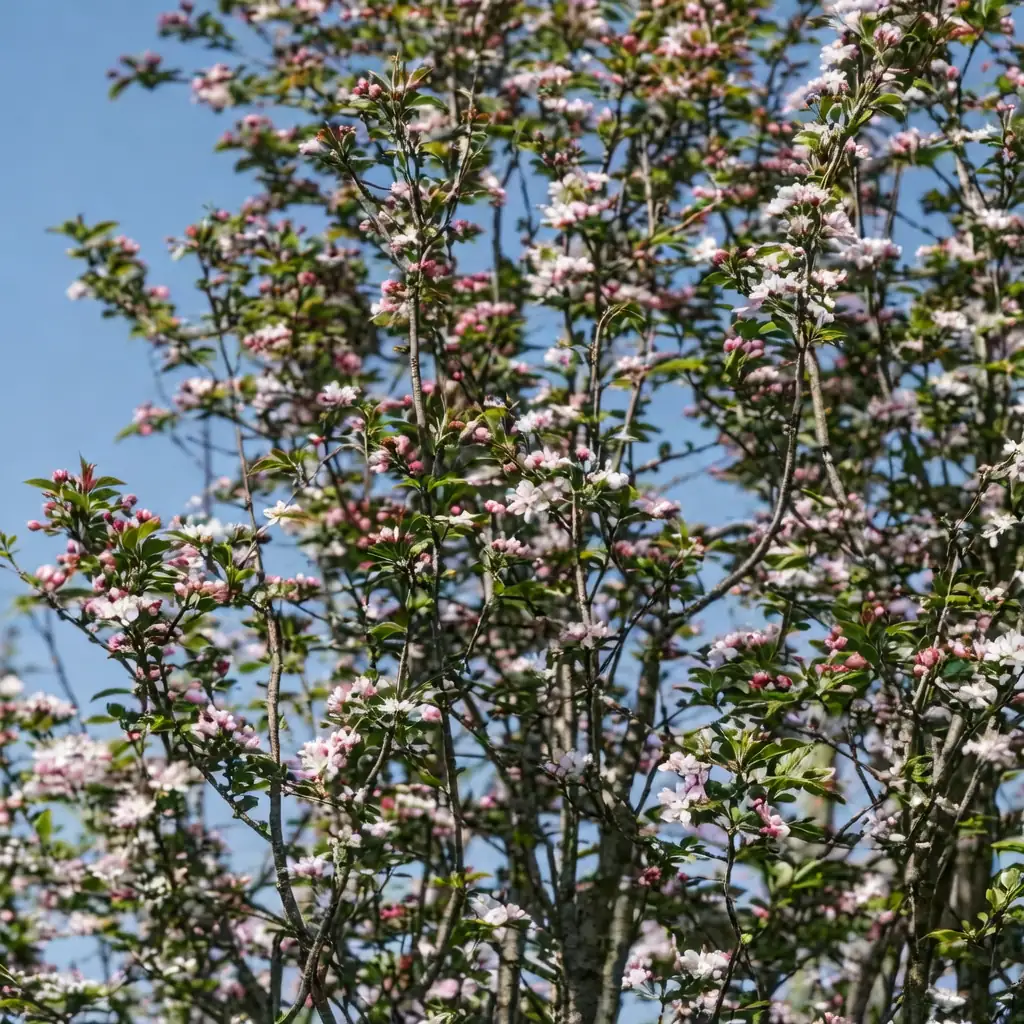
- Size: Up to about 5 m (16 ft) tall, usually forming a compact, tight crown.
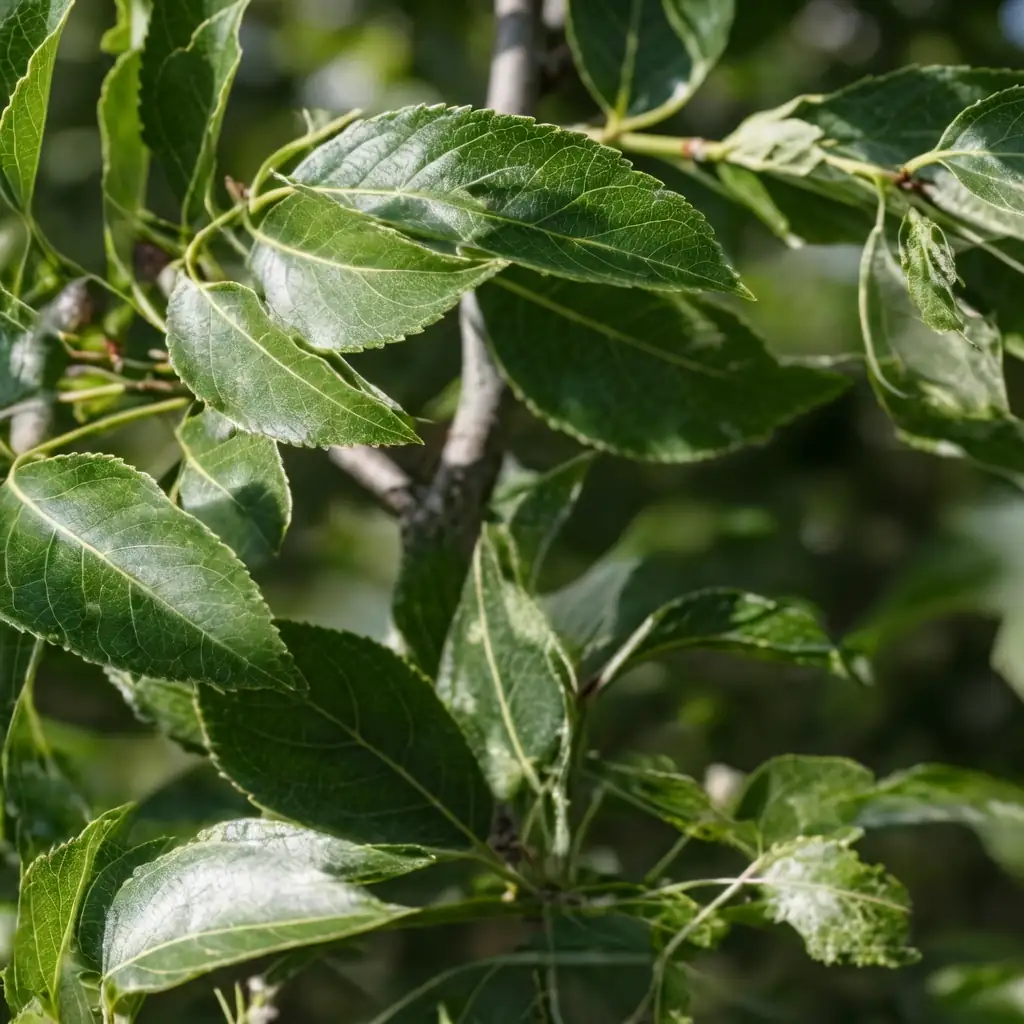
- Foliage: Leaves are oval to elliptic with sharply serrated margins. New shoots can be softly hairy when young, with hairs often shed as the twigs mature.
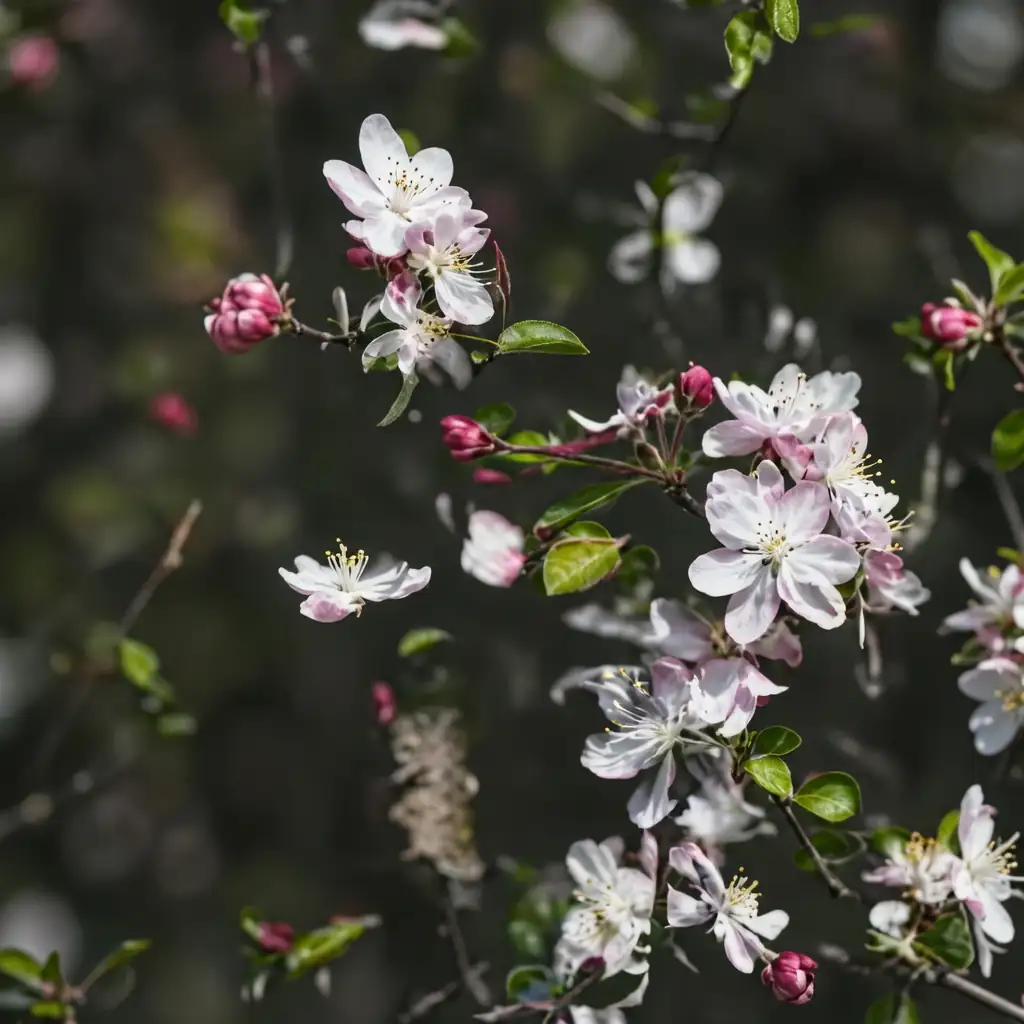
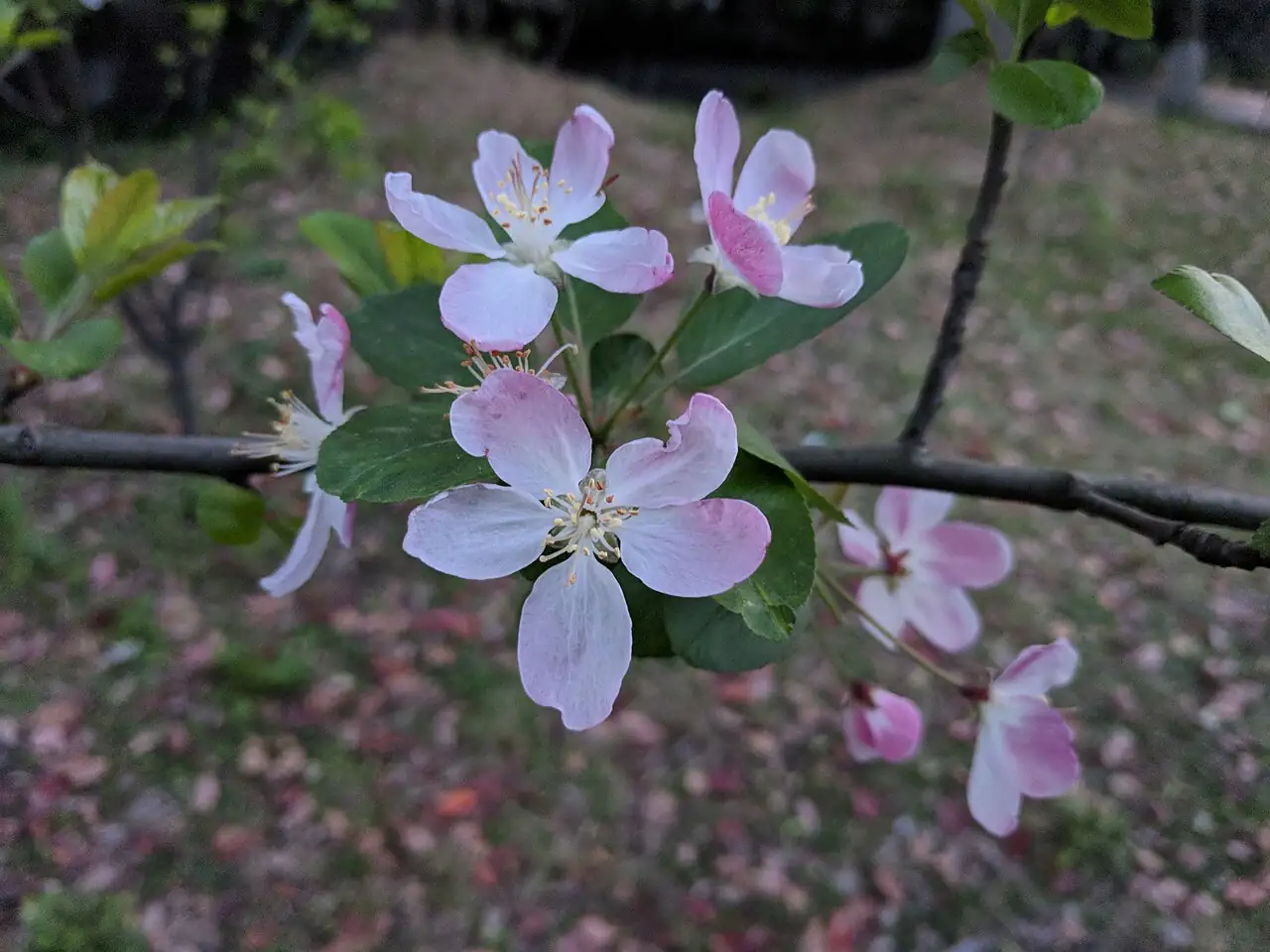
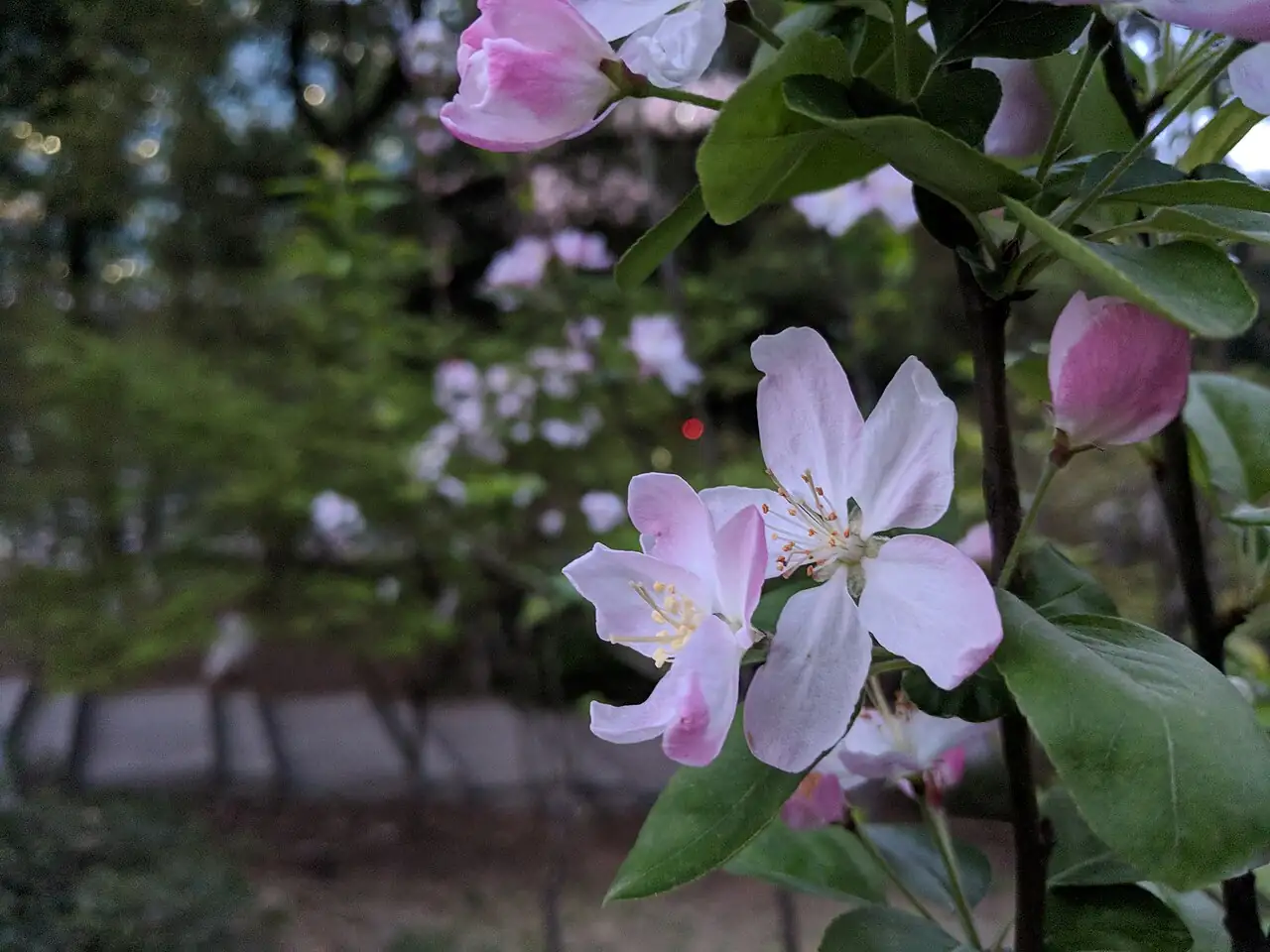
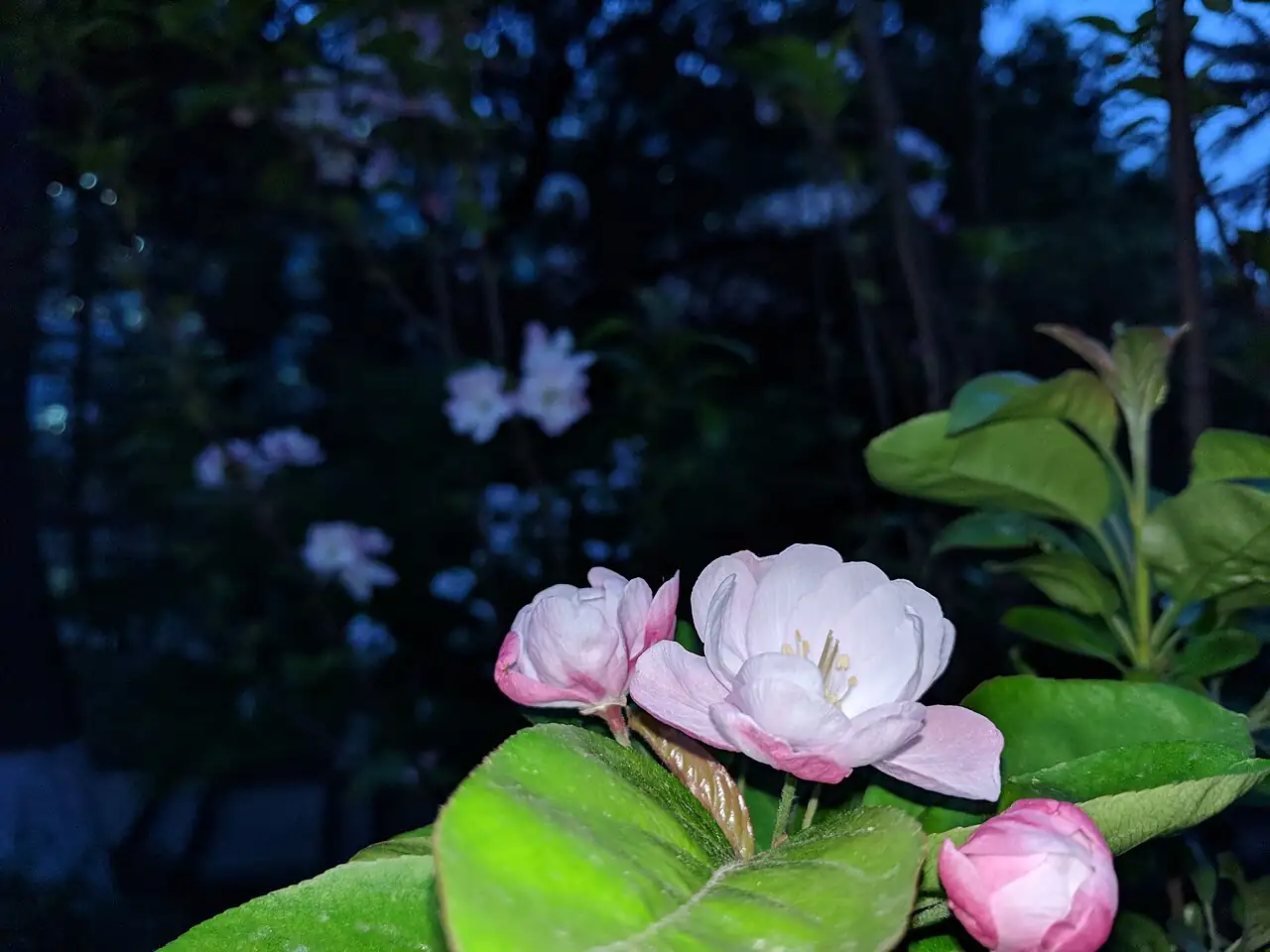
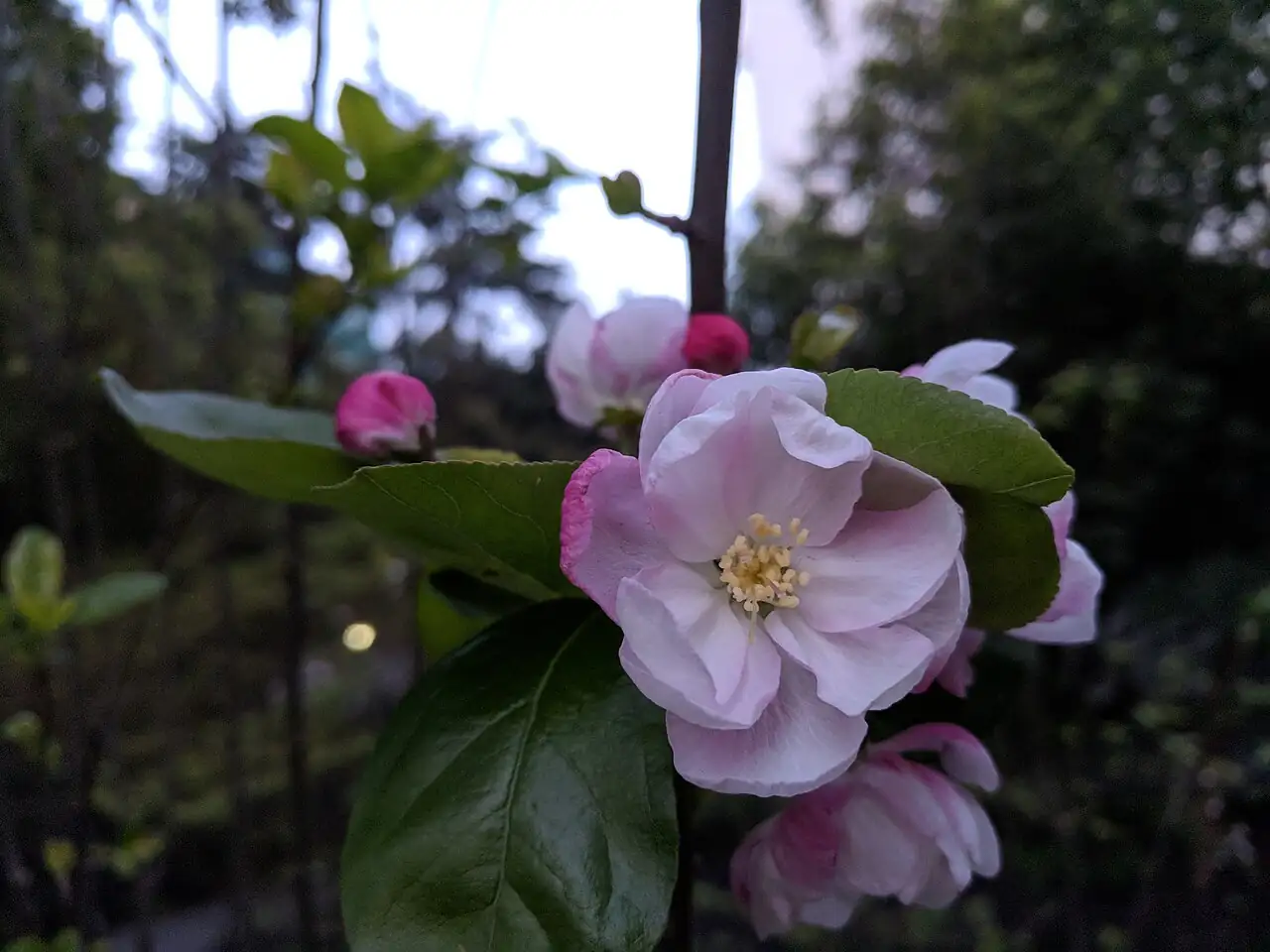
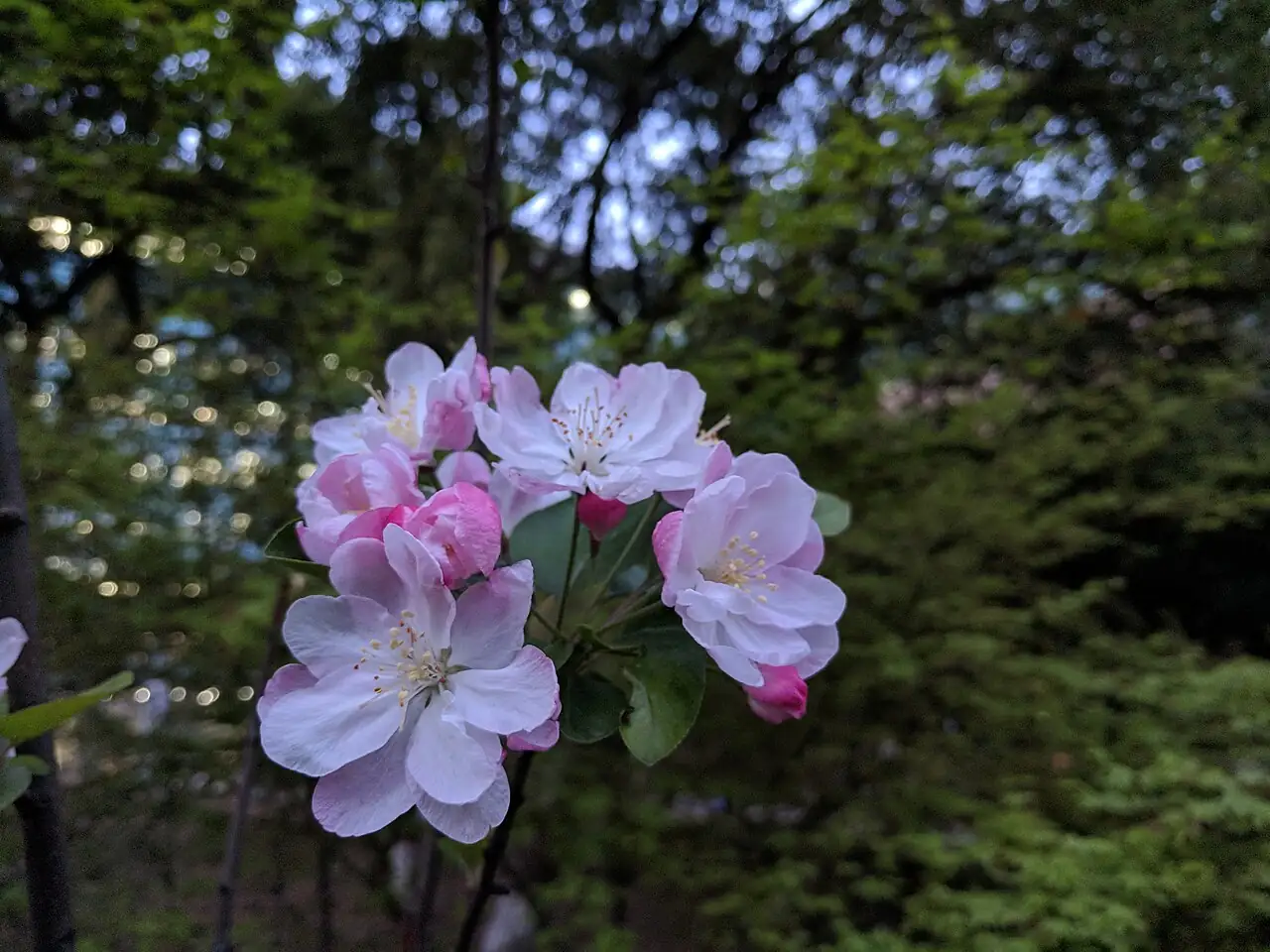
- Flower: Clusters of pink blossoms with short pedicels; flower clusters are generally held upright rather than pendulous.
- Flowering Season: April–May
- Growth Habit: A deciduous small tree with upright, straight-growing branches and a compact, neat crown.
Environment
Sunlight
Full sun for the best flowering; tolerates light shade, but bloom and overall performance are strongest in bright, open sites.
Temperature
Cold hardy and well-suited to cool–temperate climates; best growth roughly around 5–25°C (41–77°F).
Humidity
Does best with good air circulation. Avoid stagnant, overly humid conditions and especially avoid waterlogged situations; once established it handles short dry spells relatively well.
Soil
Prefers well-drained loam. Avoid heavy, poorly drained soils. Slightly acidic to neutral soil is generally suitable (around pH 6.0–7.0).
Placement
Outdoors in a sunny garden, courtyard, or park. Choose an open position with airflow and reliable drainage.
Hardiness
Approx. USDA Zone 4–8.
Care Guide
Difficulty
Easy to moderate outdoors: generally dependable in temperate regions when given sun and well-drained soil. Most trouble comes from cramped, poorly ventilated sites or overly wet soils.
Buying Guide
Pick a tree with a sturdy trunk and well-spaced scaffold branches. Avoid cankers, weak structure, and plants that have been sitting in soggy pots. Skip trees with blackened, shriveled shoot tips (a possible sign of fire blight).
Watering
Water deeply after planting and during prolonged dry spells. Let the top few centimeters/inches of soil dry between waterings, and never allow waterlogging. Aim water at the soil rather than soaking the foliage—especially in humid weather.
Fertilization
Feed in early spring with compost or a balanced slow-release fertilizer. Avoid heavy nitrogen feeding, which can push soft, lush growth and make disease issues more likely.
Pruning
Prune in late winter to early spring while dormant. Remove crossing, crowded, weak, dead, or diseased wood and maintain an open crown for airflow. If fire blight is suspected, prune out affected shoots promptly and disinfect tools between cuts.
Propagation
Most commonly propagated by grafting or budding onto Malus rootstocks. Seed propagation is possible but seedlings will not come true to type.
Repotting
Not typically grown indoors. If grown in a container, repot about every 2–3 years into a larger pot with a free-draining mix and strong drainage holes.
📅 Seasonal Care Calendar
Spring: enjoy blooms; water if dry and apply a light feed. Summer: watch for drought stress and pests; avoid overhead watering in humid periods. Autumn: enjoy fruit; clean up fallen leaves and fruit to reduce disease carryover. Winter: prune while dormant to shape the structure and improve airflow.
Pests, Diseases & Safety
Common Pests & Diseases
Possible pests include aphids, scale insects, spider mites, caterpillars, and borers. Diseases may include apple scab, powdery mildew, rusts, and fire blight. Prevention focuses on sun, airflow, sanitation (remove fallen leaves/fruit), and avoiding waterlogged soil; treat issues early with appropriate horticultural soaps/oils or targeted controls when needed.
Toxicity
Generally low toxicity as an ornamental Malus. However, like apples and many crabapples, the seeds contain cyanogenic compounds (amygdalin) and should not be eaten in quantity by people or pets.
Culture & Symbolism
Symbolism: Often linked with spring beauty, renewal, and a sense of auspicious seasonal joy in ornamental planting.
History & Legends: A classic flowering crabapple widely cultivated in China, cherished for its spring blossom display and its decorative fruit later in the year.
Uses: Grown mainly as an ornamental tree for spring flowers and late-summer-to-autumn fruit display. It also supports pollinators as a nectar and pollen source, and the small fruits can feed birds and other wildlife; in some places they’re used in preserves depending on taste and local tradition.
FAQ
When does it flower?
Typically April–May.
When does it fruit?
Typically August–September, with fruits often remaining decorative into early autumn.
How tall can it get?
Up to about 5 m (16 ft) tall, usually staying compact compared with many larger flowering trees.
Where is it native to?
Parts of China, including Liaoning, Hebei, Shanxi, Shandong, Shaanxi, Gansu, and Yunnan.
What other names is it known by?
Commonly called Chinese crabapple; it’s also referred to as flowering crabapple or small-fruited crabapple.
Fun Facts
- It’s admired for a two-season show: spring blossoms followed by small ornamental fruits from late summer into autumn.
- Young twigs can be softly hairy, and those hairs often disappear as the shoots mature.
- Its upright branching and compact crown give it a naturally tidy silhouette in gardens.
- Unlike some crabapples with drooping flower clusters, this one commonly holds its blooms more upright.