


Plant Features
- Size:10–60 cm (4–24 in) tall
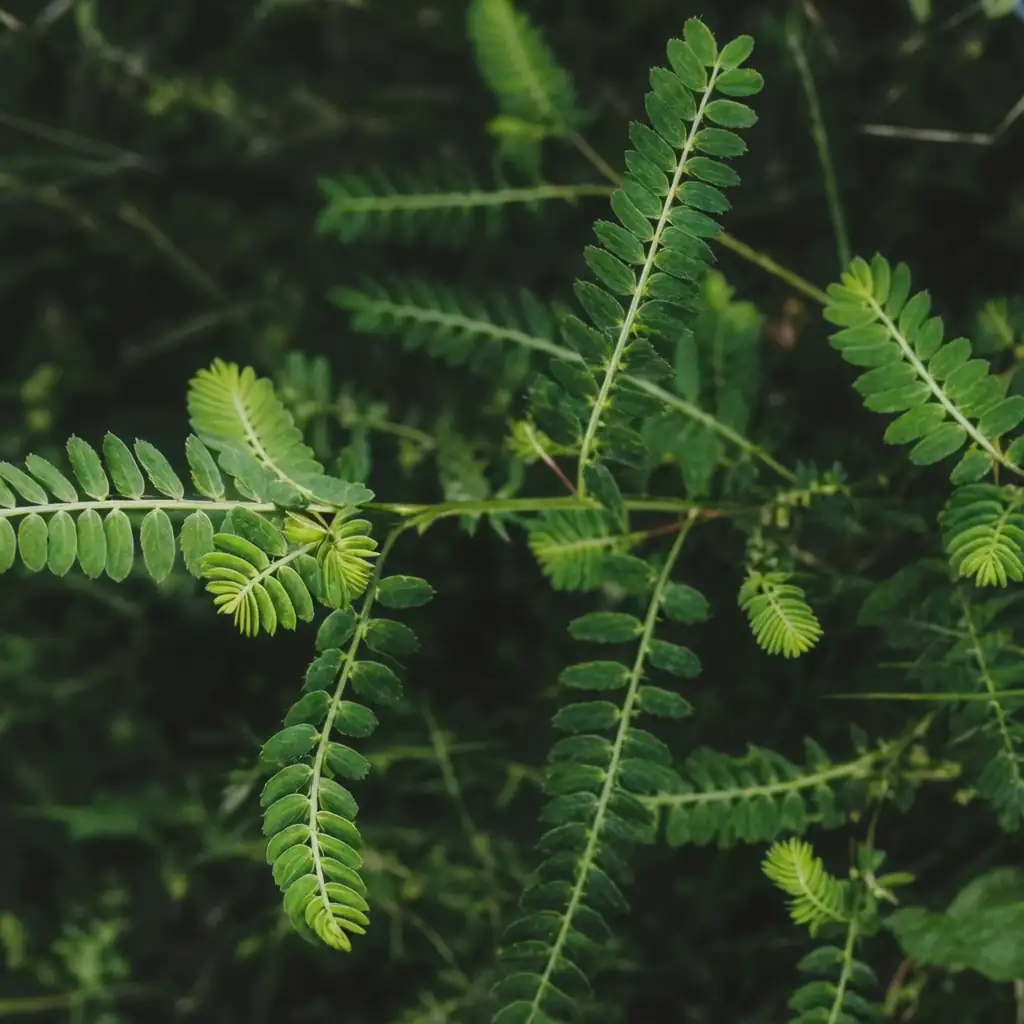
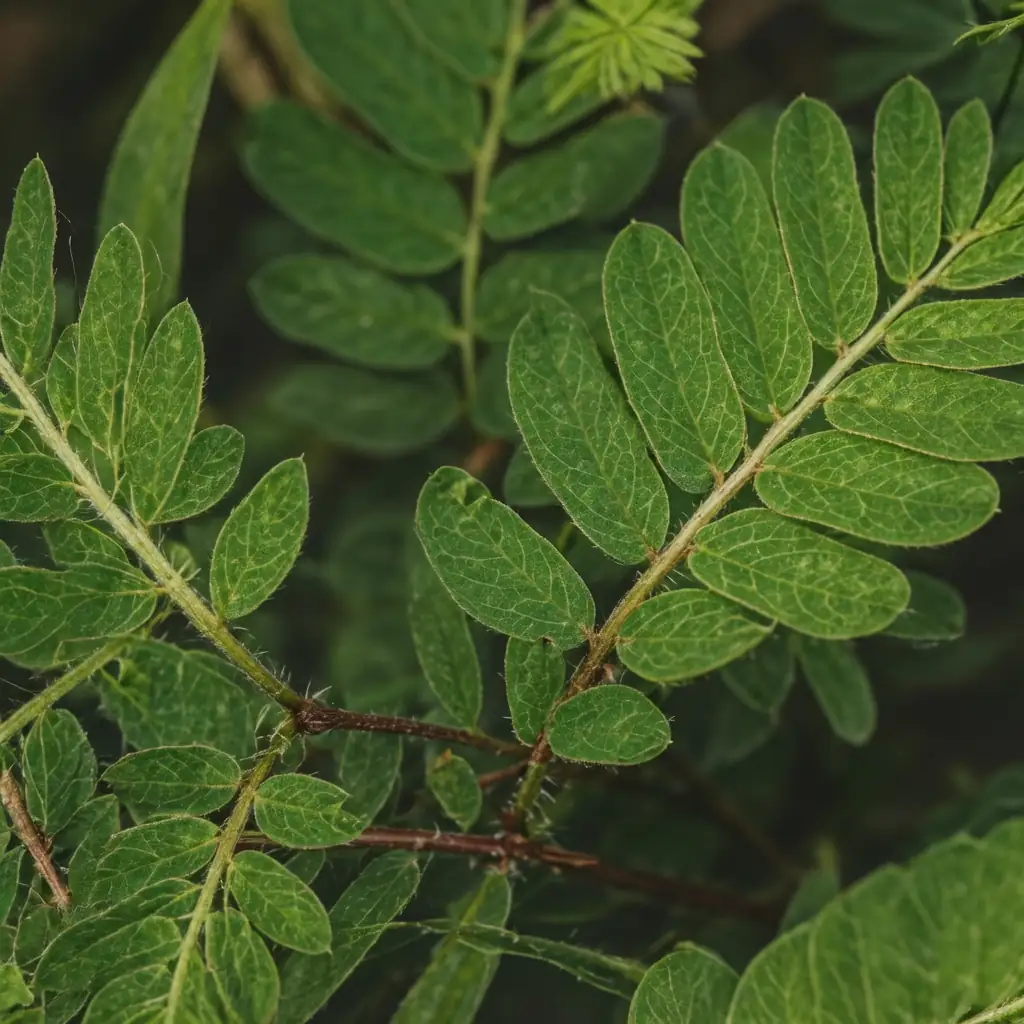
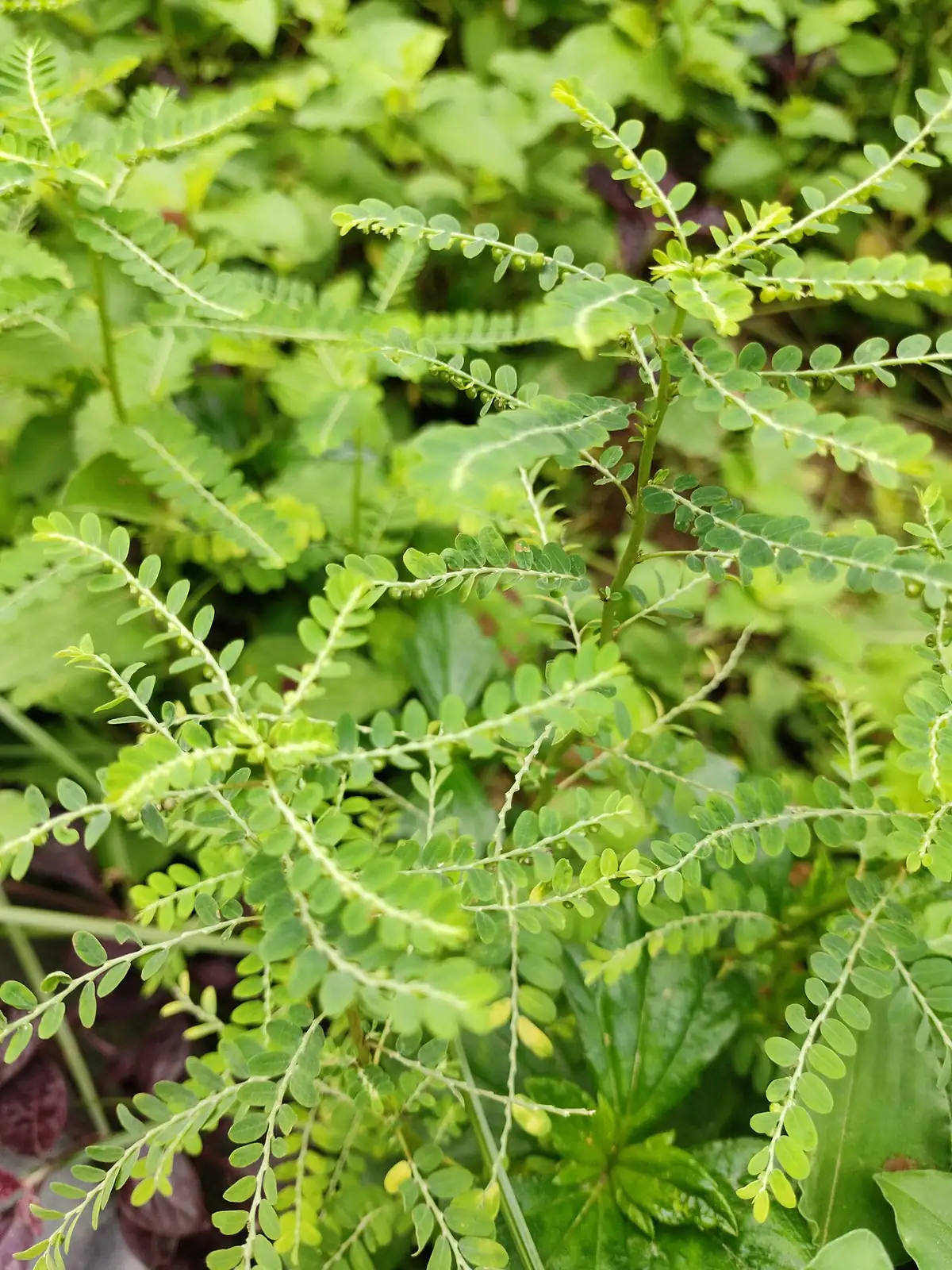
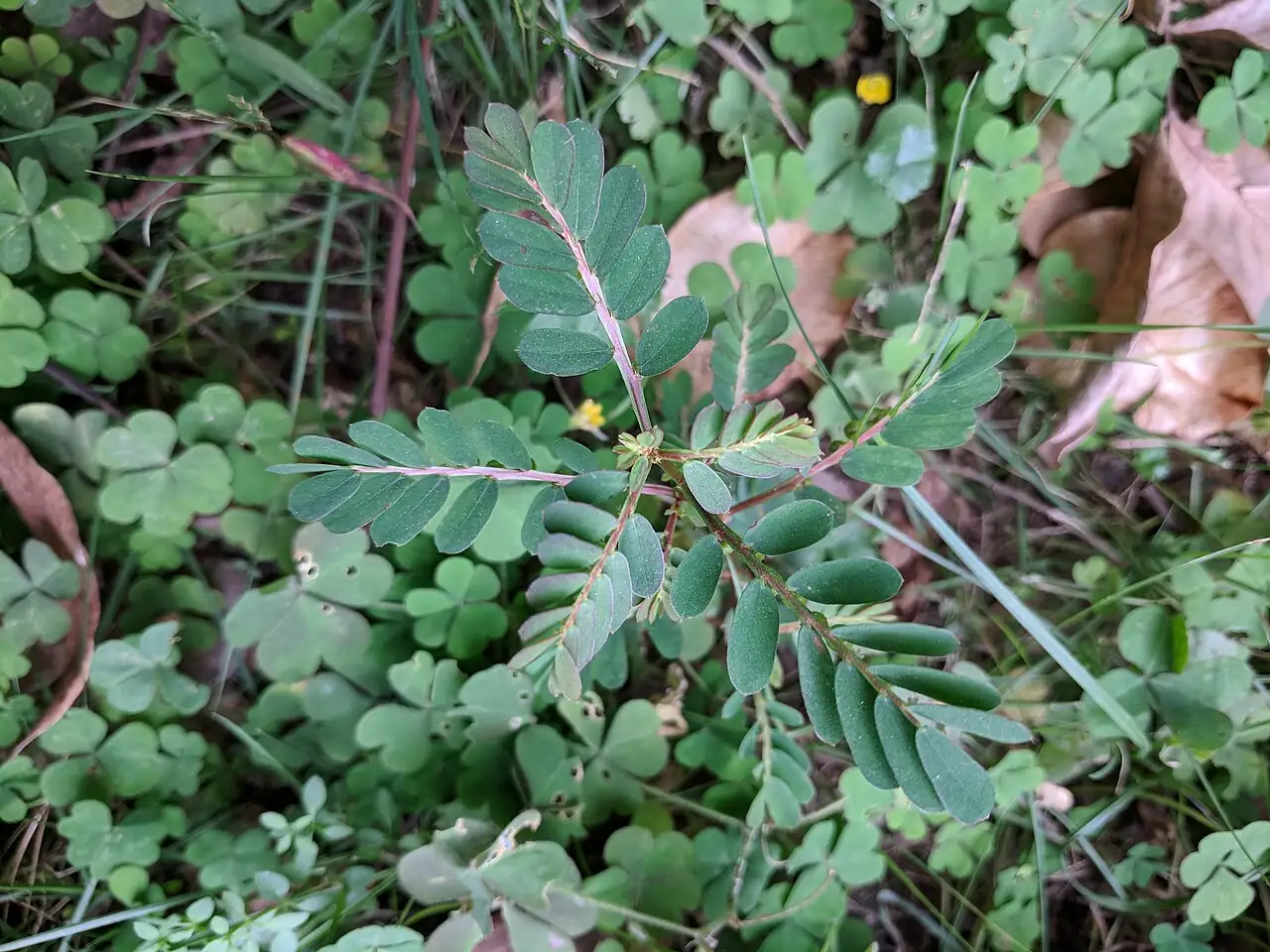
- Foliage: Leaves are very small and thin, arranged alternately along the branchlets. Together they create a tidy, pinnate/fern-like effect that makes the plant look soft and finely textured.
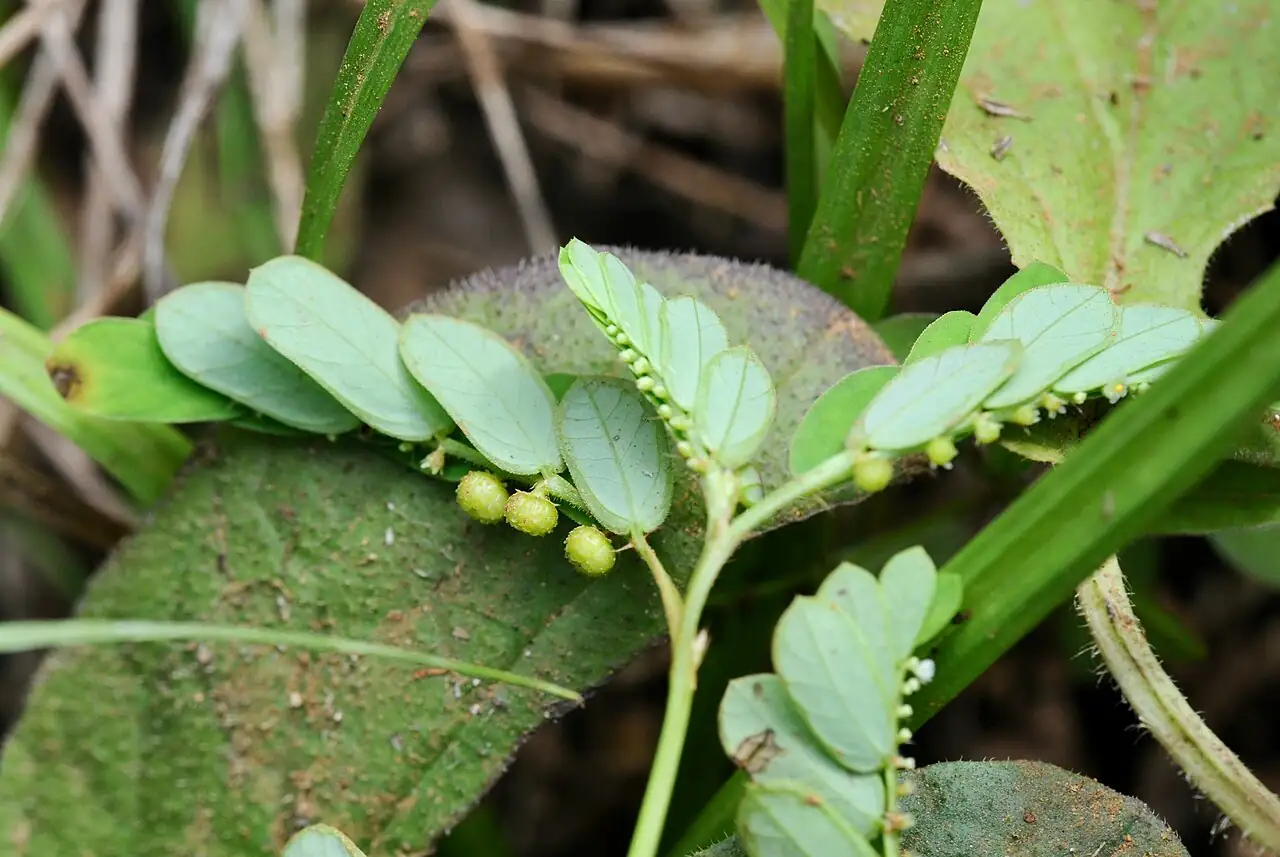
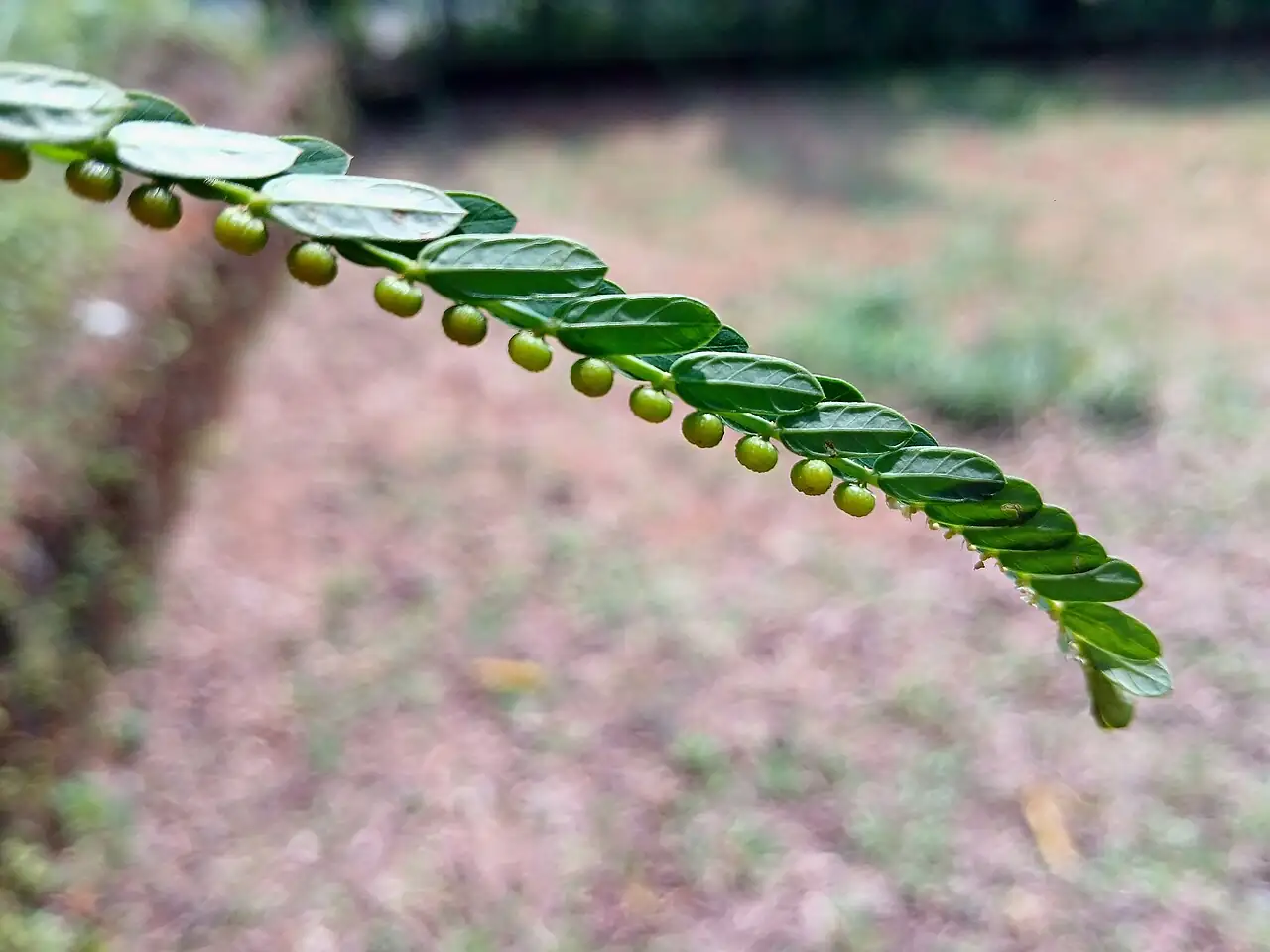
- Flower: Flowers are tiny and whitish, appearing along the underside of the leafy branchlets. After flowering, the plant produces flattened, round, bead-like capsules that sit in rows beneath the foliage, giving a distinctive “pearls under leaves” appearance.
- Flowering Season: April–June
- Growth Habit: An annual, low-growing herb that may form noticeable patches in suitable sites. Stems are often purplish-red and ridged; it thrives in warm, humid conditions and tolerates light shade.
Environment
Sunlight
Partial shade to bright indirect light. It can take more sun in cooler conditions as long as the soil stays evenly moist.
Temperature
Prefers warmth, about 20–30°C (68–86°F). Growth slows in cooler weather.
Humidity
Moderate to high humidity; performs best where the air and soil don’t dry out too much.
Soil
Loose, well-drained soil that stays evenly moist; sandy-loam or a light garden soil is ideal. Avoid prolonged waterlogging.
Placement
Best outdoors in garden beds, edges, lightly shaded understory margins, or naturalized spots. It also appears readily in disturbed soils under open shrubs/trees.
Hardiness
Frost-tender annual. Typically behaves as a warm-season plant; in climates with frost it will die back after cold weather. Roughly aligns with USDA Zone 10–12 behavior in the ground.
Care Guide
Difficulty
Easy (in warm weather). It sprouts and grows readily from seed when moisture and warmth are consistent.
Buying Guide
More often encountered as a wild plant than a nursery ornamental. If selecting seedlings, choose plants with firm, unbroken stems and fresh green leaves. Avoid plants that are badly wilted, heavily yellowed, or showing signs of rot at the base.
Watering
Keep soil lightly and evenly moist. Water when the top 1–2 cm (0.4–0.8 in) begins to dry, and avoid letting pots sit in water (waterlogging can cause rot).
Fertilization
Usually unnecessary in garden soil. In containers, feed lightly with a balanced fertilizer at 1/4 strength every 3–4 weeks during active growth.
Pruning
Not required. If grown intentionally as a small ornamental, you can pinch tips to encourage a bushier shape. Remove plants at season’s end as they decline.
Propagation
Primarily by seed. Let capsules mature and dry, then collect and sow on the soil surface with a light covering. Warm conditions speed germination.
Repotting
If grown in a container, pot up once into a slightly larger pot when roots fill the container. Use a free-draining mix and avoid overpotting.
📅 Seasonal Care Calendar
Spring–summer: sow or allow seedlings to establish; maintain even moisture and provide partial shade in hot climates. Late summer–autumn: capsules mature—collect seed if desired. After first frost or seasonal decline: remove spent plants and tidy the area.
Pests, Diseases & Safety
Common Pests & Diseases
Generally trouble-free. In crowded, overly wet conditions it can suffer damping-off or root rot—improve drainage and airflow. Aphids may appear occasionally; rinse off with water or use insecticidal soap if needed.
Toxicity
No widely accepted evidence of significant toxicity from normal handling, but it’s still best not to eat wild plants. If a child or pet ingests a large amount, seek medical/veterinary advice.
Culture & Symbolism
Symbolism: Often linked with the idea of “hidden pearls,” inspired by the bead-like fruits that line up beneath the leaves.
Uses: Mostly appreciated as a naturalistic wild groundcover in warm, moist habitats. Up close, it’s also quite ornamental thanks to its delicate, fern-like sprays and its signature rows of bead-like capsules.
FAQ
When does it flower?
Typically April–June.
When does it fruit?
Typically July–November.
How tall does it grow?
About 10–60 cm (4–24 in).
Where is it found and what habitat does it prefer?
Across eastern, central, southern, and southwestern China; commonly in montane shrubland and under open, sparse woodland in warm, humid conditions.
What is it mainly used for?
Mostly as a wild groundcover; it can also be enjoyed ornamentally for its fine foliage and distinctive bead-like capsules.
Fun Facts
- The purplish-red, ridged stems make it surprisingly easy to identify once you know what to look for.
- Its flattened seed capsules line up under the leafy sprays—one of the best real-life examples of “pearls under the leaves.”
- Even though each plant is small, it can form noticeable patches in warm, moist, lightly shaded places.


