Plant Features
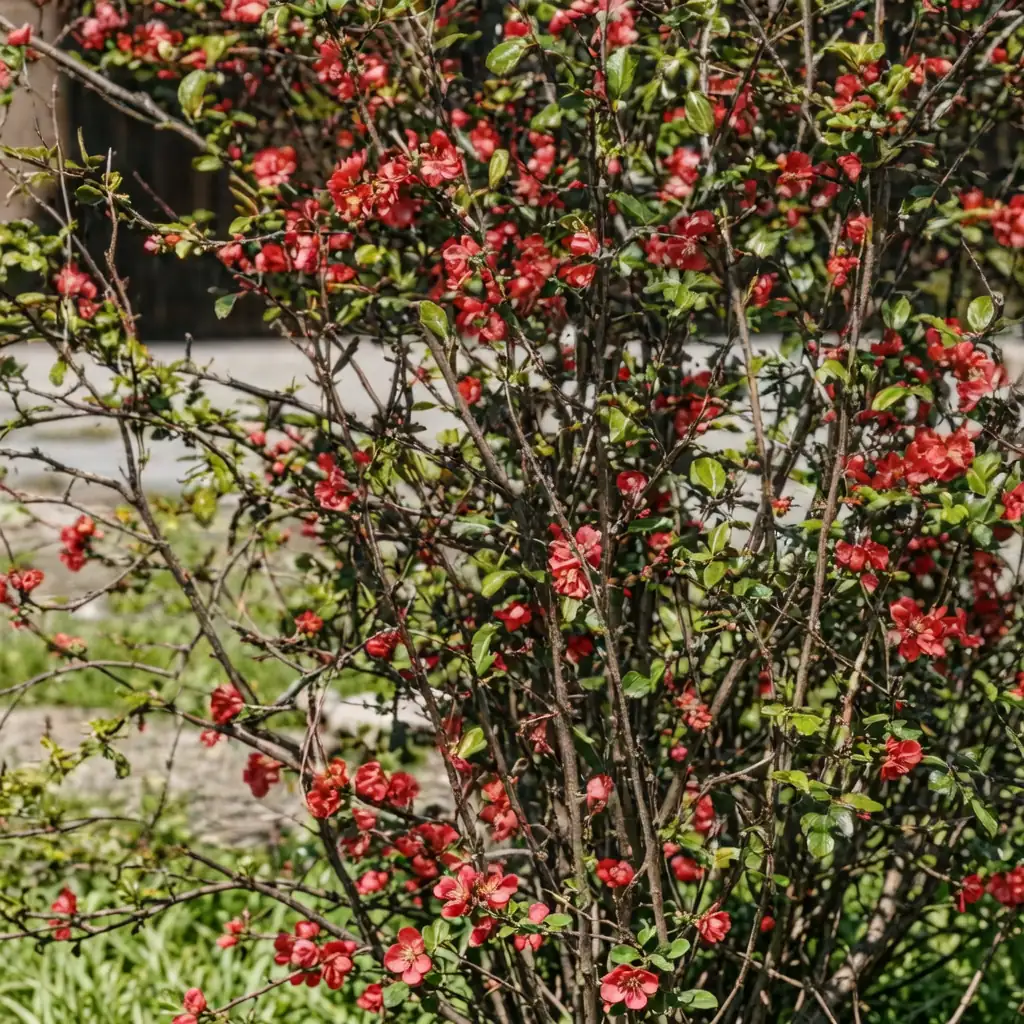
- Size:0.5–2 m (1.6–6.6 ft) tall; typically forms a dense, rounded shrub
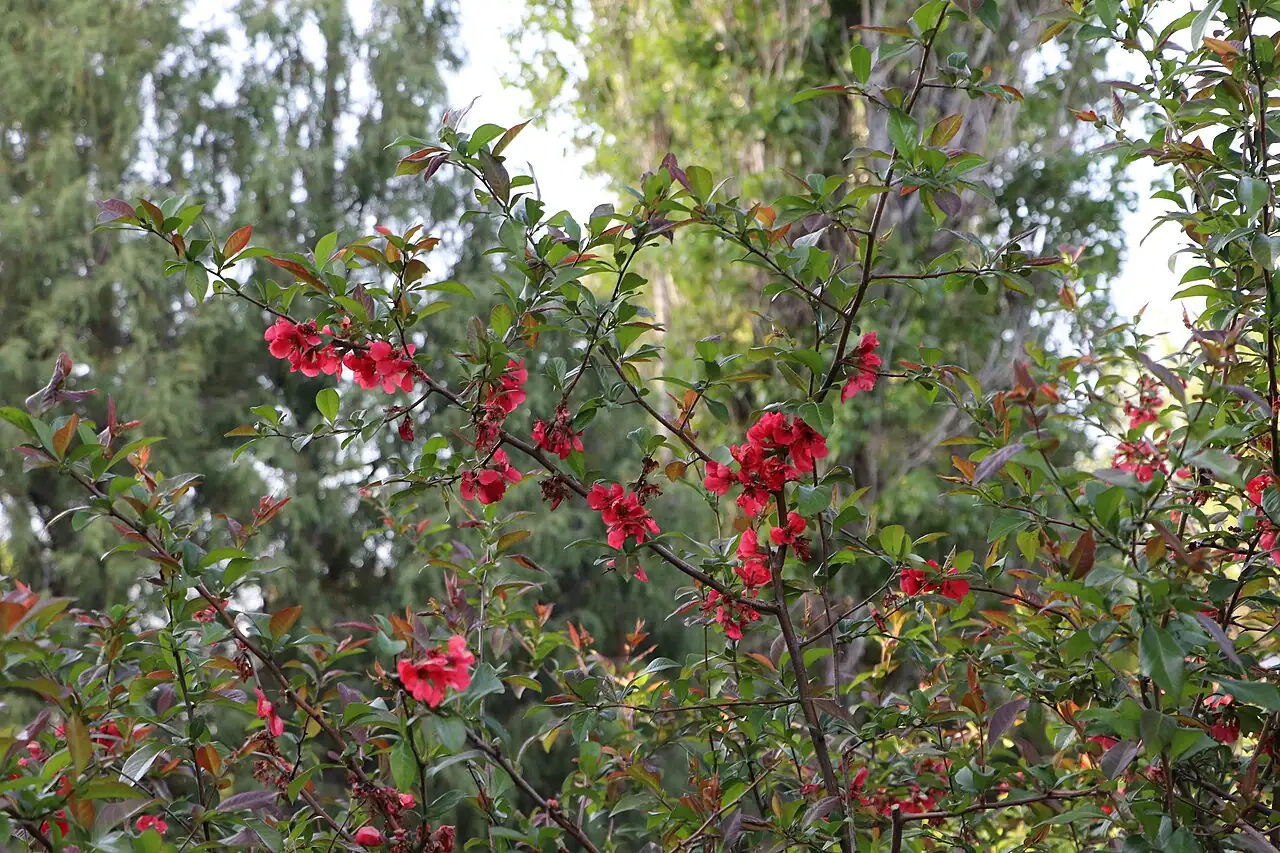
- Foliage: A deciduous shrub whose leaves usually emerge after the main flowering display. Winter buds are triangular-ovate with pointed tips and are often purplish-brown.
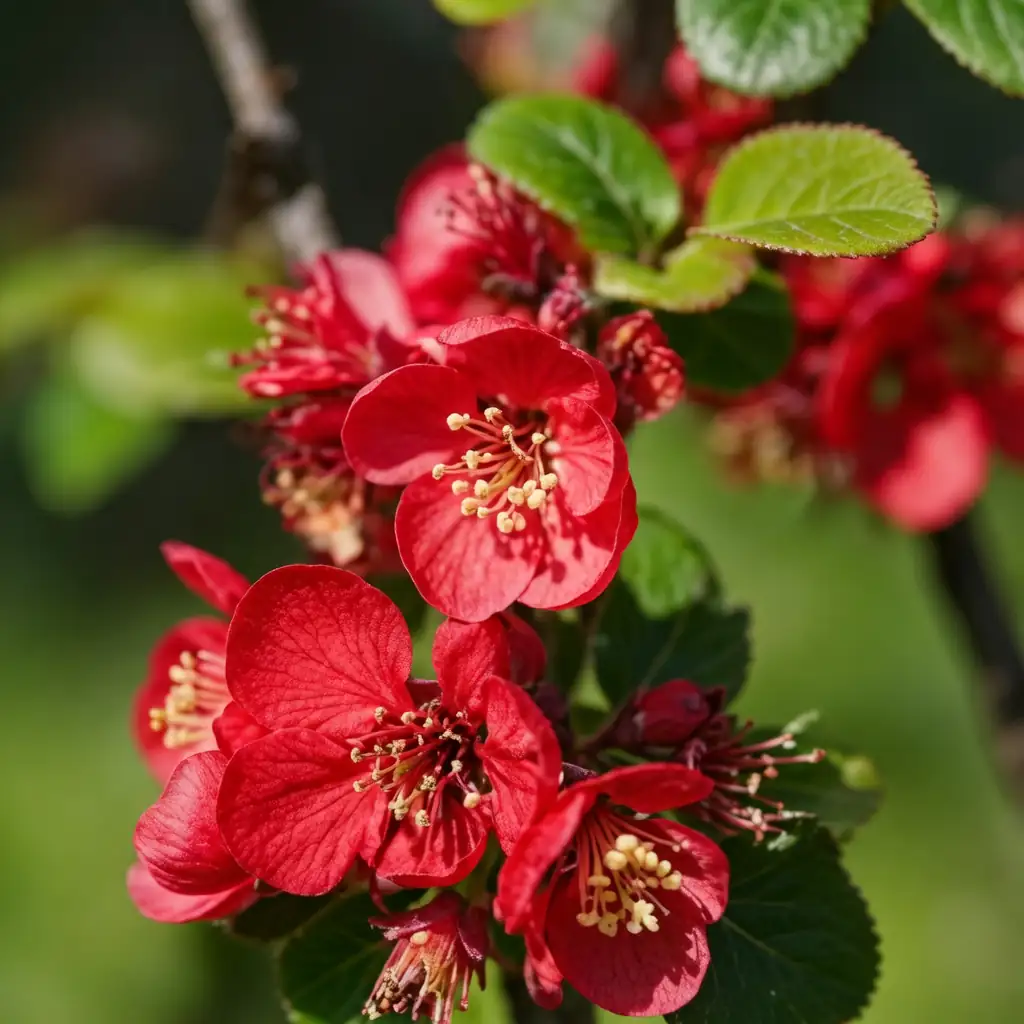
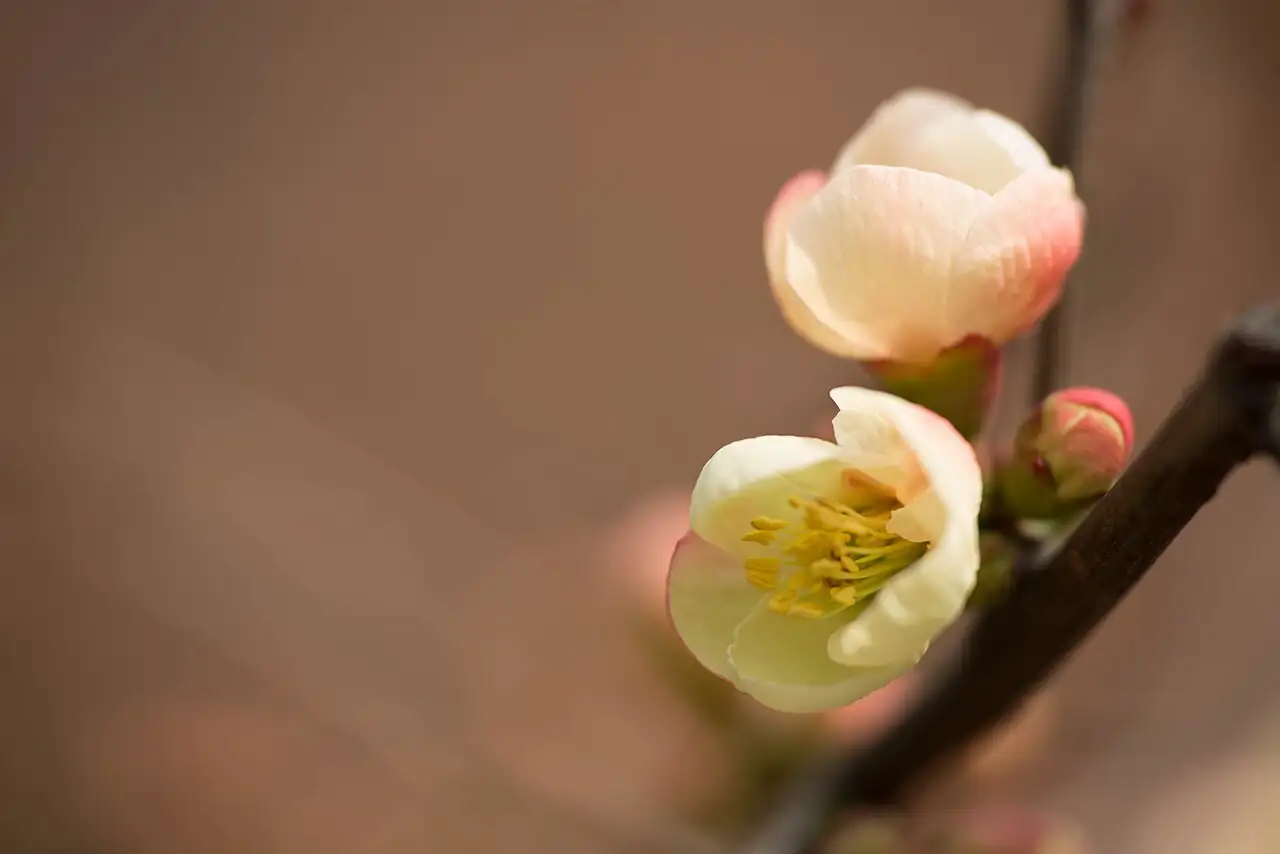
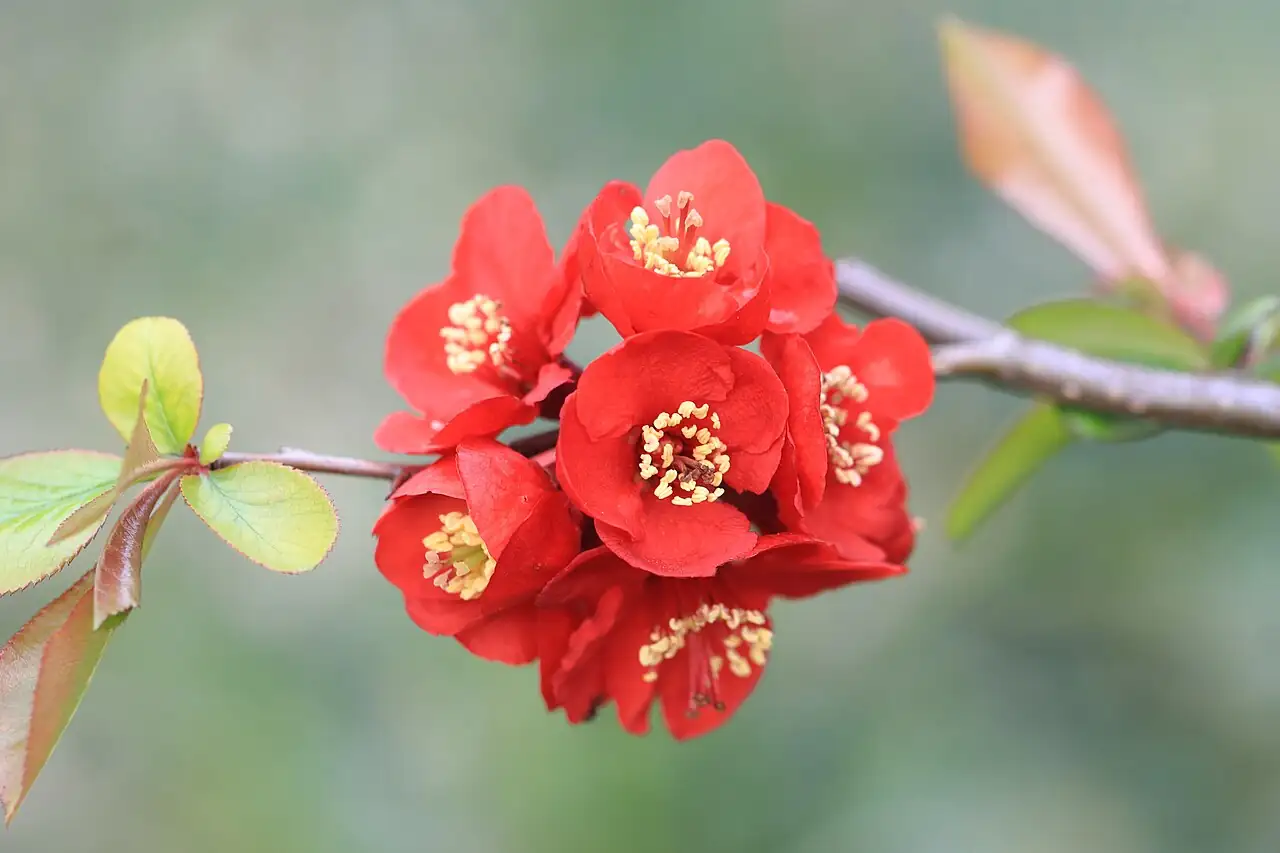
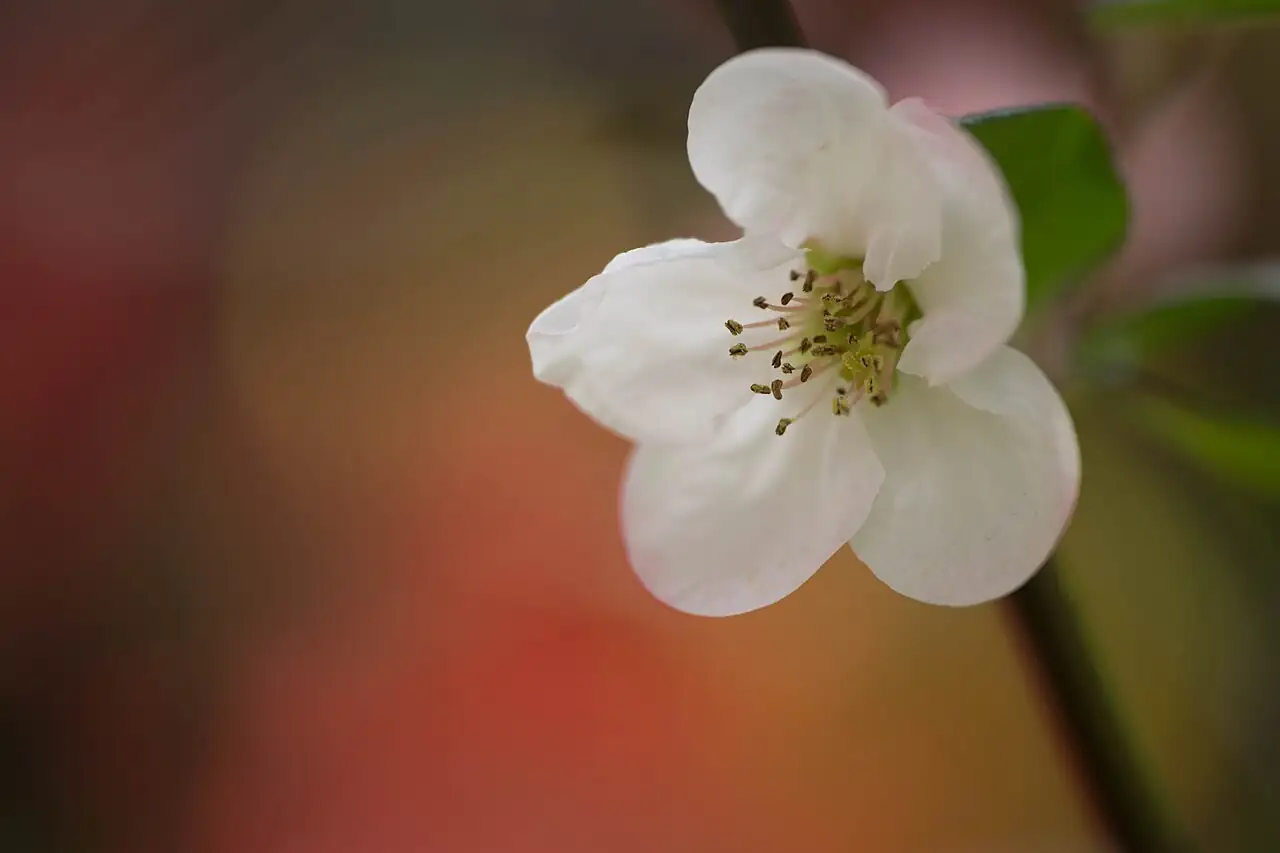
- Flower: Showy early-spring flowers open before the leaves, commonly appearing in small clusters of 3–5 on older (often two-year) wood. Flower stalks are short and stout. Color varies by cultivar, commonly red, orange, pink, or white.
- Flowering Season: March–May
- Growth Habit: Dense, multi-stemmed, thorny shrub; young twigs are cylindrical and slightly curved, forming a compact, often rounded outline.
Environment
Sunlight
Full sun to partial shade; flowers most heavily in full sun.
Temperature
Cold-tolerant once established and well-suited to cool-to-temperate climates. A typical tolerance range is about -20 to 30°C (-4 to 86°F), depending on cultivar and site conditions.
Humidity
Average outdoor humidity is fine; tolerates brief dry spells after establishment.
Soil
Adaptable to many soils, including relatively poor ones, but performs best in fertile, well-drained loam. Avoid waterlogged conditions.
Placement
Sunny borders, mixed shrub beds, and along fences or property lines as a thorny hedge/barrier; also suitable for formal clipping into rounded shrub shapes.
Hardiness
Generally USDA Zone 4–8 (approx. -34 to -7°C / -29 to 19°F), depending on selection and exposure.
Care Guide
Difficulty
Easy to moderate. It’s hardy and forgiving, but rewards you with better flowering in sunnier spots with decent drainage.
Buying Guide
Pick plants with multiple healthy stems, firm buds, and no signs of cankers, dieback, or blackened shoots. If shopping in bloom, choose one with a mix of open flowers and plenty of buds for a longer show. Avoid severely pot-bound plants with circling roots.
Watering
Water regularly through the first growing season to establish roots. Once established, water mainly during prolonged dry spells. Aim for evenly moist soil, not soggy; reduce watering in cool seasons.
Fertilization
In early spring, top-dress with compost or use a balanced slow-release fertilizer. Go easy on high-nitrogen feeding, which can push leafy growth and reduce flowering.
Pruning
Prune right after flowering to protect next year’s blooms, since it flowers on older wood. Remove dead, damaged, or crossing branches and thin crowded stems to improve airflow. Wear gloves—stems are thorny.
Propagation
Semi-hardwood cuttings in summer, hardwood cuttings in winter, layering, or seed (note: seedlings may not come true to the parent plant).
Repotting
Most often grown in the ground. In containers, repot every 2–3 years into fresh, well-draining mix; choose a sturdy pot and handle carefully because of thorns.
📅 Seasonal Care Calendar
Late winter/early spring: add compost or a light feed; watch swelling buds. Spring (flowering): enjoy the show and avoid heavy pruning. After flowering: do main pruning and shaping. Summer: water during drought and monitor pests. Autumn: fruits may ripen; tidy fallen leaves and mulch in colder regions.
Pests, Diseases & Safety
Common Pests & Diseases
Can attract aphids, scale insects, and spider mites. Leaf spot may appear in humid conditions or when plants are crowded. Improve airflow, avoid overhead watering, and remove infected leaves. As a member of Rosaceae, it may be subject to fire blight in some regions—promptly prune out any suspicious blackened shoots and disinfect tools.
Toxicity
Generally considered low-toxicity as an ornamental. The fruit is fragrant but typically very astringent when raw and is usually cooked/processed before eating. Prevent pets or children from chewing woody, thorny stems.
Culture & Symbolism
Symbolism: A cheerful symbol of resilience and the promise of spring—because it blooms so early, often before leaf-out.
History & Legends: Long cultivated in East Asia both as a garden ornamental and for its aromatic fruit. Its reputation as a hardy, early-season bloomer has made it a classic in traditional plantings.
Uses: Ornamental spring-flowering shrub; thorny hedge/barrier plant; can be clipped into rounded forms for a more formal look. Fruits are used after processing (such as preserves) and also appear in traditional wellness uses in some areas.
FAQ
When does Japanese quince flower?
Usually March–May (early spring), depending on your climate and local temperatures.
When do the fruits ripen?
Typically September–October (early autumn).
How tall does it grow?
About 0.5–2 m (1.6–6.6 ft), depending on cultivar, age, and pruning.
What soil does it prefer?
It’s adaptable, but it performs best in fertile, well-drained loam; avoid waterlogged spots.
What is it mainly used for?
Spring flowers, protective hedging thanks to its thorns, clipped shrub forms, and fragrant fruits that are best used cooked or processed.
Fun Facts
- It often blooms on bare branches—flowers can appear before the leaves, making it a standout in early spring.
- The fruits are intensely fragrant and quince-like, but usually too astringent to eat raw—cooking transforms them.
- Its dense, thorny structure makes it a time-tested choice for protective hedges.
- It can be trained or clipped into rounded, formal shapes for structured garden designs.
- It’s in the rose family (Rosaceae), making it a relative of apples, pears, and true quince—though it belongs to the genus Chaenomeles.