Plant Features
- Size: Typically up to about 20 m (66 ft) tall; crown narrow-pyramidal when young, broader-rounded with age.
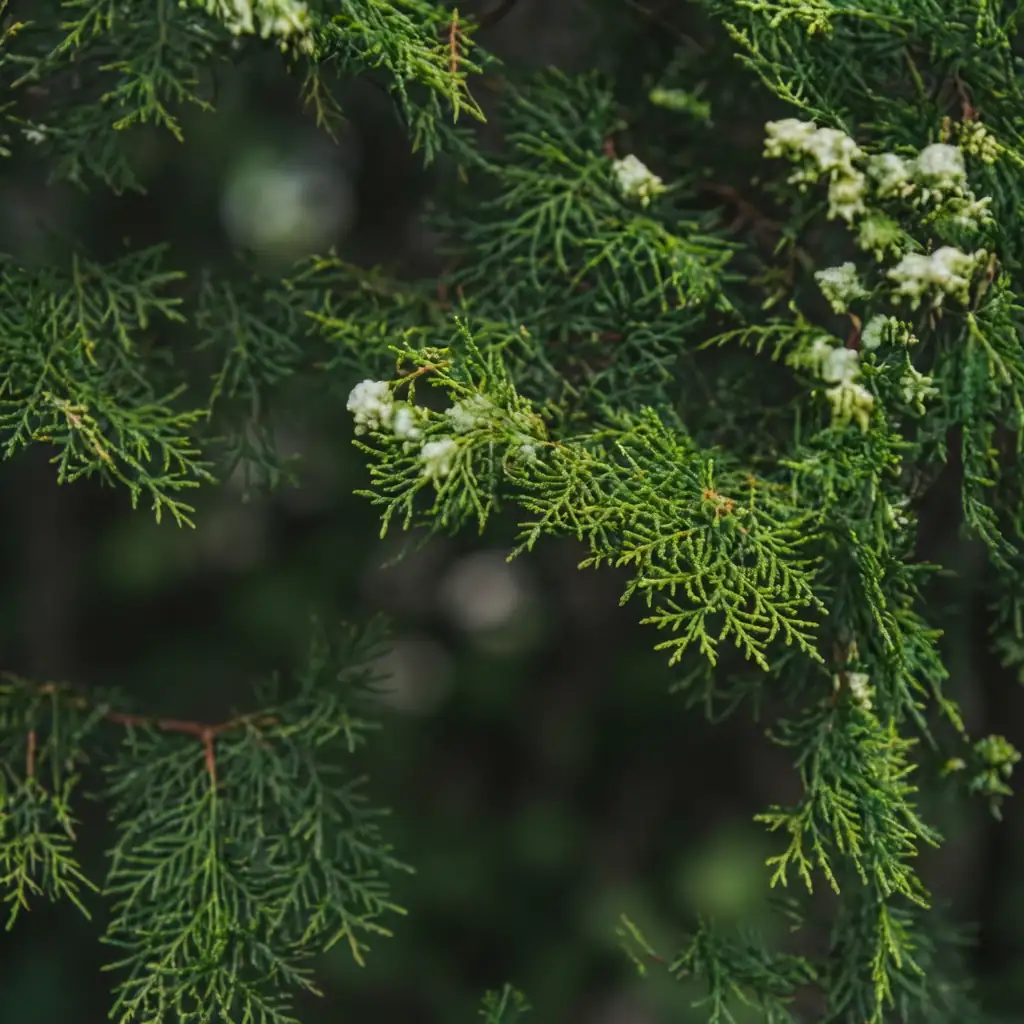
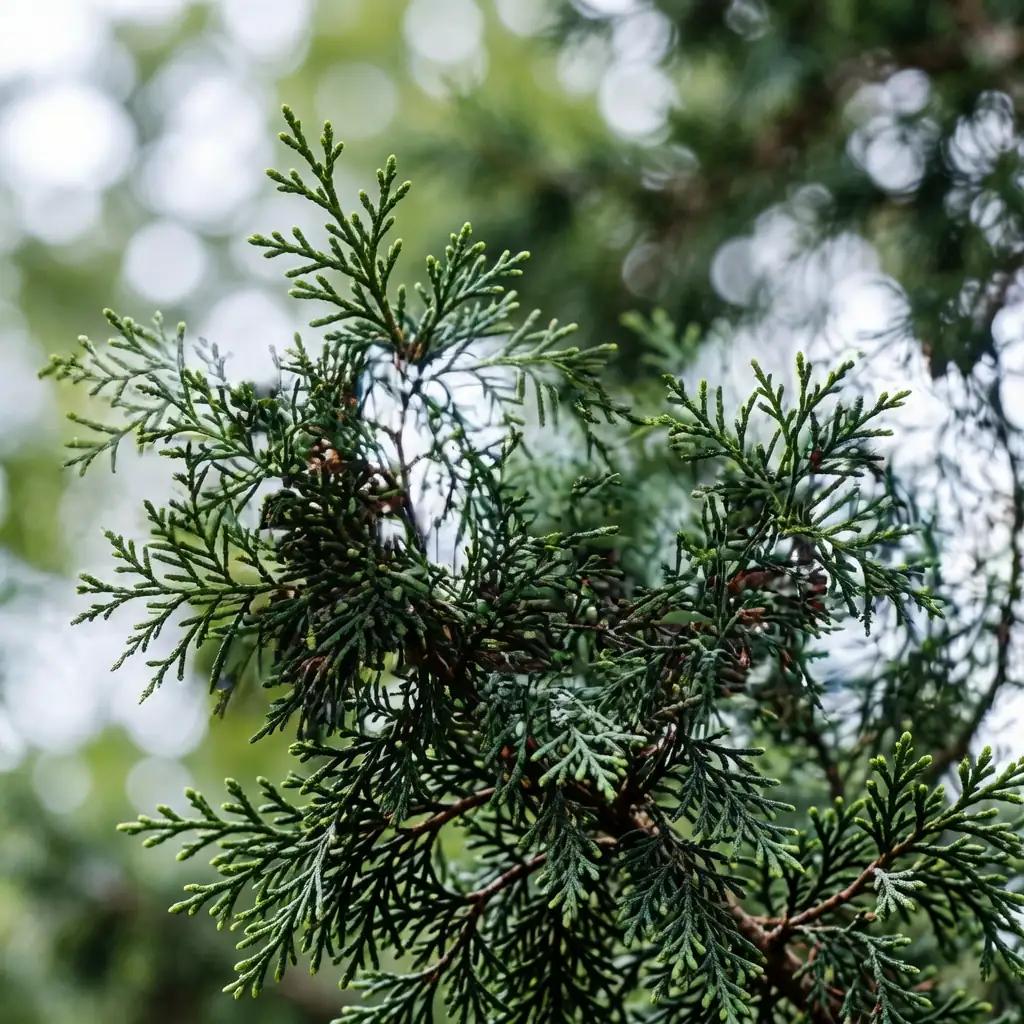
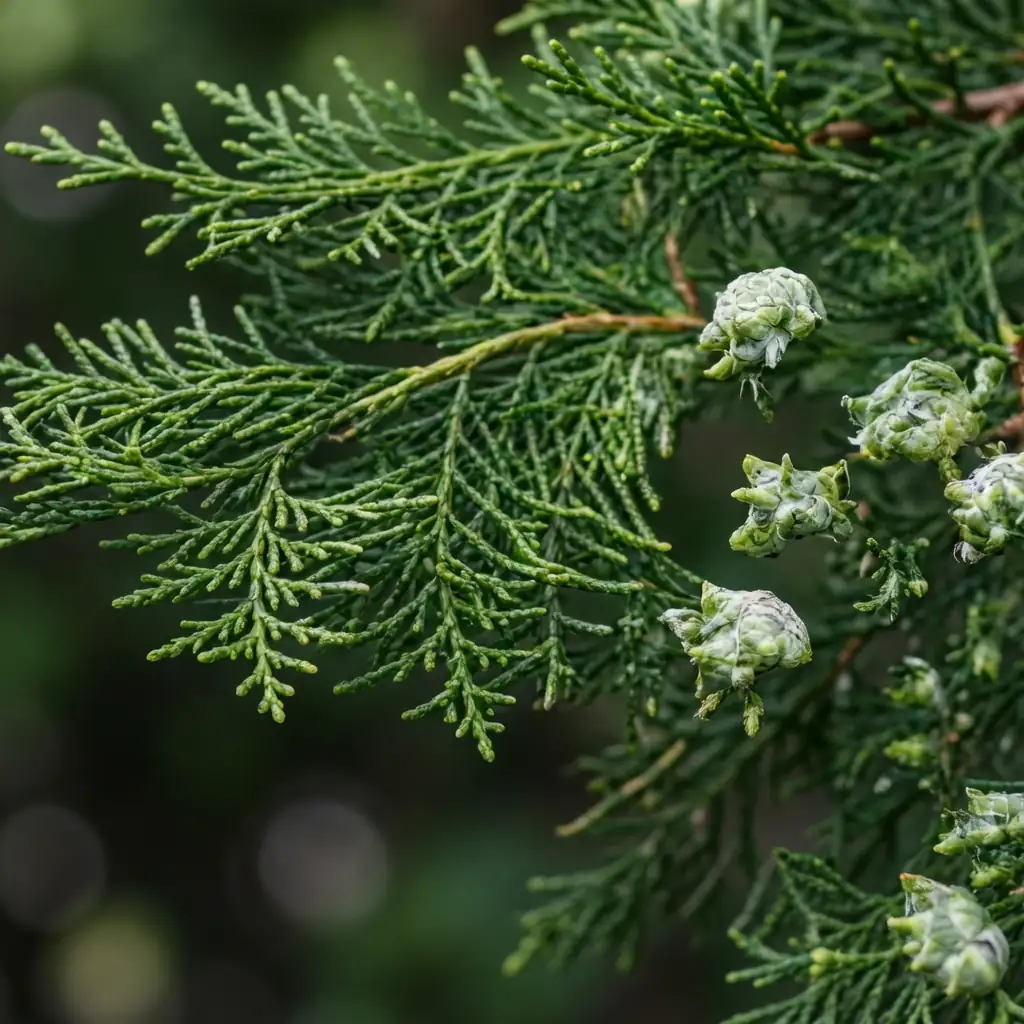
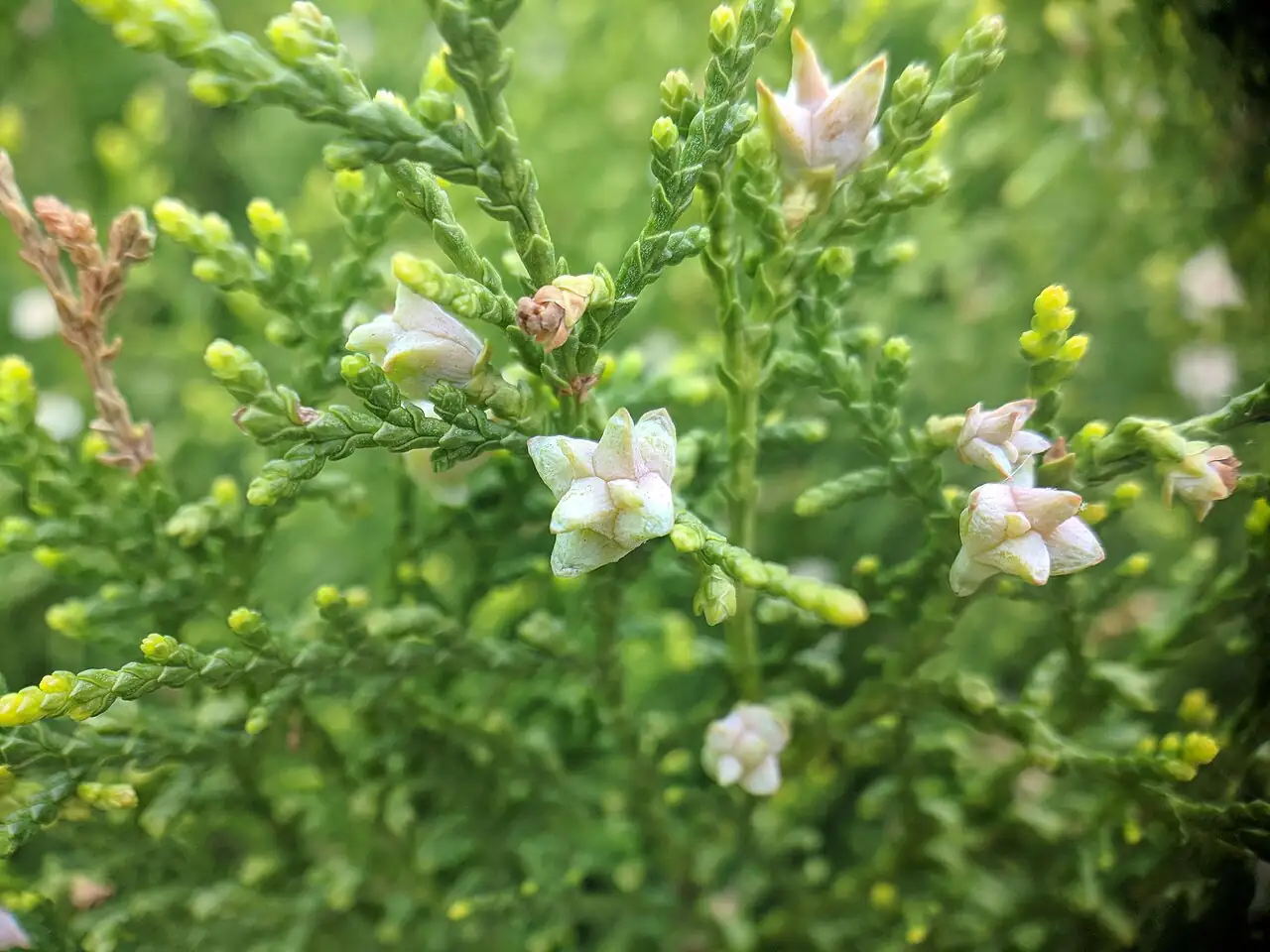
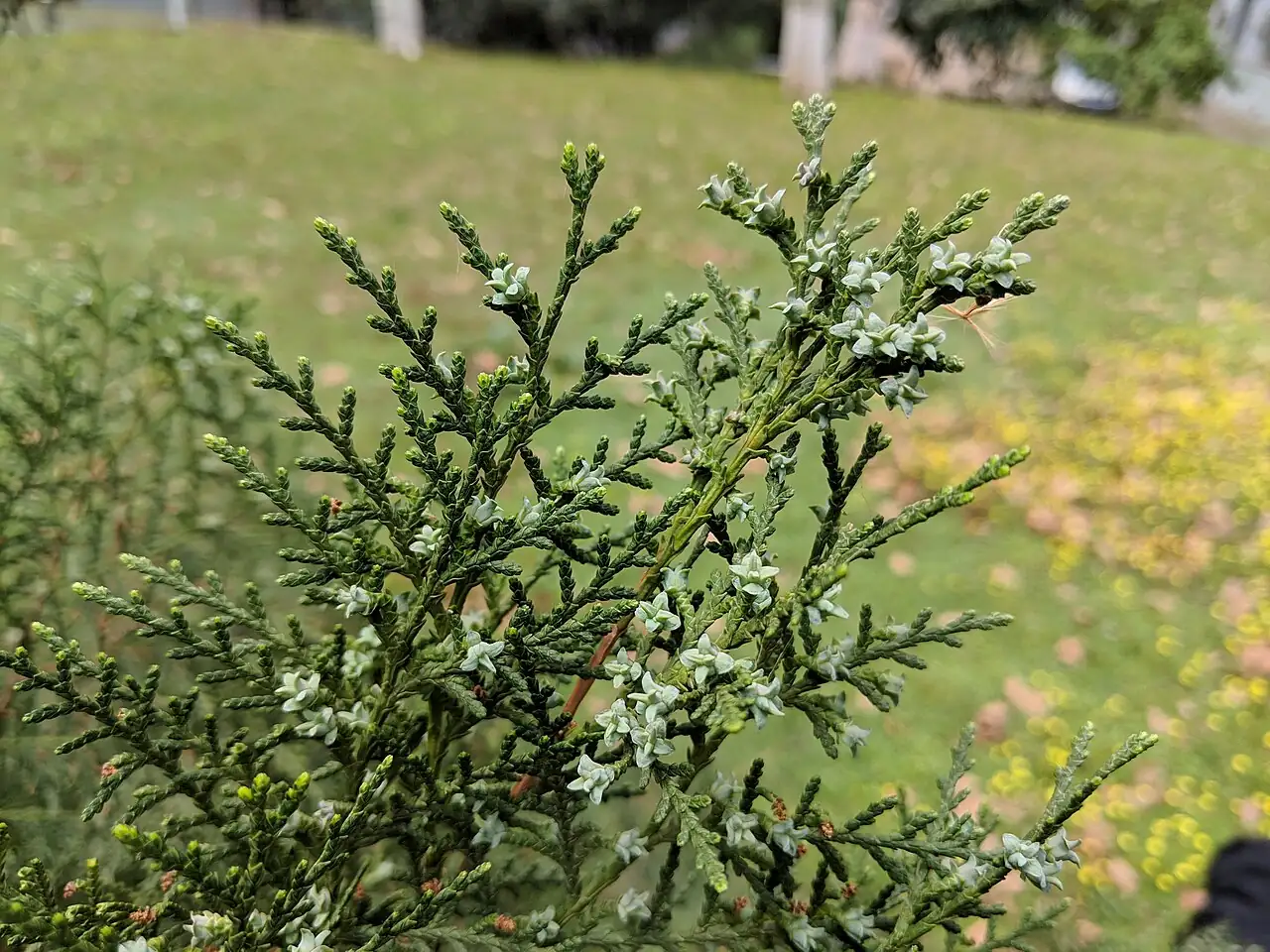
- Foliage: Leaves are scale-like rather than needle-like, held in distinctly flattened, fan-shaped sprays. Main branches spread outward at an angle, while the smaller branchlets tend to stand more upright and look noticeably flattened.
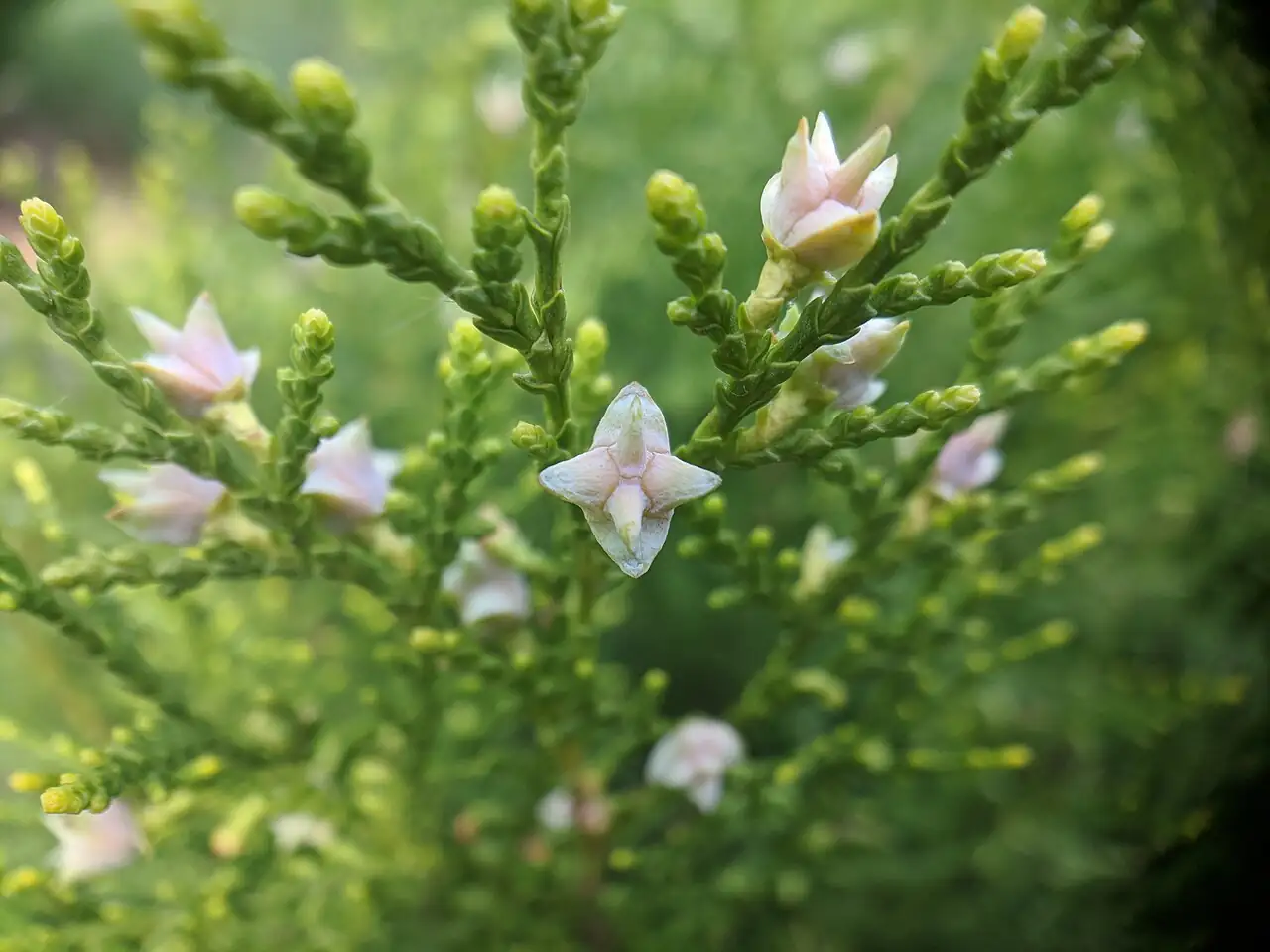
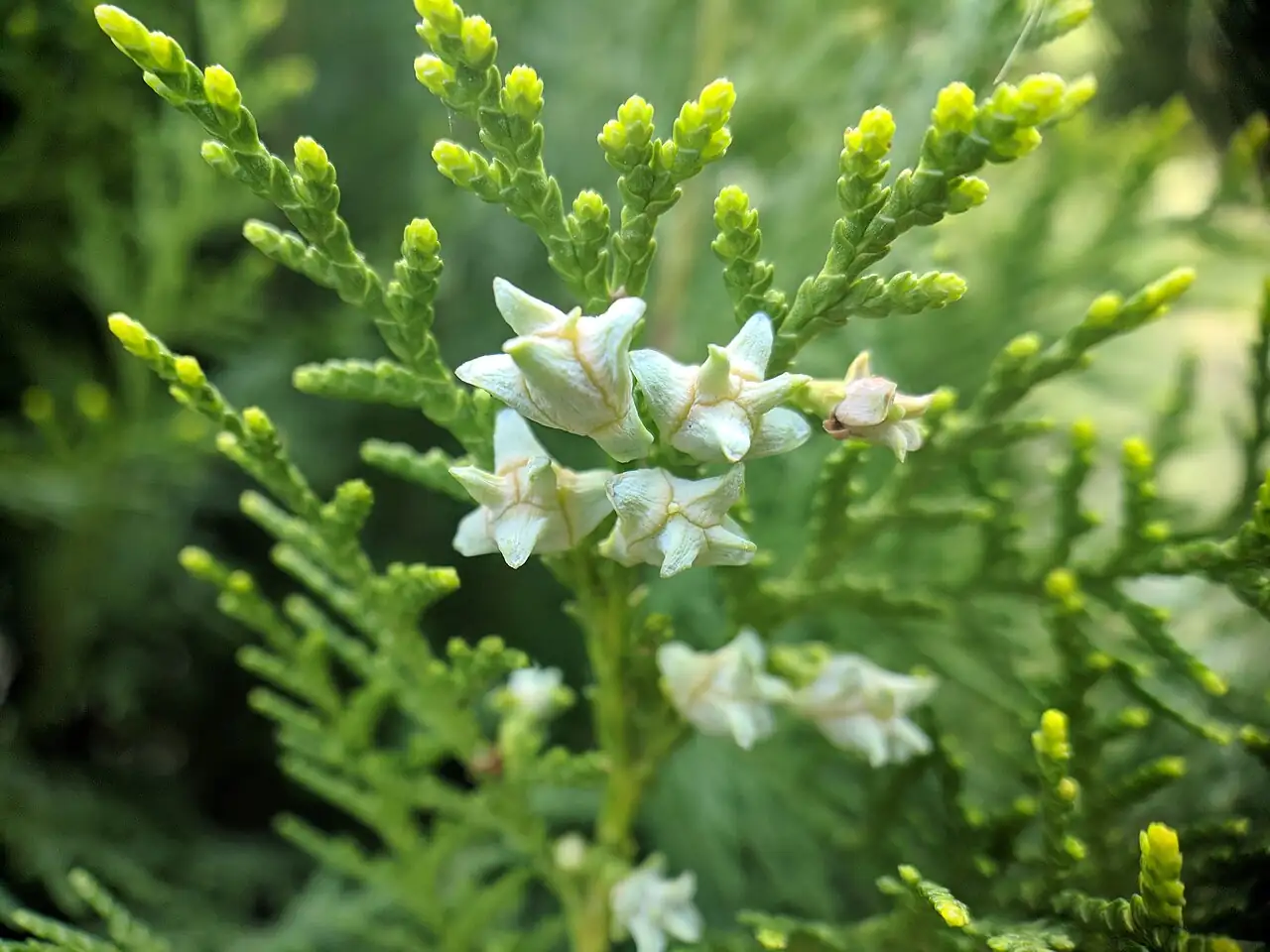
- Flower: Monoecious—male and female cones form on the same plant. Cones are usually borne singly near the tips of branchlets. Seed cones are egg-shaped: green and somewhat fleshy at first, then turning reddish-brown as they mature. The cone scales have small hooked tips, and the cones split open when ripe to release seeds.
- Flowering Season: March–April
- Growth Habit: Evergreen, upright tree; typically pyramidal in youth and becoming broadly rounded with age. Responds well to light shaping, making it useful for hedges and formal forms.
Environment
Sunlight
Full sun to light shade; it stays densest and most compact in full sun. Young plants tolerate partial shade better than older, established trees.
Temperature
Cold-hardy once established and suited to cool-to-warm temperate climates. Approximate tolerance: -25 to 35°C (-13 to 95°F), depending on plant provenance and site conditions.
Humidity
Adaptable in average outdoor humidity; tolerates dry air once established, though hot, dry conditions can encourage spider mites.
Soil
Very adaptable: grows in acidic, neutral, or alkaline soils (including calcareous/limestone) and can tolerate light salinity. Prefers well-drained soil; avoid persistently waterlogged sites to prevent root problems.
Placement
Best outdoors in a sunny spot—gardens, parks, slopes, hedges, windbreaks, and reforestation plantings. Give it room to reach its mature width and prioritize good drainage.
Hardiness
USDA Zone 5–9 (approx. -29 to -1°C / -20 to 30°F).
Care Guide
Difficulty
Easy—one of the more adaptable conifers, especially once established. Most problems come from poor drainage, prolonged drought, or mite outbreaks in very dry heat.
Buying Guide
Look for evenly green sprays with minimal browning, a strong central leader if you want a tree form, and a firm, well-rooted root ball. Avoid plants with brittle, dry foliage or severely circling roots in the pot.
Watering
After planting, water deeply and keep soil evenly moist through the first growing season. Once established, water during prolonged dry spells; let the top few centimeters of soil dry slightly between waterings. Avoid constantly soggy soil, which can trigger root rot.
Fertilization
Usually needs little feeding. If growth is weak, apply a balanced slow-release fertilizer in spring according to label directions. Avoid heavy nitrogen late in the season, which can encourage tender growth before cold weather.
Pruning
Light shaping is best in late winter to early spring, or just after the main flush of growth. Remove dead or damaged branches anytime. Don’t cut hard back into old, leafless wood—conifers like this may not resprout reliably from bare sections.
Propagation
Most commonly grown from seed collected from mature cones; fresh seed sown in a well-drained medium works well, and cold stratification may improve germination. Named cultivars are usually propagated by semi-hardwood cuttings.
Repotting
Not typically kept as a houseplant. For container-grown plants, repot/up-pot in early spring into a sharply draining mix, moving to a pot about 5–10 cm (2–4 in) wider. Ensure excellent drainage holes.
📅 Seasonal Care Calendar
Spring: plant, lightly shape-prune, and feed only if needed. Summer: water in drought; mulch to conserve moisture. Autumn: plant in mild climates; taper off feeding. Winter: protect new plantings from drying winds; do structural pruning in late winter.
Pests, Diseases & Safety
Common Pests & Diseases
Watch for spider mites in hot, dry weather; scale insects; bagworms/caterpillars in some regions; and root rot where soil stays wet. Improve airflow, water correctly (deep but not soggy), and treat early with horticultural oils or appropriate targeted controls.
Toxicity
Generally not considered highly toxic, but the aromatic foliage and cones may cause mild stomach upset if chewed or eaten in quantity. It’s sensible to keep trimmings away from pets and small children.
Culture & Symbolism
Symbolism: Often linked with longevity, resilience, and steadfastness—classic evergreen symbolism that feels especially fitting for a plant that stays green through winter.
History & Legends: Long cultivated in China, especially in temple grounds, cemeteries, and traditional gardens, where its year-round structure and tolerance of pruning made it a dependable landscape mainstay.
Uses: Ornamental landscaping (specimen tree, screens, hedges), windbreaks, and reforestation on sunny slopes. Wood has been used for construction and furniture.
FAQ
Why is my Chinese arborvitae turning brown inside?
A little interior browning can be normal as older sprays age and shed. If browning is widespread, check for drought stress, spider mites (look for fine webbing), winter burn from drying winds, or root issues from poorly drained, waterlogged soil.
Can it grow in alkaline or limestone soil?
Yes—this is one of its strengths. Chinese arborvitae tolerates alkaline and calcareous soils better than many other conifers.
Fun Facts
- It’s the only species in its genus: Platycladus.
- Young plants are usually narrow and pyramidal, while older trees often become more rounded and broad.
- The bark is relatively thin and can peel in small flakes.
- Seed cones start green and later turn reddish-brown, then open when mature to release seeds.
- Male and female cones occur on the same plant (monoecious).