Plant Features
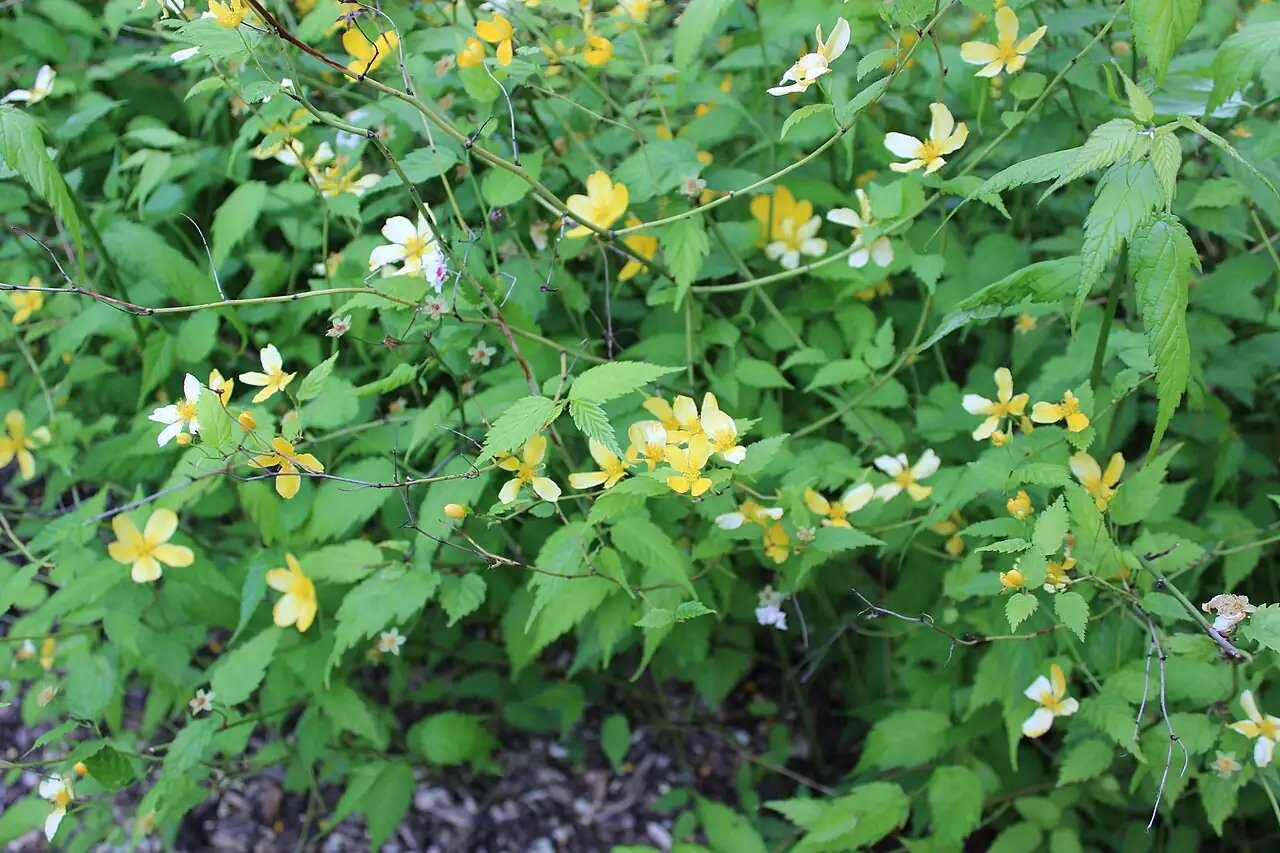
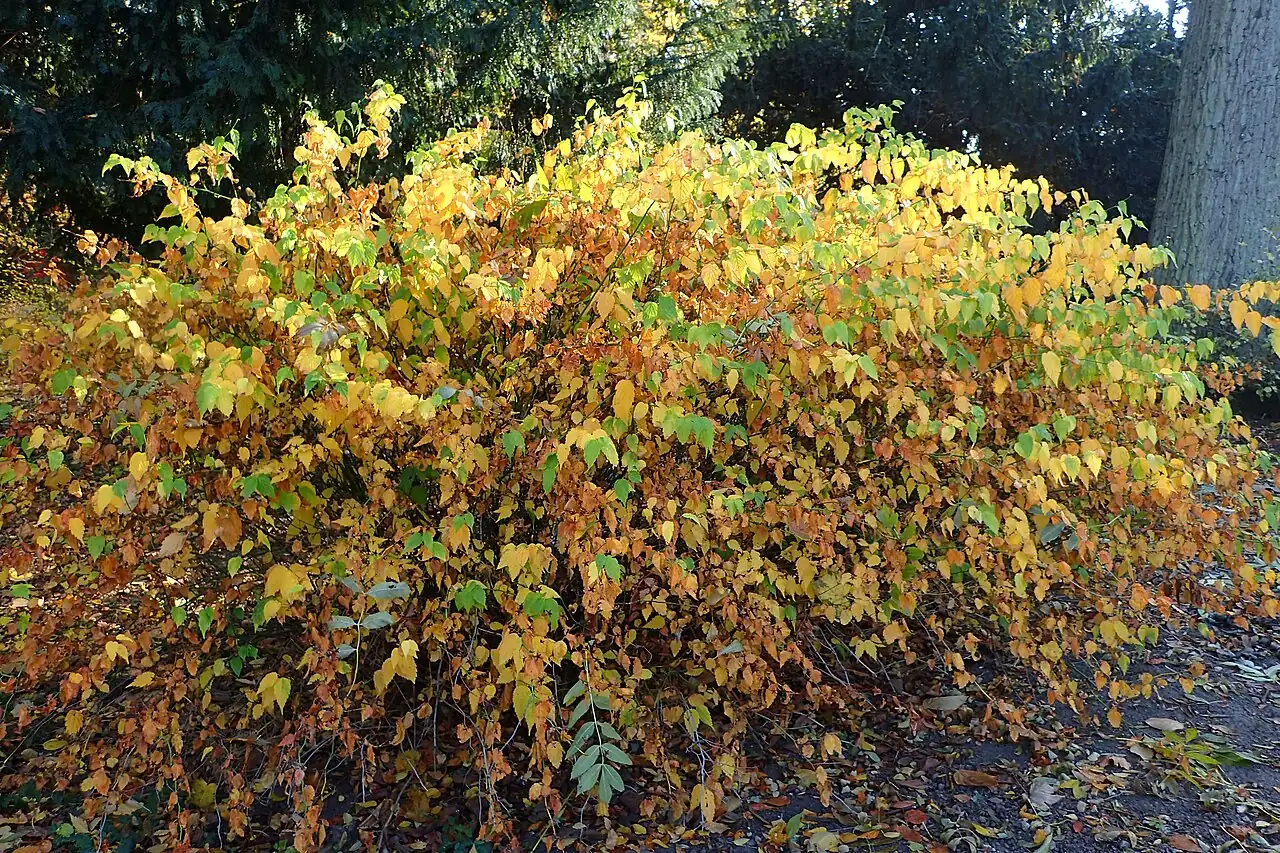
- Size: Typically 1–2 m (3.3–6.6 ft) tall; occasionally to 3 m (9.8 ft). Often forms a clumping, fountain-like shrub as stems arch outward.
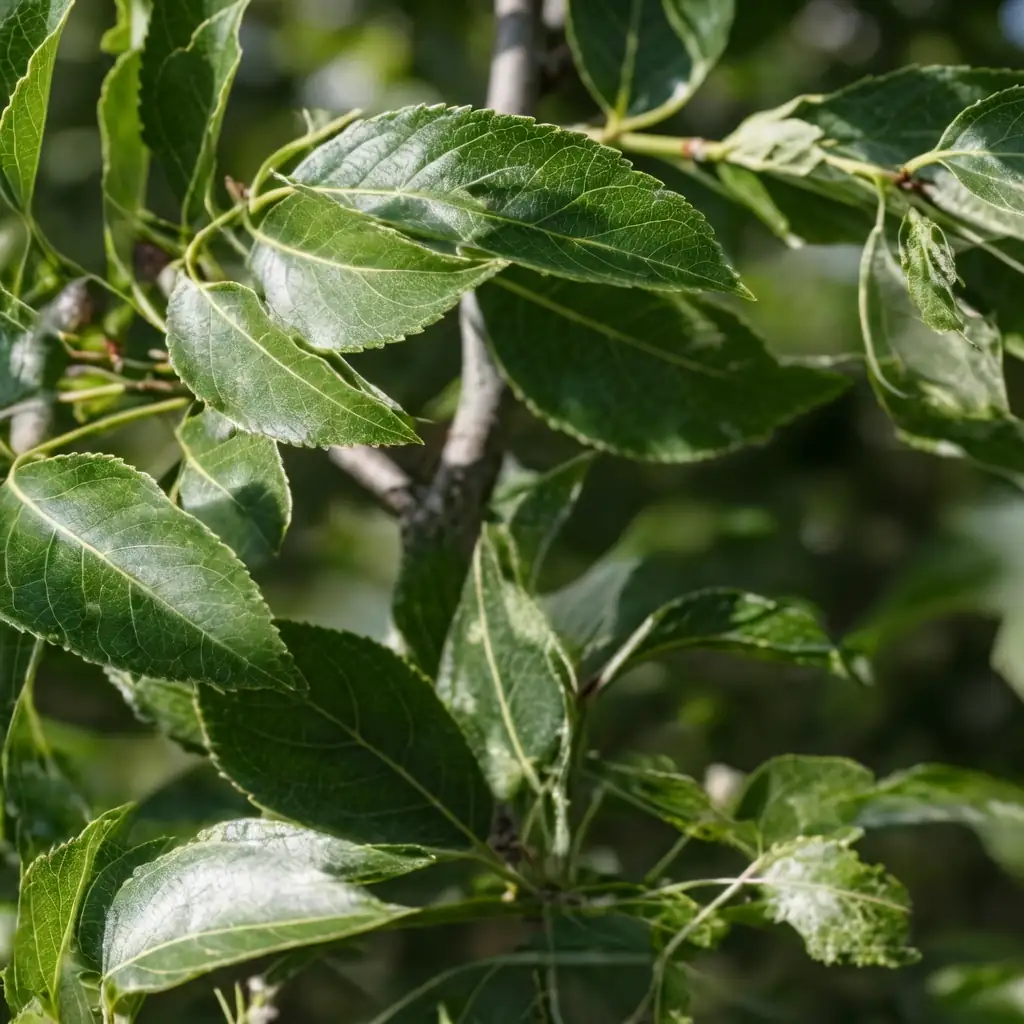
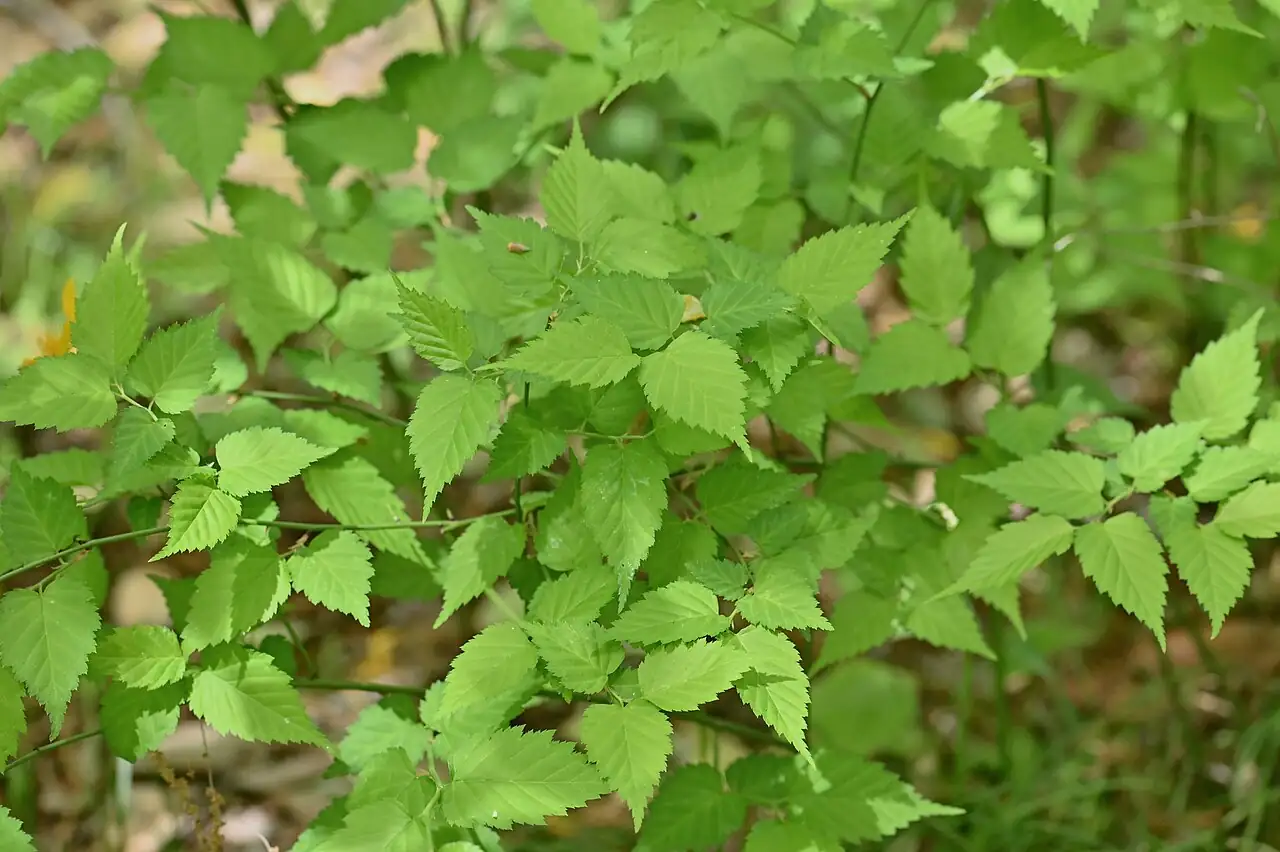
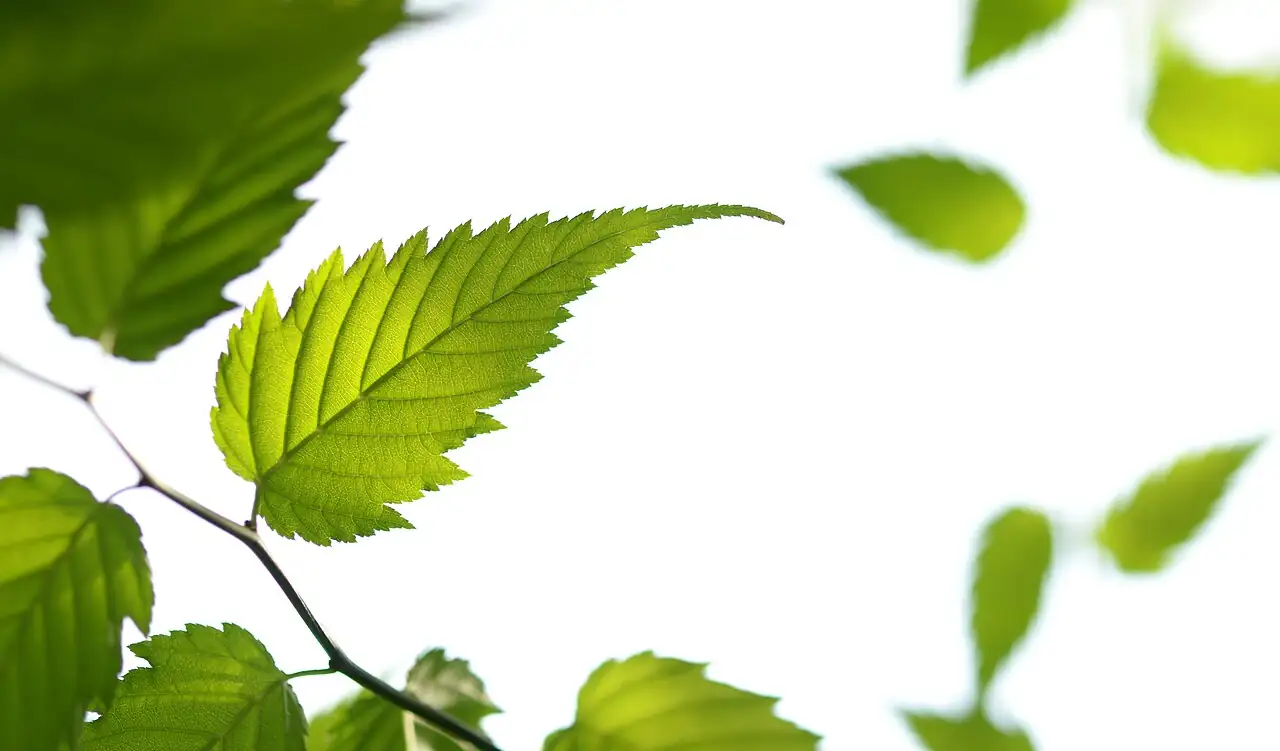
- Foliage: Leaves are alternate and broadly triangular-ovate to ovate with a long-pointed tip and sharply double-toothed margins. Foliage is green on both sides. Branchlets are notably green, smooth, slender, and often arching—one of the plant’s most distinctive features.
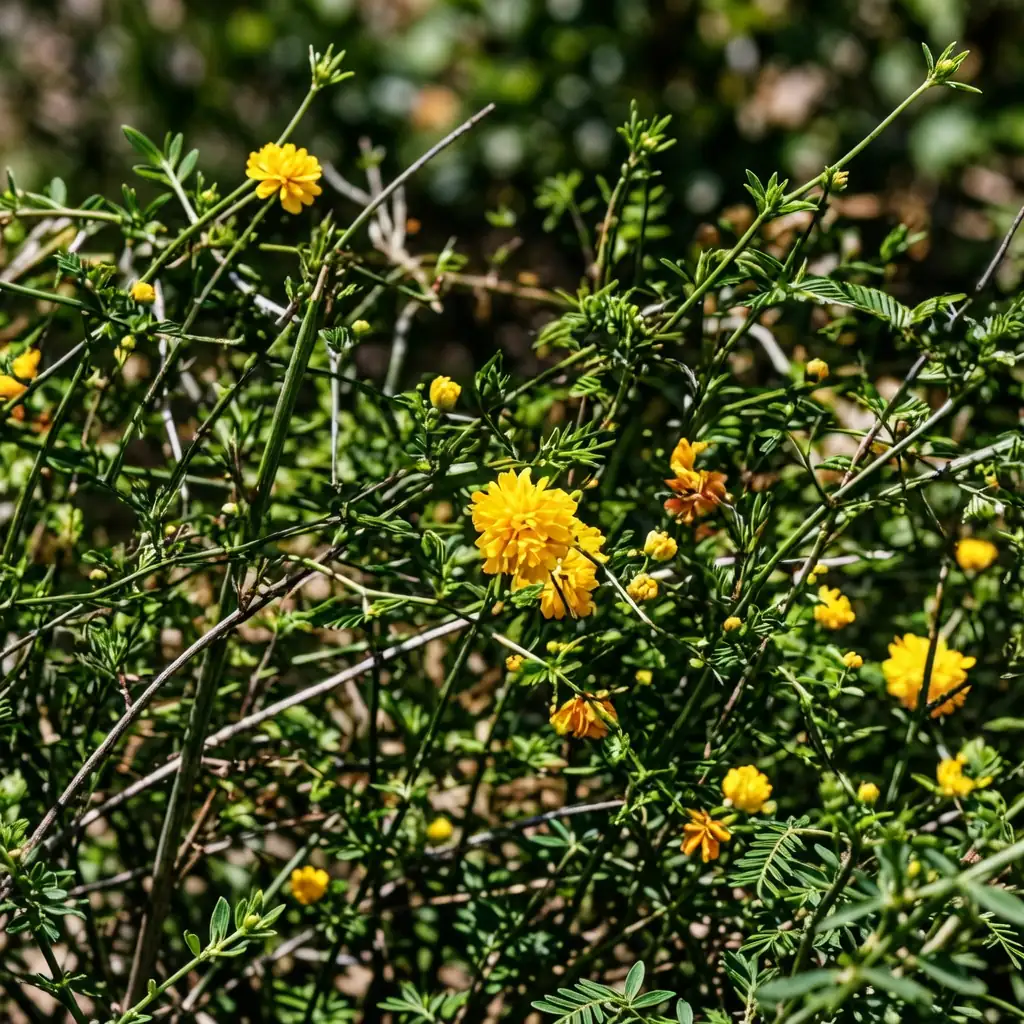
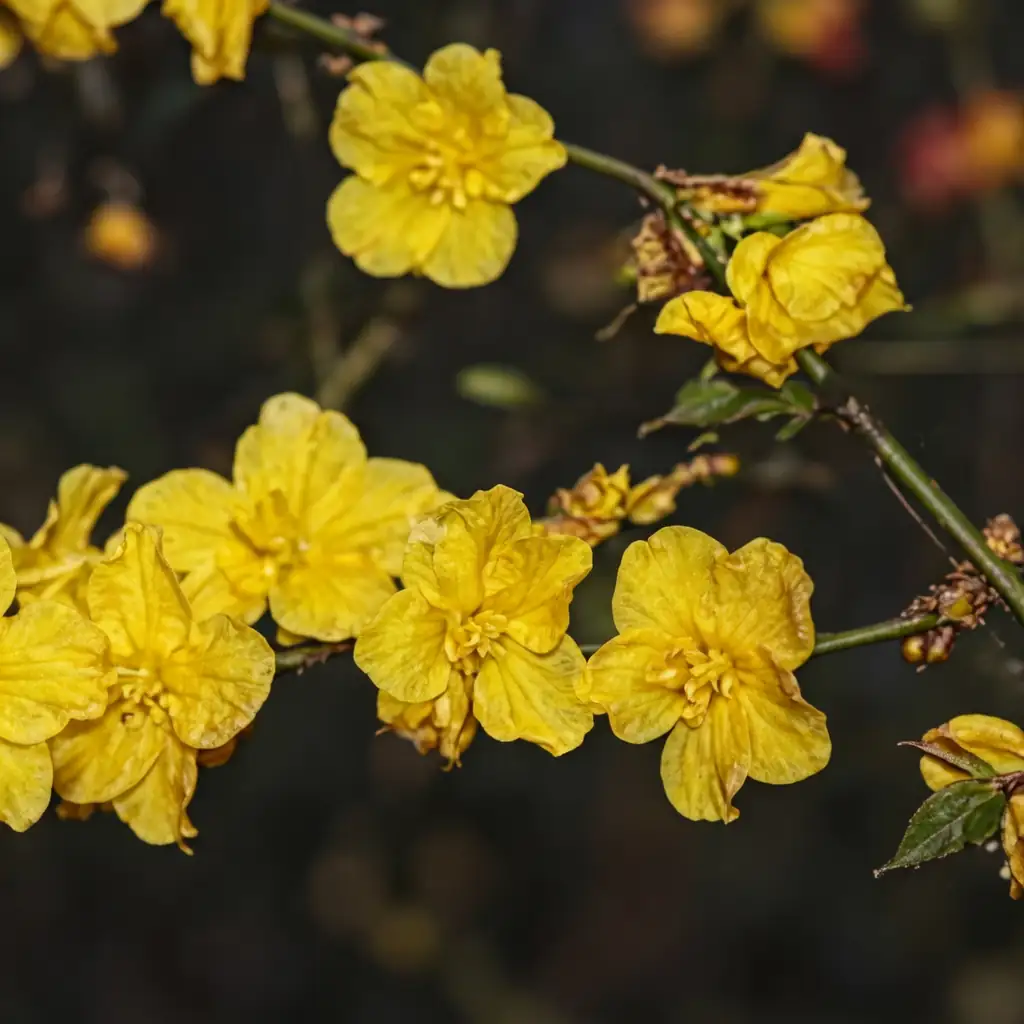
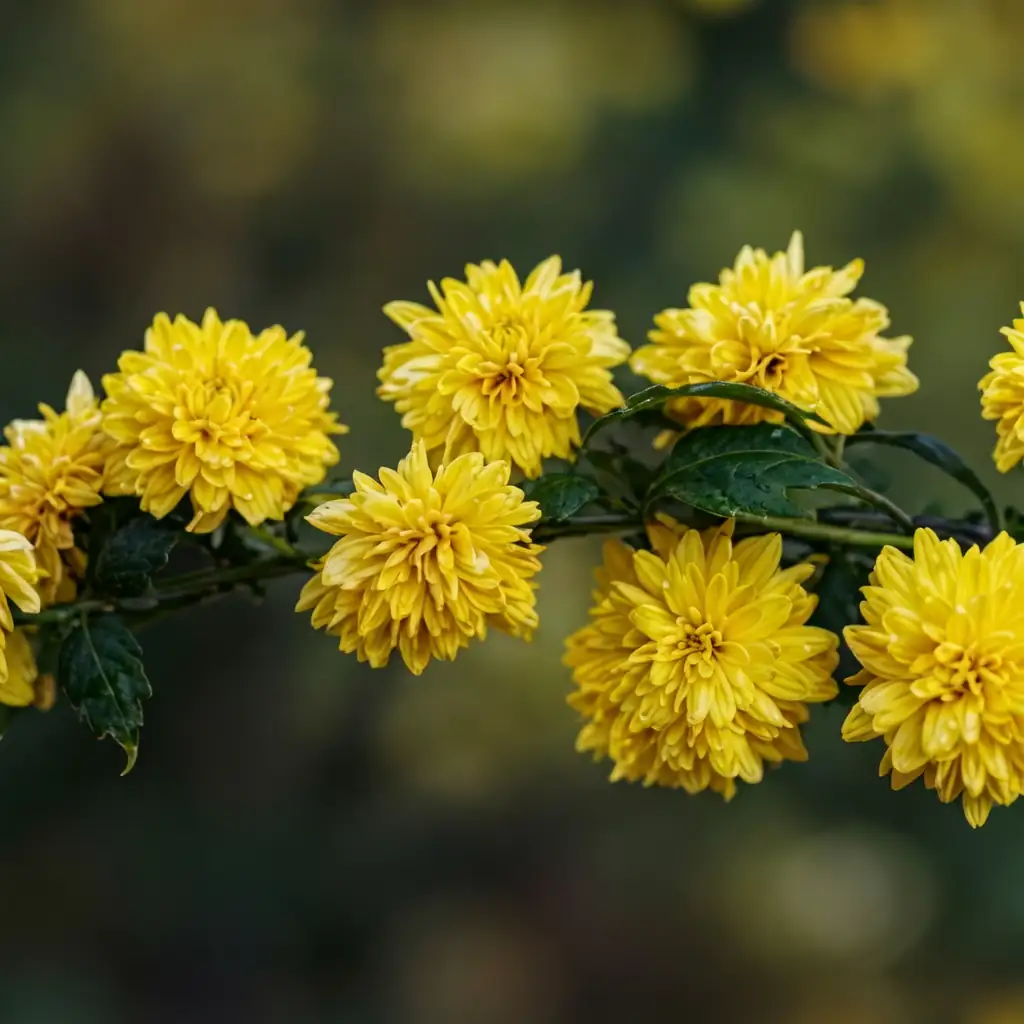
- Flower: Solitary, bright yellow flowers appear near the tips of current-season side shoots. Blooms are about 2.5–6 cm (1–2.4 in) across and are especially vivid against dark evergreen backdrops. After flowering, fruit may persist on the plant.
- Flowering Season: April–June (spring)
- Growth Habit: Deciduous, arching shrub with slender green stems; shoots commonly form graceful, fountain-like clumps and may slowly expand into a broader clump over time.
Environment
Sunlight
Part shade to dappled light is ideal. It can tolerate full sun in cooler climates if the soil stays evenly moist; in hotter areas, part shade helps prevent scorch and drought stress.
Temperature
Prefers mild to warm growing conditions; best growth around 15–25°C (59–77°F). Protect from severe cold and drying winter winds, especially for container plants.
Humidity
Enjoys evenly moist conditions and dislikes prolonged hot, dry spells. Provide consistent soil moisture and a mulch layer to buffer drying.
Soil
Adaptable, but happiest in fertile, loose, well-drained sandy loam. Keep evenly moist but not waterlogged; good drainage and organic matter help it thrive.
Placement
Great in shrub borders, as a flowering hedge, or massed in drifts. Also suitable for large containers on patios or balconies. Looks especially striking planted in front of darker evergreens.
Hardiness
Generally hardy in USDA Zone 4–9 (approx. -34 to -1°C / -30 to 30°F). Young growth may be damaged by late frosts.
Care Guide
Difficulty
Easy to moderate. Very reliable when given part shade and evenly moist, well-drained soil. The main pitfalls are drought stress, overly harsh exposure, or pruning at the wrong time.
Buying Guide
Pick plants with firm, green stems and healthy buds. Avoid pots with sour-smelling, waterlogged compost or shrubs showing extensive dieback. If you want a double-flowered form, buy a clearly labeled cultivar—flower form varies by variety.
Watering
Water deeply after planting and keep evenly moist during the first growing season. Once established, water when the top 2–5 cm (1–2 in) of soil feels dry. In containers, check more often. Mulch 5–8 cm (2–3 in) to conserve moisture and reduce temperature swings.
Fertilization
In early spring, top-dress with compost or use a balanced slow-release fertilizer. Avoid heavy nitrogen, which can push soft leafy growth at the expense of flowers.
Pruning
Prune right after flowering. Remove some of the oldest stems at ground level to encourage fresh green shoots, then lightly shape as needed. Avoid hard pruning in winter or early spring, which can reduce blooming.
Propagation
Softwood cuttings in late spring to early summer work well. You can also propagate by division or lifting rooted suckers in autumn or early spring. Layering is easy too—arching stems often root where they touch soil.
Repotting
For container shrubs, repot every 2–3 years in early spring into a fresh, well-drained mix. Use a pot with drainage holes; if not repotting, refresh the top layer of soil annually.
📅 Seasonal Care Calendar
Spring: feed lightly, enjoy flowering, and prune immediately after bloom. Summer: keep moisture even, especially during heat. Autumn: mulch; divide or take rooted suckers if you’d like more plants. Winter: protect containers from hard freezes and drying winds; water sparingly, but don’t let the rootball completely dry out.
Pests, Diseases & Safety
Common Pests & Diseases
Usually trouble-free. Aphids may appear on tender new growth, and leaf spot can show up in damp, stagnant conditions. Improve airflow, avoid overhead watering, and remove affected leaves. Knock aphids off with a strong water spray or use insecticidal soap if needed.
Toxicity
Not known to be toxic to people or pets under typical household and garden use.
Culture & Symbolism
Symbolism: Often linked with cheerful optimism and the bright, happy feeling of spring thanks to its vivid yellow flowers.
History & Legends: Long cultivated as an ornamental in East Asia and now grown worldwide. Garden selections include popular double-flowered forms, which have helped keep it a classic spring shrub in traditional and modern landscapes alike.
Uses: Primarily ornamental—used in flowering hedges, mixed shrub borders, and mass plantings for a strong spring color show. Also makes a handsome container shrub for patios and balconies, and its green stems can add subtle winter interest.
FAQ
Why is my Japanese kerria not flowering well?
The usual culprits are pruning at the wrong time (prune right after flowering), too much shade, or too much nitrogen fertilizer, which encourages leafy growth instead of blooms.
Can Japanese kerria grow in full sun?
Yes—especially in cooler climates—if the soil stays evenly moist. In hotter regions, part shade is typically better to prevent leaf scorch and drought stress.
Fun Facts
- Blooms are typically about 2.5–6 cm (1–2.4 in) across and often appear singly near shoot tips.
- Those smooth, green stems can brighten the garden even after leaf drop, adding off-season interest.
- It’s often planted in rows or drifts to create a bright spring hedge-like effect.
- Some plants spread by suckers, gradually enlarging into a wider clump over time.