Plant Features
- Size: Typically up to about 80 cm (31 in) tall, forming a dense clump; spread varies with age and conditions.
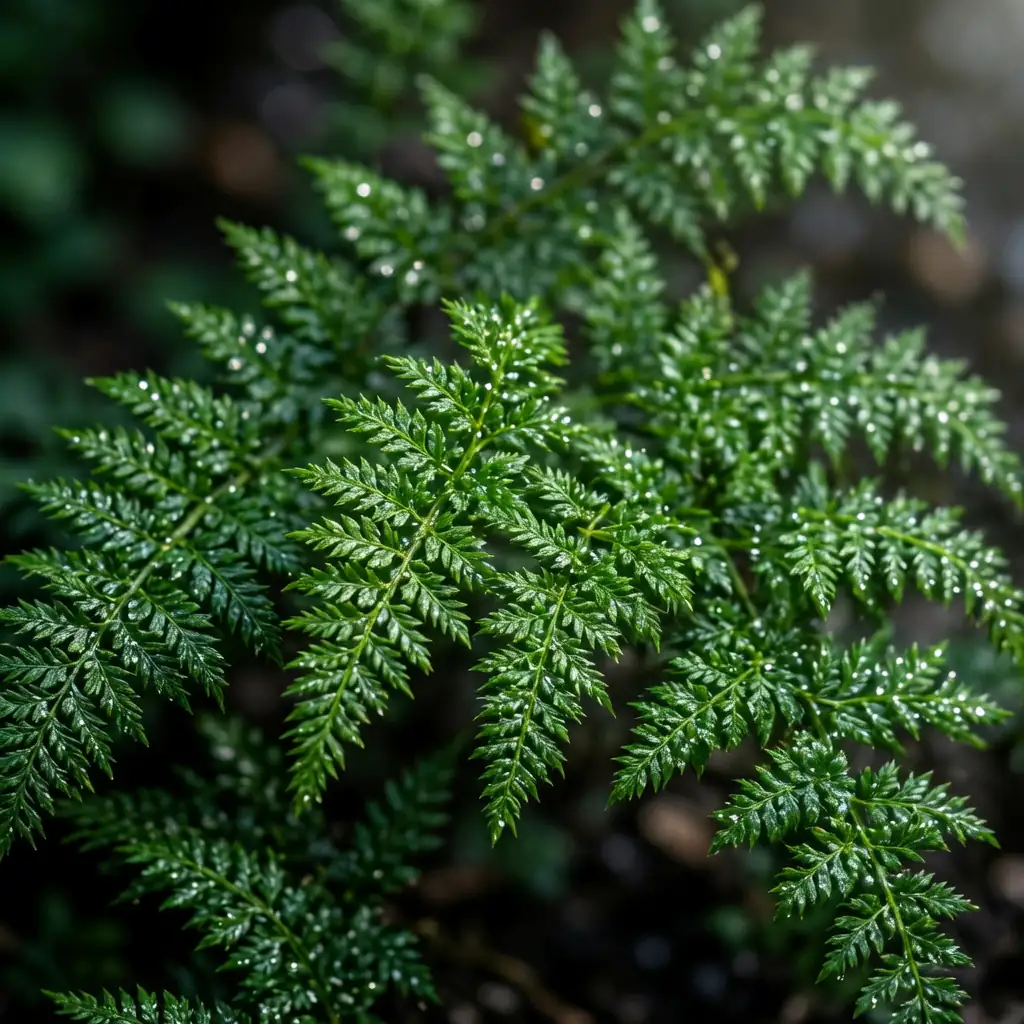
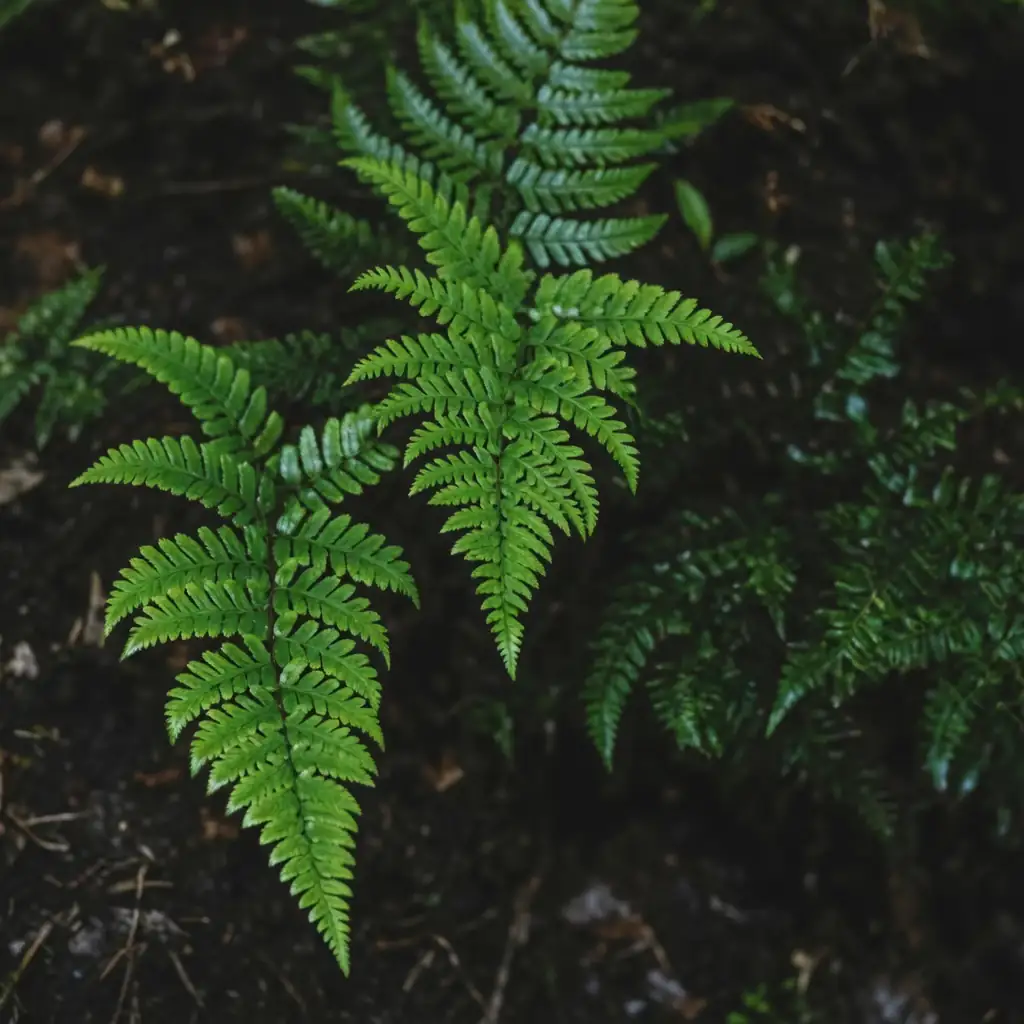
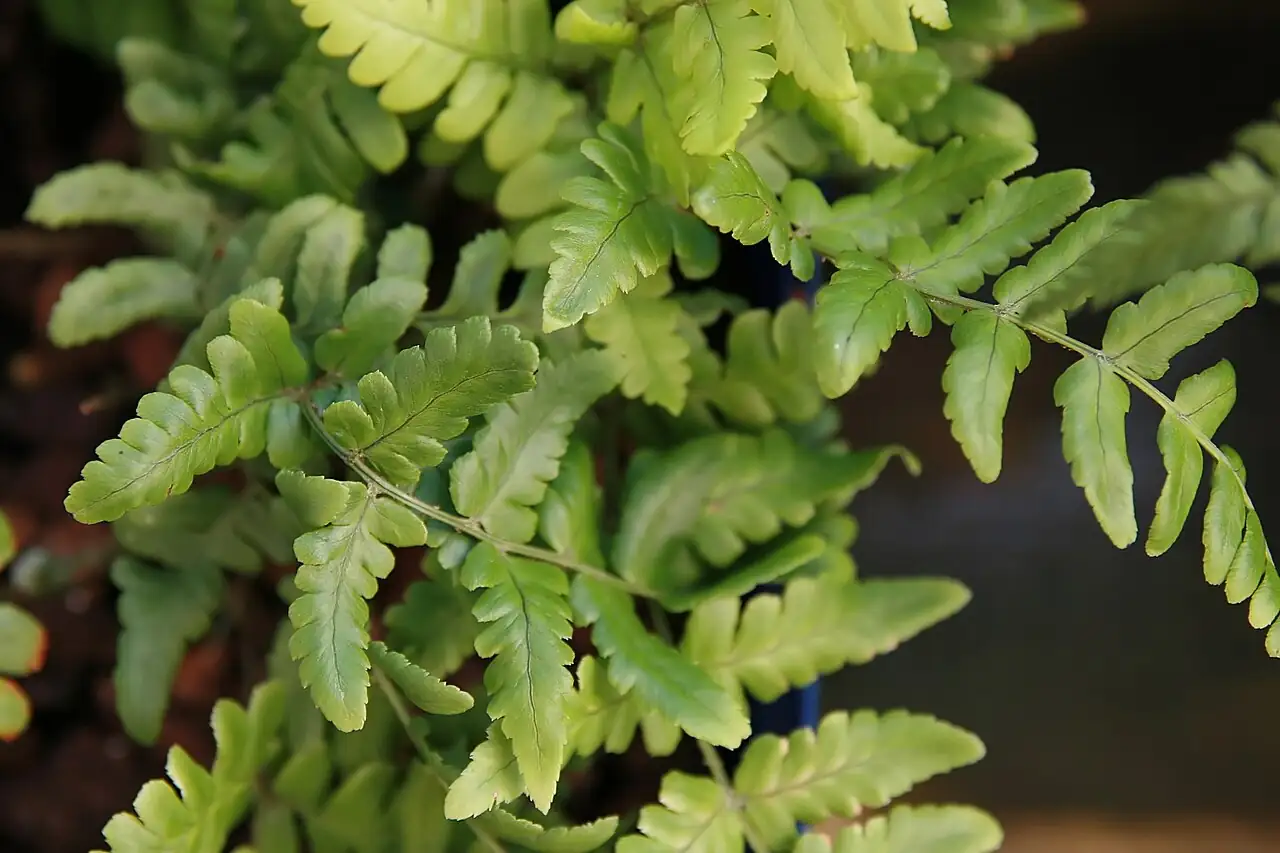
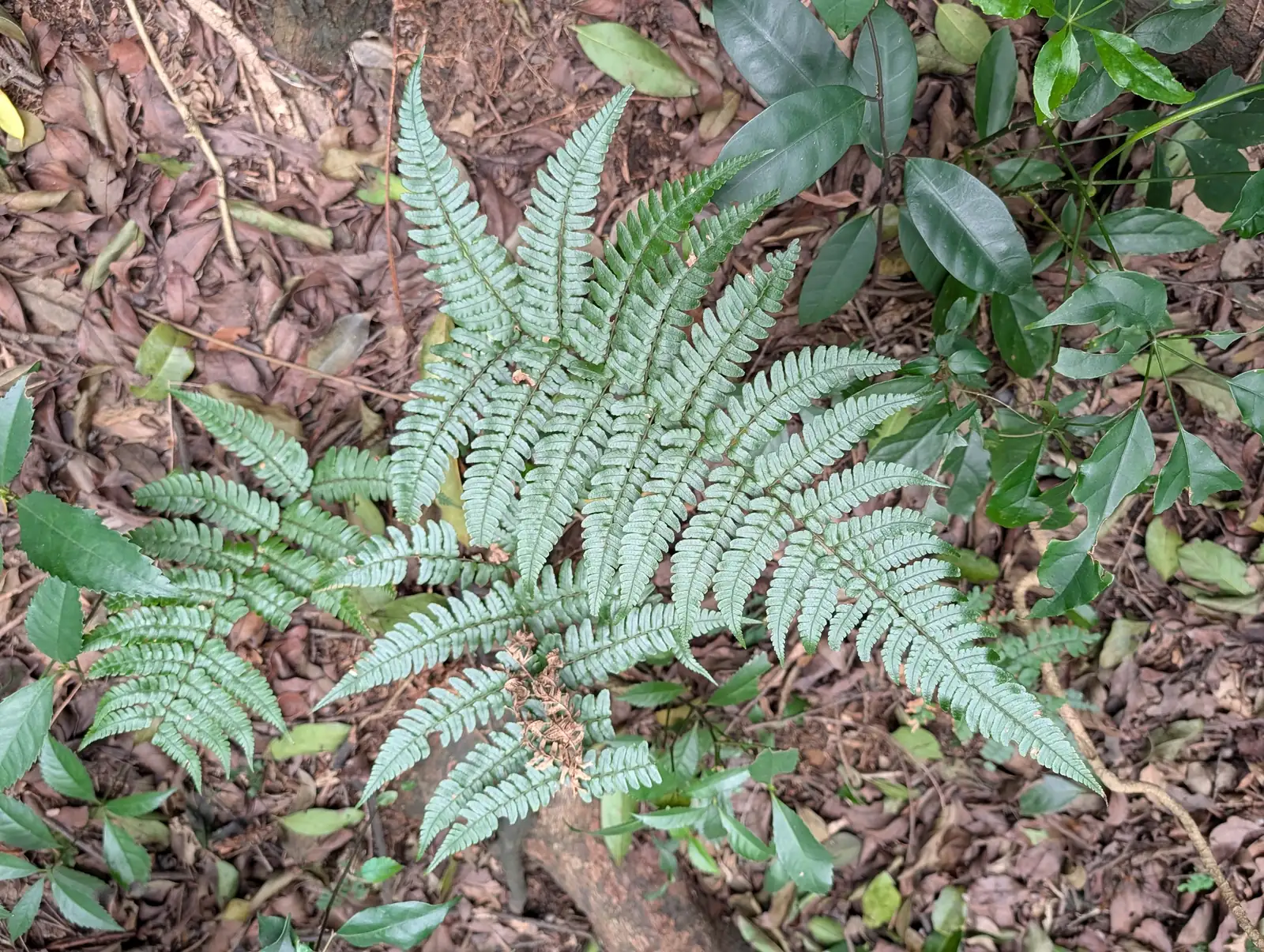
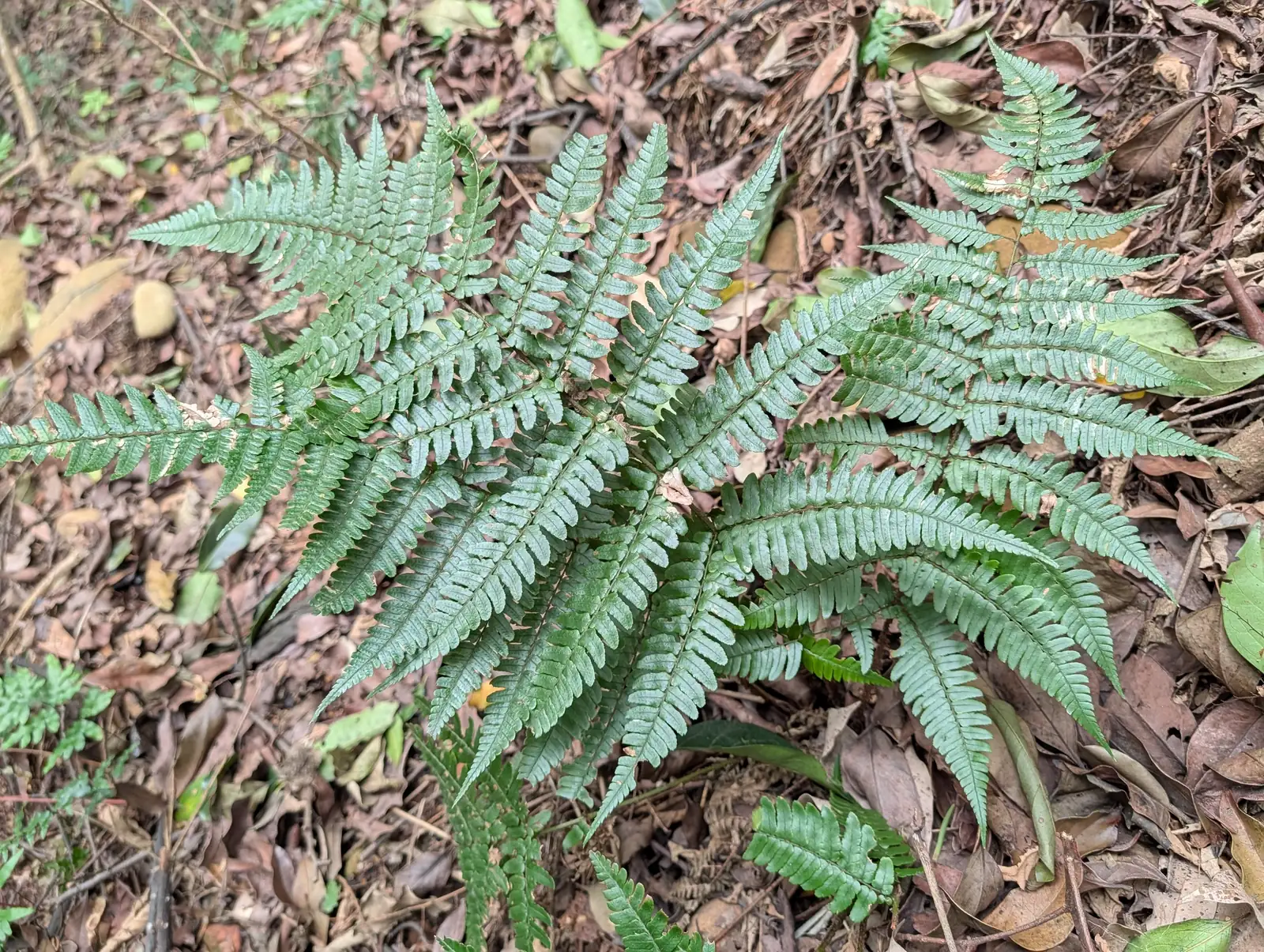
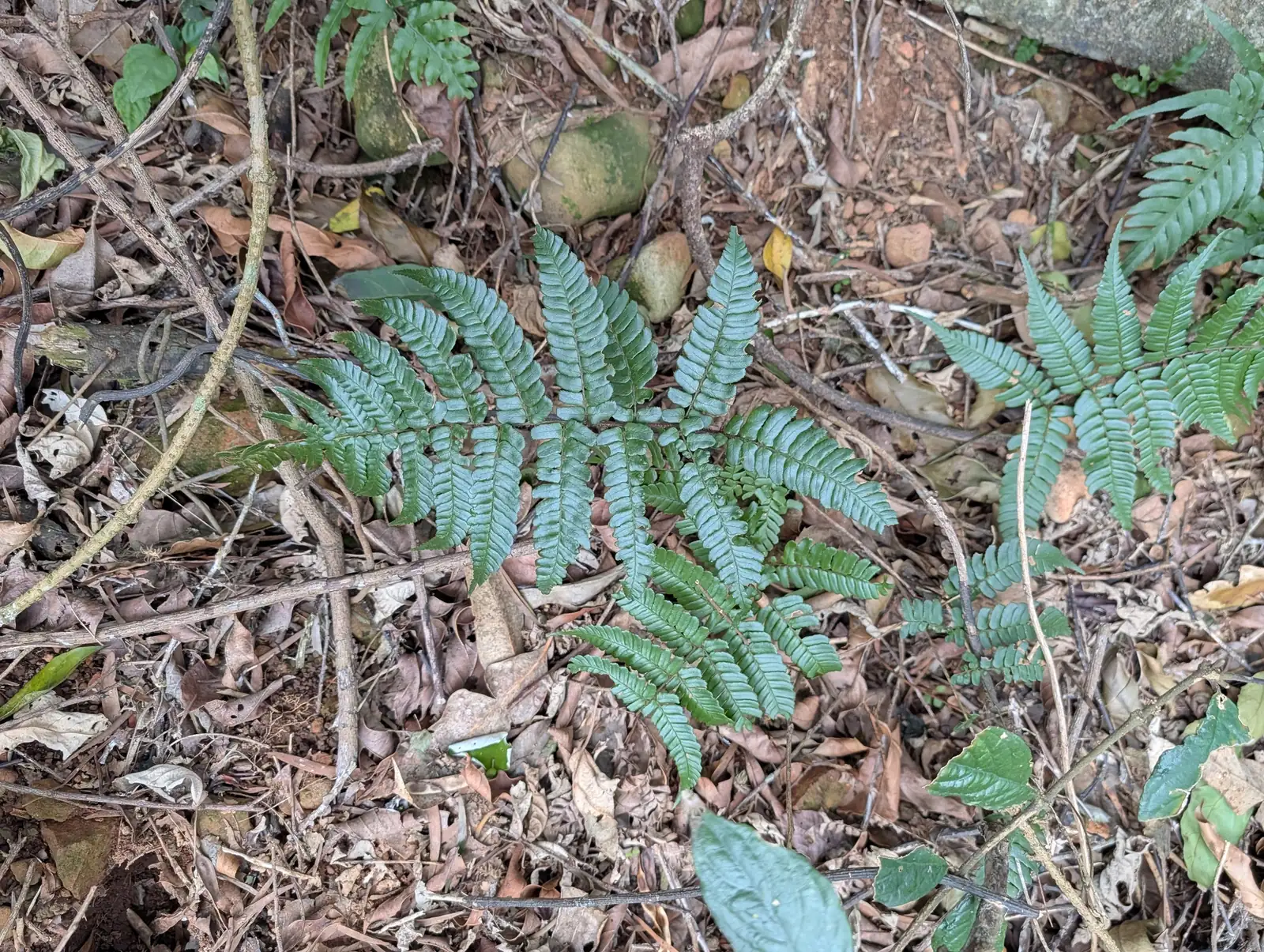
- Foliage: A perennial fern that grows in a tufted clump, with fronds arising from a crown/rhizome. The stipes (leaf stalks) are brown to chestnut-brown and densely scaly. Fronds are ovate-lanceolate and bipinnate (twice divided). The rachis carries brown scales with finely toothed margins, giving the plant a textured, slightly “armored” look up close.
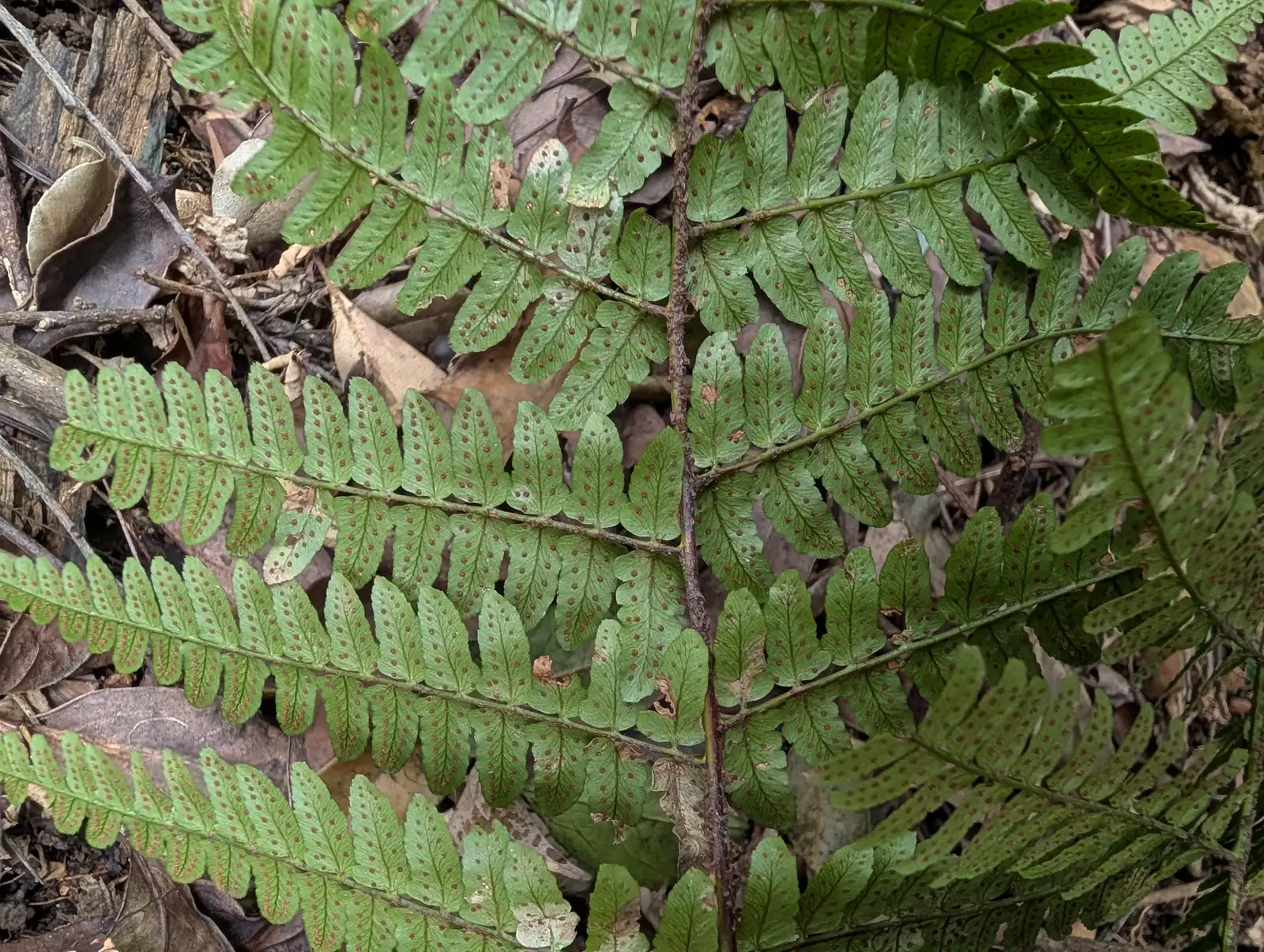
- Flower: No flowers (fern). Instead it reproduces by spores. Sori are large and conspicuous, arranged in rows on each side of the midrib (often on the lobes of the pinnules). Each sorus is covered by a round, shield-like indusium with smooth margins.
- Flowering Season: Spore season: July–August
- Growth Habit: Clump-forming, tufted perennial fern
Environment
Sunlight
Shade to partial shade; bright, filtered light is ideal. Avoid harsh direct sun, which can scorch fronds and dry the crown.
Temperature
Prefers cool to mild conditions, roughly 10–25°C (50–77°F). Protect from prolonged heat, hot afternoon sun, and drying winds.
Humidity
Moderate to high humidity is best; keep both the air and the soil evenly moist. Aim for around 50%+ humidity where possible, especially indoors.
Soil
Humus-rich, moisture-retentive but well-drained soil. A woodland-style mix with compost/leaf mold works well. Slightly acidic to neutral is generally suitable.
Placement
Woodland borders, shaded garden beds under shrubs/trees, or a cool, bright indoor spot away from direct sun and heaters.
Hardiness
Hardiness can vary by local provenance; generally behaves like a temperate woodland fern. Protect from severe frost and drying winter winds. Often grown outdoors in mild-temperate regions, or in containers/cool conservatories where winters are harsh.
Care Guide
Difficulty
Moderate. It’s happiest in shade with steady moisture; it tends to struggle if it dries out, bakes in sun, or sits in stagnant, waterlogged conditions.
Buying Guide
Pick plants with firm, fresh green fronds and a solid, healthy crown (not soft or mushy). Avoid pots with sour-smelling, waterlogged media, or fronds with heavy browning, obvious scale insects, or fine webbing. Spring—when new fronds begin to emerge—is a great time to buy for the easiest establishment.
Watering
Keep the soil evenly moist but not soggy. Water when the top 2–3 cm (0.8–1.2 in) feels slightly dry; in warm weather that might mean 1–3 times per week depending on pot size, temperature, and airflow. In winter, water less, but don’t let the root zone completely dry out.
Fertilization
Light feeder. From spring through summer, use a half-strength balanced liquid fertilizer every 4–6 weeks, or top-dress with compost. Avoid heavy feeding, which can scorch fronds and push weak, soft growth.
Pruning
Remove damaged, yellowing, or winter-worn fronds right at the base. In late winter or early spring, tidy up old fronds before the new ones unfurl.
Propagation
Most often grown from spores (sori typically mature in mid-summer). Established clumps can also be increased by careful division in early spring, especially if the plant has formed multiple crowns.
Repotting
Repot or refresh the top layer of mix every 1–2 years in spring. Move to a wider pot if the crown is crowded. Use a moisture-holding but airy mix, and always ensure good drainage holes.
📅 Seasonal Care Calendar
Spring: tidy old fronds; repot/divide if needed; resume regular watering. Summer: keep moisture and humidity steady; give deeper shade during heat. Autumn: ease off feeding; keep evenly moist. Winter: water sparingly but never bone-dry; protect from hard freezes and drying indoor heat.
Pests, Diseases & Safety
Common Pests & Diseases
May attract scale insects, aphids on tender new growth, and slugs/snails outdoors; spider mites can appear indoors when air is dry. Good humidity, clean-up of old debris, and decent airflow help prevent issues. Treat pests with hand removal, horticultural soap, or appropriate controls. Avoid chronically wet, stagnant soil to prevent crown/root rot.
Toxicity
Not reliably documented as toxic to people or pets. Still, avoid ingestion (ferns are easily misidentified and some have a history of medicinal use), and keep plant material out of reach of children and pets.
Culture & Symbolism
Symbolism: Like many ferns, it’s often linked with resilience, quiet beauty, and that soothing “woodland calm.” No widely standardized symbolism is specifically recorded for this species.
History & Legends: No widely known legends are specifically tied to Dryopteris championii in commonly available English references; it’s best known as a native Chinese woodland fern.
Uses: Mainly ornamental for shaded gardens, woodland plantings, and container displays in cool, bright spots. The rhizome has seen traditional use in some regions, but self-medication isn’t recommended.
FAQ
When does it flower?
It doesn’t flower—this is a fern. Instead, it makes spores, most noticeably in July–August.
When does it set fruit?
Ferns don’t make fruit. They reproduce by spores, typically maturing around July–August.
How tall does it get?
About 80 cm (31 in) tall at maturity in good conditions.
How can I identify Champion’s wood fern?
Look for a tufted clump of bipinnate fronds with brown, scaly stipes and rachis. Flip a leaflet over: the large, conspicuous sori sit in rows and are covered by round, shield-like indusia with smooth margins.
What growing conditions does it prefer?
Dappled shade to shade, humus-rich soil that stays evenly moist, and moderate to high humidity—think cool, shaded woodland understory on a mountain slope.
Fun Facts
- It’s native across a wide swath of China, from eastern and central provinces to the southwest, and is also recorded in Hong Kong.
- The large, obvious sori make it a great “learning fern” for spotting classic fern anatomy.
- Its rhizome has a history of traditional use in some areas, but it should only be used under expert guidance.