

Plant Features
- Size: Typically 5–8 m (16–26 ft) tall.
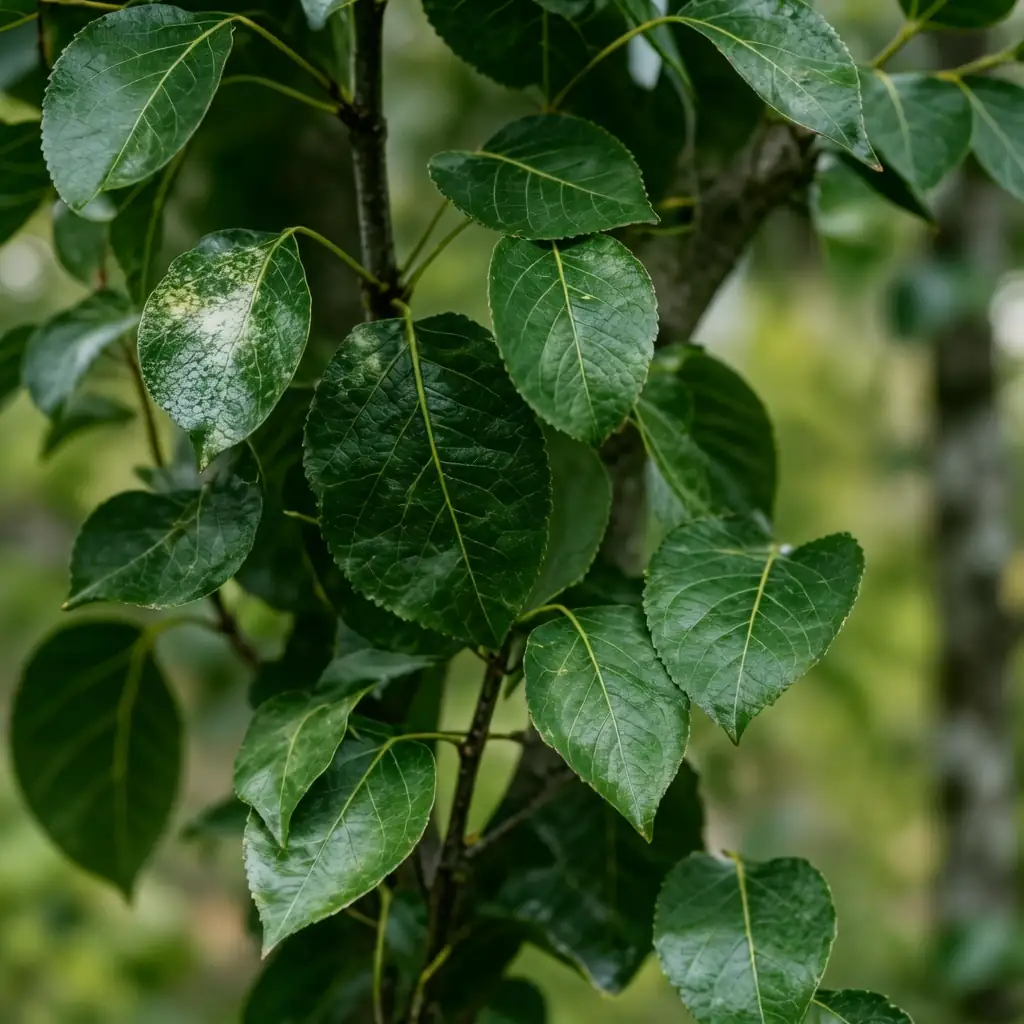
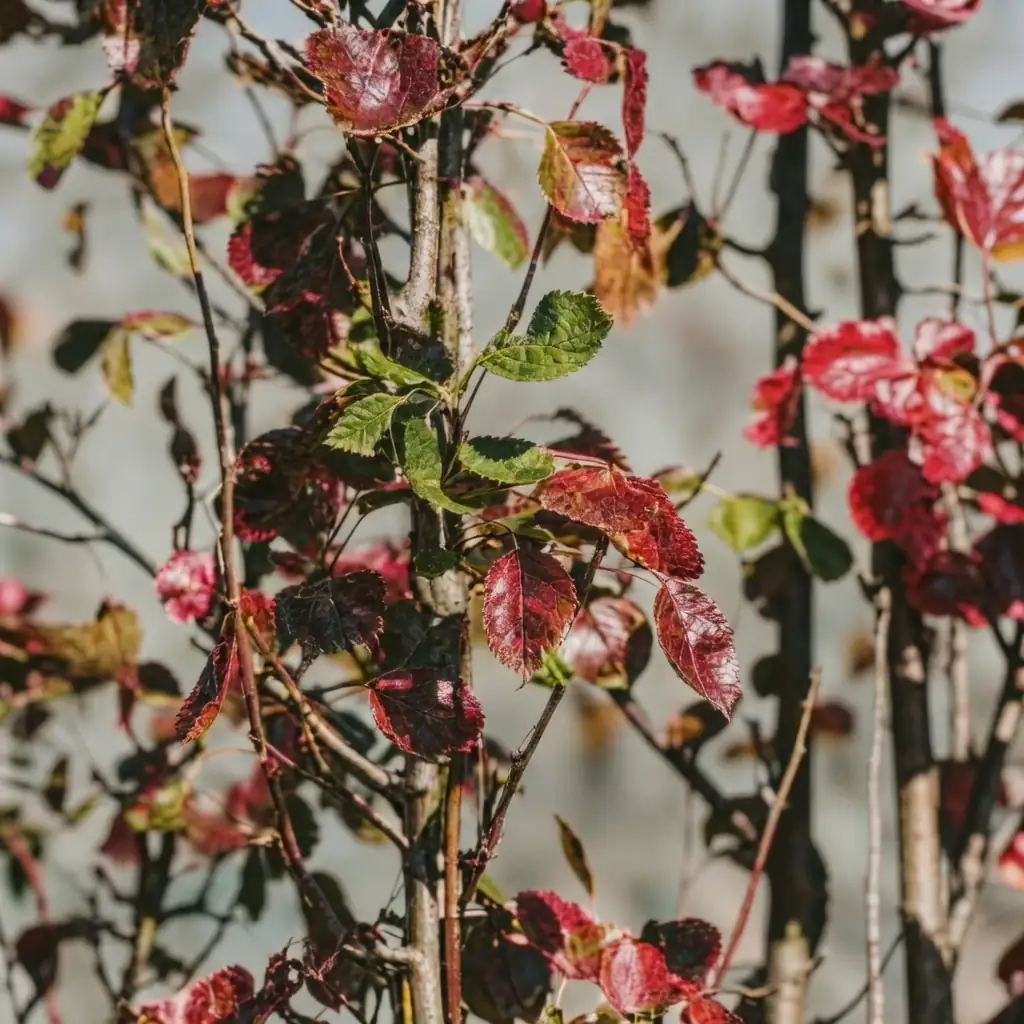
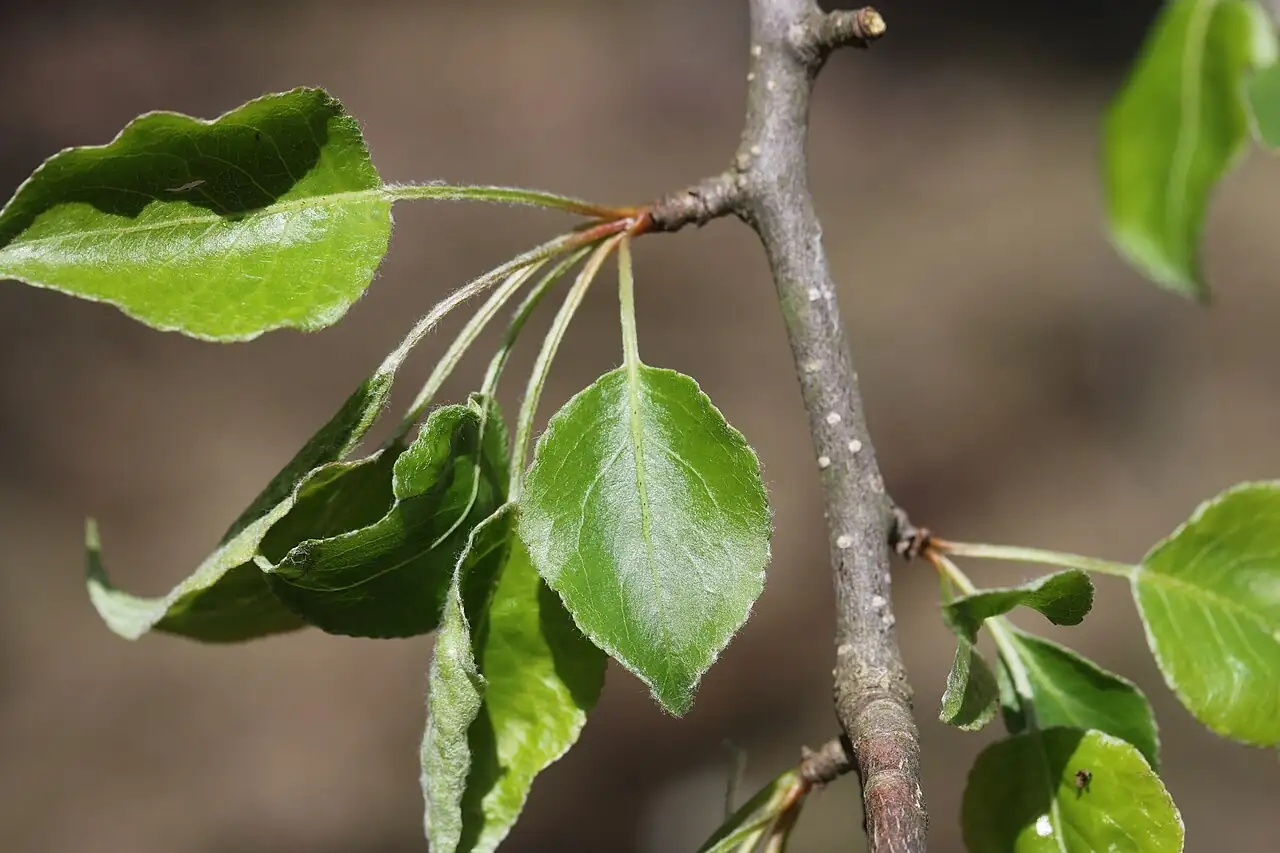
- Foliage: Leaves broadly ovate to ovate (sometimes longer-ovate), with a gradually pointed tip and a rounded to broadly wedge-shaped base. The margins have blunt serrations, and the leaf surfaces are generally hairless.
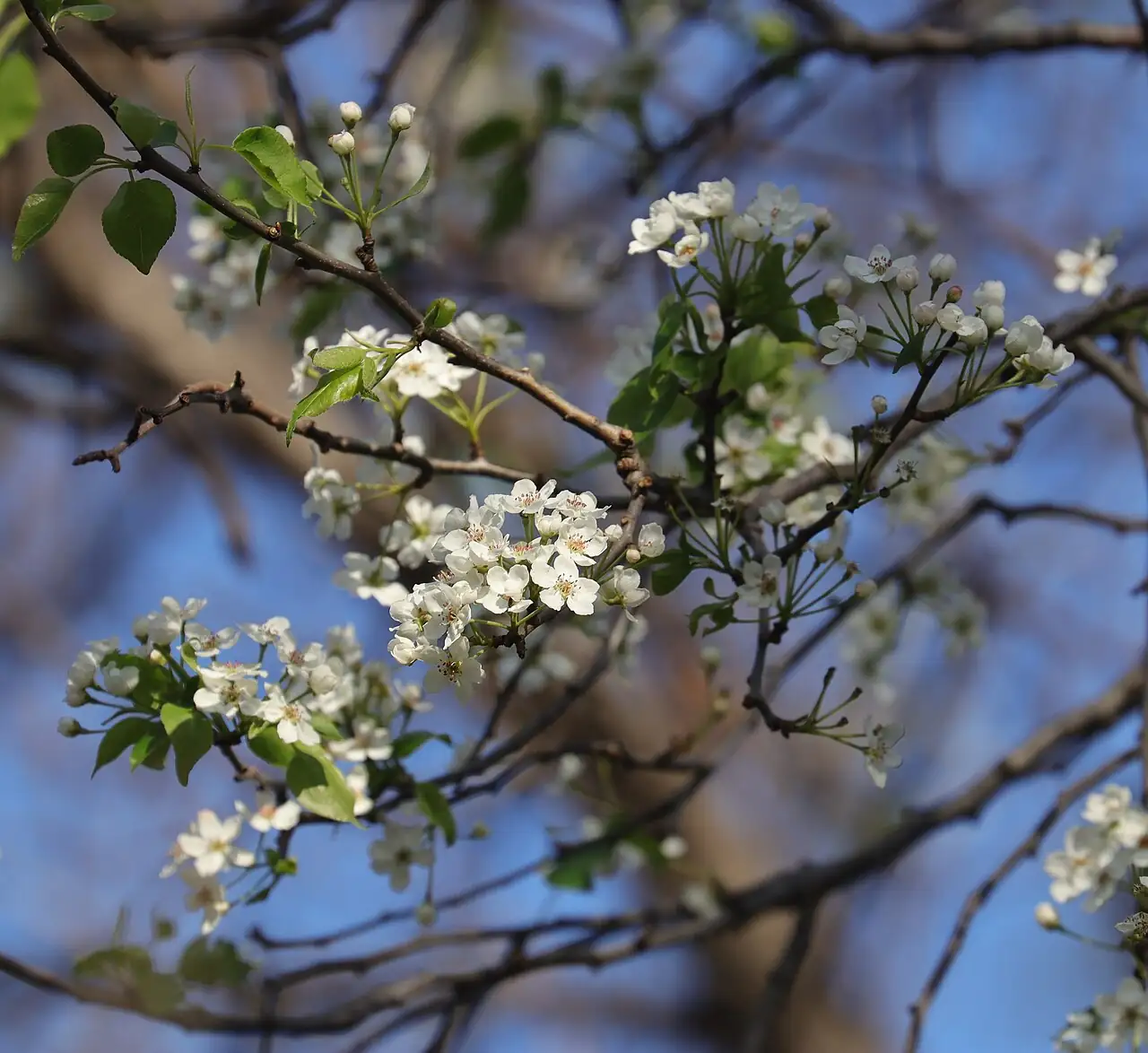
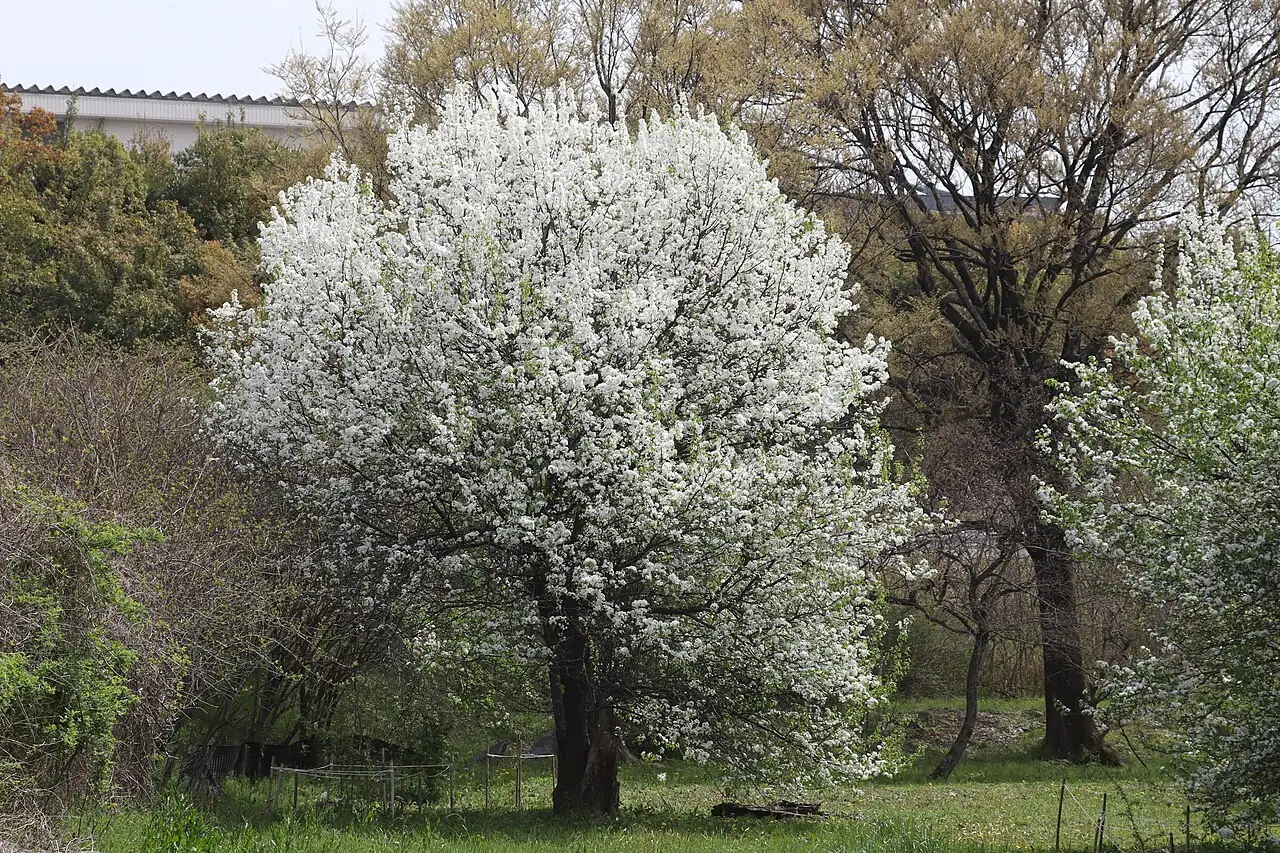
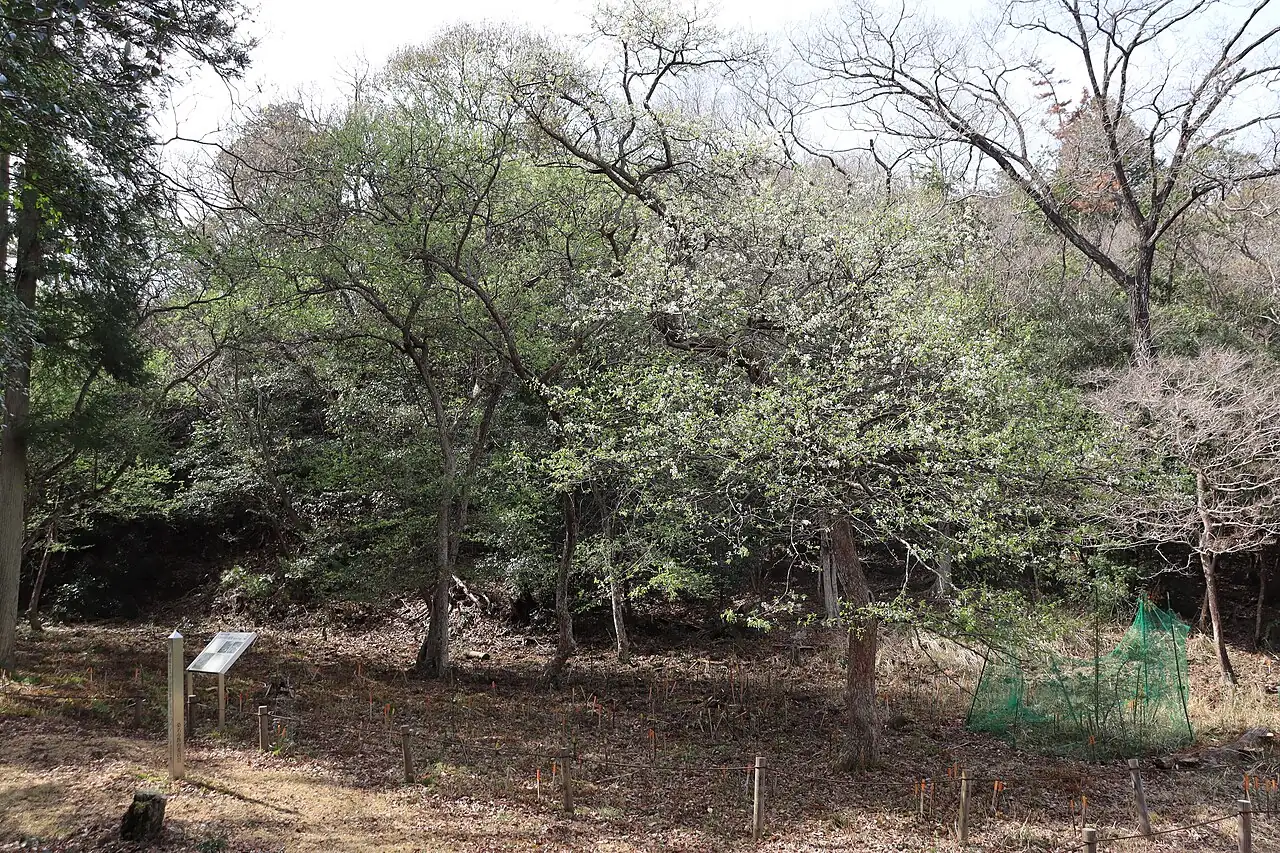
- Flower: Produces clusters of small white pear-type blossoms in corymb-like (clustered) inflorescences.
- Flowering Season: April (spring).
- Growth Habit: Deciduous tree with a deep root system; generally moderate to slow growth and a sturdy branching framework.
Environment
Sunlight
Full sun to light shade; flowers best and develops the nicest form in full sun.
Temperature
Prefers warm-temperate conditions. Approximate active growth range: 10–30°C (50–86°F). In cultivation it is generally hardy, though very young growth may be damaged by late frosts.
Humidity
Naturally found in warm, humid habitats, but once established it tolerates drier air and periodic drought.
Soil
Highly adaptable: grows in most well-drained soils and tolerates low fertility and alkaline conditions. Avoid constantly waterlogged sites in cultivation.
Placement
Best outdoors in a sunny landscape position. Also widely used in orchards/nurseries as a rootstock for grafting pears.
Hardiness
Commonly grown in USDA Zone 5–9 (approx. −29 to −1°C / −20 to 30°F).
Care Guide
Difficulty
Easy overall. Once established it’s resilient and adaptable, with growth that can be moderate to slow depending on site and care.
Buying Guide
Pick a healthy young tree with a single strong leader (if you want a standard form), no trunk wounds, and a well-balanced root system. Avoid pot-bound stock with circling roots.
Watering
Water regularly through the first growing season to establish deep roots. After that, water during prolonged dry spells; between deep waterings, let the top layer of soil dry slightly.
Fertilization
Usually needs little feeding. If growth looks weak, apply a balanced slow-release fertilizer in spring. Avoid heavy nitrogen, which can push soft, vulnerable growth.
Pruning
Prune in late winter to early spring while dormant. Remove crossing, damaged, or crowded branches and build a strong structure. Avoid heavy pruning during active growth.
Propagation
Commonly raised from seed for use as rootstock; widely used as a grafting rootstock for cultivated pears (Pyrus species and hybrids).
Repotting
Not applicable for in-ground trees. If kept in a container temporarily, pot up in spring into a larger container with a free-draining mix, and plant out when feasible.
📅 Seasonal Care Calendar
Flowering: April (spring). Fruiting: August–September (late summer to early fall).
Pests, Diseases & Safety
Common Pests & Diseases
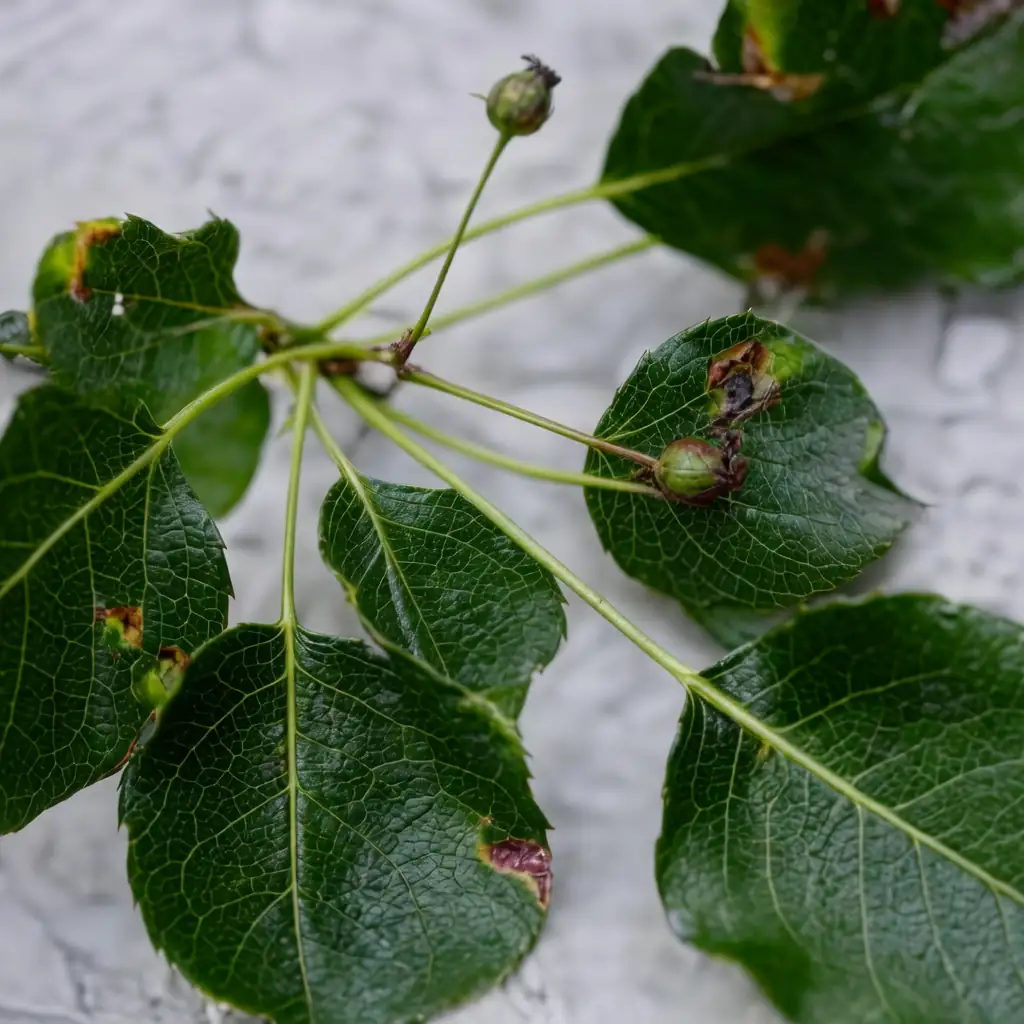
Generally robust, but can be affected by common pear issues such as fire blight, pear scab, aphids, scale insects, and mites (depending on region). Help prevent problems by maintaining airflow, avoiding excess nitrogen, and pruning out infected material promptly.
Toxicity
Not known to be poisonous to people or pets in normal situations. Like many Rosaceae, the seeds contain trace cyanogenic compounds, so they shouldn’t be eaten in quantity.
Culture & Symbolism
Symbolism: Pear blossoms are often linked with springtime, renewal, and a fresh, pure look.
History & Legends: Native to China and Vietnam, Callery pear has long been part of the region’s wild flora. Its toughness and strong rooting made it especially useful horticulturally as a pear rootstock, and it has also been planted as a flowering ornamental in some places.
Uses: Primarily used as a rootstock for grafting cultivated pears; also grown as an ornamental spring-flowering tree.
FAQ
Is Callery pear grown mainly for eating?
Not usually. The fruits are small and hard, not a classic dessert pear—this tree is more valued for its spring flowers and as a rootstock.
Does it tolerate poor or alkaline soil?
Yes. It’s known for coping well with low-fertility and alkaline soils as long as the site drains reasonably well.
Fun Facts
- In the wild, it ranges from eastern and southern China into Vietnam, often on warm, humid slopes, in wetlands, and in mixed woodland.
- The fruits are small and round—about 1 cm (0.4 in) across—typically dark brown with speckling and carried on slender stalks.
- Its adaptability and strong root system are key reasons it has been widely used as a grafting rootstock for cultivated pears.


