Plant Features
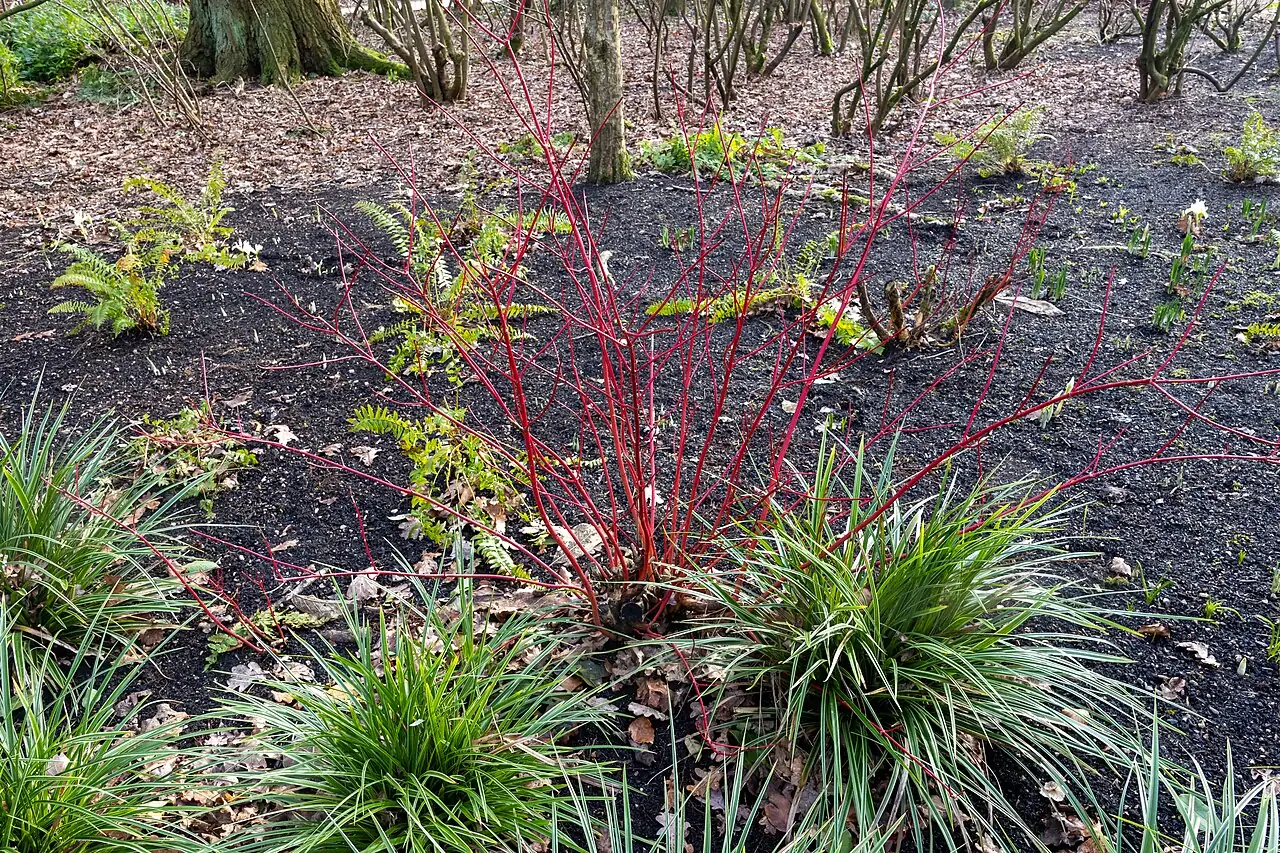
- Size: Typically 2–3 m (6.6–9.8 ft) tall with a similar spread; can be kept smaller with pruning.
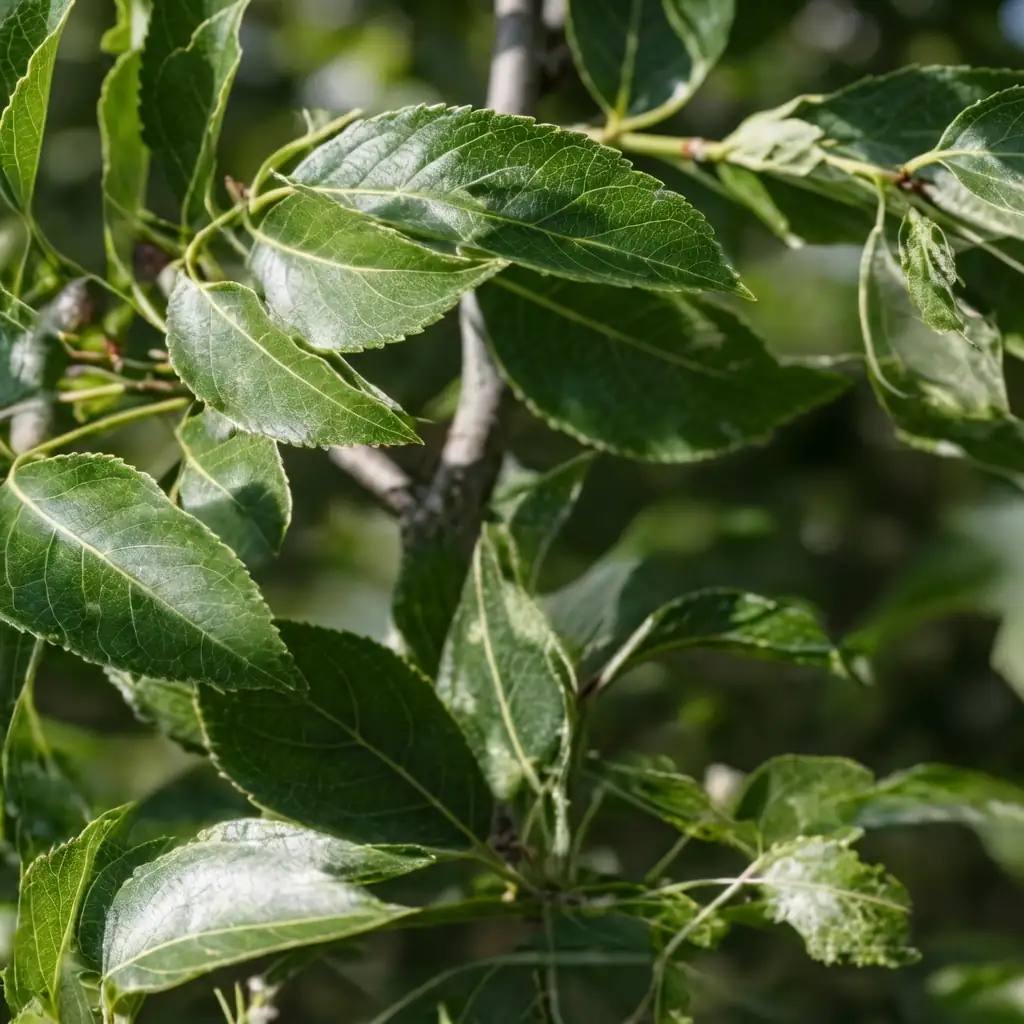
- Foliage: Leaves are opposite, simple, and oval to elliptic, often with a light hairiness. In good light and cool autumn weather, the foliage can turn a vivid red, giving the plant a second big seasonal highlight after winter stems.
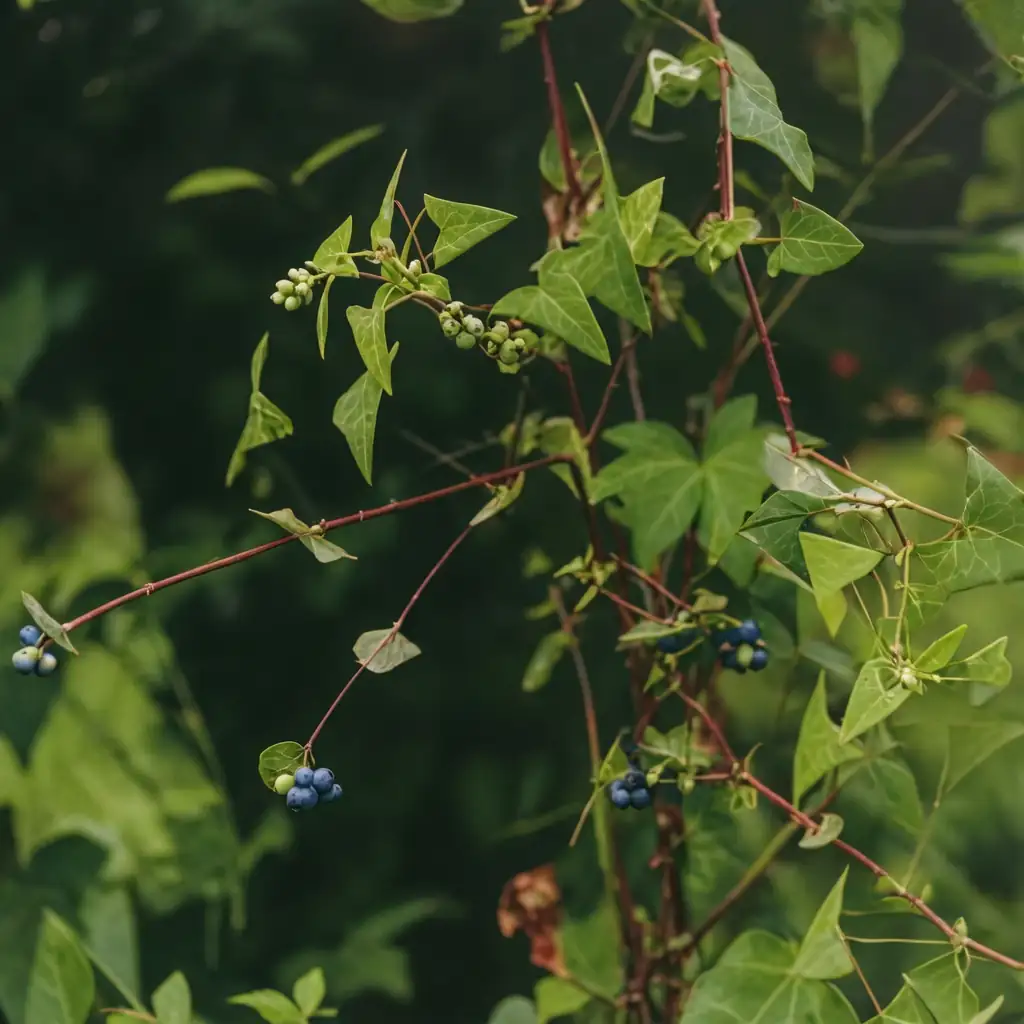
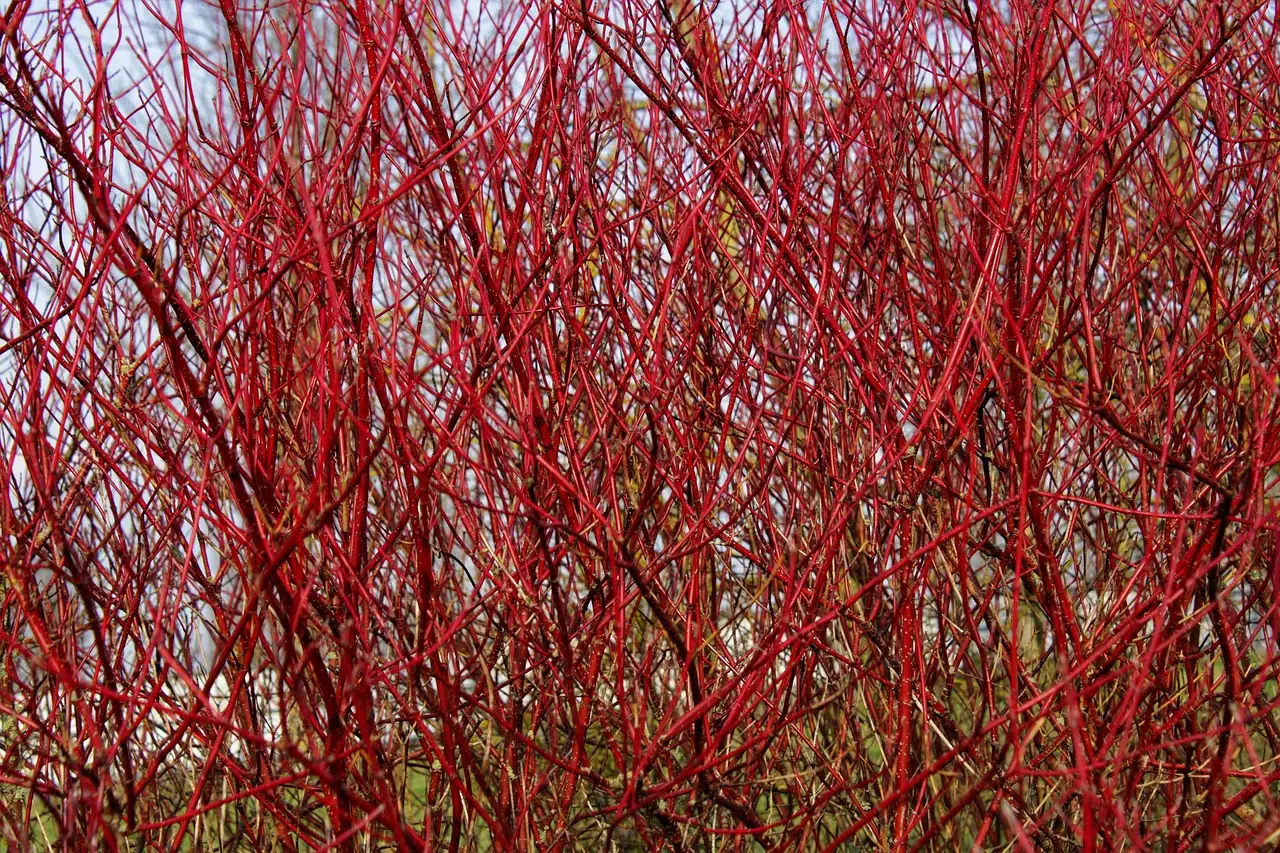
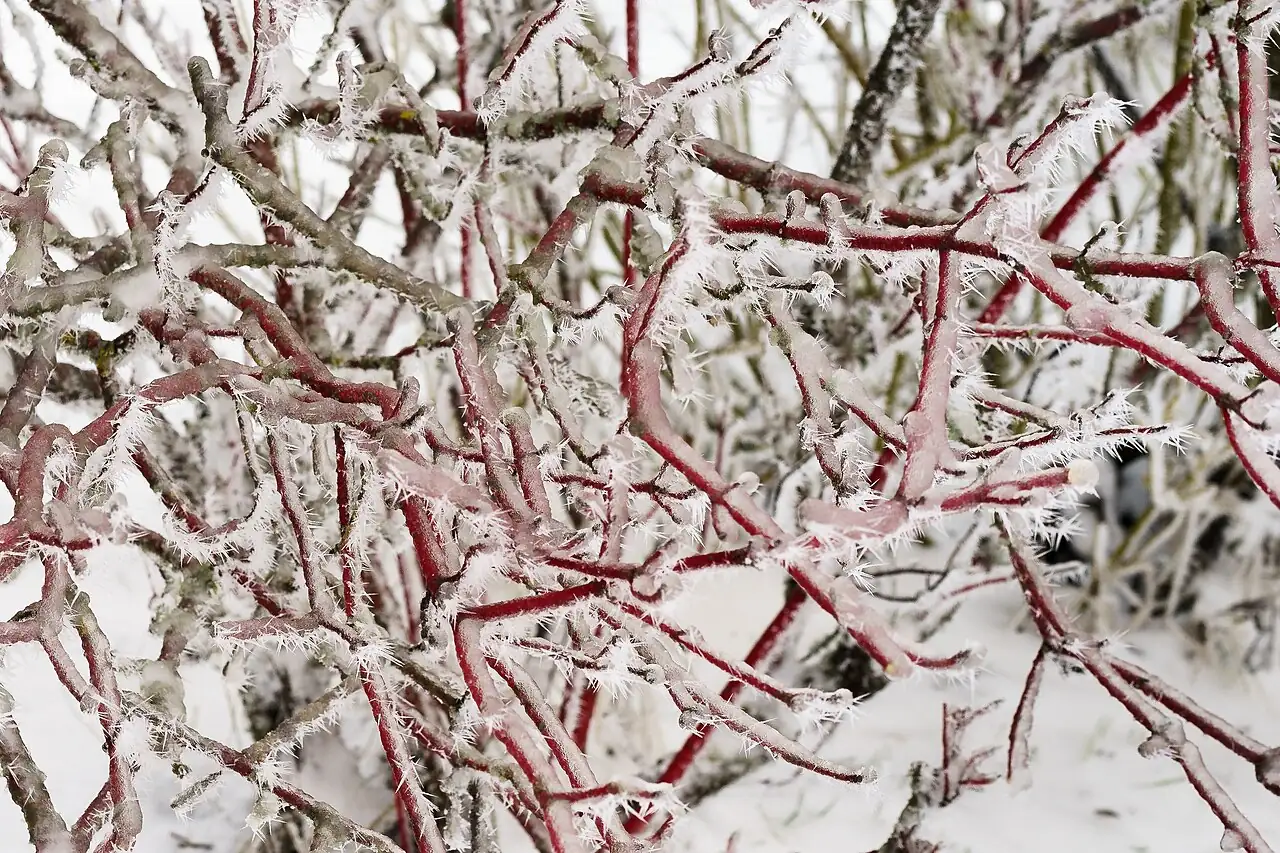
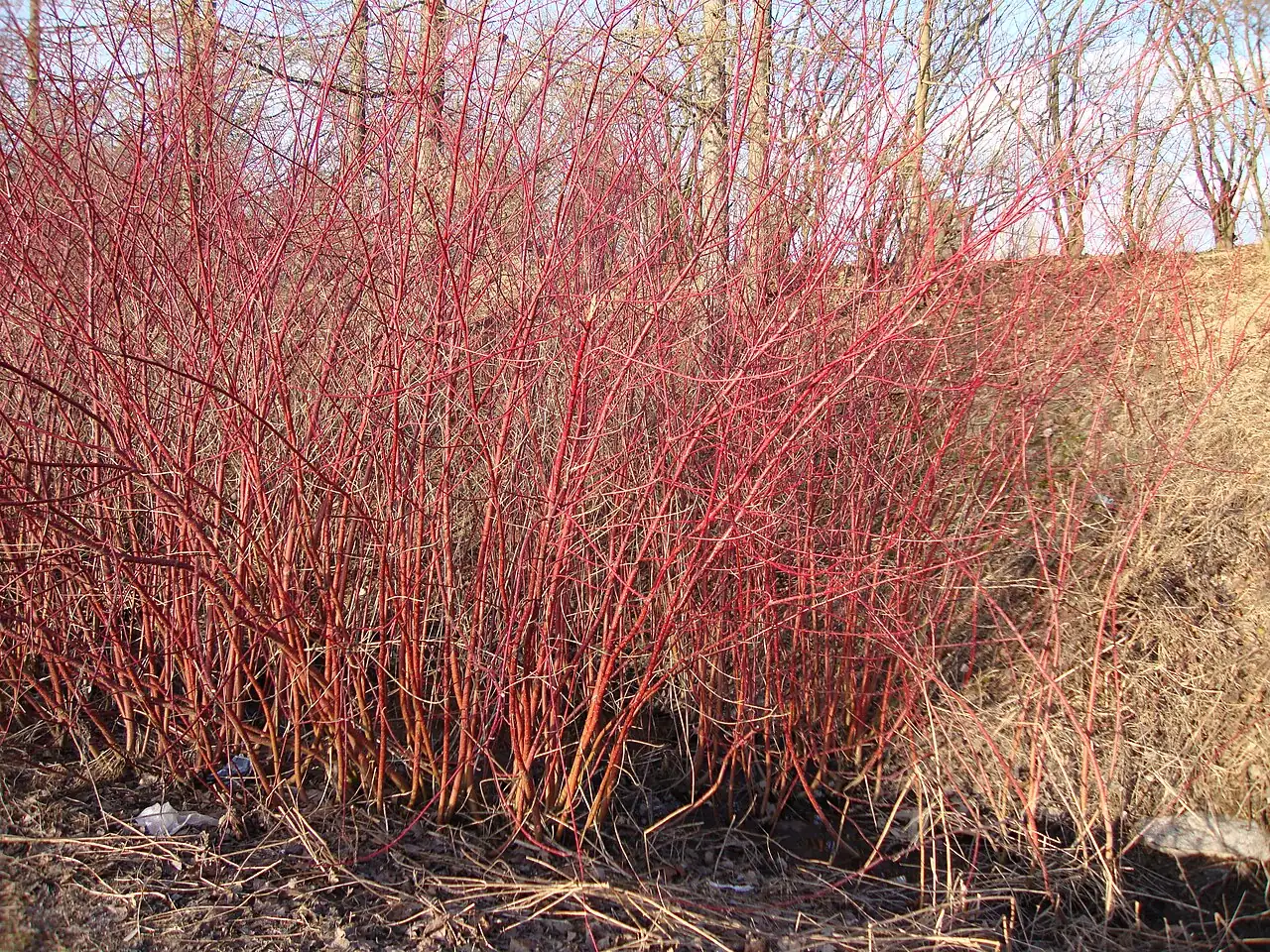
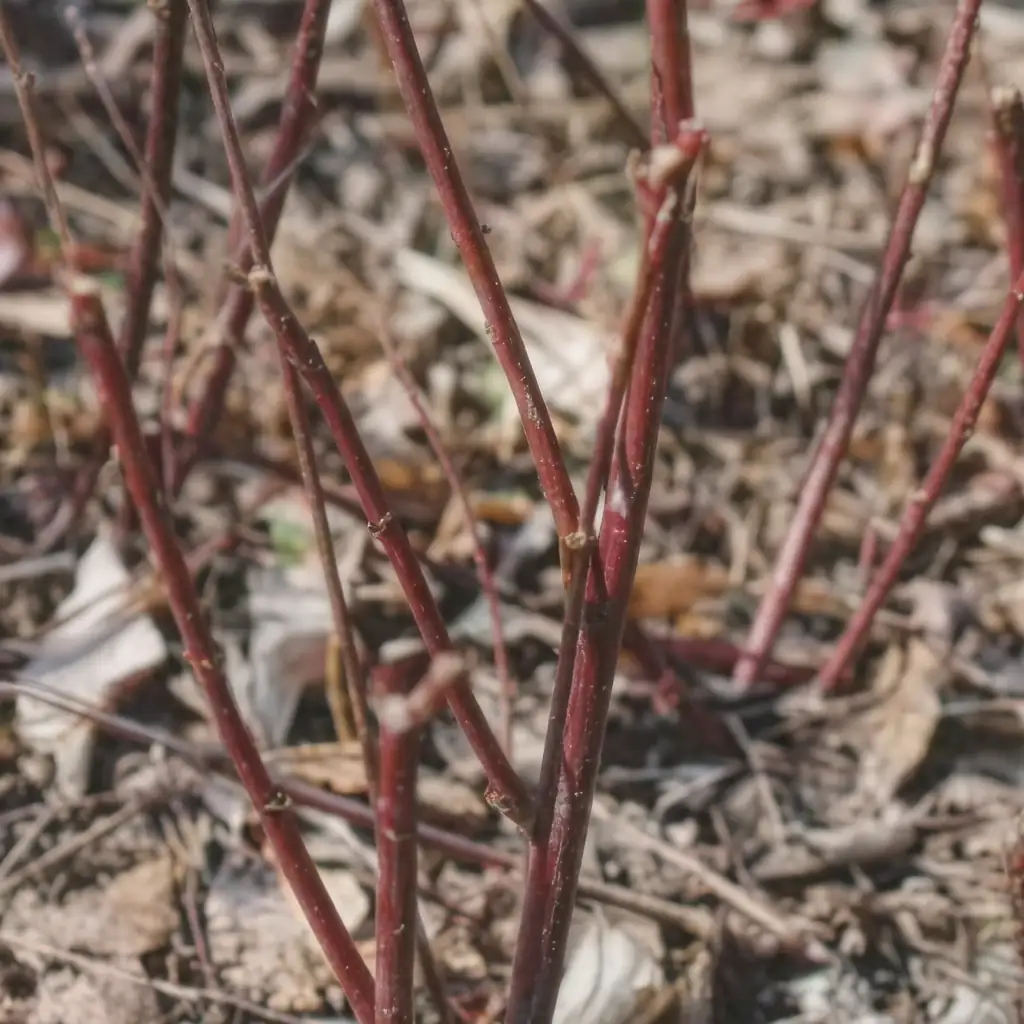
- Flower: Produces small creamy-white to yellowish-white flowers in flat-topped clusters. These are followed by oval drupes that ripen white to slightly bluish-white. Young stems are smooth and notably bright red in winter, with the best color showing on fresh new growth.
- Flowering Season: June–July (often late spring to mid-summer depending on climate).
- Growth Habit: Vigorous, deciduous, multi-stemmed shrub with a naturally suckering habit; responds very well to coppicing to renew bright stem color.
Environment
Sunlight
Full sun to partial shade; best red stem color and strongest fall color typically occur in full sun.
Temperature
Cold-hardy and well-suited to cool to temperate climates; typical tolerance about −40 to 30°C (−40 to 86°F).
Humidity
Prefers evenly moist conditions; tolerates high moisture and periodic waterlogging once established.
Soil
Moist, well-drained to wet soils; adaptable to loam, clay, or sandy soils, as long as it doesn’t dry out for long periods.
Placement
Great in mixed borders, foundation plantings, lawns, and hedges. Especially useful near ponds and streams for erosion control and bank stabilization, and also valued where its winter-red stems can be enjoyed (and harvested) for seasonal displays.
Hardiness
USDA Zone 2–7 (very frost-hardy).
Care Guide
Difficulty
Easy and resilient; a vigorous, forgiving shrub once established.
Buying Guide
Pick plants with multiple healthy stems and no signs of cankers, dieback, or damaged bark. If winter stem color is your top goal, choose forms known for vivid red stems and avoid plants that are mostly old, thick, woody canes.
Watering
Water regularly during the first growing season to establish a strong root system and keep soil evenly moist. After establishment it tolerates wet sites well, but still benefits from watering during prolonged drought—especially in full sun or sandy soils.
Fertilization
Usually minimal feeding is needed. If growth seems weak, apply a balanced slow-release fertilizer in spring. Avoid heavy nitrogen, which can encourage overly lush, floppy growth.
Pruning
For the brightest winter display, renew growth in late winter to early spring: remove about one-third of the oldest stems at ground level each year, or coppice the whole plant to 5–10 cm (2–4 in) above ground every 2–3 years. (Hard coppicing may reduce flowering and fruit that season, but boosts stem color.)
Propagation
Very easy to propagate from hardwood cuttings in late fall to winter, or softwood cuttings in late spring to early summer. It also spreads by suckers, which can be divided and replanted.
Repotting
Mainly grown outdoors in the ground. If kept in a container, repot every 2–3 years in early spring into a larger pot using a moisture-retentive but well-aerated mix.
📅 Seasonal Care Calendar
Spring: mulch to hold moisture; feed lightly if needed. Summer: water during dry spells; enjoy flowers and forming fruit. Autumn: enjoy red fall foliage; remove weak or damaged stems. Winter: enjoy the red stem show; prune in late winter for best color.
Pests, Diseases & Safety
Common Pests & Diseases
Can encounter aphids, scale, leaf spot, and powdery mildew; stressed plants may develop cankers and dieback. Improve airflow, avoid drought stress, and prune out infected wood promptly.
Toxicity
Generally considered low toxicity. The berries are not considered edible for people and may cause stomach upset if eaten; discourage pets from chewing or ingesting plant parts.
Culture & Symbolism
Symbolism: Often linked with resilience and winter beauty—its bright stems bring color and life to the garden when most plants are resting.
Uses: A popular ornamental shrub for winter-red stems, red autumn foliage, and easy performance. Commonly used in mass plantings and hedges, and the stems are widely cut for winter floral arrangements. Thanks to its dense, fibrous roots and tolerance of wet soil, it’s also a practical choice for streambanks and erosion control plantings.
FAQ
Why are my stems not turning bright red in winter?
Color is strongest on young stems and in full sun. Remove older stems at the base each late winter (or coppice periodically) and, if possible, give the plant a sunnier location to improve stem color.
Can it grow in wet ground?
Yes. Cornus alba is notably tolerant of consistently moist to wet soils and is often planted near water specifically for bank stabilization.
Fun Facts
- The red stems are at their most dramatic in winter—especially when set off by snow.
- In good conditions, the foliage can turn richly red in autumn, adding another season of color.
- The straight, colorful winter stems are a florist favorite for seasonal arrangements.
- Its strong root system helps bind soil, making it useful for erosion control around waterways.
- The fruits are drupes that often ripen white to slightly bluish-white.