

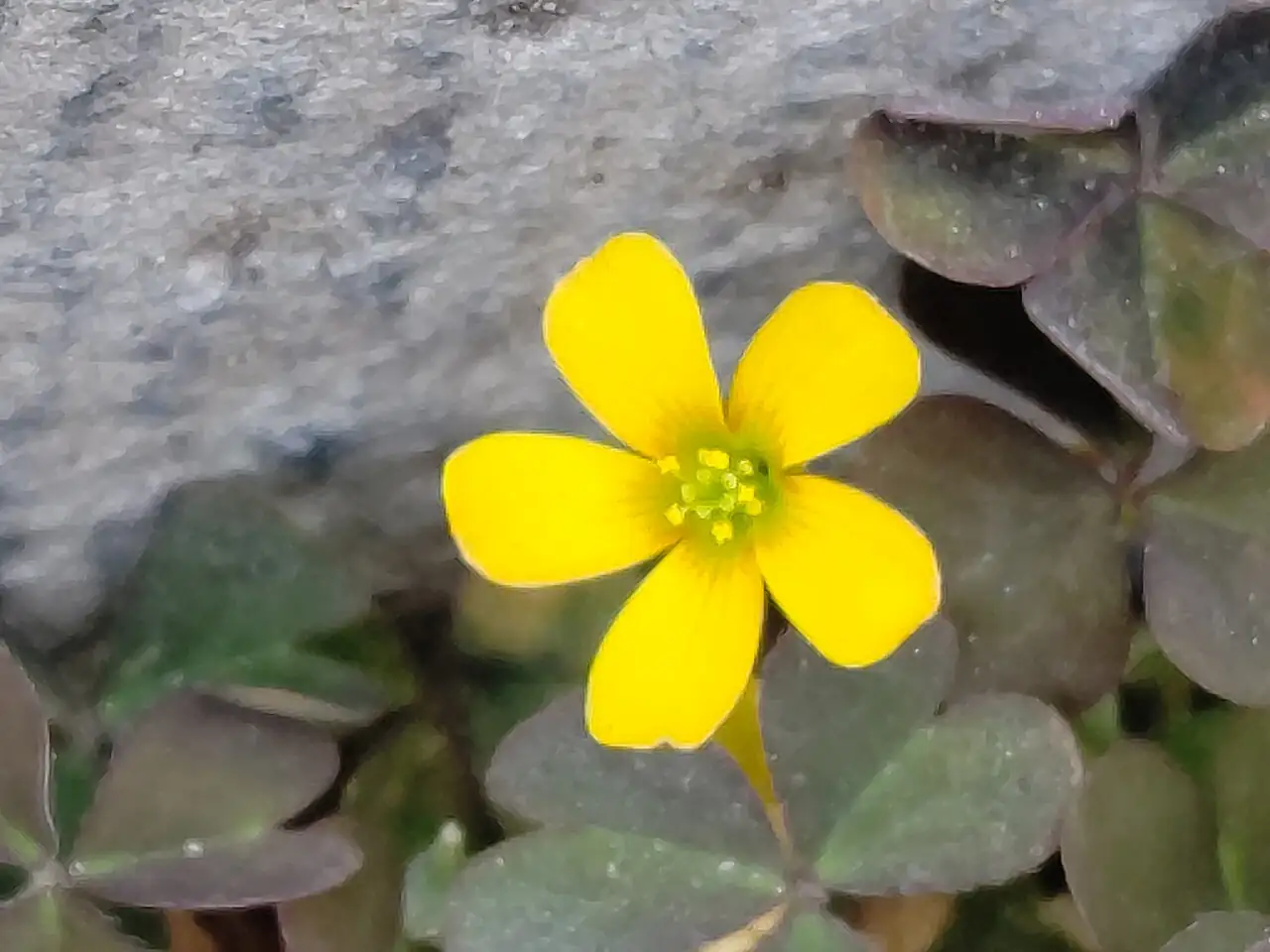
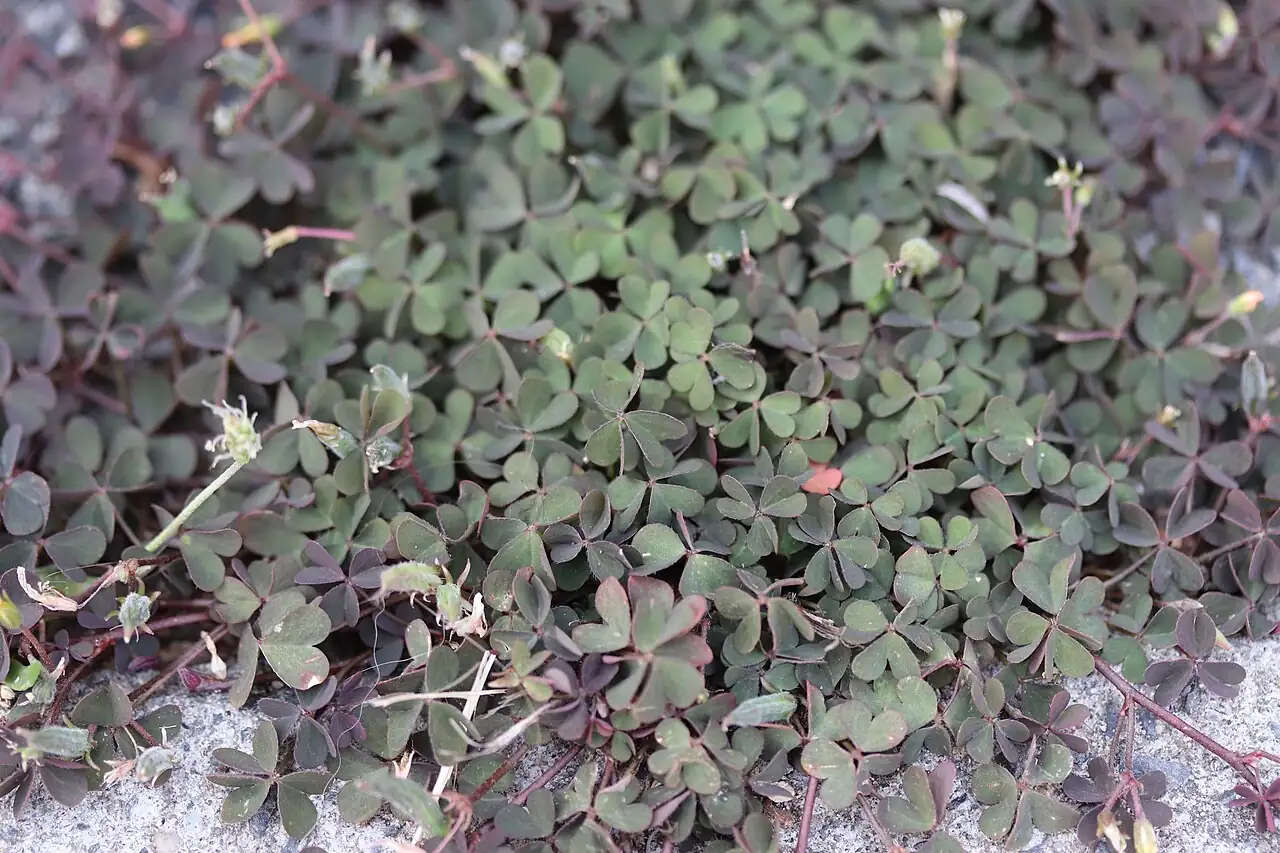
Plant Features
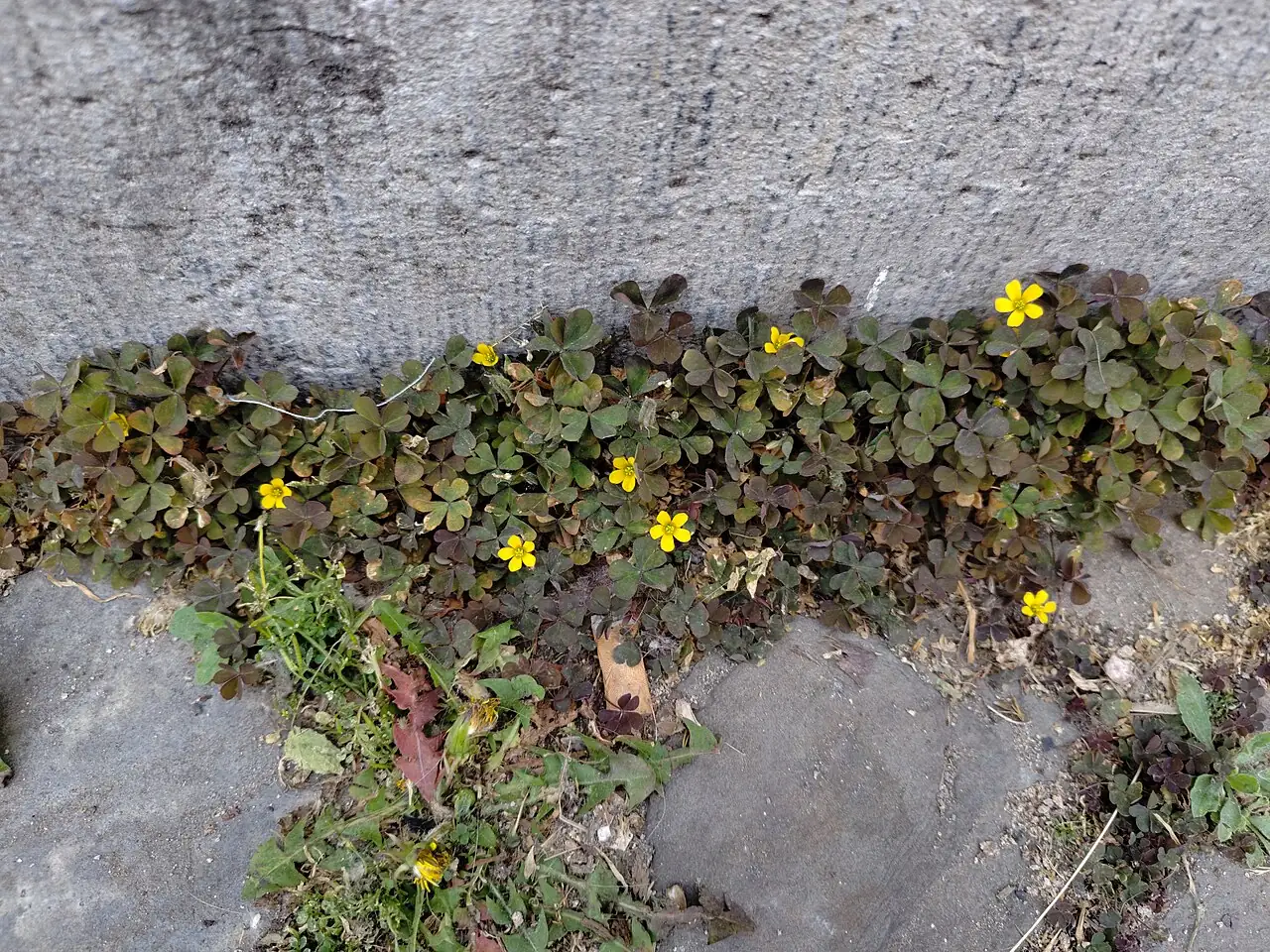
- Size: Typically 10–35 cm (4–14 in) tall; spreads outward as a creeping, mat-forming plant.
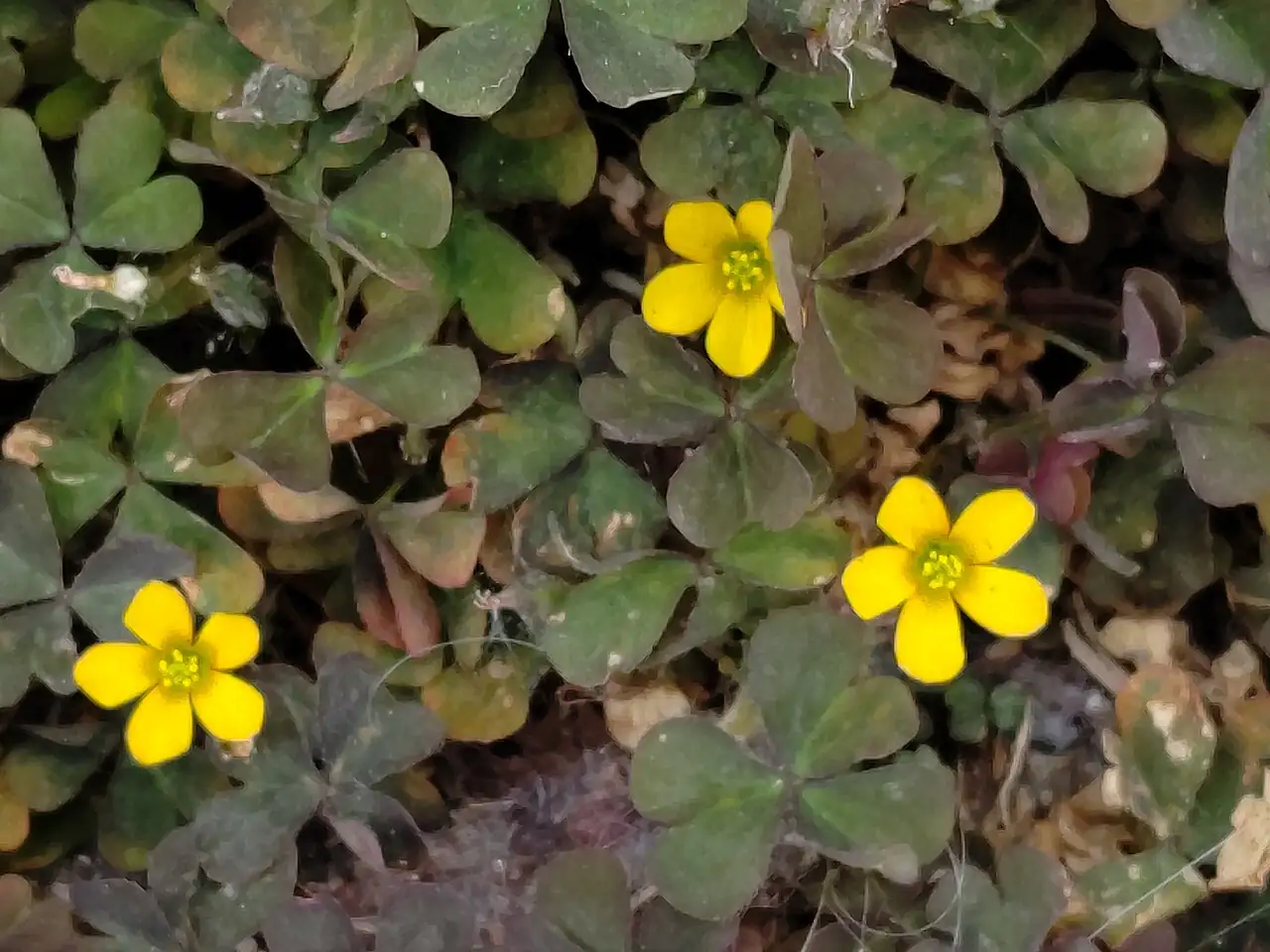
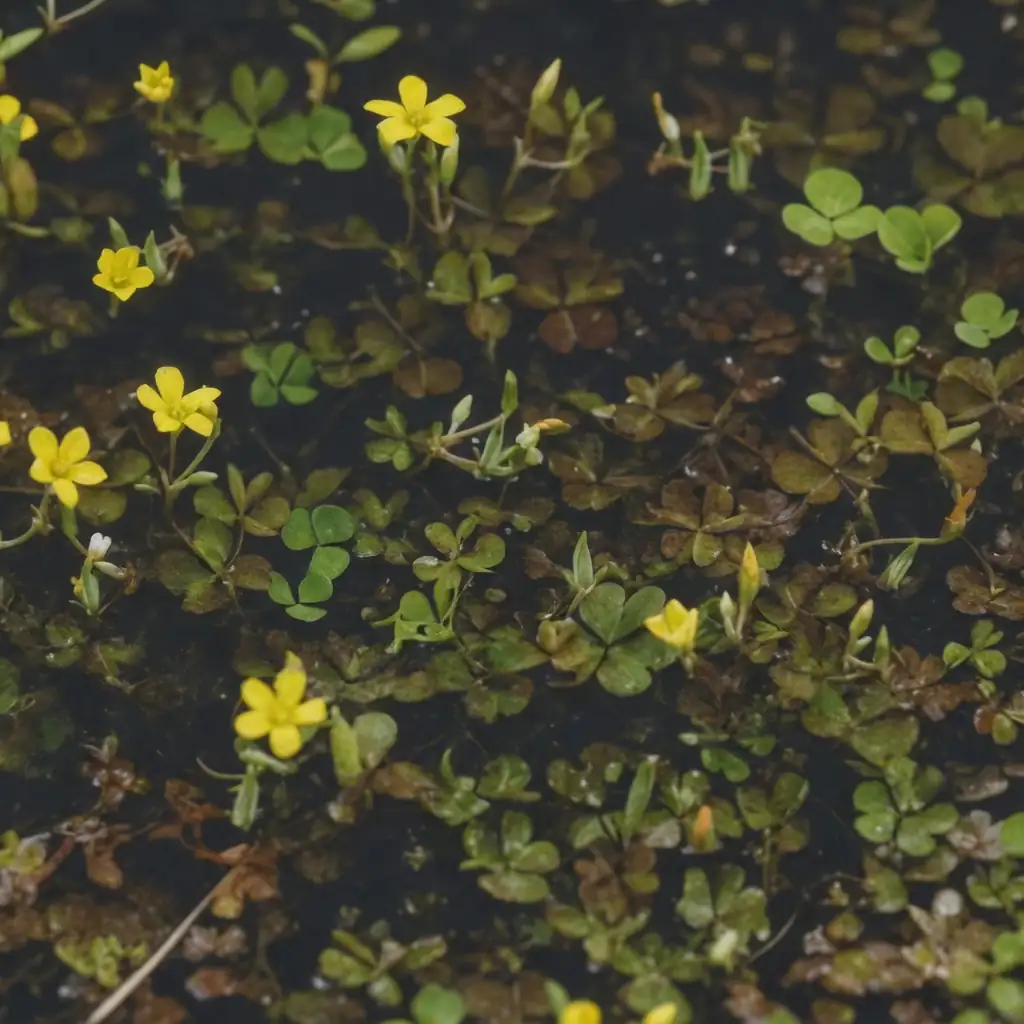
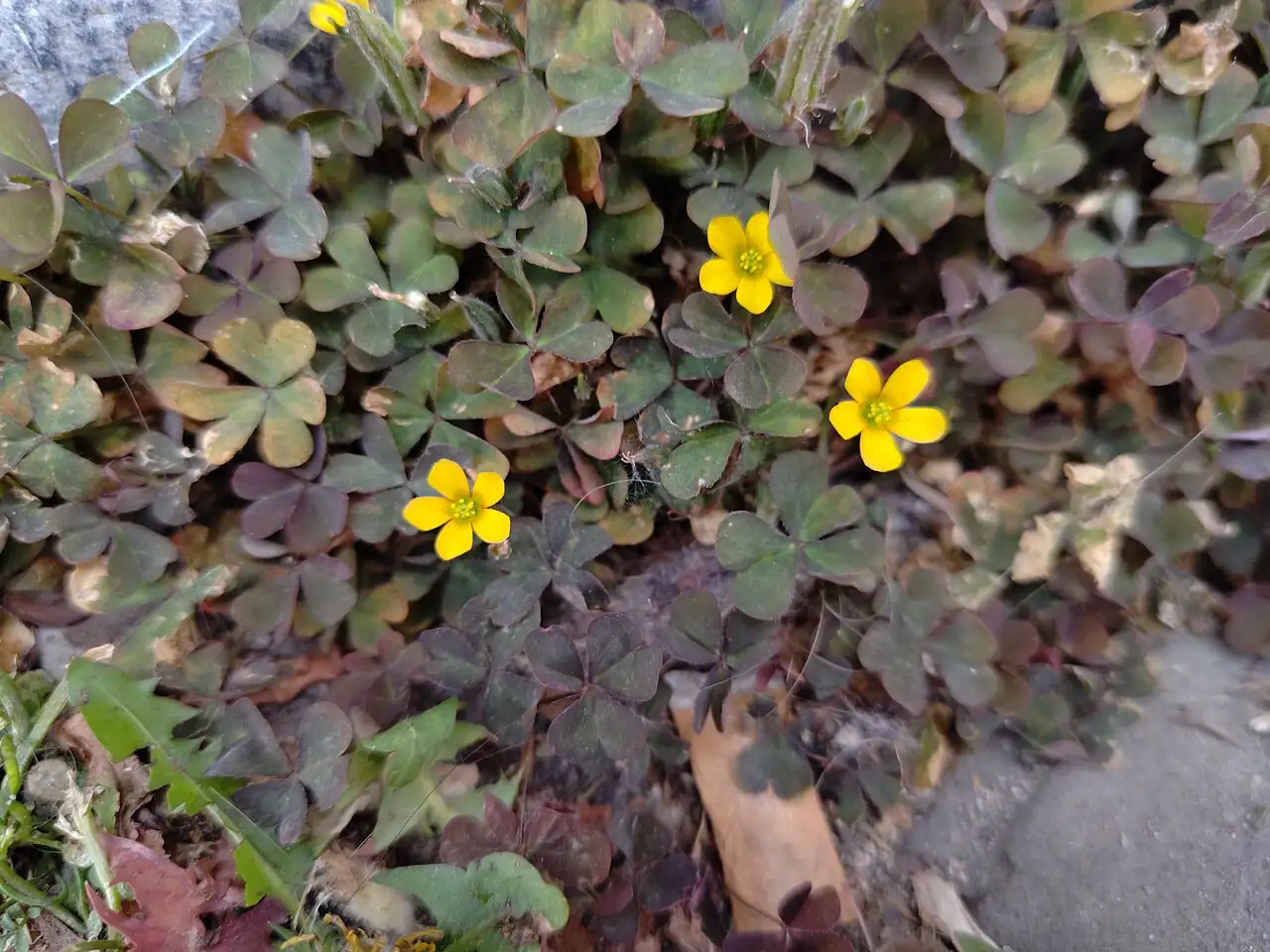
- Foliage: A low herb that can be deciduous to semi-evergreen depending on climate. Leaves are trifoliate (three leaflets) with a clover-like look and soft hairs; they arise from the base and also appear alternately along the creeping stems.
- Flower: Small, five-petaled yellow flowers, usually borne singly or in small umbel-like clusters from the leaf axils; flower stalks can be slightly pinkish. After flowering, it forms slender, elongated seed capsules that mature from green to brown or reddish-brown.
- Flowering Season: February–September (Feb–Sep)
- Growth Habit: Low-growing, creeping/trailing, mat-forming herb. Tolerates sun and shade, but is typically more vigorous and floriferous in brighter light. Prefers warm, moist conditions; not frost-hardy, and growth may slow during very hot summer weather.
Environment
Sunlight
Full sun to partial shade; shade-tolerant, but best flowering and density usually occur with brighter light.
Temperature
Prefers warm conditions; best growth around 15–30°C (59–86°F). Not frost-hardy—protect from temperatures below 0°C (32°F).
Humidity
Does best with even moisture; tolerates average household/outdoor humidity as long as the soil doesn’t dry out completely.
Soil
Adaptable, but happiest in loose, well-drained soil that stays lightly and evenly moist. Avoid constantly waterlogged mixes, especially in pots.
Placement
Outdoors in beds, borders, or as a quick groundcover; also easy in containers. Suitable for open sunny spots or lightly shaded areas.
Hardiness
Approximately USDA Zone 8–11; generally tender where hard frosts occur.
Care Guide
Difficulty
Easy and forgiving; the main “challenge” is that it can spread quickly in favorable conditions.
Buying Guide
Look for plants with dense, green trifoliate leaves and visible new growth. Avoid pots that smell sour or stay waterlogged, or plants with widespread yellowing (possible root stress).
Watering
Keep soil lightly, evenly moist during active growth. For containers, allow the top 1–2 cm (0.4–0.8 in) to dry slightly between waterings; avoid constantly soggy soil to prevent root issues.
Fertilization
Usually minimal feeding is needed. In containers, use a balanced liquid fertilizer at 1/4–1/2 strength every 4–6 weeks during active growth (spring to early fall).
Pruning
Pinch or trim to keep it compact and encourage fresh growth. Remove spent flowers and any yellowing foliage to tidy the plant and reduce stress.
Propagation
Very easy: stem cuttings root readily at nodes, runners can be divided where they’ve rooted, and it can also be grown from seed (where permitted).
Repotting
Repot in spring when crowded or when growth slows. Refresh with a well-draining potting mix and make sure the pot has good drainage holes.
📅 Seasonal Care Calendar
Often shows strong growth in April–May and again in late August–late October (Aug–Oct). In very hot summer weather it may slow down. Flowering and fruiting commonly run from February–September (Feb–Sep), depending on local climate.
Pests, Diseases & Safety
Common Pests & Diseases
Usually quite trouble-free. In containers or on stressed plants, watch for aphids, spider mites, and whiteflies. Overwatering can cause root rot—improve drainage and reduce watering if the soil stays wet and foliage yellows.
Toxicity
Contains oxalic acid. Mildly toxic if eaten in large amounts and may cause mouth or gastrointestinal irritation in people and pets. Keep away from pets that like to chew plants.
Culture & Symbolism
Symbolism: Often associated with good luck thanks to its clover-like leaves, and with resilience because it thrives and spreads in many conditions.
History & Legends: A familiar wild plant across many regions and widely naturalized worldwide. People have long recognized it for its clover-like foliage, persistent creeping habit, and its knack for popping up wherever there’s a bit of moisture and light.
Uses: Commonly grown (and frequently self-sows) as a fast-filling groundcover with abundant small yellow flowers; also used in pots as a delicate, trailing filler.
FAQ
When does it flower?
Typically February–September (Feb–Sep), though timing varies with local climate.
When does it set fruit?
Usually February–September (Feb–Sep), often overlapping with flowering.
How tall does it get?
Around 10–35 cm (4–14 in) tall, while spreading outward as a mat.
Where does it grow naturally?
Widespread across China; commonly found in woodland, shrubland, and moist gullies/valleys.
What conditions does it like best?
Warm, lightly moist soil with sun to partial shade. It tolerates shade, but usually grows more vigorously and flowers more in brighter light; it isn’t frost-hardy and may slow down in extreme summer heat.
Fun Facts
- The whole plant is softly hairy, which can give it a slightly fuzzy look up close.
- Each flower typically has five bright yellow petals.
- It makes slender seed capsules that mature to brown or reddish-brown.
- It’s popular as a groundcover because it fills in quickly and roots along its creeping stems.
- It can handle both sun and shade, but tends to look its best in brighter light.


