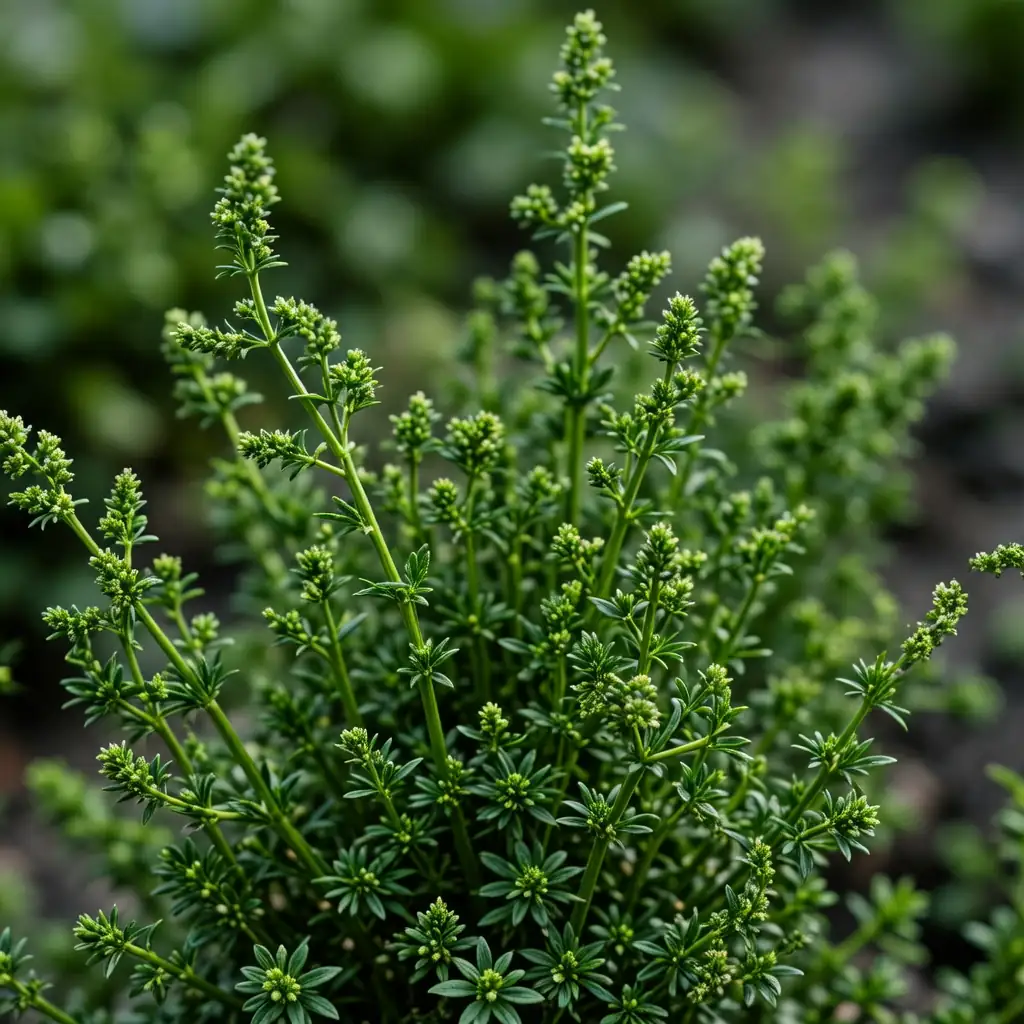
Plant Features
- Size: Typically 40–120 cm (16–47 in) tall; forms clumps rather than running rhizomes.
- Foliage: Forms dense tufts with leaf sheaths that are usually hairless and closed for much of their length. A noticeable ridge often shows on the upper sheath, and the sheath tip may look torn or frayed. Below ground, it builds a strong, fibrous root system—densest in the top 10–30 cm (4–12 in) of soil—though some roots can reach deeper than 1 m (3.3 ft).
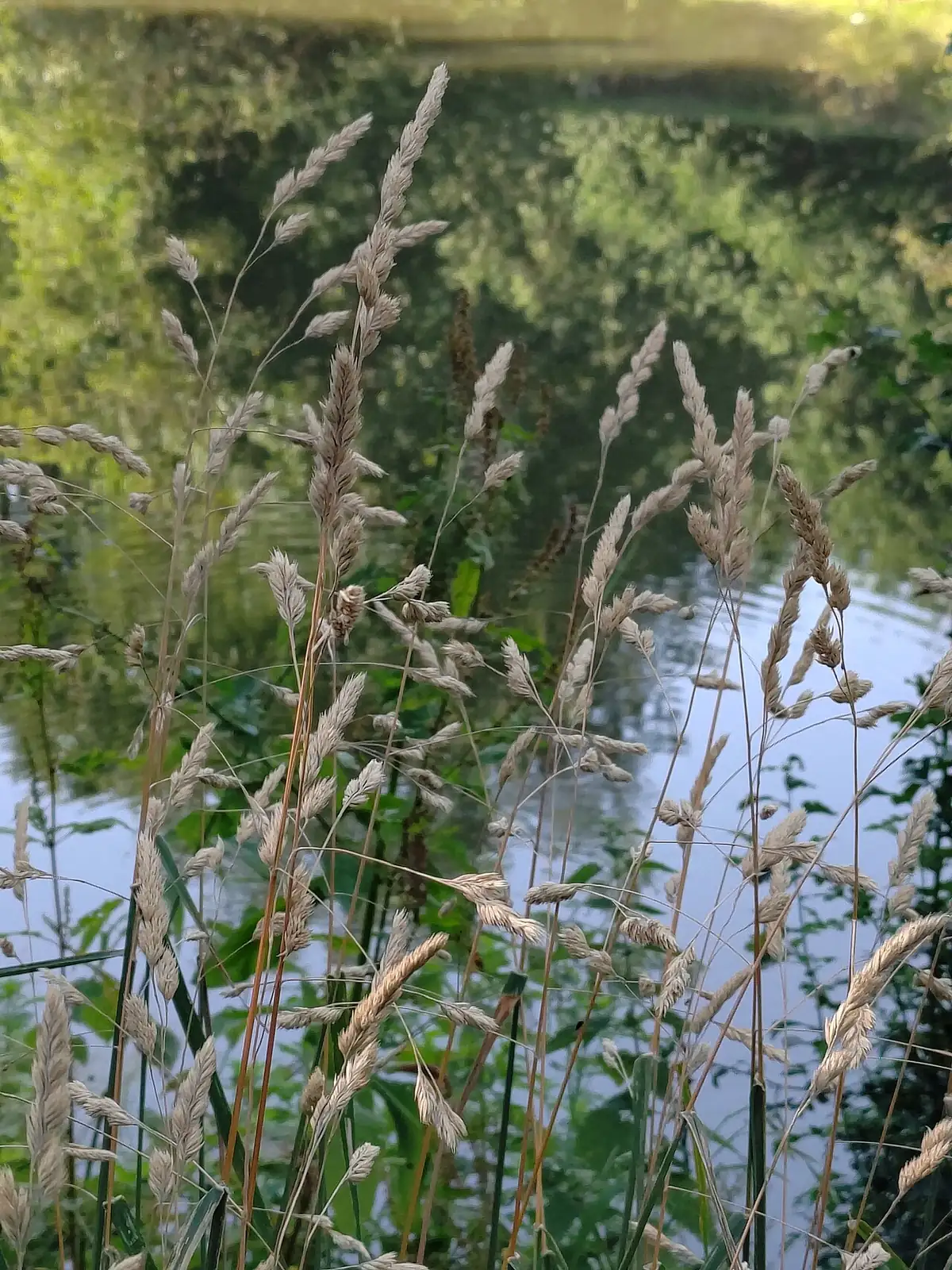
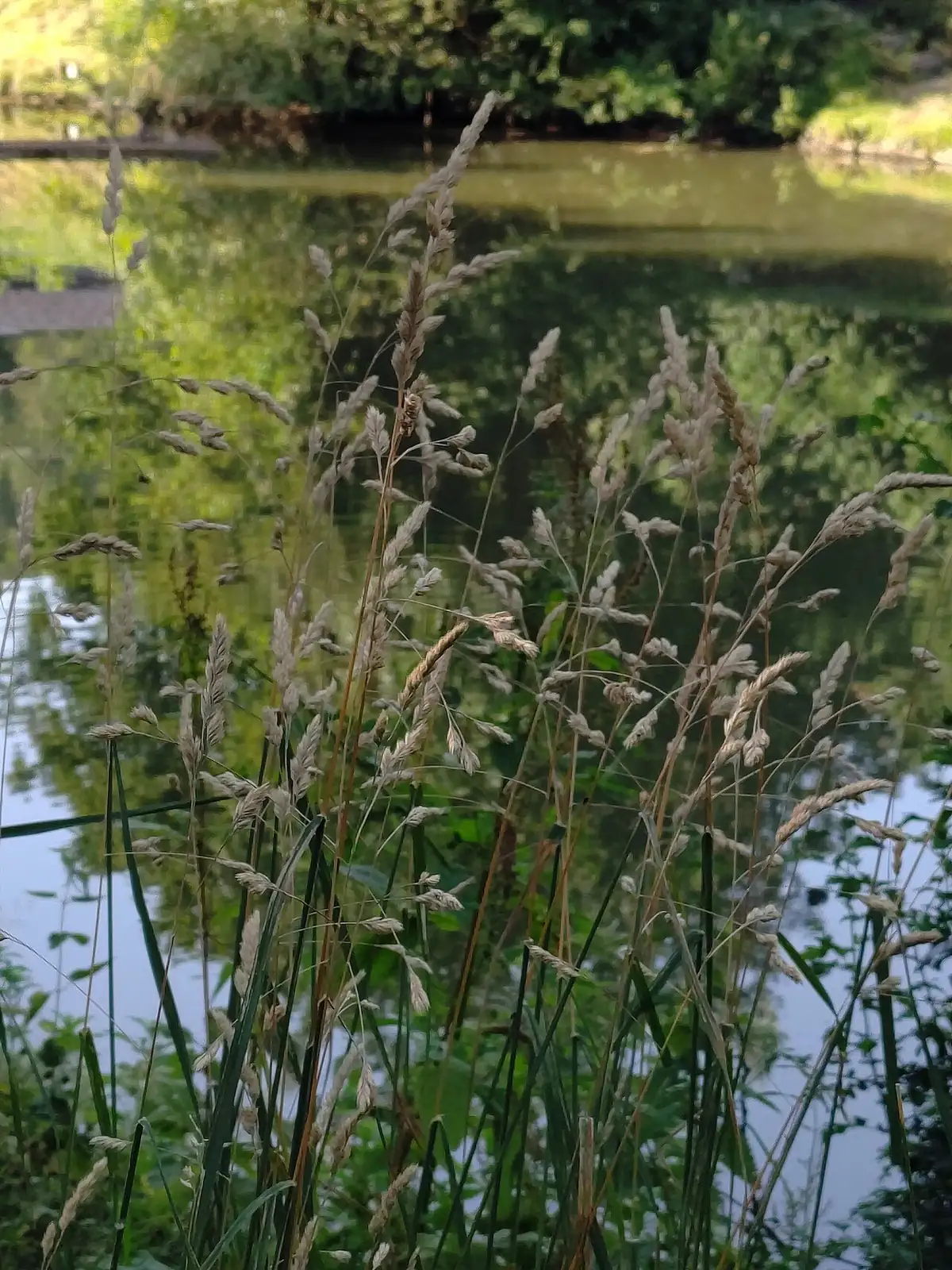
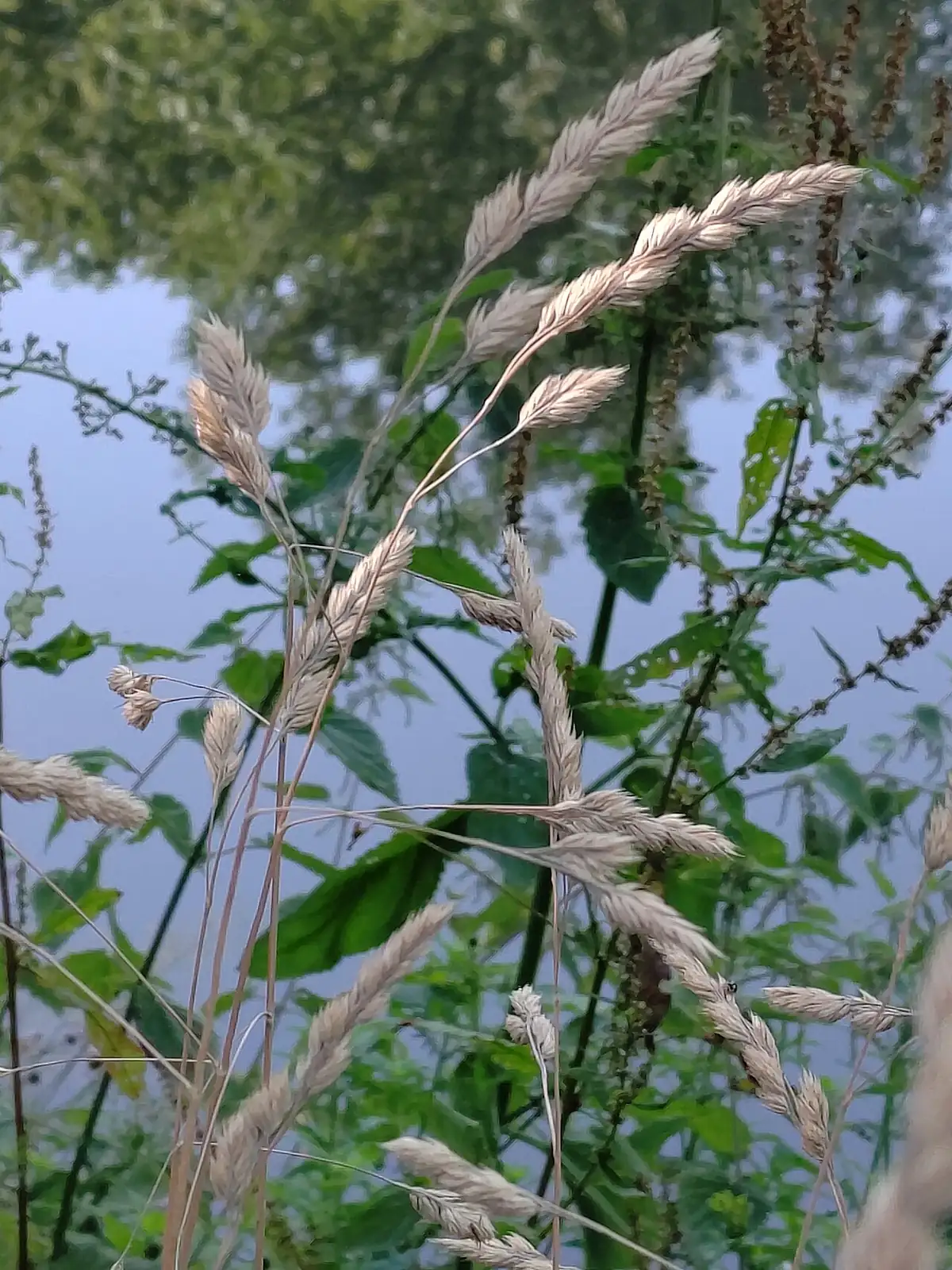
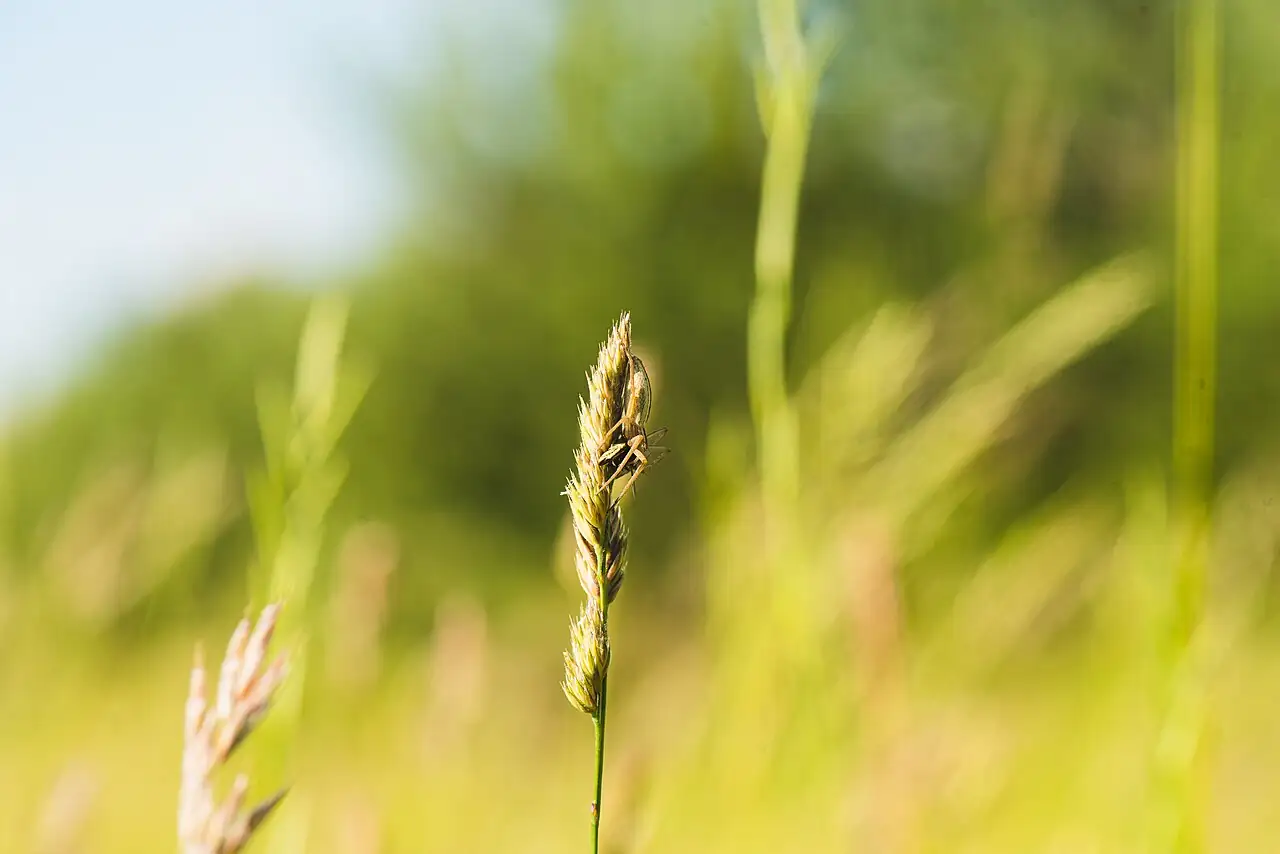
- Flower: Produces an open, branched panicle with many spikelets clustered toward the upper parts of the branches, creating a light, airy “meadow” effect. Spikelets commonly hold 2–5 florets. Glumes are lance-shaped with pointed tips. The mature grain (caryopsis) is oblong-ovoid and yellow-brown.
- Flowering Season: May to August
- Growth Habit: Perennial, clump-forming grass; stems are upright or sometimes bent near the base. Can self-seed and spread where conditions suit it.
Environment
Sunlight
Full sun to partial shade. In hotter climates, light shade—especially afternoon shade—helps keep it looking fresh.
Temperature
Prefers mild, moist conditions; best growth at about 10–28°C (50–82°F).
Humidity
Moderate to high humidity is ideal; it may struggle or look tired in prolonged hot, dry air.
Soil
Adaptable, but happiest in moist, well-drained soil. Tolerates a range of textures as long as it isn’t left waterlogged.
Placement
Naturalistic plantings, meadow edges, and woodland margins; useful as a semi-wild groundcover under open canopies.
Hardiness
USDA Zone 4–8 (approx.); generally cold-hardy but dislikes winter wet combined with poor drainage.
Care Guide
Difficulty
Easy to moderate. Establishes readily and is generally vigorous; in favorable sites it can self-seed, so occasional management may be needed to keep it where you want it.
Buying Guide
Look for fresh, green clumps with a healthy crown and no browning or rot at the base. If buying seed, use reputable suppliers; named cultivars usually give more predictable height, sturdiness, and overall habit than wild-type seed.
Watering
Water regularly while establishing. Once settled, aim for evenly moist soil for best growth. In containers, let the top few centimeters of mix dry slightly between waterings, but don’t allow repeated deep drought. Avoid constant waterlogging.
Fertilization
In the ground, feed lightly in spring only if growth is weak (a balanced, slow-release fertilizer works well). In containers, apply a low-strength feed during active growth. Avoid heavy nitrogen if you’d like fewer soft, floppy leaves.
Pruning
Shear or cut back old foliage in late winter to early spring before new growth starts. Deadhead to reduce self-seeding if desired, and cut back after flowering to refresh the clump and tidy the look.
Propagation
Divide established clumps in spring or early autumn. Also grown from seed—sow on the surface and keep evenly moist until germination.
Repotting
In pots, repot or divide every 1–2 years to prevent crowding and to refresh the mix; use a well-drained but moisture-retentive potting medium.
📅 Seasonal Care Calendar
Spring: divide, tidy, and begin light feeding if needed. Summer: water during dry spells; deadhead to limit seeding. Autumn: optional division; reduce feeding. Winter: cut back; keep crowns from sitting in cold, soggy soil.
Pests, Diseases & Safety
Common Pests & Diseases
Usually trouble-free. When stressed, crowded, or poorly ventilated it may develop foliar rusts or leaf spots—improve airflow and avoid frequent overhead watering. Aphids can appear on soft new growth; rinse off with water or use insecticidal soap if infestations build.
Toxicity
Not known to be poisonous to people or pets. However, like many grasses, its pollen can trigger seasonal allergies in sensitive individuals.
Culture & Symbolism
Symbolism: Evokes meadows and a pastoral, resilient “natural landscape” feeling—an easy way to bring soft movement and calm into a planting.
History & Legends: Long valued as a forage and hay grass and widely naturalized beyond its native range. Gardeners also appreciate it for its airy seed heads and dependable performance in naturalistic designs, with cultivars bred for more controlled growth.
Uses: Ornamental grass for meadow-style plantings, woodland edges, and semi-wild groundcover; widely grown for forage and hay in agriculture. Also offered in cultivated selections for garden or field performance.
FAQ
When does it flower?
Usually from May to August, depending on local climate and rainfall.
When does it set seed?
Seed set often overlaps the flowering window, commonly from May to August as the grains mature.
How tall does it get?
Typically 40–120 cm (16–47 in) tall.
What conditions does it prefer?
Mild, moist conditions with sun to partial shade; it grows best around 10–28°C (50–82°F) and appreciates some afternoon shade in hot regions.
Where is it found and what habitats does it grow in (in China)?
It’s recorded from areas including Xinjiang and Sichuan, commonly along forest edges, in shrubland, and on grassy mountain slopes; it’s also scattered on the southeastern slopes of the Greater Khingan Range.
What is special about its roots?
It forms a dense fibrous root system concentrated mostly in the top 10–30 cm (4–12 in) of soil, while some roots can reach deeper than 1 m (3.3 ft).
Fun Facts
- Most of its fibrous roots pack into the top 10–30 cm (4–12 in) of soil, but a portion can dive deeper than 1 m (3.3 ft).
- The branched panicle gives it that classic airy, “meadow grass” look, with spikelets clustered toward branch tips.
- Its mature grains are yellow-brown and oblong-ovoid.
- Beyond wild plants, many cultivated forms have been selected for forage value and more predictable garden performance.