


Plant Features
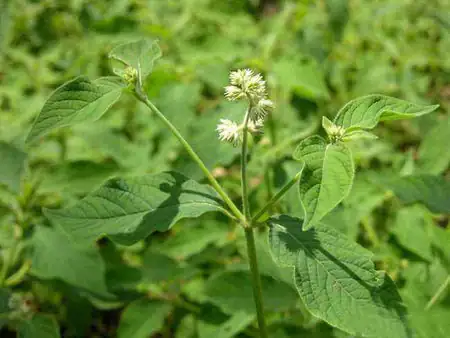
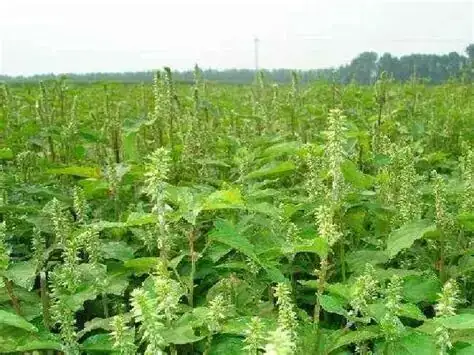
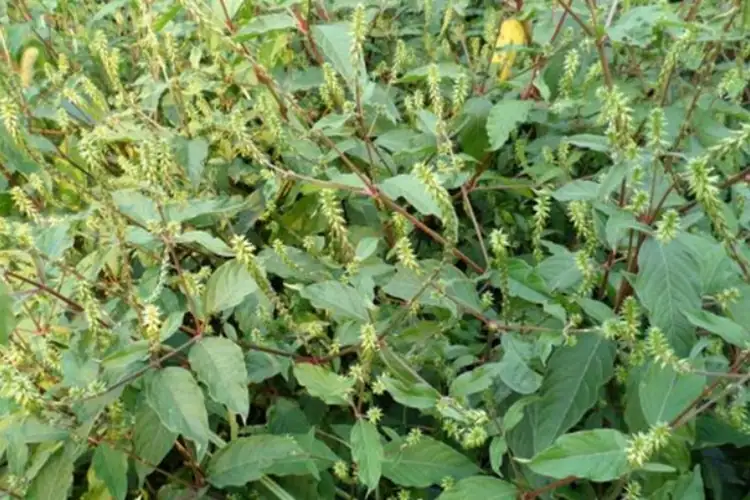
- Size:40–100 cm (16–39 in) tall; forms upright clumps.
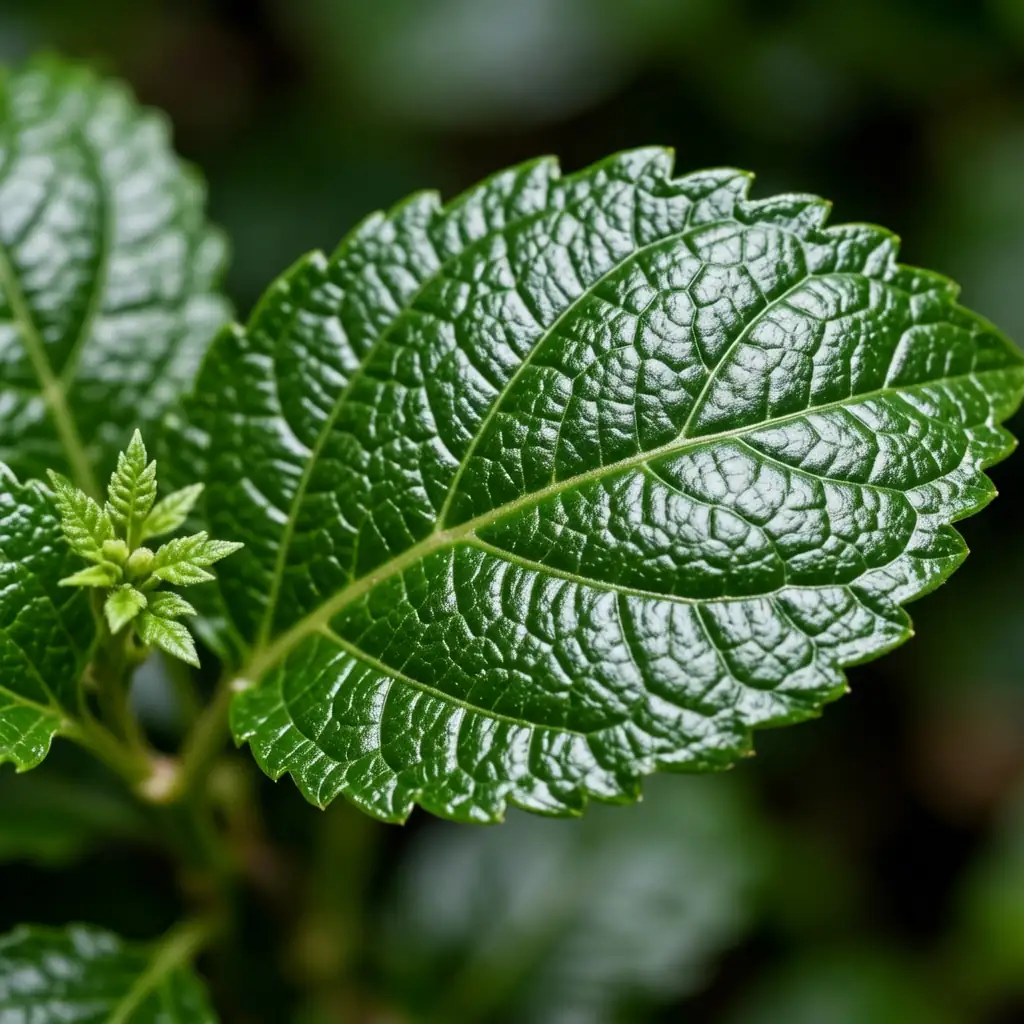
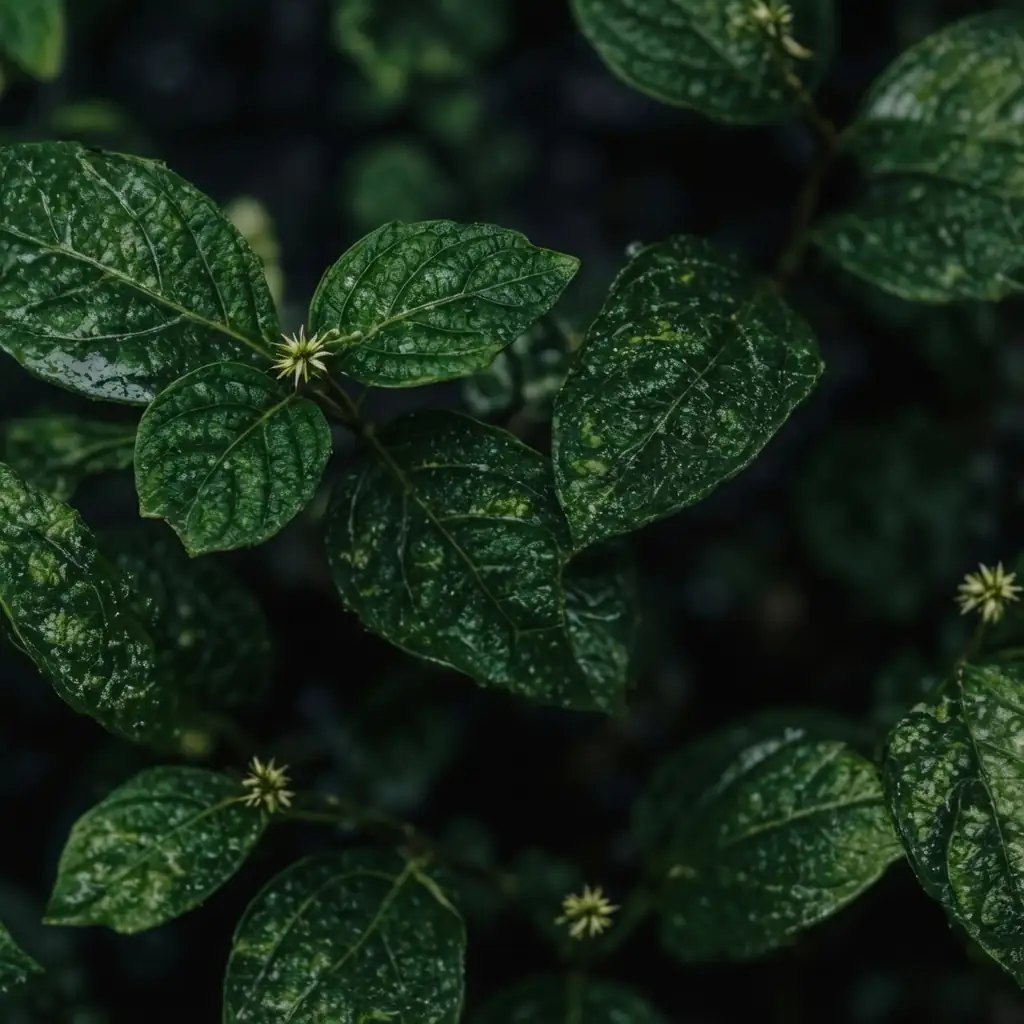
- Foliage: Leaves are simple and borne along the upright stems, mostly elliptic to narrow-elliptic, sometimes obovate.
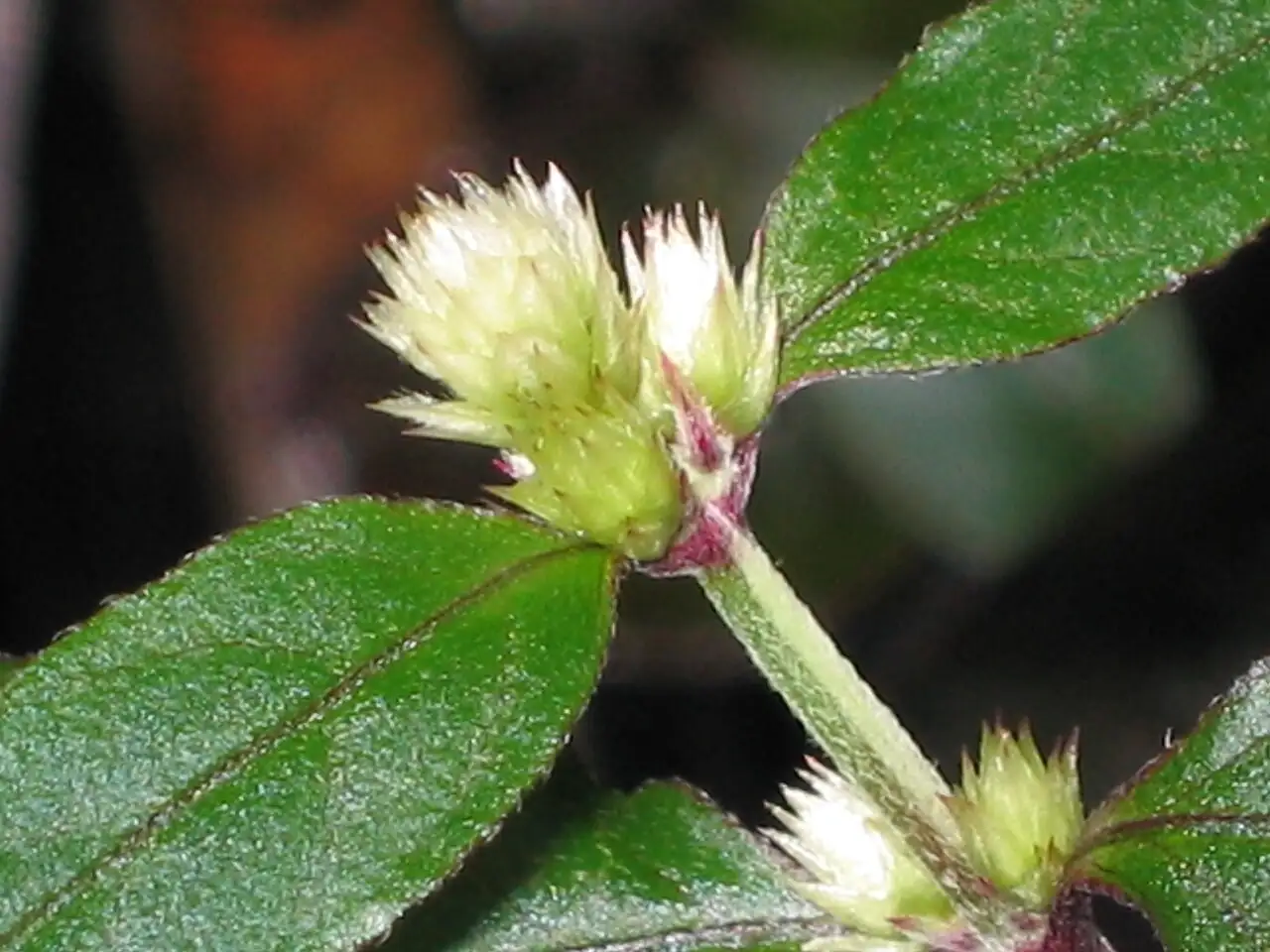
- Flower: Inflorescences are repeatedly forked (dichasial) and densely condensed into rounded, ball-like clusters. Flowers are pale green and may dry to an almost whitish color. Fruits are small, pale yellow, and elliptic to obovate; seeds are elliptic, lens-shaped, glossy, and often reddish-tinged.
- Flowering Season: June–July
- Growth Habit: Upright, clump-forming perennial herb with cylindrical roots and subtly four-angled stems.
Environment
Sunlight
Bright light is ideal; best from full sun to partial shade, with protection from harsh midday sun in warmer locations.
Temperature
Prefers cool, moist conditions; a practical growing range is about 10–25°C (50–77°F). Avoid hot, dry exposure.
Humidity
Enjoys moist air and consistently moist conditions; avoid prolonged dryness.
Soil
Moisture-retentive but well-drained, humus-rich soil (loam with organic matter). Keep evenly moist but not waterlogged.
Placement
Moist garden beds, woodland edges, streamside-style plantings, or naturalistic borders; works well as a groundcover-like filler where soil stays reliably damp.
Hardiness
Cold-tolerant, but exact USDA zones are not consistently standardized for this species; protect from severe, prolonged freezes—especially in containers or outside its native highland-style climate.
Care Guide
Difficulty
Moderate: it’s fairly straightforward if you can keep the soil evenly moist and avoid hot, drying conditions.
Buying Guide
Pick plants with firm, upright stems and clean, unblemished leaves. Avoid plants in sour-smelling, waterlogged media, or those showing repeated drought-wilt (a sign of stress).
Watering
Keep soil evenly moist. Water when the top 2–3 cm (0.8–1.2 in) begins to dry, and avoid repeated full dry-outs. In hot weather, water more often and provide shade/cooling to prevent heat stress.
Fertilization
Feed lightly in spring and early summer with a balanced fertilizer at 1/2 strength, or top-dress with compost. Avoid heavy feeding, which can lead to soft, floppy growth.
Pruning
Deadhead spent flower clusters for a tidier look, or leave them to set seed. After the growing season, cut back dead stems.
Propagation
Most commonly by seed (collect when fruits mature in late summer). Division of established clumps can also work in cool weather; keep divisions consistently moist until they re-root.
Repotting
If grown in containers, repot in spring into a fresh, moisture-retentive but well-draining mix. Use a pot with drainage and prevent the root zone from overheating.
📅 Seasonal Care Calendar
Spring: restart regular watering; light feeding; plant or divide during cool spells. Summer: keep moisture consistent; provide afternoon shade in strong heat; flowering occurs June–July. Late summer–early fall: fruits/seeds mature August–September; collect seed if desired. Winter: reduce watering; protect container plants from hard freezes and drying winds.
Pests, Diseases & Safety
Common Pests & Diseases
Not specifically documented in the source. In consistently moist conditions, watch for slugs/snails and fungal leaf spots; improve airflow and avoid wetting foliage late in the day. Root problems can occur if soil stays waterlogged.
Toxicity
No toxicity information provided. Treat as toxicity-unknown: keep away from pets/children until verified.
Culture & Symbolism
Symbolism: Not documented in the provided source.
History & Legends: Not documented in the provided source.
Uses: Primarily ornamental in this dataset: a moisture-loving, naturalistic filler/groundcover-like plant for cool, damp garden settings.
FAQ
When does Sichuan cyathula bloom?
It typically blooms from June to July.
When does it fruit and set seed?
Fruits and seeds usually mature from August to September.
How tall does it typically grow?
Most plants reach about 40–100 cm (16–39 in) tall.
Where is it native to?
It’s endemic to Southwest China, recorded from Sichuan, Yunnan, and Guizhou, often in cool high-elevation mountain areas.
What conditions does it prefer?
Cool temperatures, steady moisture, and bright light with some shelter from intense midday sun—especially in warmer climates.
Can it be used ornamentally?
Yes. It’s especially attractive in naturalistic plantings where the soil stays consistently moist.
What family and genus does it belong to?
It’s in the amaranth family (Amaranthaceae), genus Cyathula.
Fun Facts
- Its pale-green flower clusters can dry to an almost white color, giving it a softly frosted look.
- The seeds are glossy, lens-shaped, and often show a reddish tint.
- The stems are subtly four-angled rather than perfectly round.
- It’s a regional endemic associated with cool, high-elevation habitats in Southwest China.


