

Plant Features
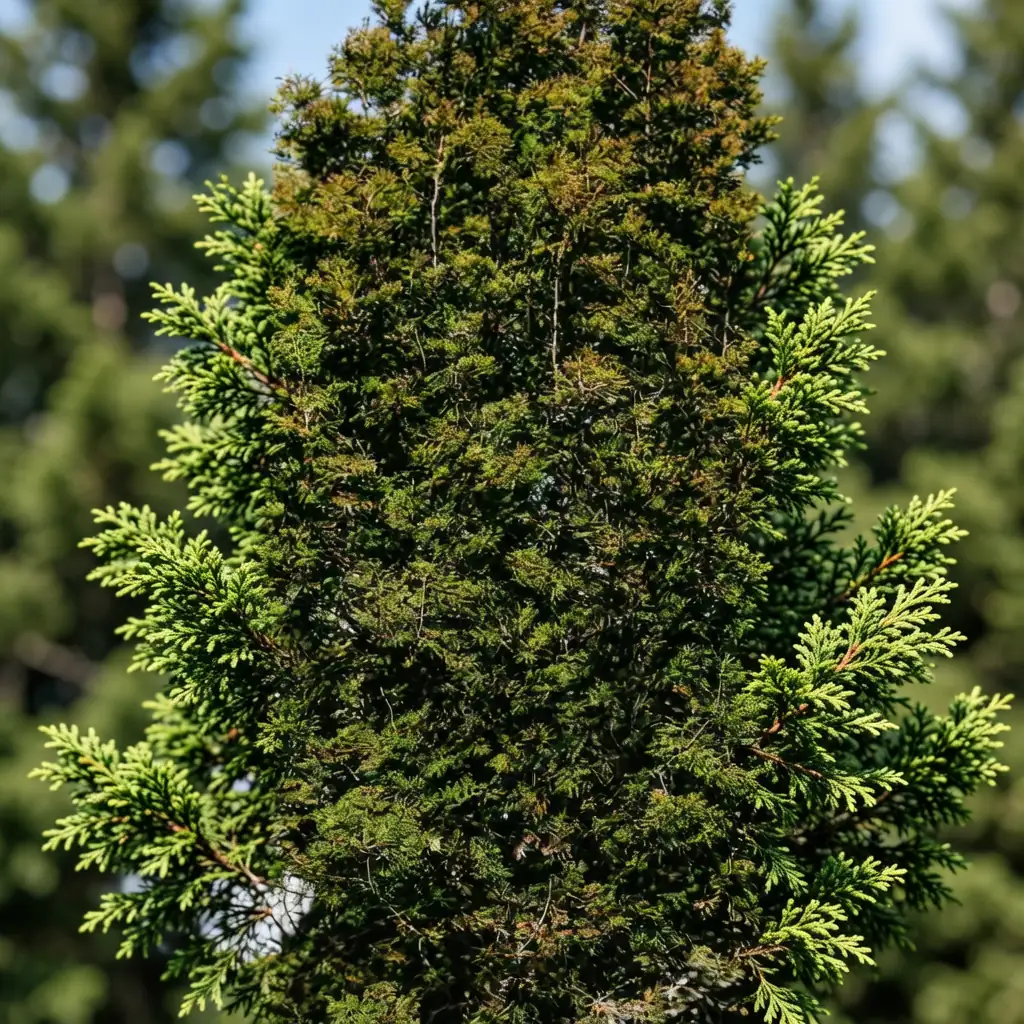
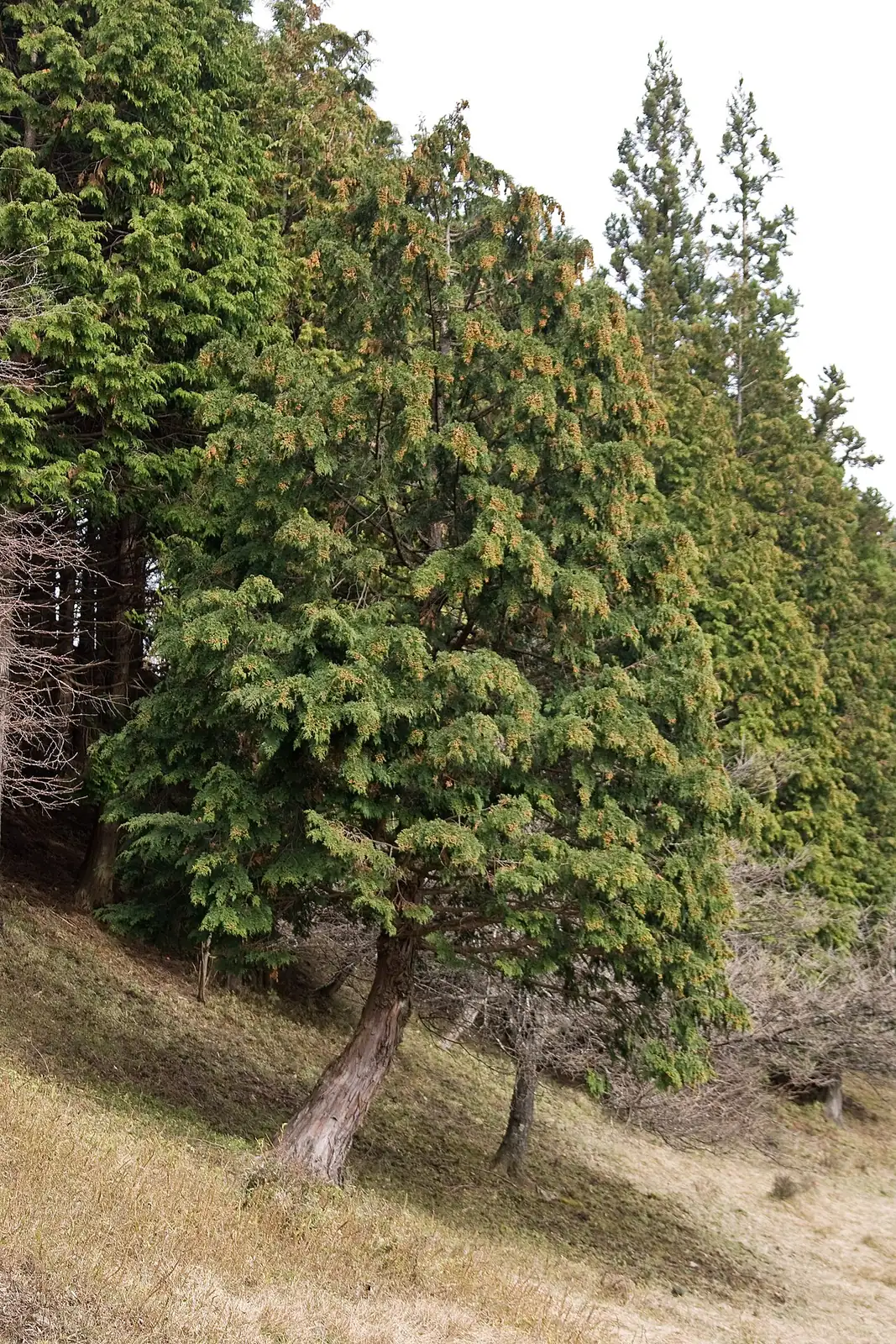
- Size: Up to 40 m (131 ft) tall; typically forms a narrow, conical to spire-shaped crown when young.
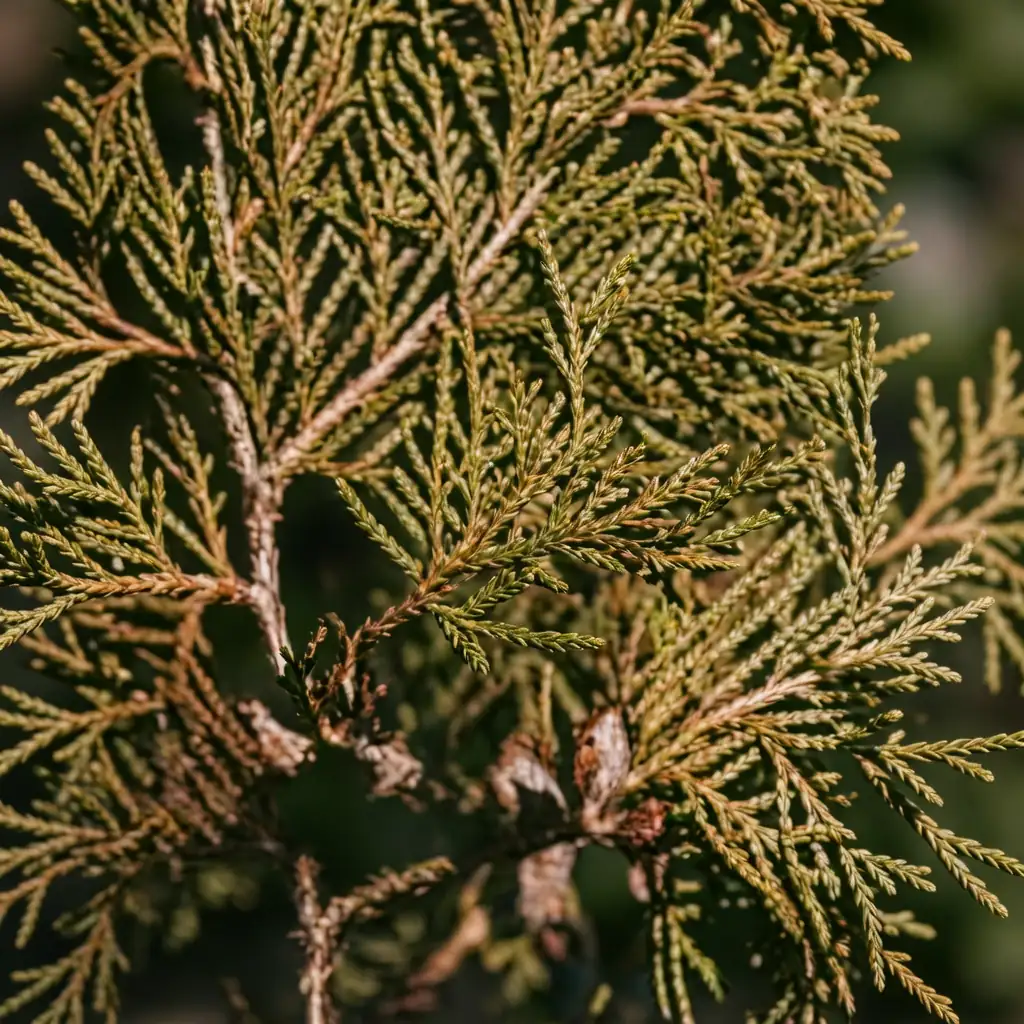
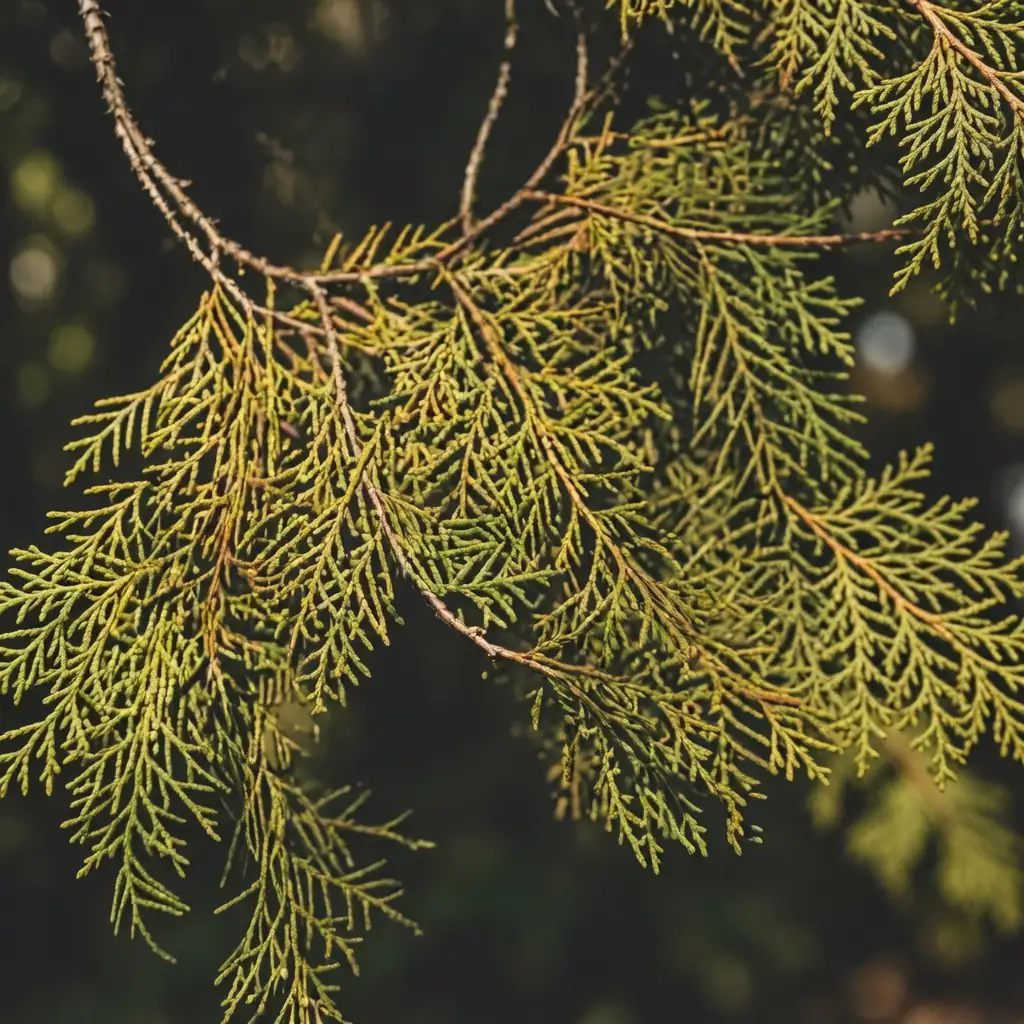
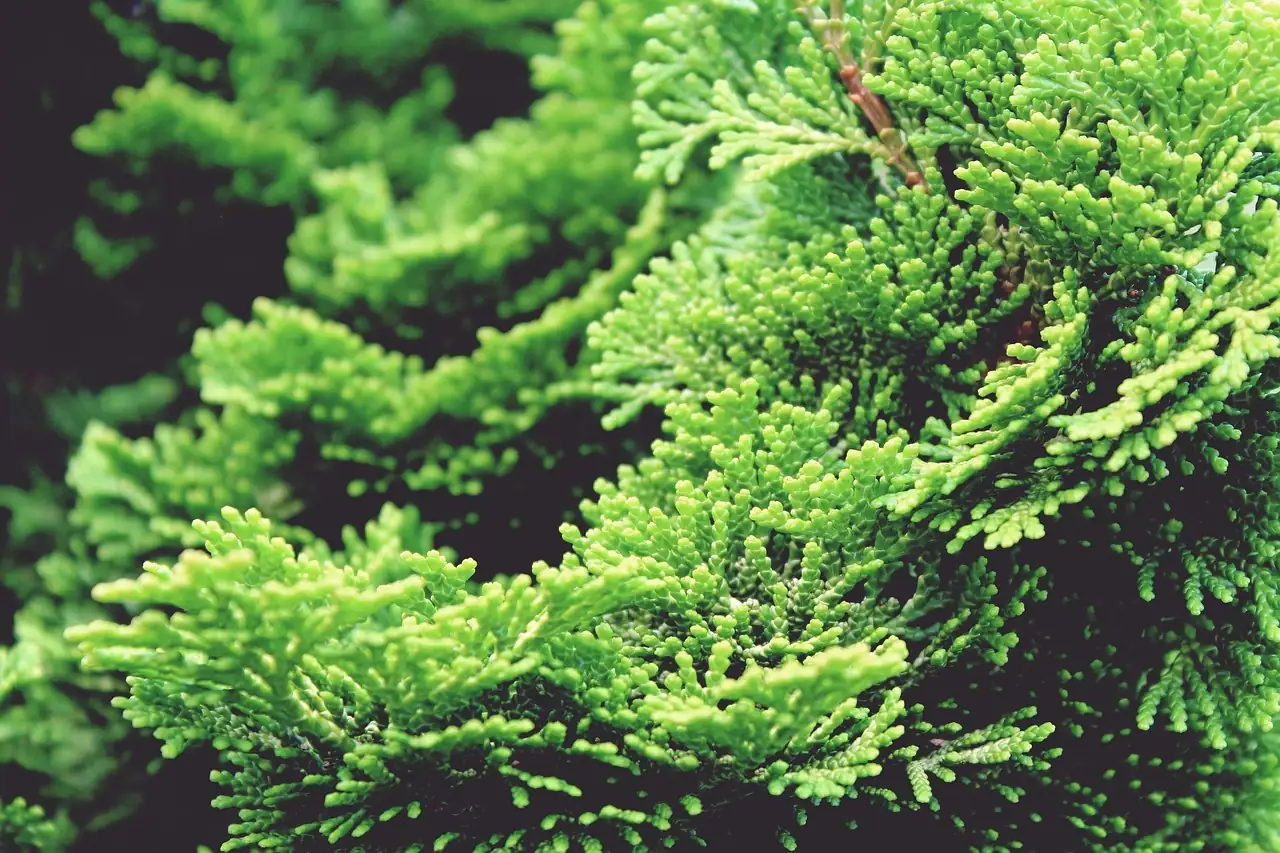
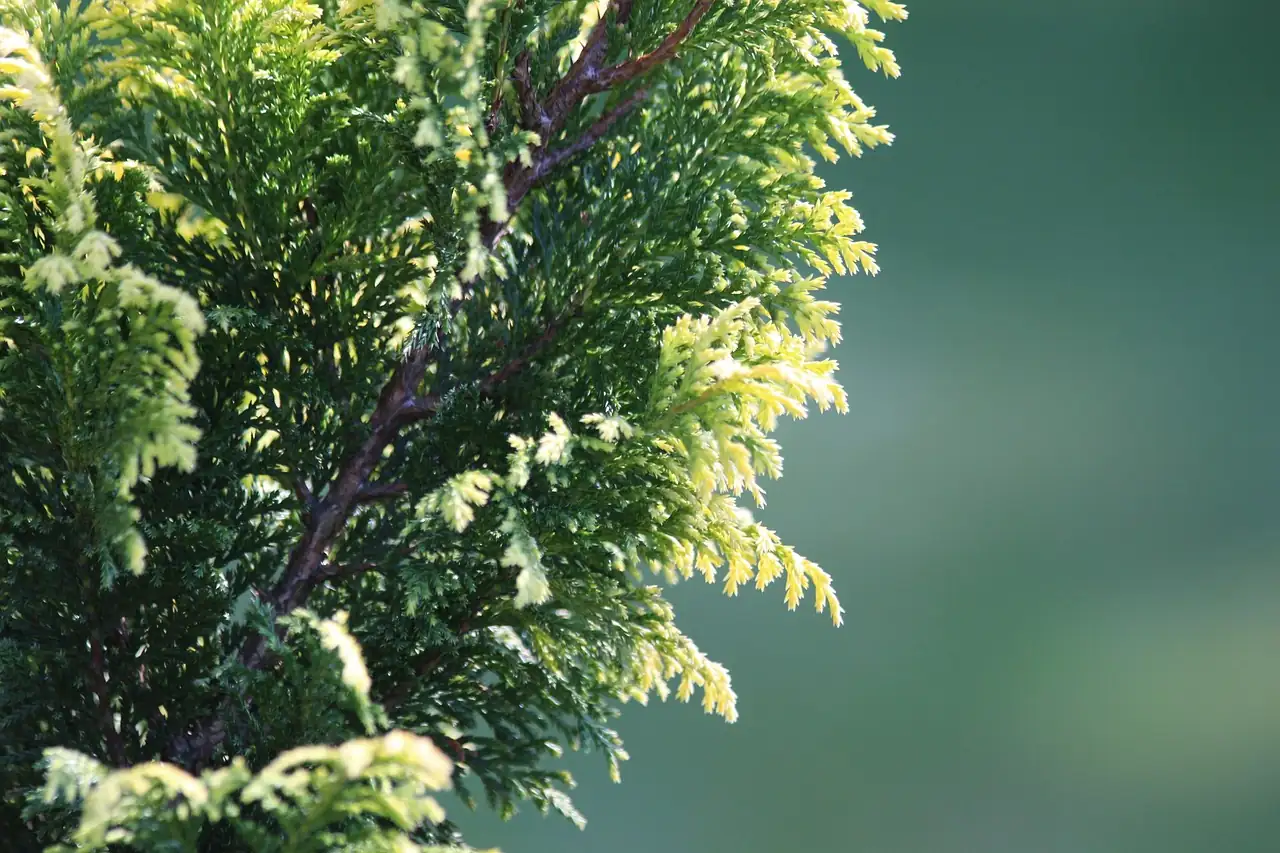
- Foliage: Dense sprays of thick, scale-like leaves with blunt tips, usually deep green; undersides may show a faint whitish bloom. Bark is smooth and reddish-brown, adding to its ornamental appeal.
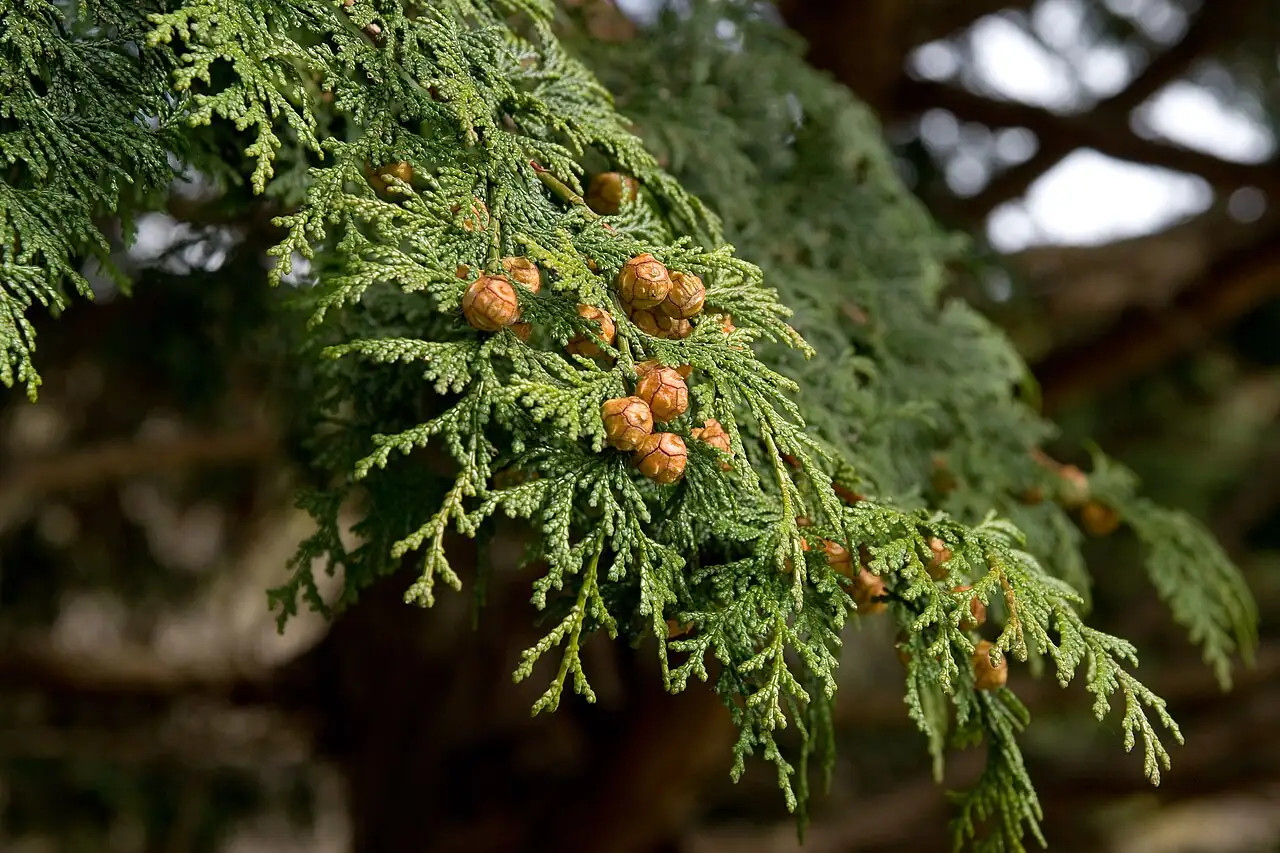
- Flower: Male pollen cones are small and oval, with yellow anthers. Seed cones are nearly spherical; they ripen to reddish-brown and often look subtly 5-angled at the top. Seeds are nearly round.
- Flowering Season: April
- Growth Habit: Evergreen, upright tree with a tidy conical/spire-shaped habit, especially when young.
Environment
Sunlight
Full sun to partial shade; more shade-tolerant than many conifers, though it keeps its best density and form with brighter light.
Temperature
Prefers cool to warm, moist conditions; quite cold-hardy once established and can handle snow load, wind, and freezing weather. Approximate comfort range: 10–25°C (50–77°F).
Humidity
Moderate to high humidity is ideal. It appreciates consistently moist conditions and dislikes prolonged hot, dry exposure.
Soil
Moist but well-drained, fertile soil; adaptable from slightly acidic to neutral. Avoid waterlogged ground to prevent root trouble.
Placement
Best outdoors as a specimen tree, screen, or structural evergreen in gardens, courtyards, parks, and larger landscapes; can be grown in containers when young with attentive watering and drainage.
Hardiness
USDA Zone 5–8 (approx.).
Care Guide
Difficulty
Moderate. Generally resilient once established, but it looks best with steady moisture, good drainage, and protection from harsh drying conditions.
Buying Guide
Pick plants with dense, evenly green sprays and no browned tips. Avoid severely pot-bound specimens and any pot that smells sour (often a sign of waterlogged soil). Check inner foliage and stems for scale insects.
Watering
Water deeply after planting and keep evenly moist for the first 1–2 growing seasons. After establishment, water during dry spells rather than on a rigid schedule. Never keep the root zone constantly soggy. Mulch to conserve moisture, but keep mulch a few inches away from the trunk to prevent rot.
Fertilization
Usually light feeding is enough. If growth is weak, apply a balanced, slow-release fertilizer in spring. Avoid heavy nitrogen, which can push soft, vulnerable growth.
Pruning
Minimal pruning needed. In late winter to early spring, remove dead, damaged, or crossing branches. Avoid cutting back into old, leafless wood—hinoki often won’t resprout from bare sections.
Propagation
Most commonly by semi-hardwood cuttings in late summer; named cultivars are often grafted. Seed is possible but results can be variable.
Repotting
Not typically a long-term houseplant. For container-grown plants, repot every 2–3 years in early spring into a free-draining mix. Keep the trunk flare visible—don’t bury the base of the trunk.
📅 Seasonal Care Calendar
Spring: plant, mulch, and feed lightly if needed. Summer: water in heat/drought; watch for mites/scale. Autumn: keep moisture even; avoid late fertilizing. Winter: shelter young trees from drying winds; gently remove heavy snow if branches are at risk of splitting.
Pests, Diseases & Safety
Common Pests & Diseases
Watch for scale insects and spider mites (more common in hot, dry conditions). Poor drainage can lead to root problems. Improve airflow, avoid overwatering, and use horticultural oil or other appropriate controls if infestations appear.
Toxicity
Not commonly considered highly toxic, but foliage/resins can cause mild stomach upset if chewed and may irritate sensitive skin. It’s best to discourage pets from nibbling.
Culture & Symbolism
Symbolism: Often linked with longevity, steadiness, and quiet elegance—plus a sense of refined craftsmanship thanks to its famously fine, fragrant wood.
History & Legends: In Japan, hinoki has long been a premium building and woodworking material. That reputation for quality and fragrance has helped elevate the tree into a cultural icon associated with tradition and careful craftsmanship.
Uses: Grown as an ornamental evergreen for gardens, courtyards, and parks. The timber is strong, smoothly finished, and aromatic; sapwood can be pale pinkish to yellowish-white and heartwood light yellow-brown. Used for construction, furniture, and as raw material for wood-fiber industries.
FAQ
When does it release pollen (flower)?
Usually in April, though timing shifts a bit depending on local climate.
When do the cones mature?
Typically around October to November.
How tall can hinoki cypress grow?
In ideal conditions it can reach about 40 m (131 ft).
Where is it found naturally?
It’s native to Japan, and widely planted across temperate regions elsewhere.
What is it mainly used for?
As an elegant landscape tree and for its fragrant, durable timber used in building and fine woodworking.
How can I recognize it by bark and foliage?
Look for smooth reddish-brown bark and dense sprays of thick, blunt scale leaves; some foliage shows a faint whitish cast underneath.
Fun Facts
- Given enough space and time, it can become a true forest-sized conifer, reaching about 40 m (131 ft).
- Its small, round cones mature to a reddish-brown color and can look subtly five-angled at the top.
- Hinoki wood is prized for its distinctive aroma and fine finish.
- Once established, it can handle cold, wind, and snow surprisingly well.
- A handy ID tip: thick, blunt scale foliage with a slightly paler underside on some sprays.


