Plant Features
- Size: Typically 20–45 cm (8–18 in) tall; clumps can spread about 10–20 cm (4–8 in) over time.
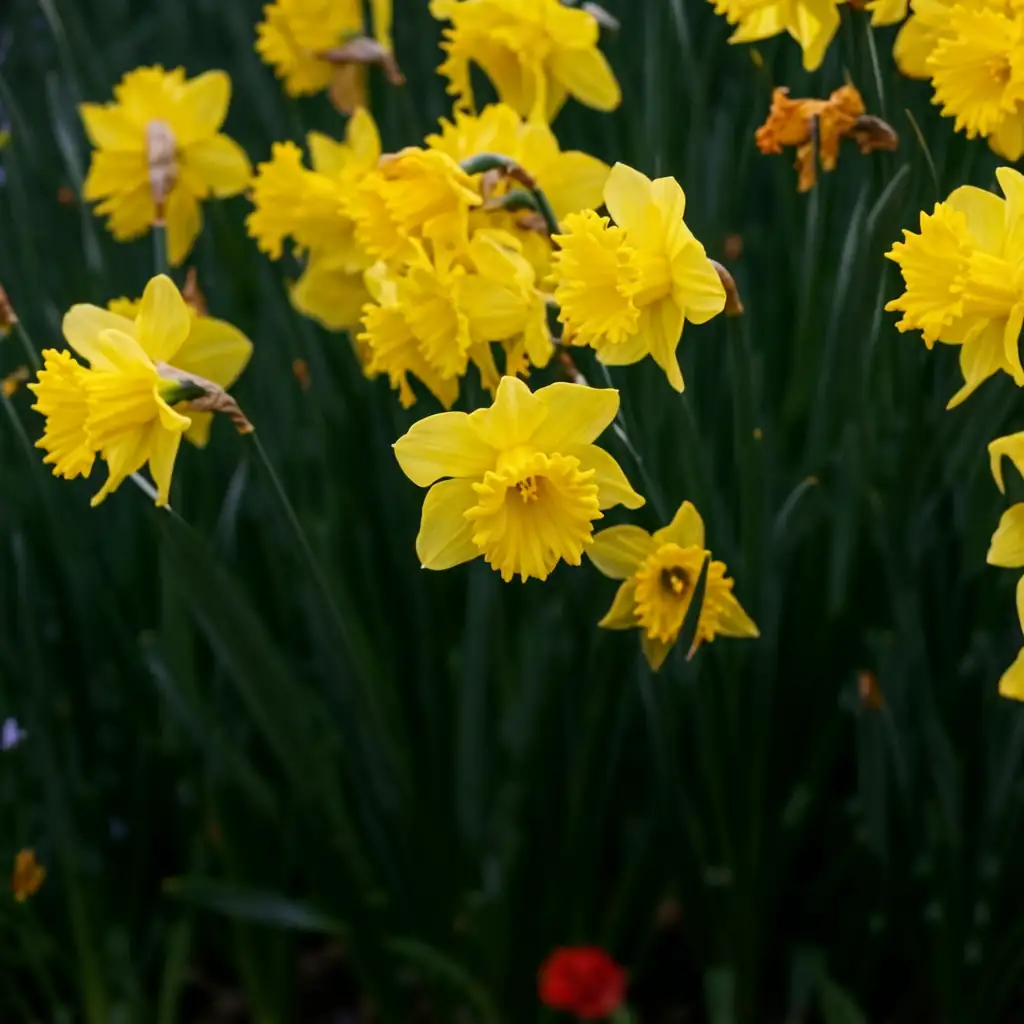
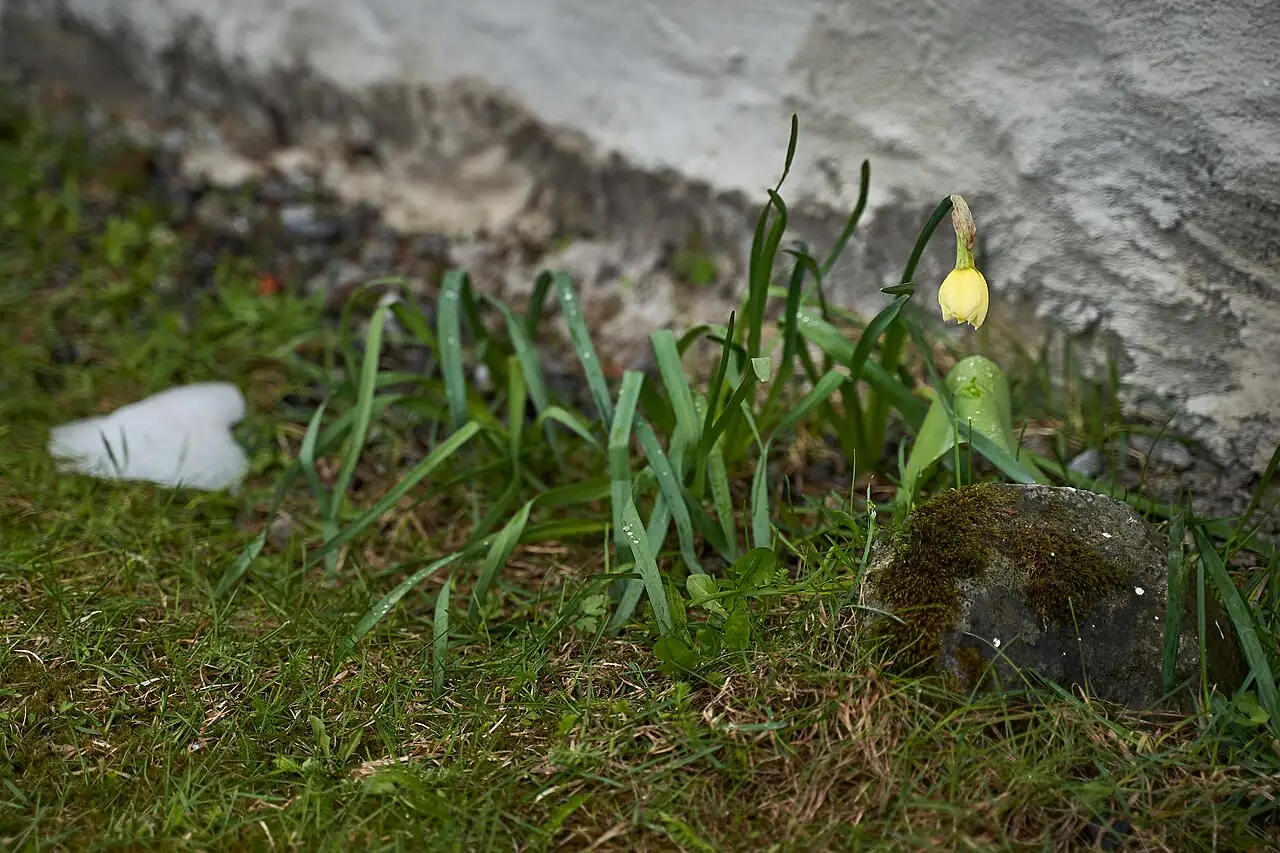
- Foliage: Basal, narrow strap-like to linear leaves in a fresh medium green, emerging in a fan from the bulb.
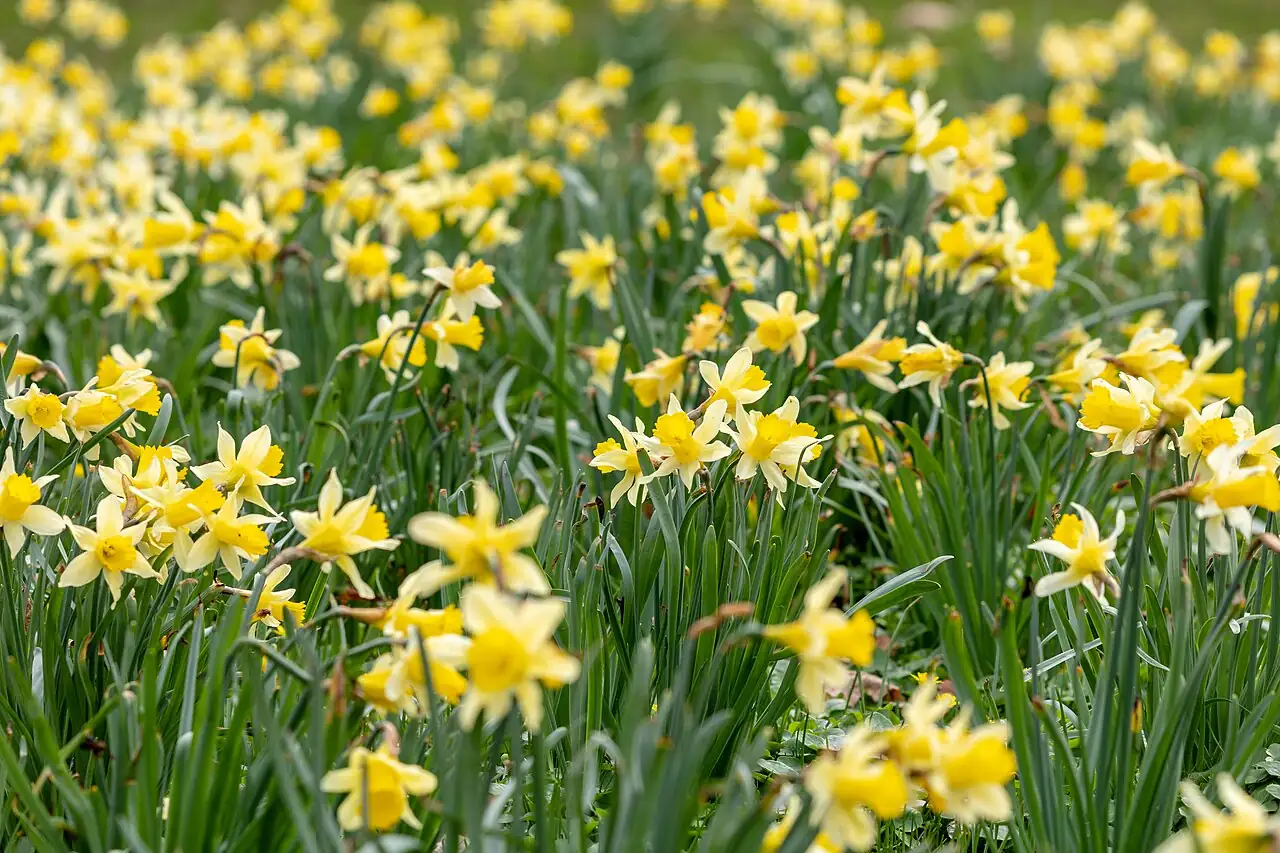
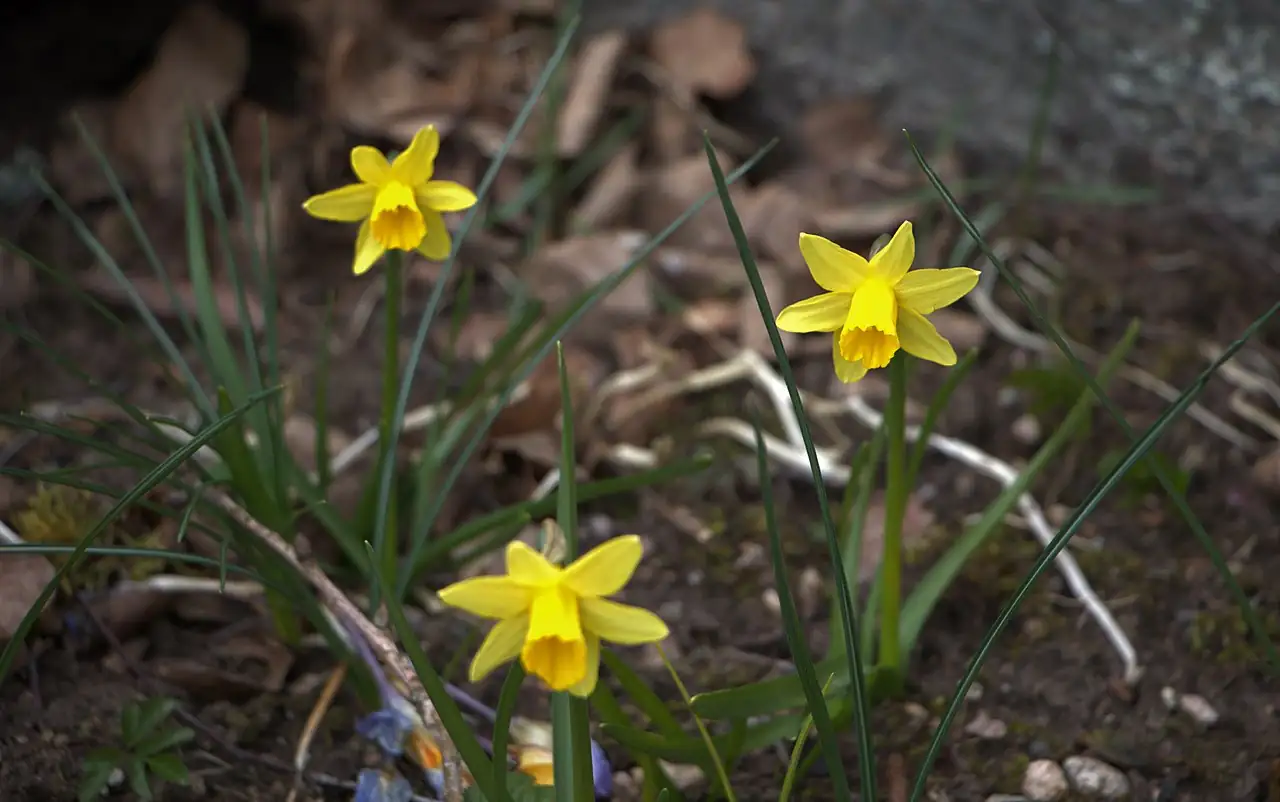
- Flower: Usually one large flower per stem: pale to rich yellow petals (tepals) surrounding a prominent trumpet (corona). Often lightly sweet-scented and very showy in spring arrangements.
- Flowering Season: Spring (often March–May / 3–5, depending on climate)
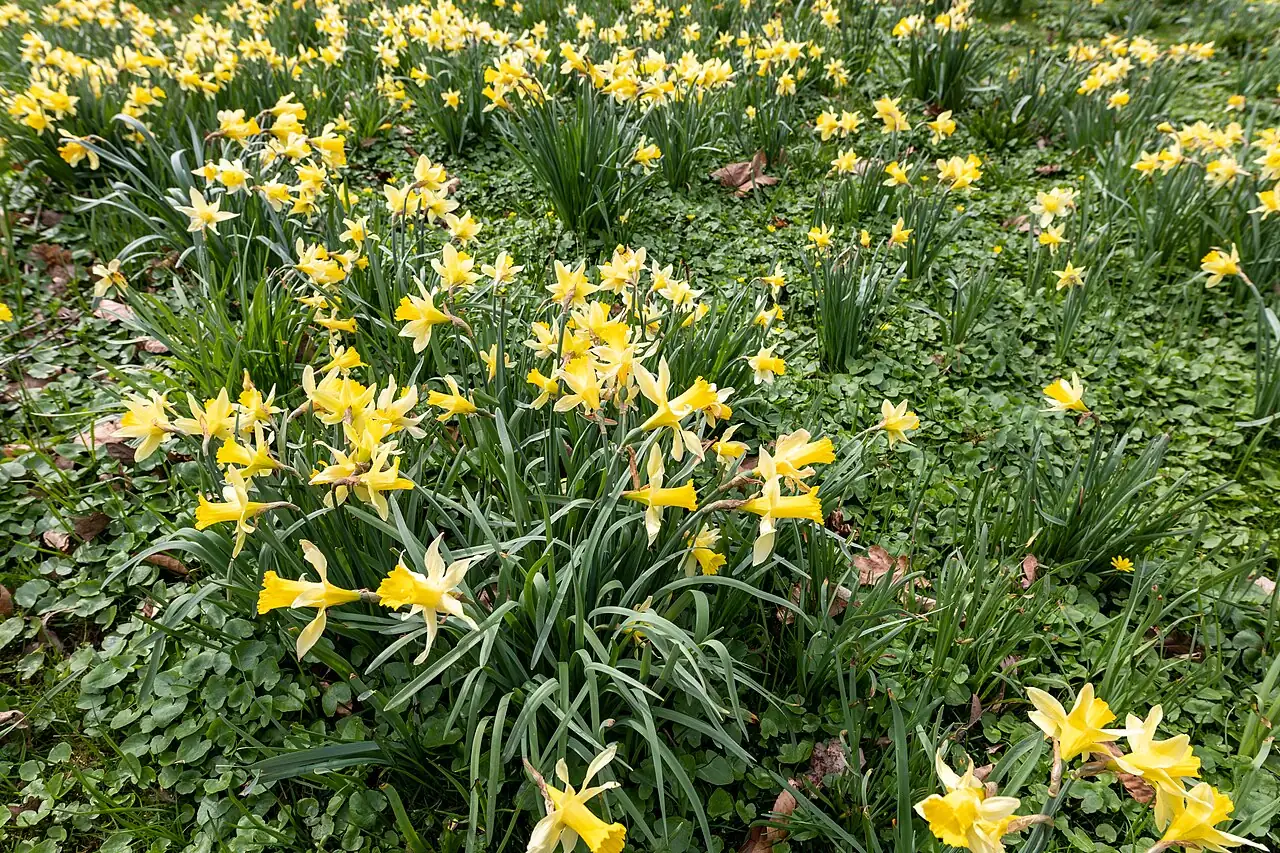
- Growth Habit: Herbaceous perennial bulb (true bulb) with upright flowering scapes and typically a single terminal bloom; forms clumps over time by producing offsets.
Environment
Sunlight
Full sun to partial shade; flowers best with at least 6 hours of sun per day.
Temperature
Prefers cool winters and mild spring weather; typical active growth range about 5–20°C (41–68°F). A winter chill supports good flowering.
Humidity
Average outdoor humidity is fine; the key is avoiding persistently wet conditions (especially during dormancy).
Soil
Well-drained, moderately fertile soil is ideal (loam or sandy loam). Avoid heavy, wet clay unless amended generously for drainage.
Placement
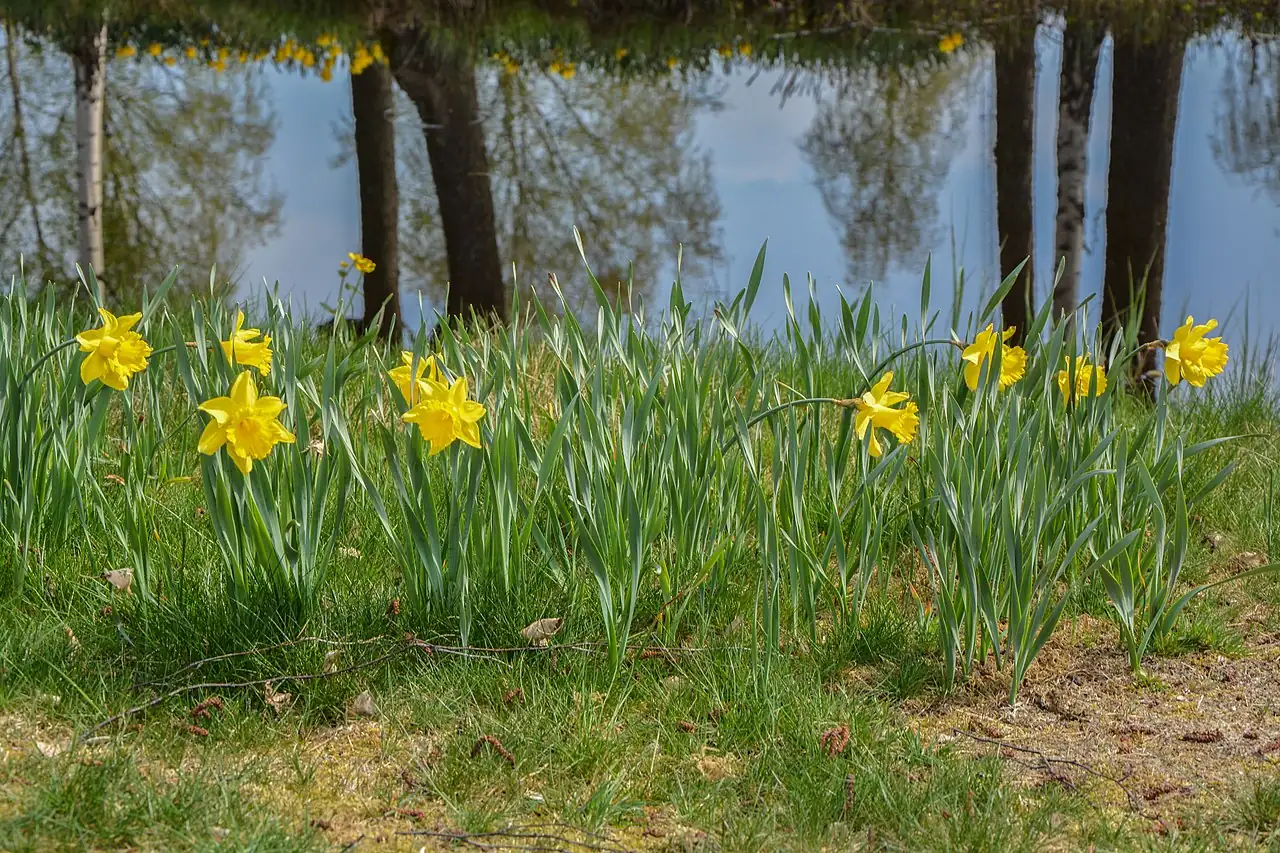
Garden beds and borders, lawns or woodland edges for naturalizing, parks and public plantings; also excellent in pots and as a cut flower.
Hardiness
Cold-hardy; generally suitable for USDA Zone 3–8 (approx.).
Care Guide
Difficulty
Easy. A dependable spring bulb as long as drainage is good and the foliage is allowed to die back naturally after flowering.
Buying Guide
Pick bulbs that feel firm and heavy for their size, with intact skins and no soft spots, mold, or cuts. Bigger bulbs usually bloom more strongly in the first season.
Watering
Water well after planting. Keep soil lightly moist during active growth (autumn through spring). After flowering, gradually reduce watering as the plant heads into dormancy; avoid soggy soil at all times.
Fertilization
Feed in early spring as shoots emerge using a balanced bulb fertilizer (per label). In poorer soils, a second light feeding after flowering can help bulbs recharge for next year.
Pruning
Deadhead spent flowers to prevent seed formation, but leave the leaves in place until they yellow and collapse naturally (often 6–8 weeks after bloom) so the bulb can store energy.
Propagation
Best by bulb offsets (division). Lift and divide congested clumps after the foliage dies back, then replant offsets at the same depth.
Repotting
In containers, refresh the potting mix or repot every 1–2 years after dormancy. Always use pots with drainage holes and a free-draining mix.
📅 Seasonal Care Calendar
Plant bulbs in autumn (about September–November / 9–11). Blooming is in spring (about March–May / 3–5). After bloom, deadhead and let foliage ripen fully; divide clumps every few years if flowering weakens.
Pests, Diseases & Safety
Common Pests & Diseases
Watch for narcissus bulb fly, slugs/snails on tender growth, basal rot where soil stays wet, and virus symptoms such as streaking or mottling. Prioritize sharp drainage, remove and discard badly affected bulbs, and keep tools clean to reduce spread.
Toxicity
Toxic if eaten (especially the bulbs) to people and pets—may cause vomiting, abdominal pain, and drooling. Sap can irritate skin (“daffodil itch”), so wear gloves when handling bulbs or lots of cut stems.
Culture & Symbolism
Symbolism: A cheerful emblem of spring, renewal, hope, and fresh starts.
History & Legends: The name Narcissus is tied to the Greek myth of Narcissus. Daffodils have been cherished in European gardens for centuries and are now iconic spring flowers across many temperate regions.
Uses: A classic ornamental bulb for borders, woodland-style plantings, and naturalized drifts; also popular for patio pots and as a cut flower in spring bouquets.
FAQ
Why didn’t my daffodils flower this year?
Common reasons include too much shade, bulbs planted too shallow, overcrowding, or removing foliage too early. Give them more sun, replant at proper depth, divide crowded clumps, and let leaves die back naturally before tidying.
Can I grow wild daffodils indoors?
Yes—grow them in pots, but they usually need a cold period to bloom. Chill planted bulbs around 2–9°C (36–48°F) for about 12–16 weeks, then move them into bright light in cool indoor conditions.
Fun Facts
- This species is the classic “trumpet daffodil” type—typically one big bloom per stem with a long central trumpet.
- Because the bulbs are naturally toxic and unpalatable, many animals avoid them—one reason daffodils can persist and naturalize so well.
- Healthy clumps often return for decades and slowly increase by producing offsets.
- Narcissus pseudonarcissus has contributed genetics and “the look” to many modern daffodil cultivars.