

Plant Features
- Size: Up to about 20 m (66 ft) tall.
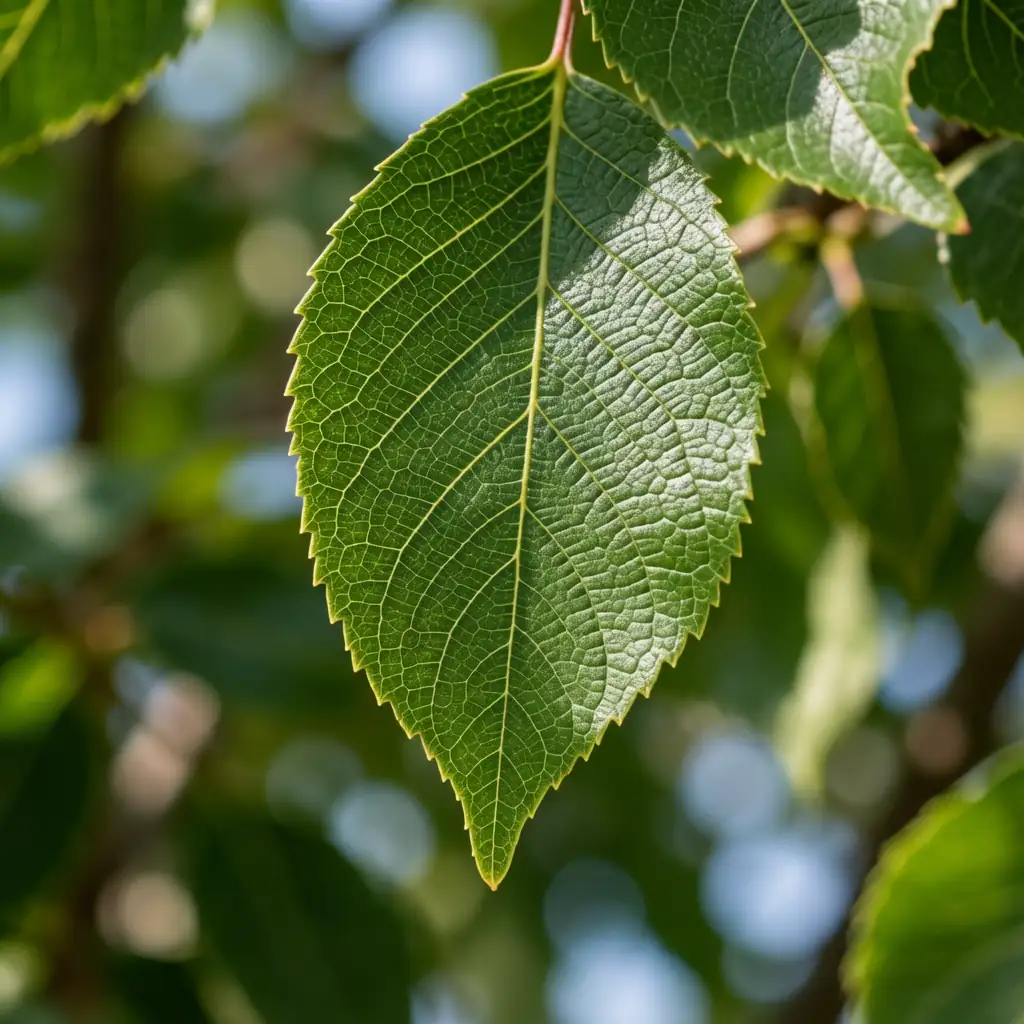
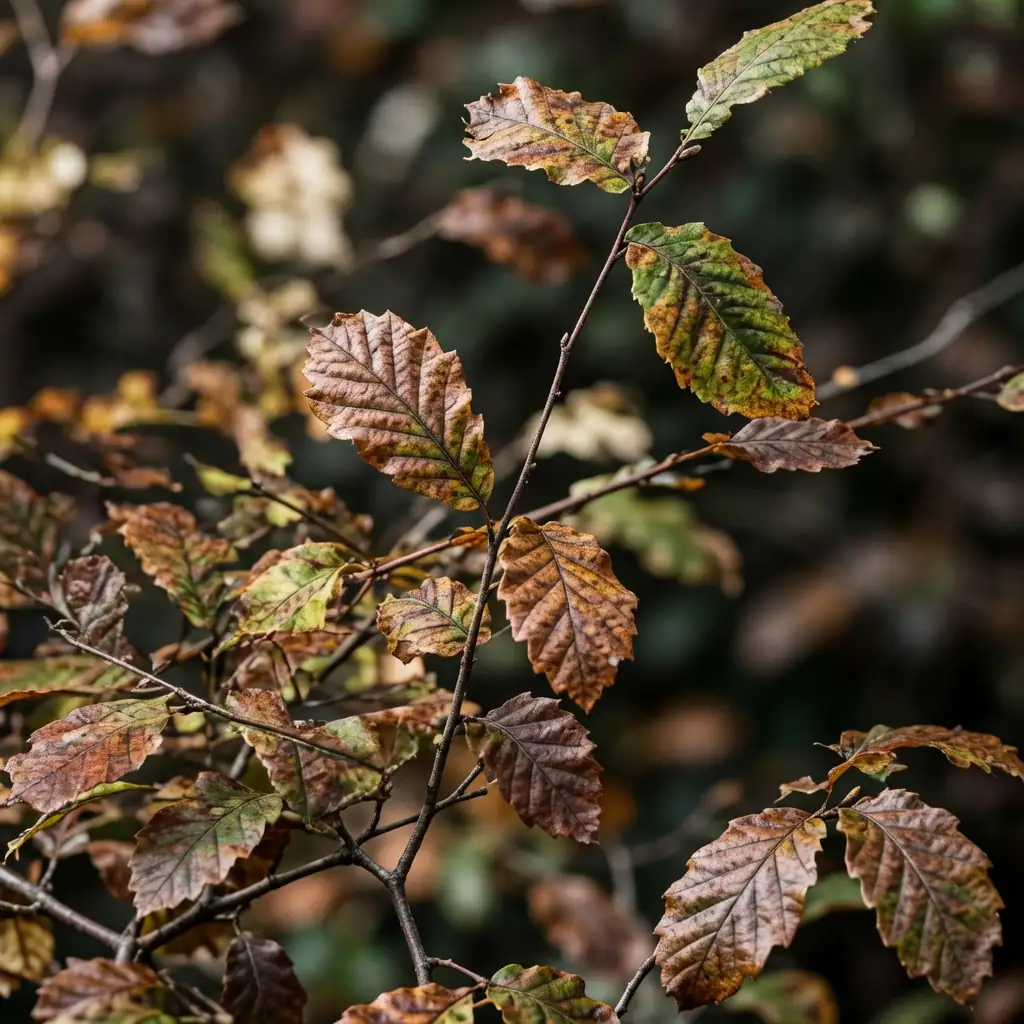
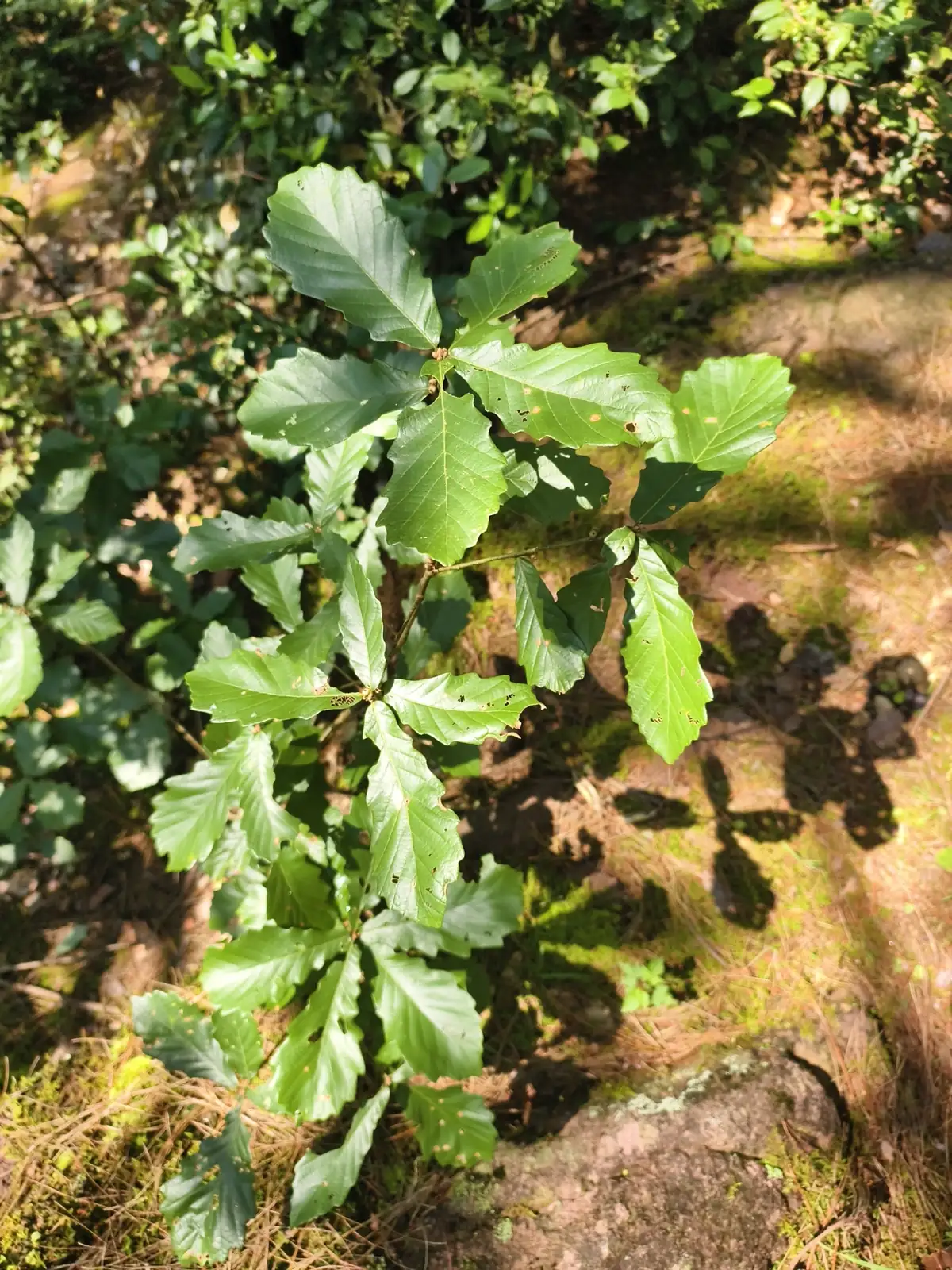
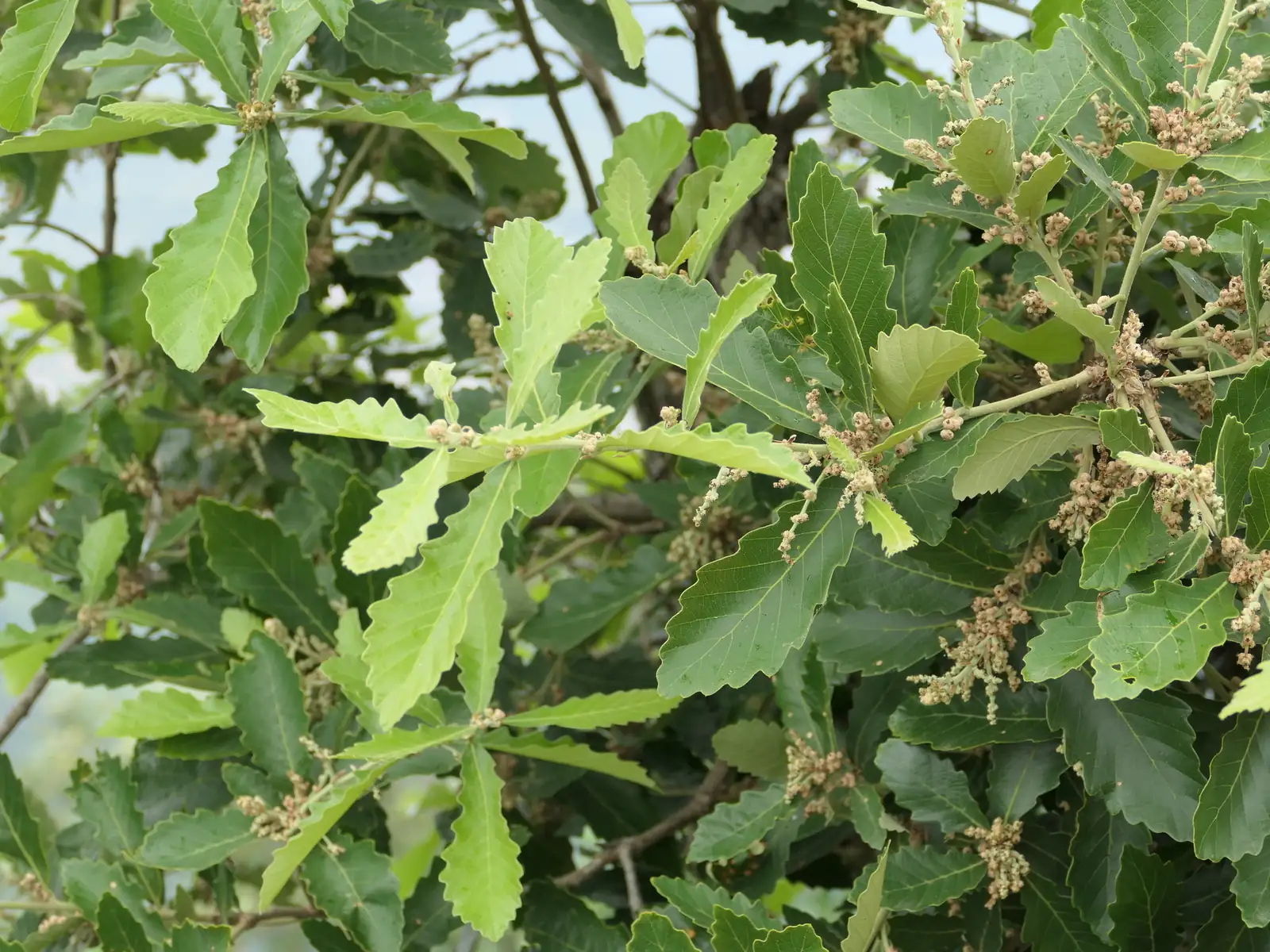
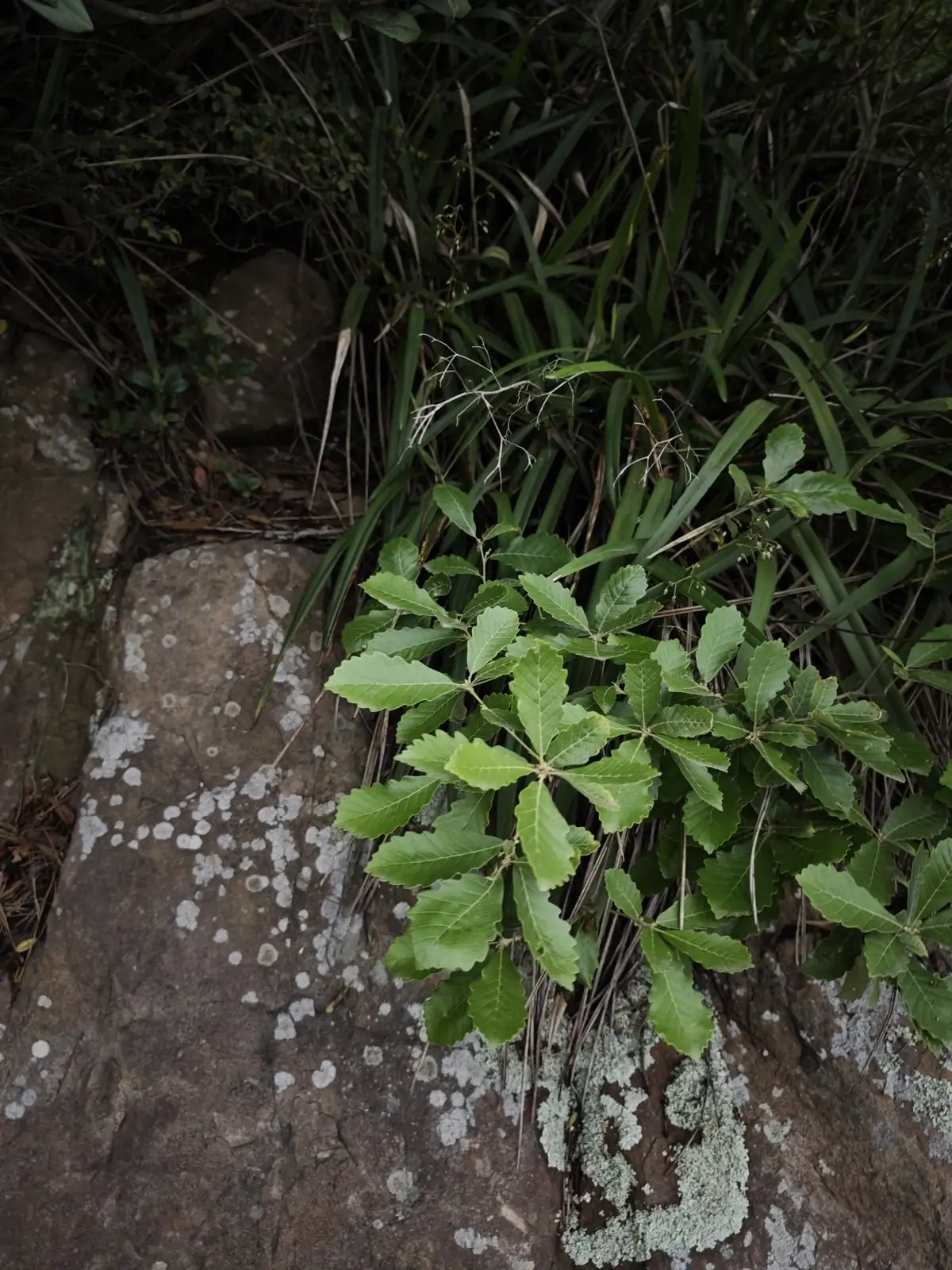
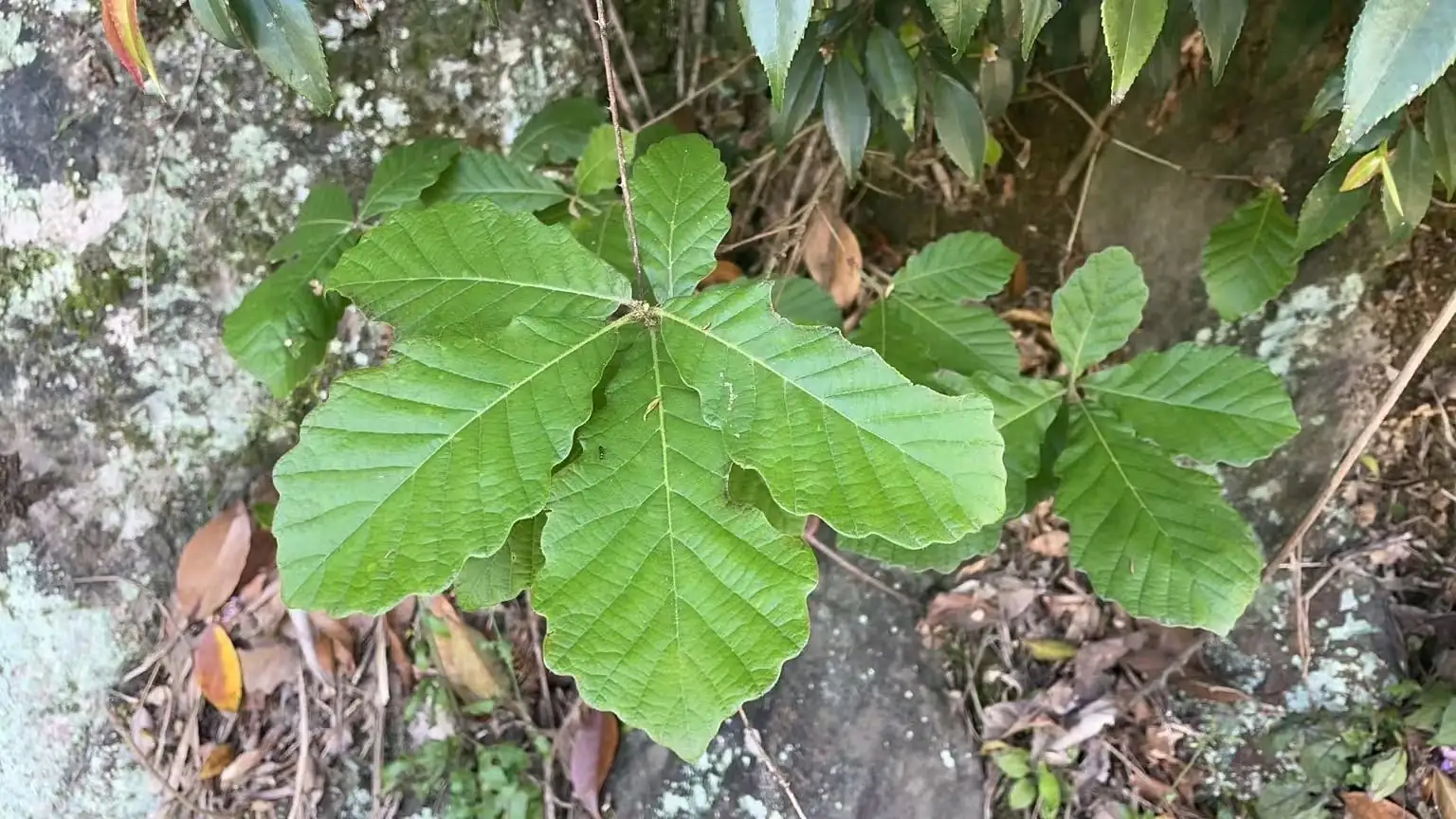
- Foliage: Leaves are typically obovate with a blunt tip and wavy, toothed margins. Young leaves may be noticeably fuzzy, with grey-yellow, star-shaped hairs on both surfaces; the petiole (leaf stalk) can also carry brownish-yellow fuzz.
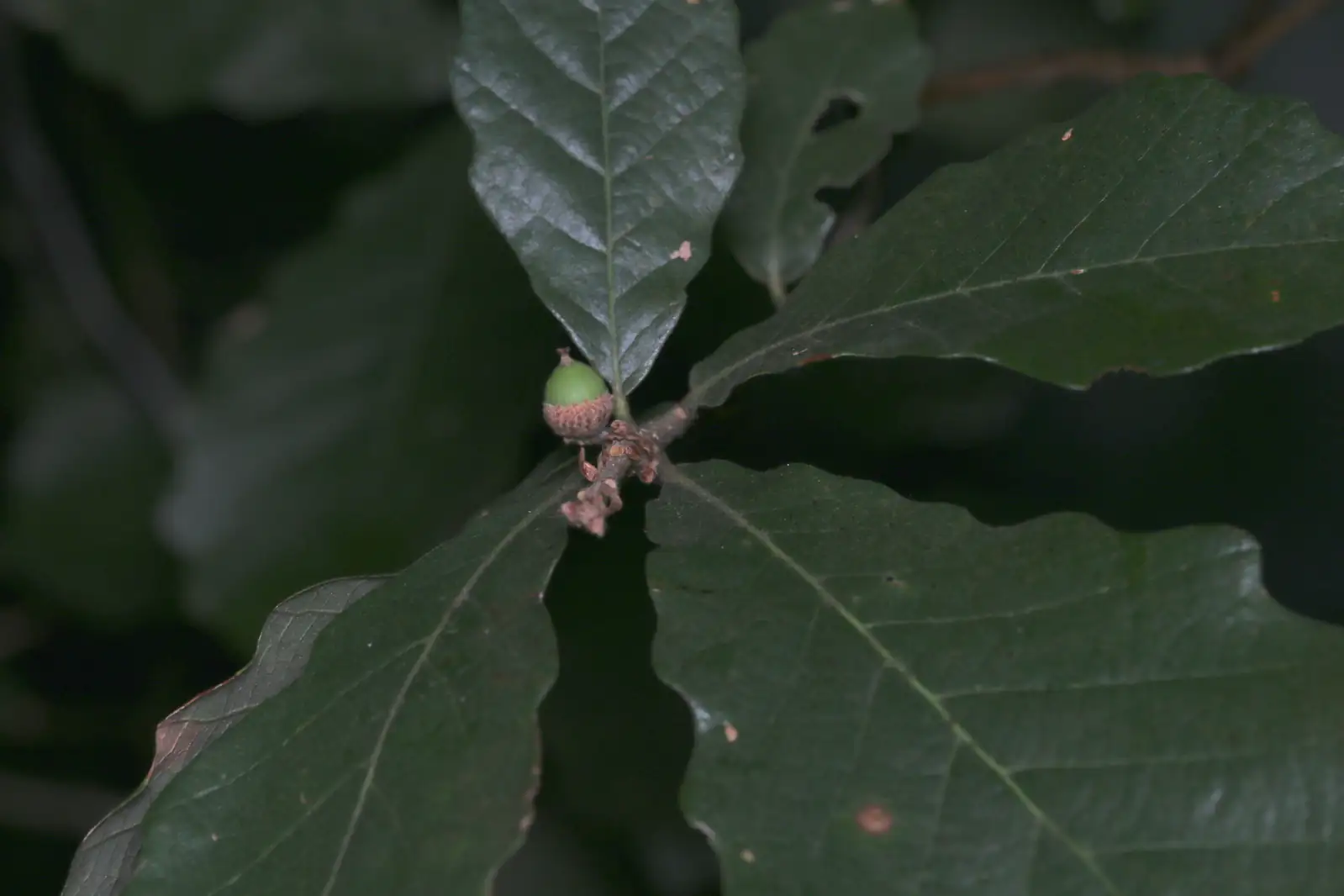
- Flower: Male flowers appear in dangling catkins. Female flowers mature into acorns seated in a cup-shaped cupule (the classic “acorn cap”). The acorn is elongate-ellipsoid and shows a distinct scar at the base.
- Flowering Season: April
- Growth Habit: Deciduous tree or large shrub with an upright habit and branching crown; vigorous coppicing/resprouting from the base after cutting or damage.
Environment
Sunlight
Full sun to partial shade. It grows best with plenty of sun, but tolerates some shade—especially in woodland-style settings.
Temperature
Prefers warm-temperate conditions; a typical active growth range is about 10–30°C (50–86°F).
Humidity
Enjoys consistently moist conditions, especially while young, but established trees can handle short dry spells.
Soil
Ideal in deep, fertile, moisture-retentive yet well-drained soil. Also tolerates thinner or poorer soils and some drought, though growth is strongest in richer, moister ground.
Placement
Best outdoors with space to grow—parks, streetscapes, campuses, and large gardens. Works well as a specimen or planted in groups for a natural woodland effect.
Hardiness
A cold-hardy temperate oak. Practical guideline: roughly USDA Zone 7–10 (down to about -18°C / 0°F, depending on local provenance). Protect young trees from severe frost and drying winds.
Care Guide
Difficulty
Moderate. Generally tough once established; the biggest needs are adequate space, decent light, and consistent moisture during the first couple of years.
Buying Guide
Pick a healthy sapling with a strong central leader (or a well-balanced multi-stem form), no trunk wounds, and a solid, well-knit rootball. Avoid severely pot-bound plants with circling roots. Look for clean foliage, pest-free shoots, and plump buds.
Watering
Water deeply through the first 1–2 growing seasons to help the root system establish. Aim for evenly moist soil (never soggy). After establishment, water during extended drought; in well-drained soils, let the top few centimeters/inch or so dry slightly between waterings.
Fertilization
Often unnecessary in good garden soil. If growth is weak, apply a balanced slow-release fertilizer in early spring according to the label. Avoid heavy nitrogen feeding, which can push soft, pest-prone growth.
Pruning
Prune in late winter to early spring while dormant. Remove dead, damaged, or crossing branches and develop a strong structure. Avoid heavy pruning during peak growth; do not top the tree.
Propagation
Mainly by seed (acorns). Sow fresh acorns in autumn, or cold-stratify for about 8–12 weeks at 1–5°C (34–41°F) before sowing. It also coppices/resprouts readily from the base after cutting.
Repotting
Not applicable once planted in the ground. If grown in a container while young, up-pot in early spring and plant out before it becomes root-bound.
📅 Seasonal Care Calendar
Spring (April): flowering; keep young trees consistently watered. Summer: watch for drought stress and water during heat. Autumn (around October): acorns mature—collect for sowing. Winter: prune structurally during dormancy; mulch in colder areas to help protect roots.
Pests, Diseases & Safety
Common Pests & Diseases
May face common oak problems such as caterpillars and other leaf-chewers, aphids, scale insects, powdery mildew, and leaf spots. Support overall vigor with correct watering and spacing for airflow; avoid frequent overhead watering. Use horticultural soap or oil for significant sap-sucking pests when appropriate.
Toxicity
Acorns and leaves contain tannins. Small incidental nibbles are usually not a crisis, but eating large amounts can cause stomach upset in people and can be harmful to pets or livestock. If using acorns as food, leach/process them properly to reduce tannins and bitterness.
Culture & Symbolism
Symbolism: Like many oaks, it’s commonly linked with strength, endurance, and longevity.
Uses: An ornamental and ecological landscape tree (specimen planting, grouped clumps, or woodland-style plantings). Notable for strong resprouting ability after damage or cutting. Acorns can be used as a food source after proper processing to remove tannins.
FAQ
When does Fabri oak flower?
Typically in April.
When do the acorns mature?
Usually around October.
How tall can it grow?
Under good conditions it can reach about 20 m (66 ft).
Where is it native?
It’s native to China, recorded from southern Shaanxi and many provinces across central, eastern, southern, and southwestern regions, often in mixed broadleaf woodland on hills and mountains.
What is it mainly used for?
It’s grown mainly as a landscape tree for its form and seasonal foliage; its acorns are also edible after tannin-removing processing.
Fun Facts
- Young leaves can be covered in star-shaped hairs, giving them a softly fuzzy look up close.
- The acorn’s “cap” is actually a cup-shaped cupule—one of the most iconic features of oaks.
- Its strong resprouting after cutting or damage helps it recover quickly and makes it well-suited to coppice-style management.
- Acorns are edible in principle, but leaching is usually needed to remove tannins and bitterness.


