

Plant Features
- Size: Typically 10–25 m (33–82 ft) tall; crown spread varies with site conditions and pruning.
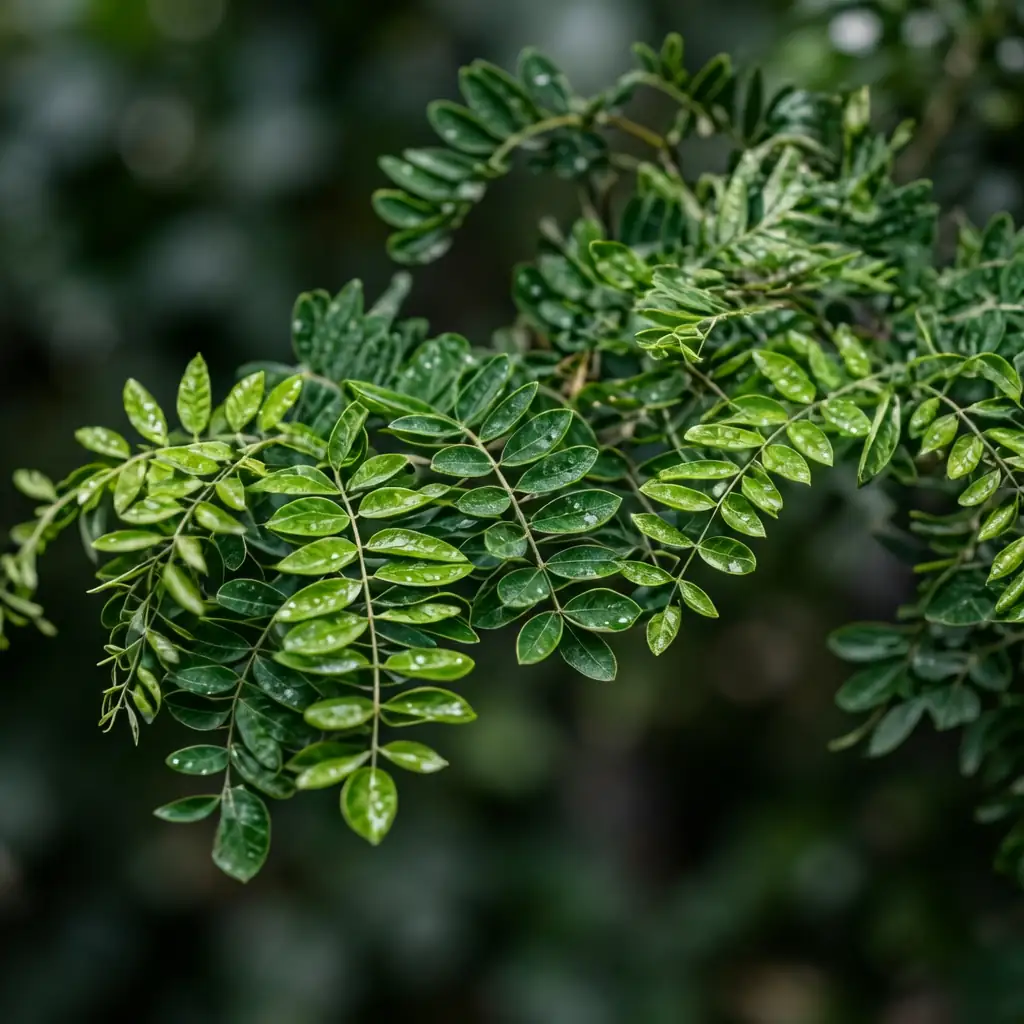
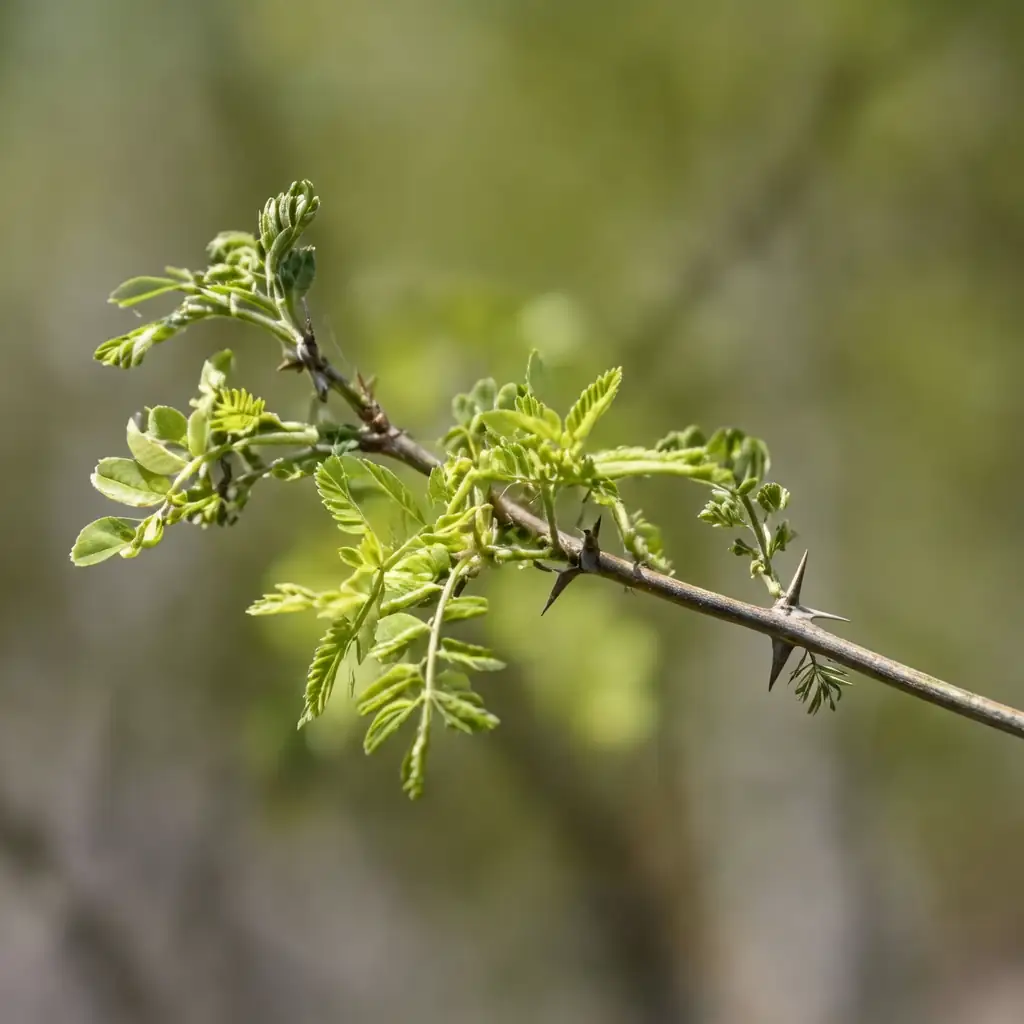
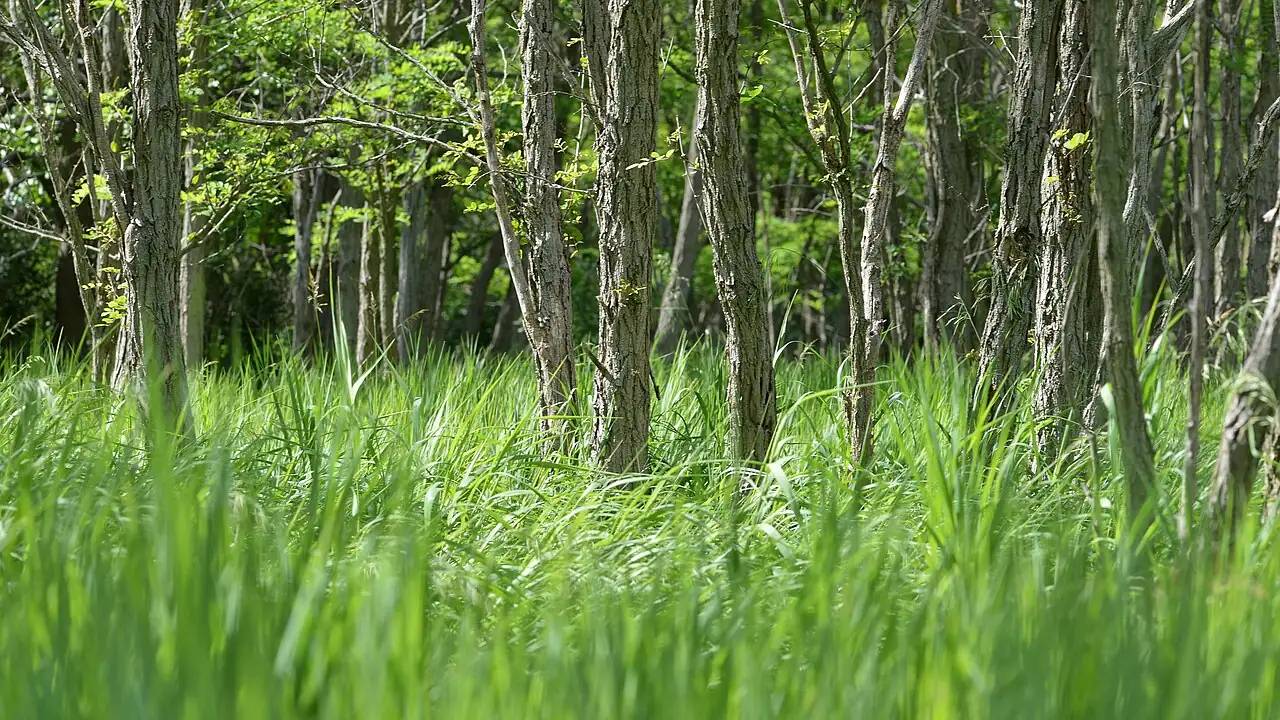
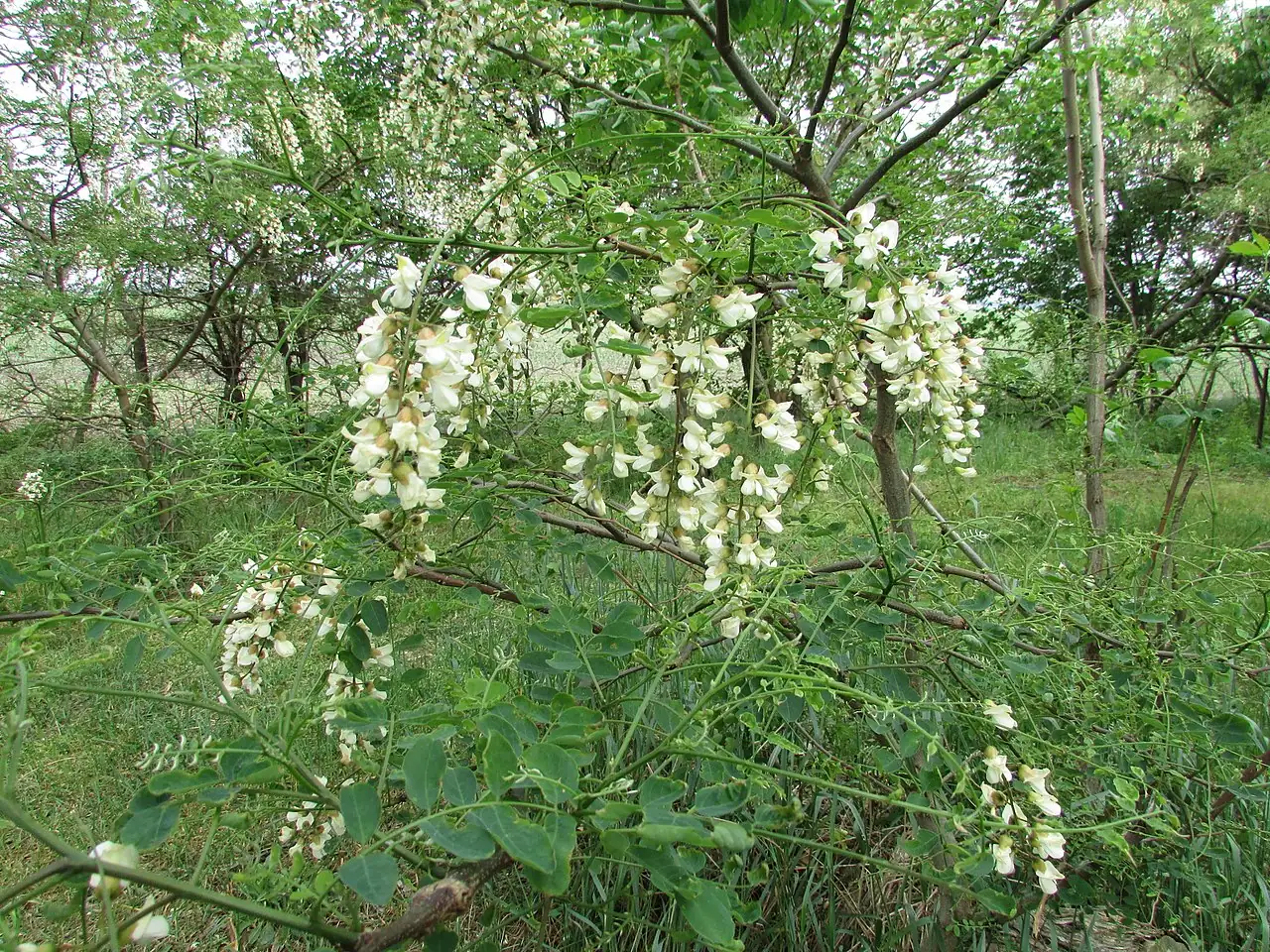
- Foliage: Leaves are pinnate (compound) and typically 10–25 cm (4–10 in) long, with a noticeable groove along the leaf axis. Bark is gray-brown to dark brown. Young twigs are gray-brown, at first slightly ridged and faintly hairy, later becoming smoother. Paired stipular spines are common and may reach about 2 cm (0.8 in).
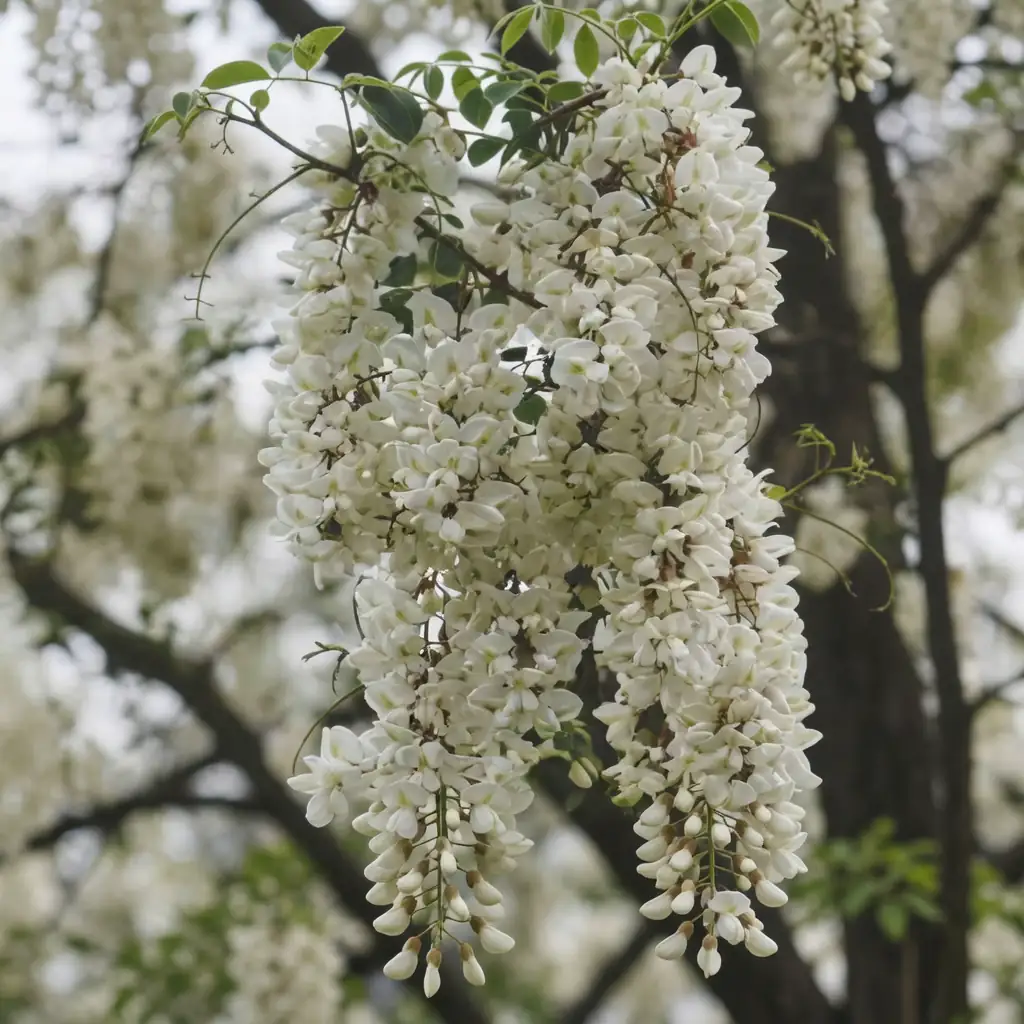
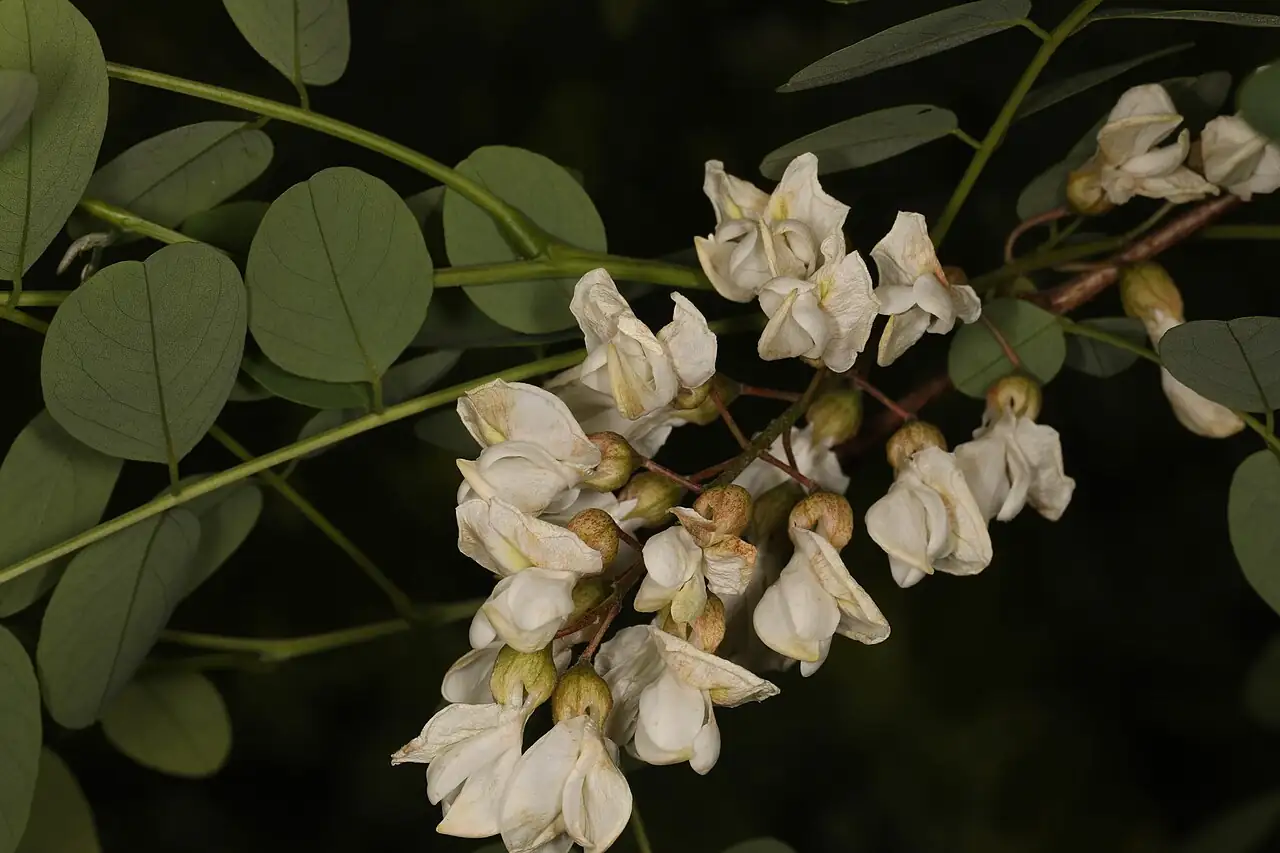
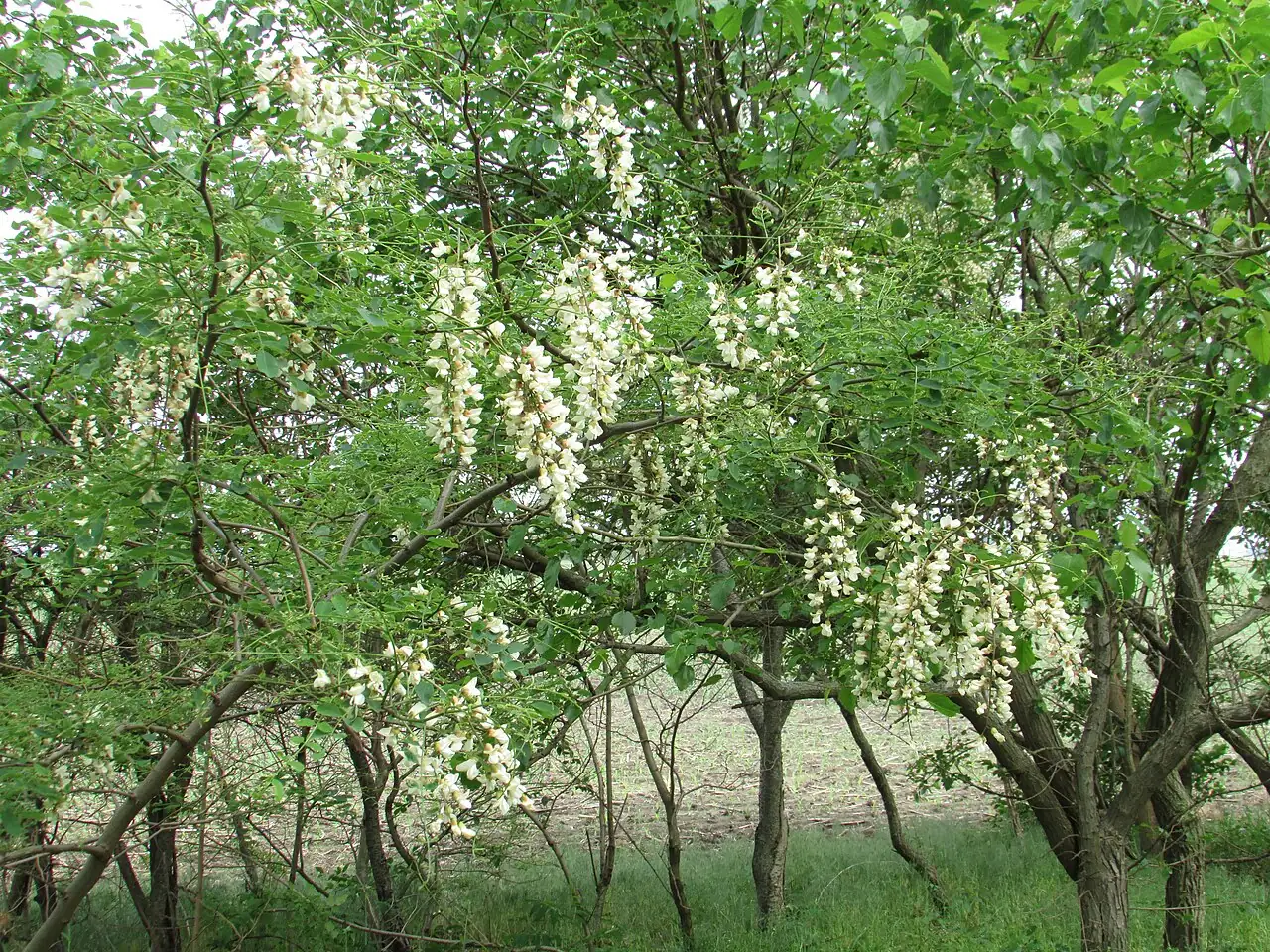
- Flower: Produces axillary, drooping racemes packed with pea-like blossoms—most often white, fragrant, and very attractive to pollinators. After flowering, it forms brown, narrow oblong pods, sometimes showing reddish-brown mottling.
- Flowering Season: Flowers April–June; fruiting August–September.
- Growth Habit: Upright, fast-growing deciduous tree with a spreading crown; readily forms basal shoots and root suckers, especially after cutting or disturbance.
Environment
Sunlight
Full sun is best for strong growth and abundant flowering; tolerates light shade.
Temperature
Hardy in temperate climates; grows best around 10–30°C (50–86°F) during the active season.
Humidity
Adaptable; handles average outdoor humidity and short dry spells once established.
Soil
Prefers well-drained soil but is notably tolerant of poor, sandy, and rocky sites. Avoid persistently waterlogged conditions.
Placement
Commonly used as a street, shade, and landscape tree. Because branches can be prone to wind breakage, avoid exposed wind corridors and choose a more sheltered planting position when possible.
Hardiness
USDA Zone 3–8 (approx. −40 to −7°C / −40 to 20°F), depending on provenance and local conditions.
Care Guide
Difficulty
Easy to grow and vigorous once established. The main “watch-outs” are brittle branches in strong wind and its tendency to resprout and spread by root suckers.
Buying Guide
Pick a healthy young tree with a straight central leader and no obvious trunk wounds. Avoid stock with circling/girdling roots; look for a visible root flare and a well-anchored root ball (container or field-dug).
Watering
Water consistently during the first 1–2 years to establish roots. Afterward, water deeply during prolonged drought, letting the top layer of soil dry slightly between soakings. Don’t keep the soil constantly wet.
Fertilization
Usually needs little to no feeding. If growth is weak, use a balanced slow-release fertilizer in spring following label directions; avoid excessive nitrogen, which can encourage softer, wind-prone growth.
Pruning
Prune in late winter to early spring to remove dead, damaged, crossing, or weakly attached branches and to improve overall structure. Remove root suckers as needed to prevent unwanted spread.
Propagation
Very easy from root suckers and stump/basal sprouts. Can also be grown from seed; scarification improves germination.
Repotting
Not applicable for landscape trees. If grown in a container when young, up-pot when rootbound and plant out promptly to prevent circling roots.
📅 Seasonal Care Calendar
Spring: plant, mulch, and do structural pruning; watch for suckers. Summer: deep water in drought; check after storms for breakage. Autumn: taper watering; plan sucker removal. Winter: structural pruning and removal of damaged wood.
Pests, Diseases & Safety
Common Pests & Diseases
May be troubled by locust borer and leaf miners in some areas, and can develop cankers or wood rots when stressed. Keep the tree vigorous, avoid trunk injuries, and prune out infected or damaged branches.
Toxicity
Toxic if ingested: bark, leaves, and seeds can poison people and animals (notably horses and pets). Keep livestock away from fallen branches and pods, and prevent pets from chewing plant parts.
Culture & Symbolism
Symbolism: Often linked with resilience and renewal—if it’s cut back or damaged, it has a strong talent for bouncing back via resprouting.
History & Legends: Originally native to eastern North America, black locust has been planted widely as a fast-growing timber and nectar tree and has become naturalized in many regions.
Uses: A popular street and shade tree and a widely planted landscape species. Valued for its heavy, hard, wear-resistant, rot-resistant wood (excellent for posts and outdoor construction). Also one of the classic nectar trees for beekeeping and honey production.
FAQ
What is the scientific name?
Robinia pseudoacacia.
What family and genus does it belong to?
Family Fabaceae; genus Robinia.
When does it flower?
Typically April–June.
When does it fruit?
Typically August–September.
How tall does it grow?
Usually about 10–25 m (33–82 ft), depending on conditions.
What are its main uses?
Street/shade planting, durable timber (especially for outdoor use), and nectar for bees and honey production.
Fun Facts
- Young twigs often start out slightly ridged and faintly hairy before smoothing with age.
- It has paired stipular spines that can reach about 2 cm (0.8 in).
- Its wood is famously rot-resistant—one reason it’s prized for posts and outdoor structures.
- Beekeepers value it highly because the flowers can produce abundant nectar.
- It rebounds quickly after cutting or damage by resprouting and sending up root suckers.


