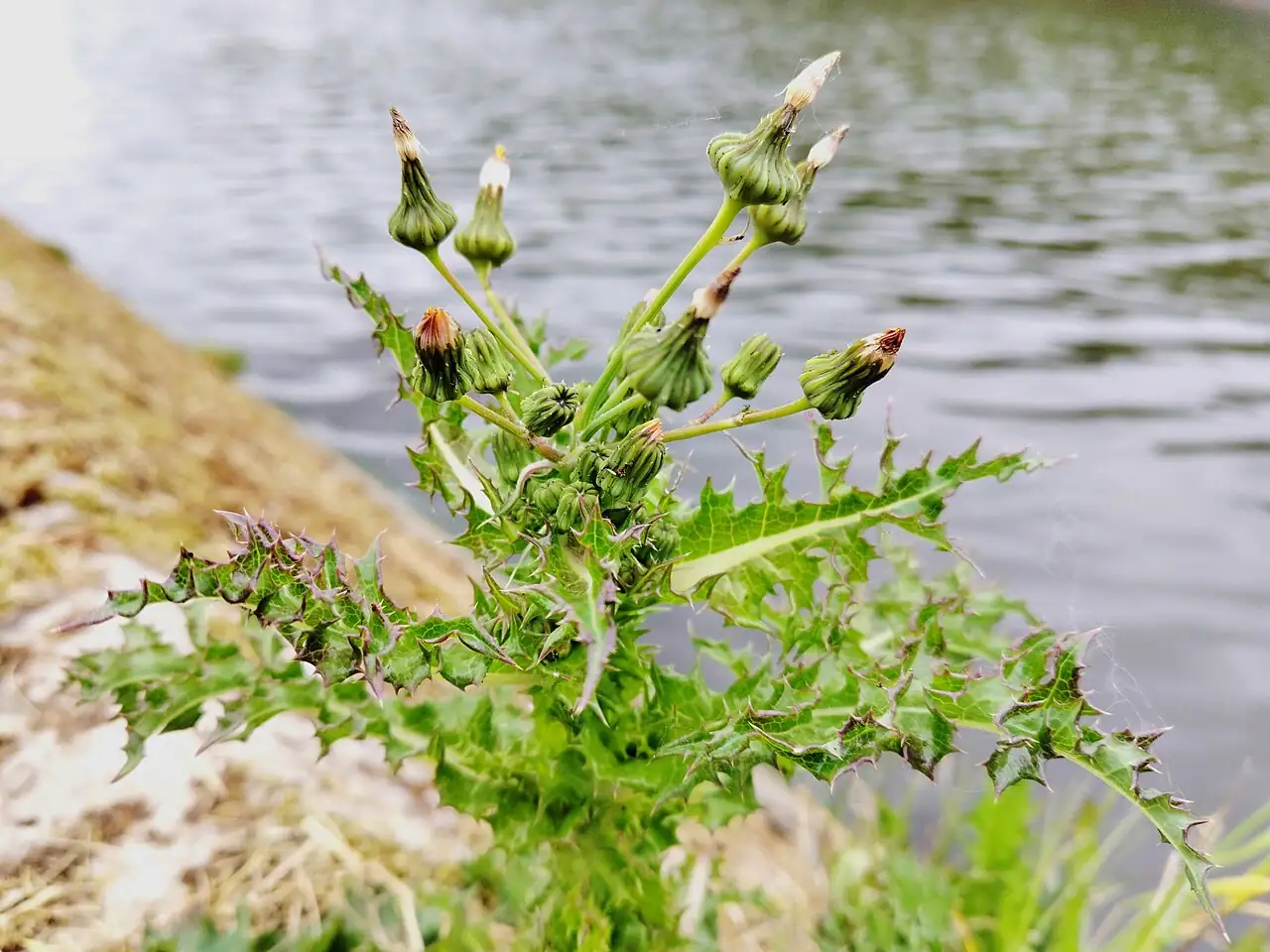
Plant Features
- Size:20–50 cm (8–20 in) tall; spread varies with site conditions.
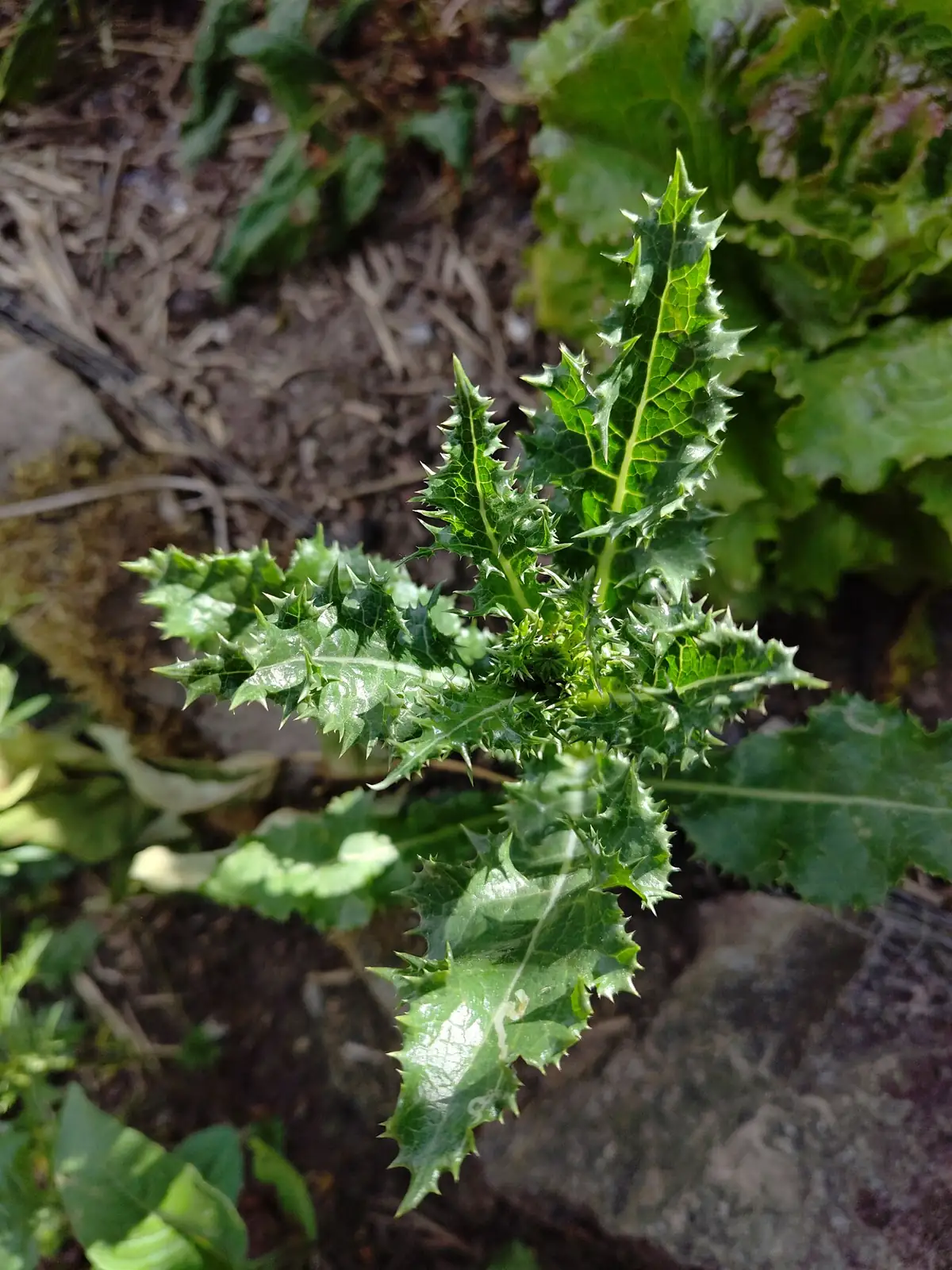
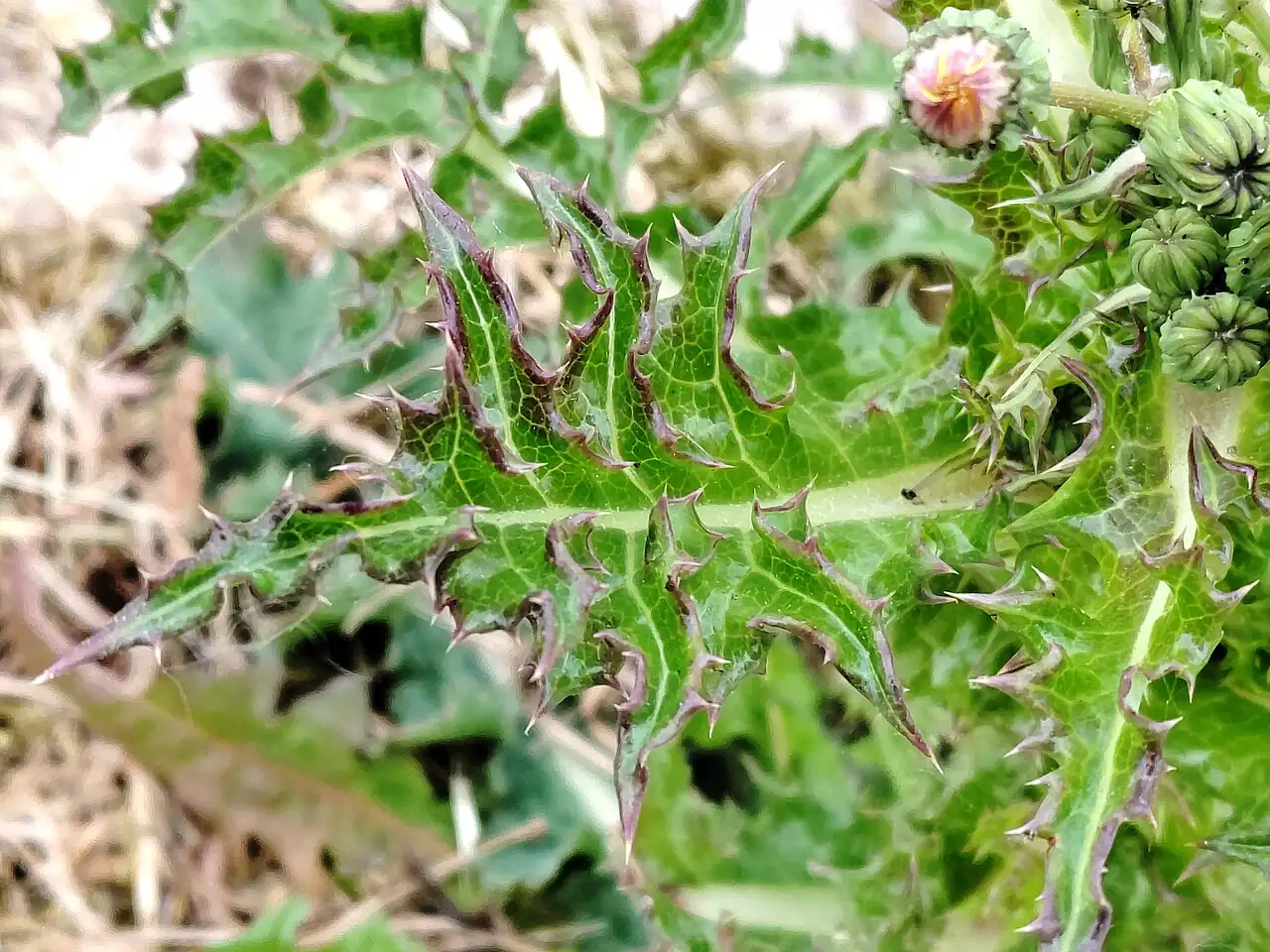
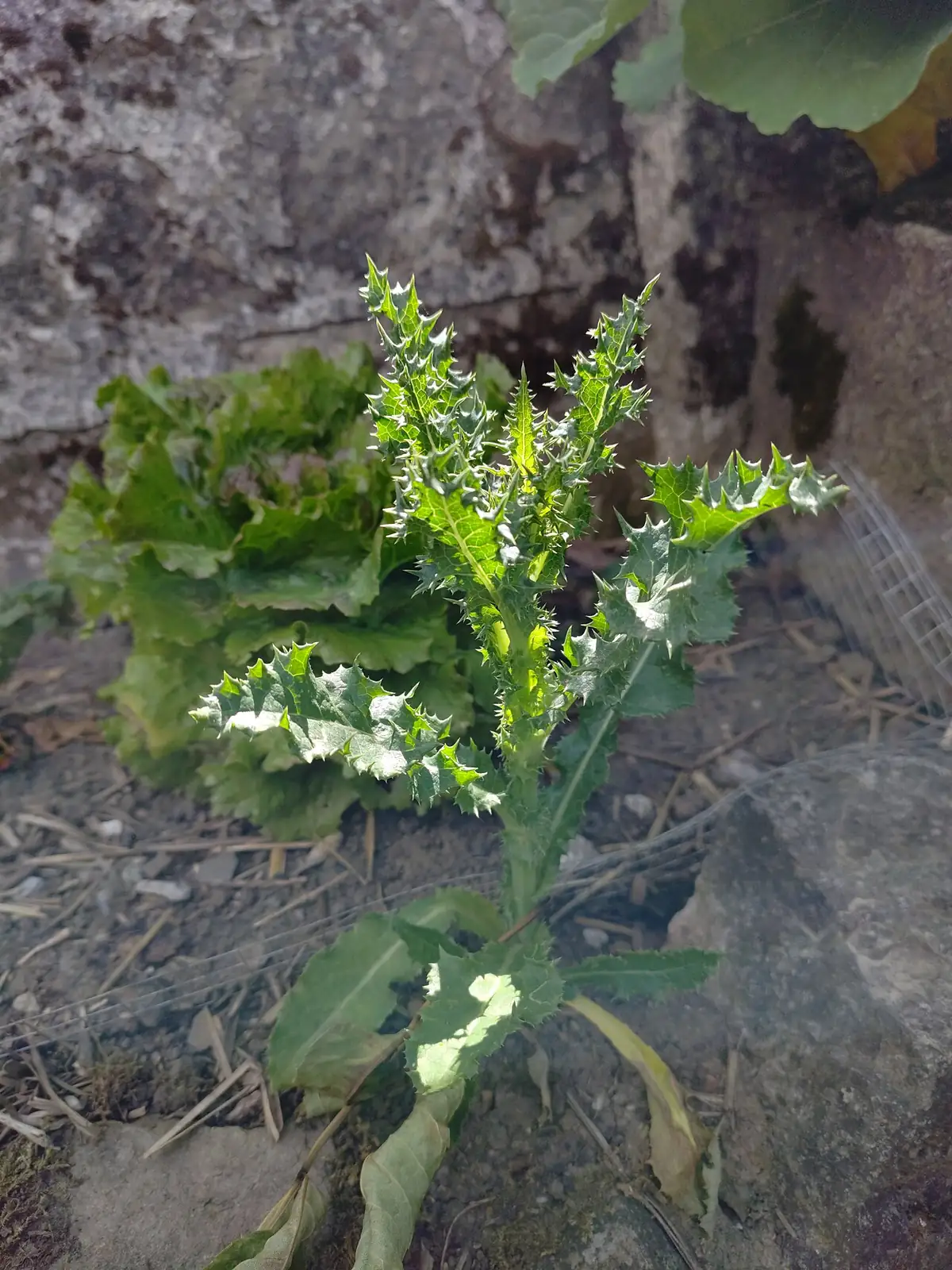
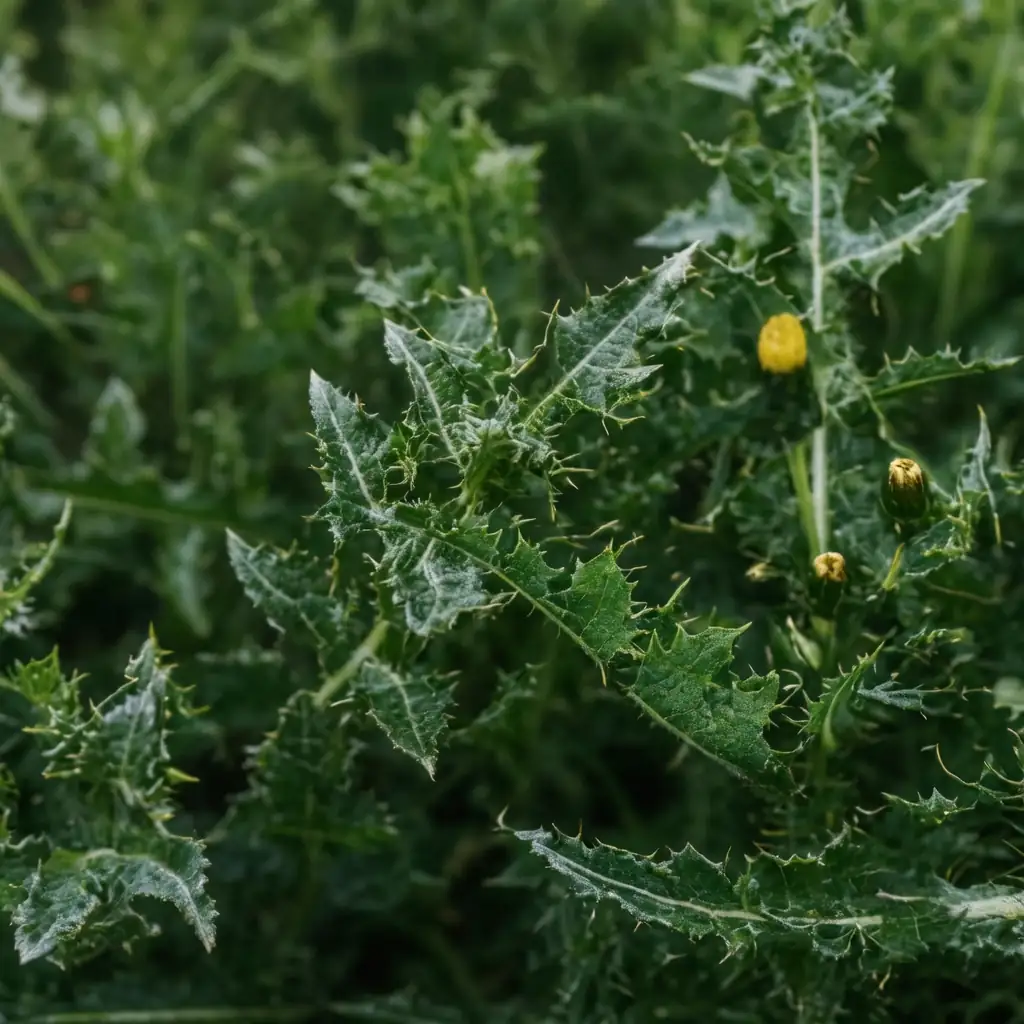
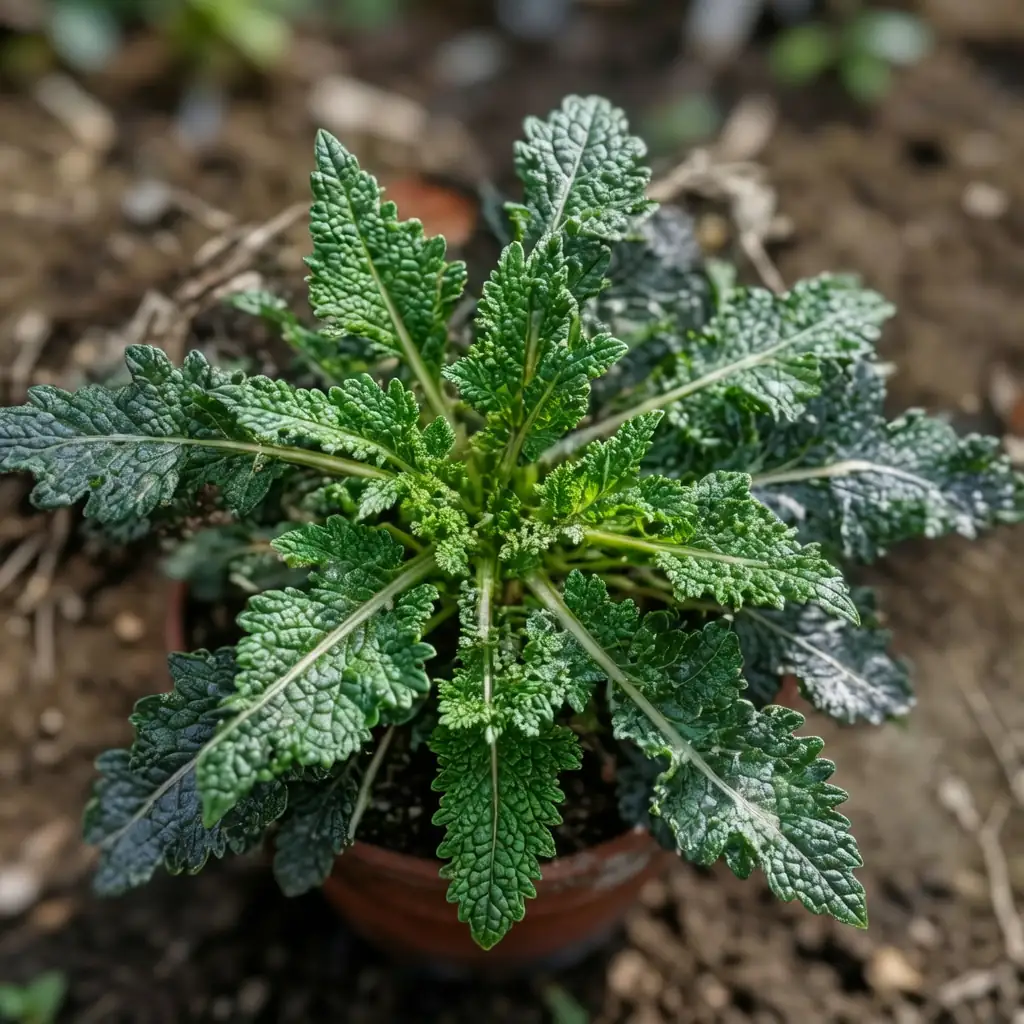
- Foliage: Leaves are lobed, often with about 4–5 pairs of side lobes. Lobe shapes vary widely and may be wedge-rounded, triangular, broadly sickle-shaped, or semicircular. The foliage is typically firm and can feel slightly prickly to the touch.
- Flower: Produces small Asteraceae flower heads that look like mini dandelions, composed of yellow strap-shaped florets. After flowering it forms brown achenes (dry fruits), described as inversely lance-shaped.
- Flowering Season: May–October
- Growth Habit: Fast-growing annual herb with strong adaptability. Common on disturbed ground and also on slopes, forest margins, and near water; generally tolerant of moist conditions and often behaves as a self-seeding pioneer plant.
Environment
Sunlight
Full sun to partial shade; blooms best with brighter light.
Temperature
Grows best in cool to warm conditions; often most active around 10–25°C (50–77°F).
Humidity
Moderate to high; tolerates damp sites.
Soil
Adaptable; performs well in average to moist, well-drained soils. Can tolerate heavier/wetter ground if it isn’t stagnant or chronically waterlogged.
Placement
Naturalistic beds, meadow-style plantings, path edges, slopes, and waterside margins—anywhere you want a relaxed, “wildflower” look.
Hardiness
Annual (persists by seed). Widely naturalized across temperate regions; roughly USDA Zones 3–11 as a seeding annual (local performance varies by climate and ecotype).
Care Guide
Difficulty
Easy—often grows with little help and may self-sow freely, so it’s more about managing it than pampering it.
Buying Guide
Usually not sold as an ornamental; more often appears from windblown/self-sown seed or is encountered in wild/uncultivated areas. If selecting plants, choose individuals with fresh green growth and check for heavy aphid presence.
Watering
Water to establish, then water only during extended dry spells. In containers or very free-draining soils, water when the top 2–3 cm (about 1 in) dries out. Avoid soggy, stagnant conditions.
Fertilization
Generally unnecessary. If intentionally grown in very poor soil, apply a light balanced fertilizer once in spring to early summer at half strength.
Pruning
Deadhead to reduce self-seeding and keep plants looking tidier. At season’s end, pull and dispose of spent plants if you don’t want volunteers next year.
Propagation
By seed. Readily self-seeds; collect mature, dried seed heads and sow on the surface or cover very lightly.
Repotting
Not typically grown long-term in pots. If container-grown, pot up seedlings once roots fill the starter container.
📅 Seasonal Care Calendar
Spring: seedlings emerge—thin if crowded. Summer to autumn (May–October): flowering and seed set—deadhead if you want fewer volunteers. Late autumn: remove plants or allow seed to drop for next season.
Pests, Diseases & Safety
Common Pests & Diseases
Can attract aphids; sometimes leaf miners. In overly wet, poorly ventilated conditions it may develop fungal leaf spots. Improve airflow, avoid late-day overhead watering, and rinse off aphids or use insecticidal soap if needed.
Toxicity
Not generally considered poisonous, but the milky sap (latex) may irritate sensitive skin. Prevent pets from chewing if they’re prone to stomach upset.
Culture & Symbolism
Uses: A useful “wild-style” filler or seasonal groundcover in naturalistic plantings, valued for its small yellow, dandelion-like blooms and tolerance of moist sites.
FAQ
When does it flower?
Typically from May to October.
When does it set seed?
Often from May to October, with seed set overlapping the flowering period.
How tall does it grow?
About 20–50 cm (8–20 in) tall.
Where does it usually grow?
Common on hillsides, woodland edges, and watersides, and it also readily colonizes disturbed ground.
What is it used for ornamentally?
It’s occasionally used in naturalistic beds as an informal, seasonal groundcover with dandelion-like yellow flowers.
Fun Facts
- It’s an annual herb in the daisy family (Asteraceae).
- Its leaf lobes often appear in about 4–5 pairs and can vary a lot in shape.
- The blooms resemble small dandelions because they’re made of yellow strap-shaped florets.
- It forms brown achenes (dry fruits) described as inversely lance-shaped.
- Flowering and seed set frequently overlap from May through October.