Plant Features
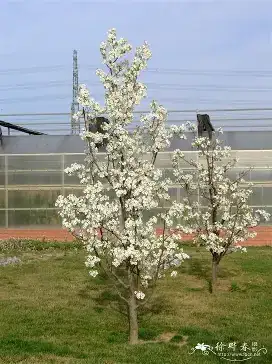
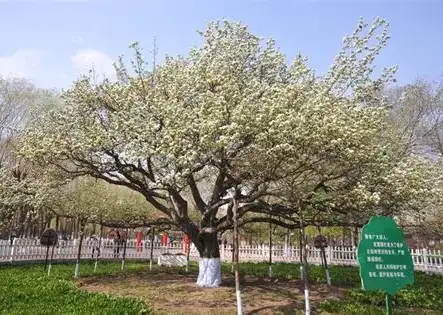
- Size: Typically 5–8 m (16–26 ft) tall with a spreading crown.
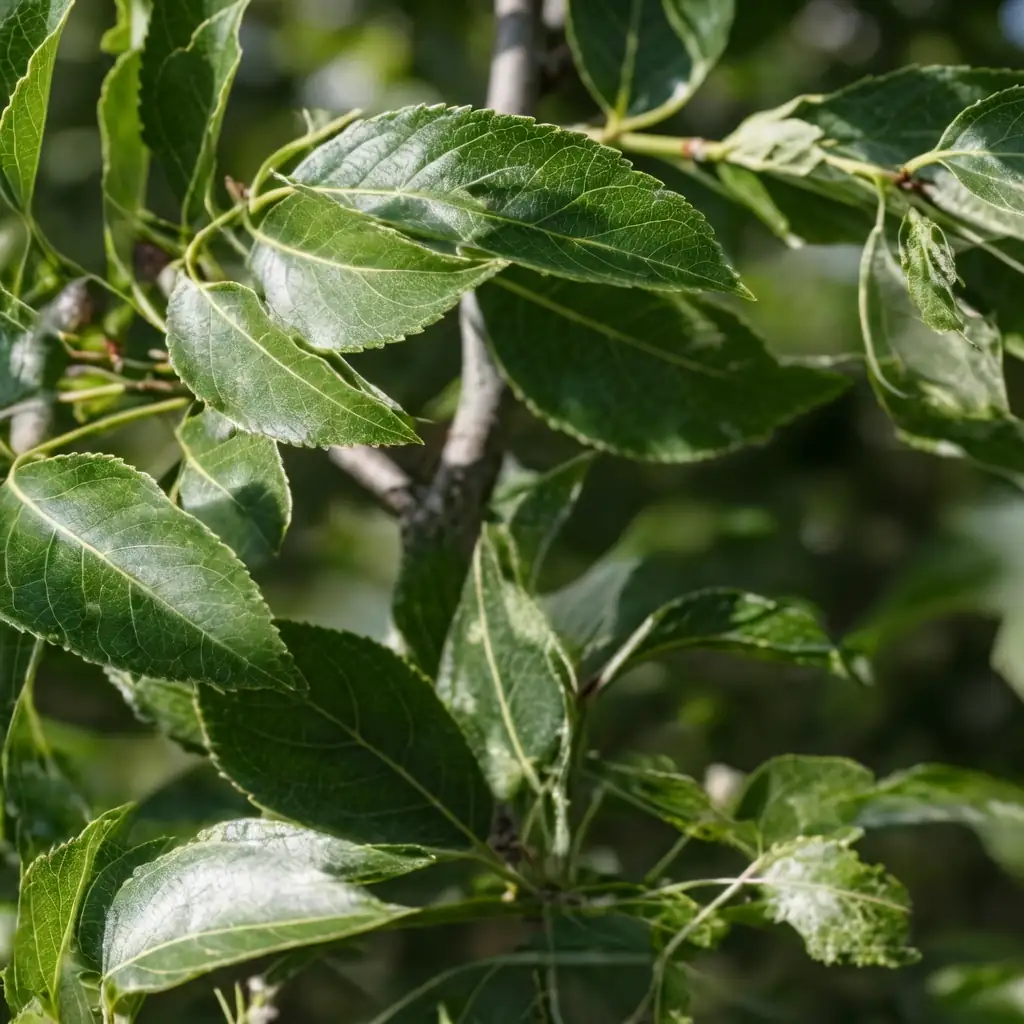
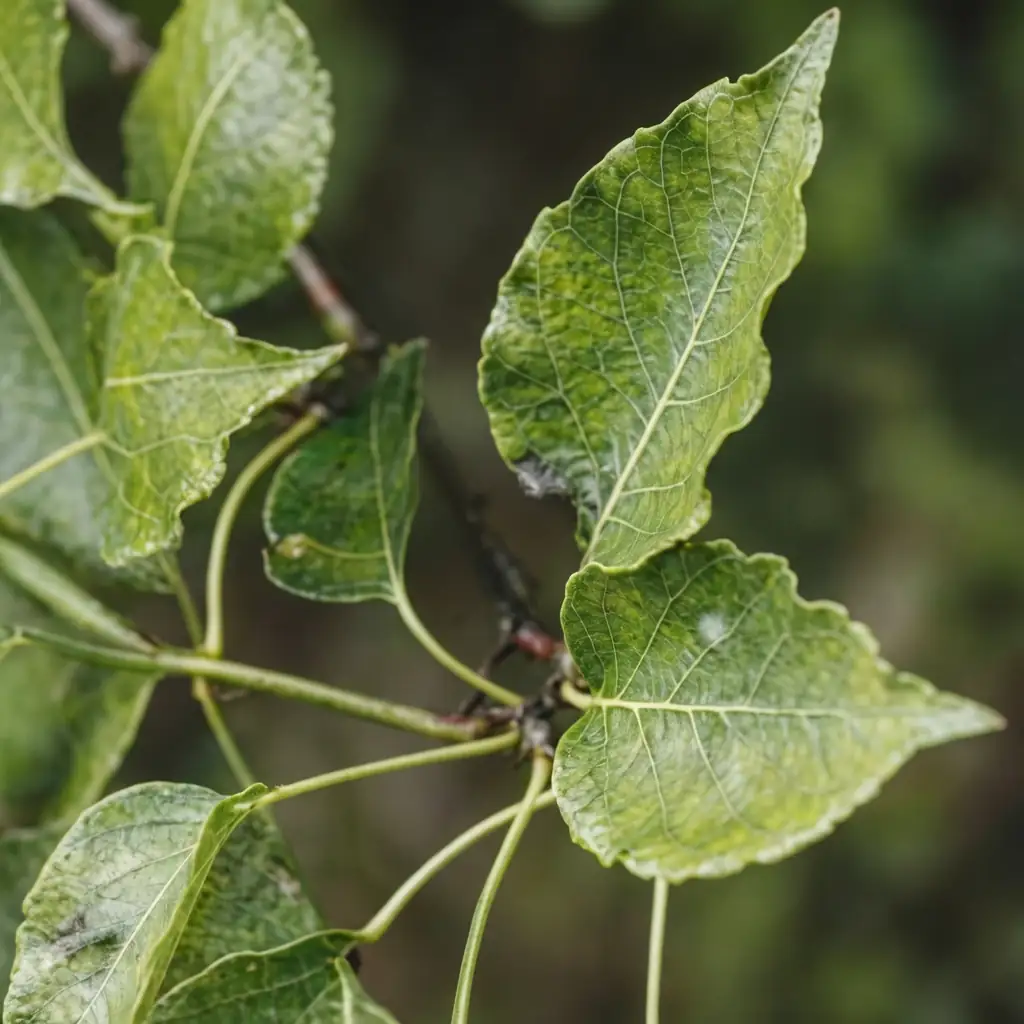
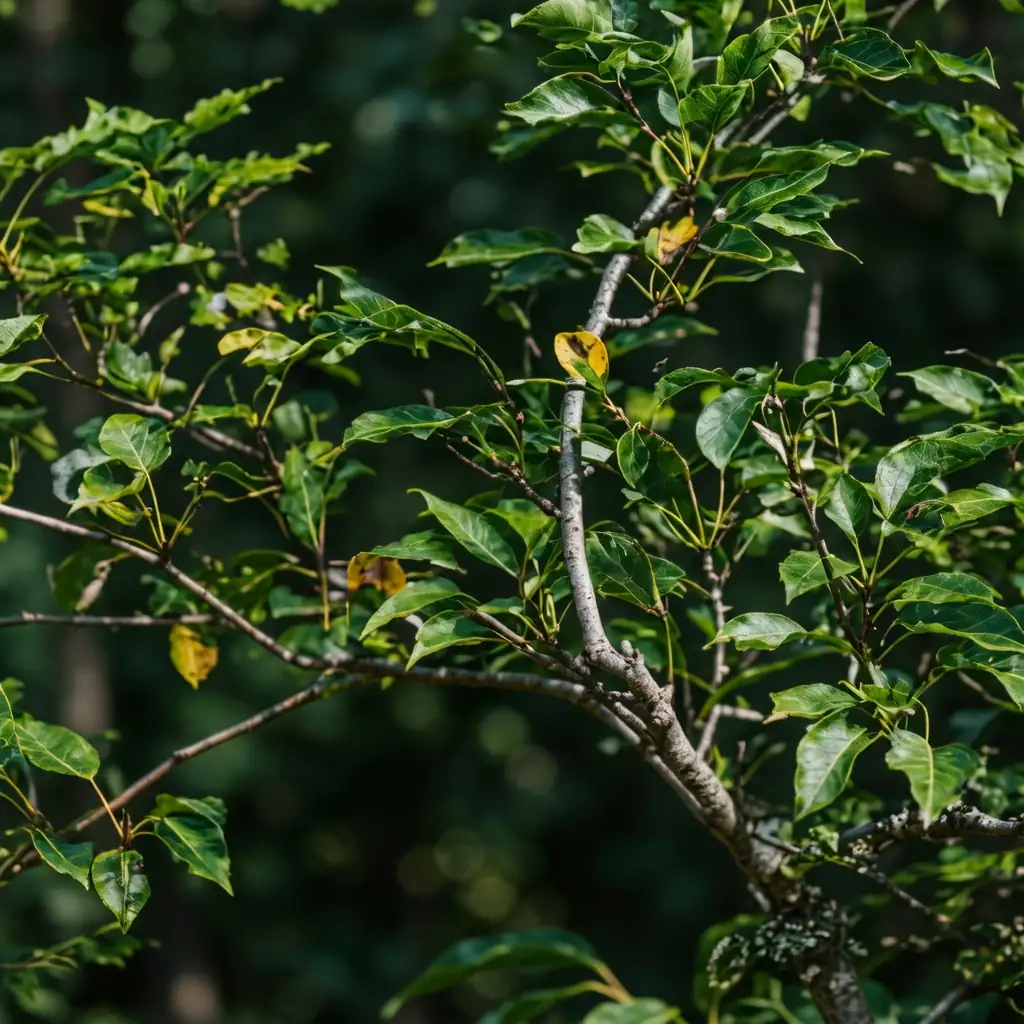
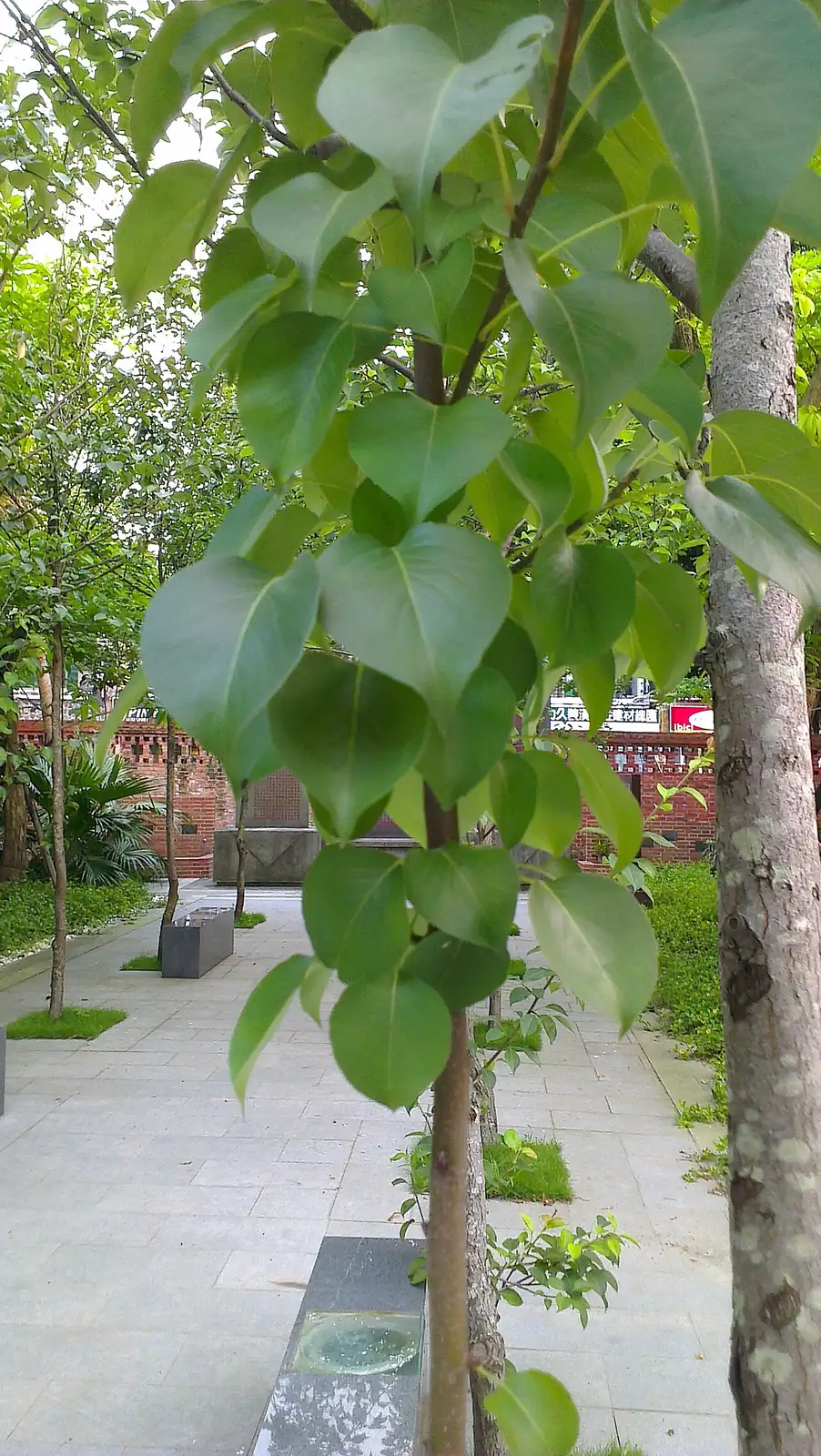
- Foliage: Leaves are ovate to elliptic. Young petioles are densely downy, and two-year-old shoots are often purplish-brown.
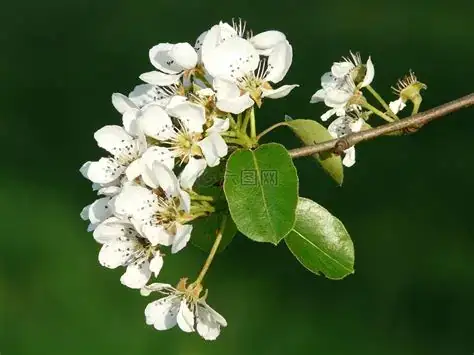
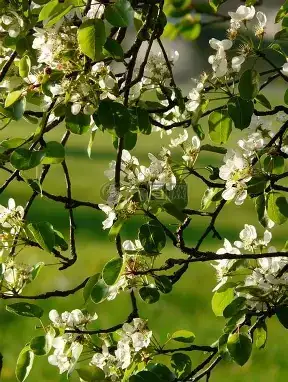
- Flower: In spring it produces white blossoms in corymb-like clusters. The fruits ripen yellow, typically ovoid to nearly round, with fine lenticel speckling; seeds are brown and inversely egg-shaped.
- Flowering Season: April
- Growth Habit: A deciduous, upright-to-spreading tree with a broad crown and well-developed root system; generally sun- and warmth-loving during active growth.
Environment
Sunlight
Full sun (at least 6+ hours of direct sun daily) for best flowering and fruiting.
Temperature
Cold-hardy and well-suited to temperate climates. Roughly 15–25°C (59–77°F) during the growing season is ideal; established trees can tolerate winter temperatures well below 0°C (32°F), depending on cultivar and site.
Humidity
Adaptable. Once established, it tolerates dry spells; it can handle short periods of excess moisture, but prolonged waterlogged conditions are still stressful and should be avoided.
Soil
Best in deep, fertile, well-drained soils; sandy loam is ideal. Thrives in open, sunny positions (including gentle slopes) with good drainage and airflow. More tolerant of alkaline or saline-alkaline soils than many fruit trees.
Placement
Outdoors in orchards, edible landscapes, or park plantings—choose an open, sunny site with good air circulation and drainage.
Hardiness
Approximately USDA Zone 4–8 (varies by cultivar/provenance); generally not frost-tender.
Care Guide
Difficulty
Moderate. It’s a tough, adaptable pear (cold-, drought-, and alkalinity-tolerant), but consistent sun, sensible pruning, and timely watering during bloom and fruit set make a big difference in fruit quality and yield.
Buying Guide
Pick vigorous nursery stock with a sound trunk, no wounds or canker symptoms, and a strong central leader (or well-spaced scaffold branches). For reliable fruit quality and earlier bearing, choose named cultivars or grafted trees. Also check pollination needs—many pears crop better with a compatible pollinator nearby.
Watering
Water deeply after planting and through the first 1–2 growing seasons to establish roots. Afterward, irrigate during prolonged drought, especially from flowering through fruit swelling. Avoid constantly soggy soil—good drainage matters even though the tree tolerates brief wet spells.
Fertilization
Feed in early spring with compost or a balanced, slow-release fertilizer guided by soil test results. Don’t overdo nitrogen; too much can cause excessive leafy growth, fewer fruits, and higher disease pressure.
Pruning
Prune in late winter while dormant to shape and open the canopy for light and airflow, remove crossing branches, and renew fruiting wood. Remove dead, damaged, or diseased wood whenever you spot it.
Propagation
Usually propagated by grafting or budding onto pear rootstocks. Seed can be used, but seedlings may not come true to type and typically take longer to bear fruit.
Repotting
Generally not applicable (best grown in the ground). If kept in a very large container, up-pot every 1–2 years and refresh the mix, though long-term growth and cropping are typically better in open soil.
📅 Seasonal Care Calendar
Late winter: prune for structure and airflow. April: flowering—monitor moisture and avoid drought stress. August–September: fruit maturation and harvest; keep an eye on pests/diseases and pick when fruit reaches full size and begins to color.
Pests, Diseases & Safety
Common Pests & Diseases
Can face common pear problems depending on region, including fire blight, pear scab, rust, aphids, pear psylla, and codling moth. Helpful basics include sanitation (remove mummified fruit and infected shoots), pruning for airflow, and an integrated pest management approach suited to local conditions.
Toxicity
Generally non-toxic to people and pets; the fruit is edible. As in many members of the rose family (Rosaceae), the seeds contain small amounts of cyanogenic compounds—avoid eating seeds in quantity.
Culture & Symbolism
Symbolism: Pear trees are often associated with spring renewal and abundance because of their bright blossoms and generous harvests; in Chinese culture, pears can also carry nuanced symbolism in gifting due to the homophone of “梨/离” (separation).
History & Legends: Cultivated across northern China for a long time as an important regional pear type, valued both for dependable cropping and for its ability to handle colder, drier conditions compared with many fruit trees.
Uses: Primarily grown as a fruit tree for fresh eating and processing (such as pear paste/syrup). Also used in landscaping and park plantings for spring flowers and shade. The wood is valued as good-quality timber.
FAQ
What is the scientific name of Chinese white pear?
Pyrus bretschneideri.
When does it flower?
Typically in April.
When is the fruiting/harvest season?
Usually August to September.
How tall does it grow?
About 5–8 m (16–26 ft) tall.
What conditions does it grow best in?
Full sun, deep and well-drained soil (sandy loam is ideal), and an open site with good airflow. It’s notably tolerant of cold, drought, and alkaline or saline-alkaline soils, but it still dislikes prolonged waterlogging.
Is it a hardy tree?
Yes. It’s widely considered cold-hardy and adaptable, with good tolerance of drought and challenging (alkaline) soils once established.
Fun Facts
- The ripe fruit is yellow and often shows fine speckling (lenticels) on the skin.
- Besides eating fresh, the fruit can be cooked down into pear paste or syrup.
- It’s valued not only as a fruit tree but also as a tough landscape tree for challenging sites.
- It’s native to multiple provinces across northern and northwestern China.
- Compared with many fruit trees, it has relatively strong tolerance to cold, drought, and alkaline conditions.