

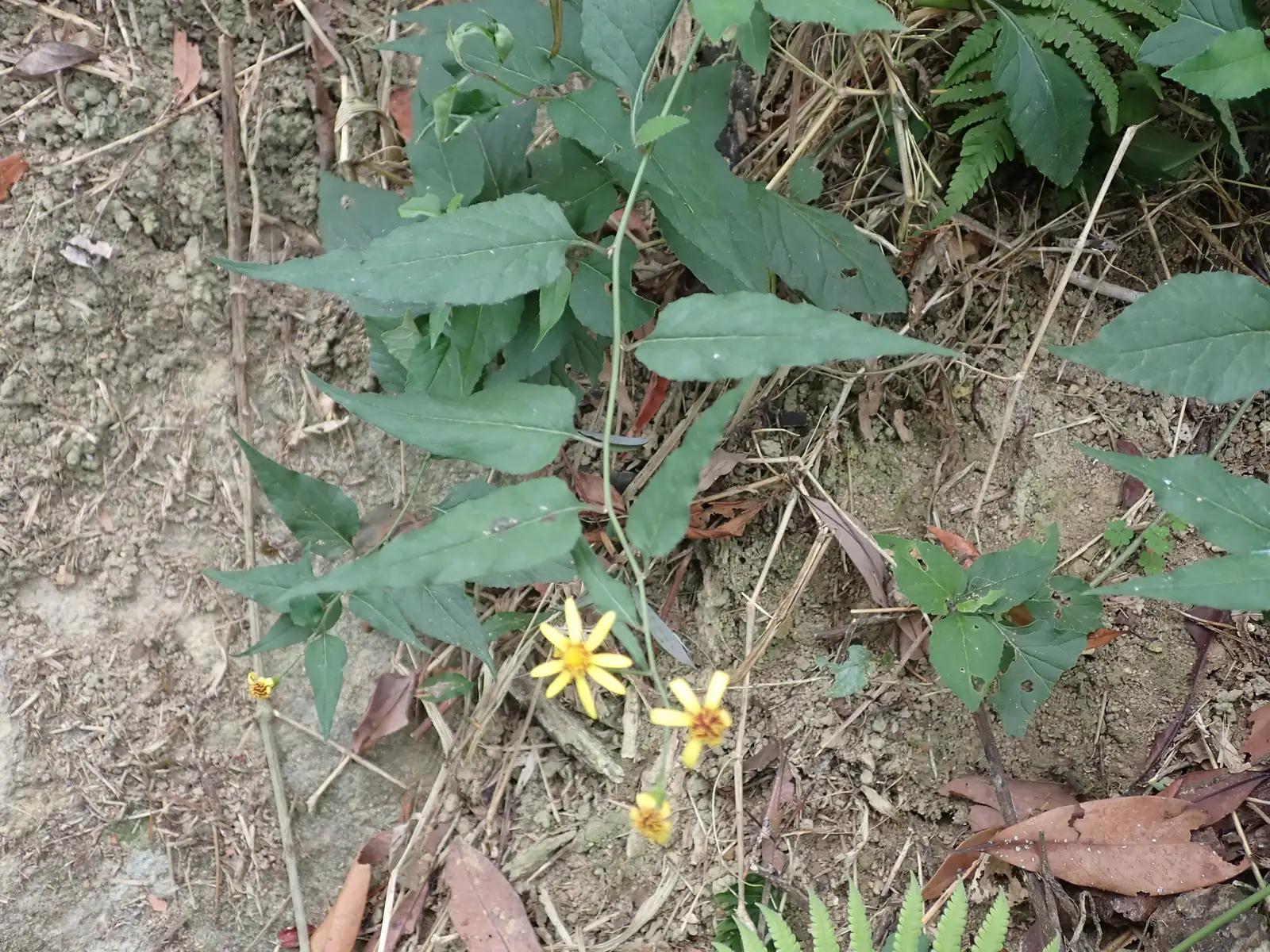
Plant Features
- Size: Variable; typically a scrambling/climbing herb reaching about 1–3 m (3–10 ft) long when supported.
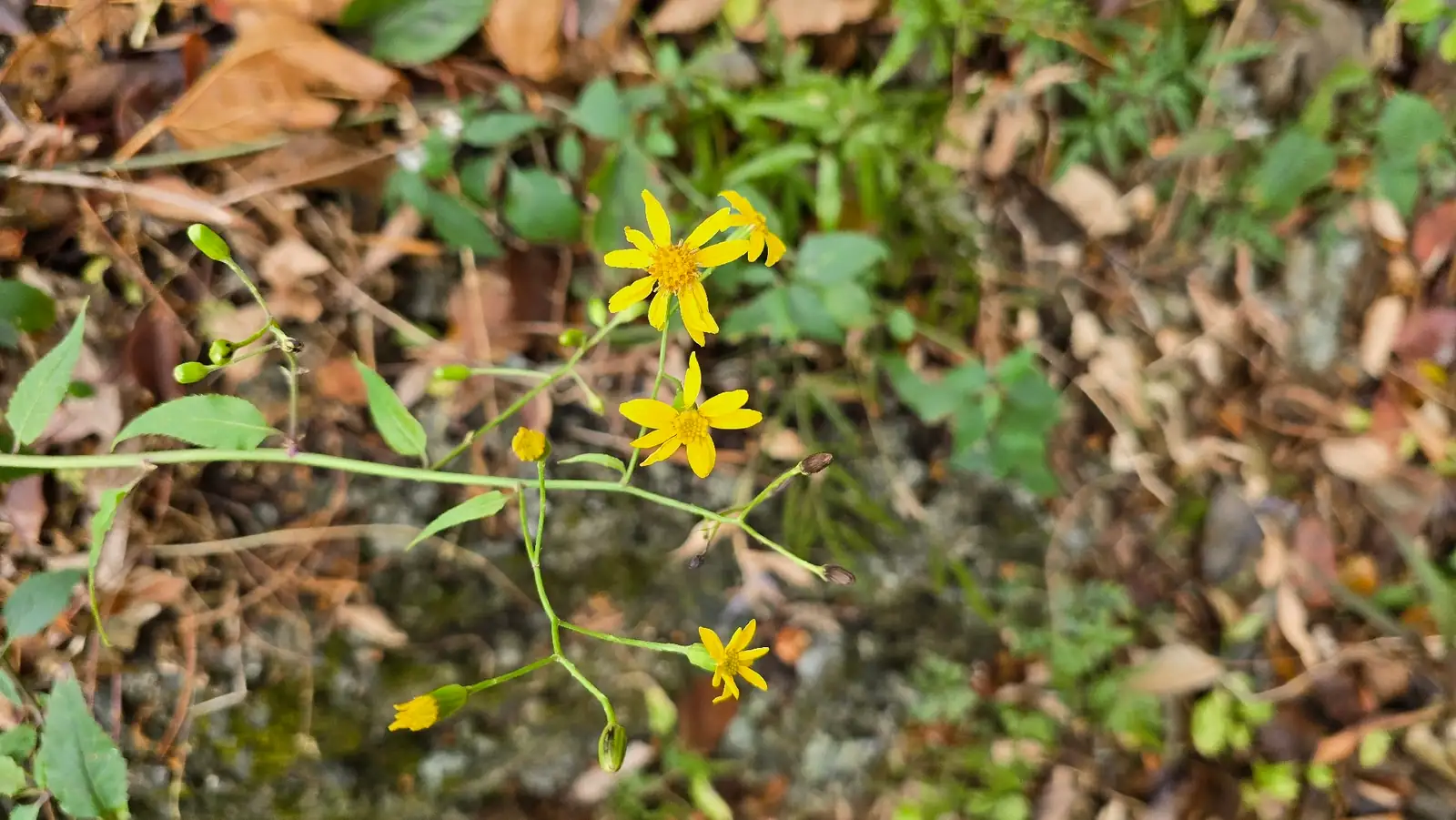
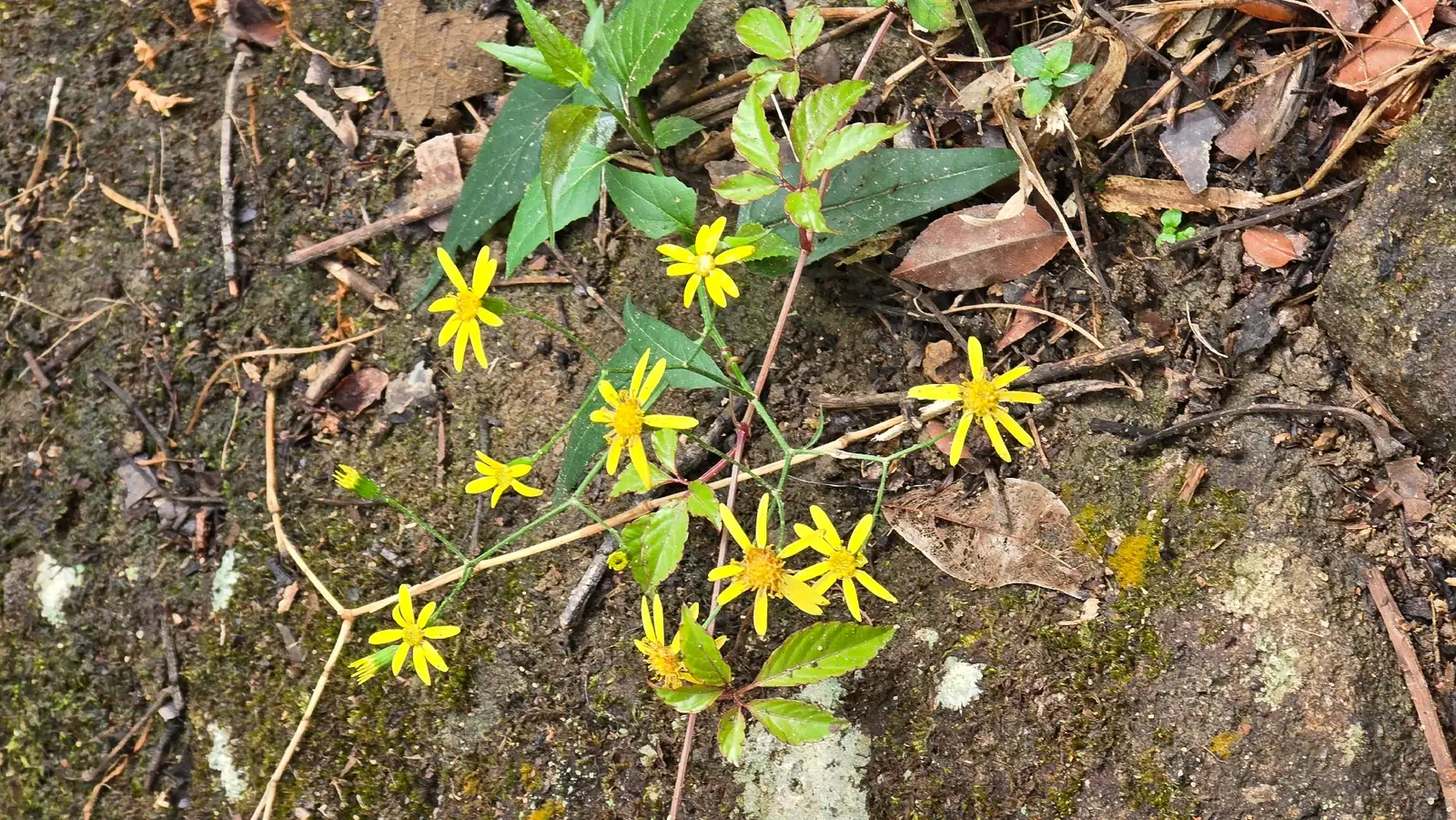
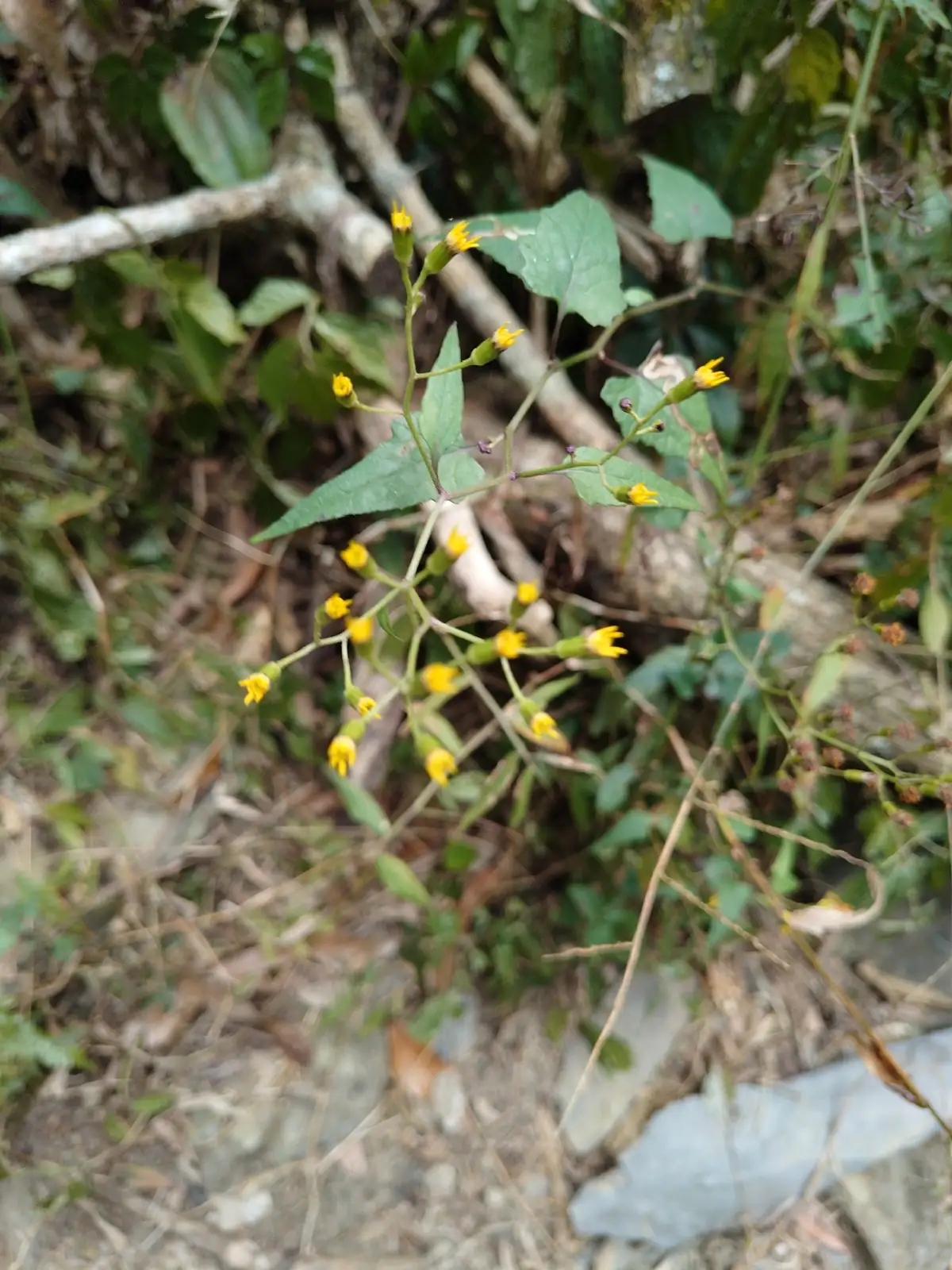
- Foliage: Leaves are ovate-lanceolate to long triangular, with a tapering pointed tip and a broad cuneate base; pinnate venation with conspicuous veins.
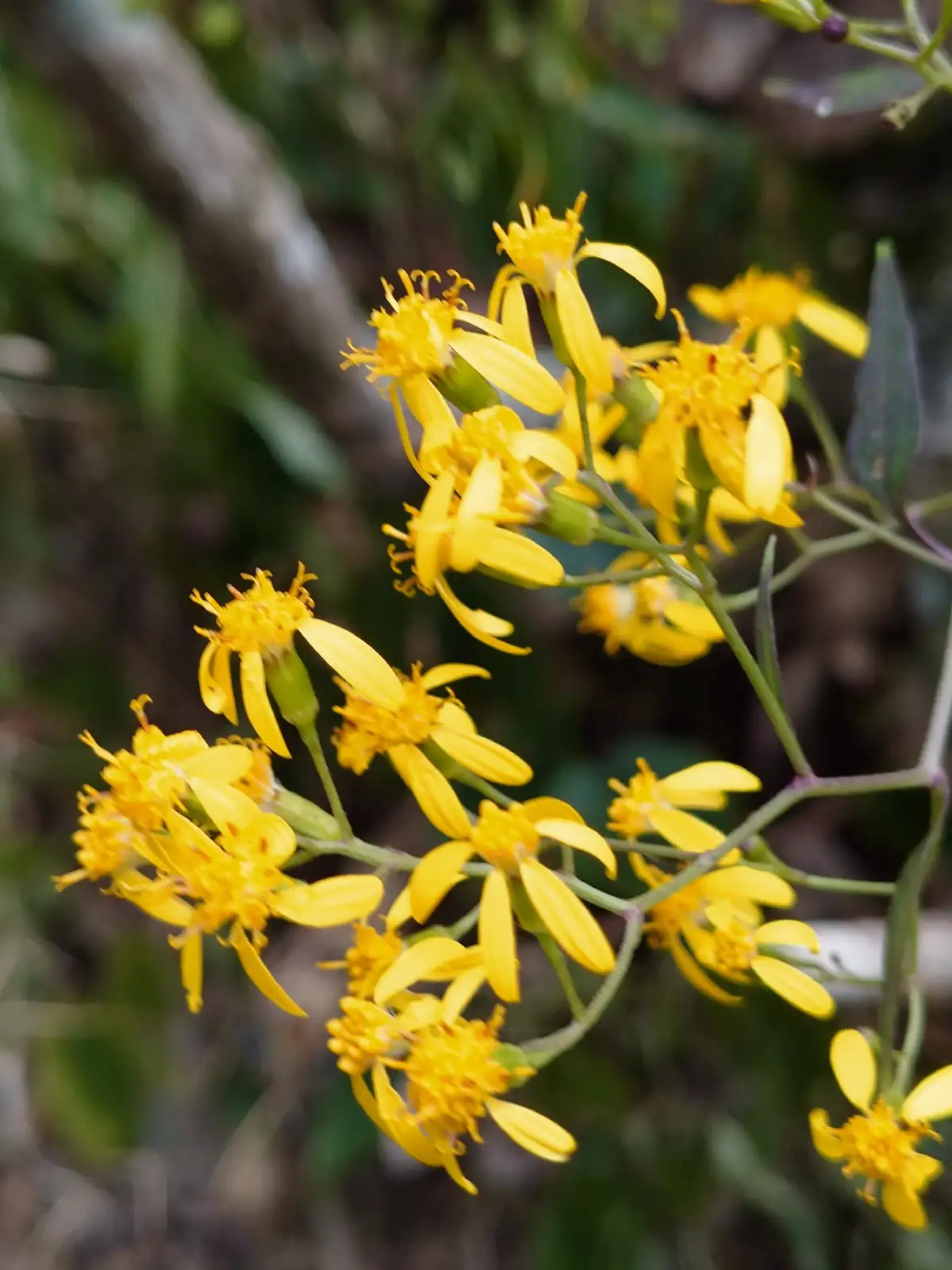
- Flower: Produces many small yellow, daisy-like flower heads (with ray florets). After flowering, it forms slender, cylindrical achenes (dry fruits).
- Flowering Season: September–October
- Growth Habit: Perennial twining/scrambling herbaceous climber
Environment
Sunlight
Full sun to partial shade (best flowering with brighter light).
Temperature
Prefers cool to warm growing conditions around 10–28°C (50–82°F); avoid prolonged hard frost.
Humidity
Average to moderately high humidity; tolerates a range if soil moisture is adequate.
Soil
Adaptable, but performs best in fertile, moist, well-drained sandy loam; avoid waterlogged soils.
Placement
Naturalistic plantings, woodland-edge gardens, banks, and informal groundcover areas; can scramble through shrubs or over rocks.
Hardiness
Not reliably frost-hardy; outdoors mainly in mild-winter climates (approx. USDA Zone 9–11).
Care Guide
Difficulty
Easy and highly adaptable; not fussy about soil as long as drainage is reasonable.
Buying Guide
Choose plants with fresh green growth and no wilting; avoid pots with sour-smelling, waterlogged media. If buying for outdoor use, select locally grown stock acclimated to your climate.
Watering
Water to keep soil evenly moist during establishment. Once established, water when the top 2–5 cm (1–2 in) of soil dries; reduce watering in cooler seasons. Avoid constant saturation.
Fertilization
Usually minimal feeding is needed. For faster growth, apply a balanced fertilizer at half strength every 4–6 weeks in spring and summer; stop in autumn and winter.
Pruning
Trim back after flowering or whenever it becomes untidy to encourage bushier growth and to limit spread. Remove dead or weak stems as needed. If you want to reduce self-seeding, remove flower heads before seeds mature.
Propagation
Easy from seed (often self-sows). Also propagates readily from softwood cuttings taken in spring to summer; root in moist, free-draining medium.
Repotting
If grown in containers, repot every 1–2 years in spring into fresh, well-drained mix; provide a trellis or allow it to trail.
📅 Seasonal Care Calendar
Spring: refresh soil, begin light feeding, take cuttings. Summer: keep evenly moist, pinch/trim to shape. Autumn: enjoy peak flowering; deadhead or cut back to control seed set. Winter: protect from frost; keep on the dry side but do not let roots fully dry out.
Pests, Diseases & Safety
Common Pests & Diseases
Generally trouble-free. Possible issues include aphids, spider mites (in hot/dry conditions), and powdery mildew in crowded, humid plantings. Improve airflow, avoid overhead watering late in the day, and treat infestations promptly.
Toxicity
Senecio species commonly contain pyrrolizidine alkaloids and may be toxic if ingested by humans or pets (risk of liver damage). Do not use internally unless under qualified professional guidance; keep away from grazing animals and curious pets.
Culture & Symbolism
Uses: Used as a self-seeding, naturalistic groundcover and for seasonal yellow flowers. In traditional herbal contexts, the whole plant has been used for “clearing heat and detoxifying” purposes; because many Senecio species contain potentially harmful pyrrolizidine alkaloids, internal use is not recommended without qualified professional oversight.
FAQ
Does climbing groundsel spread aggressively?
It can spread by self-seeding and by scrambling stems. If you want to limit it, cut back after flowering and remove seed heads before they mature.
What kind of site suits it best?
A bright site with moist but well-drained soil is ideal. It also tolerates partial shade and poorer soils, especially in naturalistic settings.
Fun Facts
- It is widespread across China and commonly appears along woodland edges, wasteland, shrubland, and rocky places.
- Peak flowering is typically September–October, with fruiting often October–November.
- The fruits are slender, cylindrical achenes—useful for identification.
- It is often used as a self-seeding groundcover in naturalistic plantings for a “wild” garden look.


