Plant Features
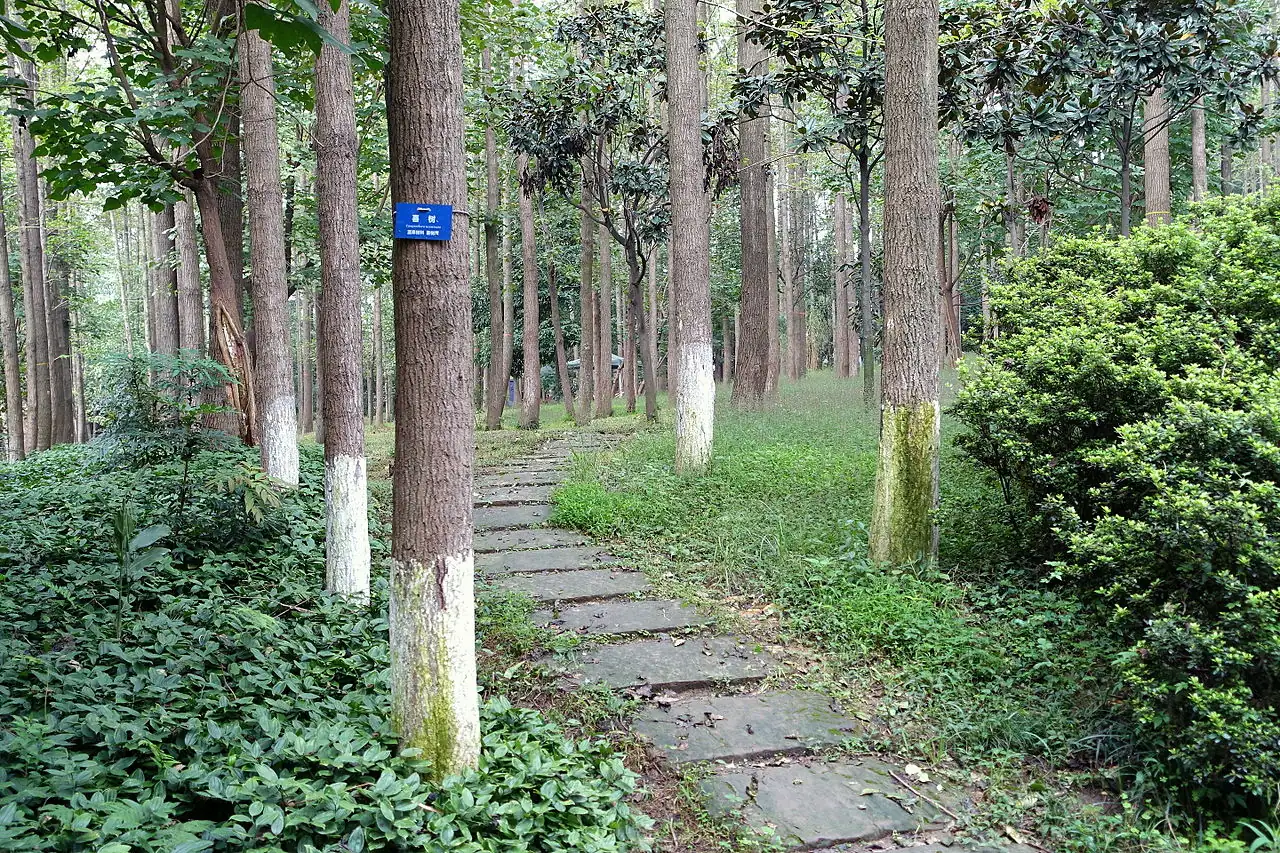
- Size: Typically a tall deciduous tree, reaching up to about 20 m (66 ft) in height; crown spread varies depending on site conditions and pruning.
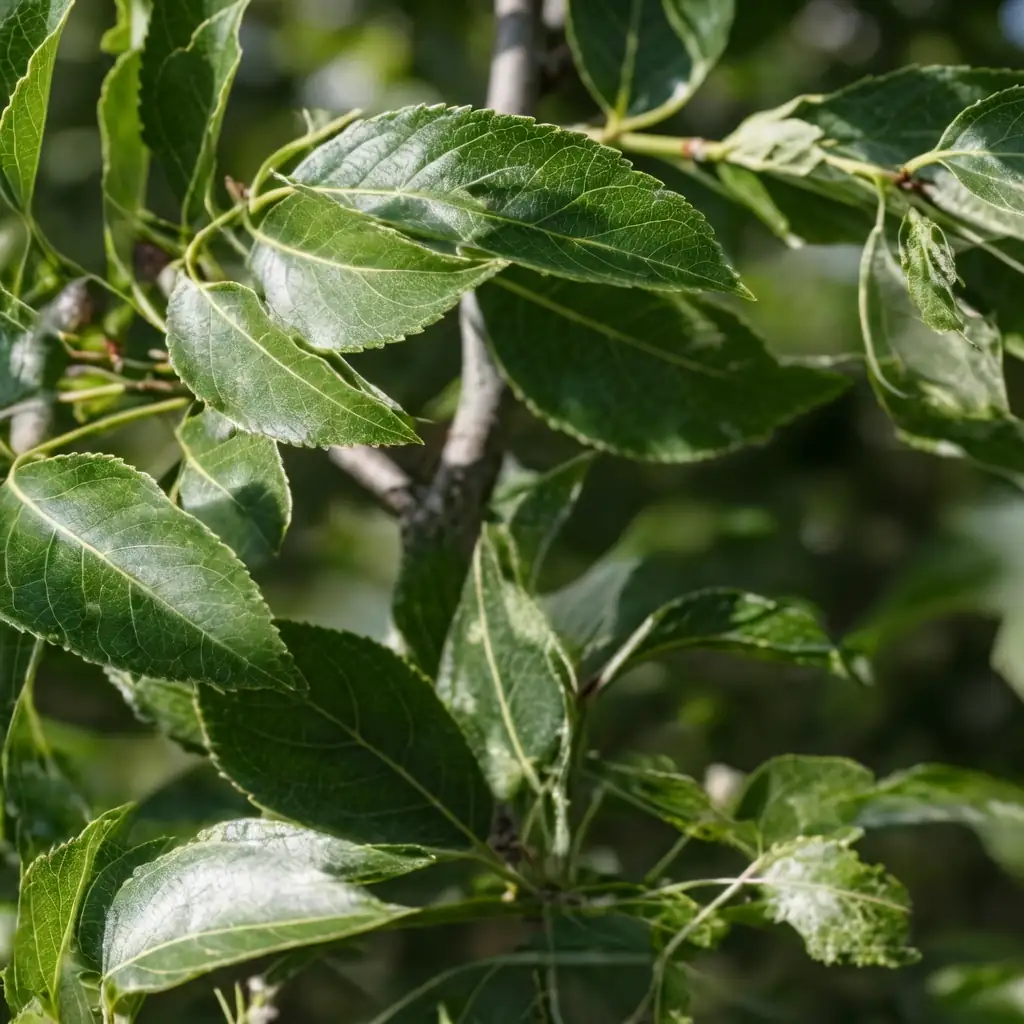
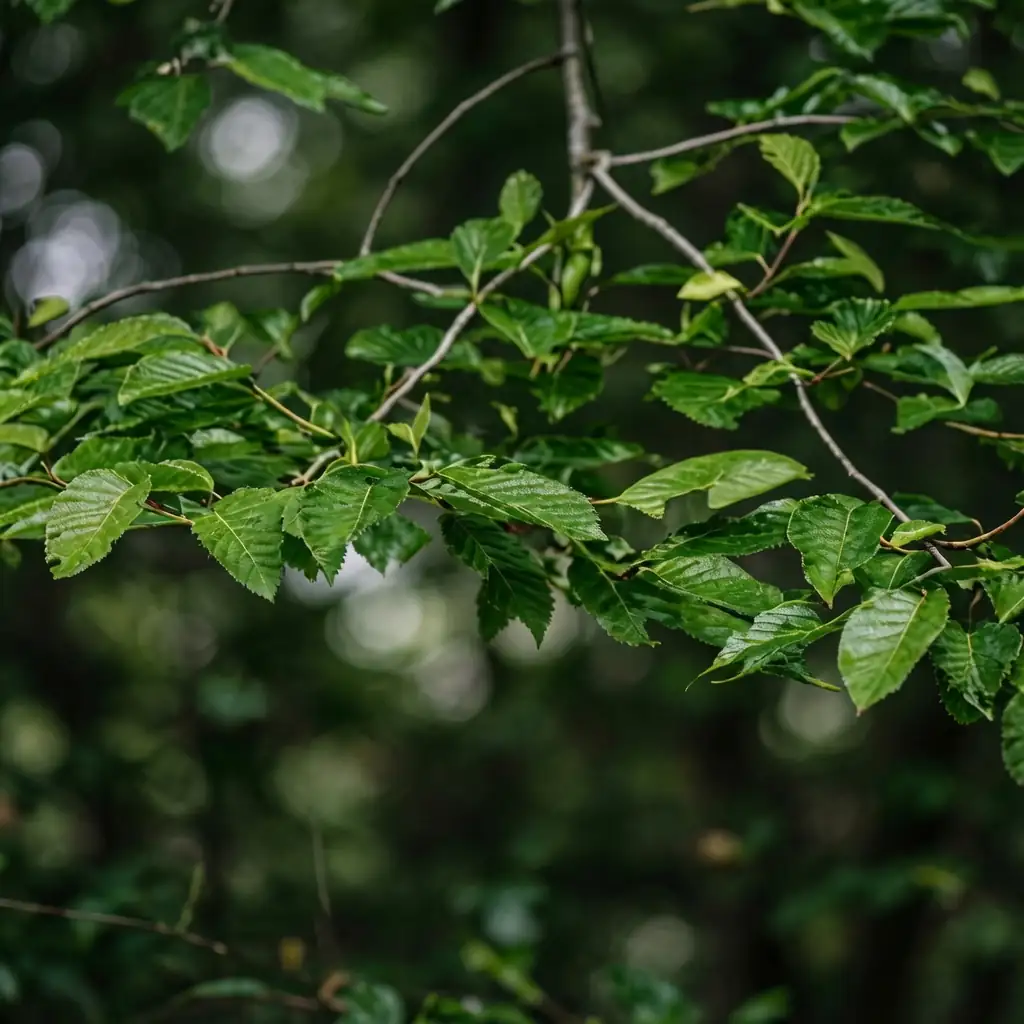
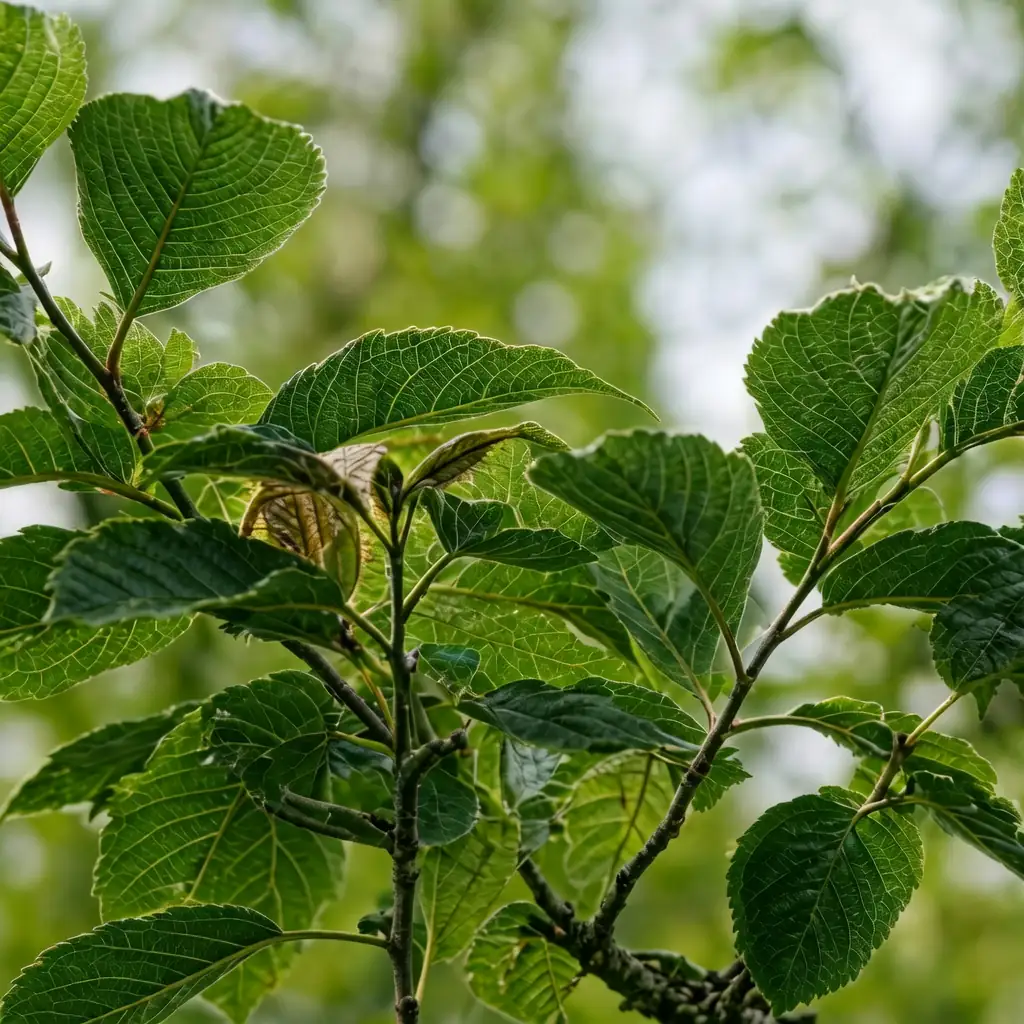
- Foliage: Leaves are simple and alternate, oval to long-ovate, with entire to slightly wavy margins. Veins are pinnate with gently arching lateral veins that give the leaf a softly structured look.
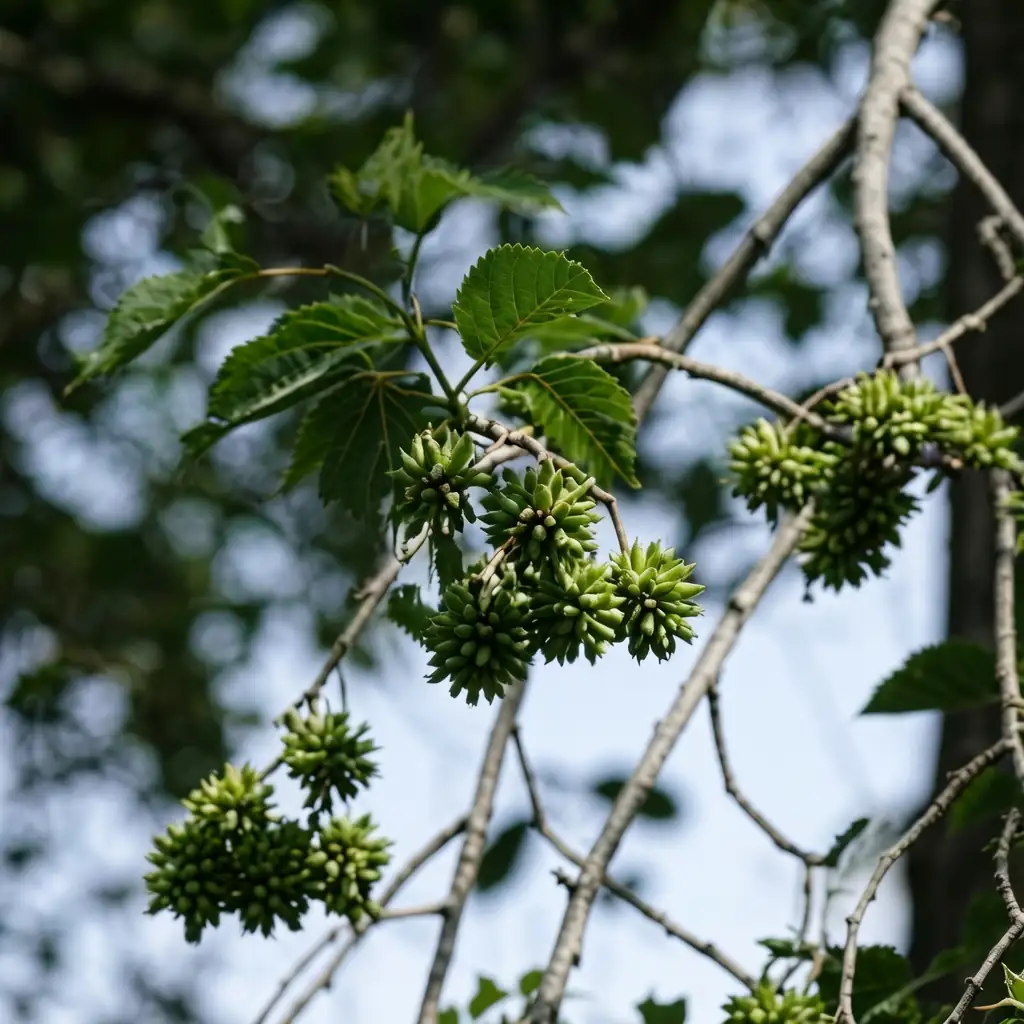
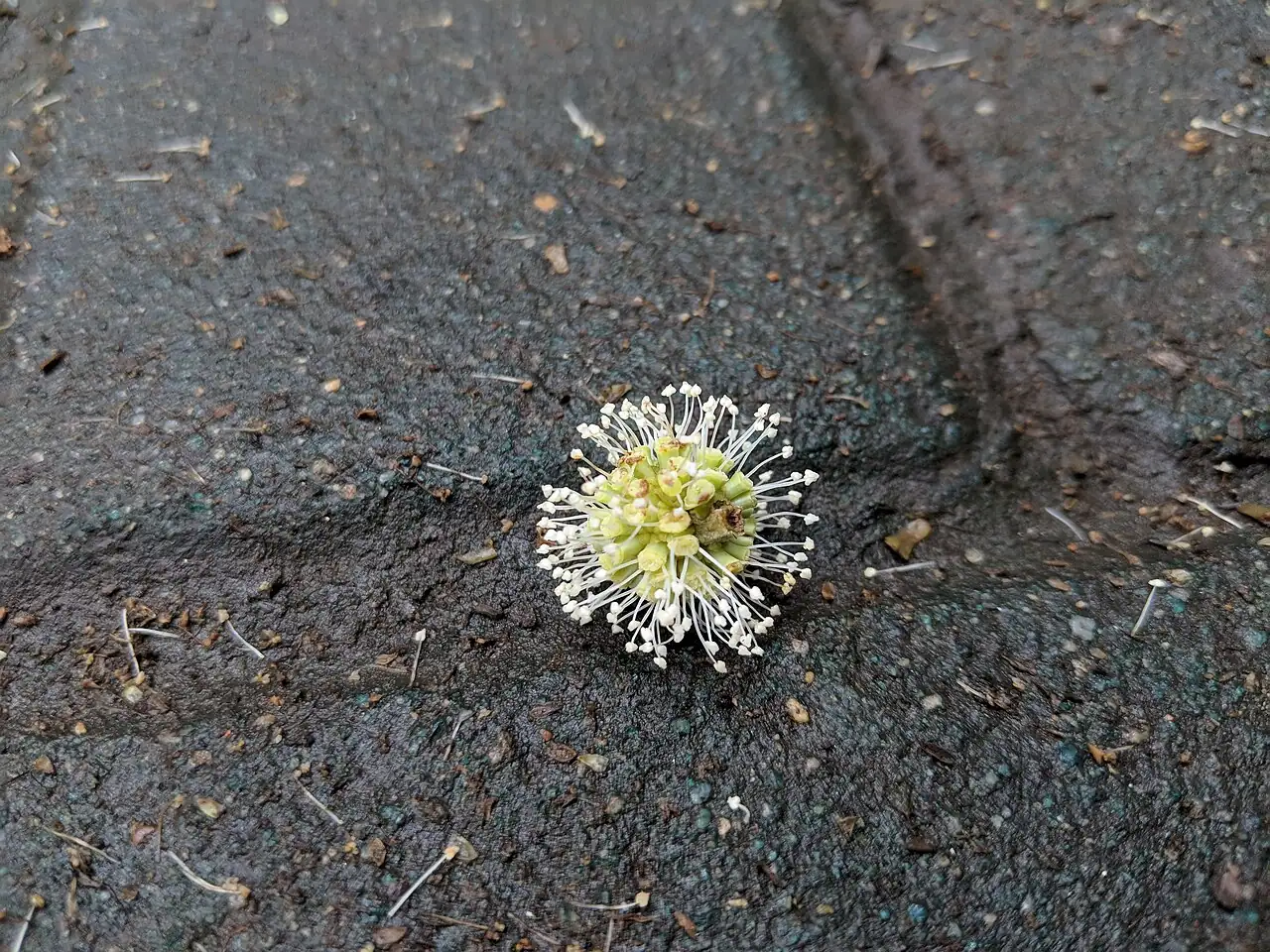
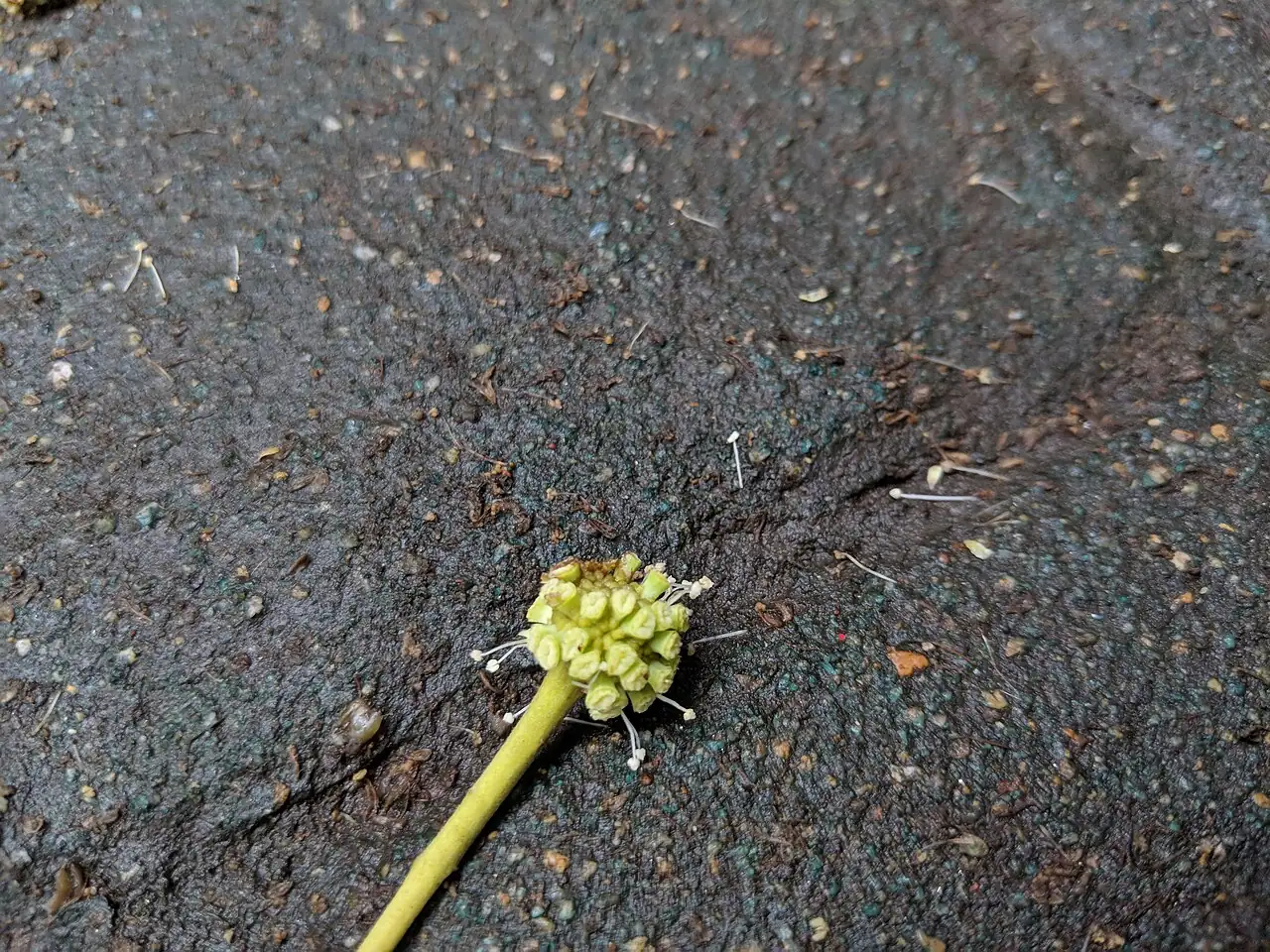
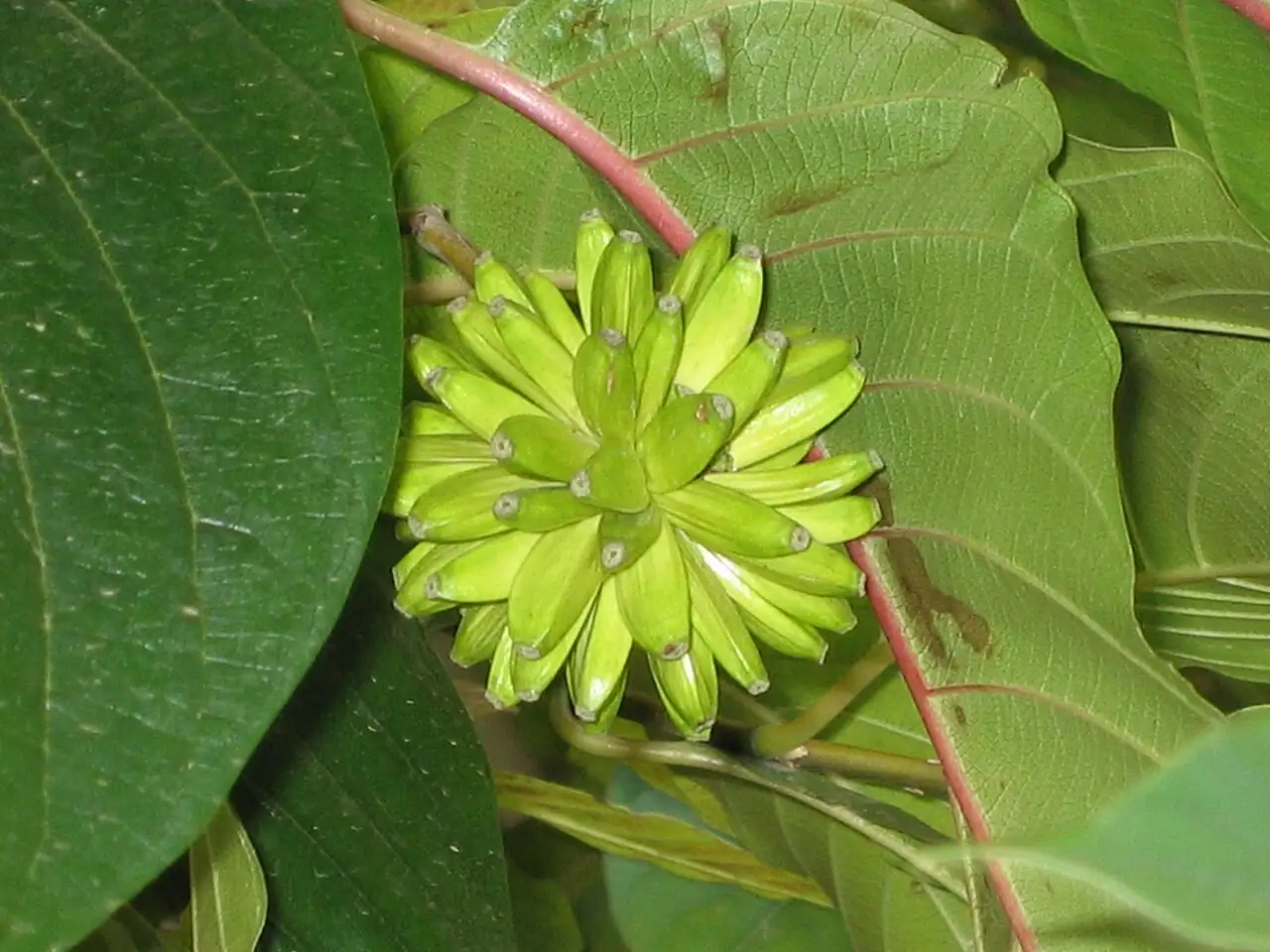
- Flower: Flowers are unisexual but borne on the same plant (monoecious), arranged in long-stalked, head-like clusters. They are usually pale green with about 5 petals. Fruits are oblong, winged nutlets about 2–2.5 cm (0.8–1.0 in) long, grouped together into spherical, ball-like clusters.
- Flowering Season: May–July
- Growth Habit: Upright, fast-growing deciduous tree with vigorous juvenile growth and strong resprouting.
Environment
Sunlight
Full sun to light shade; develops the best growth rate and canopy shape in full sun.
Temperature
Prefers warm, humid conditions. Cold sensitive—young plants in particular should be protected from hard freezes; generally performs best where winter temperatures stay above about 0°C (32°F).
Humidity
Moderate to high humidity preferred; well-suited to moist, humid climates.
Soil
Adaptable to acidic, neutral, or mildly alkaline soils. Best performance in deep, fertile, well-drained soil with steady moisture (moist but not waterlogged).
Placement
Outdoors only, as a landscape, park, or street tree. Give it space for a large canopy; it’s especially fitting for roadsides, parks, and areas near streams or woodland edges.
Hardiness
Approx. USDA Zone 8–10; not reliably frost-hardy in colder regions.
Care Guide
Difficulty
Moderate (as an outdoor tree). Establishment care matters, but once settled it is generally robust in suitable climates. Growth is typically very fast for the first ~10 years, then slows as the tree matures.
Buying Guide
Pick a healthy young tree with a straight central leader, intact bark, and no dieback. Avoid severely pot-bound plants; check that the root system looks well-developed and that the plant shows no stress signals like leaf scorch or premature leaf drop.
Watering
Water regularly during establishment (about the first 1–2 years). Aim for evenly moist soil without waterlogging. After establishment, reduce frequency, but don’t let it sit in prolonged drought—consistent moisture supports better growth and leaf quality.
Fertilization
If growth seems weak, feed in spring with a balanced, slow-release fertilizer. Avoid heavy nitrogen, which can push overly soft, tender growth.
Pruning
Prune in late winter to early spring. Train a strong central leader, and remove crossing, damaged, or weak branches. If grown as a street tree, prune to provide safe clearance over walkways and roads.
Propagation
Mainly propagated by seed. It also responds strongly to coppicing/sprouting and can be increased from vigorous shoots where appropriate.
Repotting
Not applicable once planted in the ground. For container-grown nursery stock, up-pot in early spring only when necessary and plant out before it becomes root-bound.
📅 Seasonal Care Calendar
Spring: plant and lightly feed if needed. Summer: watch moisture levels and heat stress, especially for new plantings. Autumn: reduce watering as temperatures cool. Winter: protect young trees from frost; avoid heavy pruning during severe cold.
Pests, Diseases & Safety
Common Pests & Diseases
Generally hardy when grown in the right climate. Potential issues include aphids, scale insects, and leaf spots. Improve airflow, avoid frequent overhead watering, and use horticultural oil or appropriate controls if infestations become significant.
Toxicity
Household pet toxicity is not well documented, but the plant contains bioactive compounds. As a precaution, discourage ingestion and keep plant parts away from children and pets.
Culture & Symbolism
Symbolism: Often linked with vitality and resilience—partly thanks to its vigorous early growth and strong ability to resprout after pruning or damage.
History & Legends: A tree endemic to China that drew international attention due to scientific interest in its natural compounds. In horticulture, it’s also appreciated as a handsome, shade-giving street and park tree in warm, humid regions.
Uses: Primarily grown as an ornamental and urban-greening tree: used for streets, parks, and large landscapes where a tall trunk and broad canopy are desirable.
FAQ
Why does my Happy Tree grow very quickly when young but slow down later?
That’s typical for this species: it often races through a strong juvenile phase for roughly its first decade, then shifts into slower, sturdier growth as the trunk thickens and the canopy structure develops.
Can Happy Tree tolerate shade?
It handles light shade, but full sun usually gives the strongest growth and the most balanced canopy form.
Fun Facts
- It’s a deciduous tree with simple, alternate leaves that are oval to long-ovate.
- It blooms from May to July with pale green, unisexual flowers (male and female flowers occur on the same tree).
- Its fruits are winged nutlets about 2–2.5 cm (0.8–1.0 in) long that gather into ball-like clusters.
- It resprouts strongly and often grows fastest in its first ~10 years before slowing down with age.
- In the wild it’s most common south of the Yangtze River, often along woodland edges and streambanks.