Plant Features
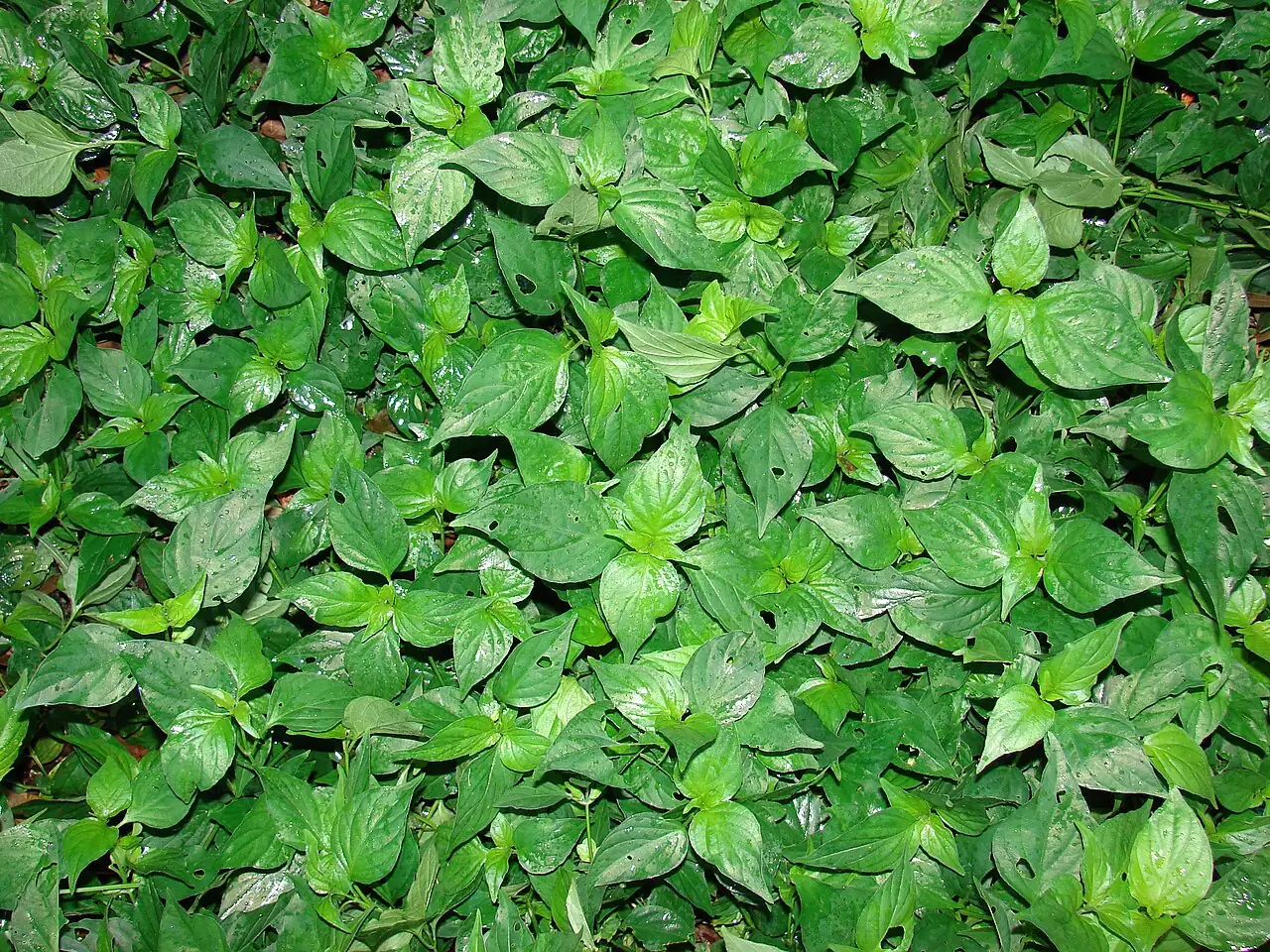
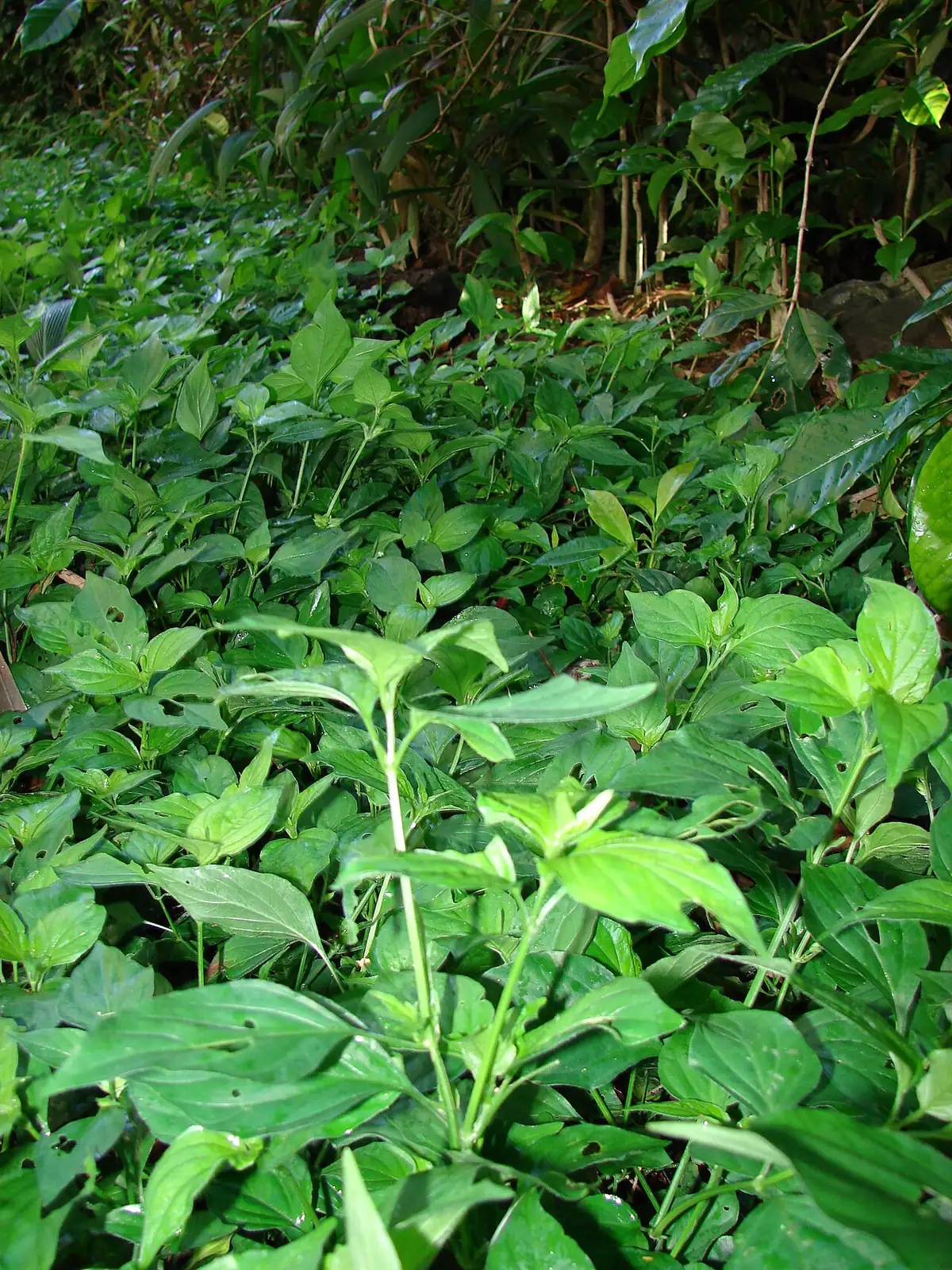
- Size: Typically 30–80 cm (12–31 in) tall; usually forms a clumping, leaning-to-ascending patch rather than a single upright stalk.
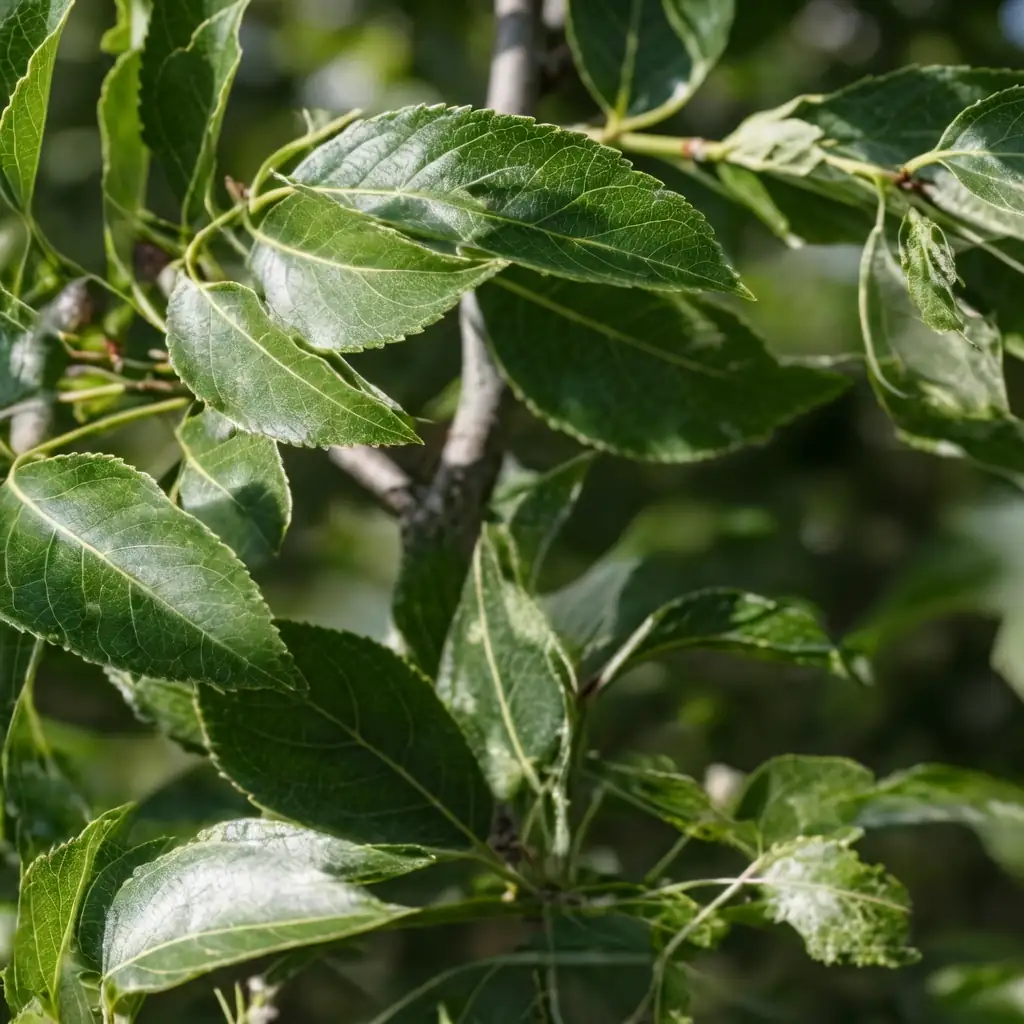
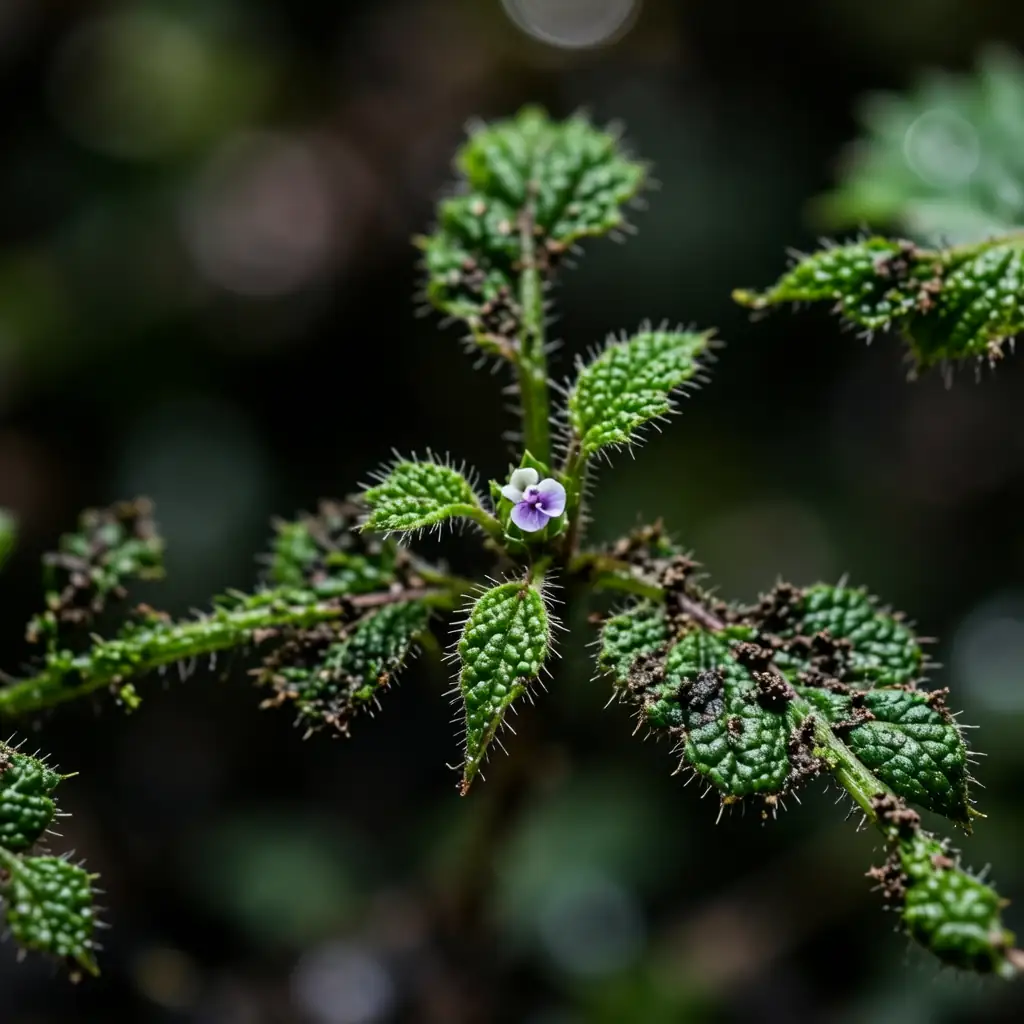
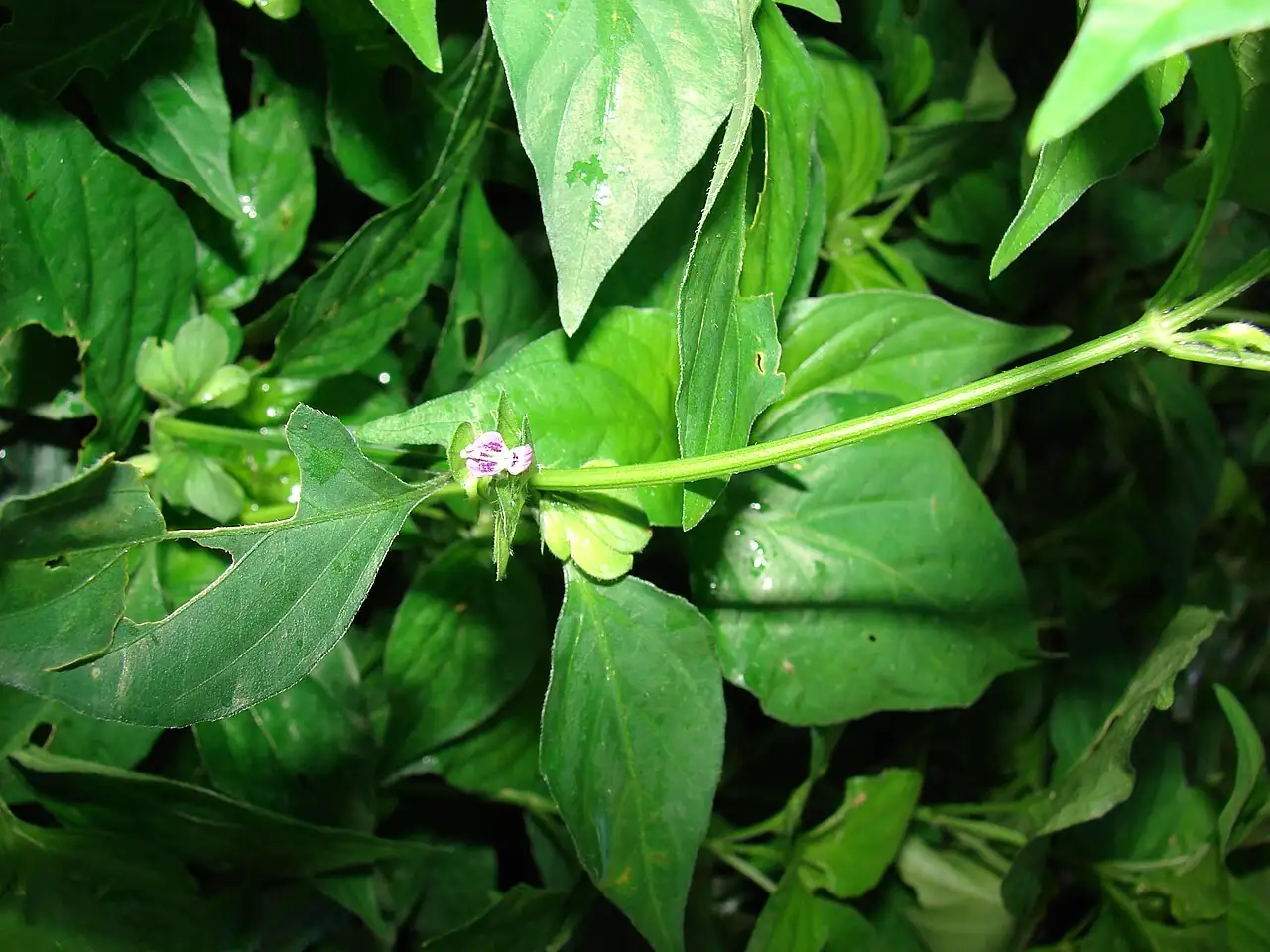
- Foliage: Leaves are ovate to elliptic with a papery feel, deep green, and generally almost hairless; sometimes there are a few soft hairs along the veins on the underside. The young shoots and leaves are the preferred edible parts and can also be used as fodder.
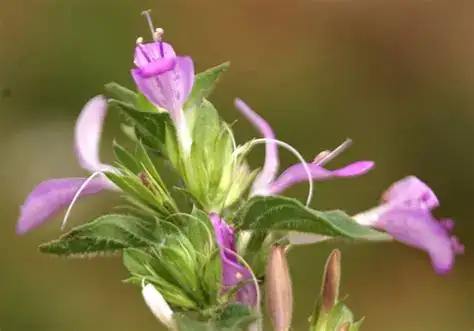
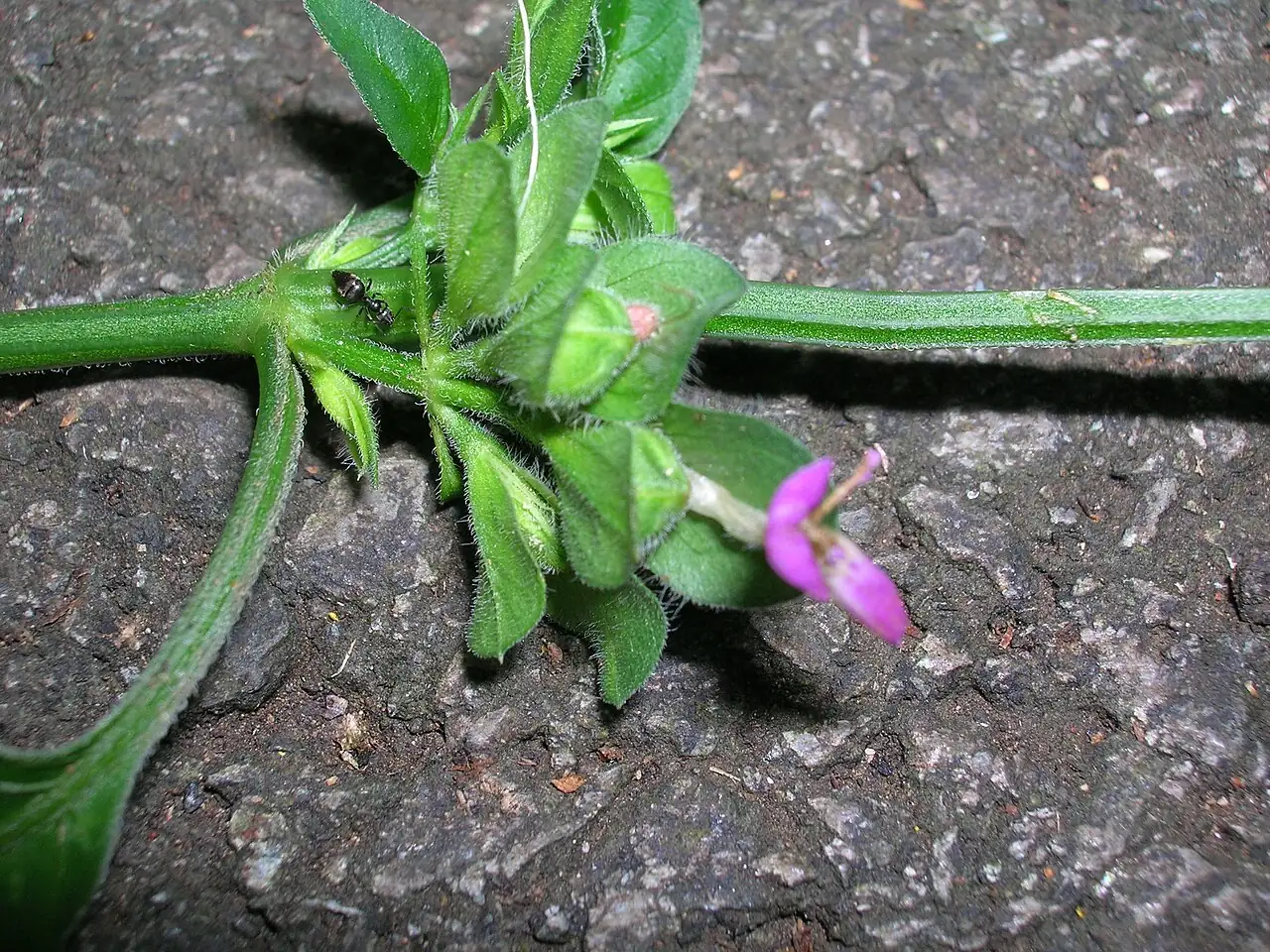
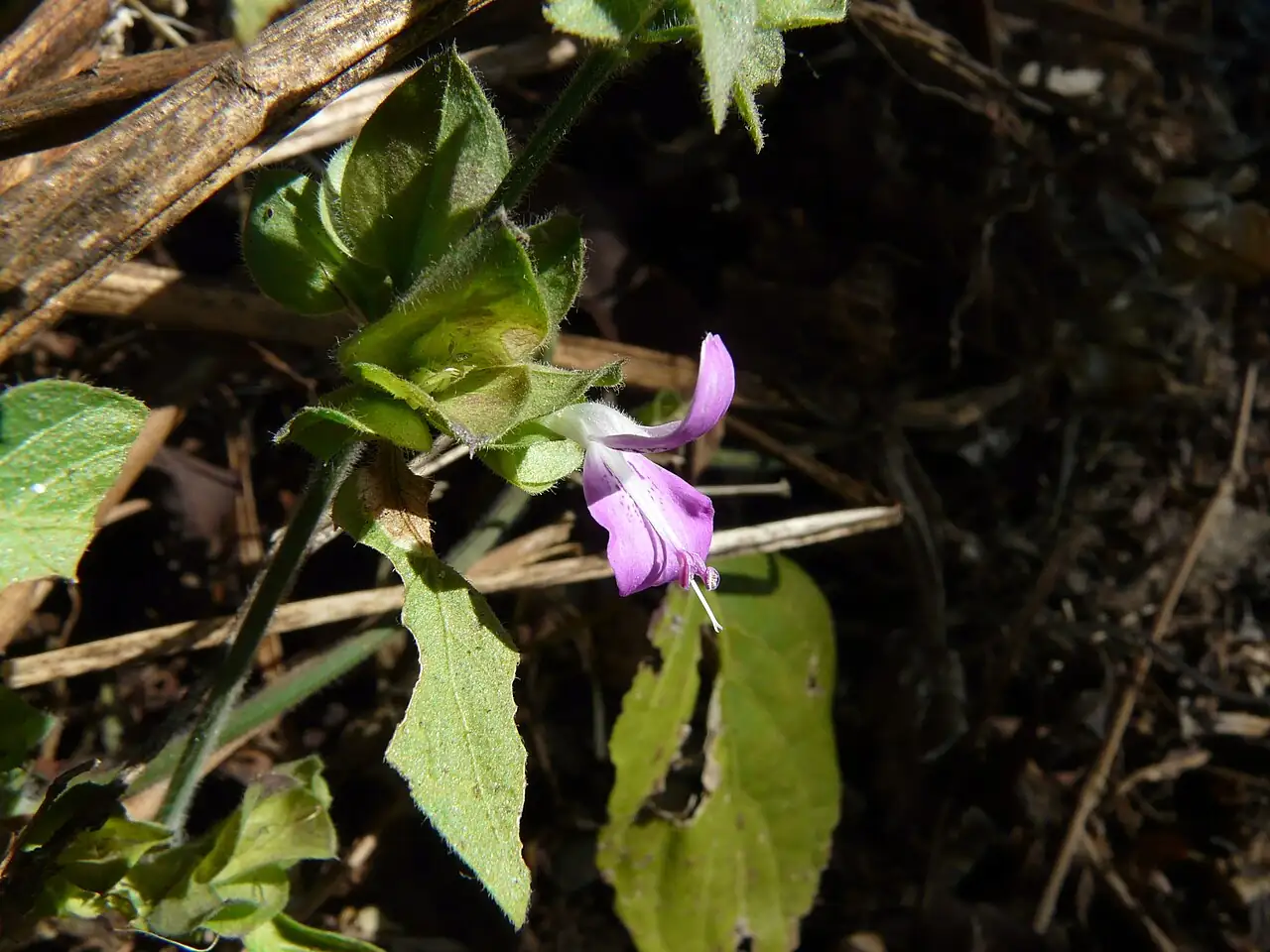
- Flower: Flower clusters appear in the leaf axils or at stem tips, arranged as small cymes. After flowering, it produces a small capsule fruit about 6 mm (0.24 in) long, softly hairy, usually containing 4 seeds.
- Flowering Season: October–November (autumn).
- Growth Habit: Herbaceous, clump-forming plant with stems that often lean, sprawl slightly, or ascend.
Environment
Sunlight
Shade-tolerant; happiest in partial shade or bright, filtered light (similar to the dappled light under shrubs or along a north-facing wall).
Temperature
Prefers mild to warm conditions; considered fairly cold-tolerant for an herb, but protect from hard frost. If temperatures approach 0°C (32°F) or below, provide protection in colder regions.
Humidity
Likes humid air and consistently damp surroundings; naturally favors moist microhabitats.
Soil
Does best in fertile, consistently moist but well-drained soil; adaptable enough to tolerate poorer soils if moisture is adequate.
Placement
Outdoors: shaded, moisture-retentive spots (under shrubs, along damp paths, near walls, beside ditches). Indoors: a bright, indirect-light windowsill with evenly moist soil.
Hardiness
Best suited to warm-temperate/subtropical climates; not reliably frost-hardy in cold-winter regions. Protect from freezing temperatures (around 0°C / 32°F and below).
Care Guide
Difficulty
Easy. A resilient plant that tolerates shade well and copes with a range of soil fertility; it also handles moisture well as long as the roots aren’t left in stagnant water for long periods.
Buying Guide
Pick plants with firm, green stems and clean, unblemished leaves. Avoid plants sitting in sour-smelling, waterlogged soil, or those with lots of yellowing lower leaves caused by prolonged stagnation.
Watering
Aim for evenly moist soil, especially during active growth. Water when the top 2–3 cm (0.8–1.2 in) begins to dry. Don’t let pots stand in water for long periods—constant stagnation can stress roots and invite rot.
Fertilization
Moderate feeder. During the growing season, use a balanced fertilizer at half strength every 2–4 weeks, or top-dress with compost. If it’s in rich garden soil, extra feeding is often unnecessary.
Pruning
Pinch or snip back the tips to encourage bushier growth and more tender shoots (great if you’re harvesting). Remove weak, crowded, or damaged stems to improve airflow.
Propagation
Primarily by seed: harvest capsules when mature and sow on moist seed-starting mix, covering only very lightly. Keep warm and evenly moist until germination. It may also root from stem cuttings in practice, but seed is the best-documented method here.
Repotting
Repot in spring when roots fill the container. Go up one pot size and refresh with a fertile, well-draining mix.
📅 Seasonal Care Calendar
Autumn (Oct–Nov): main flowering season. Late winter to early spring (Feb–Mar): capsules mature and seeds can be collected. Growing season: keep evenly moist and pinch tips for bushiness; in colder areas, protect from frost.
Pests, Diseases & Safety
Common Pests & Diseases
Usually problem-free. In overly humid, still air or waterlogged soil, watch for leaf spot and rot—improve airflow and avoid stagnation. Indoors, occasional aphids or spider mites can appear; rinse foliage and use insecticidal soap if needed.
Toxicity
Widely used as an edible leafy green in parts of southern China. As with any foraged plant, correct identification is essential, and harvest only from clean, pesticide-free areas. Specific pet-toxicity documentation is limited.
Culture & Symbolism
Symbolism: No widely documented symbolism in common horticultural references; it’s valued more for practicality than for formal “flower language.”
History & Legends: Not strongly tied to famous legends; its cultural role is mainly as a familiar, locally foraged vegetable in southern China.
Uses: Edible: tender tips and young leaves cooked as greens (stir-fried, boiled, soups, or chilled/cold dishes). Practical: foliage can be used as animal feed. Ornamental/ecological: a hardy, shade-tolerant wildflower suitable for naturalistic damp-shade gardens.
FAQ
Can Chinese foldwing grow in shade?
Yes—shade is one of its strengths. It often performs best in partial shade with consistently moist soil.
When does it flower and set seed?
It typically flowers in October–November (autumn), and its seed capsules mature around February–March (late winter to early spring).
How tall does it get?
Most plants grow about 30–80 cm (12–31 in) tall, depending on moisture, soil fertility, and light.
Fun Facts
- In parts of southern China, the young tips and leaves are foraged as a flavorful leafy vegetable.
- Its fruit is a softly hairy capsule about 6 mm (0.24 in) long, usually holding 4 seeds.
- It naturally favors shady, damp places like village edges, roadsides, and ditch banks.
- It’s prized for being adaptable—handling shade, moisture, and even relatively poor soils better than many tender greens.