Plant Features
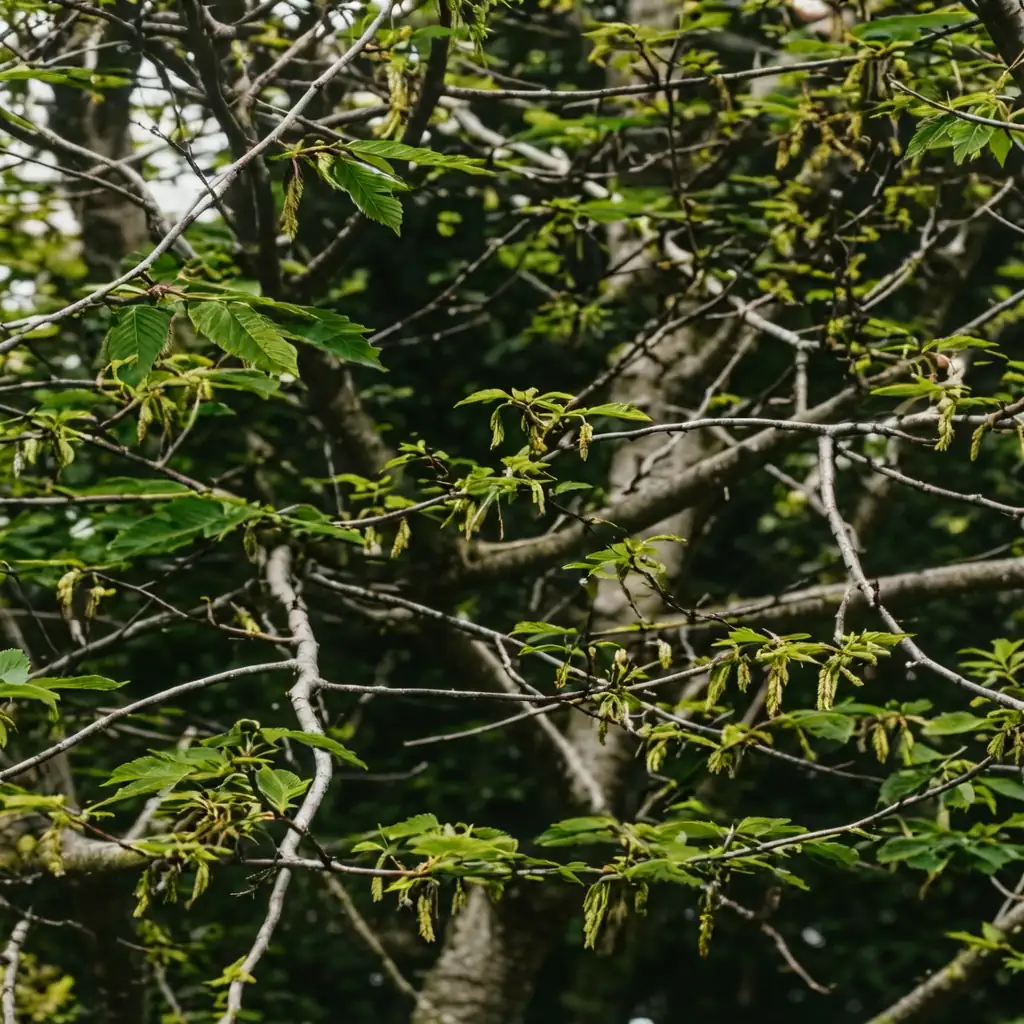
- Size:10–20 m (33–66 ft) tall; typically matures into a broad-crowned small to medium tree.
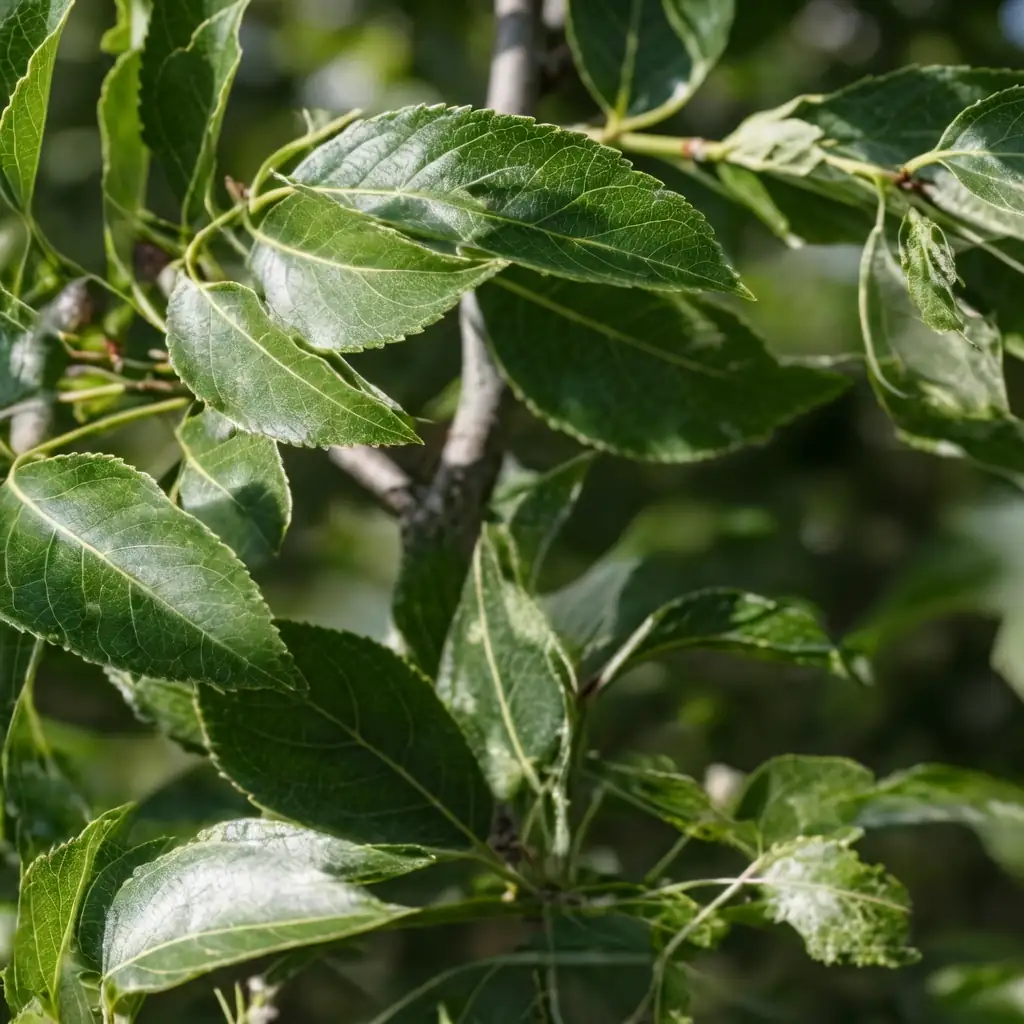
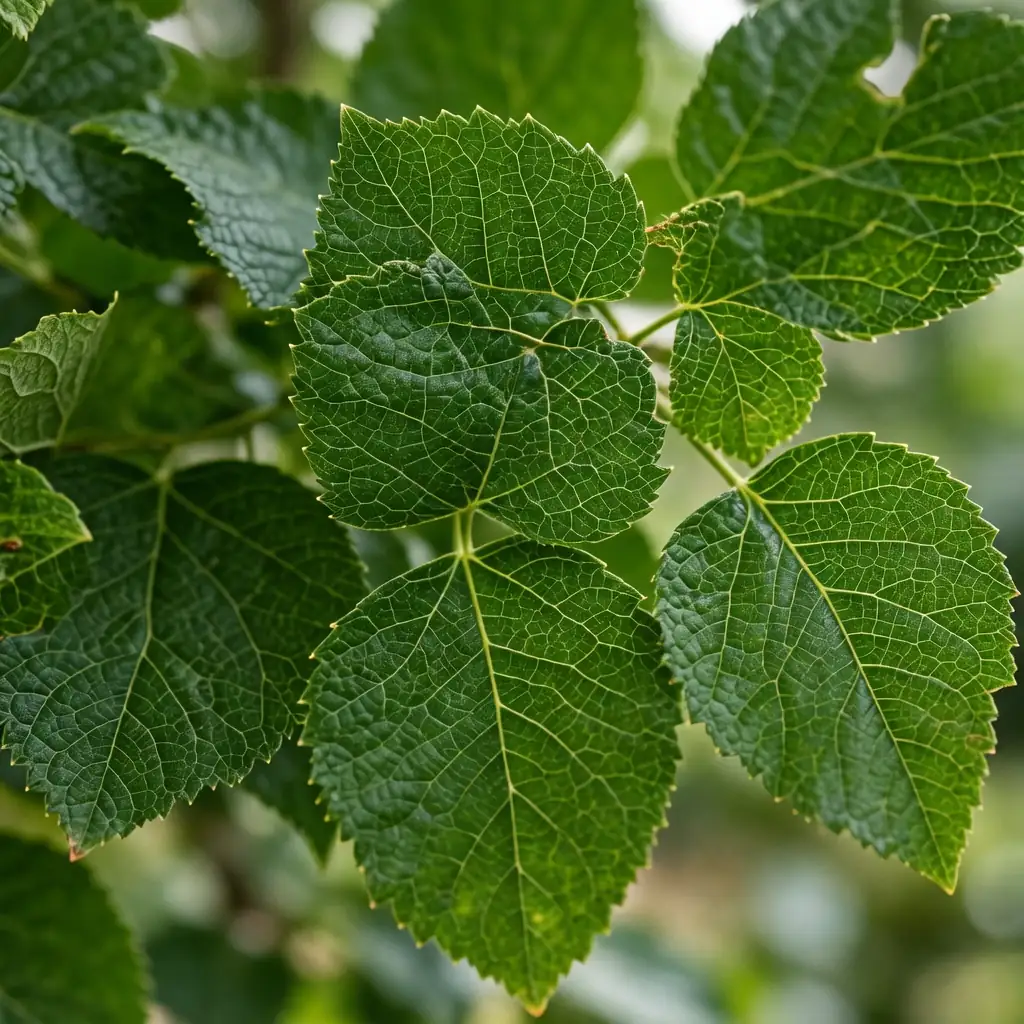
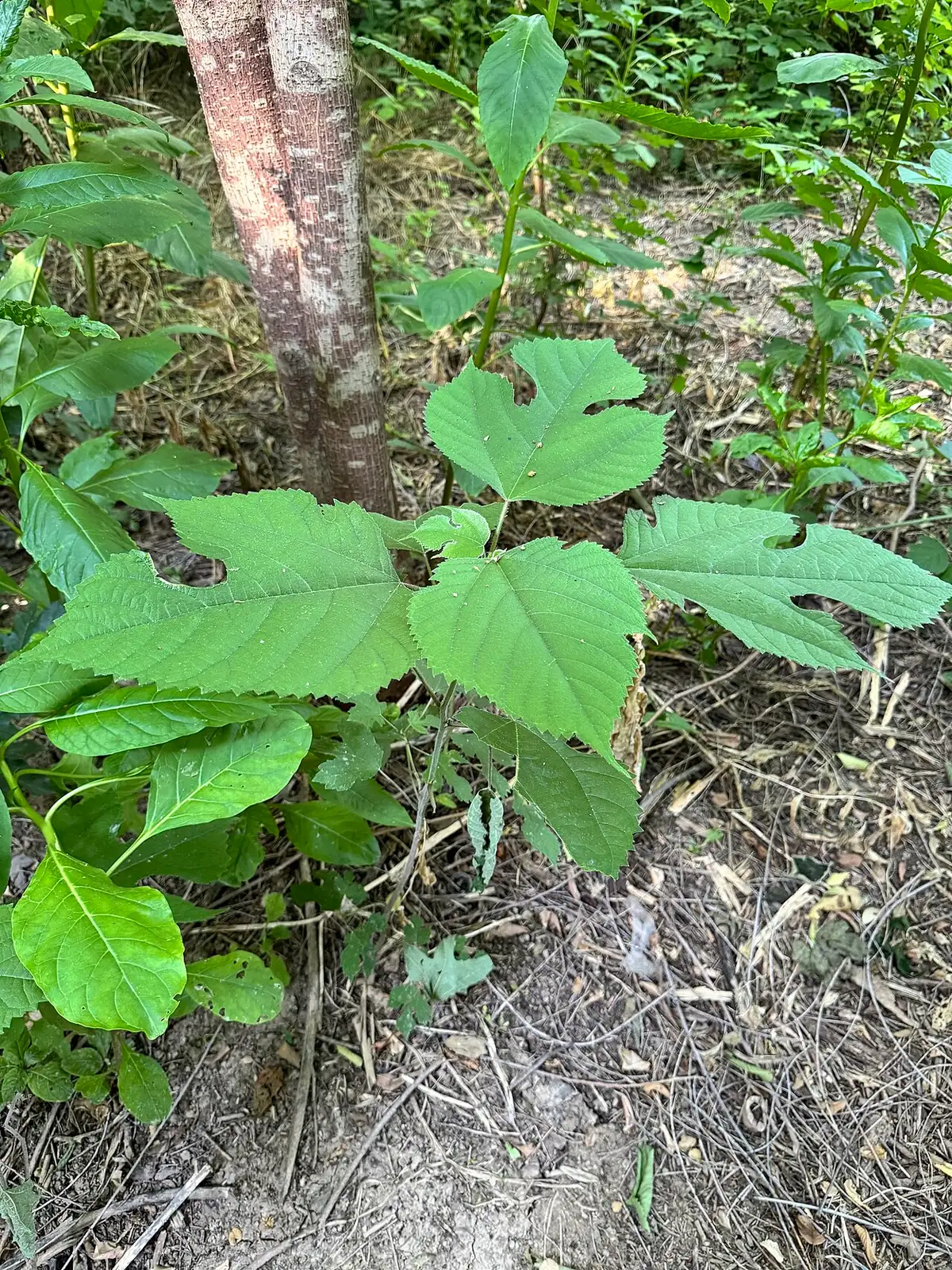
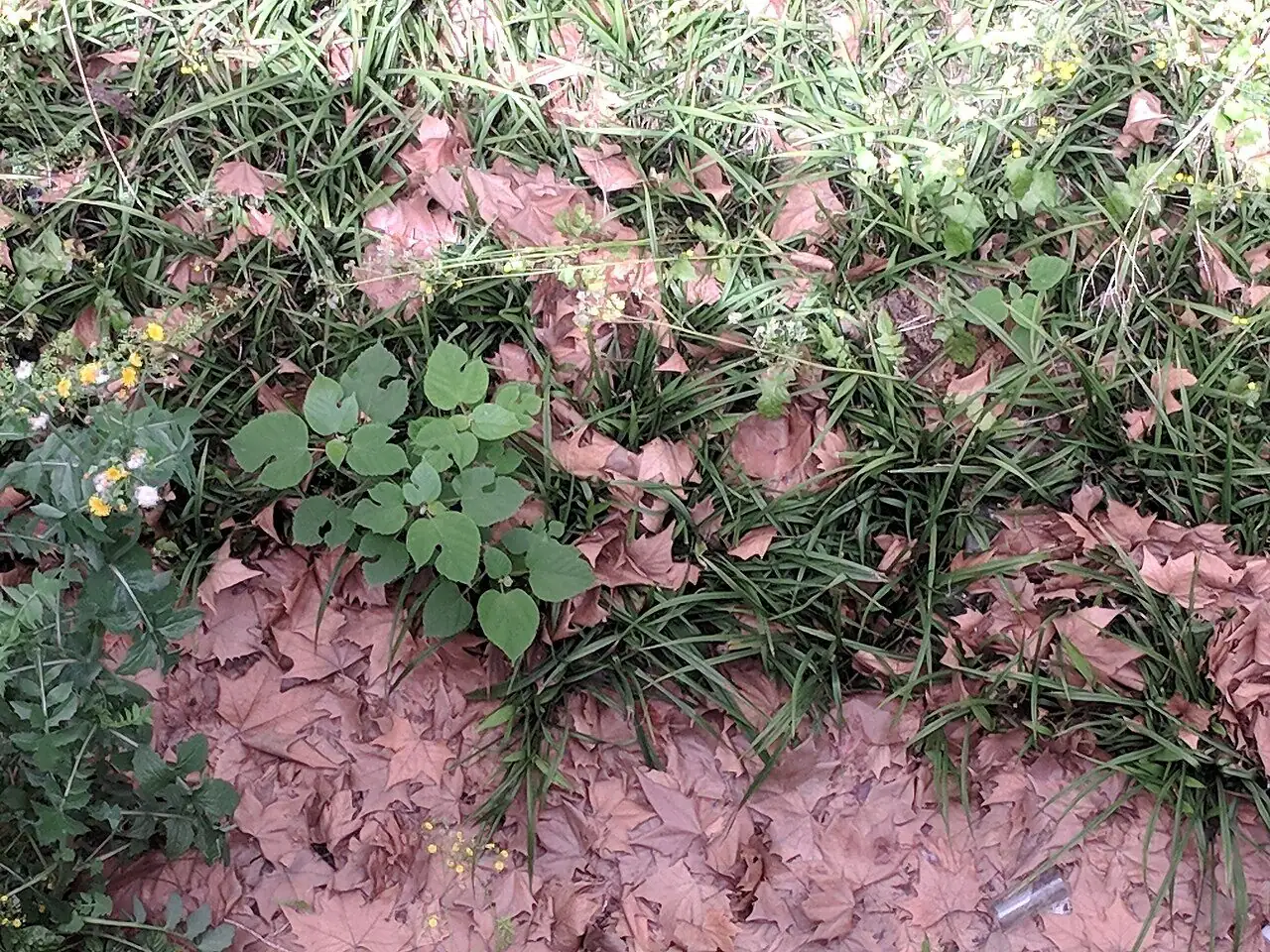
- Foliage: Leaves ovate to broadly ovate with coarse serrations; highly variable—sometimes unlobed, sometimes irregularly 2–5 lobed. Both leaf surfaces are noticeably soft-hairy, especially on younger growth.
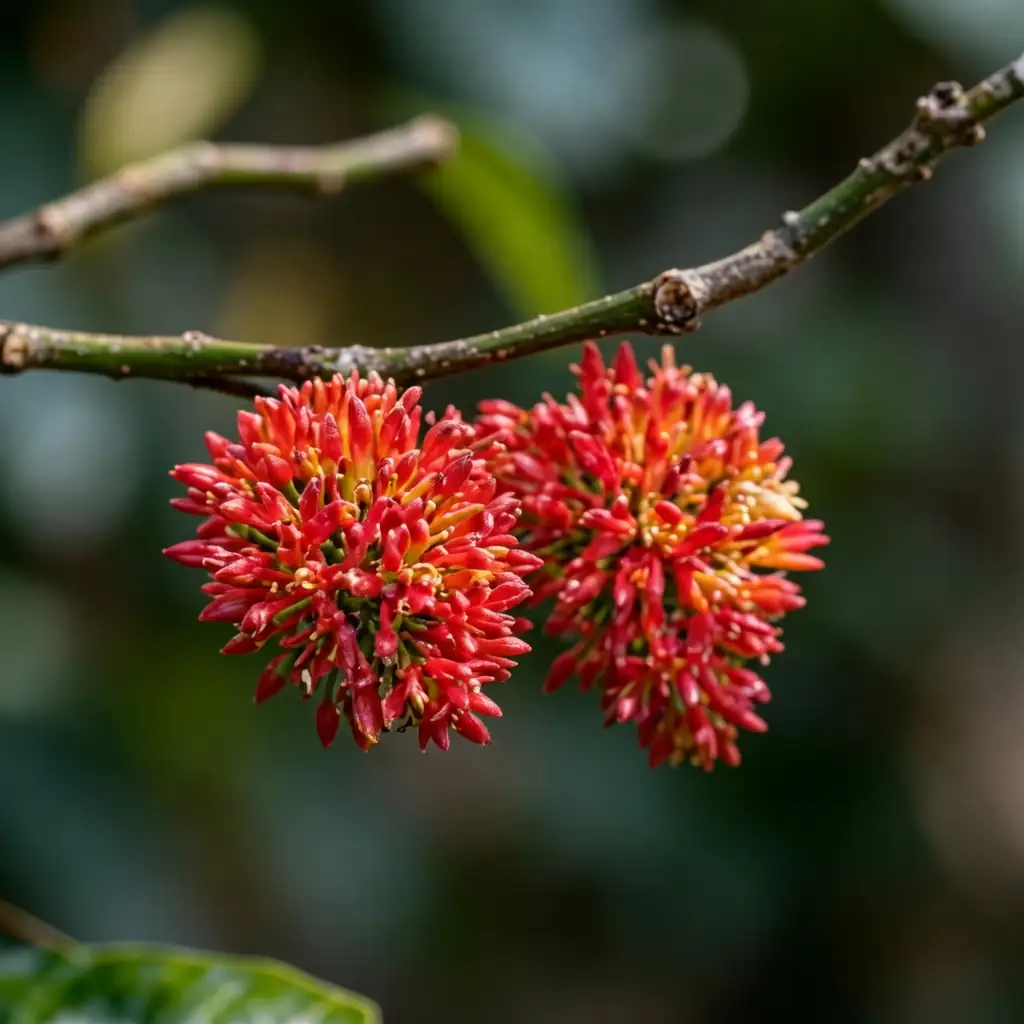
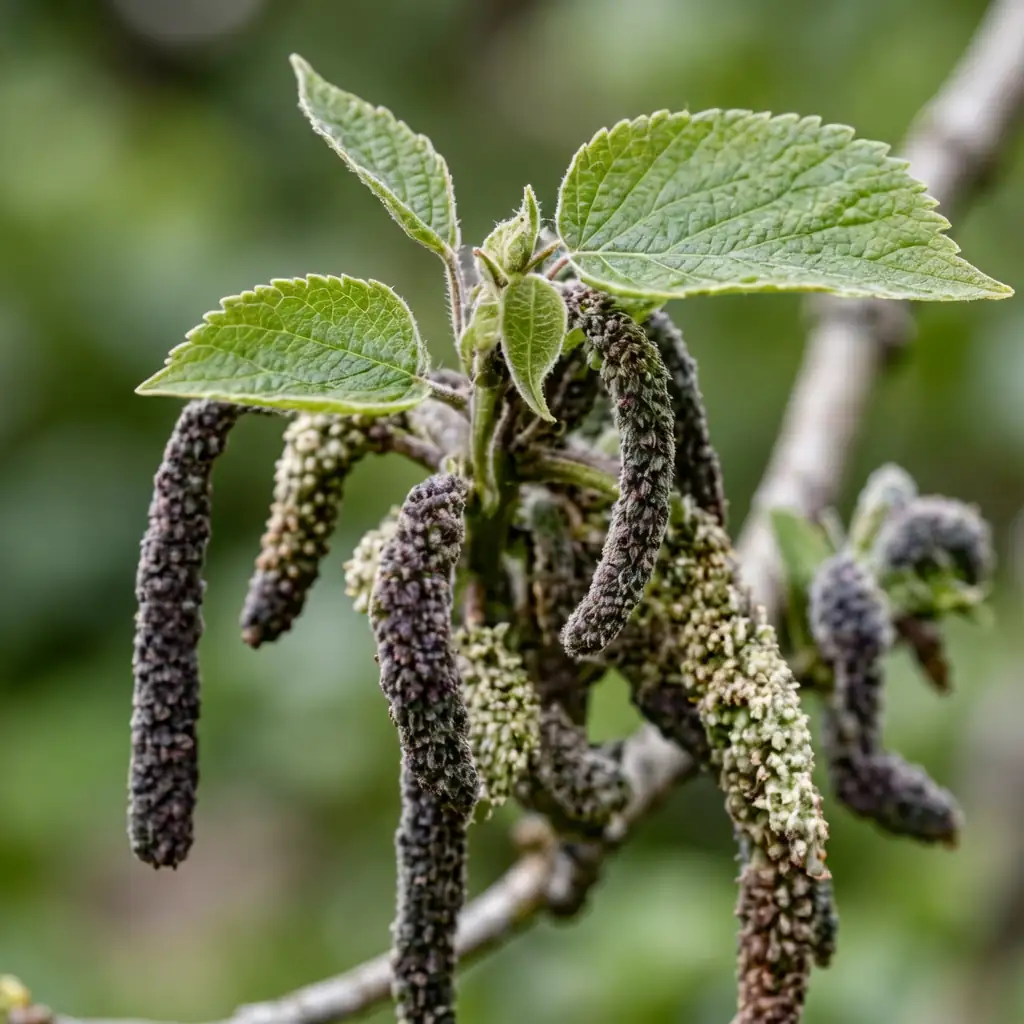
- Flower: Flowers are small and inconspicuous. On female plants, flowering is followed by spherical orange to orange-red multiple fruits (a clustered fruiting head) that can be showy and wildlife-friendly.
- Flowering Season: April–May (spring)
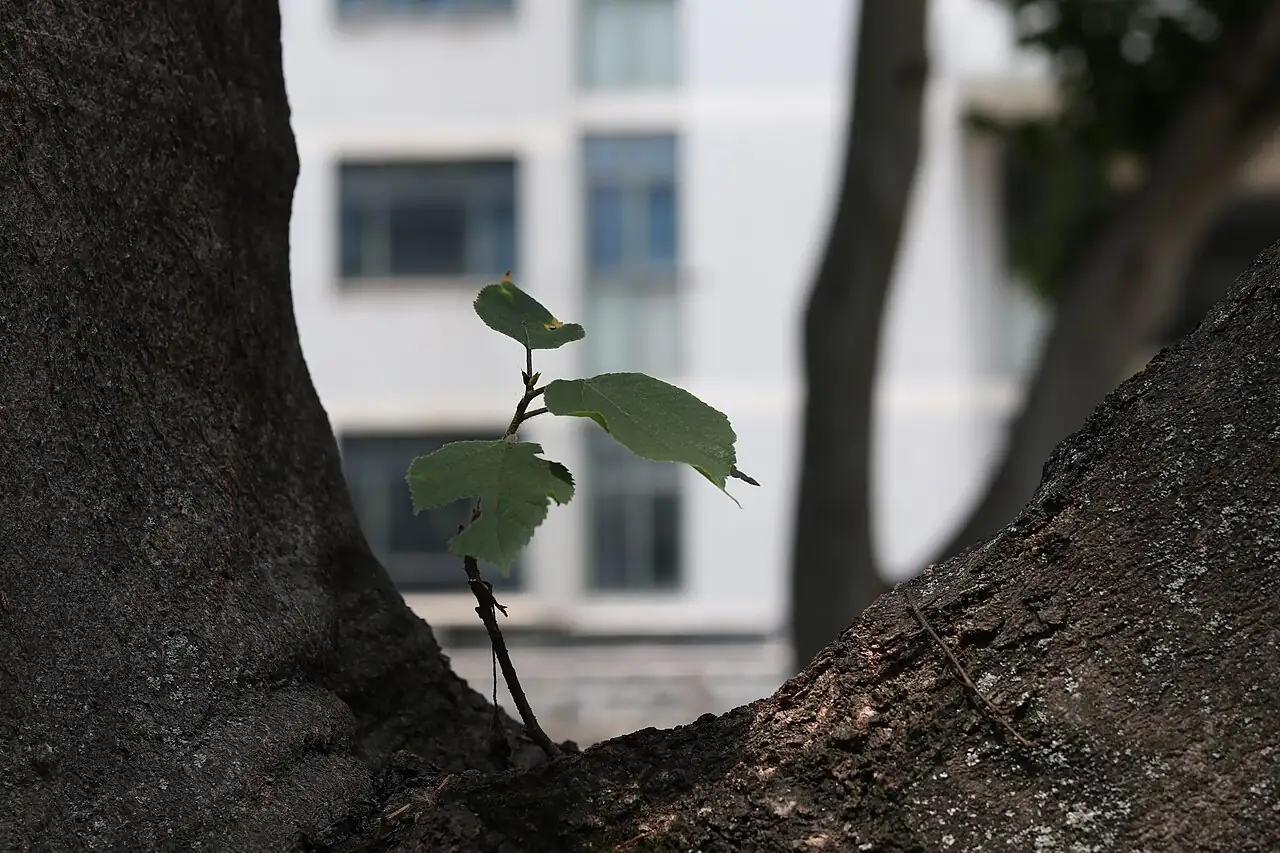
- Growth Habit: Rapid-growing, sun-loving, and very adaptable. Tolerates poor soils, drought, and many urban/industrial conditions. Also copes with moist ground (though not constant waterlogging). Shallow-rooted with strong lateral roots; resprouts vigorously after cutting (strong coppicing) and can produce suckers.
Environment
Sunlight
Full sun for best growth; tolerates light shade but becomes less vigorous.
Temperature
Prefers warm-temperate to subtropical climates; generally hardy to about -15 to -10°C (5 to 14°F) once established. Young plants are more sensitive to hard frosts.
Humidity
Flexible—handles humid conditions and occasional wet periods once established.
Soil
Very tolerant: grows in poor, dry soils and also manages in moist sites. Best in well-drained loam. Avoid permanently waterlogged soils.
Placement
Best for open, sunny spaces—field edges, shelterbelts, large gardens, and parks. In high-traffic streets, male trees are often preferred to reduce fruit litter; female trees suit quieter parks or wildlife-friendly plantings where birds can enjoy the fruit.
Hardiness
USDA Zone 6–10 (approx.).
Care Guide
Difficulty
Easy—one of those ‘survivor’ trees. It tolerates drought, low fertility, and pollution, but its vigorous suckering/coppicing can make it difficult to contain where you don’t want it spreading.
Buying Guide
Pick healthy, well-rooted young trees with no dieback and good seasonal growth. If you want to avoid fruit drop, confirm the plant’s sex (male trees don’t produce the orange-red fruits). Avoid pot-bound plants and check for overall vigor.
Watering
First year: water deeply during dry spells to help roots establish. After that it’s drought-tolerant, though it grows faster with occasional deep watering. It tolerates moist soils, but don’t keep container-grown plants constantly saturated.
Fertilization
Usually unnecessary in the ground. On very poor soils, a balanced slow-release fertilizer in spring can boost growth; avoid overdoing nitrogen, which can make growth overly soft and floppy.
Pruning
Prune in late winter to early spring for shape and size control. It coppices strongly—hard cutting triggers vigorous new shoots. Remove suckers if you want to maintain a cleaner, single-trunk tree form.
Propagation
Very easy from root suckers and coppice shoots; also from hardwood or semi-ripe cuttings. Seed propagation is possible but less used when you want consistent traits.
Repotting
Not ideal as a long-term container tree. If grown in a pot while young, repot in early spring into a larger container with a free-draining mix, then plant out when practical.
📅 Seasonal Care Calendar
Spring: plant and establish with regular watering; light feeding if needed. Summer: deep water during prolonged drought; watch for and remove unwanted suckers. Autumn: reduce watering; plan for leaf and (on female trees) fruit drop. Winter: do structural pruning or coppicing if using it for screening/biomass.
Pests, Diseases & Safety
Common Pests & Diseases
Generally resilient. On stressed plants, watch for sap-suckers like aphids and scale; in humid conditions, occasional leaf spots can appear. Good airflow and steady (not extreme) watering help prevent problems.
Toxicity
Not widely considered highly toxic to people or pets, but the milky sap (latex) can irritate skin and eyes in sensitive individuals. Wear gloves and avoid touching your face when pruning.
Culture & Symbolism
Symbolism: Often associated with resilience and renewal because it regrows readily after cutting and thrives in tough sites.
History & Legends: Historically valued in East Asia for making bark fiber products (traditional paper and cloth), which helped give rise to common names like “paper mulberry” and “tapa tree.”
Uses: Used as a shade and shelterbelt tree and for protective plantings, especially in dusty or polluted industrial and mining areas due to its strong tolerance of poor air quality. In urban landscapes, male trees are commonly chosen to avoid fruit litter; female trees are useful in parks and conservation plantings where their fruits support birds.
FAQ
When does paper mulberry flower?
Usually in spring, around April–May.
When does it fruit?
Typically in summer (often June–August), and only on female trees.
How tall does paper mulberry usually grow?
Commonly about 10–20 m (33–66 ft) tall, forming a broad crown as it matures.
Where is paper mulberry found and what habitat does it prefer?
It’s native across much of China and is often found wild or planted near villages on wasteland, field edges, and along ditches. It prefers sunny, open sites but tolerates a wide range of soils.
What are its key growth traits?
Fast growth, full-sun preference, strong drought and pollution tolerance, ability to handle some moisture, shallow spreading roots, and vigorous resprouting after cutting.
What is it used for in landscaping?
Shade, screening, and shelterbelts—especially on difficult sites like dusty roadsides or industrial areas. Use male trees where fruit mess matters; use female trees where wildlife value is a priority.
Fun Facts
- Female trees make bright orange-red clustered fruits that many birds eagerly eat.
- Street plantings often use male trees specifically to avoid fruit litter.
- It’s unusually tolerant of dust and urban/industrial air pollution.
- It coppices and suckers so vigorously that it can rebound quickly even after heavy cutting.