

Plant Features
- Size: Up to about 15 m (49 ft) tall; canopy spread varies with cultivar and site conditions.
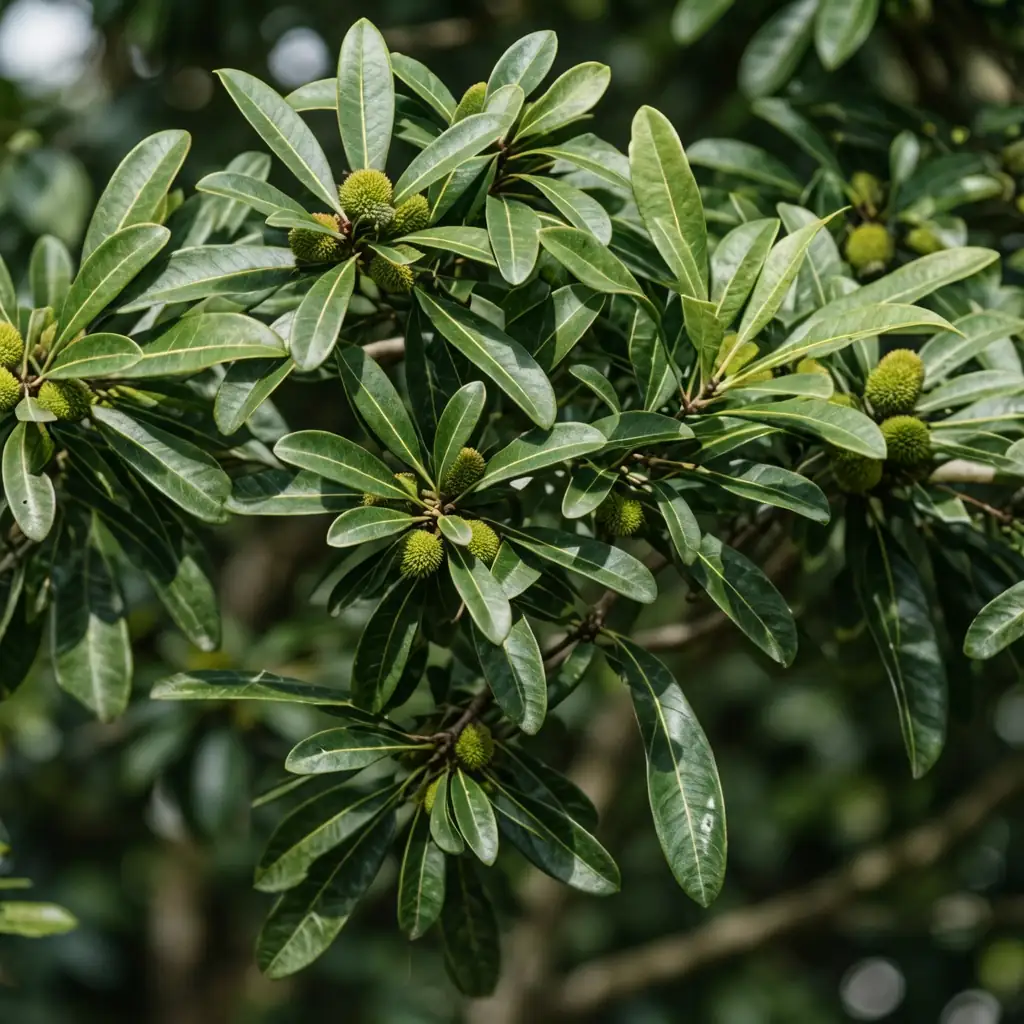
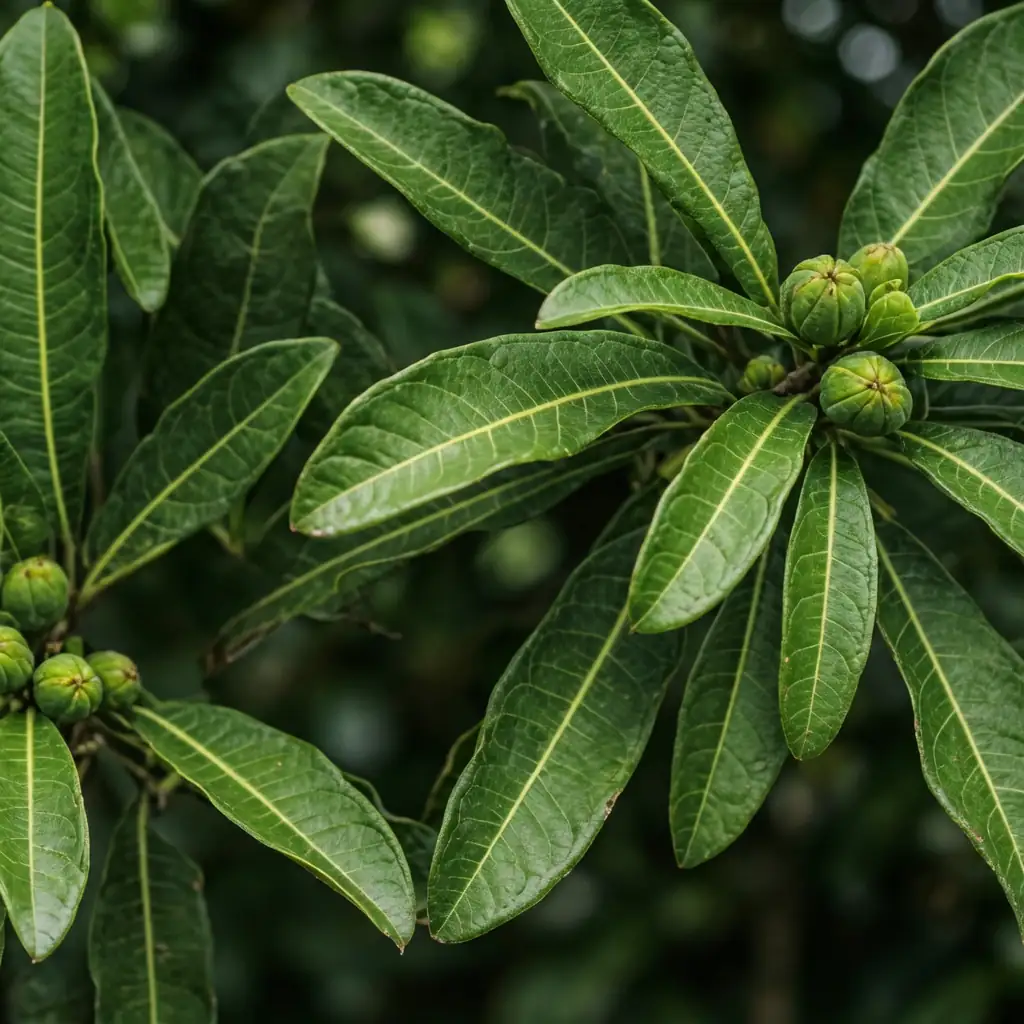
- Foliage: Leaves are leathery and obovate to lance-shaped. The underside is characteristically dotted with dense golden-yellow resin glands.
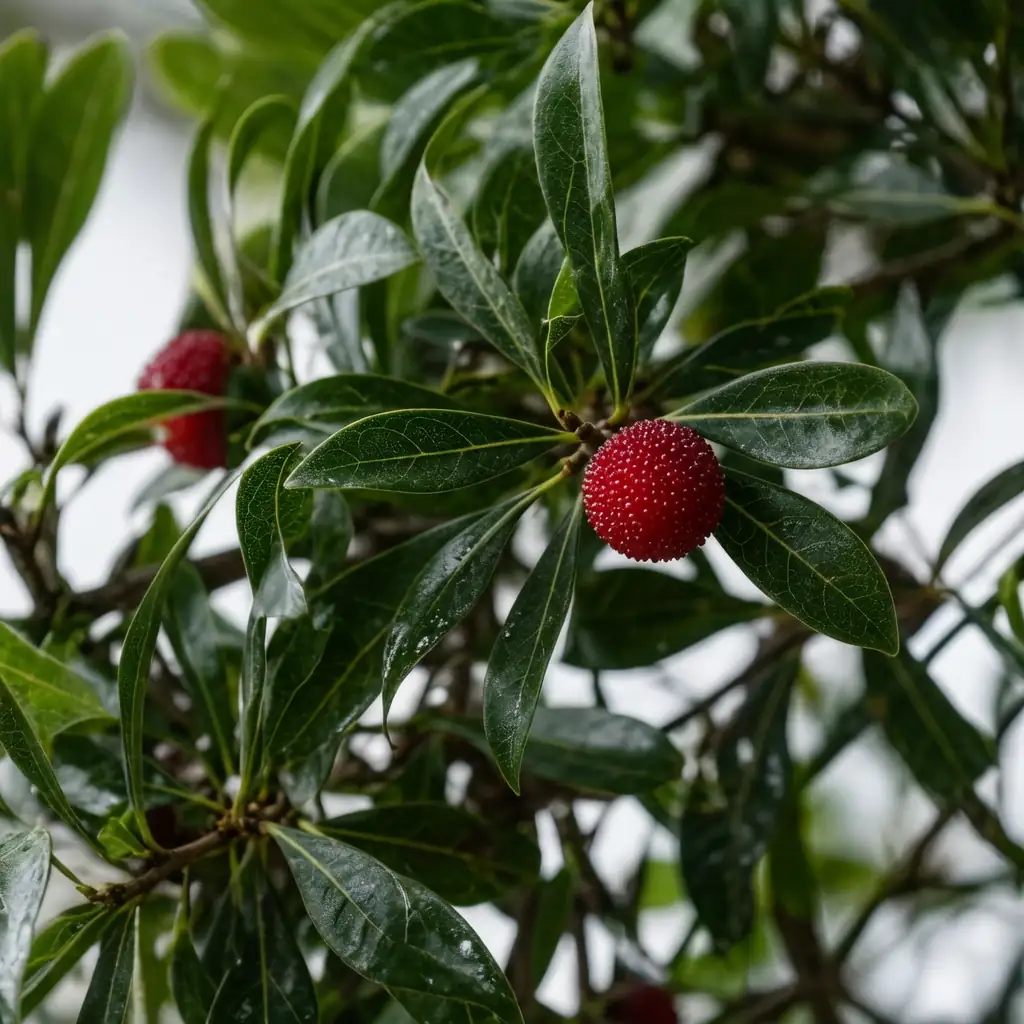
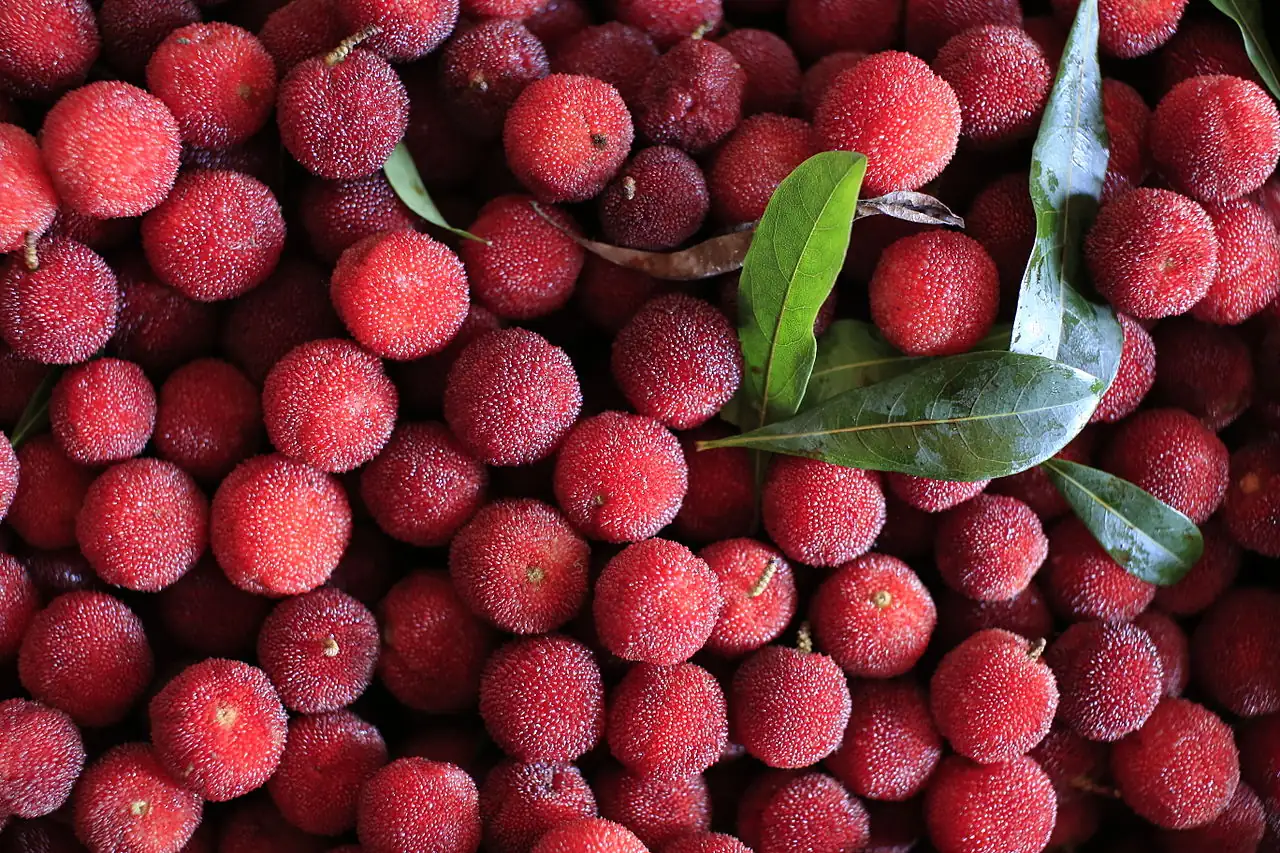
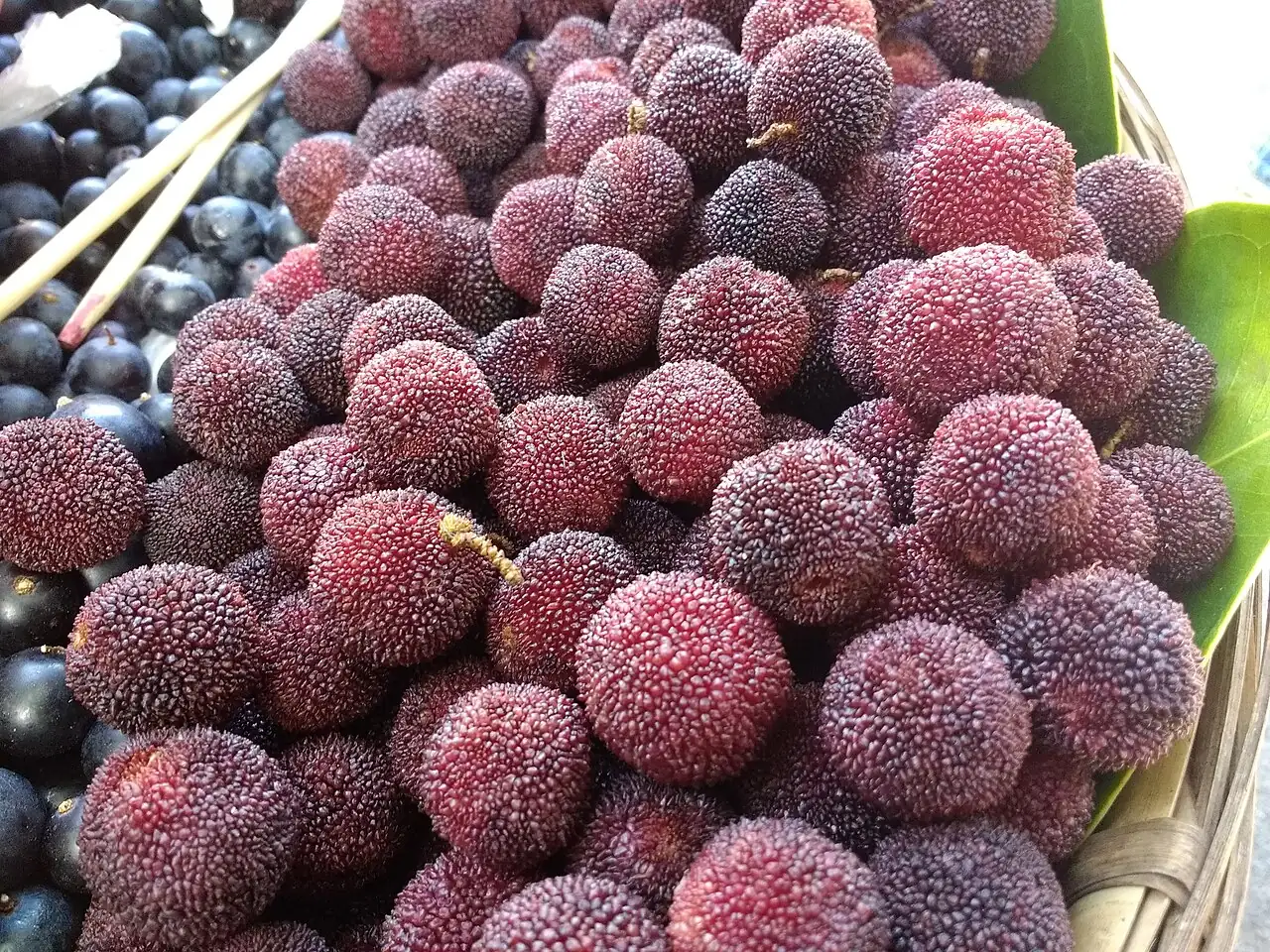
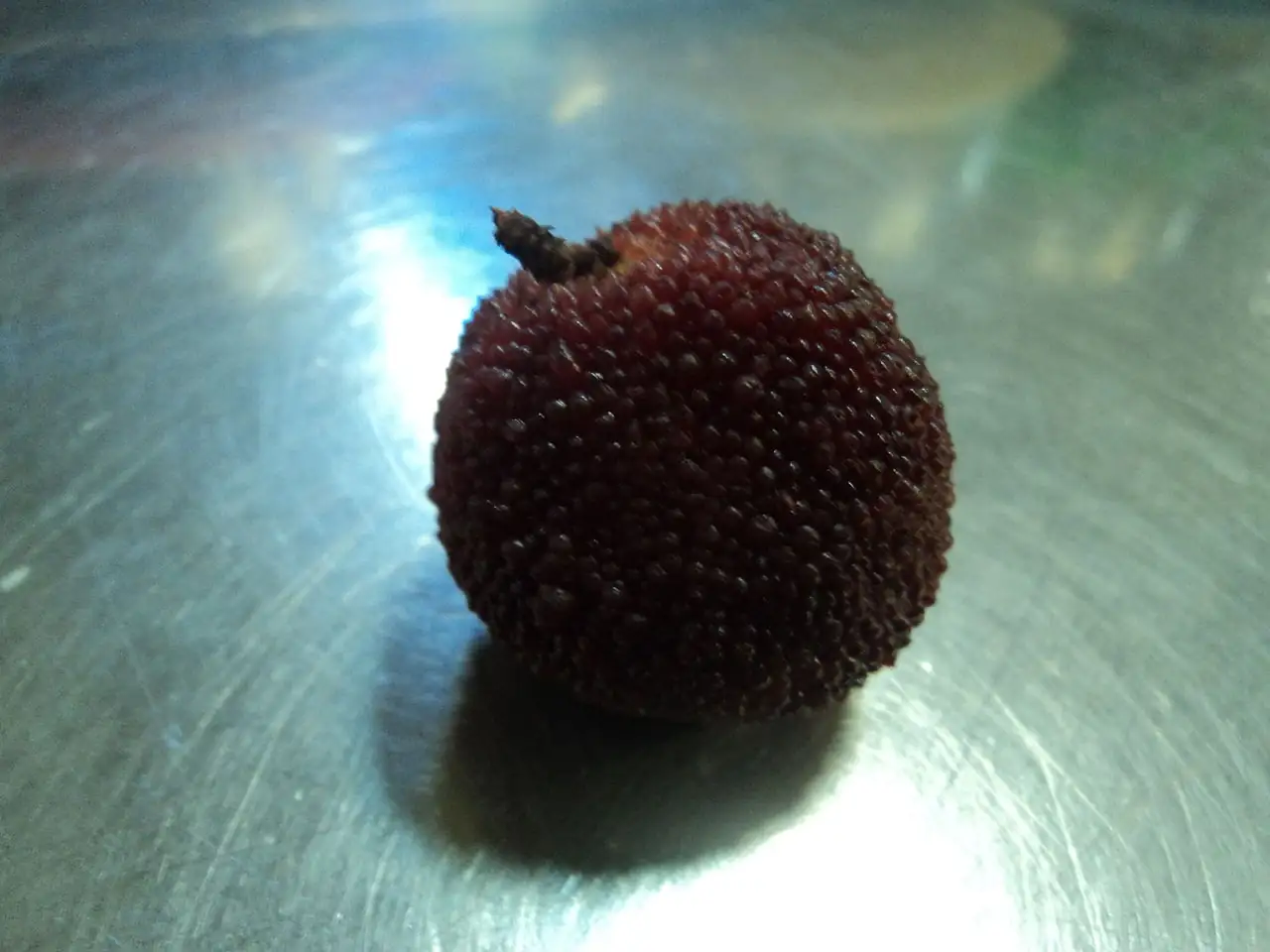
- Flower: Dioecious: male flowers appear as catkin-like spikes in the leaf axils, while female flowers are in small axillary clusters with tight bracts. The fruit is a round drupe about 10–15 mm (0.4–0.6 in) across, covered in small wart-like bumps, ripening deep red to purplish red with a sweet-tart taste.
- Flowering Season: April (spring; timing varies by climate)
- Growth Habit: Evergreen tree
Environment
Sunlight
Full sun to partial shade; fruits best in full sun.
Temperature
Best in warm-temperate to subtropical conditions, roughly 15–28°C (59–82°F). Established trees can handle brief cool spells better than citrus, but hard freezes may damage flowers and developing fruit.
Humidity
Enjoys humid air and reliably moist conditions; very dry climates usually require supplemental irrigation.
Soil
Acidic, well-drained but moisture-retentive soil. Dislikes alkaline or lime-rich soils, where leaf chlorosis (yellowing) is common.
Placement
Great as a specimen tree on lawns, in courtyards, or in mixed plantings; also suitable as a street tree. Can be planted more densely for screening, space division, or a productive windbreak.
Hardiness
Approximately USDA Zone 7–10 (strongly cultivar- and site-dependent); naturally found from about 125–1500 m (410–4920 ft) elevation.
Care Guide
Difficulty
Moderate. It’s happiest (and easiest) in humid-summer regions with naturally acidic soil; it can be tricky in dry climates or alkaline ground unless you actively manage irrigation and soil pH.
Buying Guide
Pick a cultivar matched to your climate and your goal (fresh eating vs. processing). Because Chinese bayberry is usually dioecious, plan for pollination: a fruiting female typically needs a nearby male plant, unless you choose a self-fertile cultivar (where available). When shopping, look for vigorous growth and glossy leaves, and avoid plants showing scale insects or yellowing foliage—often a clue the plant has been stressed by high pH or drainage issues.
Watering
Water deeply while establishing and again during flowering and fruit swelling. Aim for evenly moist soil—never soggy. Mulch helps keep roots cool and conserves moisture. Once established, it becomes more drought-tolerant, but prolonged drought will reduce fruit size and quality.
Fertilization
Feed in spring using an acid-forming balanced fertilizer (similar to what you’d use for camellias/azaleas). Avoid heavy nitrogen, which can push leafy growth at the expense of flowers and fruit.
Pruning
Prune lightly after harvest to keep an open canopy, remove dead/crossing branches, and improve airflow. Avoid heavy late-winter/early-spring pruning that may remove flowering wood.
Propagation
Named cultivars are commonly grafted onto seedling rootstocks. Air-layering and cuttings may work but can be variable. Seed is mainly used to raise rootstocks and won’t reliably come true to the parent.
Repotting
Most often grown in the ground. For containers, repot every 2–3 years, stepping up one pot size and refreshing with an acidic, free-draining mix. Prioritize excellent drainage plus consistent moisture.
📅 Seasonal Care Calendar
Spring: feed, mulch, and watch flowering/pollination. Early summer: keep moisture steady as fruit swells; protect ripening fruit from birds if needed. After harvest: light pruning and a general health check. Autumn–winter: minimal feeding; protect young trees from hard freezes in colder areas.
Pests, Diseases & Safety
Common Pests & Diseases
Can be bothered by scale insects and aphids; sooty mold may appear as a secondary issue when honeydew builds up. Yellow leaves often point to alkaline soil, poor drainage, or root stress. Use integrated pest management: improve airflow, rinse honeydew from leaves, encourage beneficial insects, and treat heavy infestations with horticultural oil when appropriate.
Toxicity
Not known to be toxic; the fruit is edible. The pit/seed can be a choking hazard for small children and pets.
Culture & Symbolism
Symbolism: Often linked with summer abundance and the feeling of seasonal freshness in regions where it’s traditionally grown.
History & Legends: A long-cultivated Chinese fruit tree, especially loved in humid subtropical areas such as the lower Yangtze region, where it’s grown in home gardens and orchards alike.
Uses: Enjoyed fresh and also made into juice, preserves, and fermented drinks. It doubles as an ornamental evergreen for gardens, courtyards, lawns, and roadside planting; when planted in rows it can also function as a screen or windbreak with the bonus of a summer harvest.
FAQ
Do I need more than one tree to get fruit?
Usually yes. Chinese bayberry is typically dioecious—male and female flowers are on separate plants. A fruiting female generally needs a nearby male (or a compatible pollinizer cultivar) for reliable fruit set.
Why are the leaves turning yellow?
The most common reason is alkaline or lime-rich soil, which locks up iron and causes chlorosis. Improve drainage, lower soil pH where feasible, and consider acid-forming fertilizers or chelated iron if needed.
Fun Facts
- It’s one of southern China’s classic summer fruits, famous for its bright sweet-tart taste.
- Each fruit is a small, round drupe about 10–15 mm (0.4–0.6 in) wide, with a distinctly bumpy surface that turns deep red to purplish red when ripe.
- Flip a leaf over: the underside is dotted with dense golden-yellow resin glands.


