Plant Features
- Size: Woody climbing vine; mature size depends on support and pruning, but it commonly reaches 5–15 m (16–49 ft) or more when allowed to scramble over large structures.
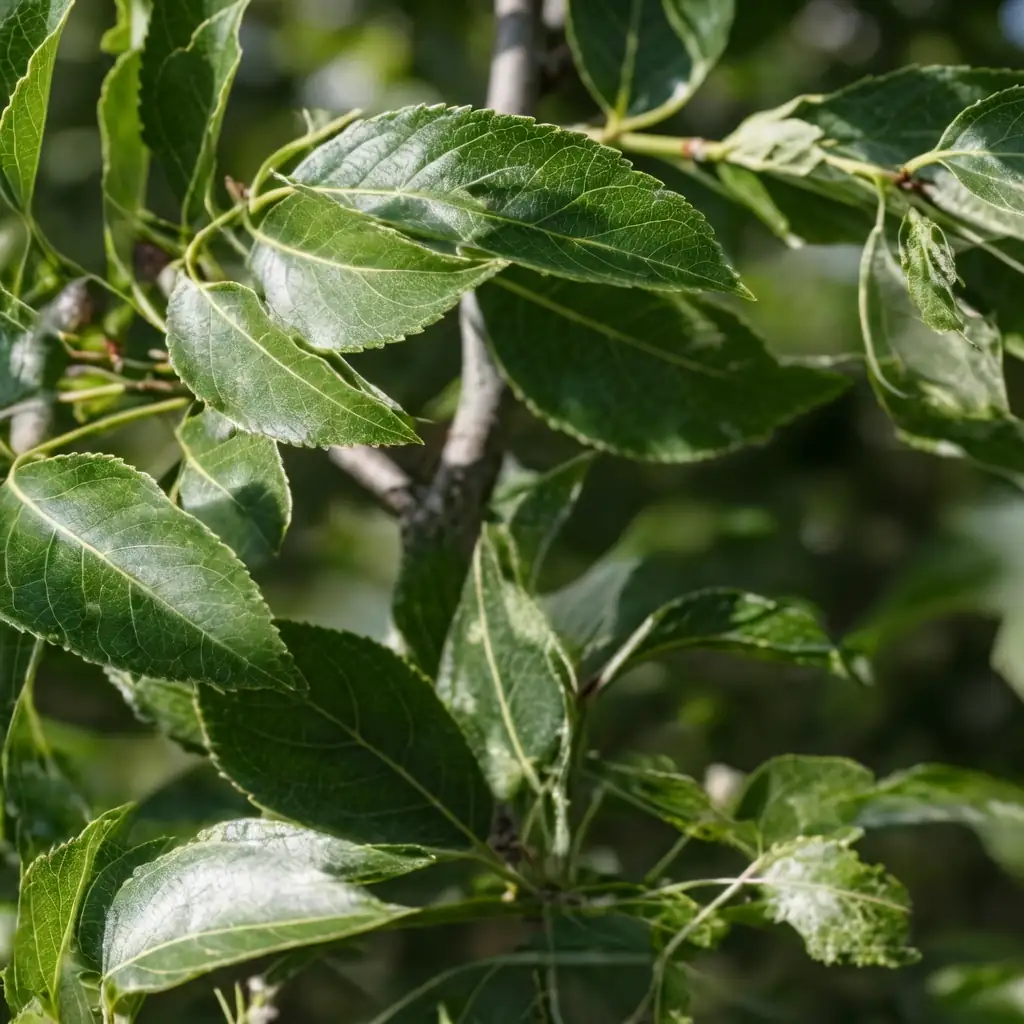
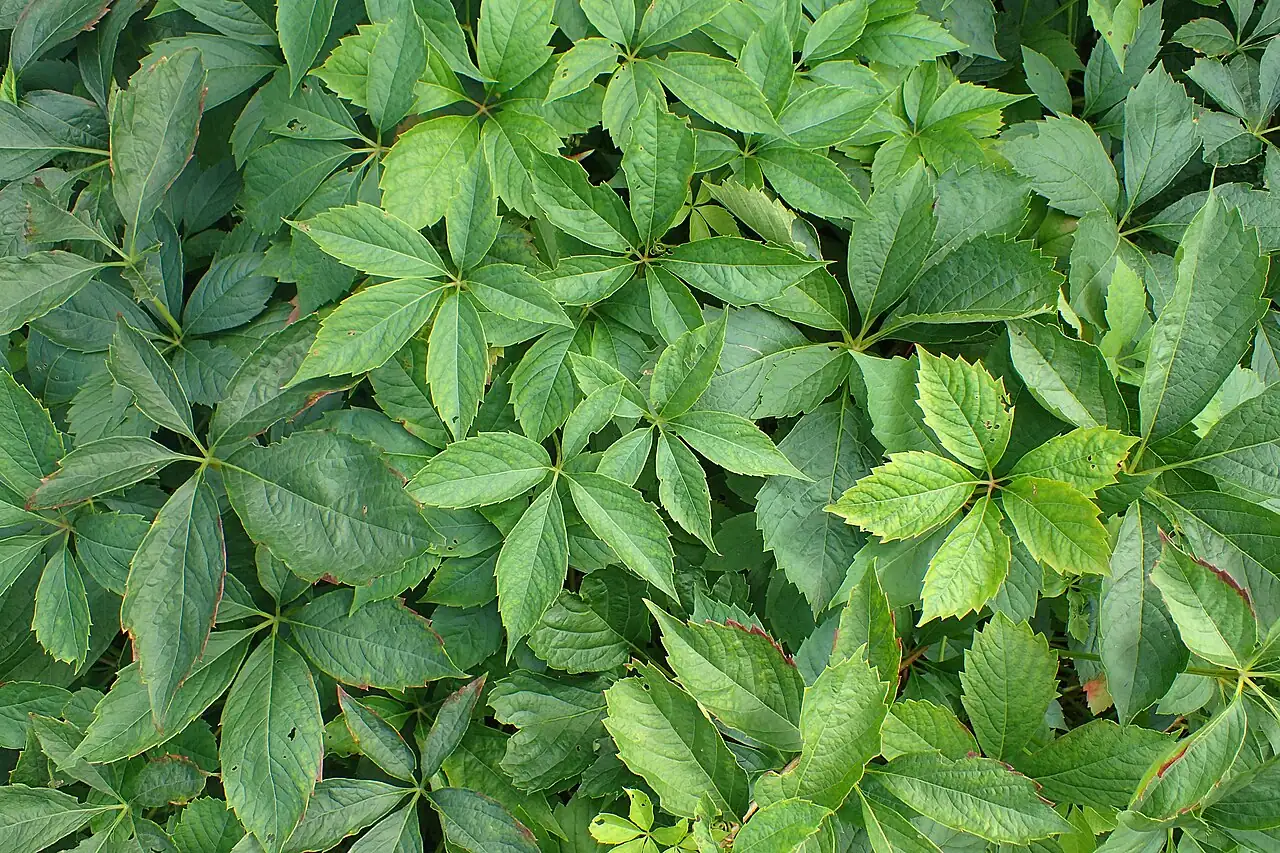
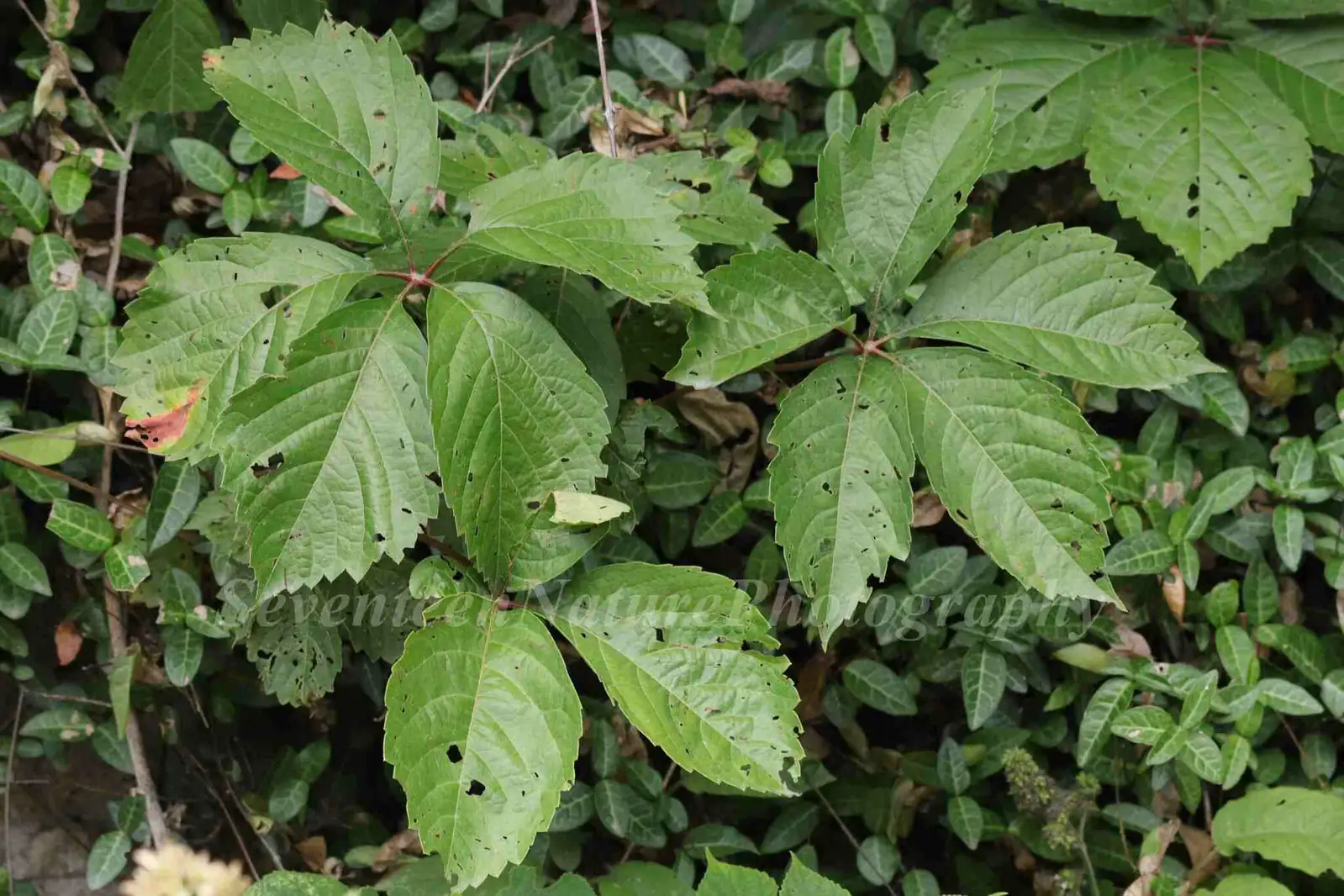
- Foliage: Leaves are positioned opposite the tendrils (with tendrils typically appearing every two nodes). Young stems are cylindrical and may show longitudinal ridges; new growth can be softly hairy at first, then becomes smooth as the hairs shed.
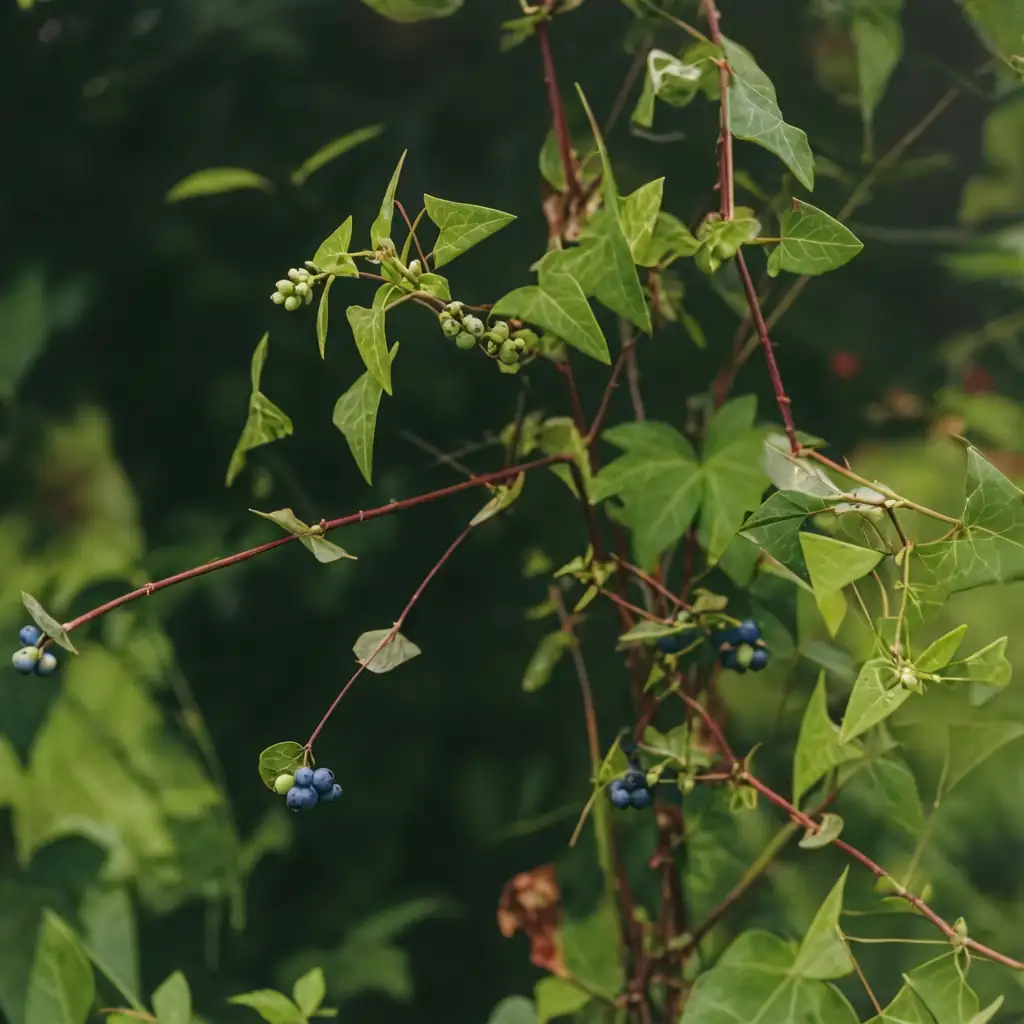
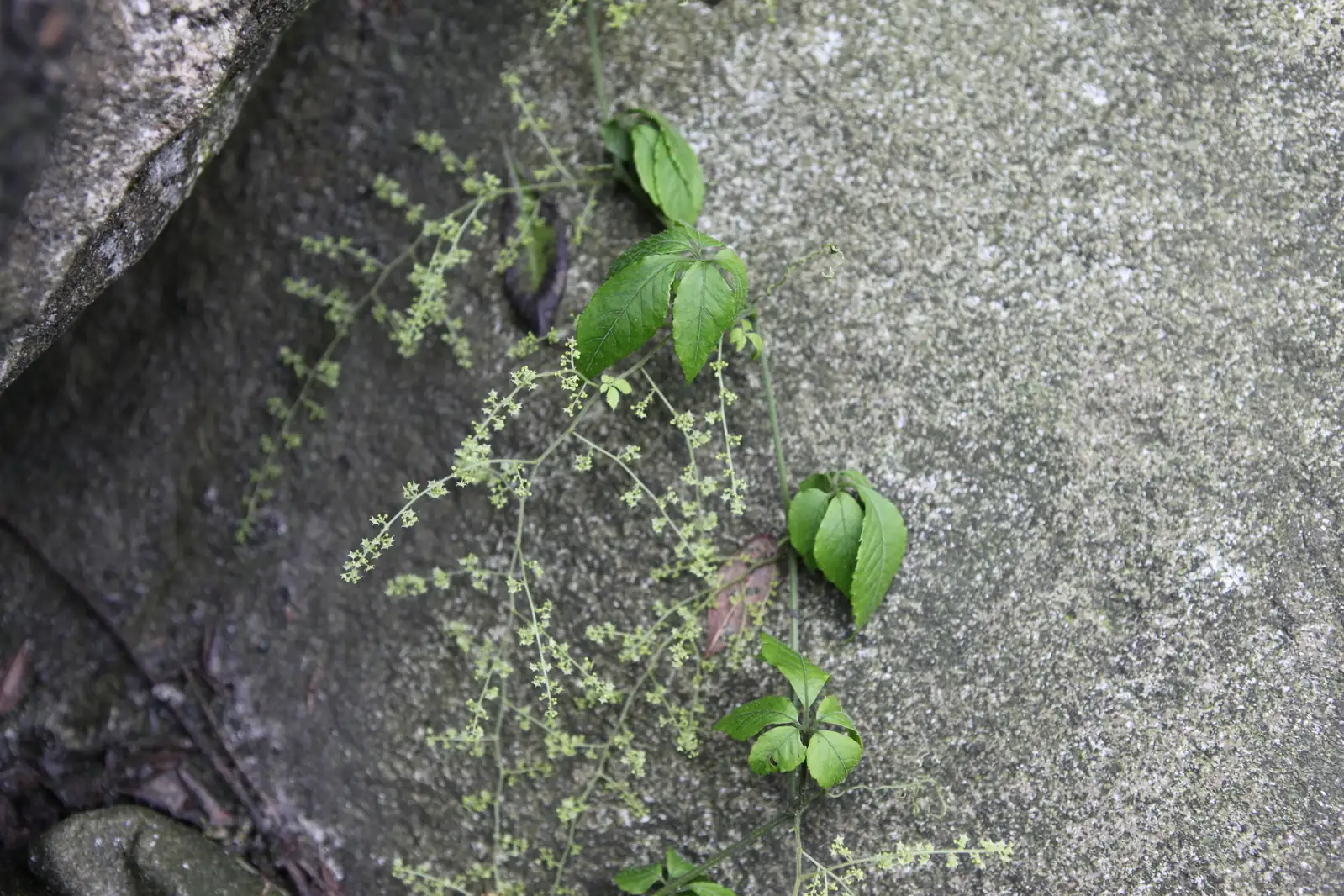
- Flower: Produces small, greenish flowers in branched clusters (panicle-like cymes). The fruits are round berries that follow later in the season.
- Flowering Season: July–August (mid to late summer)
- Growth Habit: A vigorous woody climber. Tendrils are branched (often 5–10 branches) and the tips swell on contact, expanding into adhesive discs that anchor firmly to tree trunks, rock faces, and walls.
Environment
Sunlight
Shade to full sun. For the densest coverage, give it bright shade or sun; it tolerates deep shade, but growth may be looser and less full.
Temperature
Very tolerant once established; roughly -20 to 35°C (-4 to 95°F).
Humidity
Prefers moderate humidity but adapts well in most garden conditions after establishment.
Soil
Adaptable. Best in well-drained soil with steady moisture while establishing; it can also cope with thinner soils in rocky areas and on slopes if drainage is good.
Placement
Excellent for vertical greening on walls, fences, trellises, pergolas, and even up tree trunks. In colder regions, a sun-facing, sheltered spot improves vigor and winter performance.
Hardiness
Approximately USDA Zone 5–9 (varies with local climate and plant provenance); generally not bothered by cold when established.
Care Guide
Difficulty
Easy. Once rooted in, it’s robust and low-fuss; the main “job” is simply guiding and pruning it so it doesn’t wander where you don’t want it.
Buying Guide
Pick plants with healthy, flexible stems and no dieback. Look for firm green buds and clean leaves without heavy spotting, webbing, or scale. If you want quick wall coverage, choose a plant with multiple strong shoots for faster establishment.
Watering
First growing season: water regularly to keep soil evenly moist (not soggy) so roots establish well. After that, water mainly during long dry spells. In pots, expect to water more often than in the ground.
Fertilization
Usually minimal feeding is needed. If growth looks weak, apply a balanced slow-release fertilizer in spring. Avoid overdoing nitrogen, which can cause overly lush, hard-to-manage growth.
Pruning
Prune in late winter to early spring, or after a major growth flush, to control size. Remove dead, damaged, or crossing stems, and keep growth away from gutters, windows, and rooflines; retrain shoots neatly onto supports.
Propagation
Semi-hardwood cuttings in summer, hardwood cuttings in late autumn to winter, or simple layering (pin a stem to soil until it roots).
Repotting
Container plants: repot every 1–2 years into a slightly larger pot with fresh, well-drained mix. Provide a sturdy trellis. If you can’t repot, refresh the top layer of soil annually.
📅 Seasonal Care Calendar
Flowers typically appear July–August; berries ripen September–November. It can be planted in shade or sun; in colder areas, choose a sun-facing site for stronger growth and improved winter resilience.
Pests, Diseases & Safety
Common Pests & Diseases
Generally resilient. Watch for aphids on soft new growth, scale insects, and spider mites during hot, dry spells. Leaf spots can appear in humid, poorly ventilated conditions. Improve airflow, avoid late-day overhead watering, and rinse pests off or use horticultural soap if needed.
Toxicity
Do not eat the berries. As with many Parthenocissus, ingestion may cause gastrointestinal upset in people and pets—keep fruit out of reach of children and animals.
Culture & Symbolism
Symbolism: Often linked with resilience and protection—its clinging growth creates living green “armor” over walls and structures.
Uses: Mainly grown for ornamental, fast vertical coverage of walls, fences, pergolas, and other structures—great for softening hard landscaping with an instant green backdrop.
FAQ
Will it damage walls?
It sticks using adhesive pads rather than wrapping stems. On sound masonry it’s usually manageable, but it can worsen existing cracks or lift loose paint/render. Regular pruning and keeping it away from gutters and rooflines helps prevent problems.
Does it grow in shade?
Yes—shade is fine, especially if the soil stays moderately moist. In brighter light it typically grows faster and forms denser coverage.
Fun Facts
- The tendril tips swell on contact and form adhesive discs, letting the vine cling powerfully to bark, rock, and walls.
- It blooms in mid to late summer (July–August) and sets berries that ripen in autumn (September–November).
- Its wide native range across central to southern China hints at just how adaptable it is in gardens.
- It can thrive in moist shade but still tolerates full sun, heat, and cold—ideal for reliable vertical greening.