Plant Features
- Size:15–40 cm (6–16 in) tall; typically forms sparse clumps rather than a dense tuft.
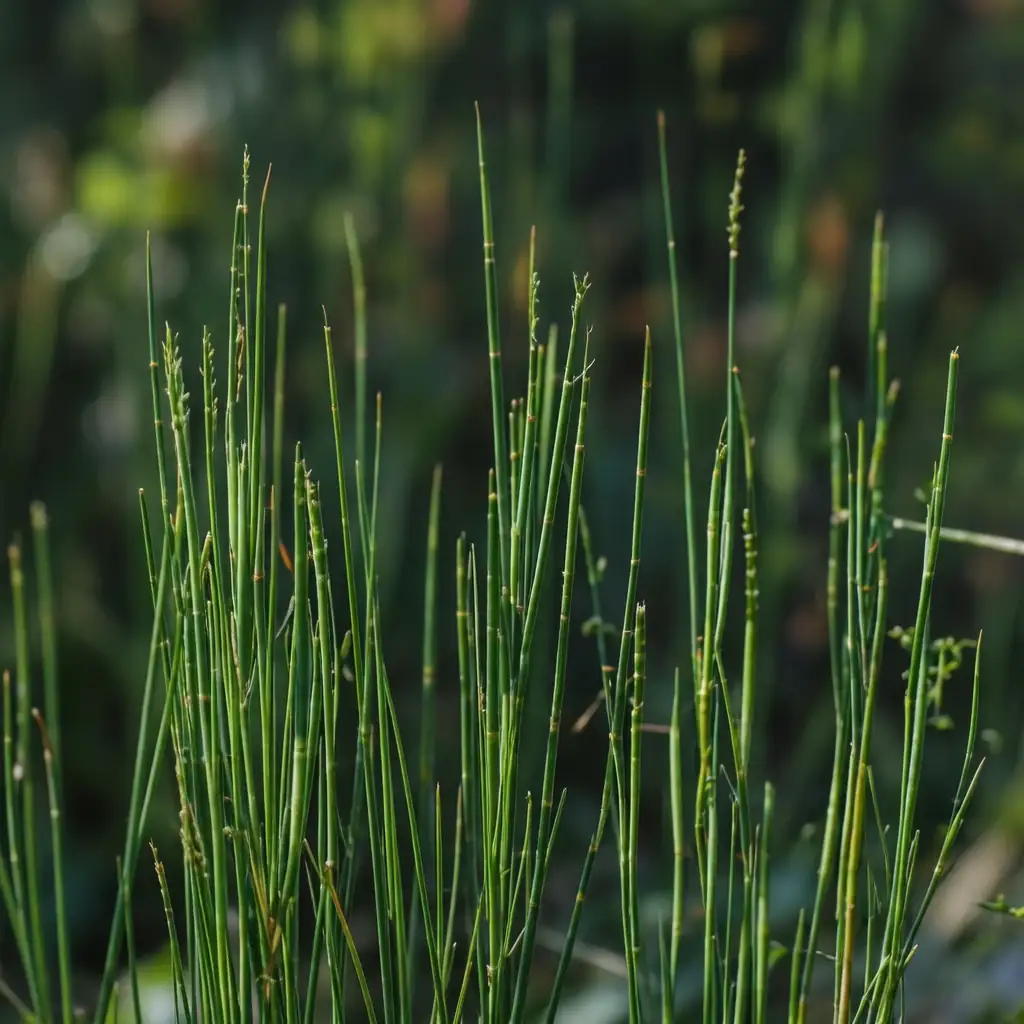
- Foliage: Fine-textured, narrow, flat blades. Leaf sheaths are smooth and shorter than the internodes; the ligule is papery, contributing to the plant’s neat, delicate grass look.
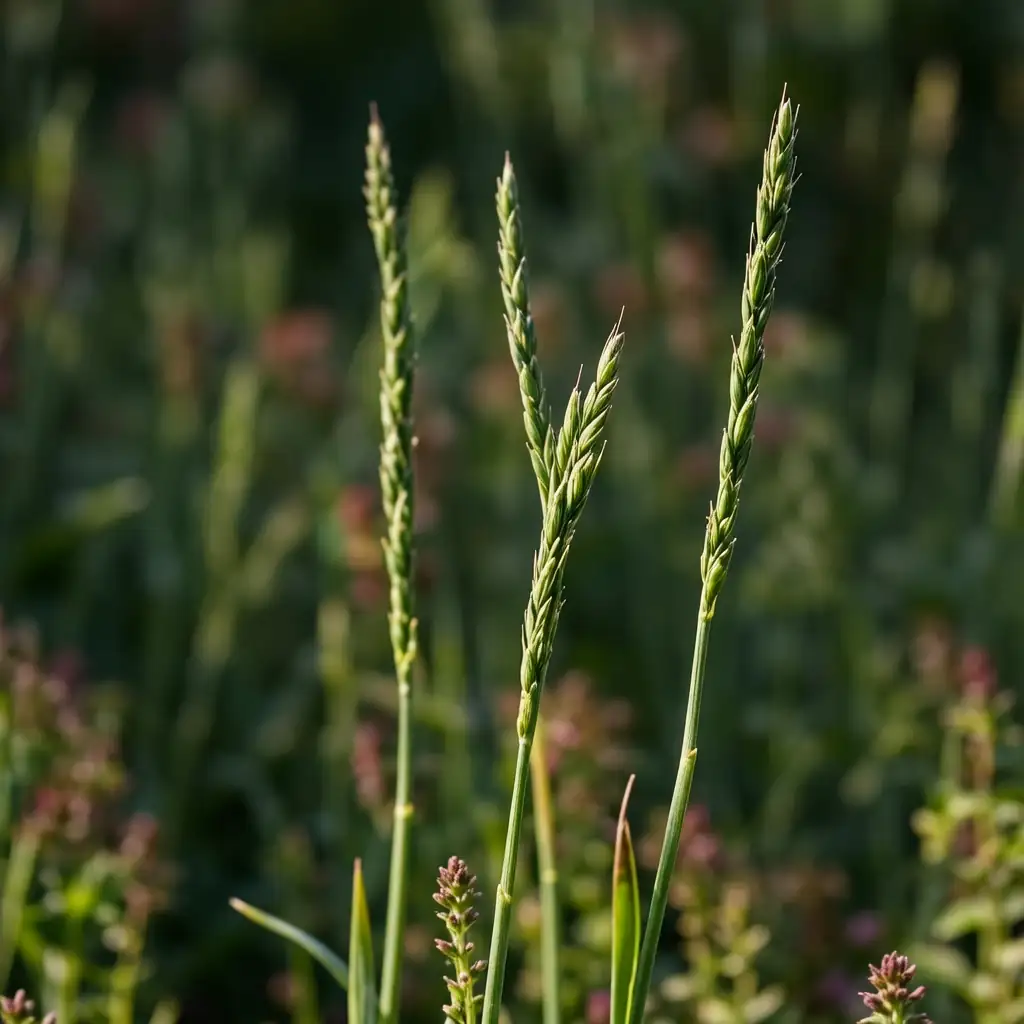
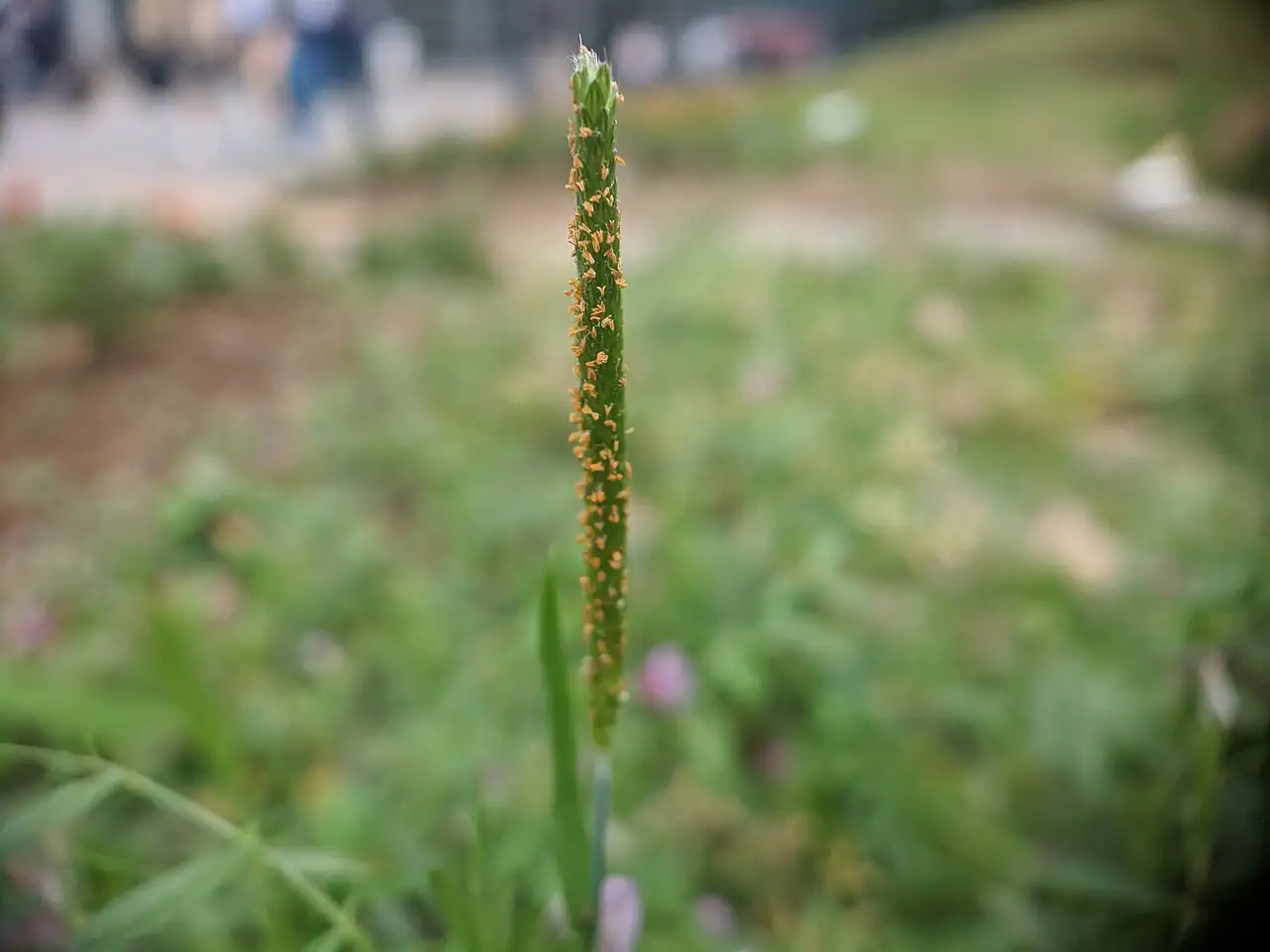
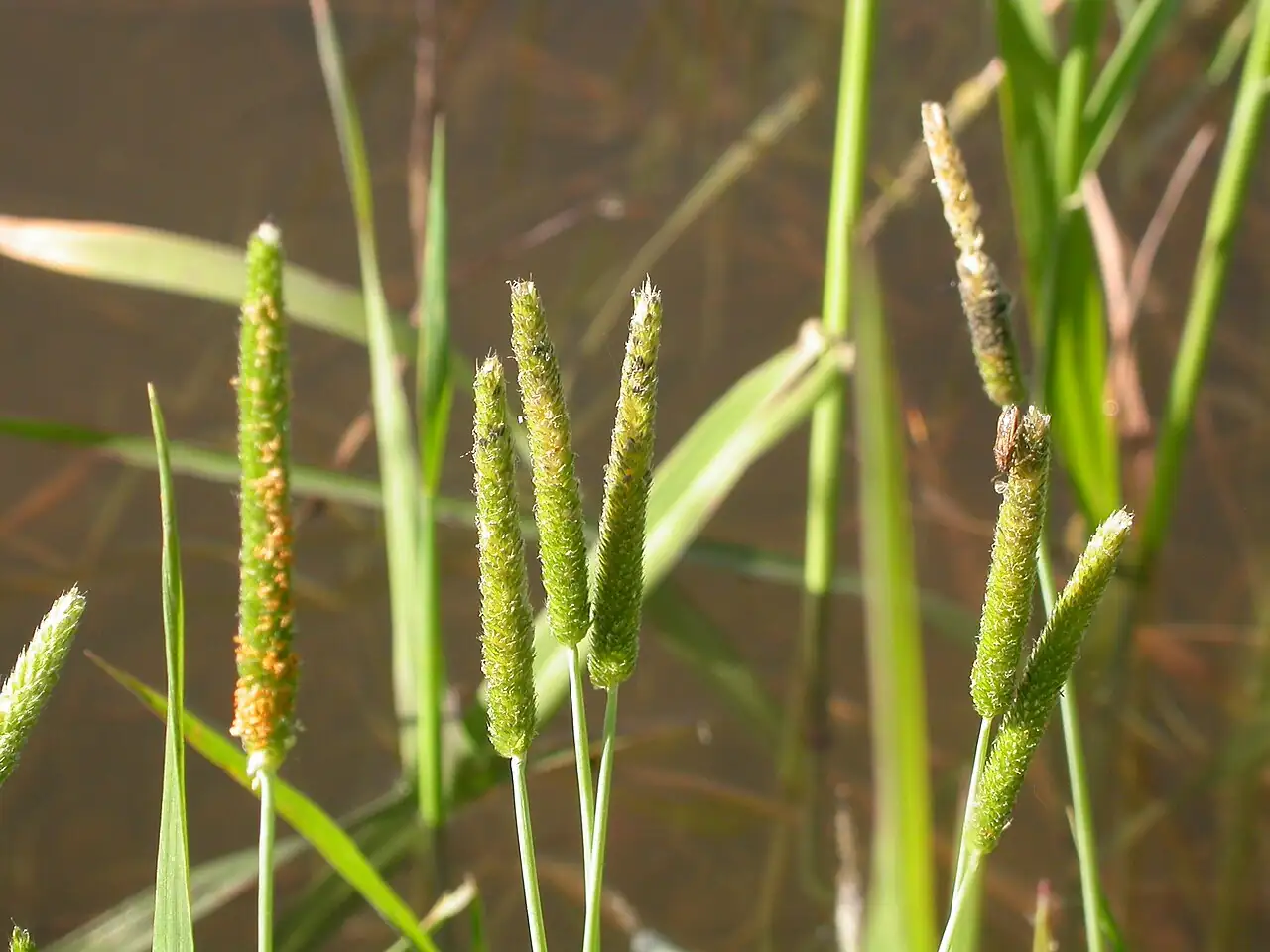
- Flower: Dense, cylindrical, gray-green flowering heads (a compact panicle). Spikelets are oval to egg-shaped; bracts are thin, papery, and slightly hairy. Awns are absent or extremely short (often hidden), which is a key feature behind the “shortawn” name. At peak bloom, orange-yellow anthers protrude and add a warm flash of color.
- Flowering Season: April–August
- Growth Habit: Slender annual grass, solitary or in small tufts; stems smooth and often bent at the nodes.
Environment
Sunlight
Full sun to light shade; stays tighter and flowers best in full sun.
Temperature
Cool-season tolerant and broadly adaptable. Active growth roughly 5–25°C (41–77°F); can tolerate brief cold near 0°C (32°F).
Humidity
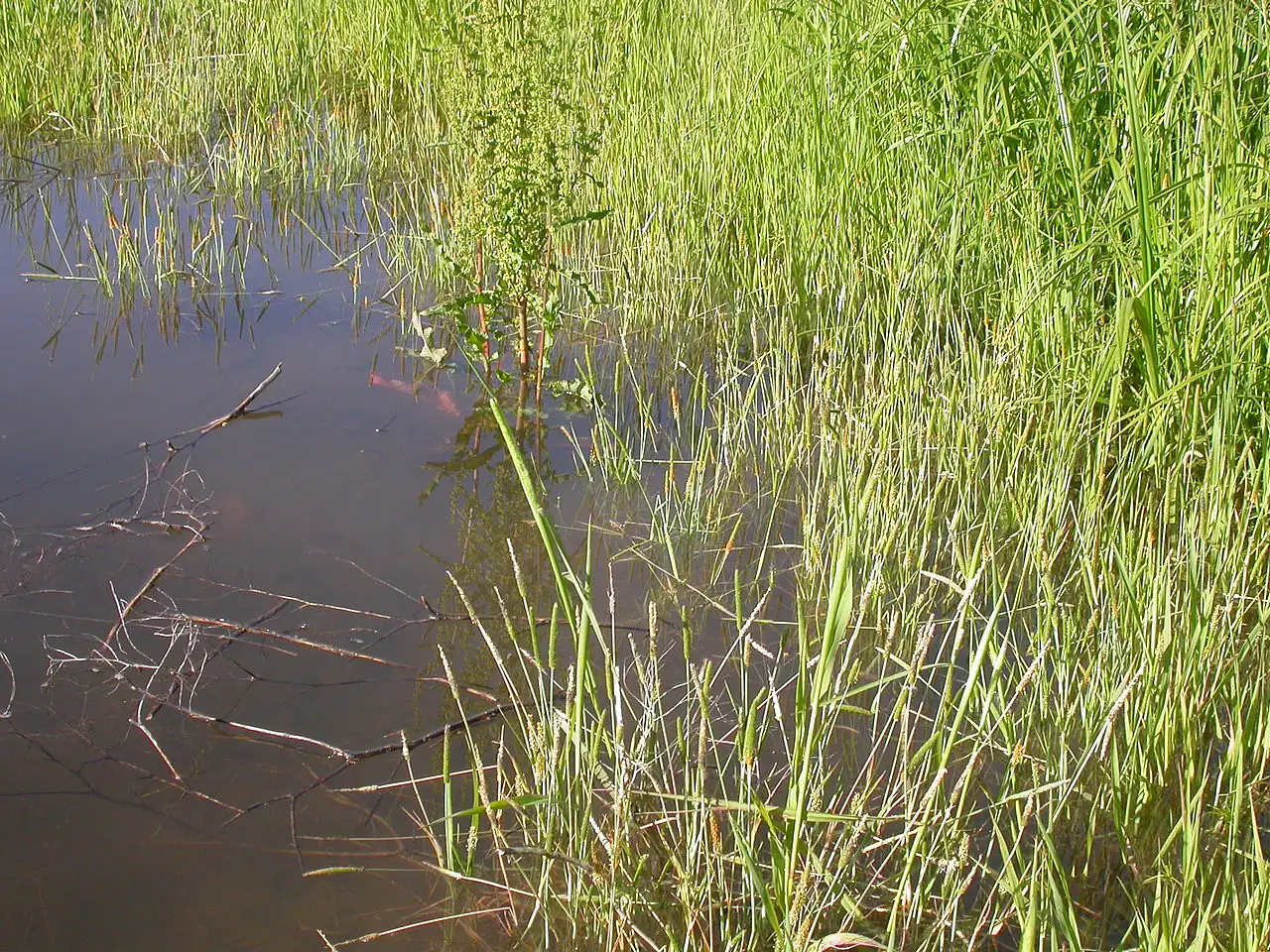
Adaptable—often found in damp sites, but can handle periods of dryness once established.
Soil
Not fussy; grows in most soils, including heavier or seasonally wet ground, provided it isn’t permanently waterlogged.
Placement
Naturalistic plantings, meadow edges, wildlife-style borders, or lightly managed areas where self-sowing “filler” plants are welcome.
Hardiness
Cold-tolerant annual; typically behaves as a cool-season annual in temperate regions and is not frost-tender.
Care Guide
Difficulty
Easy. Tough, adaptable, and generally undemanding—tolerates cool weather, intermittent drought after establishment, and a range of soils.
Buying Guide
Usually not sold as an ornamental; it most often appears naturally from seed. If purchasing seed, verify the scientific name (Alopecurus aequalis). Because it can be weedy in agricultural settings, check local guidance before intentionally introducing or encouraging it.
Watering
Water to establish, keeping soil lightly moist. Once established, water only during prolonged dry spells; in naturally damp sites, extra watering is usually unnecessary.
Fertilization
Typically not needed. If growing in very poor soil for ornamental effect, use a light, balanced fertilizer once in spring at half strength; avoid heavy feeding, which can make growth floppy.
Pruning
No routine pruning required. For a tidier look or to limit self-seeding, shear or cut seedheads before they fully mature.
Propagation
By seed, and it readily self-sows. For intentional sowing, scatter seed on the soil surface, press in lightly, and keep evenly moist until germination.
Repotting
Not typically grown in pots. If container-grown, use a free-draining mix and refresh the medium each season since it is an annual.
📅 Seasonal Care Calendar
Spring: germination and fast growth—keep lightly moist. Late spring–summer: flowering and seed set. Late summer–fall: plants decline after seeding; remove plants if you want to reduce reseeding.
Pests, Diseases & Safety
Common Pests & Diseases
Generally trouble-free. In persistently damp, crowded conditions it may develop typical grass issues like leaf spot or rust; improve airflow, avoid heavy nitrogen, and thin dense stands if needed.
Toxicity
No well-documented toxicity to people or pets. Like many grasses, leaves may cause mild mechanical irritation for sensitive individuals.
Culture & Symbolism
Symbolism: Often linked with resilience and the quiet charm of wild meadow plants—small, subtle, and tough.
History & Legends: A familiar wild grass of cultivated landscapes, especially field edges and damp ground, known more for everyday presence than for formal folklore.
Uses: Mainly appreciated for naturalistic ornamental value as a self-sowing, low-maintenance filler; also a common component of field-edge vegetation. The orange-yellow anthers add a brief but delightful seasonal detail up close.
FAQ
Is shortawn foxtail a good garden plant or a weed?
It depends where you grow it. In a naturalistic garden it can be a charming, self-seeding filler, but near crops it may be considered a weed. Check local guidance before encouraging it to spread.
How can I stop it from spreading by seed?
Cut, shear, or pull plants before seedheads fully mature, and dispose of seedheads so seed can’t drop. A light mulch can also reduce germination the following season.
Fun Facts
- Those orange-yellow anthers can look surprisingly bright when the flower heads are shedding pollen.
- It’s especially common along field margins and other damp, seasonally wet ground.
- Even though it likes moist habitats, it can cope with dry spells once it’s established.
- In lightly managed spaces, it can behave like a self-sowing groundcover without much effort from the gardener.