Plant Features
- Size: Typically to about 10 m (33 ft) tall, sometimes taller in favorable conditions; broad, spreading crown.
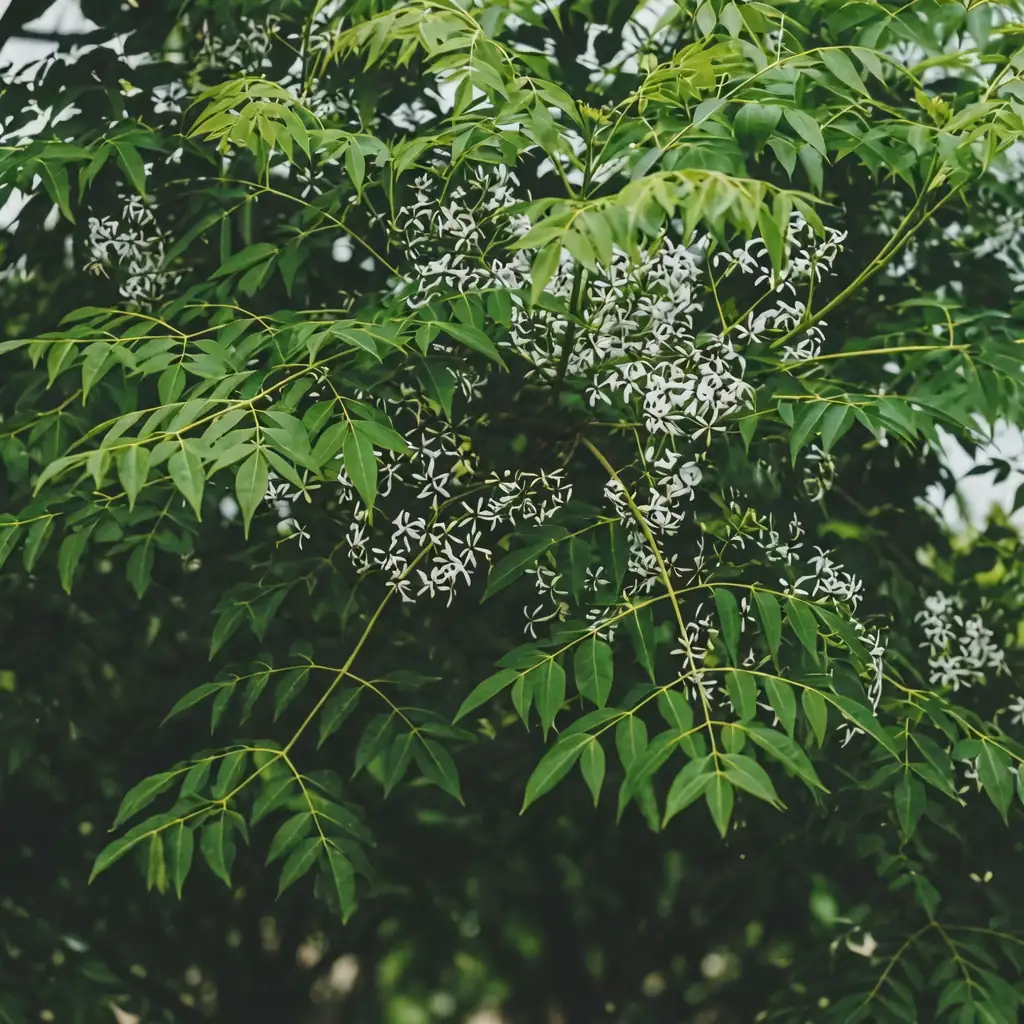
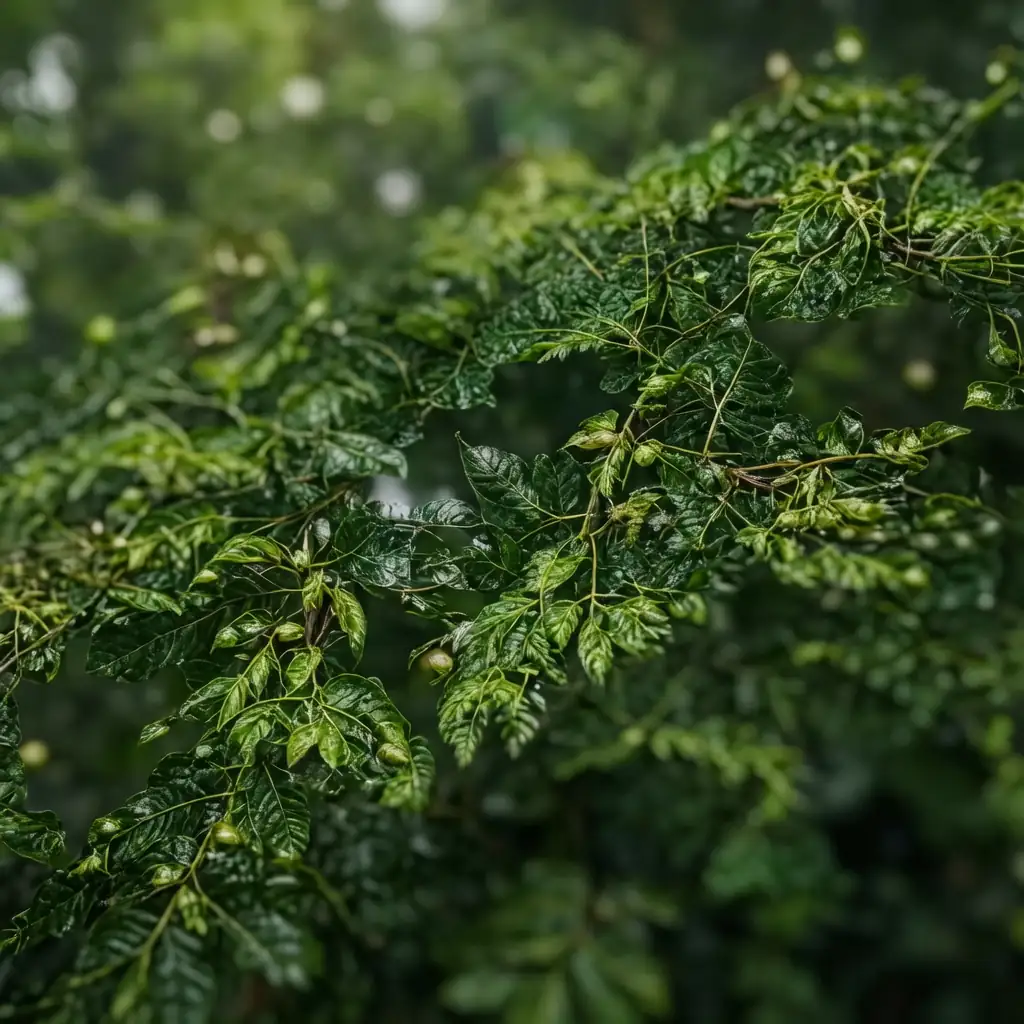
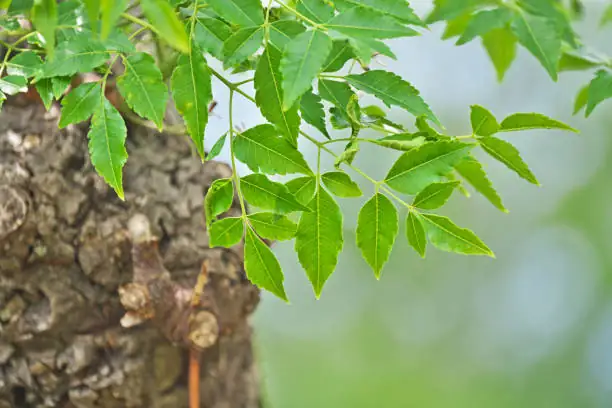
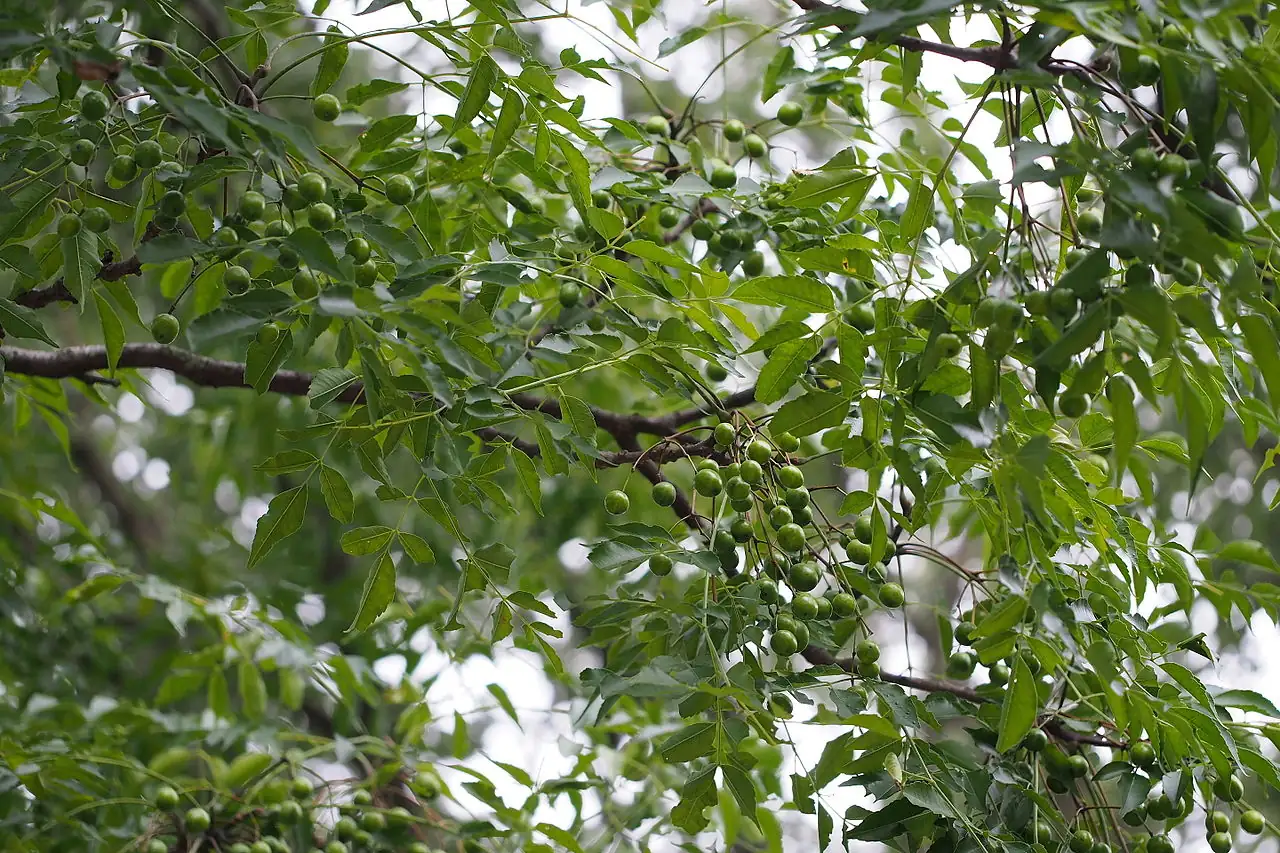
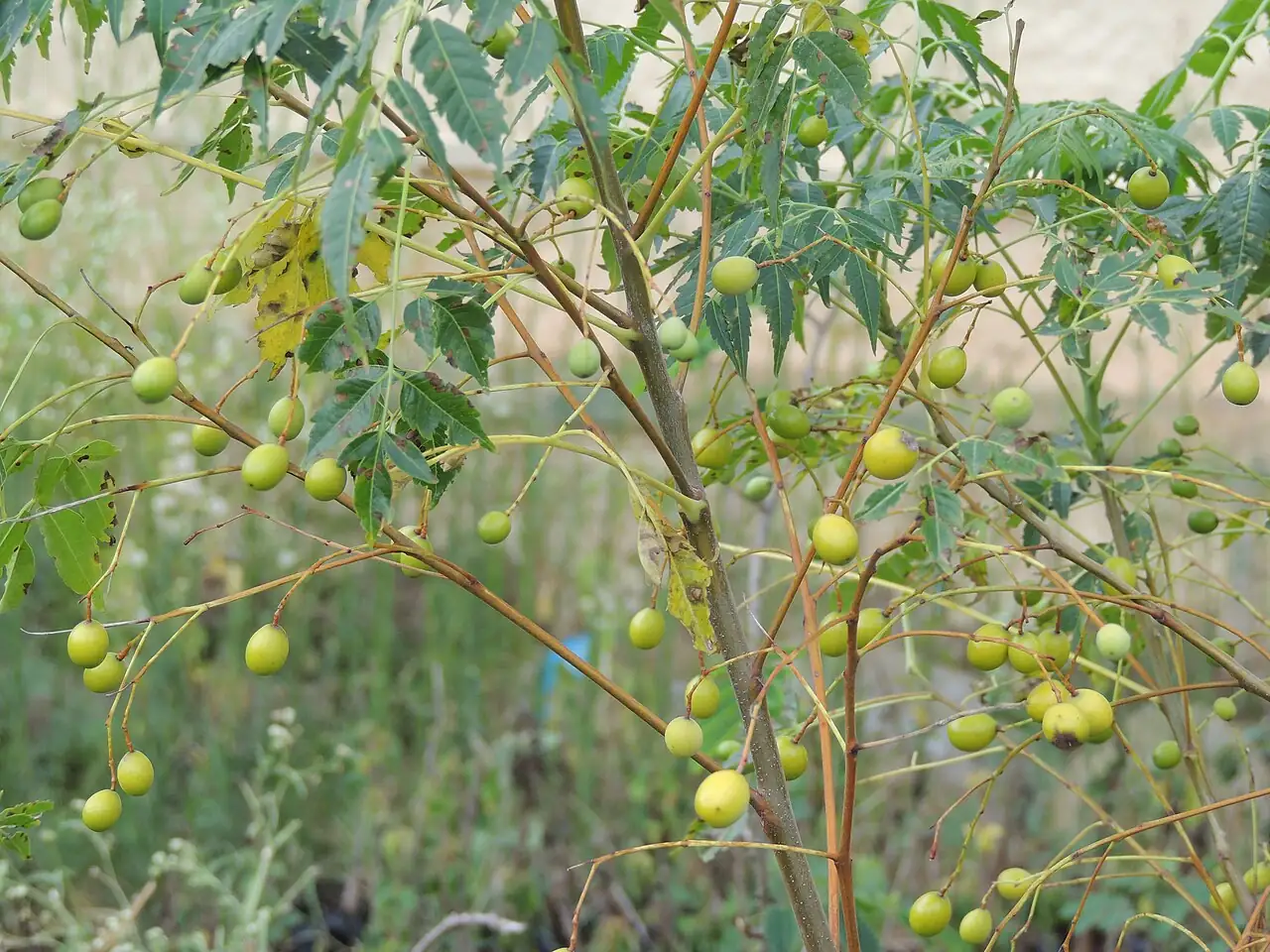
- Foliage: Large, 2–3 times pinnate (bi- to tripinnate) leaves with many ovate to ovate-elliptic leaflets, creating a light, airy, feathery texture.
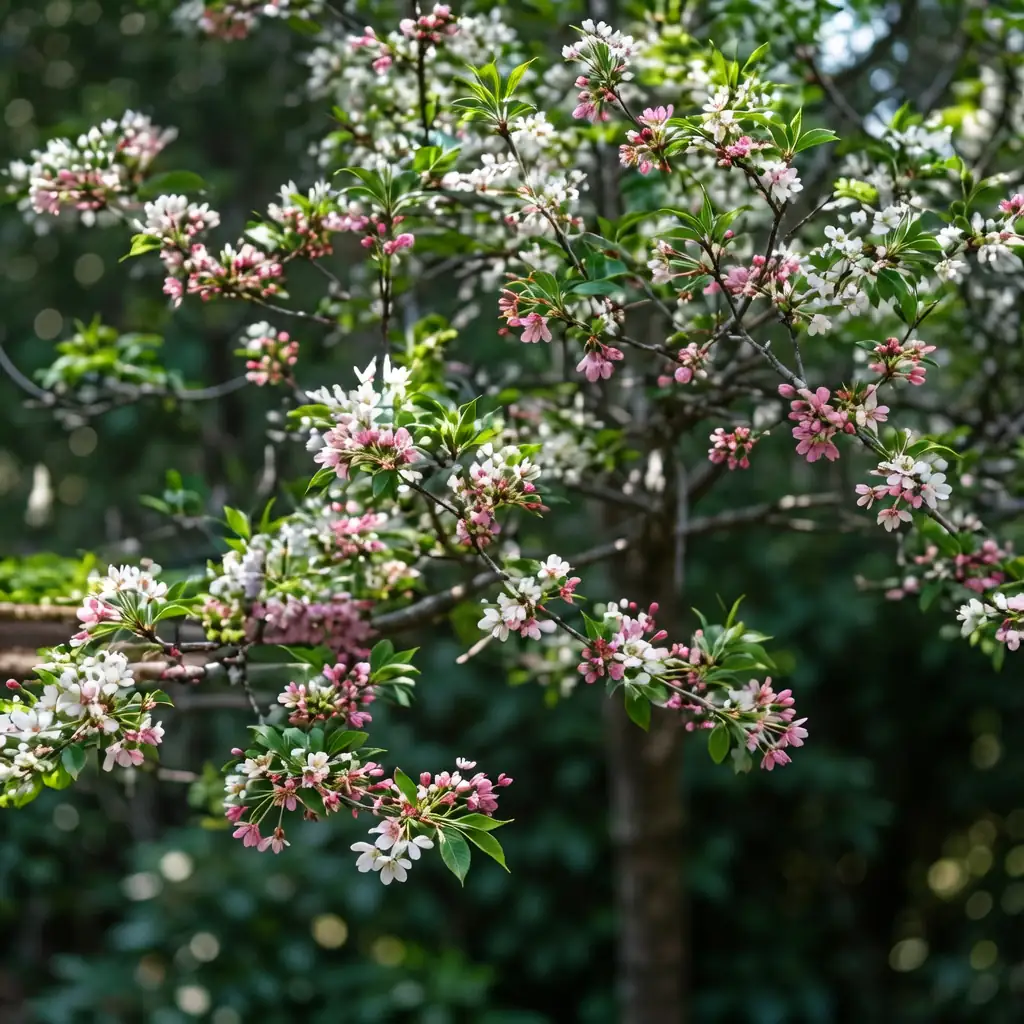
- Flower: Loose, branched clusters (panicles) of small, starry flowers; five pale lilac to lavender petals with a distinctive darker purple staminal tube.
- Flowering Season: April–May (spring).
- Growth Habit: Deciduous, fast-growing tree with an open, often flat-topped canopy; shallow-rooted and readily resprouts after cutting or damage.
Environment
Sunlight
Full sun for the best flowering and canopy shape; tolerates light shade.
Temperature
Prefers warm climates; best growth around 18–30°C (64–86°F). Established trees can handle brief cool spells, but it isn’t reliably frost-hardy in colder areas.
Humidity
Adaptable; does well in average outdoor humidity and tolerates seasonal dryness once established.
Soil
Very adaptable: tolerates acidic to neutral soils, calcareous (limestone/alkaline) soils, and some saline/alkaline conditions. Performs best in well-drained soil; moderately drought-tolerant after establishment.
Placement
Best as an outdoor landscape tree for parks, streets, courtyards, and larger gardens where a medium-to-large shade canopy is wanted.
Hardiness
Commonly grown in USDA Zones 7–11 (approx. -17 to 4°C / 1 to 39°F), depending on local conditions; widely cultivated in temperate regions and naturalized in many warm areas.
Care Guide
Difficulty
Easy (outdoors in suitable climates). It grows quickly, tolerates a wide range of soils, and rebounds strongly after damage—sometimes a little too enthusiastically.
Buying Guide
Pick a plant with healthy bark (no cankers), a well-balanced crown, and—if you want a single-trunk tree—a clear central leader. Avoid severely pot-bound stock, and check stems and leaf undersides for scale insects.
Watering
Water regularly during establishment (the first 1–2 growing seasons). Once established, water during prolonged droughts. Avoid consistently waterlogged soil and poor drainage.
Fertilization
Often unnecessary in average soils. If growth looks weak, use a balanced slow-release fertilizer in spring. Avoid heavy nitrogen feeding, which can encourage soft, pest-prone shoots.
Pruning
Prune in late winter to early spring: remove dead, crossing, or weak branches and maintain clearance over paths/streets. Remove suckers and overly vigorous shoots as needed—this species resprouts readily, especially after hard cutting.
Propagation
Most commonly grown from seed (from the berries) after cleaning and dormancy treatment. Semi-hardwood cuttings in warm seasons are also possible, though success can be variable.
Repotting
Not applicable for in-ground landscape trees. For container-grown youngsters, up-pot in spring into a free-draining mix and plant out before roots become congested.
📅 Seasonal Care Calendar
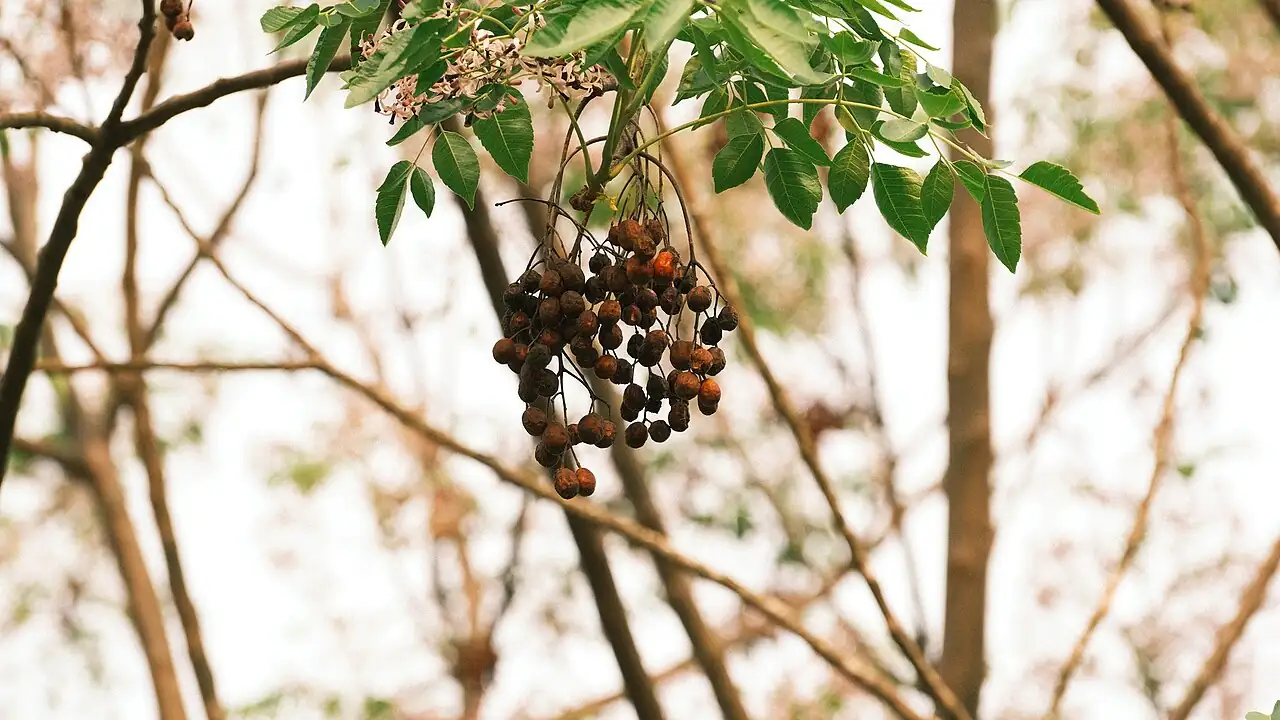
Spring (April–May): flowering. Autumn to early winter (October–December): fruits ripen to yellow and may persist through winter.
Pests, Diseases & Safety
Common Pests & Diseases
Generally hardy. Watch for scale insects and aphids (which can lead to sooty mold), plus occasional leaf-chewing caterpillars. Despite the tree’s reputation for insect-resistant wood and traditional insecticidal uses of bark/roots, living trees can still be bothered by sap-suckers in some areas.
Toxicity
Poisonous if ingested—especially the fruits (yellow berries), but other parts can also be toxic. Keep berries away from children and pets/livestock, and don’t use homemade preparations internally.
Culture & Symbolism
Symbolism: Often linked with the comfort of summer shade and a hardy, resilient spirit—plus that charming contrast of lilac spring flowers and golden winter berries.
History & Legends: Cultivated across Asia for a long time as a shade and street tree. In many regions outside its native range it has become naturalized, helped along by birds that disperse the berries.
Uses: Primarily ornamental: a popular street, park, and garden shade tree. The wood is used in furniture and small timber work and is frequently described as naturally insect-resistant. Bark and roots have a history of use in traditional insecticidal preparations, but this plant’s toxicity means such uses should be handled with caution and expertise.
FAQ
Why does my chinaberry tree keep sending up new shoots after pruning?
Chinaberry has a strong resprouting habit. Prune in late winter to early spring, avoid harsh topping, and remove suckers early and consistently to keep the canopy structure tidy.
Are the yellow berries safe for pets?
No—treat them as toxic. Prevent pets and children from eating them and rake up fallen berries where practical.
Will it grow in poor or alkaline soil?
Yes. It’s notably tolerant of a wide range of soils, including calcareous (alkaline) ground, as long as drainage is reasonable.
Fun Facts
- The berries turn yellow when ripe and can hang on the tree deep into winter, long after the leaves have dropped.
- The timber is often considered naturally insect-resistant and has been used for furniture and woodworking.
- Traditional insecticidal preparations have been made from bark and roots—an echo of the plant’s potent chemistry.
- It’s native across tropical and subtropical Asia and is widely cultivated (and sometimes naturalized) beyond that range.
- It tolerates an unusually broad spread of soil types, from acidic to limestone-derived, and even mildly saline/alkaline conditions.