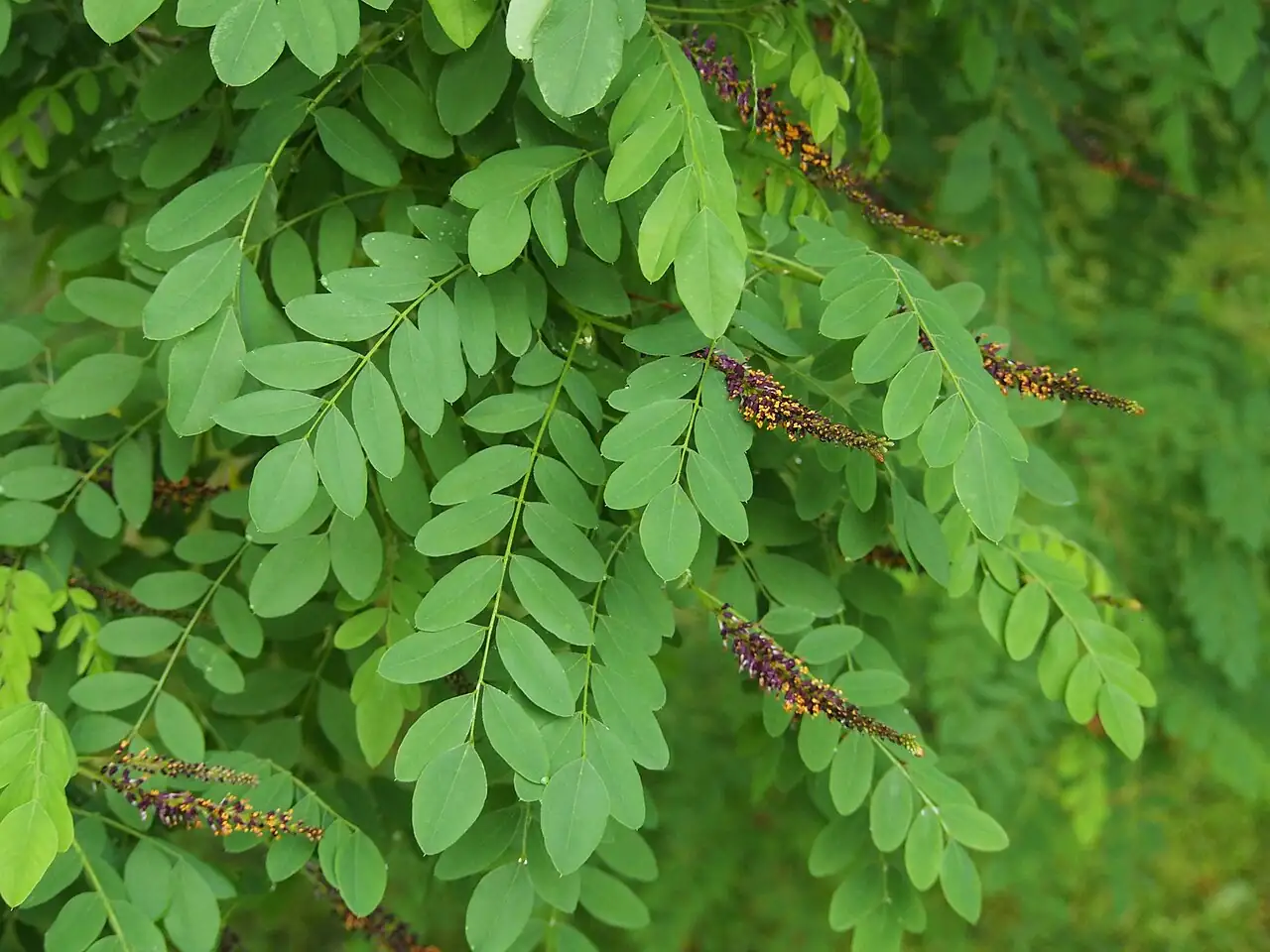
Plant Features
- Size: Typically 1–4 m (3.3–13.1 ft) tall; a multi-stemmed shrub that can expand into broad, clump-forming stands in favorable conditions.
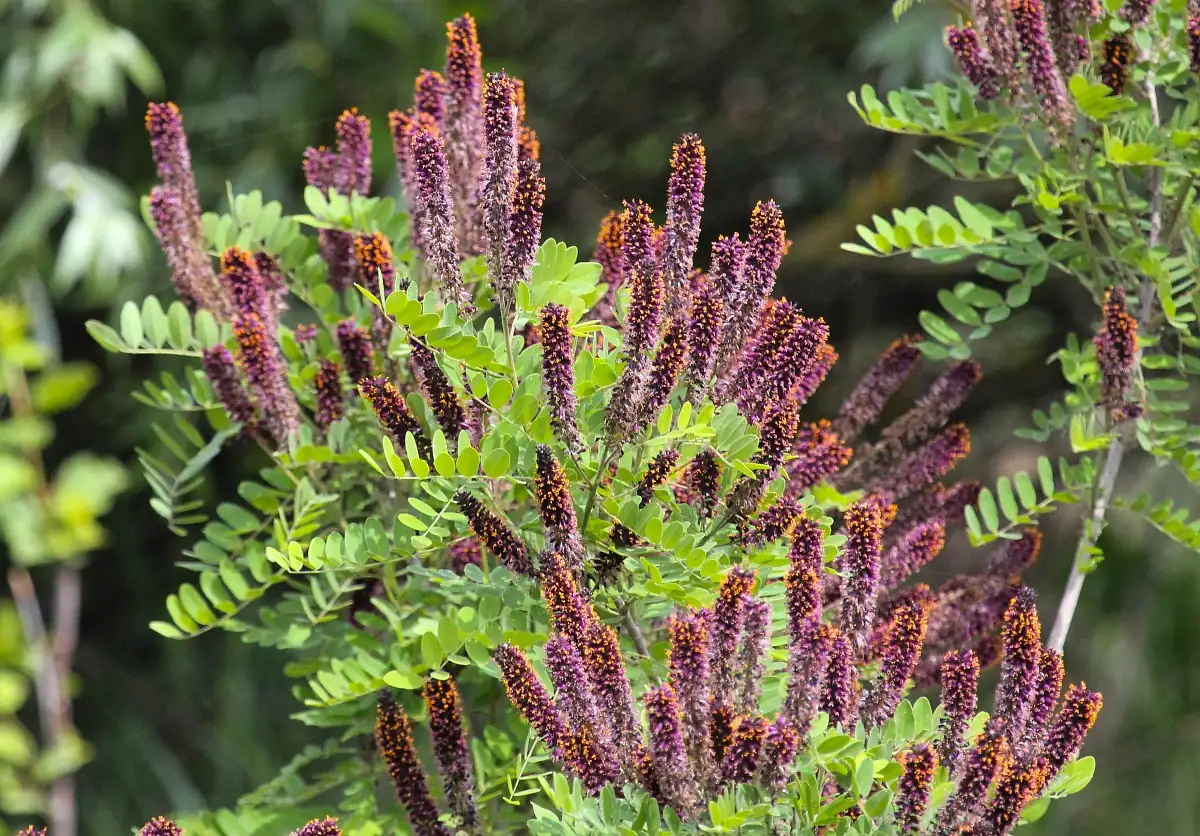
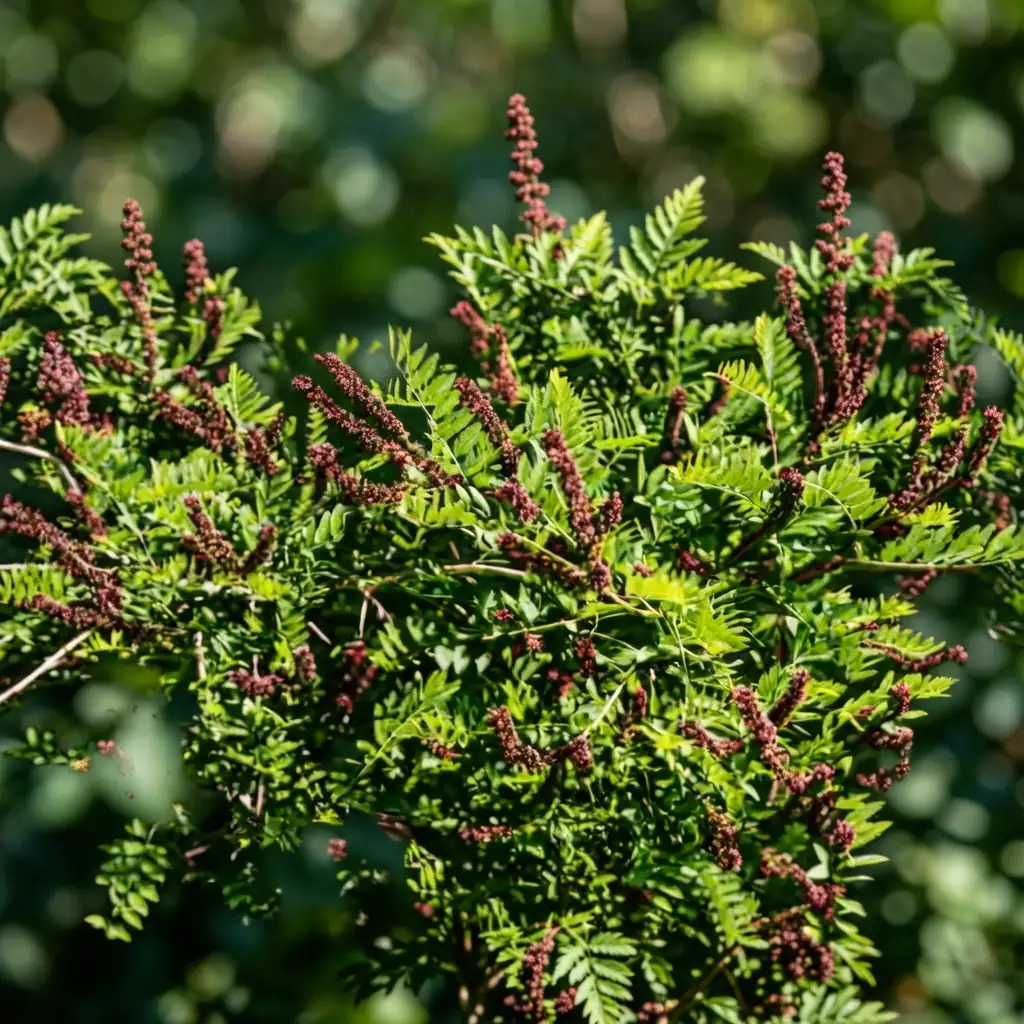
- Foliage: Leaves are alternate and pinnate, made up of many small leaflets. The fine-textured foliage gives the plant an airy, “feathery” look typical of many legumes.
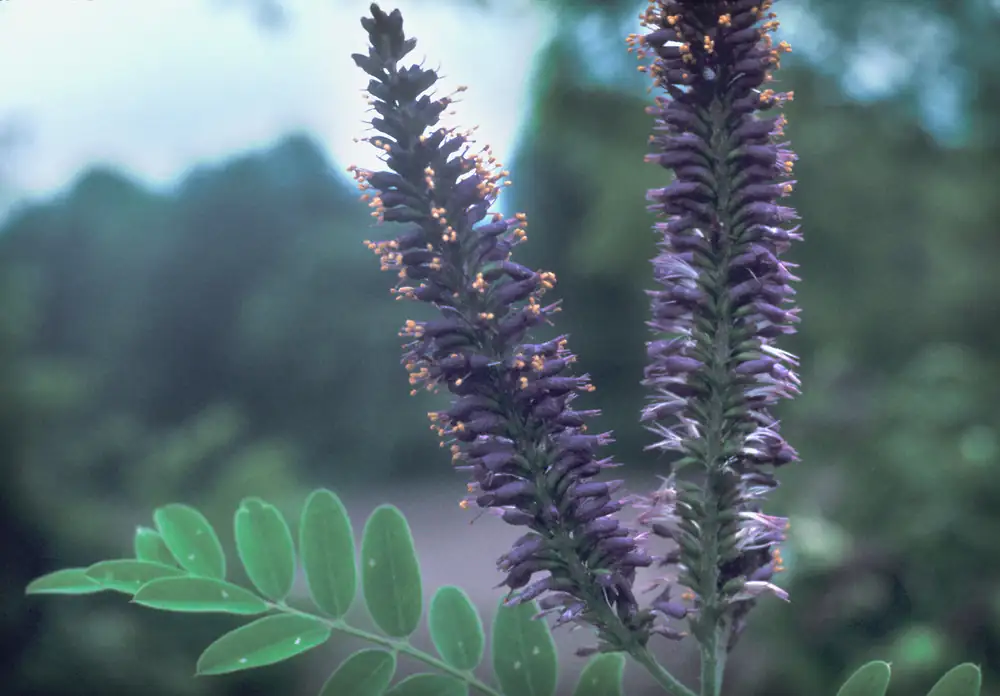
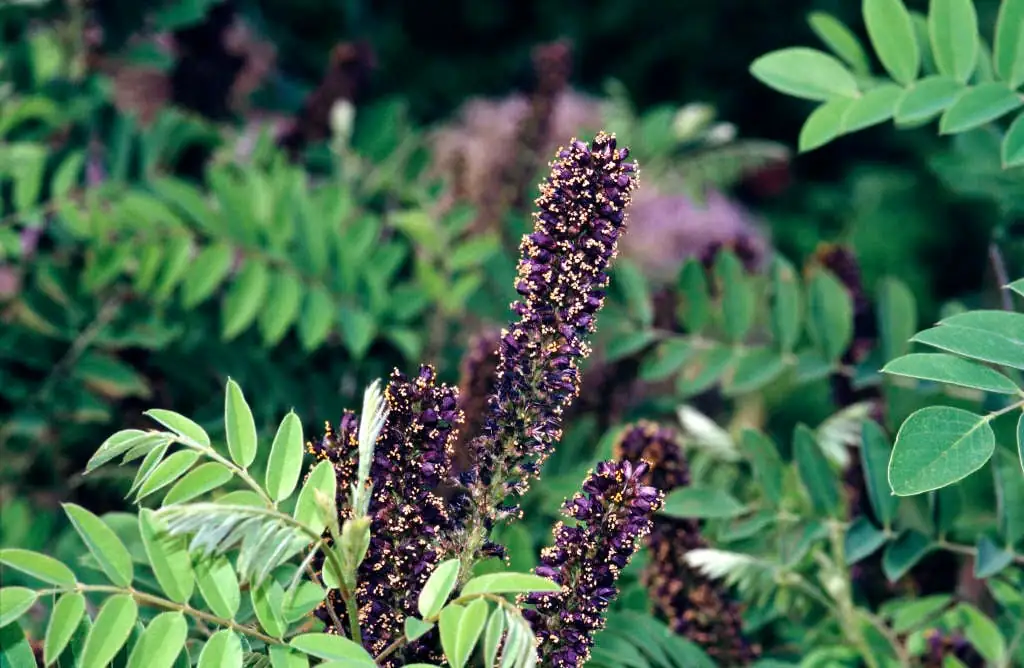
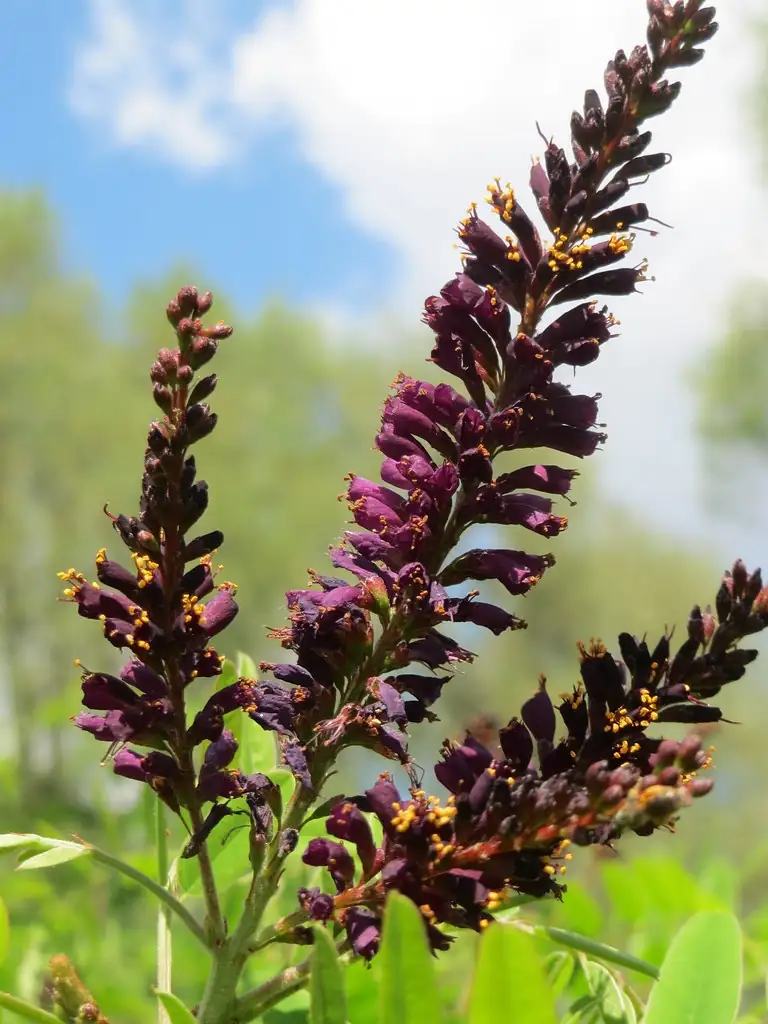
- Flower: Produces dense, upright spike-like racemes packed with small pea-family blossoms, usually deep purple to violet and very attractive to pollinators. Flowers are followed by drooping, slightly curved brown pods with a small tip and a gland-dotted surface.
- Flowering Season: May–October
- Growth Habit: Deciduous, multi-stemmed shrub; young brown shoots may be softly hairy, becoming smoother as they mature.
Environment
Sunlight
Full sun for the strongest growth and best flowering; tolerates light shade but typically blooms less.
Temperature
Best in cool-temperate to temperate climates; often performs well where mean annual temperatures are about 10–16°C (50–61°F). Very cold-hardy once established.
Humidity
Comfortable in dry conditions and low rainfall; also copes with periodic wetness and can survive temporary inundation for about 1 month (around 4 weeks).
Soil
Highly adaptable: tolerates poor, sandy, and disturbed soils. Best in well-drained ground but accepts some moisture; can handle mildly saline and/or alkaline conditions.
Placement
Outdoors in sunny sites—slopes, windbreaks, restoration plantings, shelterbelts, and pollinator gardens. Also used in agricultural/ecological plantings where soil improvement and toughness matter.
Hardiness
Often grown in USDA Zone 3–8 (reports vary with local climate and plant provenance); generally not fond of persistent, waterlogged winter soils.
Care Guide
Difficulty
Easy (outdoors). Once established it’s notably low-maintenance, thanks to strong tolerance of cold, drought, and less-than-ideal soils.
Buying Guide
Pick a healthy, well-rooted shrub with multiple shoots and no obvious dieback. Avoid severely pot-bound plants. Check stems for damage and look for signs of borers or cankers; locally adapted stock is often the most reliable performer.
Watering
Water consistently during the first growing season to help roots establish. After that, water mainly during prolonged drought. It can tolerate very low rainfall (around 200 mm/year (7.9 in/year)) and also withstand short-term flooding for about 1 month (around 4 weeks).
Fertilization
Usually unnecessary. If growth is weak in extremely poor soils, give a light application of a balanced, slow-release fertilizer in spring. Avoid heavy high-nitrogen feeding since it is nitrogen-fixing and can become overly lush and floppy.
Pruning
Prune in late winter to early spring: remove dead/weak stems and shape the shrub. For rejuvenation, older plants can be cut back hard to encourage vigorous new shoots.
Propagation
By seed (often improved with scarification and/or a warm-water soak before sowing), or by softwood/semi-hardwood cuttings in summer. If it forms suckering clumps, division may also work.
Repotting
Mostly grown in the ground rather than indoors. If kept in a container, repot in spring every 1–2 years into a larger pot with a free-draining mix and excellent drainage holes.
📅 Seasonal Care Calendar
Spring: plant and prune; water to establish. Summer: generally hands-off; optional deadheading; monitor container plants for drought stress. Autumn: let pods mature for seed collection; reduce watering. Winter: dormant; do structural/rejuvenation pruning in late winter.
Pests, Diseases & Safety
Common Pests & Diseases
Generally robust. Possible issues include aphids, spider mites during hot/dry stress, occasional stem borers, and fungal dieback where drainage and airflow are poor. Keep plants from staying soggy, maintain spacing for airflow, and prune out affected wood promptly.
Toxicity
Not widely considered highly toxic, but it is not a food plant. As a precaution, discourage chewing of leaves or pods by pets/children and seek medical/veterinary advice if ingestion occurs.
Culture & Symbolism
Symbolism: Often linked with resilience and “land renewal,” thanks to its ability to thrive in harsh sites and help enrich soil through nitrogen fixation.
History & Legends: A shrub native to North America that has been widely planted elsewhere for shelterbelts, erosion control, and soil improvement. In some regions outside its native range it can escape cultivation and behave invasively, so it’s worth checking local guidance before planting.
Uses: Popular for ecological restoration, erosion control, and shelterbelt plantings because it tolerates drought, poor soils, mild salinity/alkalinity, and brief flooding. A valuable nectar source for bees and other pollinators. In some settings it’s also used as green manure/soil-improving shrub and occasionally as forage.
FAQ
When does false indigo-bush flower?
Usually from May to October, though timing varies with climate and site.
When does it set fruit (pods)?
Pods form after flowering and typically mature from summer into autumn.
How tall does it grow?
Commonly about 1–4 m (3.3–13.1 ft) tall.
Where is it native, and where is it grown?
It’s native to eastern and southeastern North America, and it’s widely cultivated and naturalized in parts of northern and central China.
What is it used for?
Soil improvement (nitrogen-fixing/green manure), pollinator support, erosion control and restoration plantings, and sometimes forage.
Is it cold- and drought-tolerant?
Yes—once established it’s notably cold-hardy and drought-tolerant, able to grow with roughly 200 mm/year (7.9 in/year) rainfall, and it can also tolerate temporary flooding for about 1 month (around 4 weeks).
Fun Facts
- Despite being native to North America, it has been planted widely worldwide for erosion control and soil improvement.
- As a legume, it can host nitrogen-fixing bacteria that help enrich nutrient-poor soils over time.
- It’s unusually tolerant of both drought and short-term flooding compared with many shrubs.
- The dense purple flower spikes are a magnet for bees and other pollinators.
- Outside its native range, it can spread aggressively in some places—always check local regulations and recommendations.