

Plant Features
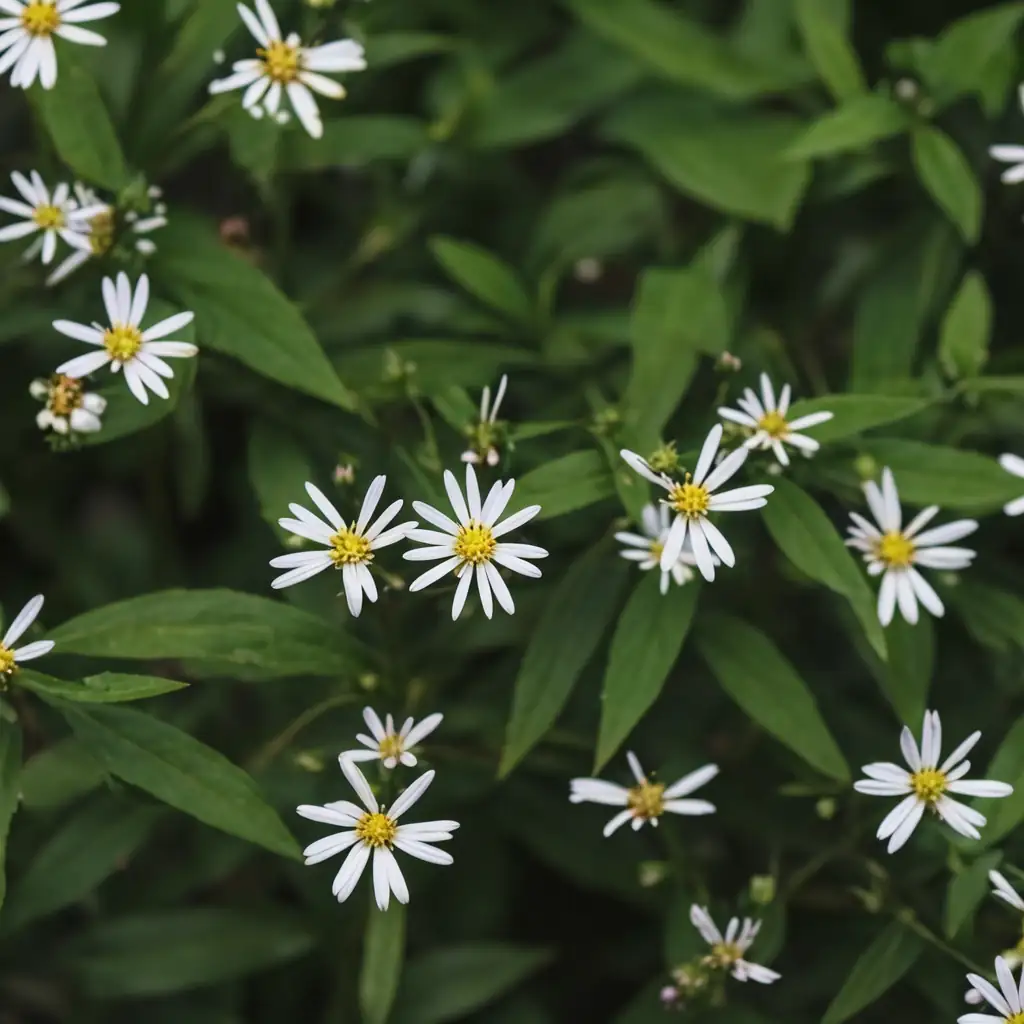
- Size: Typically 30–70 cm (12–28 in) tall; spreads outward via creeping rhizomes.
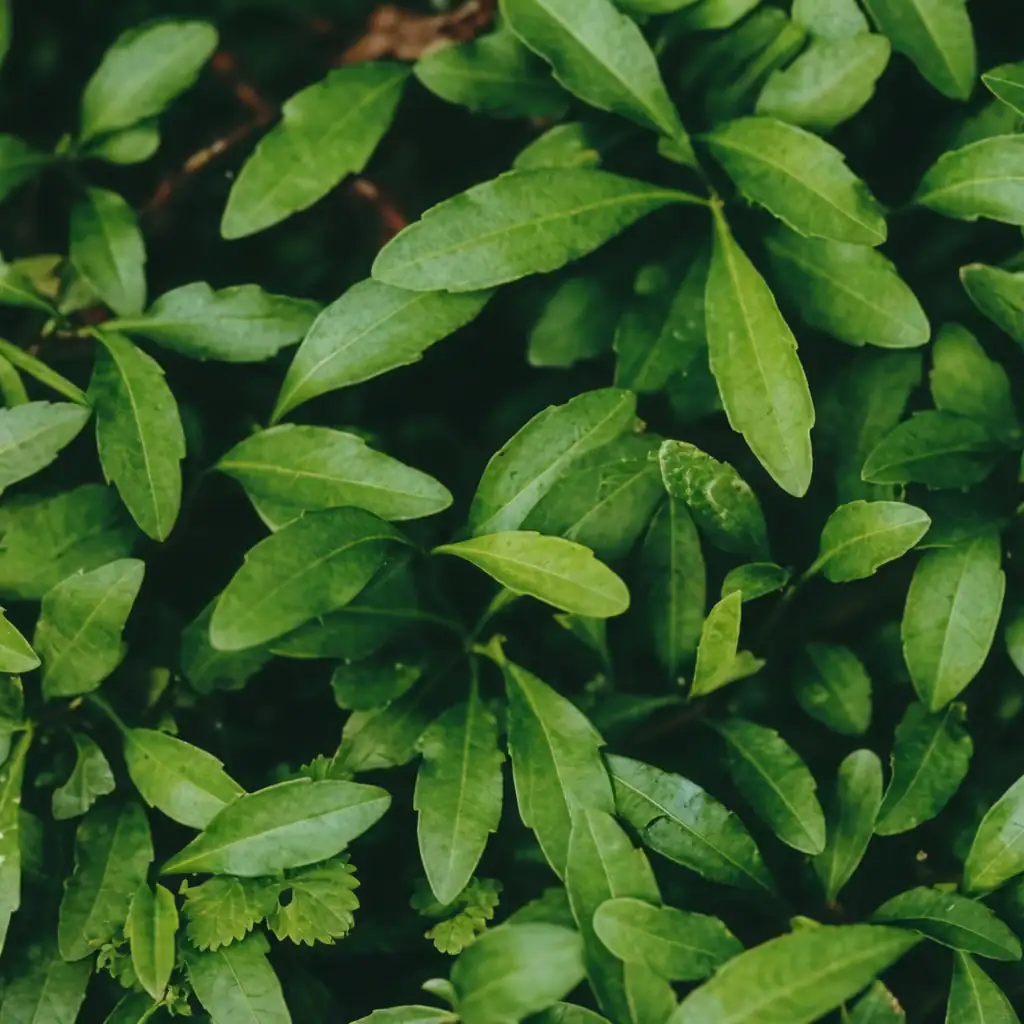
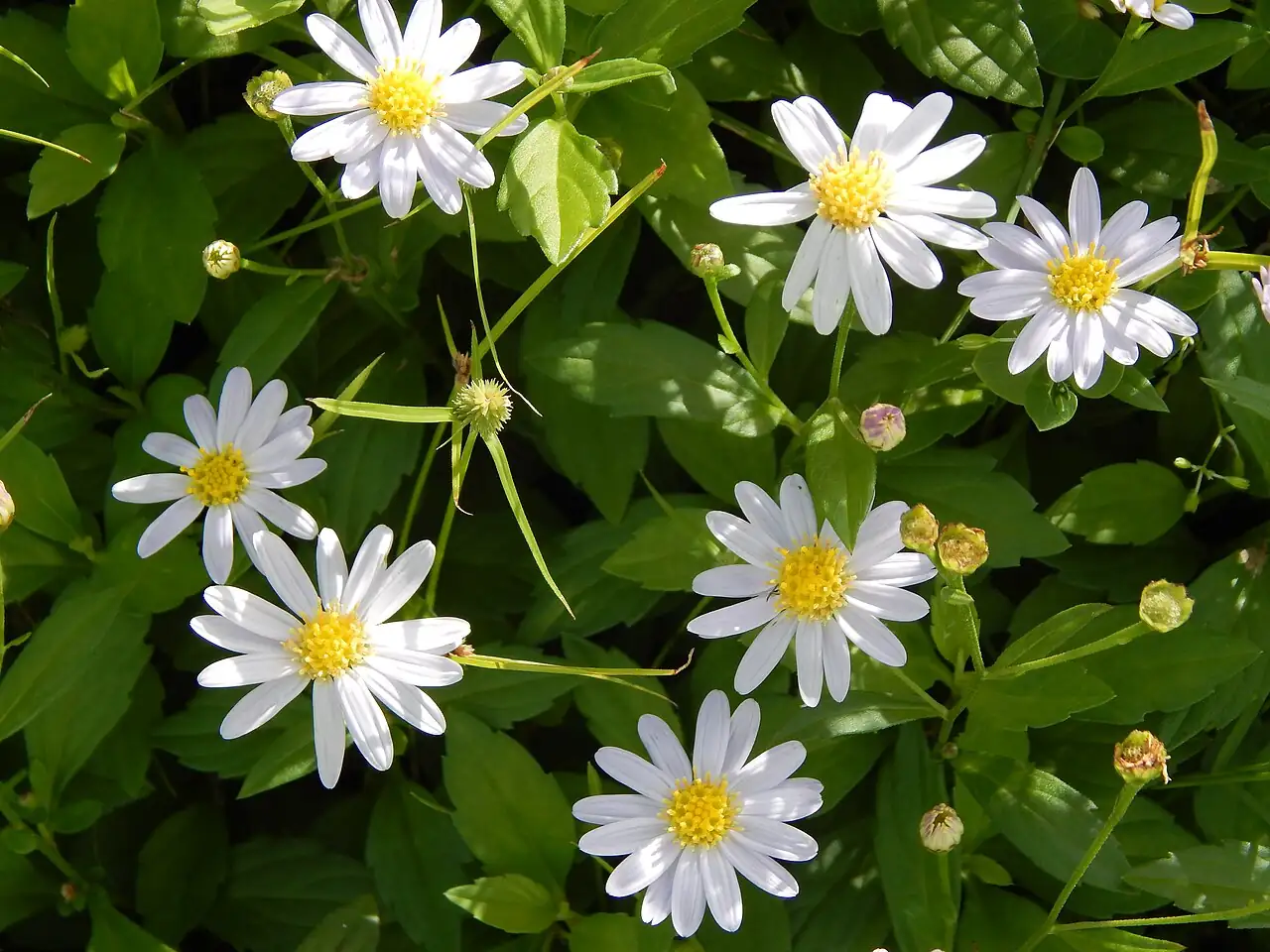
- Foliage: Basal leaves often fade or wither by the time the plant is in full bloom. Leaves along the stems are usually oblanceolate to obovate, sometimes looking almost rounded near the tip.
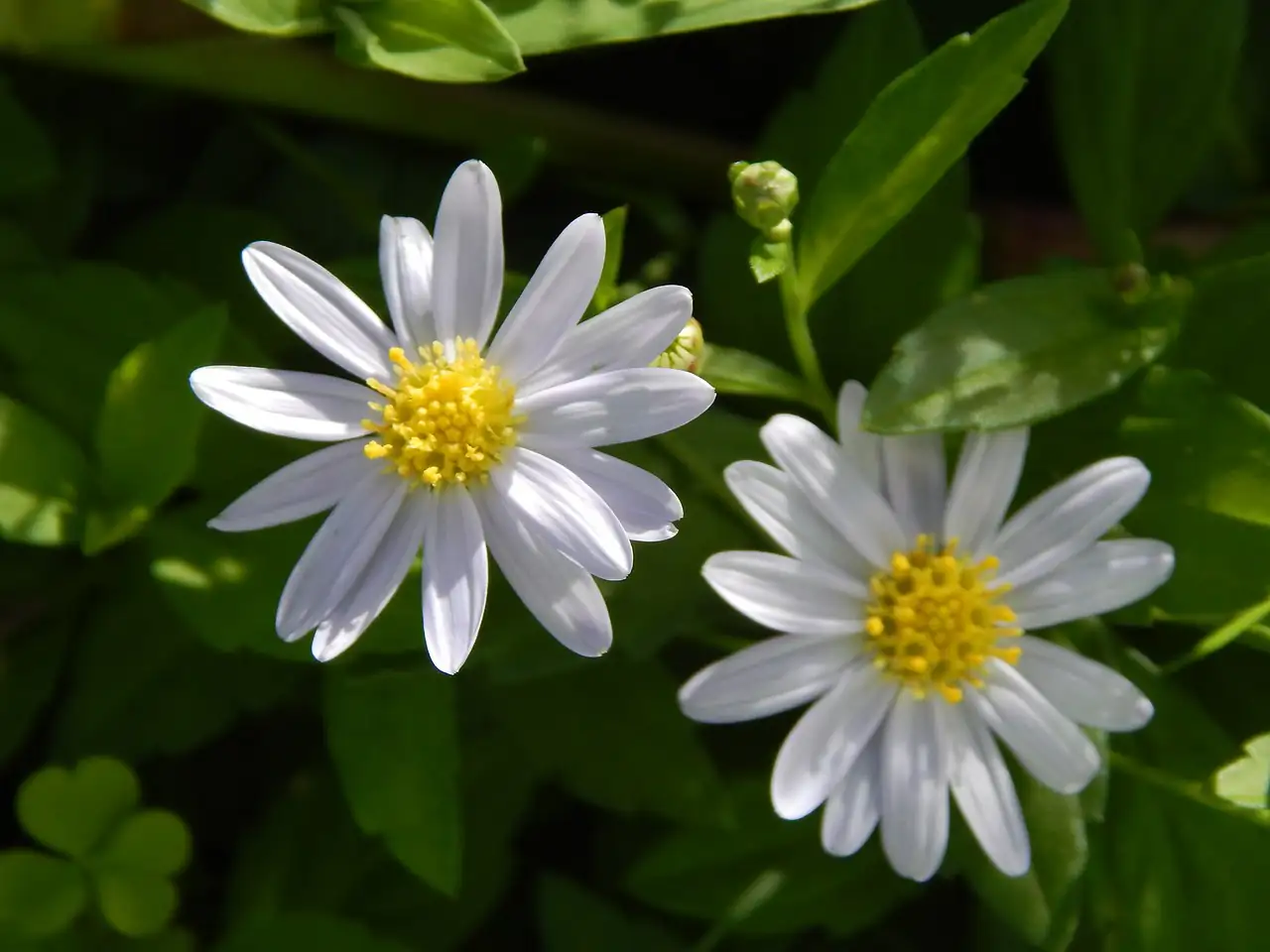
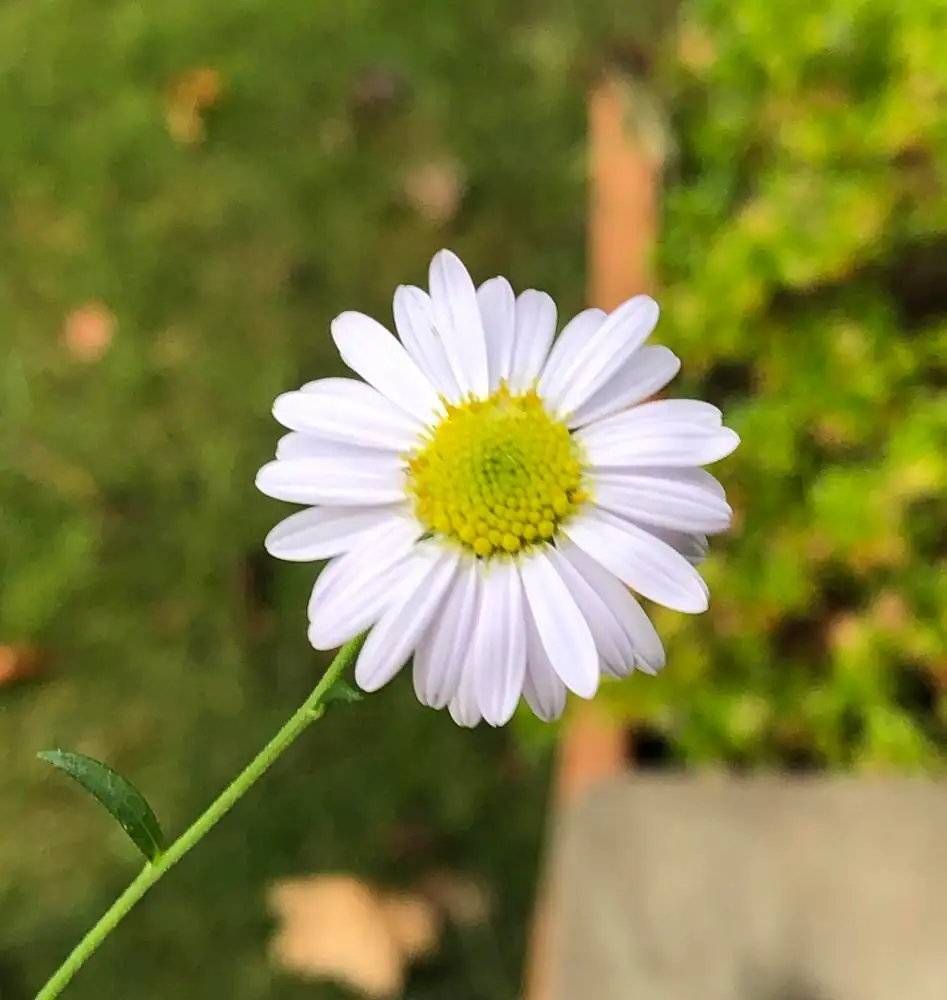
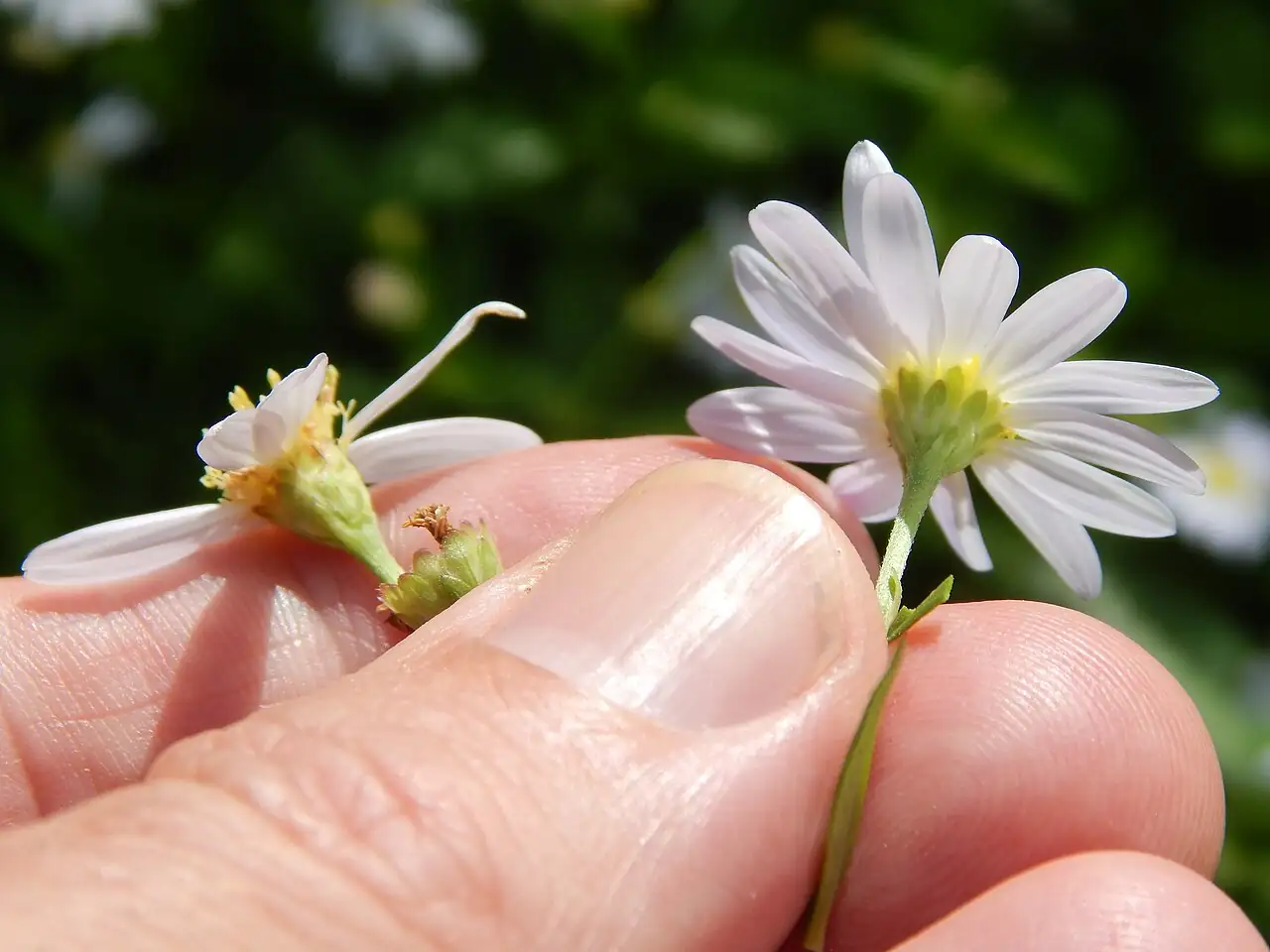
- Flower: Daisy-like flower heads with pale lavender ray florets. After flowering, it forms flattened, brown achenes (seed-like fruits) that are obovate to nearly round.
- Flowering Season: May–September
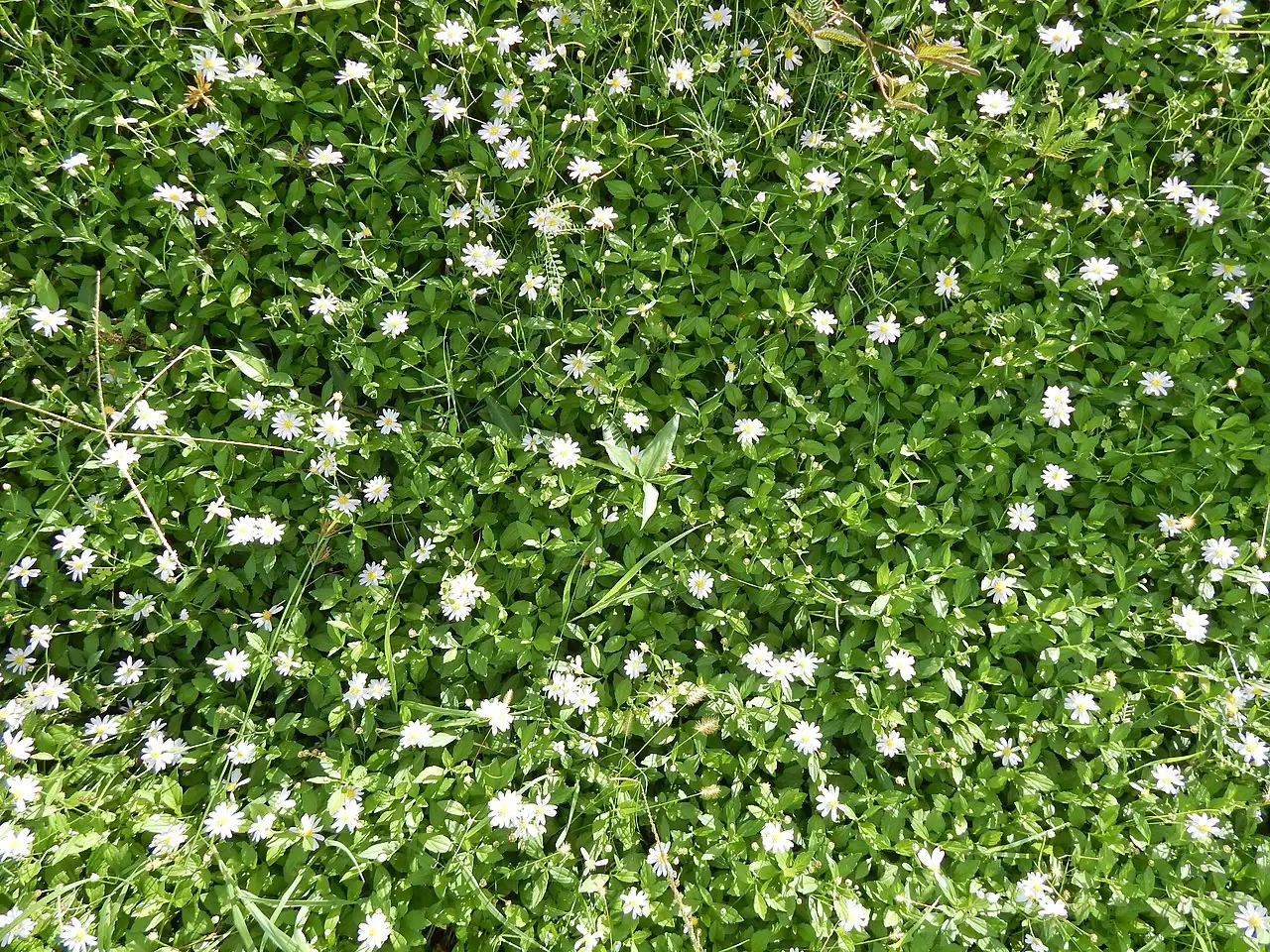
- Growth Habit: Herbaceous perennial that gradually forms patches by creeping rhizomes; it may also develop a more noticeable taproot in some situations.
Environment
Sunlight
Full sun to partial shade; tolerates lower light and is generally unfussy about exposure.
Temperature
Heat- and cold-tolerant; grows best around 10–30°C (50–86°F).
Humidity
Adaptable; average outdoor humidity is suitable.
Soil
Not picky—handles many soil types, but does best in reasonably well-drained soil. Commonly thrives in disturbed ground such as roadsides, field margins, and slopes.
Placement
Naturalistic plantings, meadow-style borders, field-edge or woodland-margin gardens, and low-maintenance sunny-to-partly-shaded areas.
Hardiness
Generally suitable for USDA Zones 5–10 (varies with local conditions).
Care Guide
Difficulty
Easy. A durable, adaptable perennial that copes well with partial shade and a wide range of conditions.
Buying Guide
Look for firm, green stems and healthy foliage (skip plants with lots of yellowing or limp growth). If purchasing divisions, choose pieces with vigorous rhizomes and visible new shoots.
Watering
Water regularly while establishing. Once settled, water mainly during long dry spells. Keep soil lightly and evenly moist during active growth, but avoid soggy, waterlogged conditions.
Fertilization
Often unnecessary in average soil. If plants look weak, use a light application of balanced fertilizer in spring; avoid heavy feeding, which can lead to floppy stems.
Pruning
Deadhead spent blooms to keep the plant tidy and potentially encourage continued flowering. Cut stems back after flowering or in late fall/early spring to refresh growth.
Propagation
Divide rhizomes in spring or autumn. Can also be grown from seed when available.
Repotting
If grown in containers, repot or divide every 1–2 years in spring into a fresh, well-draining mix to prevent crowding.
📅 Seasonal Care Calendar
Spring: plant/divide; lightly feed only if needed. Summer: deadhead; water during drought. Autumn: cut back and/or divide. Winter: dormant; protect containers in very severe cold.
Pests, Diseases & Safety
Common Pests & Diseases
Usually trouble-free. Watch for aphids, and occasional leaf spot when plants are crowded or kept too wet. Improve airflow and avoid frequent overhead watering if problems appear.
Toxicity
No widely cited, well-documented toxicity to humans or pets. Still, don’t eat or forage unless the plant is correctly identified and properly prepared.
Culture & Symbolism
Symbolism: Often linked with resilience and simple beauty—fitting for a plant that thrives in ordinary, “in-between” places like roadsides and field edges.
History & Legends: A familiar wildflower in East Asia, historically gathered from the wild and valued in local food traditions and folk practices.
Uses: Grown ornamentally for its airy, pale lavender daisy flowers and low-maintenance nature; traditionally used as an edible wild green and in folk medicinal contexts.
Fun Facts
- It’s a true “everyday survivor,” naturally appearing along roadsides, in fields, and on hillsides across much of China.
- Its long bloom window (often May–September) makes it a great filler for meadow-style plantings.
- Like many daisies, it produces flattened brown achenes—classic Asteraceae-style fruits.


